REVIEW · HO CHI MINH CITY
Ben Duoc – Authentic Cu Chi Tunnels Private Tour
Book on Viator →Operated by MAIKA TOURS · Bookable on Viator
War tunnels feel close. That is the point.
This Ben Duoc Cu Chi Tunnels private tour from Ho Chi Minh City takes you underground for a real look at how Viet Cong fighters lived and fought during 1961–1972. I like that it is not just photo stops: you get context before you crawl into the tunnel experience, and you also see the Liberated Area where the ground looks calm now. One consideration: the day runs long enough that you’ll want to pace yourself, especially if you’re heat-sensitive and plan to spend time walking and standing outdoors first.
The two biggest wins for me are the practical guide time and the format. Having an English-speaking guide (like Tan, who is praised for clear professionalism) makes the traps, camouflage entrances, and ventilation details much easier to understand. Plus, the private setup means you’re less rushed and it can feel more personal than the big-bus style tours.
If you’re expecting a fully cushy, low-effort attraction, adjust your expectations. Even though the tour includes water and an A/C vehicle, you’ll still be outdoors in the sun and moving through a historical site that can be physically tight at points.
In This Review
- Key highlights you’ll actually care about
- From Ho Chi Minh City to Cu Chi: The Drive That Sets the Stage
- Liberated Area (1961–1972): Peaceful Ground, Hard Context
- What you’ll like
- A real-world caution
- Entering Ben Duoc Tunnels: Camouflaged Entrances and Trap Thinking
- The “you can experience it” component
- How to prepare for the tight parts (and not panic)
- Practical comfort advice
- The guide makes it: Tan’s professional, hands-on style
- A small extra that signals good service
- Transportation and timing: A 6-hour day that still has room to breathe
- Why the A/C vehicle matters
- Price and value: When $95 makes sense
- When it may not be the best fit
- What to wear and bring (so the day stays pleasant)
- Who this private tour suits best
- Final call: Should you book Ben Duoc Cu Chi Tunnels?
- FAQ
- What time does the tour start?
- How long is the Ben Duoc Cu Chi Tunnels private tour?
- Is pickup included, and is it private?
- Do I need to buy admission tickets separately?
- Is lunch included in the price?
- What’s included in the tour price besides the guide?
- What should I bring and wear?
- Does the tour provide an English-speaking guide?
- How do I get my ticket?
- Can I cancel for a full refund?
Key highlights you’ll actually care about
- Private transportation with pickup: You start from your accommodation and ride in an A/C vehicle for the long stretch out of the city.
- Liberated Area first: Before the tunnel portion, you see the 1961–1972 wartime setting in a calmer, open environment.
- Ben Duoc focus on tactics you can see: Camouflaged entrances, bamboo booby traps, and the ventilation setup are part of the guided walkthrough.
- A real hands-on feel: You do not just look at tunnels behind ropes; you get the chance to experience them up close.
- Guide-led context that clicks: A good guide (Tan comes up in reviews) helps the whole place make sense, not just impress you.
From Ho Chi Minh City to Cu Chi: The Drive That Sets the Stage
This tour starts with pickup from your accommodation in Ho Chi Minh City, and that matters more than you might think. You avoid the hassle of getting yourself across town, then finding the right drop-off point once you’re already tired. The schedule also gives you a clean start at 8:00 am, which is ideal in Vietnam: you get more daylight hours before the heat really takes over.
After pickup, you ride out toward Cu Chi. Expect about an hour and a half of driving before your first major stop. During that transit, your English-speaking guide shares political history background meant to prepare you for what you’re about to see underground. That briefing is the difference between tunnels as an oddity and tunnels as a survival system.
If you like understanding the “why” behind what you’re seeing, this format works. The tour doesn’t pretend war is simple, but it does try to connect the location and its purpose so the later details feel logical, not random.
You can also read our reviews of more private tours in Ho Chi Minh City


Liberated Area (1961–1972): Peaceful Ground, Hard Context
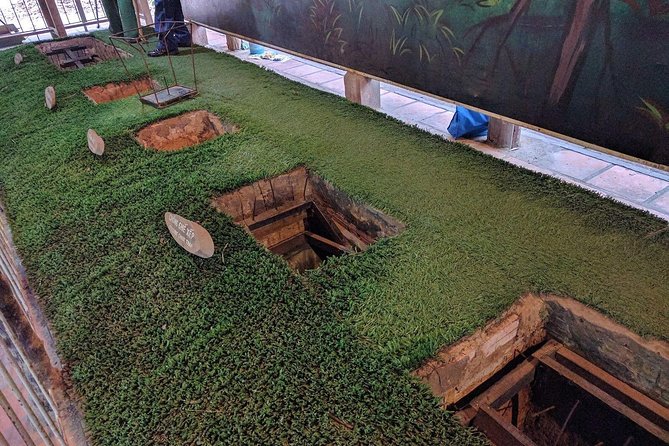
Your first stop is the Liberated Area, and it’s a smart choice for pacing. This is where you can picture Viet Cong life during the most intense period of the war, from 1961 to 1972. Today it’s peaceful, which creates a strange effect: you’re standing somewhere that once mattered intensely, and your senses tell you it is calm.
While you walk around, your guide explains how this area fit into daily life and wartime strategy. It’s not just “war stuff,” either. The value here is learning the setting so when you move into the Ben Duoc tunnel section, you recognize the logic behind the layout and the engineering.
What you’ll like
You get a calmer environment first, so you can ease in before you tackle tighter, darker spaces. If you’re sensitive to enclosed areas, this open start helps you build momentum and mental readiness.
A real-world caution
Liberated Area still sits outdoors, so wear sun protection. The tour provides guidance on bringing sunscreen, a hat, and insect repellent, plus a light jacket for comfort. That may feel like overpacking, but it’s the difference between enjoying the morning and turning the day into a swat-and-sweat mission.
Entering Ben Duoc Tunnels: Camouflaged Entrances and Trap Thinking
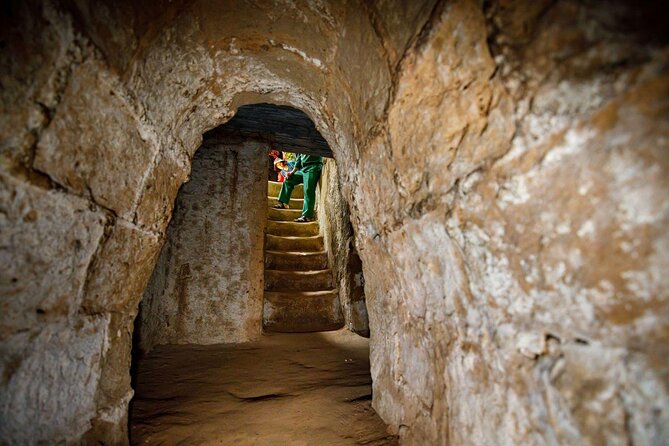
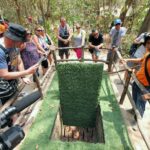
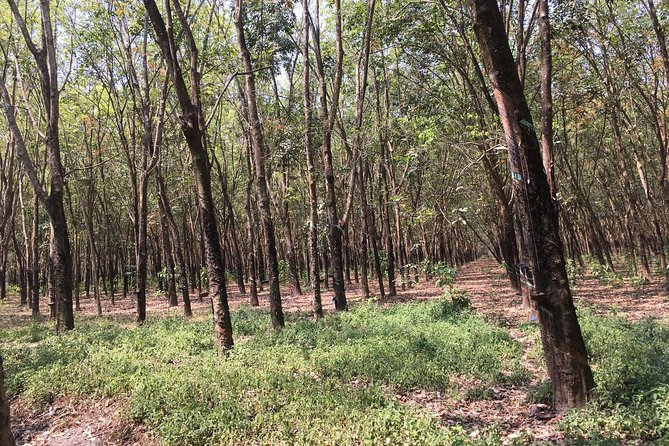
Then comes the main event: Ben Duoc Tunnels. This is where you walk into the old base of Viet Cong fighters through areas designed to look concealed in the forest. Your guided time here is listed as about three hours, and it’s framed as a walkthrough of how the tunnels worked and why they were so effective.
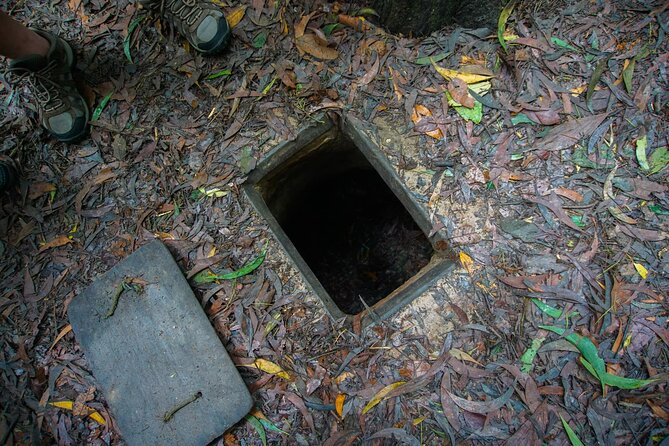
This part is especially strong because it focuses on specific features you can actually see and connect. Your guide points out camouflaged entrances, then explains the bamboo booby traps that were among the tactics used in the surrounding area. You also get attention on the ventilation system, which is one of those details that sounds technical until someone shows you how it changes life underground.
What I like most about this style is that it encourages you to think like a builder and a protector, not just like a visitor holding a phone. You start asking questions: How do you stay hidden? How do you move without being detected? How do you manage air, light, and routine when the space is limited?




The “you can experience it” component
This isn’t sold as a distant viewing platform. The tour includes a moment where you can experience the tunnels up close rather than only watching them from the outside. That’s where the visit turns memorable, since you get the physical feel of narrow passages and grounded survival design.
How to prepare for the tight parts (and not panic)
I’m going to be direct: tunnel tourism is not a typical museum stroll. Even when access is designed for visitors, the environment naturally limits your movement, sight lines, and comfort level. So before you go in, take a breath and set your expectations.
The tour’s included structure helps you in two ways. First, you have a guide steering the experience, with explanations that tell you what you’re looking at. Second, the day includes time outside the tunnels first (Liberated Area), so you’re not jumping from city heat straight into tight darkness with no transition.
Practical comfort advice
- Wear respectful clothing that covers knees and shoulders, as the tour requests. It also helps keep you comfortable if you move through shaded forest areas.
- Bring insect repellent even if it’s not peak mosquito time. Forest edges can still mean bites.
- If you get hot easily, consider that you’ll be mixing sun and shade. Light jacket guidance is included, but treat it as comfort gear for your personal tolerance.
If you’re claustrophobic, this is the part where you should decide early whether you want to enter fully or stay at safer viewing areas. The tour is designed for most travelers, but your body is the final authority.
The guide makes it: Tan’s professional, hands-on style
One of the most praised aspects of this tour is the guide experience. In the reviews tied to this tour, Tan comes up as a complete professional who guided people through the grounds in a way that felt personal and unrushed. That matters a lot because Cu Chi can become overwhelming if you’re just hearing facts while trying to manage your footing.
With a strong guide, you don’t just see features like camouflaged entrances and bamboo traps. You understand what they were for, and you learn how those choices fit a broader wartime strategy. You also move more confidently because you’re not guessing where to look or when to step aside.
A small extra that signals good service
There’s also a nice, practical perk mentioned: Tan helped with a stop to buy roadside fruit and snacks on the way to and from the tunnels. That doesn’t replace lunch (lunch isn’t included), but it can help you keep your energy stable during a long day outdoors.
Transportation and timing: A 6-hour day that still has room to breathe
The total duration is listed at about 6 hours. In practice, that kind of time window is ideal because you can do the core stops without feeling like you’re gone for a full day. Still, it’s long enough that you should plan for real movement: transit, walking, and waiting at natural site pacing.
The tour also includes two bottles of water. That’s a basic inclusion, but on a hot day it makes a difference. You’re not starting out thirsty and hoping water is available the moment you need it.
Why the A/C vehicle matters
Vietnam traffic and weather can wear you down quickly, and you’re heading out from Ho Chi Minh City. Having fully air-conditioned vehicle transport is a quality-of-life improvement. It helps the day feel manageable, especially if you’re traveling with less buffer.
Price and value: When $95 makes sense
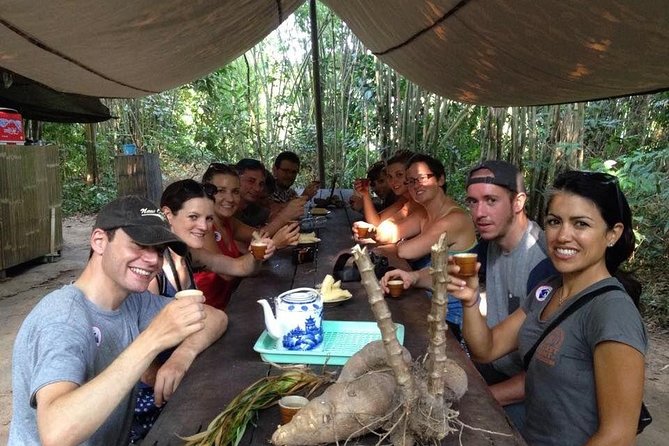
At $95 per person, this is not a budget impulse buy. But it can be good value if you care about comfort, language, and a guided route. Here’s what you’re paying for:
- Private tour format: only your group participates.
- Pickup included: you start from your accommodation.
- English-speaking guide: you get guided explanation rather than reading signs.
- Admission included for the tunnel portion and the included experience time.
- A/C vehicle and taxes included, plus two bottles of water.
If you compare this to tours where you spend time herding through a site with limited time and less explanation, this format can feel like money spent well. A private setup also reduces the stress of matching your pace to strangers who don’t care about the details.
When it may not be the best fit
If you already know exactly what you want and prefer to DIY on your own, this won’t feel “cheap.” But if you want historical context, guided structure, and comfort, the price can be reasonable.
What to wear and bring (so the day stays pleasant)
This tour gives clear guidance, and it’s worth following. Dress respectfully, with knees and shoulders covered at all times. Also plan for outdoor time and insects.
Bring:
- Sunscreen
- Hat
- Insect repellent
- Light jacket
Wear:
- Clothing that covers knees and shoulders
Why all this matters: Cu Chi visits mix shade and sun, and the day starts with driving and continues into the forest setting. Comfort is part of getting the most out of the experience.
Who this private tour suits best
This tour is a strong match if you:
- Want a guided historical experience with clear explanations in English
- Prefer private pickup and private pacing over joining a large group
- Like seeing how a place worked, not just taking photos
- Don’t mind a physically active day of walking and standing outdoors
It might feel less ideal if you:
- Want a fully relaxing day with minimal walking
- Are not comfortable with enclosed spaces
- Expect lunch to be included (it isn’t, though dietary needs can be catered if you contact in advance)
Final call: Should you book Ben Duoc Cu Chi Tunnels?
I’d book this tour if you want a guided, private, English-speaking experience focused on how the Ben Duoc tunnels operated and how fighters lived in that wartime system. The combination of pickup, A/C transport, admission included, and a guide who can explain the details you see (Tan is highlighted for this) is a practical recipe for a visit that sticks.
Skip or rethink if you’re looking for a short, low-effort attraction, since the day is about 6 hours and includes outdoor time plus close tunnel access. If your comfort level with tight spaces is uncertain, decide ahead of time how you’ll handle the tunnel portion.
If you’re planning around heat and stamina, keep it simple: sunscreen, proper clothing coverage, repellent, and water help a lot. Then let the guide’s explanations do the heavy lifting so you can focus on understanding what you’re walking through.
FAQ
What time does the tour start?
The tour starts at 8:00 am.
How long is the Ben Duoc Cu Chi Tunnels private tour?
It runs for about 6 hours.
Is pickup included, and is it private?
Yes. Pickup is offered from your accommodation, and it’s a private tour where only your group participates.
Do I need to buy admission tickets separately?
No. Admission tickets are included for the tunnel portion.
Is lunch included in the price?
Lunch is not included. The tour can cater for dietary requirements if you get in touch beforehand.
What’s included in the tour price besides the guide?
The tour includes all taxes, a fully air-conditioned vehicle, two bottles of water, and an English-speaking guide.
What should I bring and wear?
Bring sunscreen, a hat, insect repellent, and a light jacket. Dress respectfully with knees and shoulders covered.
Does the tour provide an English-speaking guide?
Yes, the guide is listed as English speaking.
How do I get my ticket?
The tour uses a mobile ticket.
Can I cancel for a full refund?
Yes. You can cancel up to 24 hours in advance for a full refund.