REVIEW · HO CHI MINH CITY
Remembering Long Tan- Nui Dat Battle : A Tour of Historic Sites
Book on Viator →Operated by Viet Kolors Tour · Bookable on Viator
That early-morning drive sets the tone. This is a focused day trip that moves through the Long Tan ground reality at Nui Dat and Horseshoe Hill, then turns underground at the Long Phuoc Tunnels, where ammunition was stored.
What I like most is how the stops are tied to the battle’s physical locations, not just a lecture. You’ll see specific points like the 161 Kiwi artillery area and the Luscombe bow, including the story about the concert by Dottie and Col Joy, which makes the day feel human instead of purely tactical.
One possible drawback: it starts early at 7:30 AM, and it’s a long day in an air-conditioned van with several outdoor walking moments between sites. If you hate mornings or have mobility limits, plan accordingly.
In This Review
- Key highlights not to miss
- Morning drive from Saigon: you get oriented before the sites
- Entering the Long Tan story at Nui Dat: more than a memorial visit
- The Luscombe bow detail: history gets a pulse
- The guide makes the battle readable: Dingo Chien
- 161 Kiwi, Kangaroo Pad, SAS hill: how these stops build a single picture
- Horseshoe Hill: a second base angle that prevents tunnel vision
- Long Phuoc Tunnels: where the story turns underground
- What $107.10 really buys you in a 7-hour day
- Logistics that help: pickup timing, maps, and how to plan your day
- Start early, but don’t panic
- Expect a structured route
- Wear for both comfort and history
- Use the flowers for the right moment
- Who this tour suits best
- Should you book this Long Tan and Nui Dat tour?
- FAQ
- What time is pickup for this tour?
- How long is the tour?
- Is lunch included?
- What sites are included in the Long Tan portion?
- What will I see at Long Phuoc Tunnels?
- Do I get an English-speaking guide?
- Can I cancel for a refund?
Key highlights not to miss
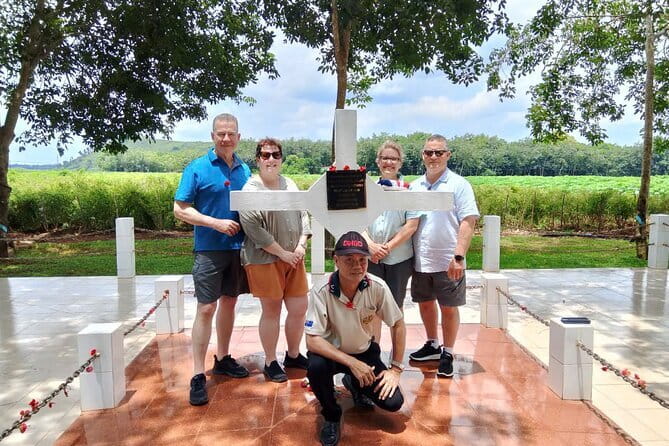
- 7:30 AM hotel pickup from Ho Chi Minh City, with a smooth return to your Saigon hotel
- Nui Dat orientation using military maps, so the terrain has a purpose
- Targeted stops: 161 Kiwi artillery, Kangaroo Pad, SAS hill, Luscombe airfield, Luscombe bow, and the 6 RAR flagpole
- Horseshoe Hill: another diggers base area that adds context beyond Nui Dat
- Long Phuoc Tunnels: ammunition storage, seen up close
- Dingo Chien’s guide style: fluent English, friendly delivery, and a solid sense of Aussie humor
Morning drive from Saigon: you get oriented before the sites
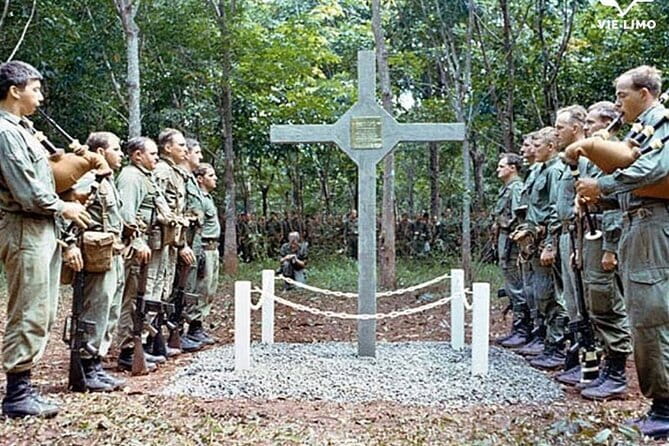
You’ll start with a hotel pickup around 7:30 AM, then head out toward Ba Ria–Vung Tau Province. There’s a rest stop along the way, so you’re not stuck thinking about logistics while you’re trying to take in serious history.
This kind of trip works best when your brain is still fresh. The early start means you arrive at the Nui Dat area while it feels clear and readable, which helps when you’re trying to place locations like artillery positions, hills, and airfield points into one story.
The van ride also matters because the day is structured like a route, not a random checklist. You follow the military mapping approach at Nui Dat, and that makes each stop click into place instead of feeling repetitive.
You can also read our reviews of more historical tours in Ho Chi Minh City


Entering the Long Tan story at Nui Dat: more than a memorial visit
The heart of the tour is your time at the Nui Dat army base area. You’ll use Nui Dat military maps as your guide so you can understand why each named spot is important. That small detail makes a big difference: you’re not just taking photos; you’re learning how people moved and positioned themselves.
At Nui Dat, you’ll check out a set of specific locations, including:
- 161 Kiwi artillery
- Kangaroo Pad
- SAS hill
- Luscombe airfield
- Luscombe bow (where Dottie and Col Joy performed a concert during the Battle of Long Tan)
- The 6 RAR flagpole (a second memorial site)
Then you’ll move onward to Horseshoe Hill, another base where the diggers were stationed.
I like the balance here. Memorials can sometimes feel like a final stop. This one treats them as part of the larger geography, which helps you understand why the fight mattered where it did.
The Luscombe bow detail: history gets a pulse
One reason this tour feels more memorable than a basic memorial loop is the Luscombe bow story. Hearing how Dottie and Col Joy performed a concert during the Battle of Long Tan adds a surprising human layer—people coping, staying connected, doing what they could under extreme stress.
It’s the kind of detail that turns a name on a map into something you can picture. You don’t need to hunt for context yourself; the tour builds it into the route.
The guide makes the battle readable: Dingo Chien
If you get Dingo Chien (he’s specifically mentioned in the feedback), you’re in good hands. In addition to strong English, he’s described as friendly with a good sense of humor and an ability to connect Aussie terms to the story. That matters because Long Tan can be emotionally heavy; the best guides keep the tone clear and understandable.
I’d treat his style as part of the value of the day. When the guide can explain weapons, tactics, and key personnel in plain terms, the geography turns into comprehension instead of just place names.
161 Kiwi, Kangaroo Pad, SAS hill: how these stops build a single picture
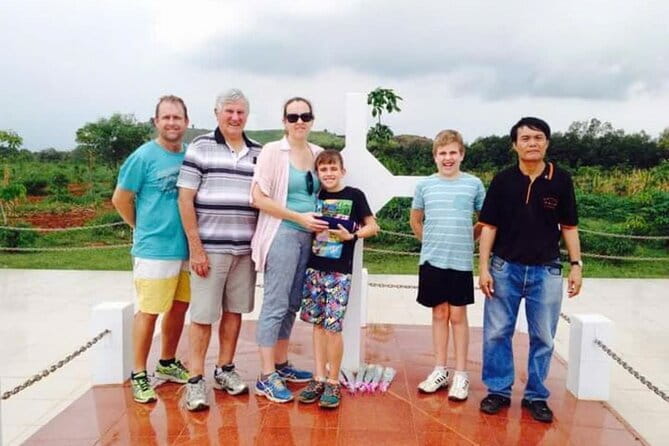
This tour doesn’t bounce around randomly. It uses a set of named points that ladder into one overall understanding of what the base area was used for and how it fit into the battle.
Here’s why that works for you:
- Specificity helps memory. When you stand at a named spot like the 161 Kiwi artillery area, it’s easier to remember what it represented than a general statement about artillery.
- Hills and positions add direction. Places like SAS hill push you to think about elevation and observation, even if the tour stays practical and doesn’t overcomplicate things.
- Pads and airfield points translate into movement. Kangaroo Pad and the Luscombe airfield stops make it easier to visualize how people and equipment could be coordinated during chaotic conditions.
You’ll spend about 2 hours on this Nui Dat battle segment. That timing feels right because it’s long enough to see the main points without dragging. It also keeps your attention from flattening—important for a subject that can start to feel repetitive if there’s too much sitting.




Horseshoe Hill: a second base angle that prevents tunnel vision

After the Nui Dat cluster, you’ll head to Horseshoe Hill, another base where the diggers were stationed. This stop matters because it prevents the day from becoming a single-location story.
When history is taught only from one camp or one map grid, it’s easy to lose the larger picture. Adding Horseshoe Hill gives you a wider sense of how multiple points on the ground played roles in the same conflict.
Think of it like stepping back from one scene and realizing the wider set matters. The tour keeps you moving through that logic without making you work for it.
Long Phuoc Tunnels: where the story turns underground
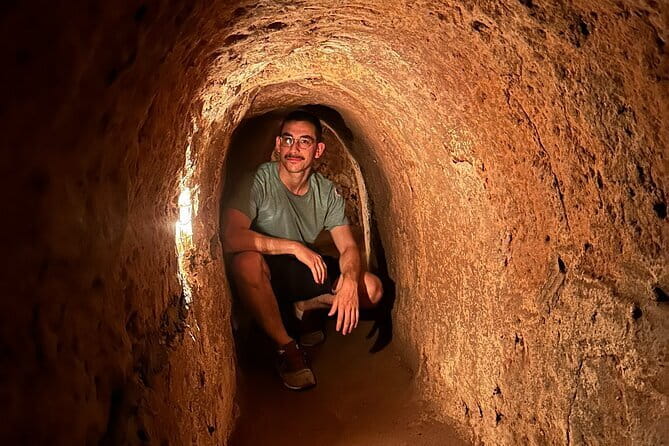
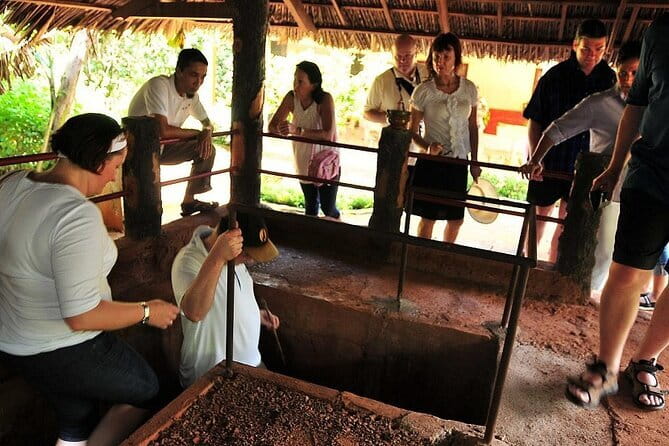
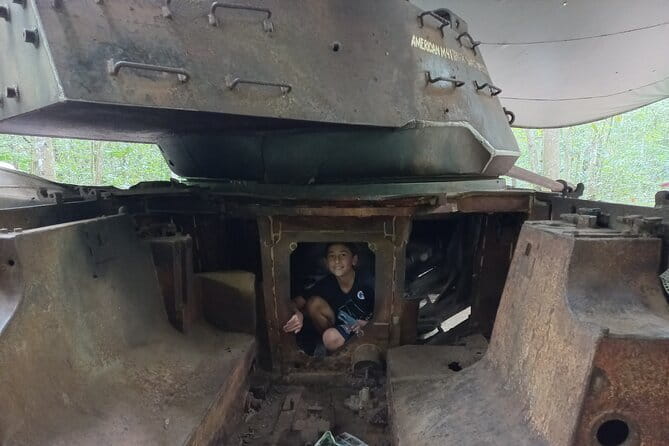
Then you shift from open-air battle sites to Long Phuoc Tunnels. The key point here is what the tunnels were used for: storage for ammunition.
You’ll spend about 1 hour at the tunnels. That’s a manageable amount of time because tunnel visits can change how you feel fast—air, sound, and light all get different. Short is good here, especially on a day that already started with an early pickup.
What I like about adding the tunnels is that it rounds out the battle picture. A lot of battlefield narratives focus on what happens in daylight: movement, firing, positioning. Tunnels bring in the logistics side—what had to be hidden, protected, and ready to support the fight.
If you’re someone who likes history that includes how systems work, this stop will probably be one of your favorites.
What $107.10 really buys you in a 7-hour day
At $107.10 per person for about 7 hours, you’re paying for a full day of transport, guided interpretation, and included meals—plus the entry and site fees tied to the stops.
Here’s what you actually get, in practical terms:
- Air-conditioned vehicle (important for comfort out there)
- Lunch (so you don’t waste time searching for food between sites)
- All fees and taxes
- English-speaking guide
- Bottled water
- Hotel pickup and drop-off in Saigon
- Flowers included
That bundle is the real value piece. You’re not just paying for a checklist of places; you’re paying for someone to connect the dots so you can understand why these locations matter and how they fit together.
Also, the tour is described as private for your group, not a shared free-for-all. That generally means the pace can feel more tailored to your group, and you can ask questions without fighting for attention.
Logistics that help: pickup timing, maps, and how to plan your day
A few practical notes will help you enjoy this more:
Start early, but don’t panic
The tour begins at 7:30 AM. Plan to be ready the night before and keep your morning routine simple. If you’re coming from a hotel further out, the early pickup still matters, so confirm your exact pickup details when you book.
Expect a structured route
The day has clear segments: the Nui Dat battle focus, then Horseshoe Hill, then Long Phuoc Tunnels, and finally back to your hotel. That structure helps because you can stop worrying about where you’ll go next.
Wear for both comfort and history
You’ll likely have a mix of outdoor time around memorial areas and walking transitions between stops. Wear comfortable shoes and light layers. Even in an air-conditioned vehicle, you’ll feel the temperature shift between rides and site time.
Use the flowers for the right moment
Flowers are included. If there are memorial areas where it makes sense to place them, follow your guide’s cues. It’s a small gesture, but it helps the day feel respectful, not just scenic.
Who this tour suits best
This is a good match if you want:
- A day focused on Long Tan ground sites rather than a general city tour
- A guide who can explain the battle story through specific locations and named points
- An English-first experience that stays clear and friendly (especially if you like guides who use humor to keep the tone human)
- A blend of battle geography and logistics via the ammunition storage tunnels
You might want to think twice if you:
- Need very long breaks, since the day is built around moving between sites
- Strongly dislike early starts
- Have mobility concerns that make outdoor walking difficult
Should you book this Long Tan and Nui Dat tour?
I’d book it if you want a concentrated, guided route through Nui Dat and the Long Tan sites that doesn’t turn into a boring history slideshow. The strongest selling point is the way the tour uses mapped orientation and concrete place stops—down to the Luscombe bow concert story—to make the conflict understandable.
If you care about value, the included lunch, bottled water, hotel pickup/drop-off, and all fees make the price feel more sensible than many add-on day trips.
If your main goal is light sightseeing with minimal emotional weight, this may not be your vibe. But if you’re ready for a thoughtful, well-paced history day with a guide like Dingo Chien, it’s one of the best ways to spend your time in the area.
FAQ
What time is pickup for this tour?
Pickup is scheduled for around 7:30 AM from your hotel in Ho Chi Minh City (Saigon).
How long is the tour?
The tour runs for about 7 hours.
Is lunch included?
Yes. Lunch is included in the tour price.
What sites are included in the Long Tan portion?
You’ll visit Nui Dat battle-related sites including the 161 Kiwi artillery, Kangaroo Pad, SAS hill, Luscombe airfield, Luscombe bow, and the 6 RAR flagpole, plus Horseshoe Hill.
What will I see at Long Phuoc Tunnels?
The Long Phuoc Tunnels are included as a stop because they were used as storage for ammunition.
Do I get an English-speaking guide?
Yes. The tour includes an English-speaking guide.
Can I cancel for a refund?
Yes, you can cancel up to 24 hours before the experience starts for a full refund.