REVIEW · HO CHI MINH CITY
Cu Chi Tunnels & Mekong Delta Full Day Tour
Book on Viator →Operated by Vietnam Tours VIP · Bookable on Viator
Cu Chi Tunnels and the Mekong Delta feel like two totally different Viet Nam days in one. I like how the day pairs Cu Chi Tunnels (war survival underground) with Mekong river life on the water, plus the craft stops afterward. The best part is the mix: history you can see up close, then hands-on Vietnamese making. One possible drawback: the tunnels can be tight and low, so if you hate cramped spaces, think carefully.
You start at the Saigon Opera House area, then settle into an air-conditioned van for the long ride out and back. The tour includes an English-speaking guide, a traditional lunch, bottled water, and all entrance fees, which makes the $78 price feel more straightforward than tours that nickel-and-dime you later. Some days can also include rifle shooting for legal-age adults only, so it helps to be ready for that possibility (or just skip it). In at least one great experience, the guide named Lucy kept things moving and adjusted when asked, like adding a quick coffee stop.
In This Review
- Quick highlights
- Cu Chi Tunnels: Walking Proof of Underground Survival
- A Lacquerware Factory Stop That Feels Personal: Sơn Mài Lâm Phát
- Mỹ Tho on the Mekong: River Life Without the Script
- Boat-and-Workshop Craft Stops: What You’ll Actually See and Taste
- The Day’s Pace: About 10.5 Hours, and Why It Works
- Price and Value: Why $78 Feels Reasonable Here
- Who Should Book This Tour (and Who Might Skip It)
- Should You Book Cu Chi Tunnels & Mekong Delta Full Day Tour?
- FAQ
- How long is the Cu Chi Tunnels & Mekong Delta tour?
- What’s included in the $78 price?
- Where does the tour start and end?
- Is lunch included?
- Are any shooting activities included, and is there an age limit?
- Do I need to tip?
Quick highlights
- Cu Chi Tunnels time (about 3 hours) with ticket included, walking through underground passages and chambers
- Hands-on Mekong Delta craft workshops featuring bamboo fiber, coconut candy, royal jelly, honey tea, and pop rice
- Boat + sampan chance for a real feel of how people move through the canals
- Sơn Mài Lâm Phát lacquerware (30 minutes) supporting artisans and rehabilitation through craft
- Lunch + bottled water included, so your day starts easier and stays simpler
Cu Chi Tunnels: Walking Proof of Underground Survival
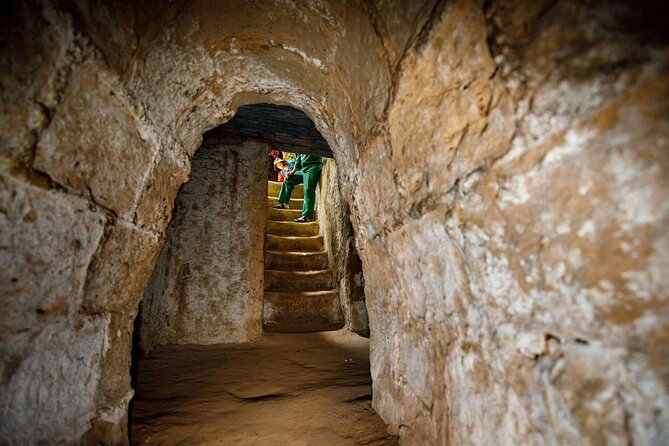
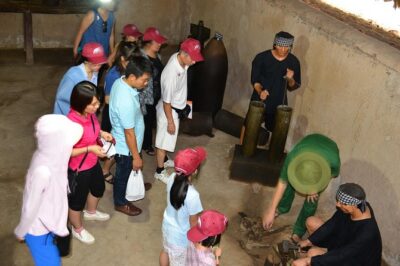
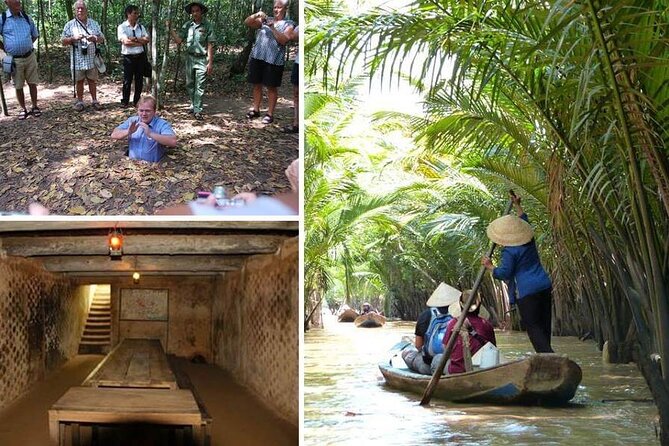
This is the stop that sets the tone. Cu Chi Tunnels were an essential lifeline during the Vietnam War, built as hiding and movement space. Construction began in 1948, originally tied to Viet Minh needs to avoid French air attack. That timeline matters because it explains why the tunnels weren’t just a stunt. They were built because hiding, moving, and surviving had to be continuous.
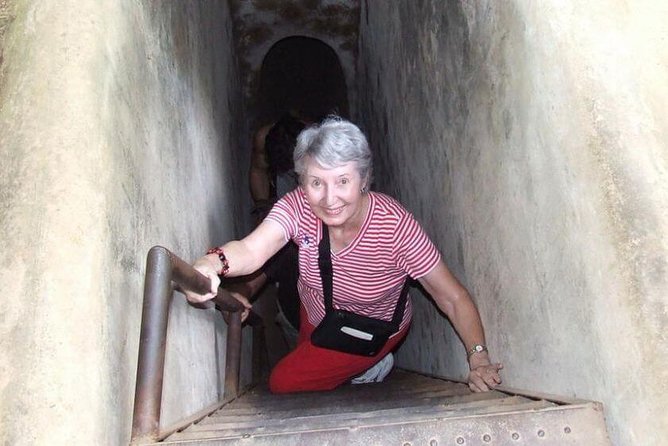
What you’ll do here is explore sections of the tunnel system as visitors, not as a soldier trying to disappear. Still, the experience is unmistakably physical. You’ll move through narrow passages and see hidden chambers. The scale is hard to grasp at first, then it clicks: this was an entire way of functioning while staying out of sight.
A smart way to enjoy this stop is to treat it like a museum you can walk through. Pay attention to the survival logic: how space is used, how the system helps with movement, and why the conditions were so demanding. When you pair those details with the guide’s explanation, you get more than photos. You get context for why perseverance mattered.
Also, keep your body in mind. Even when tunnels are set up for visitors, they tend to mean bent knees, hunched shoulders, and close quarters. If you’re traveling with mobility issues or claustrophobia, this is the part that can make or break the day. In that case, consider talking to your guide before you enter, and be honest about comfort.
You can also read our reviews of more tours and experiences in Ho Chi Minh City


A Lacquerware Factory Stop That Feels Personal: Sơn Mài Lâm Phát

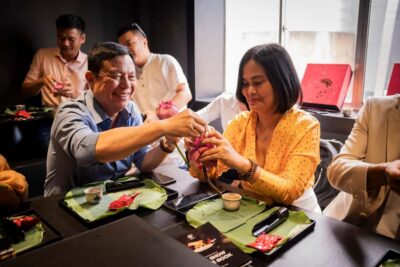
After lunch, the tour shifts from wartime survival to post-war skill and craft. You’ll visit Sơn Mài Lâm Phát (Lam Phat Handicapped Handicrafts), a workshop that’s more than a storefront. The focus is on empowering artisans, including people impacted by the Vietnam War, through lacquerware work.
Why I think this stop is worth your time: lacquerware takes patience. It’s not just pretty boxes and coasters. It’s labor, repeated steps, and a steady hand. Even in a shorter visit (about 30 minutes with admission included), you can see why skilled craft takes training and long practice.
If you like buying meaningful souvenirs, this is one of the better places in Ho Chi Minh City area tours. You’re not just grabbing a decorative object; you’re supporting a workshop built around people rebuilding their working lives through craft. That said, go in with normal shopping instincts. Compare items you like, ask questions about what you’re seeing, and only buy what fits your style and budget.
One practical note: lacquerware shops are often bright and reflective. Bring sunglasses if you’re sensitive to glare, and wear comfortable shoes. You’ll be standing and moving through a working space.
Mỹ Tho on the Mekong: River Life Without the Script
Next comes the Mekong Delta portion, centered around Mỹ Tho. This area is famous for agriculture, with local food production that’s often described as producing around half of Vietnam’s total agricultural output. Even if those numbers feel broad, they point to the real story you’ll see: rivers and canals shape daily life here.
You’ll spend about 3 hours in the Mỹ Tho region, and the big idea is getting off the highway and onto the water rhythm. Boat time matters because it changes the feel. The delta isn’t just scenery; it’s a transport network, a working landscape, and a place where food and crafts are linked to what the river makes possible.
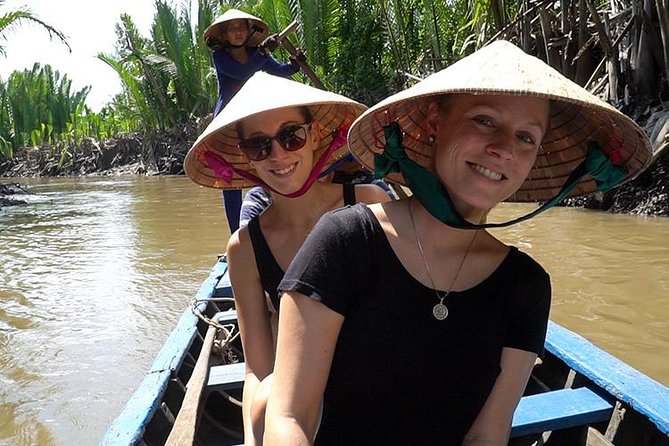
The tour also includes the chance to experience sampan, a local type of boat used for transport. That moment is small, but it’s memorable because it’s tied to how people actually move and work.
Here’s how to make the most of this part: slow down your photos. Let the guide explain what you’re seeing while you’re still traveling. On the Mekong, details pass fast, like fruit orchards, canals, and the water activity around workshops. If you rush to constantly shoot, you’ll miss the meaning behind it.
Boat-and-Workshop Craft Stops: What You’ll Actually See and Taste
The tour doesn’t just show the delta from a window. It takes you to local workshops where artisans demonstrate traditional techniques. In the Mekong Delta stretch, you’ll encounter a mix of food and materials crafts, including:
- bamboo fiber work
- coconut candy
- royal jelly
- honey tea
- pop rice
This lineup is smart because it covers multiple parts of delta culture at once. Bamboo fiber connects to materials and household use. Coconut candy and pop rice are food traditions that show up in markets and family life. Royal jelly and honey tea connect to beekeeping and small-scale production.
You don’t need to be a food expert to enjoy these stops. What matters is watching the steps. When a person shows how something is made, you start to understand why ingredients matter and why techniques are passed along. Even if you only spend short time at each place, the variety keeps it from becoming a single-theme factory tour.
If you’re the type who likes to plan meals on vacation, this part also sets expectations for how food works in the delta. You’ll often see snack-like items and small tastings. Expect flavors that are sweet, earthy, and honey-forward, depending on what’s being shown that day. If you’re sensitive to sugar or have dietary restrictions, tell your guide in advance so you can choose what you try.
The Day’s Pace: About 10.5 Hours, and Why It Works
This is a full day, roughly 10 hours 30 minutes. That long total matters because it sets your pacing strategy. You’ll have a real ride out of Ho Chi Minh City to the Cu Chi area, then you’ll travel back from the Mekong. Even with a smooth schedule, there’s no way around the fact that you’ll spend several hours on the road.
What makes it manageable is the structure. You get a major anchor stop at Cu Chi, then a concentrated craft segment with the lacquerware workshop, then the Mekong with boat time plus workshops. In other words, you’re not stuck for hours doing one continuous activity. The day turns in segments.
Comfort tips that actually help:
- Wear breathable clothes and closed-toe shoes.
- Bring a light layer for any time you’re in shade or air-conditioned vehicle.
- Stay hydrated. Bottled water is included, but it helps to drink steadily rather than chug at the end.
Also, remember you may have optional rifle shooting availability for legal-age adults only. If that’s part of your interest, confirm expectations early in the day with your guide. If it’s not, you can treat it as something to watch from the side, but the tour may still stop for the range.





Price and Value: Why $78 Feels Reasonable Here

At $78 per person, this tour sits in a mid-range zone for Ho Chi Minh City day trips. What makes it feel fair is what’s included. You get:
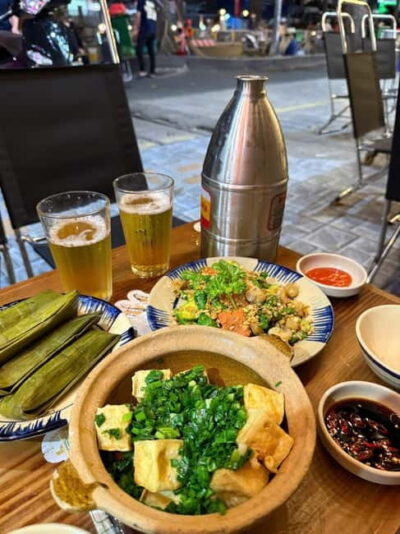
- bottled water and a traditional lunch
- English-speaking tour guide
- all entrance fees
- air-conditioned vehicle fee
A lot of tours advertise low prices, then add entrance fees and meals later. Here, the structure is more transparent. You’re paying for a guided day that blends history and craft, with the bulk of costs built in.
Two other details affect value:
1) Duration and coverage: you’re getting a war history stop plus Mekong experiences plus multiple workshop visits in one day.
2) Private-group style: it’s described as a private tour/activity, meaning you’re not sharing the day with random people far beyond your group.
If you’re booking close to travel dates, the “booked 34 days in advance” pattern suggests it’s in demand. That often means you should lock it in earlier if your schedule is fixed.
Finally, tipping isn’t included. Bring some cash for gratuities, especially if you want to show appreciation for a guide who keeps things smooth. One practical note from experience: having dollars ready for tips helps.
Who Should Book This Tour (and Who Might Skip It)

I think this tour is a strong fit if you want variety in one day without feeling like you’re bouncing randomly between attractions. It works especially well for:
- people who like guided context, not just sightseeing
- first-timers who want both a major historical site and the Mekong craft-food side
- anyone who enjoys buying meaningful souvenirs, especially lacquerware and small workshop products
It may be a tougher choice if:
- you struggle with cramped spaces, because Cu Chi tunnels can be physically demanding
- you strongly dislike long travel days, since the total time is about 10.5 hours
If you’re traveling with mixed ages or comfort levels, tell your guide what matters most to you. A flexible guide can help you plan how much tunnel time you’re comfortable with and which workshop moments you’ll enjoy most.
Should You Book Cu Chi Tunnels & Mekong Delta Full Day Tour?
I’d book this tour if you want a day that blends hard history with real-life Vietnamese making and river culture, and you like having entrance fees and lunch handled. The included lunch and guided stops make it easier to stay on schedule without money stress.
If you’re the type who needs space to move comfortably, be cautious about the tunnel portion before you commit. Also, if you’re not interested in workshop demonstrations or tasting-style food stops, the Mekong part might feel like a lot of quick stops. For most people, the variety is the point.
Overall, this is the kind of day trip that gives you more than one story: underground survival, post-war craft empowerment, and Mekong Delta production all in one loop from Ho Chi Minh City.
FAQ
How long is the Cu Chi Tunnels & Mekong Delta tour?
The tour lasts about 10 hours 30 minutes, with remaining time used for travel.
What’s included in the $78 price?
It includes bottled water and a traditional lunch, all entrance fees, an English-speaking tour guide, and the air-conditioned vehicle fee.
Where does the tour start and end?
The tour starts at the Saigon Opera House meeting point in District 1 and ends back at the same meeting point.
Is lunch included?
Yes. Bottled water and a traditional lunch at a local restaurant are included.
Are any shooting activities included, and is there an age limit?
The tour information notes that rifle use is only applicable to those of legal age over 18 years old.
Do I need to tip?
Tipping or gratuities are not included. You should bring some money for tips.