REVIEW · HO CHI MINH CITY
Cu Chi Tunnels Experience – Daily Tours with Multiple Options
Book on Viator →Operated by Saigon Foody Tour · Bookable on Viator
One lesson hits hard fast: the tunnels were real life. This Cu Chi experience mixes war history with hands-on tunnel time, plus stops like the Saigon Opera House area and a lacquer-and-handicraft workshop before you go underground. I like that you don’t just hear facts—you also see the countryside route and get a feel for how people survived.
I especially liked the storytelling from guide Rambo, who kept the day moving with clear history and entertainment. I also liked the practical value of the package: air-conditioned transport, bottled water, and admission tickets for key stops are included. One thing to keep in mind is that the day includes physically demanding tunnel crawling, so if you’re claustrophobic or have mobility limits, you’ll want to think twice before signing up.
At a glance, this tour is built for a 5.5-hour day that starts near the Saigon Opera House and ends back at your hotel or near Ben Thanh Market. It’s a private activity for your group, and you’ll get an English-speaking guide plus time in the tunnels to understand guerrilla life. Still, parts of the schedule depend on transport capacity, so it’s smart to keep your phone available on the day of travel.
In This Review
- Key highlights I’d plan around
- Why Cu Chi Tunnels feels different from a quick stop
- The morning run-up: Opera House and a lacquer-and-craft stop
- The ride out: Vietnamese villages, rice paddies, and rubber landscapes
- Entering Cu Chi Tunnels: history, jungle walk, and crawling
- Tapioca or cassava: what sustained fighters for years
- Shooting options: AK47, M16, and more (at your own expense)
- Value and price: what $15.30 gets you (and what it doesn’t)
- Pickup, timing, and how to keep the day stress-free
- Who this tour suits best (and who should reconsider)
- Should you book the Cu Chi Tunnels tour?
- FAQ
- How long is the Cu Chi Tunnels tour?
- Do I get hotel pickup in Ho Chi Minh City?
- What’s included in the price?
- Can I visit the tunnels and crawl inside?
- What are the shooting options, and who can shoot?
- What do I taste during the tour?
- What is the cancellation policy?
Key highlights I’d plan around
- Guide Rambo’s stories that make the history feel human, not textbook-only.
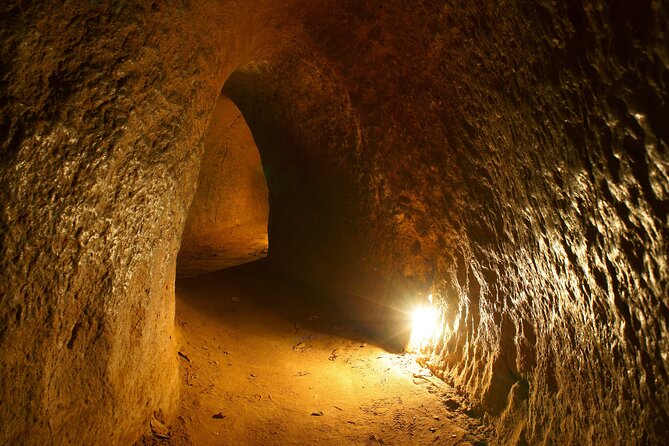
- Cu Chi tunnel time where you can crawl in and see how the underground system worked.
- Included admissions so you’re not hunting for tickets mid-day.
- Tapioca or cassava tasting to understand what fueled Viet Cong fighters for years.
- Shooting options at your own expense if you’re 18+ and want the add-on.
- Air-conditioned transport with pickup in District 1, which saves time and energy.
Why Cu Chi Tunnels feels different from a quick stop
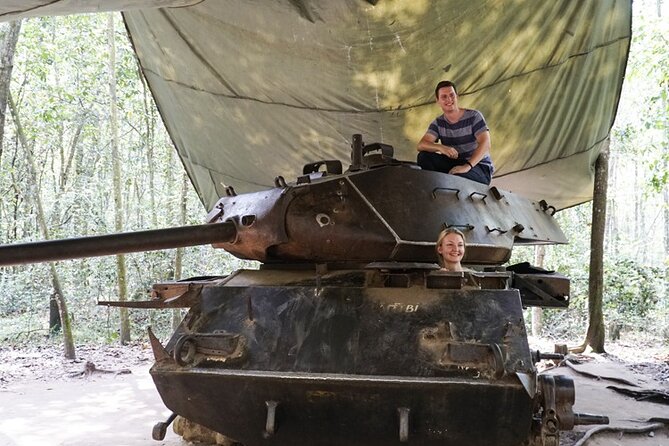
Cu Chi has two sides that matter. The first is the official story: who fought, how they adapted, and why the underground network mattered. The second is what you physically feel when you step into the tunnel area—tight space, careful movement, and the reality that guerrillas didn’t have the luxury of comfort.
What makes this tour work well is the way it links those two sides. You’re taken from Ho Chi Minh City out through Vietnamese sights on the way to Cu Chi—through villages and farmland landscapes like rubber plantations and rice paddies. That matters because it frames the war in a real setting, not a separate theme park.
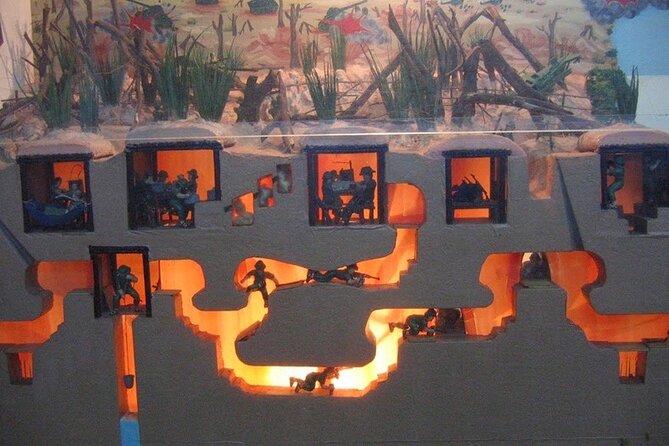
Then you drop into the tunnels themselves. You’ll learn the conditions people lived under, the hardships they faced, and the guerrillas’ ingenuity. And yes, there’s time to crawl inside, so you don’t just watch a walkthrough—you experience how people moved, stayed hidden, and survived.
You can also read our reviews of more tours and experiences in Ho Chi Minh City.

The morning run-up: Opera House and a lacquer-and-craft stop
Your day starts in Ho Chi Minh City near the Saigon Opera House area (meeting point is at Công trường Lam Sơn, Bến Nghé, Quận 1). The Opera House is an architectural anchor built in 1897 by French architect Eugène Ferret, and even if you only see it from the street, it gives the city a strong sense of place before you head out toward Cu Chi.
From there, you’ll spend time at Sơn Mài Lâm Phát – Handicapped & Handicraft. This stop isn’t a random shop stop—it’s tied to a specific craft tradition: lacquer work based on resin from Vietnamese lacquer trees (including trees associated with northern regions). You’ll see resin-based lacquer items like decorated statues, panels, boxes, and trays.
Why I like this part of the itinerary: it’s a breather and a cultural reset. It’s also a good reminder that Vietnam’s story isn’t only war. Even during a day focused on Cu Chi, this stop adds texture—materials, labor, and craft skills—so the emotional weight of the tunnels hits with more balance.
Possible drawback: if you’re the type who hates “stop-and-shop” moments, know that this is explicitly a craft/handicraft stop with an included ticket. You’ll likely have time to browse and learn, but it may not feel like “pure sightseeing” to everyone.
The ride out: Vietnamese villages, rice paddies, and rubber landscapes
Between the city and the tunnels, you’ll travel via an air-conditioned vehicle, but the route is meant to show more than just distance. The tour description highlights Vietnamese sights and villages, plus farmland scenery like rubber plantations and rice paddies.
It’s a small thing, but I find it important. When you’re heading to a war site, it’s easy for your brain to mentally file everything under history. Watching the landscapes along the way helps you see how everyday life would’ve been around the conflict—where the fighters moved, hid, and operated in the same world as local communities.
Also, the tour mentions using local transport as part of this journey. That helps keep the day from feeling like a nonstop highway drive where you only experience the tunnel area.
Entering Cu Chi Tunnels: history, jungle walk, and crawling
This is the main event, and it’s structured so you get both learning time and physical experience.
First, your English-speaking guide explains the conditions people lived in and how the Vietcong built and used the tunnel system. The focus isn’t just on dates—it’s on practical survival: hardships, ingenuity, and how an underground network supported guerrilla warfare.
Then comes the jungle walk in the tunnel area. Even if you’re not a hardcore hiker, that segment helps your brain shift from classroom mode to field mode. The area isn’t just a set of tunnels—it’s a living environment that shaped how fighters moved and hid.
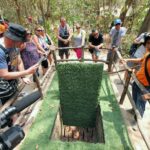
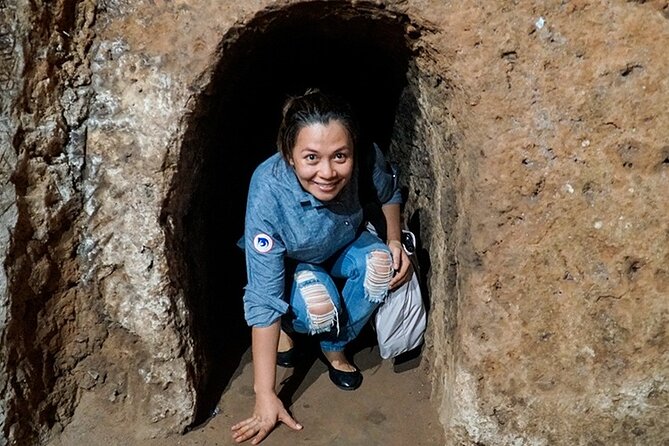
Finally, you’ll have the chance to crawl inside the tunnels. This part is unforgettable because it turns big concepts into small realities: you move slowly, you keep your body low, and you notice how visibility and space work underground. It’s also where you’ll learn (quickly) why careful design mattered.
A real consideration here: crawling is physically demanding. The tour says most travelers can participate, and everyone can join, but that doesn’t mean the tunnel experience will feel comfortable for everyone. If you’re dealing with claustrophobia, back issues, or knee problems, I’d weigh that before booking. You can still learn a lot from the surface segments, but crawling is an optional add-on within the tunnel experience, and you should plan accordingly.
Tapioca or cassava: what sustained fighters for years

One of the most memorable “small” moments on this tour is the chance to try tapioca or cassava root, another word for food that sustained Viet Cong fighters for years.
Why this matters: war history often gets told in weapons and strategy. This ties it to daily survival. When you taste something simple and hardy, you understand how necessity shaped choices. It’s not about gourmet flavors—it’s about calories, availability, and what could be obtained and stored under difficult conditions.
It also gives you a short reset from tunnel intensity. After time underground, having a taste-based moment helps the day feel more complete: history + environment + human needs.



Shooting options: AK47, M16, and more (at your own expense)
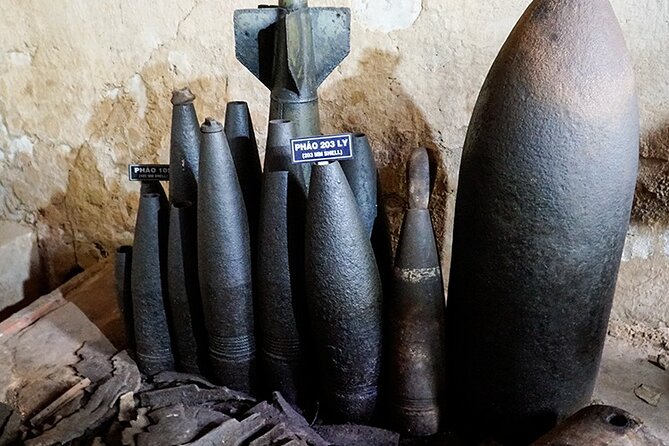
If you’re interested in the “watch it, then try it” style of attraction, this tour offers a shooting add-on. The information provided includes options like AK47, M16, M30, M60, Garand M1, and Carbine, but with two important caveats.
First, using rifles is only applicable to those of legal age over 18. If you’re under that age, you won’t be part of this section.
Second, shooting is at your own expense. So while the tour price includes transport, bottled water, guide, and admission tickets, you’ll need to budget separately if you want the weapons add-on.
My practical advice: if you care about value, treat shooting as optional. Do the tunnels even if you skip shooting. The tunnels are the heart of the experience; the shooting options are a bonus for people who want an extra adrenaline layer.
Value and price: what $15.30 gets you (and what it doesn’t)

At $15.30 per person, this tour sits in the “good deal” zone for a half-day structured experience. The big reason is what’s included:
- Bottled water
- Air-conditioned vehicle
- English-speaking tour guide
- Pickup/drop-off within District 1 of Ho Chi Minh City
- Admission tickets for the craft stop and the Cu Chi tunnels stop
That’s a lot for a low base price, and it reduces hassle. Instead of paying for separate entries and piecing together transport on your own, you’re buying one organized block with admissions handled.
What’s not included: tipping/gratuities/personal expenses, and the shooting option (since it’s at your own expense). So if you plan to tip and add shooting, your final cost will be higher than the base fare.
One more value point: it’s private for your group. That usually means you’re not stuck in a huge crowd with limited guide attention, even though the tour still says it’s a group experience in the general sense.
Pickup, timing, and how to keep the day stress-free

This is a 5 hours 30 minutes (approx.) day, with the remaining time made up by travel. You’ll start at the Opera House meeting point and end back at the meeting point or be transferred to your hotel or dropped off at Ben Thanh Market.
Pickup is offered for hotels within District 1. That’s convenient because it cuts down on long taxi rides and lets you get into the countryside without wasting daylight.
One logistics tip based on real-world experiences with this tour style: stay flexible if transport has to change. In one case tied to a bus capacity issue, a phone call came about an hour before the tour due to no room on the bus. That situation turned stressful until the group pushed to be accommodated. The takeaway for you: keep your phone on, be ready to respond quickly, and don’t book this on a day where you absolutely must be somewhere else right after.
Who this tour suits best (and who should reconsider)
This Cu Chi tunnels experience fits best if you want a balanced day:
- You like history that explains how people lived and fought, not just who won.
- You’re okay with walking and the idea of crawling in tunnels.
- You want an English guide with storytelling that keeps the pace lively.
It may be less ideal if:
- You can’t handle tight spaces or intense physical crawling.
- You’d rather spend your time purely on surface sightseeing with no underground component.
- You’re extremely budget-sensitive and won’t want to add shooting or tip (since those aren’t included).
Good news: the tour is designed so you’re not locked into only one mode. You get surface learning, a jungle walk segment, and then the tunnels.
Should you book the Cu Chi Tunnels tour?
I’d book this if you want the full Cu Chi experience in one organized half-day and you appreciate a strong guide. The standout for me is the combination of tunnel time plus a guide who can keep the day understandable and fun—especially with stories from guide Rambo.
Also, the included admissions and air-conditioned vehicle make the base price feel fair. You won’t feel like you’re constantly paying extra just to get into the main parts.
I’d hesitate only if you know you won’t do well with crawling or tight spaces. If that describes you, you might still enjoy the history and the surface portions, but confirm how the crawling portion works for you personally before committing.
If you’re looking for an authentic war-site experience that still feels organized and humane, this is a solid choice.
FAQ
How long is the Cu Chi Tunnels tour?
It runs about 5 hours 30 minutes (approx.), with extra time allotted for travel.
Do I get hotel pickup in Ho Chi Minh City?
Yes, pickup and drop-off are offered for hotels within District 1. You’ll also be transferred back to your hotel or dropped off at Ben Thanh Market.
What’s included in the price?
Bottled water, an air-conditioned vehicle, an English-speaking tour guide, and pickup/drop-off within District 1 are included. Admission tickets for the included stops are also part of the tour.
Can I visit the tunnels and crawl inside?
Yes. The tour includes time to experience the underground tunnel system, including an opportunity to crawl inside.
What are the shooting options, and who can shoot?
Shooting options listed include AK47, M16, M30, M60, Garand M1, and Carbine. Rifles are only applicable for those of legal age over 18. Shooting is at your own expense.
What do I taste during the tour?
You’ll have the opportunity to try tapioca or cassava root, described as food that sustained Viet Cong fighters.
What is the cancellation policy?
You can cancel for a full refund up to 24 hours in advance of the experience start time. Free cancellation is available, but changes within 24 hours aren’t accepted and late cancellations won’t be refunded.