REVIEW · HO CHI MINH CITY
From Ho Chi Minh: Cu Chi Tunnels – A Complex Tunnels Network
Book on GetYourGuide →Operated by Trip in Vietnam · Bookable on GetYourGuide
Underground Vietnam feels real fast. This Cu Chi Tunnels tour from Saigon lets you crawl through narrow tunnels and learn how guerrillas used rooms, hospitals, and hidden refuge spots below the surface. I also love the food moment: tapioca and tea cooked on the Hoang Cam stove, a setup designed to hide smoke.
The day can be physically tight and a bit gritty, especially if it rains. Because the tunnels are narrow, you should expect cramped crawling and muddy conditions if the weather turns; in one case, guide James even ran out in torrential downpours to grab coats for everyone.
In This Review
- Key things to know before you go
- Cu Chi Tunnels in 6 hours: what that timeline really means
- Getting picked up in Saigon and finding the right guide tone
- The “underground city” concept: rooms, hospitals, and why it’s more than a tunnel
- Going inside: what the narrow-tunnel crawl really asks of you
- Documentary footage and war scenarios: making sense of what you see
- Shooting with real guns: fun option, separate cost
- Hoang Cam stove tapioca: the snack that carries meaning
- Price and value: is $30 worth it?
- Who this tour suits best (and who should think twice)
- Should you book the Cu Chi Tunnels tour?
- FAQ
- How long is the Cu Chi Tunnels tour?
- What does the $30 per person price include?
- Do I get an English-speaking guide?
- Is bottled water provided?
- Is the tunnel descent included in the price?
- Can I shoot guns on this tour?
- What food will I have during the tour?
- What is the cancellation policy?
- Is private group service available?
Key things to know before you go
- Underground city layout: rooms, hospitals, and weapons-factory areas help you understand how people survived and fought.
- Leaf camouflage stories: you’ll see how guerrillas hid themselves and moved unseen.
- A real documentary and authentic war footage: short films show what life and conflict looked like.
- Crawl experience: going inside the tunnels gives a visceral sense of the limits and dangers.
- Optional shooting adds cost: you can handle famous guns, but the bullet pack fee is extra.
- Tapioca isn’t just a snack: cooked on the smoke-hiding Hoang Cam stove, it connects food to wartime survival.
Cu Chi Tunnels in 6 hours: what that timeline really means
A 6-hour Cu Chi trip is a good length if you want the main story without turning your whole day into travel and waiting. You’ll start from central Saigon with pickup and then head out to the tunnels, where the experience is structured around understanding the underground network and then feeling what it was like to move through it.
The pace is part history lesson, part sensory experience. You’ll get explanations from your English-speaking guide (other languages are available with a surcharge), watch short documentary-style footage, and then spend time in and around the tunnel areas. Plan for the fact that the schedule doesn’t pause just because you feel a little nervous about the crawling part.
One practical note: if you’re hoping for a quick look-and-leave visit, this isn’t that. The tour is built around the idea that you see and then you try, like learning a story with your body, not just your eyes.
You can also read our reviews of more tours and experiences in Ho Chi Minh City.

Getting picked up in Saigon and finding the right guide tone
Pickup is handled as part of the tour, with round-trip transport included (from the center of Saigon). When you arrive to meet the guide, the tone matters. This kind of subject can go flat if the guide reads a script, but it works much better when the guide connects facts to scenarios—like how traps would be handled or why certain hiding methods mattered.
The guide also affects your comfort level during the day. One highlight from a recent group was how guide James handled tough weather. If your tour day comes with rain, expect the group to move through it. That’s why you’ll feel smarter if you come prepared for wet ground and sudden downpours rather than waiting for the day to behave.
If you’re traveling with friends, a smaller or private group can also help. The tunnel experience can feel more personal and less chaotic when you’re not squeezed into a huge line.
The “underground city” concept: rooms, hospitals, and why it’s more than a tunnel
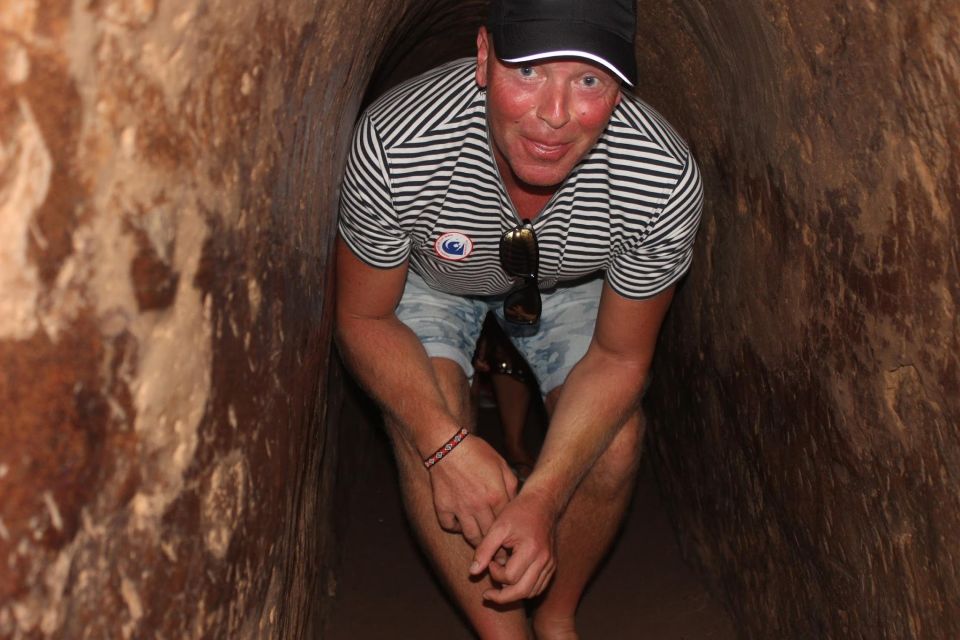
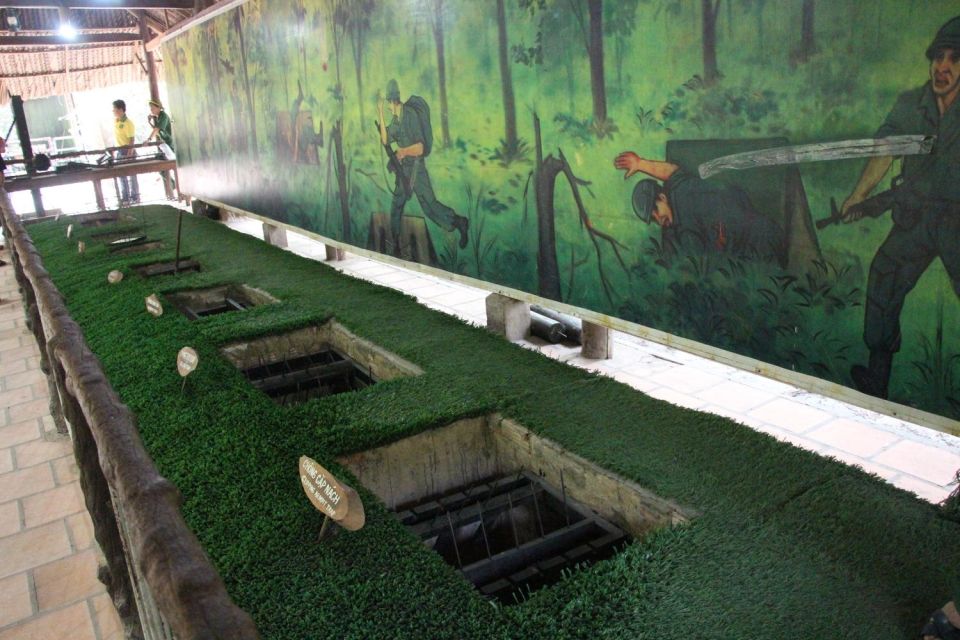
Cu Chi is often pictured as a maze, but the tour frames it as a whole underground network—sometimes described as a spider-web-like system. What you’ll focus on is how the tunnels weren’t only for escape. They were built for daily function under pressure, including areas that resemble rooms, hospitals, and a weapons-factory setup.
That’s the part that usually clicks for people. You start to see how logistics work when you can’t rely on roads, open spaces, or normal supply lines. Instead, everything depends on movement, camouflage, and secrecy.
A key story you’ll hear is about how guerrillas used leaves to camouflage themselves. Even if you’ve seen photos online, hearing how camouflage was used in practice makes it feel more believable. It’s not just “hiding”; it’s a whole strategy for staying unseen while still moving between functions underground.
If you’re the type who likes context, you’ll appreciate that the tour doesn’t treat the tunnels like a single dramatic attraction. It treats them like a system—built to support resistance over time.
Going inside: what the narrow-tunnel crawl really asks of you
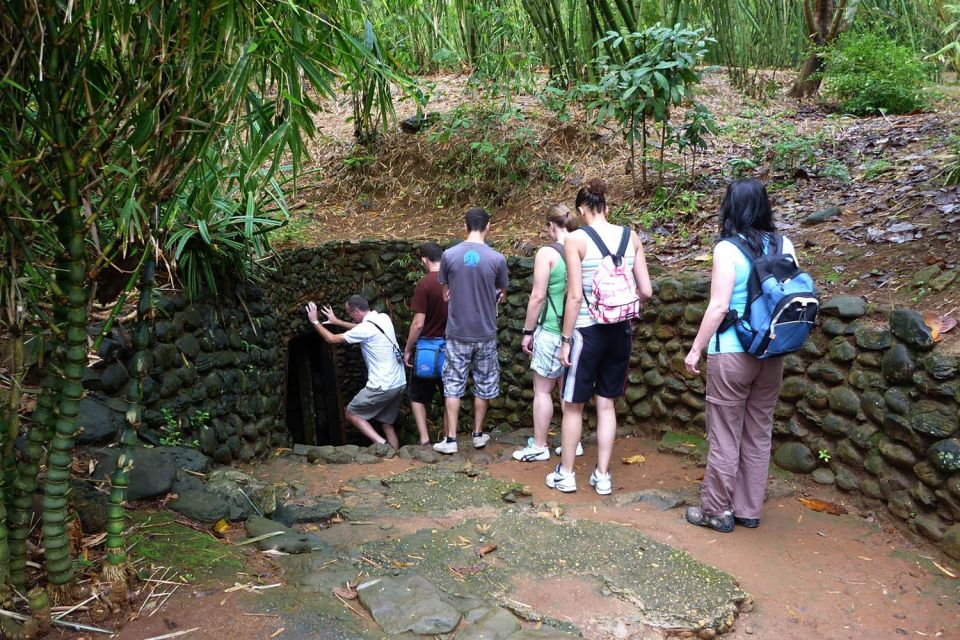
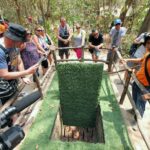
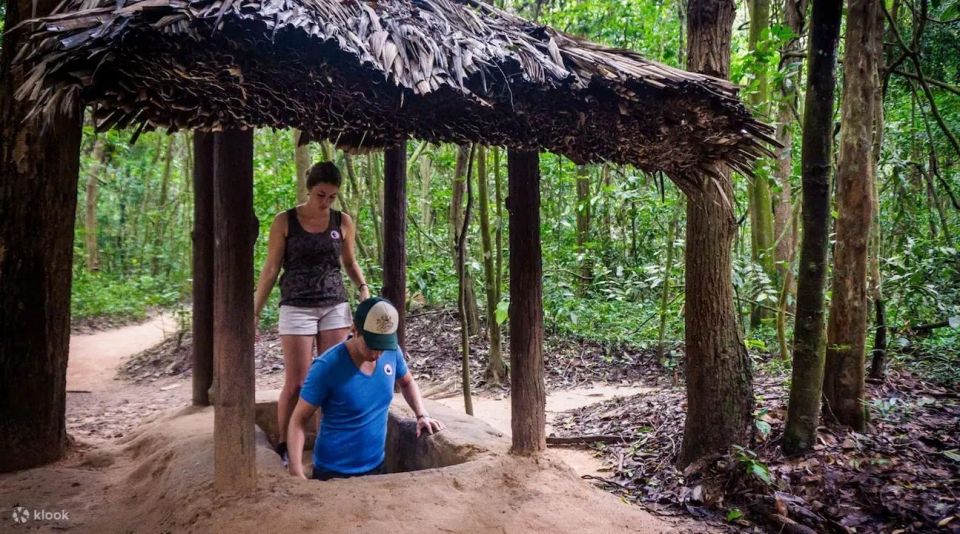
The most intense part is the chance to go into the tunnels and crawl through the very narrow spaces. This is where the tour becomes physical and emotional. Even when you know it’s a reconstructed or managed experience, it still hits differently once you’re inside and the air feels close.
Here’s what to understand before you show up: the tour notes a possible extra surcharge if you want to go down into the tunnels. The highlights also promise the crawl, but the pricing detail means you should check which tunnel level and access option are included in your booking. Don’t be surprised if the “tunnel descent” is treated as an add-on.
Comfort tips that matter:
- Wear clothing you don’t mind getting dirty. Mud and damp surfaces are part of the reality here.
- You’ll want footwear that can handle slippery ground.
- If you hate tight spaces, this is the moment to be honest with yourself. You can still enjoy the documentary, explanations, and tunnel design from outside areas, but the crawl is the big centerpiece.
Also, this isn’t a “rush through and forget” stop. You’ll want a few calm seconds to take in the constraints: how turning around works, how sound changes, and how slow movement becomes necessary. That’s exactly what the experience is trying to help you feel.
Documentary footage and war scenarios: making sense of what you see
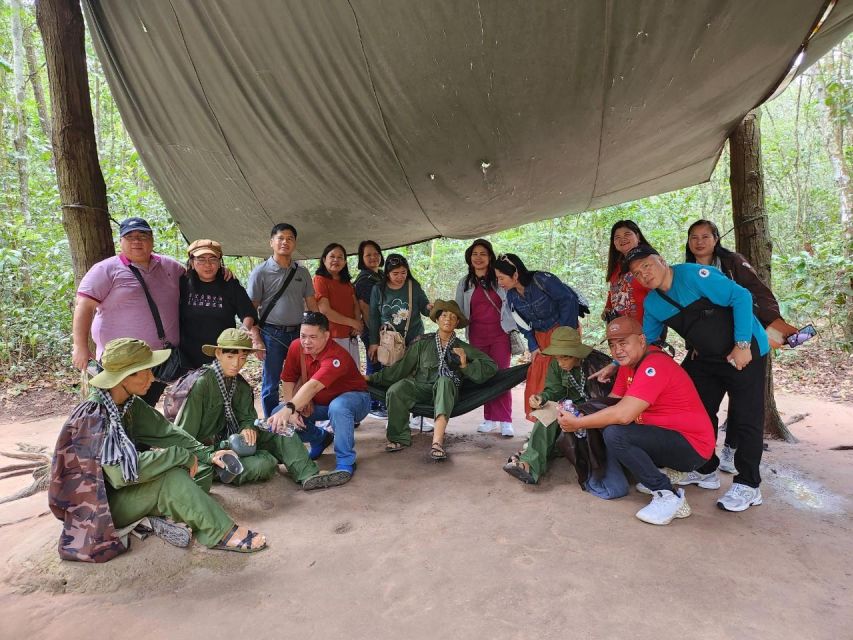
Between the tunnel areas and the crawl, you’ll watch short documentaries and authentic war footage recorded by cameramen during the conflict period. The goal isn’t to shock you for entertainment. It’s to anchor what you see in a real time context.
What I like about this structure is that it helps your brain connect two things:
1) The physical design of the tunnels (rooms, hiding spots, passage layout).
2) The human behavior that matched it (staying hidden, moving when possible, dealing with dangers).
If your guide is strong at storytelling, you’ll hear explanations that connect these elements—like how traps were built and what different war scenarios might have required. That’s the practical value of this stop: you leave with a clearer sense of cause-and-effect, not just a list of items you saw.



Shooting with real guns: fun option, separate cost
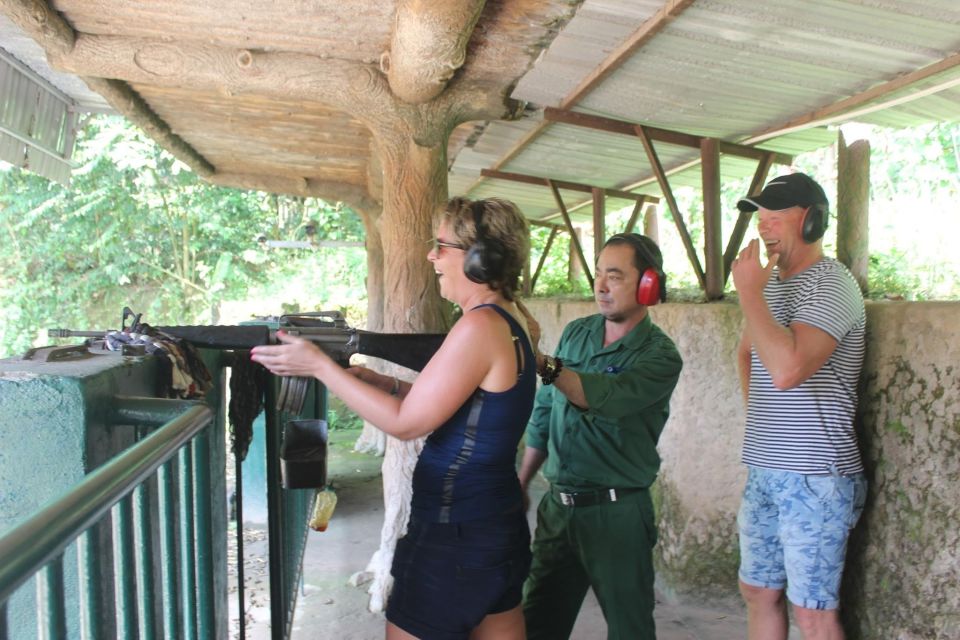
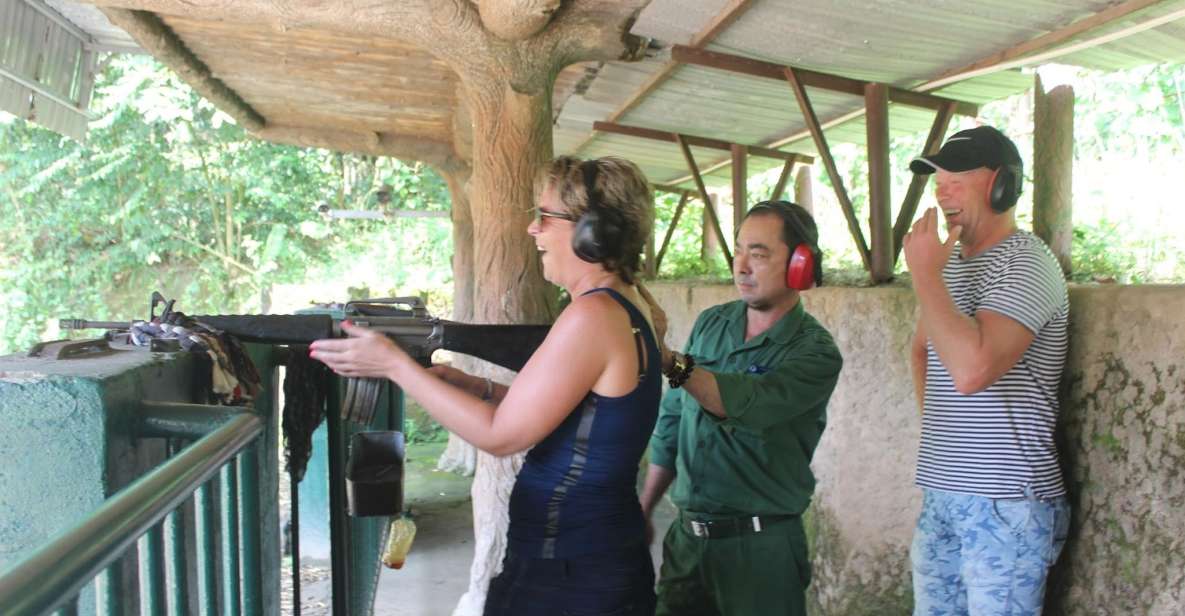
The tour experience includes the chance to shoot with real bullets and handle well-known guns like the AK-47 and M-60. That said, the important part for budgeting is that the bullet fee is not included.
The cost is listed as roughly 600,000 VND for a pack of 10 bullets. If you want to shoot, decide in advance so you’re not doing math in the moment. Shooting is optional, and the tour’s core value—history, tunnels, and documentary footage—doesn’t require you to participate in the range portion.
Another point to keep your expectations grounded: shooting adds time, noise, and extra planning. If you’re mainly here for the tunnel experience and the wartime survival stories, you can treat shooting as a bonus rather than the centerpiece.
Hoang Cam stove tapioca: the snack that carries meaning
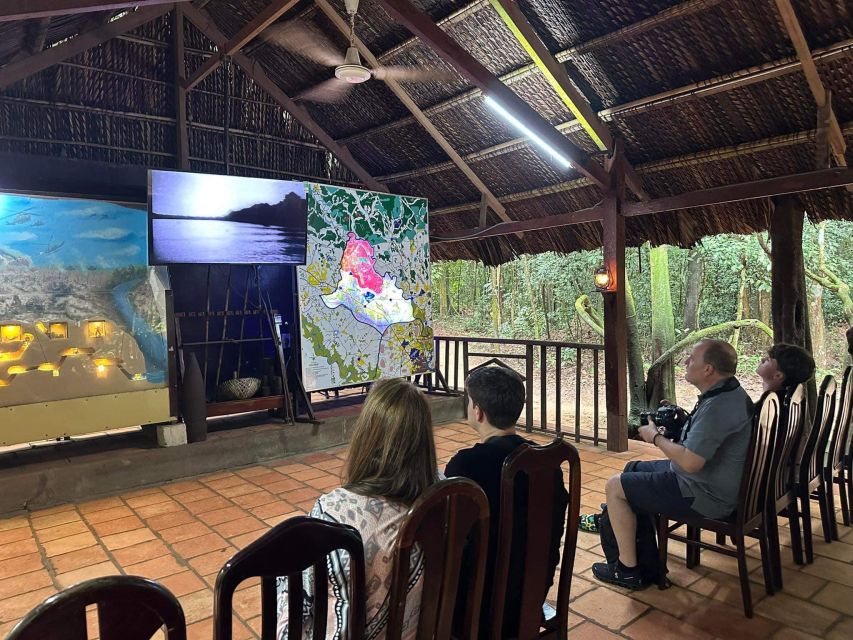
You’ll get a light snack with tapioca and tea, and it’s not generic cafeteria food. The tapioca is cooked at the Hoang Cam stove, noted for its ability to hide smoke. That detail matters because it connects the meal to the same survival thinking you hear about throughout the day.
When you eat food on a stove designed to reduce visibility, you instantly understand why cooking wasn’t just about taste or comfort. It was about reducing traces. It’s the kind of small, concrete detail that makes the bigger story feel less abstract.
This snack break also helps your body handle the day. After time spent thinking about cramped underground spaces and watching footage, a warm cup of tea plus tapioca can reset you.
If you’re the type who likes learning through small sensory moments, this is one of the best parts of the tour.
Price and value: is $30 worth it?
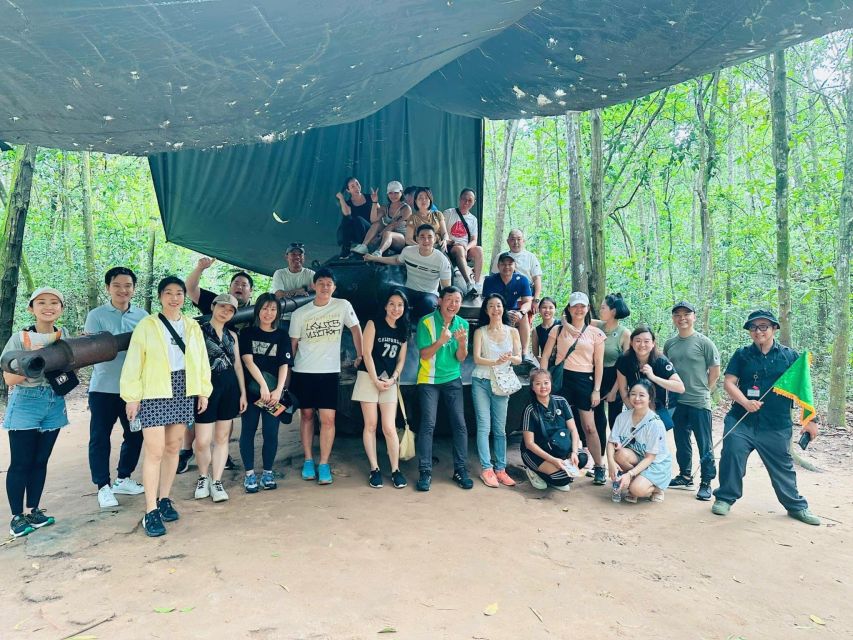
At $30 per person for a 6-hour tour, the value depends on what you care about most.
You’re paying for:
- Pickup and drop-off from central Saigon
- An English-speaking guide
- Bottled water
- A light snack (tapioca and tea)
- Tunnel access experiences and on-site explanation time
- Documentary-style content
On the plus side, a guided format is a real help here. Cu Chi isn’t only about walking through tunnels. It’s about understanding what you’re seeing, why it was built that way, and how guerrillas adapted to danger. The guide turns physical artifacts into a story.
On the watch-out side, a couple add-ons are possible:
- A surcharge if you want to go down to the tunnels (based on the tour notes)
- A bullet fee at the shooting range if you shoot (about 600,000 VND per 10-bullet pack)
- Holiday surcharges may apply in Vietnam
If you’re okay with the subject being intense and you’re prepared for tight crawling, this price feels reasonable for a guided, structured day.
If you want a totally low-effort outing with no physical challenge and no extra payments, you might choose another format.
Who this tour suits best (and who should think twice)
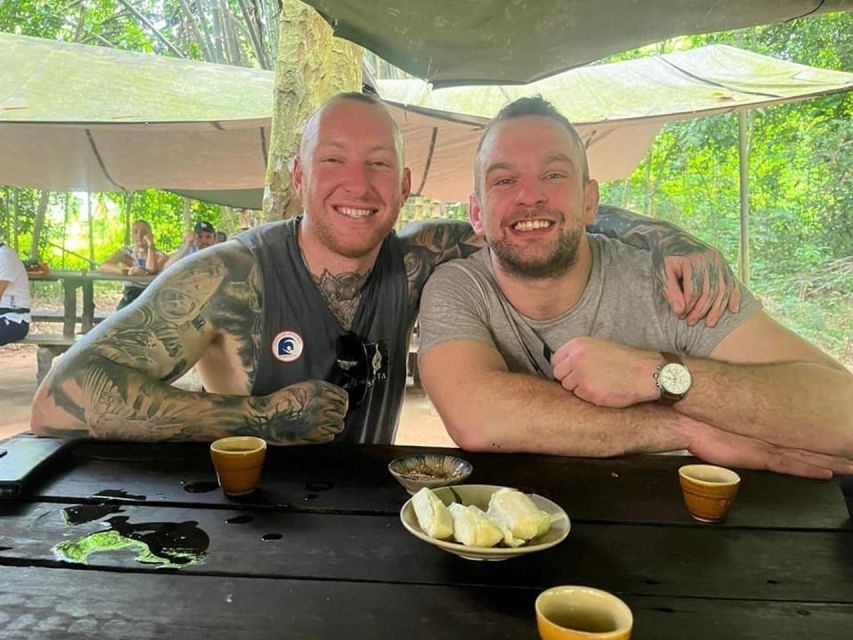
This is a great fit if you:
- Want a war-history experience grounded in physical evidence
- Like guided explanations that focus on practical scenarios (traps, camouflage, how people adapted)
- Don’t mind a crawl through narrow tunnels
- Appreciate small, meaningful details like the Hoang Cam stove tapioca
It may be a tougher fit if you:
- Strongly dislike tight spaces or feel uncomfortable with crawling
- Prefer an outdoor walking tour where you avoid dark, enclosed areas
- Don’t want to deal with mud or wet conditions if the weather turns
If you’re unsure, treat this as a “choose your comfort level” day. The documentary and tunnel design information still matter even if you skip the most physical tunnel option.
Should you book the Cu Chi Tunnels tour?
I think you should book this tour if you want the full package: transport from Saigon, an on-site guide who connects the tunnels to wartime survival, documentary footage, and that distinctive Hoang Cam stove snack moment. The $30 price is more compelling because it includes guidance and a structured learning path, not just a bus ride.
Skip or reconsider if your priority is comfort first. The crawling is real in spirit, and the environment can be wet and cramped. Also budget for possible extras like tunnel descent fees and shooting bullets if those are on your list.
If you can handle tight spaces and you want a meaningful day, this is one of the most direct ways to understand why Cu Chi mattered.
FAQ
How long is the Cu Chi Tunnels tour?
The tour duration is 6 hours.
What does the $30 per person price include?
The included parts are pickup and drop-off at the center of Saigon, an English-speaking tour guide, bottled water, and a light snack with tapioca and tea at Cu Chi Tunnels.
Do I get an English-speaking guide?
Yes, an English-speaking tour guide is included. Other languages are available with a surcharge.
Is bottled water provided?
Yes. Bottled water is included.
Is the tunnel descent included in the price?
The tour highlights crawling through the tunnels, but the notes also say there may be a surcharge if you want to go down to the tunnels, so confirm what’s included in your specific booking.
Can I shoot guns on this tour?
The experience mentions you can shoot with real bullets and guns like AK-47 and M-60, but the bullet fee is not included (about 600,000 VND for a pack of 10 bullets).
What food will I have during the tour?
You’ll have a light snack with tapioca and tea, cooked on the Hoang Cam stove.
What is the cancellation policy?
You can cancel up to 24 hours in advance for a full refund.
Is private group service available?
Yes, a private group is available.