REVIEW · HO CHI MINH CITY
Ho Chi Minh City Cooking Class in Local’s Home
Book on Viator →Operated by DN Tour · Bookable on Viator
Cooking in a real home is the whole point here. In this Ho Chi Minh City cooking class, you go beyond recipe steps and learn how Vietnamese families actually cook and eat, guided by an English-speaking local chef in a small group. You’ll prepare classic dishes like pho and banh xeo-style favorites, then sit down to enjoy lunch or dinner right after.
I especially like two things: first, the class is built around real instruction, not just watching someone else cook. Second, the meal is included, so you finish by eating the dishes you made (not just walking out with a takeaway story). One consideration: pickup and drop-off aren’t included, so you’ll want to plan to get to the meeting point on your own.
If you land with an instructor like Alice, you’ll understand why people rave about the tone and attention. The experience is friendly and well-organized, but it’s also limited to a maximum group size of 10, so it won’t feel like a private one-on-one lesson.
In This Review
- Key Things That Make This Cooking Class Worth Your Time
- Why Cooking in a Ho Chi Minh Home Beats a Studio Class
- The 3-Hour Flow: From Meeting Point to Cooking and Sitting Down
- The Daily Menu Twist: What You Cook and Eat (Pho, Rolls, and More)
- What You Learn in the Kitchen Beyond Recipes
- The Included Equipment and Ingredients: Less Stress, More Cooking
- Lunch or Dinner in the Same Session: Turning Work Into a Meal
- Price and Value: Is $55 a Good Deal for 3 Hours?
- Small Group Dynamics: You’ll Learn More Than You Think
- Getting There: Plan on Using Public Transit
- Who Should Book This Class (and Who Might Skip It)
- Should You Book the Ho Chi Minh City Cooking Class?
- FAQ
- How long is the Ho Chi Minh City cooking class?
- What dishes will I cook and eat?
- Is hotel pickup and drop-off included?
- Do I need to speak Vietnamese?
- How many people are in the group?
- Where does the experience start?
- What is the cancellation policy?
Key Things That Make This Cooking Class Worth Your Time
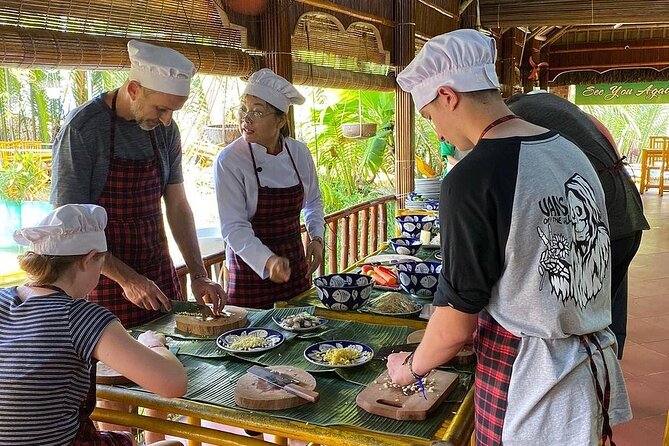
- A small group (max 10) means you get more hands-on time than big classes.
- English-speaking chef instruction keeps you from getting lost in the steps.
- A daily-changing menu (4 traditional dishes offered, 3 cooked and eaten) keeps it fresh.
- You eat what you make during the same visit, turning practice into a proper meal.
- Local-home setting makes the culture lesson feel practical, not just theoretical.
- A classic Vietnam welcome can include a cold lime drink, which is a smart way to start in the heat.
Why Cooking in a Ho Chi Minh Home Beats a Studio Class
Ho Chi Minh City cooking classes can fall into two buckets: show-and-tell in a classroom, or hands-on cooking in a real home environment. This one leans hard toward the second option, and that changes how the food lesson lands. You’re not just learning technique; you’re learning rhythm—how ingredients are handled, how flavors are balanced, and how a family-style meal comes together.
The small group size matters more than you might think. With a maximum of 10 people, it’s easier for the main chef to actually watch what you’re doing and correct small mistakes early. That’s especially helpful if you’re a beginner, because cooking Vietnamese dishes often depends on details like how you assemble, season, and time things.
There’s also a cultural angle that’s practical. The class doesn’t just stop at mechanics. You get a look at how Vietnamese families live and cook at home, so you walk away with context you can use when you eat out later.
You can also read our reviews of more city tours in Ho Chi Minh City


The 3-Hour Flow: From Meeting Point to Cooking and Sitting Down
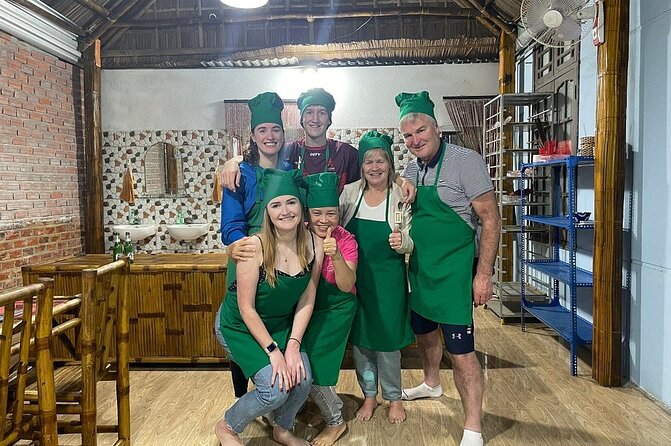
Plan for about 3 hours, and understand this isn’t a half-day food tour. It’s a focused cooking session that ends with a shared meal, so your time goes straight to the point.
It starts with a chef pick-up and welcome at the meeting point. From there, the lead chef takes over as the main instructor (and the tour guide role is English speaking), so you’re not guessing what you’re supposed to do next. The class includes cooking equipment and ingredients, which is a quiet win: you don’t have to worry about sourcing or schlepping anything.
As you cook, you’ll be guided step-by-step to prepare a full course of classic Vietnamese dishes. The practical takeaway is that you learn the order that matters—what to do first so other components finish on time. Then you finish by sitting down to enjoy what you made, with time to actually eat and relax.
One more detail that makes the timing feel smoother: because you’re cooking in a home setting with a small group, the pace tends to be calm and clear rather than rushed.
The Daily Menu Twist: What You Cook and Eat (Pho, Rolls, and More)
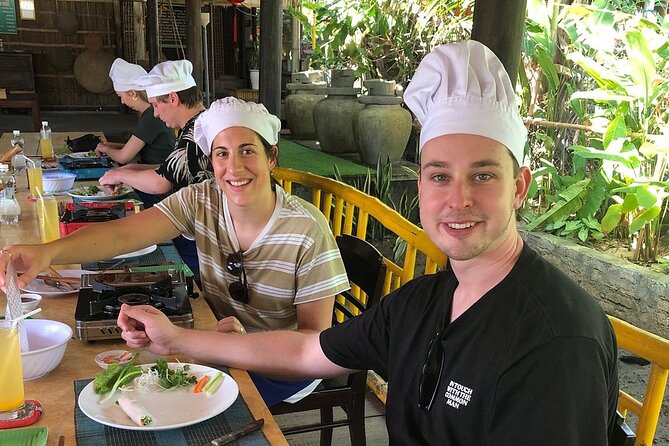
This class uses a menu system that keeps the experience from feeling repetitive. You’ll have four traditional dishes on the menu, and that menu changes every day. During the class, you’ll cook a set that includes three dishes, and you’ll eat those as part of lunch or dinner.
You can expect classics. The overview points to dishes such as pho and banh xeo, and at least one example set includes Chicken Pho, Shaking Beef, and fresh rolls. The exact combination depends on the day, so don’t assume you’ll get every dish you’ve ever heard of.
Here’s why that daily rotation is a value for you. If you love Vietnamese food and you come to Ho Chi Minh City for more than a couple days, you can pick a class that matches your cravings—without feeling like you’re repeating the exact same lesson. And even if you only do this once, you still get a rounded sampler: soup, something stir-fried or pan-cooked, and a fresh roll component often show up together in a well-balanced course.
Also, because you’re cooking three dishes, you get enough practice to understand patterns in Vietnamese cooking—like how fresh herbs and sauces work across multiple plates, not just one recipe.
What You Learn in the Kitchen Beyond Recipes
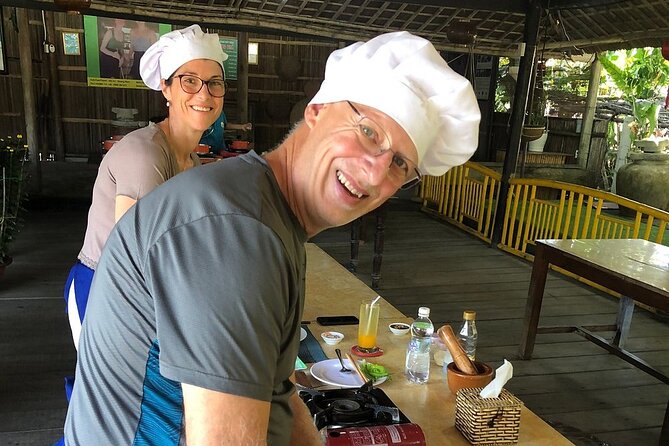
A cooking class can be all theory or all hands. This one aims for the middle, and the goal is learning the why behind the how. The lead chef provides the ingredients and instruction to help you create a full classic course, which is important because Vietnamese cuisine isn’t just about a single dish. It’s a set of flavors that work together in a meal.
What I like about this format is that it’s built to work for both beginners and experienced cooks. If you’re new, you’ll get the step-by-step structure you need. If you cook at home already, you can pay attention to technique and timing—small changes in prep and assembly can make a big difference in how the dish tastes.
One thing that comes through strongly in the experience tone: the chef and staff approach teaching with a mix of professionalism and fun. In one class example, the instruction was described as attentive and sweet, which is exactly what you want when you’re learning something that involves multiple components.
If you’re thinking, I just want to make pho taste right, this class gives you more than a shortcut recipe. You learn how the dish is built and how it comes together as a complete plate, not a collection of separate steps.
The Included Equipment and Ingredients: Less Stress, More Cooking
Good cooking classes remove friction. Here, you’re provided with the cooking equipment and ingredients, which means you can show up focused on cooking rather than hunting down Vietnamese pantry items.
That matters especially in a city like Ho Chi Minh, where ingredient availability can vary by neighborhood. With everything provided, the chef can guide you using the right ingredients and proportions, and you don’t have to improvise.
You should also know the class includes lunch or dinner with three dishes, so the food isn’t an add-on. It’s part of the learning loop: you cook, you eat, and you get feedback from your own taste buds right away.
In practice, this “ingredients included” setup also makes it easier for the chef to keep the lesson flowing. When you’re cooking in a group, consistency in ingredients helps everyone move at a similar pace.
You can also read our reviews of more cooking classes in Ho Chi Minh City




Lunch or Dinner in the Same Session: Turning Work Into a Meal
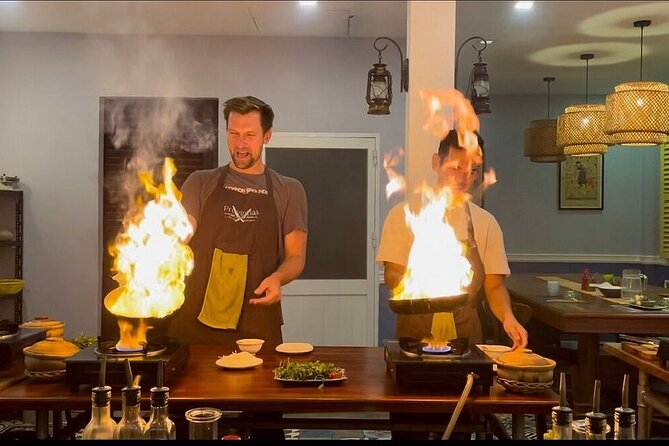
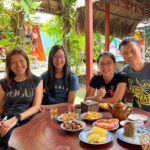
The best part of any hands-on cooking class is the moment you stop learning and start eating. This one ends with a congenial meal, and you sit down with your group and time to enjoy your creations.
There’s a difference between tasting a sample and eating a full meal you made. When you sit down, you notice things like aroma, texture, and balance more clearly. You also get a sense of how the dishes pair together as a course, which you can carry forward when you order in restaurants.
In at least one example class, people made a combination of Chicken Pho, Shaking Beef, and fresh rolls—and the result is the kind of spread that feels very Vietnam. Soup for comfort, something savory and hearty for depth, and fresh rolls to reset your palate.
This is one reason the class feels like more than a cooking demo. It’s a social meal with a story attached: you know what went into it, and you understand what to look for next time you see these dishes on a menu.
Price and Value: Is $55 a Good Deal for 3 Hours?
At $55 per person for about 3 hours, this is priced in the middle for an experience like this, and the value comes from what’s included.
You’re not just buying a meal or just buying instructions. You’re paying for:
- English-speaking chef-led instruction
- equipment and ingredients
- lunch/dinner with three dishes
- a small group cap of 10
That package is what makes the cost easier to justify. If you tried to recreate the same set at home, you’d spend time sourcing ingredients and dealing with gear. Here, it’s handled for you, and you also get feedback during cooking.
Booking demand is also a clue. It’s commonly booked about 24 days in advance, so if you know your dates, lock it earlier rather than later.
Overall, if you like hands-on learning and you’d rather spend money on doing something real than collecting souvenirs, this is a solid use of your travel budget.
Small Group Dynamics: You’ll Learn More Than You Think
A group of 10 can still include variety: some people will cook confidently, others will need more guidance. The way this class is set up is meant to prevent the usual downside of group cooking—standing around waiting.
Because there’s a lead chef and an English-speaking guide, you’re not stuck translating your way through the steps. And because the dishes are taught as part of a course, you get a natural structure: each dish has a role in the meal, and the chef can keep the group moving.
You’ll also get the social payoff. Cooking together tends to break the ice quickly, and people in examples of this class described fun energy with strangers who became friends. The vibe matters here because you’re actively working, not just sitting and listening.
Getting There: Plan on Using Public Transit
This is the one logistics point you should respect. Hotel pickup and drop-off aren’t included, so you’ll need to get yourself to the meeting point.
Your starting point is at 131/3 Đ. Nguyễn Thị Minh Khai, Phường Phạm Ngũ Lão, Quận 1, Hồ Chí Minh 711106, Vietnam. The meeting point is noted as near public transportation, which is helpful if you’re using taxis, rides, or transit rather than walking long stretches in the heat.
I’d treat this as a smooth plan, not a hassle—especially because the class is only about three hours. But it still means you should build in time to arrive a little early so you don’t feel rushed.
Who Should Book This Class (and Who Might Skip It)
This cooking class is a great fit if you want practical learning. If you like tasting food while it’s fresh, making multiple components, and leaving with skills you can use at home, you’ll enjoy the format.
It’s also ideal if you’re traveling with limited time. Three hours is enough to learn a few dishes and then eat a full meal, without turning your day into a full project.
You might skip it if you’re mainly looking for a pure sightseeing experience. This is a kitchen-focused outing, not a tour through markets or major landmarks. Also, if you prefer ultra-private instruction, the maximum of 10 people might feel like a compromise.
Should You Book the Ho Chi Minh City Cooking Class?
Book it if you want the kind of experience that changes how you eat in Vietnam. You’ll learn classic dishes like pho and banh xeo-style cooking, and the best part is you eat what you make as lunch or dinner. For $55, the combination of chef-led English instruction, included ingredients and equipment, and a real meal makes it feel fair.
Don’t book it if you hate the idea of self-arranging your arrival. Since pickup isn’t included, you’ll want to be comfortable navigating to the meeting point on your own.
If you want a single reason to choose it, here it is: you get cooking practice plus a satisfying meal in the same visit, in a small group, with clear instruction.
FAQ
How long is the Ho Chi Minh City cooking class?
The class runs for about 3 hours.
What dishes will I cook and eat?
The menu includes 4 traditional dishes, and it changes daily. During the experience, you cook and eat 3 dishes as part of lunch or dinner.
Is hotel pickup and drop-off included?
No. Hotel pickup and drop-off are not included.
Do I need to speak Vietnamese?
No. The tour includes an English-speaking tour guide as the main chef.
How many people are in the group?
The class has a maximum of 10 travelers.
Where does the experience start?
The meeting point is 131/3 Đ. Nguyễn Thị Minh Khai, Phường Phạm Ngũ Lão, Quận 1, Hồ Chí Minh 711106, Vietnam.
What is the cancellation policy?
You can cancel for a full refund up to 24 hours in advance of the experience’s start time. If you cancel less than 24 hours before, the amount you paid is not refunded.