REVIEW · HO CHI MINH CITY
Ho Chi Minh City – Meditation retreat – 2 days 1 night
Book on GetYourGuide →Operated by JANGTOURS · Bookable on GetYourGuide
Two days can change your pace. This Ho Chi Minh City meditation retreat takes you about 100 km out to the Thien Ton Phat Quang Pagoda area, where your schedule is built around sitting, chanting, and quiet monastic routines. It also mixes in hands-on volunteer work, so the day is not just meditation on a cushion.
I like two things a lot. First, you get meditation practice plus time for reading and studying Buddhist teachings, not just silence. Second, you do ritual steps like chanting and prostration while living alongside monks and nuns, which helps you understand what monastic life feels like on the ground.
One thing to consider: the retreat experience may feel structured but not always deeply guided. Some people found the first meditation setup lacked direction, and they also struggled with how to fit into the flow on arrival.
In This Review
- Key takeaways before you go
- How this Ho Chi Minh City meditation retreat feels in real life
- Getting to Thien Ton Phat Quang Pagoda: your first dose of “temple time”
- Day 1 (9 to 12ish steps): transfer, vegetarian meals, meditation, then volunteering
- Transfer, then vegetarian lunch
- Your first meditation session in the afternoon
- Volunteer work: making, serving, and working with your hands
- Dinner, dishes, chanting, and reading
- Volunteer work isn’t a side quest here
- Rituals on Day 1: chanting, prostration, and what they teach
- Where you sleep and how that changes your comfort level
- Day 2 (the early wake-up): Great Bell meditation and qigong
- Qigong or martial art: mindfulness with movement
- Breakfast, then more volunteer work, then back to Ho Chi Minh City
- Price and what $80 covers (and what it doesn’t)
- What to bring, and the rules that keep it respectful
- Who this retreat suits best (and who might feel frustrated)
- My decision: should you book this Ho Chi Minh City retreat?
- FAQ
- How far is the pagoda from Ho Chi Minh City?
- What does the retreat include for food and accommodation?
- Is transportation from Ho Chi Minh City included?
- Is the retreat instructor available in English?
- What kind of activities happen during the retreat?
- What should I bring?
- Are alcohol and drugs allowed?
- Is the retreat suitable for wheelchair users?
Key takeaways before you go
- Phat Quang Pagoda retreat outside Ho Chi Minh City, with a full 2 days / 1 night rhythm.
- English instructor plus on-site local guide, but meditation guidance may vary by moment.
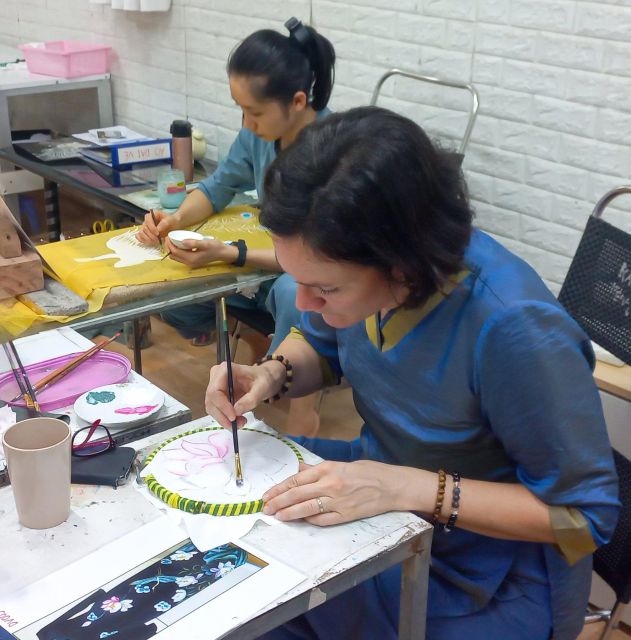
- Volunteer work included (cakes, tea/tofu, fabric painting, and veggie picking).
- Buddhist rituals built into the schedule: chanting, prostration, and a Great Bell session.
- Early start on Day 2 with meditation and chanting around the Great Bell.
How this Ho Chi Minh City meditation retreat feels in real life
This retreat is for you if you want more than a one-off class. You’re trading the city tempo for a pagoda tempo: set meal times, scheduled group activities, and periods where you’re simply present. The area is reachable from Ho Chi Minh City, but far enough to feel like a break.
The location matters. Being about 100 km from the city center means you are more likely to slow down naturally. Even the travel time becomes part of the reset: you arrive with fewer distractions, then settle into a routine that repeats day to day.
Also, the retreat is built around Buddhism as a lived practice. Meditation sessions are paired with reading books, chanting, and formal ritual moments. If you like structure and you’re okay following a temple schedule, you’ll likely feel at home faster.
Still, if you’re expecting lots of step-by-step meditation coaching throughout, temper expectations. The schedule includes practice and ritual, but the intensity of personal instruction can be uneven.
You can also read our reviews of more city tours in Ho Chi Minh City


Getting to Thien Ton Phat Quang Pagoda: your first dose of “temple time”
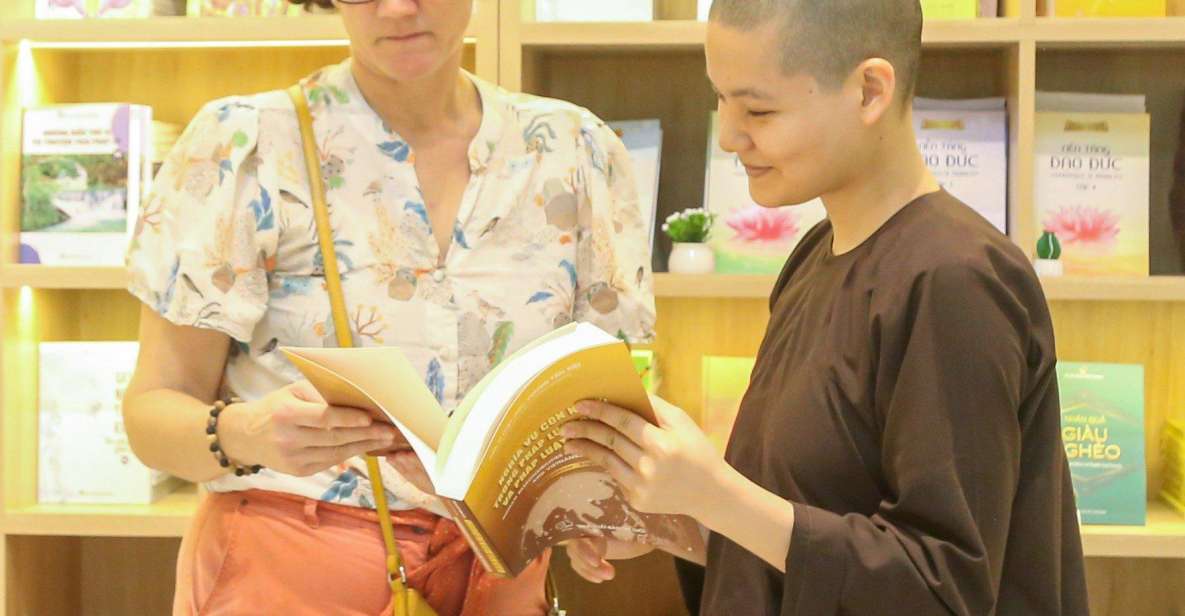
Your Day 1 begins with a transfer from Ho Chi Minh City toward the pagoda. Transportation isn’t included in the price, so you’ll need to arrange your own ride to the meeting point and onward from the end point back to the same place in Ho Chi Minh City.
That 100 km distance is a real factor. If you hate long commutes, plan your departure time carefully. If you don’t enjoy travel stress, leave yourself buffer time so the early start doesn’t turn your first day into a grind.
Once you reach the pagoda area, you’re in a space where things run by timetable rather than by personal preference. There are also rules: long sleeves and long pants are required, and alcohol and drugs are not allowed.
Day 1 (9 to 12ish steps): transfer, vegetarian meals, meditation, then volunteering
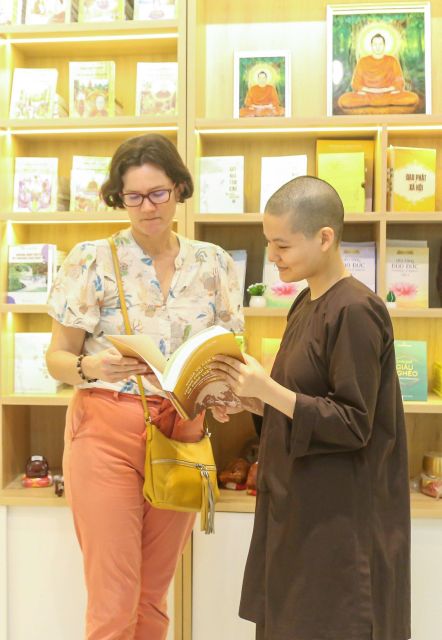
Day 1 is a full day designed to move you from arrival into practice without giving you time to overthink.
Transfer, then vegetarian lunch
After you’re transferred to Thien Ton Phat Quang Pagoda, you’ll have a vegetarian lunch around late morning to early afternoon. This matters more than it sounds. When meals are predictable, you spend less energy deciding what to do next, and you can focus on settling in.
Your first meditation session in the afternoon
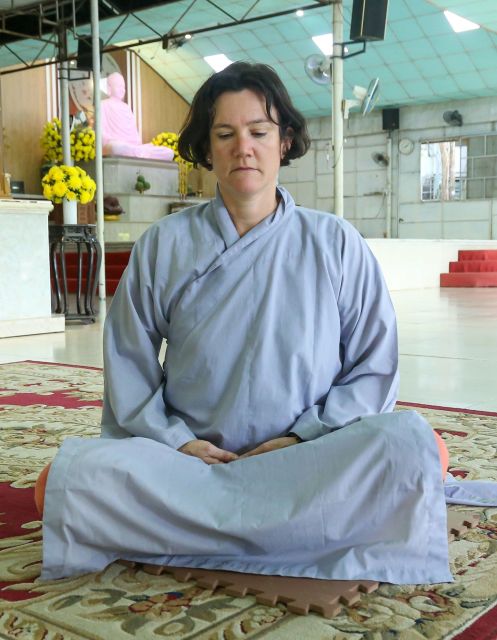
You’ll then shift into a meditation session in the mid-afternoon. Think of it as your first real “entry point” into the retreat. The intention is mindfulness meditation, and you’re meant to learn the correct technique while also hearing about Buddhist doctrines.
Here’s the practical angle: your success in the first session will depend on your willingness to follow the pace even if you’re unsure what you’re doing. If you want a very guided, coaching-heavy experience, show up ready to ask questions in the moment, because not every silence period comes with instruction.
You can also read our reviews of more evening experiences in Ho Chi Minh City



Volunteer work: making, serving, and working with your hands
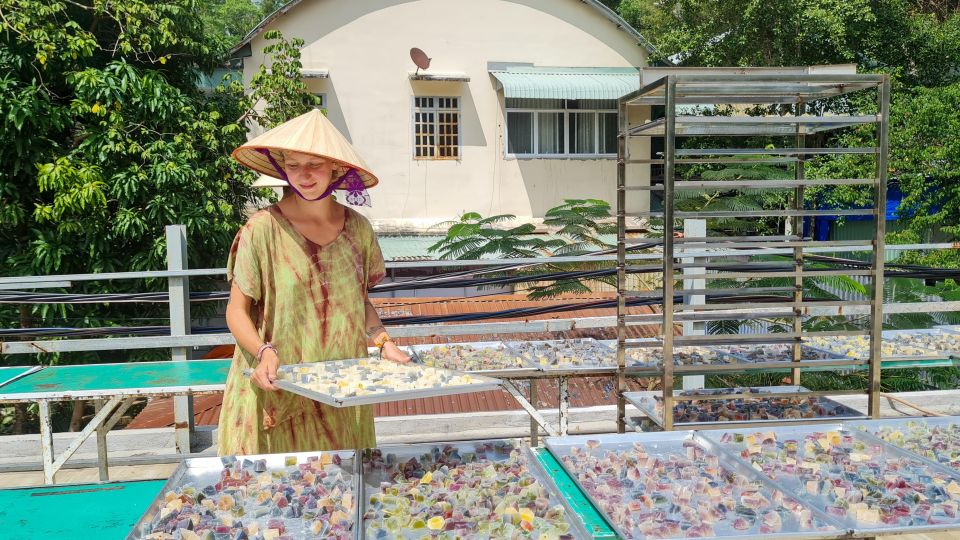
Later in the afternoon you’ll do volunteer work. The tasks can include making cakes, preparing tea or tofu, and painting on fabric. On top of that, later you may pick vegetables as part of the routine.
I love this part because it changes how meditation sits in your day. Your mind gets quieter, but your body stays active in a simple, useful way. You also see temple life as practical labor, not only symbolic gestures.
For you, the volunteer portion is also where culture shows up fastest. Even if your Vietnamese is limited, temple work is work: you copy motions, help when you can, and you learn by doing.
Dinner, dishes, chanting, and reading
After volunteer work, you’ll have a vegetarian dinner and then wash dishes. Next comes chanting, then reading books. The day ends with a final activity described as wholesome seed, followed by prostration to Buddha, meditation, and then sleep.
This is a very temple-centered ending. If you like nights that are quiet and intentional, you’ll probably enjoy the close of Day 1. If you need a lot of personal downtime or you hate structured bedtime routines, plan for that now.
Volunteer work isn’t a side quest here
A lot of retreats say they include volunteer work. This one folds it into the heart of the day. On Day 1 you learn and help with tasks like making cakes/tea/tofu and fabric painting. On Day 2 it can include the same set of tasks plus veggie picking.
Why this is valuable: meditation asks you to pay attention. Volunteer work does the same thing, but with your hands and eyes. You’re watching portions, timing steps, and staying steady while doing something useful.
Also, it’s a social bridge. When you’re new in a monastic environment, you might feel like you don’t know where to stand or what to do. Volunteer work gives you a job, so you can relax and participate without guessing.
The only consideration is mental expectation. Some people think volunteer work will be light and optional. Here it sounds built into the schedule, so bring a mindset of participation, not spectatorship.
Rituals on Day 1: chanting, prostration, and what they teach
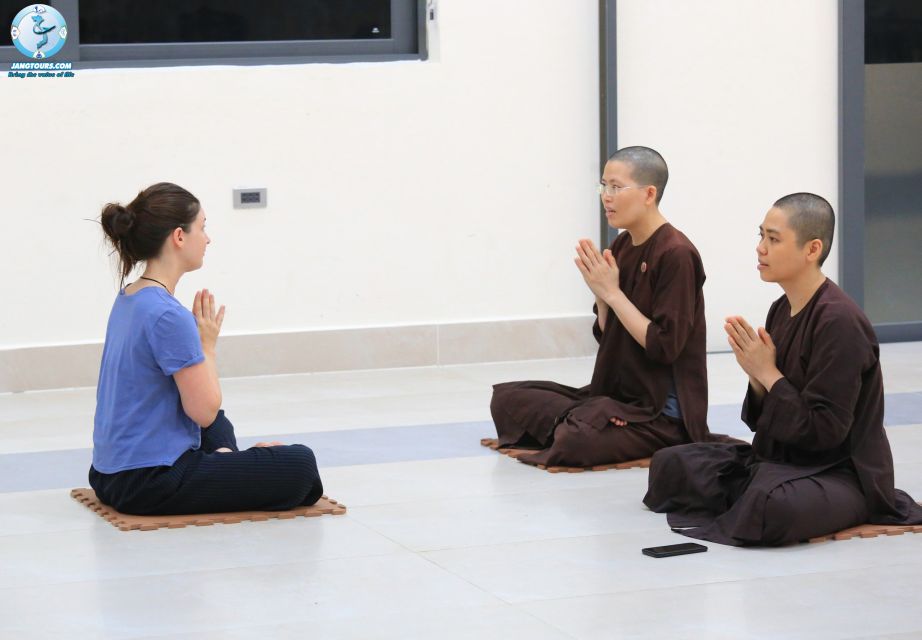
The retreat’s ritual moments are not random add-ons. Chanting at night and prostration to Buddha near the end of your evening practice are part of a full cycle: sit, listen, speak, bow, and then rest.
If you come curious, you’ll likely appreciate the solemn tone. Even if you don’t know the words, you can track the rhythm and follow the group. It becomes another form of mindfulness, where you focus on movement and sound.
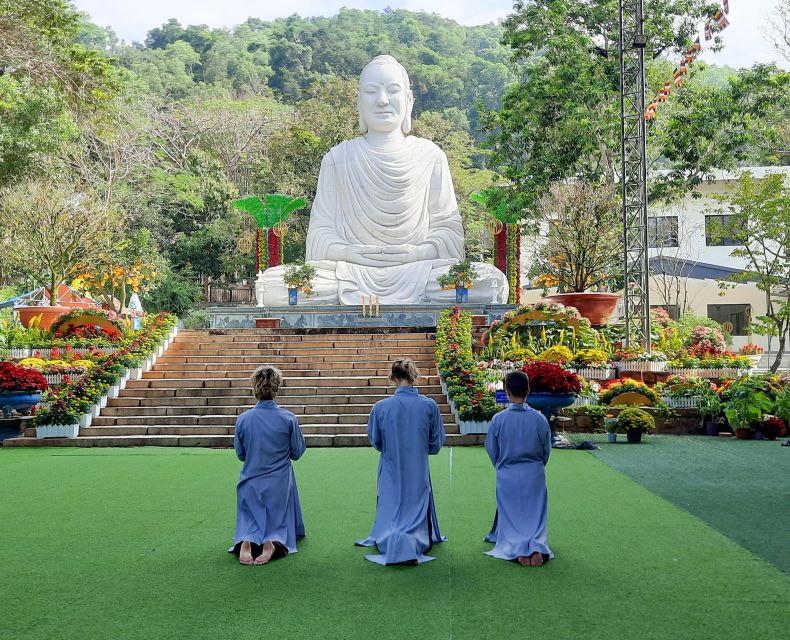
For your expectations, consider this: you’re not going to treat the rituals like optional cultural sightseeing. The retreat atmosphere is serious. Dress code helps (long-sleeved shirt, long pants), but the bigger point is emotional tone. When you keep your behavior calm and respectful, the experience makes more sense.
Where you sleep and how that changes your comfort level
Accommodation is in the pagoda. What that means in practice is likely simple and shared. Based on experience people described, you might end up in a communal sleeping room, with mats that function like thick yoga mats.
This is not a luxury hotel situation. If you want quiet, private space, this retreat may feel cramped. If you can sleep through basic conditions and you treat comfort as secondary to practice, you’ll probably find it workable.
One more thing: night and early mornings can feel intense when you’re adjusting to temple schedule. You may want earplugs if you’re a light sleeper, because pagodas can be lively in early hours.
Day 2 (the early wake-up): Great Bell meditation and qigong
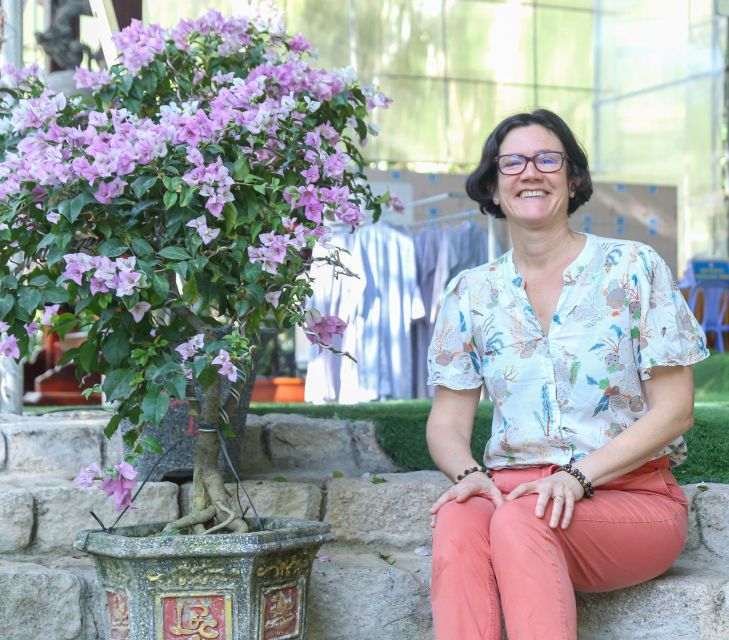
Day 2 starts before most city minds are awake. You’ll rise around 4:00 to 6:00 for Great Bell meditation and chanting, then you’ll move into practice Qigong or martial art around 6:10 to 6:50.
This is one of the best parts of the retreat if you like mornings that feel powerful. The Great Bell is a built-in reminder that time here is different. You’re meditating while the soundscape frames your attention.
If you don’t love early starts, still consider going. The morning energy can make the retreat feel more complete than a simple daytime retreat.
Qigong or martial art: mindfulness with movement
After the bell, you’ll practice Qigong or a martial art segment. Even if your experience level is low, the value is in being present and coordinated enough to follow the group.
For many people, movement is easier than long sits. It also helps you wake up without getting overstimulated.
Breakfast, then more volunteer work, then back to Ho Chi Minh City
Breakfast is included around 7:00 to 7:20. After that you’ll do more volunteer work, such as cakes/tea/tofu and fabric painting, plus picking vegetables. Lunch follows around late morning to noon, then you head back to Ho Chi Minh City by midday.
This makes Day 2 feel productive all the way to the end. By the time you return to the city, you’re not thinking about the retreat like a memory. You’re thinking about how it changed your habits.
Price and what $80 covers (and what it doesn’t)
The price is $80 per person for 2 days and 1 night. When I look at value, I focus on what you get for the money and what you must arrange yourself.
Included:
- A local guide on the spot
- Full board vegetarian food
- Accommodation in the pagoda
- Entrance fees
Not included:
- Transportation from/to the pagoda
- Pickup and drop-off guide
So you’re paying mainly for the retreat program itself, the temple portion, and your food and sleep structure. You’re not paying for a private driver from Ho Chi Minh City or door-to-door logistics.
If you already have transport sorted, this can be fair. If you still need to pay for rides and timing, it can creep upward quickly, especially with early starts.
The sweet spot for value is when you can travel to the meeting point without hassle. Then $80 feels like you’re covering the temple-led experience rather than just a class.
Also note: the schedule is English-led. Instructor support is listed in English, and that matters for understanding meditation techniques and doctrines.
What to bring, and the rules that keep it respectful
This retreat has simple behavior expectations, and they matter for your comfort and acceptance.
Bring:
- Long-sleeved shirt
- Long pants
Not allowed:
- Alcohol and drugs
There are also no fireworks, which is standard for a place of worship.
The clothing rule is not just about tradition. It also helps you stay comfortable in an outdoor-to-indoor temple environment where you might be in cooler shade or near stone. If you show up in shorts or short sleeves, you’ll likely feel self-conscious fast.
Who this retreat suits best (and who might feel frustrated)
This retreat fits best if you want:
- A structured 2-day meditation routine
- A mix of mindfulness practice plus Buddhist doctrine reading and ritual
- Hands-on volunteer work as part of the spiritual day
- Living on-site in a monastic setting
It may feel frustrating if you:
- Want constant, detailed step-by-step meditation guidance during every sitting
- Need a highly flexible schedule
- Are very uncomfortable with shared, basic accommodation conditions
- Rely on wheelchair access, since it’s not suitable for wheelchair users
It’s also listed as not suitable for people with altitude sickness. Since you’re near sea-level in southern Vietnam, this is probably more of a general screening than a real altitude issue—but the rule is the rule.
My decision: should you book this Ho Chi Minh City retreat?
Book it if you want a genuine temple-style retreat rhythm: morning bell meditation, chanting, prostration, and volunteer work that connects your mind to your hands. If you can adapt to a non-hotel setting and you’re okay with following the schedule, you’ll likely get more than you expected.
I’d think twice if your main goal is expert-level, constant meditation instruction in a bright, modern classroom. The retreat includes instruction and reading, but some people found the meditation setup and guidance not what they pictured.
If you’re somewhere in the middle, you can still make it work. Go with a humble mindset, ask questions when you’re unsure, and treat every sit, chant, and task as training attention. That mindset is where the retreat starts to pay off.
FAQ
How far is the pagoda from Ho Chi Minh City?
The pagoda is about 100 km from Ho Chi Minh City center.
What does the retreat include for food and accommodation?
You get full board vegetarian food and accommodation in the pagoda, plus entrance fees.
Is transportation from Ho Chi Minh City included?
No. Transportation from/to the pagoda is not included, and pickup and drop-off guide are also not included.
Is the retreat instructor available in English?
Yes. The instructor is listed as English.
What kind of activities happen during the retreat?
You’ll do mindfulness meditation sessions, Buddhist rituals like chanting and prostration, reading books, volunteer work (like making cakes/tea/tofu, painting on fabric, and picking vegetables), and on Day 2 a Great Bell meditation plus Qigong or martial art practice.
What should I bring?
Bring a long-sleeved shirt and long pants.
Are alcohol and drugs allowed?
No. Alcohol and drugs are not allowed.
Is the retreat suitable for wheelchair users?
No. It’s not suitable for wheelchair users.