REVIEW · HO CHI MINH CITY
Ho Chi Minh City Shore Excursion With Local Tour Guide
Book on Viator →Operated by Saigon Tours · Bookable on Viator
First impressions matter, and this one starts with ease. I like that you’re met right at the port with name signs and taken in air-conditioned comfort, then walked through big, meaningful landmarks with an English-speaking guide. I also love the mix of old Saigon icons and the sobering War Remnants Museum, plus time in Cholon for temple and market culture. One thing to consider: the schedule is packed, and the museum’s war imagery is intense, so you’ll want to pace yourself.
The best part is that it feels built for real limited time. With a maximum of 15 people, you get enough group attention for questions without the chaos of a huge bus tour. And you’ll see both the French colonial-era vibe and the lived-in Chinatown side of the city—within a single day.
In This Review
- Key highlights you’ll feel from day one
- Getting your bearings fast: port pickup, small groups, and real guide time
- Independence Palace: the Saigon moment you’ll keep remembering
- Notre Dame Cathedral of Saigon (Paris Square): French design in a very Vietnamese city
- Saigon Central Post Office: a colonial landmark that still functions
- War Remnants Museum: powerful, graphic, and worth planning around
- People’s Committee Building: French bones with a modern government role
- Cholon (Quận 5) Chinatown: an hour that feels like a different city
- Ba Thien Hau Temple: Mazu worship and Saigon’s spiritual side
- Lunch, transportation, and why the $69 can work
- How the guides shape the day (and why that affects value)
- Who should book this Ho Chi Minh City shore excursion
- Should you book this tour?
- FAQ
- How long is the Ho Chi Minh City shore excursion?
- What does the $69 per person price include?
- What is not included in the tour price?
- Are entrance tickets included?
- Is lunch included, and can you accommodate dietary needs?
- Do you get picked up from the port?
- Is the tour in English?
- How big is the group?
- Is there a mobile ticket?
Key highlights you’ll feel from day one
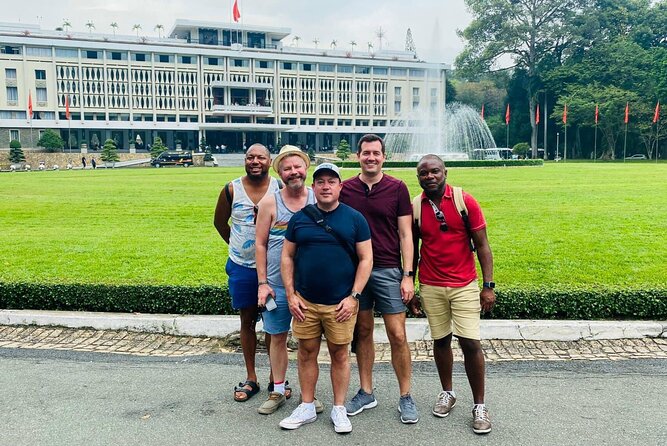
- Port-to-city pickup with AC transport, so you’re not burning energy before you even start sightseeing
- Independence Palace plus the War Remnants Museum, giving you the political timeline behind modern Saigon
- Notre Dame Cathedral and Saigon Central Post Office as French-era landmarks right next to each other
- Cholon (Quận 5) Chinatown plus Ba Thien Hau Temple and Mazu worship
- Lunch and entrance fees included, which makes the $69 price easier to justify
Getting your bearings fast: port pickup, small groups, and real guide time
This is the kind of Ho Chi Minh City day that makes sense when you’re on a cruise schedule or you just don’t want to fight the city on your own. You’re met with name signs at the port, then loaded into a car or minibus with A/C. From there, the day runs like a guided checklist—efficient, but not stingy with explanation.
The “small group” ceiling (15 people) matters. It means your guide can keep moving while still answering questions without everyone waiting in silence. The guides who stood out in past groups—like Alex, Jack, and Dingo—were praised for making the day feel effortless and for communicating clearly (including easy WhatsApp contact).
One practical tip: plan to dress light but bring something for indoor places. You’ll be stepping in and out of landmark buildings, including areas that feel cooler indoors, and you’ll want to adjust without fuss.
You can also read our reviews of more guided tours in Ho Chi Minh City


Independence Palace: the Saigon moment you’ll keep remembering
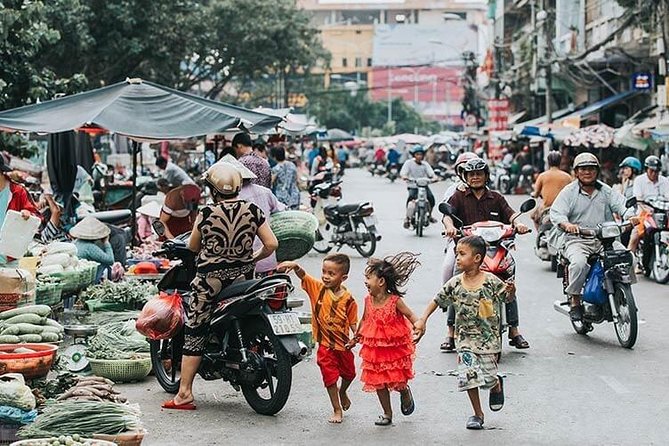
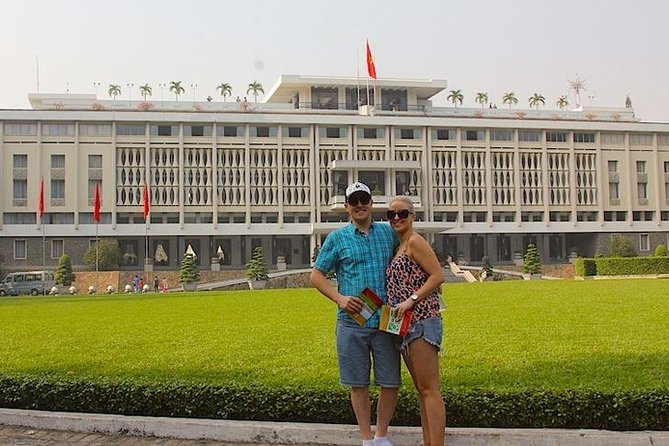
Independence Palace is a centerpiece stop, and it’s not just because it looks dramatic. It served as the base of Vietnamese General Ngo Dinh Diem until his death in 1963, and it became famous globally in 1975. In plain terms, this is a site where the war years connect to the immediate turning point in the city’s story.
You’ll spend about 45 minutes here with an included admission ticket. That time is usually enough to see the main rooms and get the key context—without turning it into a marathon. The site’s power comes from the physical details tied to that historical moment, including the famous mention that a tank from the North Vietnamese Army crashed through part of the palace.
How to get the most out of your visit:
- Ask your guide to point out what’s original versus what’s restored or preserved, since these places often work on layers.
- If you’re traveling with someone who hates “slow museums,” focus on the main rooms and the big turning-point features first, then decide how deep to go.
Notre Dame Cathedral of Saigon (Paris Square): French design in a very Vietnamese city
Not far from the post office, Notre Dame Cathedral of Saigon gives you a quick architectural reset. Built in the late 1880s by French colonists, it remains one of the few strongholds of Catholicism in a country that is largely Buddhist. It sits in Paris Square, which helps explain why the area feels intentionally planned to feel European.
You’ll have about 30 minutes here, with free admission. Because the stop is short, I suggest using the time actively rather than just taking photos. Look at the facade proportions and how the cathedral fits into the surrounding streetscape. Then grab a few outside shots first—so you’re not rushing later.
A small heads-up: since it’s a working religious site, you may see rules around how to enter or where to stand. If you want great photos, aim for the moments when foot traffic thins a bit and follow signage instead of trying to squeeze past people.
Saigon Central Post Office: a colonial landmark that still functions
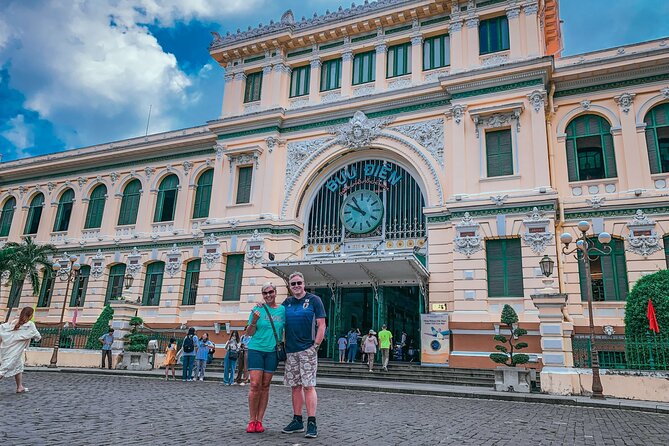
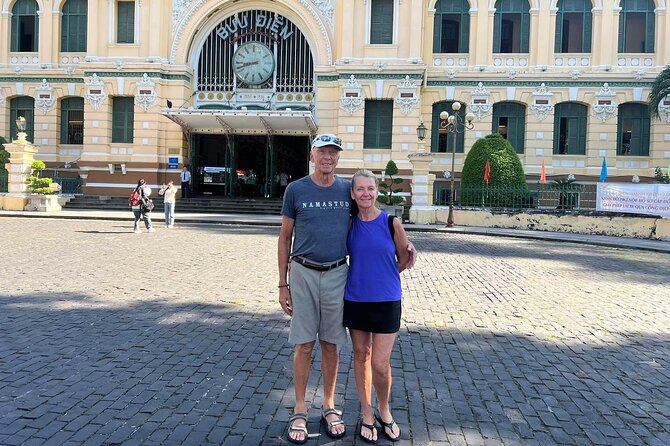
Right next door, the Saigon Central Post Office is a standout stop that many people underestimate. It’s described as beautifully preserved French colonial architecture—and often noted as among the grandest post offices in all of Southeast Asia.
You’ll have about 30 minutes here, and admission is free. What makes this stop valuable isn’t just the building. It’s the fact that it still feels like a place that used to matter for daily communication—and still does something similar for today’s visitors.
How to enjoy it beyond photos:
- Take a few minutes to appreciate the interior layout and the symmetry. The architecture helps you see why colonial buildings were designed to feel official and ordered.
- If you’re the type who likes to send postcards, this is the sort of place that makes that activity feel fun rather than touristy.
If you’re tight on time, focus on the main hall first. Then you can decide if you want to linger in smaller areas.
War Remnants Museum: powerful, graphic, and worth planning around
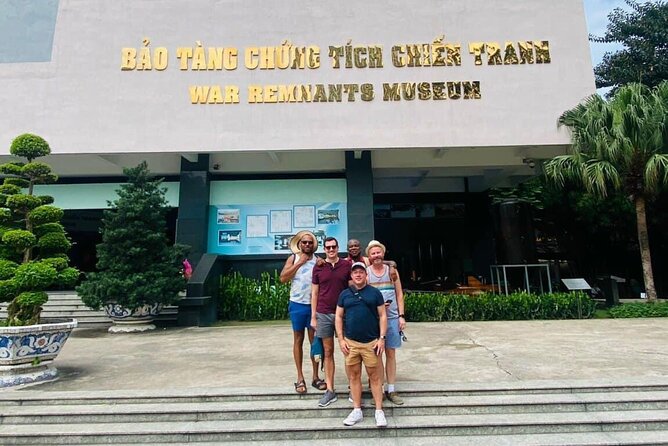
This is the emotional stop on the route. The War Remnants Museum opened to the public in 1975 and was once known as the Museum of American War Crimes. It’s a shocking reminder of the long and brutal Vietnam War, and it includes graphic photographs.
Plan for about 45 minutes and included admission. I’m glad it’s in the itinerary, because if you only see palaces and colonial facades, you miss the reality that shaped the country’s modern identity. But I also don’t think it’s a stop to speed through.
A good way to handle it:
- If you feel overwhelmed, step out briefly or take breaks between rooms instead of trying to “push through.”
- Keep your focus on how the exhibits are organized, not just on one image. That helps you understand the bigger message without drowning in details.
Bring a calm mindset. This isn’t entertainment, and that’s exactly why it’s meaningful.
You can also read our reviews of more city tours in Ho Chi Minh City




People’s Committee Building: French bones with a modern government role
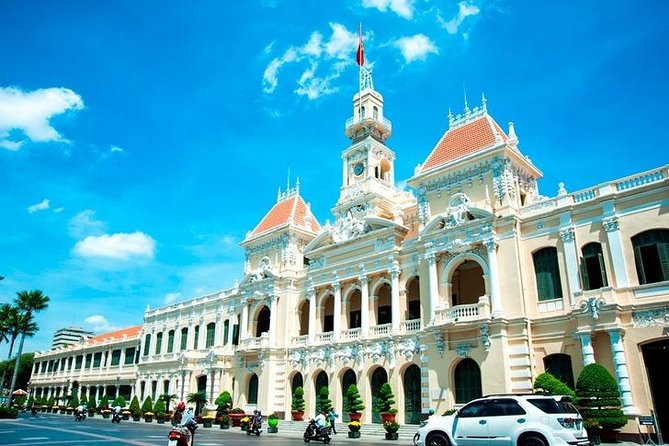
After the museum’s intensity, the People’s Committee Building offers a different kind of impact—quiet, architectural, and political. This central Saigon building features well-preserved French colonial architecture set in a spacious garden landscape.
You’ll spend about 30 minutes, with free admission. The building was originally constructed as a hotel in 1898 by French architects, and over time it evolved into the kind of official space that signals power and administration.
If you like architecture, this stop is worth your full attention. It helps you understand how colonial-era construction didn’t just become “old buildings”—it became infrastructure that continued to matter.
Practical tip: gardens and courtyards can be cooler, but they also attract bugs. I’d still use whatever light repellent you normally carry, especially if you’re sensitive.
Cholon (Quận 5) Chinatown: an hour that feels like a different city
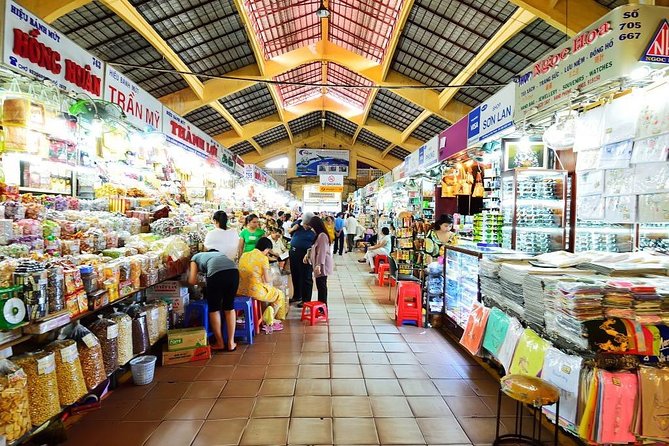
Ho Chi Minh City has multiple faces, and Cholon is one of the clearest. This is Vietnam’s largest Chinatown, rooted in history dating back to 1778. It’s culturally important, too—Chinese communities came to the area under pressure during the Tay Son period, and the district developed into a place with its own rhythm.
You’ll get about 1 hour here. That’s enough time to see the street character and feel the neighborhood logic without turning it into a shopping sprint. If you’re hoping for a market visit vibe, this is the stop that typically delivers.
I love Cholon because it adds contrast. After French-era structures and war history, you get everyday life—food smells, signage, and community spaces. The day stops being only about what happened and becomes about how people live now.
Ba Thien Hau Temple: Mazu worship and Saigon’s spiritual side
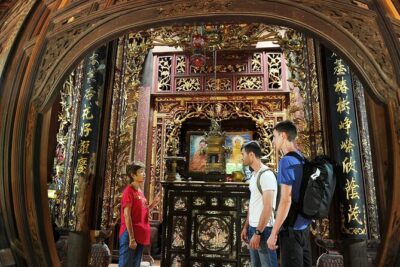
The last major cultural stop is Ba Thien Hau Temple. This temple is dedicated to the Chinese sea goddess, Mazu. The story says she protects and rescues ships and people at sea, sometimes described as flying around on a mat or cloud.
You’ll spend around 20 minutes here with free admission. It’s a short stop, but it’s the kind that gives the day balance. You’re not only looking at history; you’re also seeing how belief and tradition shape daily community life.
To enjoy it more:
- Take a moment to watch how people move and what they do at the temple. Even without knowing the prayers, you’ll “get” the purpose quickly.
- If you want photos, be respectful and keep a little distance from worshippers.
This isn’t a place to race. The value is in slow observation, even for just 20 minutes.
Lunch, transportation, and why the $69 can work
Let’s talk about the price in a practical way. At $69 per person, the tour includes English-speaking guide time, AC transport, all entrance fees, lunch, a bottle of mineral water, and a mobile ticket. The only extra you’re expected to cover is gratuities for your guide and driver.
That matters for cruise passengers, because shore excursions often charge you separately for entrances, meals, and local transport. Here, the “must-pay” costs are already handled, which reduces stress and helps you budget for souvenirs.
Lunch is included, and they note that they can cater to dietary requirements if you contact them beforehand. That’s a big plus if you have restrictions. If you’re not sure what to do, I’d send a quick message ahead of time—don’t assume it’ll be automatic.
One more small comfort detail: the ride in an A/C car or minibus helps a lot in Ho Chi Minh City’s heat. After a museum and multiple walking stops, you’ll appreciate having a place to cool down.
How the guides shape the day (and why that affects value)
Even with a fixed route, guides make or break a shore excursion. The strongest feedback I saw from past experiences centered on guides being friendly, funny, and willing to answer questions clearly—plus customizing when possible.
Alex was praised for making everything easy and for smooth communication via WhatsApp. Jack and his driver were noted for making the cruise day feel effortless, and Dingo stood out for customizing the itinerary around preferences and responding to questions with real patience.
So when you book, think less about the checklist and more about the person guiding the day. A good guide turns a collection of landmarks into a coherent story you can remember later.
Who should book this Ho Chi Minh City shore excursion
I’d say this tour fits best if you:
- Want a 6–8 hour overview without planning each stop
- Are visiting Ho Chi Minh City on a cruise and need a structured day
- Like a balance of architecture, major war-era history, and city neighborhoods like Cholon
- Prefer an English-speaking guide and small-group attention (max 15)
It may not be ideal if you:
- Want a super relaxed day with lots of free time
- Get strongly affected by graphic war photographs
- Prefer totally independent wandering with no scheduled stops
Should you book this tour?
If your priority is to see a lot of Ho Chi Minh City’s most important highlights—while still having someone explain what you’re looking at—I think this is a smart booking. The inclusion of entrance fees, lunch, and A/C transport makes the $69 feel more like a package than a pile of extras, and the small group size helps it stay human.
I’d book it if you can handle one intense stop at the War Remnants Museum and you’re comfortable with a busy day. If you’re trying to stretch a short visit into meaningful learning plus good city flavor, this one does the job.
FAQ
How long is the Ho Chi Minh City shore excursion?
The tour runs about 6 to 8 hours.
What does the $69 per person price include?
It includes an English-speaking tour guide, A/C transportation, all entrance fees, lunch, and a bottle of mineral water.
What is not included in the tour price?
Gratuities for your guide and driver are not included.
Are entrance tickets included?
Yes. Entrance fees are included for the stops listed on the tour.
Is lunch included, and can you accommodate dietary needs?
Lunch is included, and the operator says they can cater for dietary requirements if you contact them beforehand.
Do you get picked up from the port?
Yes. Pickup is offered, and the tour begins at the port area with a team meeting you with name signs.
Is the tour in English?
Yes, the tour includes an English-speaking guide.
How big is the group?
This experience has a maximum of 15 travelers.
Is there a mobile ticket?
Yes. A mobile ticket is included.