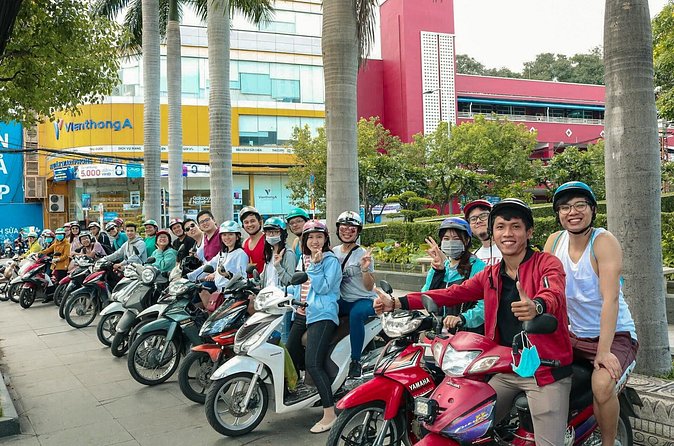
Saigon feels real from the scooter seat. This private 3–4 hour ride threads through less-touristy alleys, so you see the everyday city instead of just the postcard version. I love the focus on local pace and practical stops, and the way the route can fit your day.
One note: you’re riding a scooter for most of the tour, so you’ll want to feel comfortable in traffic and plan around good weather.
What makes this tour click is the mix of places you can’t easily “just stumble into” on your own—then you get to taste and learn along the way. The stop at Cheo Leo Cafe includes time to enjoy authentic Vietnamese coffee and even learn how it’s made at an 84-year-old spot. And when it’s time for food, the bánh xèo stop isn’t just a meal; you also get a look at how they make it.
The only real drawback to keep in mind is that pickup isn’t available everywhere. If you’re staying outside districts 1, 3, 4, or 5, there’s a VND90,000 per person surcharge.
In This Review
- Key Highlights You’ll Notice Fast
- The Value of a Private Scooter Tour in Ho Chi Minh City
- Starting Point: Bitexco, District 1, and the Pickup Limits
- Thich Quang Duc Monument: A Short Stop With Big Vietnam War Context
- Cheo Leo Cafe: Coffee, History, and a Hands-On How-To
- Ba Thien Hau Temple in Chinatown: 300 Years of Meaning
- Ho Thi Ky Flower Market and the Khmer Market Next Door
- Nguyen Thien Thuat Apartment Buildings: Old Homes, War Memories
- District 5 Chinatown: Phố Tau Sai Gon and Its Green, Family Feel
- Soai Kinh Lam Fabric Market: Silk Shopping in a Colorful Street
- Bánh Xèo Ngọc Sơn: Street Food With a Real Kitchen View
- What You Need to Know Before You Book
- Should You Book This Private Scooter Tour?
- FAQ
- FAQ
- How long is the Private Scooter tour?
- Is this tour private or shared with other people?
- Where do we meet, and is pickup available?
- What’s included in the price?
- Can you adjust the tour for dietary requirements?
- Are there child tickets?
Key Highlights You’ll Notice Fast
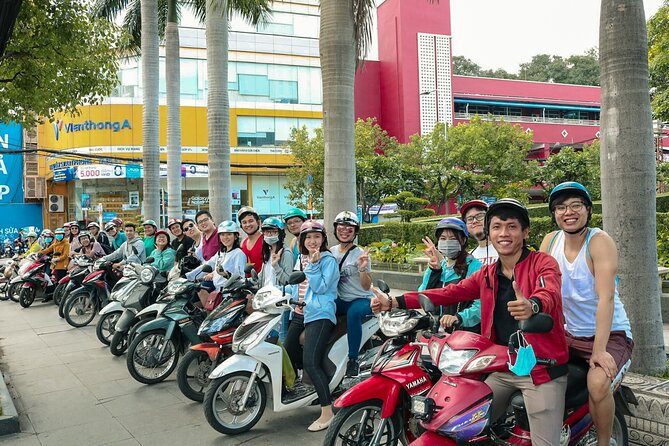
- Truly private: only your group, no strangers added to your scooter
- Hidden-street route: short stops that keep you moving through local neighborhoods
- Coffee + food with context: Cheo Leo includes coffee how-to; bánh xèo includes kitchen viewing
- Chinatown on two sides: temple time plus markets in the broader District 5 area
- Market hunting without the chaos: flower wholesale, Khmer market next door, then silk shopping
- Safety gear included: high quality helmets and poncho if needed
The Value of a Private Scooter Tour in Ho Chi Minh City
For $30 and about 3–4 hours, the value here is not just the ride—it’s the access. A scooter lets you cover more ground than walking, but the real win is that your guide can choose quieter streets and small lanes that don’t show up on most quick sightseeing routes.
This is also “private” in the practical sense: you won’t be squeezed into someone else’s schedule or stuck with people you didn’t choose. Your guide is supposed to adjust the itinerary to match what you actually care about, which matters in a city as busy as Saigon. If you’re more into food, markets, or history, you can steer the emphasis without losing time.
Do keep expectations realistic: the tour is structured with multiple short visits—so it’s not designed to be a slow museum day. It’s designed to get you oriented fast and give you local-flavored highlights without feeling like you’re rushing through a checklist.
You can also read our reviews of more city tours in Ho Chi Minh City



Starting Point: Bitexco, District 1, and the Pickup Limits
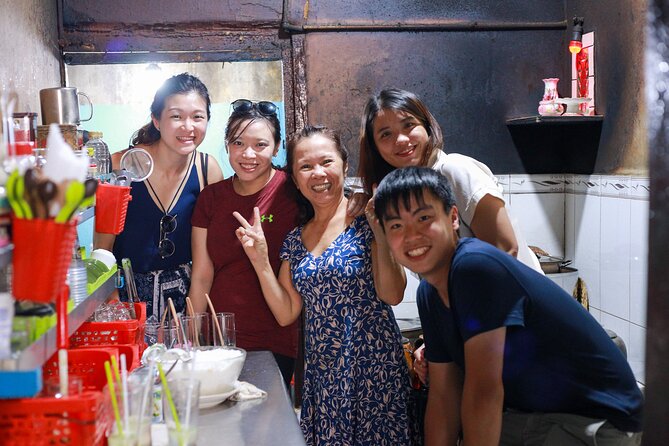
Most tours have a “meet somewhere central” problem. Here, you start at Bitexco Financial Tower in District 1, a clear landmark that’s easy to find. If you’re nearby, you can also pair this with other city plans the same day.
Pickup is offered, but it’s limited: if you’re staying outside districts 1, 3, 4, or 5, expect a VND90,000 per person surcharge paid directly to the guide. If you want to avoid extra hassle, pick a hotel close to the pickup zone or plan to arrive at the meeting point.
One more small planning tip: bring something light for weather changes. The tour includes a poncho (if needed), but being prepared makes the ride more comfortable.
Thich Quang Duc Monument: A Short Stop With Big Vietnam War Context
Your first stop is the Thich Quang Duc Monument, where you’ll connect a specific person to a much wider moment in Vietnam’s war history. This is the site tied to Mr. Thich Quang Duc and the event of the burning monk—information that can otherwise feel like a vague headline if you only read about it later.
Because the stop is about 15 minutes, you’re not going to get a full lecture. Instead, it’s more like a guided “anchor” for understanding what you’re seeing as you move through the city. I like these quick context stops because they make the rest of your day feel less random.
Possible drawback: if you already know this story well, you may want to spend your energy on other stops. But even then, it can help you connect what you’ve read with the physical place where it’s remembered.
Cheo Leo Cafe: Coffee, History, and a Hands-On How-To
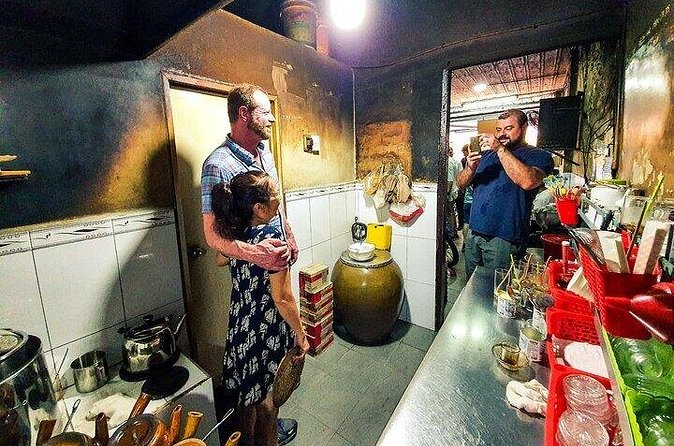
Next comes Cheo Leo Cafe, described as the oldest coffee shop in Saigon at 84 years old. This is a very smart move in the itinerary: after the monument’s heavy theme, you shift into something sensory and everyday.
You’ll enjoy authentic Vietnamese coffee and learn how to make it. That’s more useful than just drinking a cup, because Vietnamese coffee is all about technique—the filter, the pace, and how the flavors build. If you’ve ever had Vietnamese coffee and wondered why it tastes different than other iced coffees, this is exactly the kind of stop that answers it.
There’s also an attention-to-time benefit: about 30 minutes here fits nicely between market and temple visits. You don’t end up waiting around with a half-finished drink while the scooter crew wrangles the next leg.
Ba Thien Hau Temple in Chinatown: 300 Years of Meaning
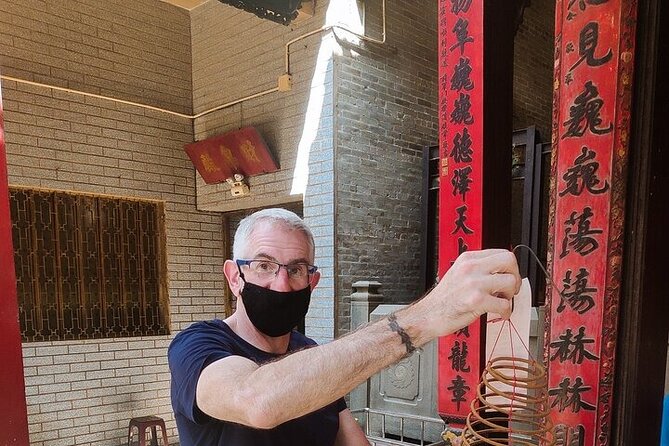
In Chinatown, you’ll visit Ba Thien Hau Temple, a 300-year-old temple and described as the first temple built by Chinese people in HCM City. That detail matters. It’s not just pretty architecture—it’s a marker of how Chinese communities took root in Saigon over time.
This stop is about 15 minutes, so again, think of it as a focused orientation moment. You’ll see the temple setting and get a sense of what the place represents for the community that created and supports it. Short temple visits are ideal in a scooter tour, because you still get the “I’m here” feeling without losing the momentum of the ride.
If you’re sensitive to busy foot traffic, arrive calm. Chinatown areas can be crowded, but the short duration keeps it from feeling like a long interruption in your plan.
You can also read our reviews of more private tours in Ho Chi Minh City



Ho Thi Ky Flower Market and the Khmer Market Next Door
From temples to commerce: Ho Thi Ky Flower Market is the biggest wholesale flower market in HCM City. The point of a wholesale market isn’t tourist shopping—it’s movement. You’ll get to see how flowers are handled and how the market works as a supply hub.
Right next to it is the Khmer market, opened by Cambodian owners. That pairing is great for understanding Saigon as a mix of communities, not one single cultural lane. You might not get this contrast from a regular bus tour.
This is one of those stops where the time cap (around 20 minutes) helps you avoid getting stuck in the logistics of prices and choices. Markets can swallow an afternoon if you let them. Here, you get the experience, absorb the vibe, and move on.
Nguyen Thien Thuat Apartment Buildings: Old Homes, War Memories
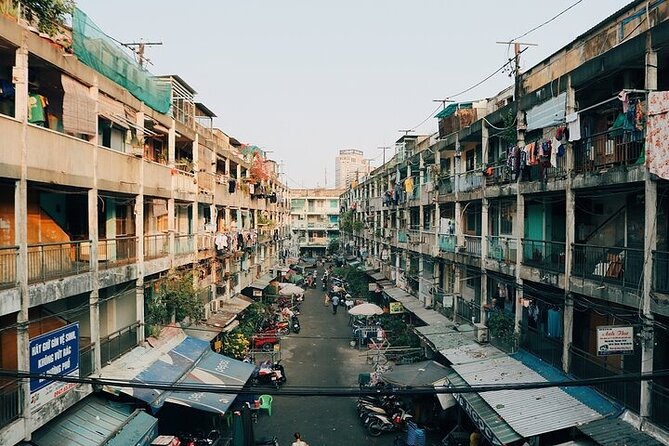
One of the more quietly powerful stops is Nguyen Thien Thuat Apartment Buildings, described as the oldest apartment in Ho Chi Minh City. Here, you’ll take a bit of a walk and hear the story of the place during the Vietnam War.
This kind of stop is valuable because it shifts your perspective from monuments to lived spaces. Monuments show memory; apartment buildings show daily life shaped by history. Even if you only get around 20 minutes, it can change how you read the city streets afterward.
Practical consideration: apartment-building areas can be less “visitor-friendly” than museums. You’ll want to keep your pace respectful and follow your guide’s lead. The walk is light, but it’s still in a real neighborhood.
District 5 Chinatown: Phố Tau Sai Gon and Its Green, Family Feel
You’ll then head into Chinatown’s District 5 area, also called Phố Tau Sai Gon. The itinerary notes that this part of the city looks different from other districts, with lots of green trees and kid playgrounds.
That contrast is why this stop works. Saigon can feel intense. Seeing a neighborhood where families and children are out changes the emotional tone of the day. It also gives you a better mental map: you start to notice how different districts feel, rather than treating the city like one uniform blur.
This stop is around 30 minutes. That’s enough time to feel the neighborhood without dragging, and it gives you a breather between more focused cultural stops and shopping.
Soai Kinh Lam Fabric Market: Silk Shopping in a Colorful Street
Next is the Soai Kinh Lam fabric market, described as the best place for silk in Chinatown. The whole street is covered with colorful silk, and your guide can help you buy silk as a souvenir if you want to.
This is exactly the kind of shopping stop where having a guide is worth it. Markets are easier when you don’t have to translate everything on your own or guess which shop is reliable. With only about 10 minutes allocated, you’re also spared the trap of overthinking your purchase.
If you’re the type who likes to bargain, you’ll still be able to participate—but at least you’ll start from a position of clarity rather than guessing. If you’re not buying, you’ll still get the visual and the cultural context of why silk markets matter here.
Bánh Xèo Ngọc Sơn: Street Food With a Real Kitchen View
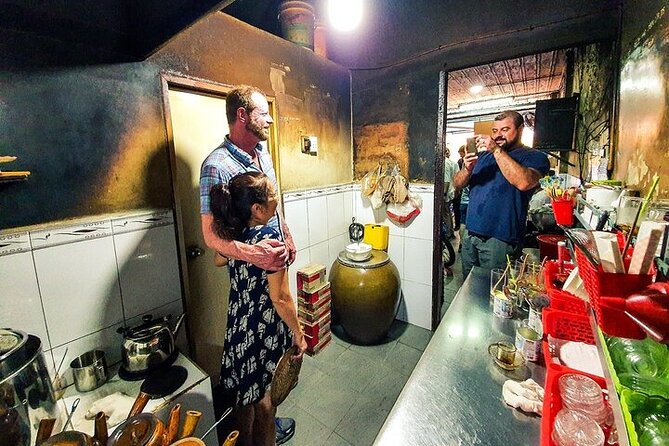
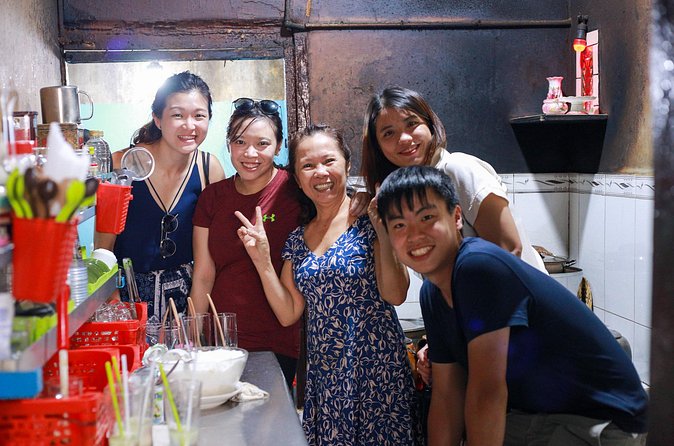
You finish with Bánh Xèo Ngọc Sơn, where you’ll enjoy bánh xèo (Vietnamese pancake) at a local restaurant. What I like about this stop is the added detail: you can also look at how they make the bánh xèo inside their kitchen.
That kitchen viewing turns food into learning. You get to see the process instead of only receiving the final plate. And because bánh xèo is one of those dishes with texture and assembly you can’t fully understand from a description, seeing it helps you appreciate why it tastes the way it does.
The food stop is about 40 minutes, which gives enough time to eat without feeling rushed. It also acts as a natural wrap-up: you end your tour satisfied and ready to keep exploring on your own after the ride.
What You Need to Know Before You Book
A few practical points can make or break your experience:
- Comfort on a scooter: you’ll be riding a good portion of the tour. Wear something you can sit in comfortably and keep a light layer for wind.
- Safety gear is included: high quality helmet is provided, plus a poncho (if needed).
- English-speaking drivers and guides: if you want context and explanations, this is a big advantage.
- Admissions for stops are included: each listed stop includes an admission ticket, so you’re not hunting for extra payments mid-tour.
- Food and drink are part of the plan: coffee at Cheo Leo and bánh xèo at the restaurant are included as part of the route.
- Weather matters: the experience requires good weather. If it’s canceled due to poor weather, you’ll be offered a different date or a full refund.
Should You Book This Private Scooter Tour?
If you want Saigon without the usual bus-tour rhythm, I think this is a strong choice. It’s short, focused, and built around neighborhoods you’d miss if you only stick to the most famous sights. The private scooter format and the mix of coffee, temples, markets, and bánh xèo make it a practical way to get a local-feeling overview in a half day.
Book it especially if:
- you hate crowded tours and want control of your group time,
- you like street food but also want the story behind what you’re eating,
- you’re curious about Chinatown and District 5’s different vibe.
Skip it (or plan differently) if:
- you’re not comfortable riding for 3–4 hours,
- you’re traveling far outside districts 1, 3, 4, or 5 and don’t want the pickup surcharge.
FAQ
FAQ
How long is the Private Scooter tour?
It runs about 3 to 4 hours.
Is this tour private or shared with other people?
It’s private. Only your group participates.
Where do we meet, and is pickup available?
The meeting point is Bitexco Financial Tower in District 1. Pickup is offered, but if you’re staying outside districts 1, 3, 4, or 5, there’s a VND90,000 per person surcharge paid directly to the guide.
What’s included in the price?
The tour includes the motorbike and fuel, English-speaking drivers and guides, a high quality helmet, and a poncho if needed. Food and drink mentioned in the route are included, and admission tickets for the listed stops are included too.
Can you adjust the tour for dietary requirements?
Yes. You’re asked to indicate any dietary requirements (like allergies or vegetarian) upon checkout.
Are there child tickets?
Yes. Child tickets apply for ages 5 to 10.