REVIEW · HO CHI MINH CITY
Private Tour: Long Tan Nui Dat Battlefield from Ho Chi Minh City
Book on Viator →Operated by TNK Travel · Bookable on Viator
War comes close on this day trip. This private outing takes you from Ho Chi Minh City into Vietnam War country, with a war veteran guide bringing the story to life at the Long Tan Cross and nearby sites, then you’ll round it out with the Long Phuoc Tunnels. I like how the guide connects the events to what you can actually see on the ground today.
I also love the practical side: lunch is included, and the day avoids the usual time-killers like pushy souvenir stops. With your own private group setup, you can ask questions and get answers without rushing off to the next photo op.
One thing to plan for: it’s a full day with an early start and plenty of road time, so bring water and comfortable shoes. Tours like this depend on good weather, so if conditions are poor, the plan may shift or dates can change.
In This Review
- Key things that make this tour worth your time
- Morning start from Ho Chi Minh City: then it’s out to Ba Ria-Vung Tau
- Ba Ria orphanage stop: the day’s most human pause
- Long Tan Cross and the 1969 memorial: where the story is anchored
- Horseshoe Battlefield and Nui Dat SAS Hills: reading terrain like a clue
- Long Phuoc Tunnels: seeing what the Viet-Cong used underground
- Lunch and pacing: how to stay comfortable on an 8-hour history day
- Price and value: paying for private access plus a veteran guide
- Who this tour is best for (and who might want a different plan)
- Practical tips that make the day smoother
- Should you book the Long Tan and Nui Dat private battlefield tour?
- FAQ
- How long is the private Long Tan Nui Dat Battlefield tour?
- Is hotel pickup and drop-off included?
- What sites will we visit?
- Is lunch included?
- Do I need to provide passport details?
- Is the tour really private?
- Is a vegetarian meal available?
- Can I cancel for a full refund?
Key things that make this tour worth your time
- War veteran guide context: you get the human side of the Vietnam War, not just dates on a sign.
- Long Tan Cross memorial visit: the day centers on the 1966 Long Tan battle and how it’s remembered.
- Horseshoe Battlefield and Nui Dat SAS Hills: you’ll look at key terrain tied to the fighting.
- Long Phuoc Tunnels stop: you’ll see the underground setting the Viet-Cong used to move and hide.
- Ba Ria orphanage visit: a meaningful detour that reminds you this history is also about real lives.
Morning start from Ho Chi Minh City: then it’s out to Ba Ria-Vung Tau
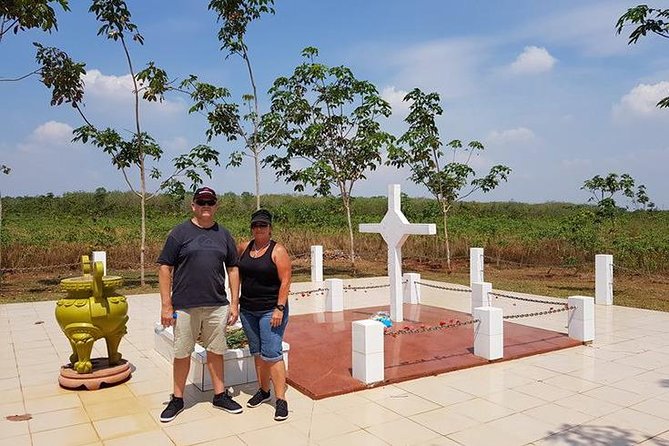
This is the kind of day trip that starts early because the real payoff sits outside the city. Pickup runs from a central District 1 hotel area, with a meeting point listed at 112 Trần Hưng Đạo, Phường Phạm Ngũ Lão, Quận 1. From there, you’ll ride in an air-conditioned car or van and head toward Ba Ria-Vung Tau Province.
Before you reach the main battlefield stops, there’s a quick but important administrative step: you’ll stop in Ba Ria to pick up a travel permit for the historical battlefields. That’s one of those details that makes the difference between a smooth day and a stressful one, especially when you’re visiting active or controlled areas.
If you like structure, you’re in luck. The route is set up as a steady line of meaningful locations, so you’re not bouncing around and guessing where to spend your time. Just remember you’re committing to about 8 hours, so plan your energy for the full stretch.
You can also read our reviews of more city tours in Ho Chi Minh City


Ba Ria orphanage stop: the day’s most human pause
The battlefield sites do heavy lifting, but the Ba Ria orphanage stop adds the heart. You’ll make a visit to the orphanage in Ba Ria as part of the tour, which helps keep the day from becoming only about war maps and markers.
One review described the experience as genuinely uplifting: staff care for about 30 children, and simple playthings like soccer balls and hula hoops brought smiles fast. That matters because it gives you a clearer picture of Vietnam beyond the wartime narrative you’re about to see.
This stop is also a good moment to reset your head. After long minutes of thinking about fighting and survival, you get to shift to everyday life and community care. If you want to bring something for the children, it’s smart to check with your guide first so you’re not guessing about what’s appropriate.
Long Tan Cross and the 1969 memorial: where the story is anchored
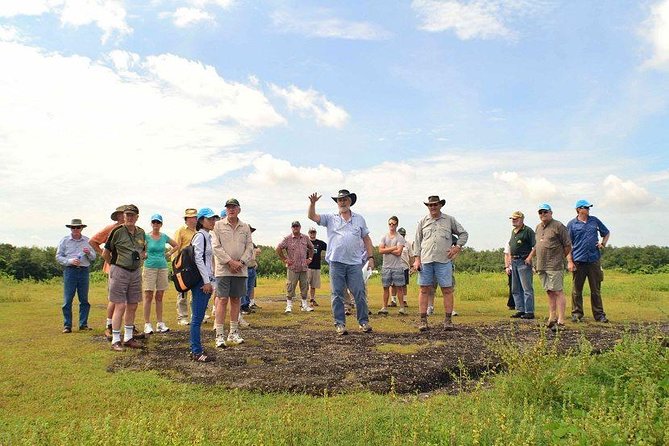
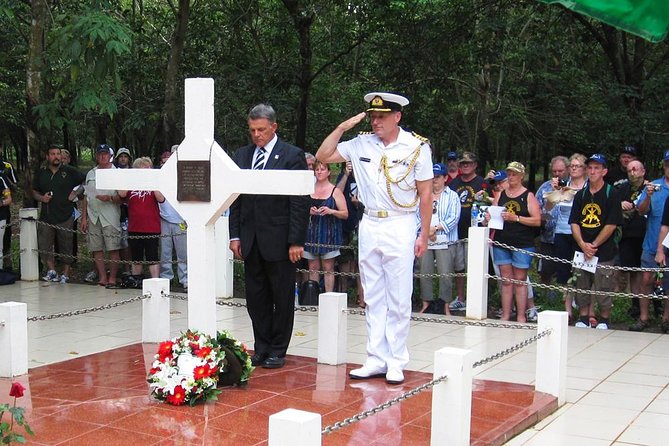
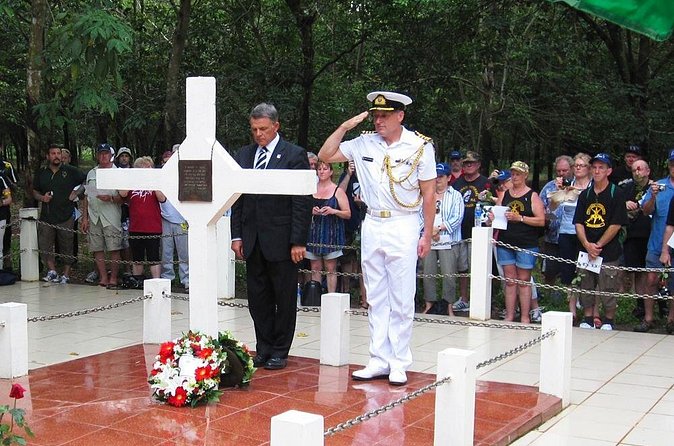
Long Tan Cross is the emotional center of the day, and it’s approached with the right kind of context. The memorial here was raised by the Australians in August 1969, honoring the great battle of Long Tan fought in 1966 between the Australians and the Viet Cong.
What I like about this stop is that it doesn’t feel like a quick photo stop and move on. A strong guide makes the difference, and here you get a war veteran who can point out how the battle’s memory is shaped by what happened and what the memorial chooses to highlight.
In one of the standout guide details shared in reviews, the guide had forethought and picked up flowers so the group could lay them at Long Tan Cross. Even if you don’t do the same, it’s a good signal that this tour pays attention to respectful small moments.
Practical note: this is a place where quiet matters. Bring your questions, but keep your voice low and your pace gentle.
Horseshoe Battlefield and Nui Dat SAS Hills: reading terrain like a clue
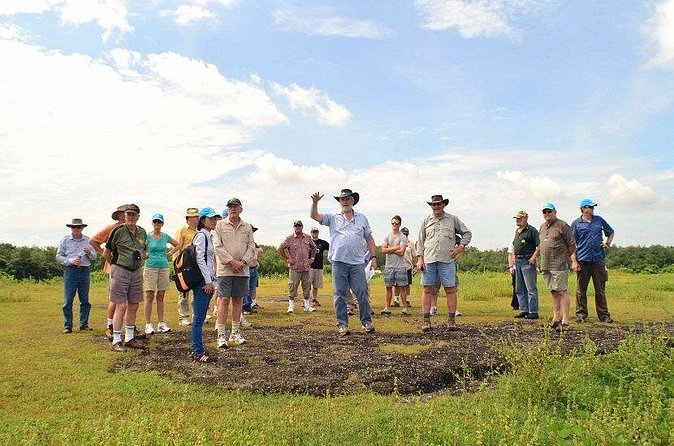
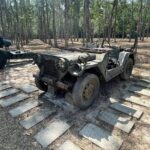
After Long Tan Cross, the tour continues to the Horseshoe Battlefield and Nui Dat (SAS Hills). These names sound like military shorthand, but what makes them useful as a sightseeing route is that you get to connect the labels to the physical terrain.
The tour takes you to the Horseshoe area, often referred to as a base, where you can see why ground mattered so much in Vietnam War combat. The guide’s job is to help you understand what the battle context was and why the surroundings became part of the story, not just background.
Then you head into Nui Dat (SAS Hills). The value here isn’t that you’re trying to become an expert in military tactics in one day. It’s that a veteran guide can help you look at the hills and think about observation, movement, and risk in a way that simple museum panels can’t do.
A big advantage: you’re not stuck with vague explanations. In reviews, guides were described as using pictures from during the war and comparing them with what’s on the ground today. That kind of visual contrast helps your brain build a timeline fast.
Long Phuoc Tunnels: seeing what the Viet-Cong used underground
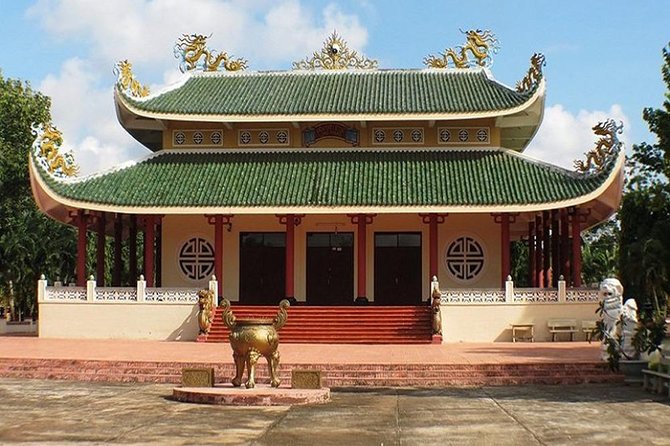
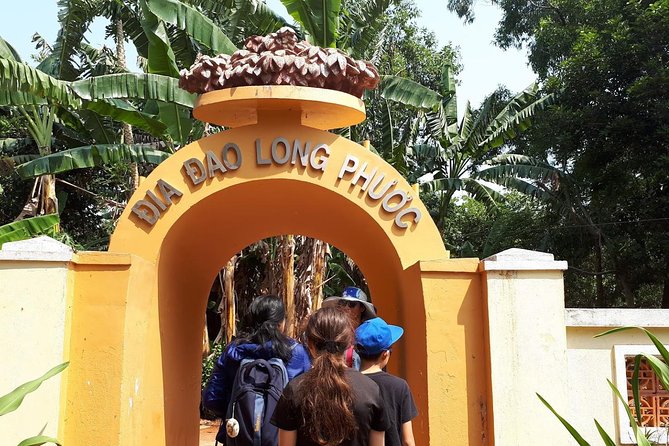
Next comes the Long Phuoc Tunnels. This stop is where the day shifts from open-air battlefield landmarks to the underground world the Viet-Cong used.
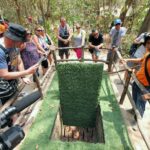
The tour gives you a glimpse of the tunnels, described as primitive-looking but still meaningful because the purpose was so practical: hiding, moving, and surviving under constant threat. When you’re standing near tunnel systems, it’s easier to understand that these weren’t just escape routes. They were part of how fighters stayed alive and kept operating.
The best part is how the guide frames what you’re seeing. A veteran guide can connect the tunnels to the broader battle story you’ve just been walking through at Long Tan, Horseshoe, and Nui Dat. Instead of treating the tunnels like a separate attraction, you start to see them as another piece of the same puzzle.
If you’re visiting with kids, keep expectations realistic. This is history-heavy and physically more about standing, walking short sections, and listening than doing hands-on experiments.
You can also read our reviews of more private tours in Ho Chi Minh City





Lunch and pacing: how to stay comfortable on an 8-hour history day
Lunch is included at a local restaurant with Vietnamese cuisine. That matters more than it sounds because it prevents the classic travel-day problem: you’re hungry at the wrong time, and then your schedule gets shoved around. I like that the tour is built to feed you without forcing you into a search mission.
Pacing is another quiet win. Reviews praised that there was no time wasted with souvenir shops, which usually means you spend more time where it counts: at the sites and with the guide. For a topic as heavy as this, that extra time can be a gift. You get more listening time and fewer distractions.
Comfort tips are simple but important:
- Wear sun protection. You’ll be outside on a battlefield route.
- Bring water for the road portions.
- Use the restroom breaks when they’re offered. The day is long.
Also, you’ll want to mentally switch gears from sightseeing mode to reflection mode. This is the kind of tour where good questions beat constant photographing.
Price and value: paying for private access plus a veteran guide
At $135 per person, this is not the cheapest way to see Long Tan and Nui Dat. But you’re paying for private transport, a guided day designed around specific historical stops, and the most valuable ingredient: a war veteran guide.
Here’s what that means for your wallet and your time:
- You’re getting an air-conditioned vehicle for pickup, transfers, and sightseeing as per the program.
- You’re getting an English-speaking guide, which matters a lot for a day where nuance is the point.
- Lunch is included, so you’re not stacking costs mid-trip.
- It’s private, so your group controls the rhythm more than on bus tours.
There are also hints that entry-related hassle is reduced. The experience notes an admission ticket free for the battlefield segment on the schedule. If you’re comparing options, that can help explain why the total price feels fair for what you actually do.
Group discounts are mentioned too, so if you’re traveling with friends, splitting the cost can make it feel like a steal.
Who this tour is best for (and who might want a different plan)
This tour is a strong fit for history lovers who prefer context over clutter. If you like learning from a person who’s lived through the realities behind the story, the war veteran guide format is the main reason to book.
It’s also a good choice if you want a respectful, structured route with fewer distractions. Reviews specifically highlighted that the day avoided time wasting in souvenir stops, and that the guide used pictures from the war era plus modern views to help you visualize what changed.
Who might reconsider? If you’re expecting pure sightseeing with upbeat energy, this day is more thoughtful than fun. Also, if you’re sensitive to heat and long drives, the 8-hour format plus out-of-town travel could feel like a lot.
For families, it may work if your kids can handle a quieter history route. The tour states most travelers can participate, and children under 3 must be accompanied by an adult, but it doesn’t define kid-specific activities. So you’ll want to judge based on your group.
Practical tips that make the day smoother
A few details can save you stress:
- You’ll need passport details at booking (passport name, number, expiry, and country) because permits are part of the process.
- Plan your questions around what you’re seeing. A veteran guide is best when you ask real, specific things.
- Bring sunglasses and a hat. The day includes outdoor battlefield visits.
- The tour depends on good weather, so keep flexibility.
Dress matters for comfort more than fashion. Stick to comfortable shoes and light layers you can manage in warm weather.
If you have dietary needs, you can request a vegetarian option and advise dietary requirements at booking. That’s worth doing early so lunch stays pleasant and stress-free.
Should you book the Long Tan and Nui Dat private battlefield tour?
I’d book this if you want a structured Vietnam War day trip that actually explains what you’re looking at. The private format, the included lunch, and the fact that the guide can connect war-era photos to the modern view are the ingredients that tend to turn this into a memorable day, not just a checklist.
I’d skip or compare alternatives if you want a short city tour feel, because this is a full-day drive-and-visit schedule with a heavier tone. Also, if your schedule is tight and weather is a big risk, keep in mind the experience can depend on good conditions.
If you do book, you’re choosing a day where the battle sites, the tunnels, and the Ba Ria orphanage stop all point back to one theme: history has faces. You’ll leave with more than locations. You’ll have a better grasp of how people lived through it.
FAQ
How long is the private Long Tan Nui Dat Battlefield tour?
It runs about 8 hours.
Is hotel pickup and drop-off included?
Yes. Pickup and drop-off are offered for centrally located hotels in District 1, Ho Chi Minh City. If you’re outside District 1, an extra surcharge may apply.
What sites will we visit?
The tour includes stops at Long Tan Cross (with the memorial), the Horseshoe Battlefield, Nui Dat (SAS Hills), and the Long Phuoc Tunnels. It also includes a stop at the Ba Ria orphanage.
Is lunch included?
Yes. Lunch is included at a local Vietnamese restaurant.
Do I need to provide passport details?
Yes. You must provide passport name, number, expiry, and country at booking for all participants, since permits are part of the process.
Is the tour really private?
Yes. It’s listed as a private tour/activity, and only your group participates.
Is a vegetarian meal available?
A vegetarian option is available. You should advise at booking if you need it.
Can I cancel for a full refund?
You can cancel for a full refund if you cancel up to 24 hours in advance of the experience start time. If weather is poor and the tour is canceled, you’ll be offered another date or a full refund.