REVIEW · HO CHI MINH CITY
Saigon Then & Now: A Bygone Cyclo Adventure
Book on Viator →Operated by Vietnam Tours VIP · Bookable on Viator
Pedal power meets Saigon history. This cyclo tour mixes major landmarks, craft work, and street-market chaos into one efficient loop through Ho Chi Minh City, with an English-speaking guide calling out what you’re seeing. I love that you’re not stuck in one neighborhood, and I love the pair of ticketed stops like the Saigon Central Post Office and Reunification Palace.
One thing to plan for: the schedule is tight. Some key sights are timed tightly (like short photo-and-look sessions), so you’ll want comfy shoes and a patient mindset when the route moves through busy market streets and traffic.
In This Review
- Key Highlights I’d Put on Your Radar
- Four Hours, One Cyclo Ride: Why This Loop Works
- Price and Value: Is $74.11 a Smart Deal?
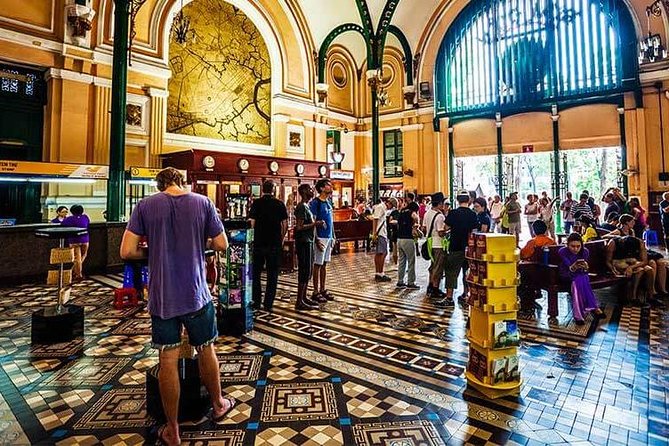
- Saigon Central Post Office: French Gothic Meets Everyday Flow
- Reunification Palace: Independence Palace and the Story in the Rooms
- Dai Viet Lacquerware / Minh Phuong Gallery: Craft You Can Actually Appreciate
- War Remnants Museum Frame: How the Tour Connects the 1975 Turning Point
- Ho Thi Ky Flower Market and the Art of Short Photo Time
- Markets After Dark? Electronics, Spare Parts, Fabric, and Binh Tay
- Pho 24 on Pasteur: The Included Meal That Actually Saves Your Day
- Ba Thien Hau Temple: Mazu Devotion in District 5
- War to Markets to Temples: The “Then and Now” Storyline You’ll Feel
- Guide Impact: Luc and Cici Set the Tone
- Who Should Book This Cyclo Tour (and Who Might Prefer Something Else)
- Should You Book Saigon Then & Now?
- FAQ
- FAQ
- How long is the Saigon Then & Now cyclo tour?
- Where does the tour start and end?
- Is pickup available?
- What’s included in the price?
- Are entrance tickets included?
- Is pho included, or do I need to find food myself?
- Is this a private tour?
- What markets and areas are part of the route?
- What is the cancellation policy?
Key Highlights I’d Put on Your Radar
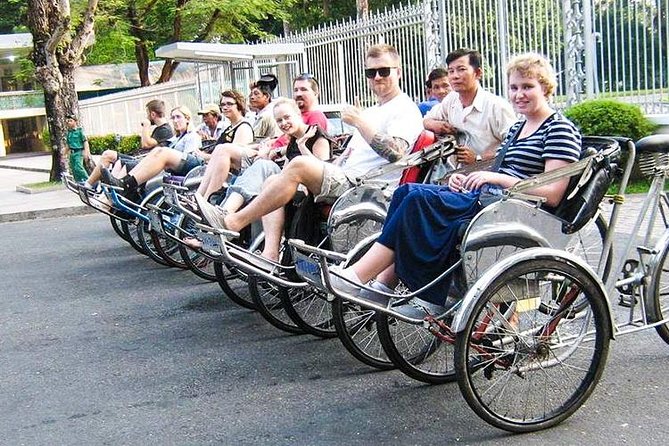
- Cyclo for each person: you ride in a cyclo/richshow vehicle for your group, not just a quick photo stop.
- Ticketed landmark time: Central Post Office and Reunification Palace include admission, so you don’t have to scramble for entries.
- Lacquer craft stop with hands-on feel: Minh Phuong / Dai Viet Lacquerware artwork viewing is built into the route (about 30 minutes).
- Market variety, not one-note shopping: you’ll hit Ho Thi Ky Flower Market plus electronics, motorbike spare parts, fabric, and Binh Tay Market areas.
- Included meal at PHỞ 24: pho noodle soup (and bottled water) is part of the experience, with a set meal break (about 45 minutes).
- Guides who steer the story clearly: Luc and Cici both come up in the guide notes—professional, friendly, and good at explaining what matters and answering questions.
Four Hours, One Cyclo Ride: Why This Loop Works
This tour is designed for people who want the “then and now” Saigon story without spending your whole day plotting routes. In about four hours, you get a street-level view from a cyclo, then you stack landmark stops, craft, markets, and a sit-down meal.
The cyclo part matters more than it sounds. You’re traveling at human pace through the city’s rhythm, so you notice small things—shopfront life, alley traffic flow, and the way people actually move around District 1 vs. District 5/10/Cholon areas. It also means you’re not trying to cram everything by motorbike or taxi.
The other big win is that entrance fees are included. When your time is limited, it’s easier to enjoy the stops instead of spending mental energy on ticket lines.
You can also read our reviews of more tours and experiences in Ho Chi Minh City.

Price and Value: Is $74.11 a Smart Deal?
At $74.11 per person for an ~4-hour guided tour, the value comes from the mix of what’s included. You’re getting an English-speaking guide, bottled water, pho noodle soup, cyclo transport for your group, and entrance fees at the stops that require them.
A big cost in city tours is often “hidden extras,” like entry tickets and food. Here, the tour explicitly includes a meal (pho) and entrance fees, which usually pushes the price closer to what you’d pay if you booked the same pieces separately.
If you’re the type who likes structure—seeing a planned set of sights in a single morning or afternoon—this pricing makes sense. If you’d rather wander freely and pick your own meal, you might feel the schedule is a little “built for speed.”
Saigon Central Post Office: French Gothic Meets Everyday Flow
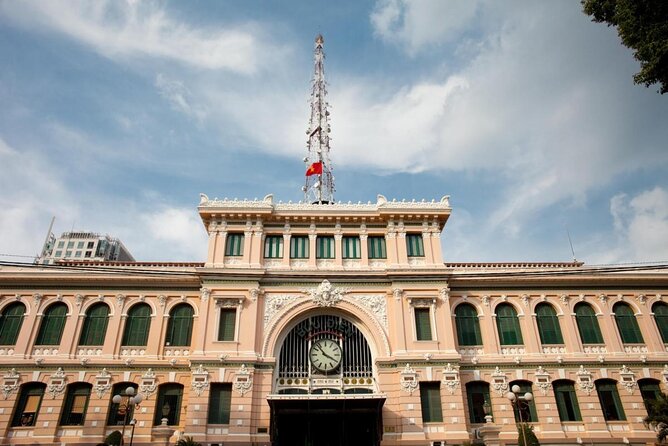
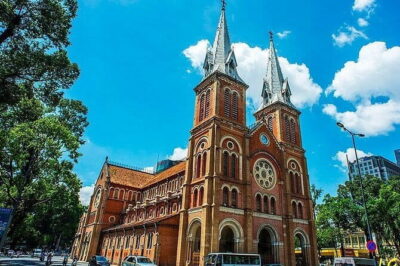
Your first major stop is the Saigon Central Post Office, a famous French colonial-era building with Gothic influences. You get around five minutes here, with an admission ticket included, which is enough time for a quick orientation and photos, but not enough for a slow museum-style visit.
What you should do in that short window: look up. The building’s design is the point—arched details, the layout, and how the space feels “grand” while still serving a practical city function. Even in a quick stop, it helps you clock the French colonial footprint that still shapes District 1.
Timing note: because the visit is short, go in with a simple plan—one or two angles for photos, then a quick sweep of the interior design. You’ll get more satisfaction that way.
Reunification Palace: Independence Palace and the Story in the Rooms

Next is the Reunification Palace (also known as Independence Palace). Like the Post Office, it’s a ticketed stop with about five minutes allocated, so you’re seeing the highlights rather than doing a full deep reading.
Even brief time works here because the building is basically a timeline you can walk around. You get a sense of the scale and the “why this matters” feeling that comes from the palace’s role in Vietnam’s turbulent modern history.
A practical approach for a short visit:
- Take photos of exterior features first.
- Then pick one interior area to focus on, so you don’t feel rushed without purpose.
- Let your guide connect the dots so the rooms don’t blur together.
Dai Viet Lacquerware / Minh Phuong Gallery: Craft You Can Actually Appreciate
About halfway into the route, you shift from big architecture to hands-on artistry at Minh Phuong Lacquerware / Dai Viet Lacquer. This stop runs about 30 minutes and includes admission.
Lacquer craft can sound like a “look but don’t touch” type of activity. The advantage here is that it’s not abstract—this is a Vietnamese art form with recognizable style and technique. Even if you don’t buy anything, you’ll leave understanding why lacquerware is treated as more than decoration.
What I like about placing this stop after the big landmark hits: it cools your brain down. Architecture and markets can blur into one big sensory day, while lacquer craft gives your eyes something slower and more detailed to track.



War Remnants Museum Frame: How the Tour Connects the 1975 Turning Point
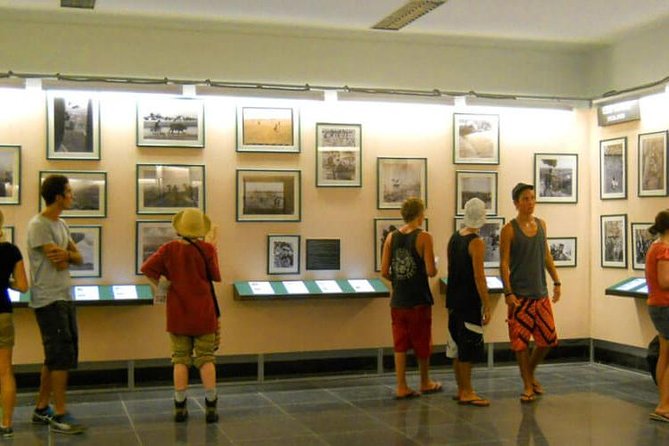
The tour description includes a visit to the War Remnants Museum, which opened in September 1975. That matters because it’s not only about artifacts—it’s also about how the city wants you to understand the war’s aftermath.
I see this as the tour’s “context anchor.” Without it, it’s easy to treat Saigon’s historic sites like a sightseeing checklist. With it, the French colonial buildings and later independence landmarks feel connected to the larger modern story.
One caution: museums can take emotional energy. If you’re sensitive to war imagery, you might want a quick mental heads-up before you go in.
Ho Thi Ky Flower Market and the Art of Short Photo Time
You’ll also stop at Ho Thi Ky Flower Market. The route gives about ten minutes here, with an admission ticket included.
This is the kind of stop that works best when you approach it like a camera-and-quick-senses mission: notice the colors, the arrangements, and the way vendors set up early. Ten minutes is short, but flowers are visually loud—you don’t need long to understand the vibe.
If it’s hot when you’re there, consider this a “look, breathe, and move” moment. Markets are often the first place your day’s energy gets tested.
Markets After Dark? Electronics, Spare Parts, Fabric, and Binh Tay
The rest of the route leans hard into everyday commerce. You move through a set of markets and market-adjacent areas that feel very specific to Ho Chi Minh City’s local economy.
On the list:
- Nhat Tao Electronics Market (electronics and spare parts hub)
- Tan Motorbike Spare Parts Market (motorcycle components and accessories)
- Soai Kinh Lam Fabric Market (textile hub)
- Binh Tay Market (in Cholon, with a historical marketplace feel)
Your time inside each place may be brief since the tour is only ~4 hours, but the value is that you get a sense of how Saigon trades in real, practical categories—not souvenirs. Electronics spare parts and motorbike accessories are the ultimate “this city runs on two wheels” signal.
Also, the tour description says you’ll pass by several other famous market streets for photo stops, including places known for dog market activity, clothes, chicken, fish, fruit, and more. You’re not being asked to navigate every detail; you’re getting the sightlines and context while keeping the day manageable.
If you’re prone to sensory overload, do yourself a favor: pause for water after the electronics/spare parts stretch. The sheer variety can be fun, but it’s still a lot in one go.
Pho 24 on Pasteur: The Included Meal That Actually Saves Your Day
At about 45 minutes, the meal stop at PHỞ 24 (158D Pasteur) is one of the most helpful parts of the tour. You’re served pho noodle soup, and bottled water is included.
This is practical travel value. By giving you a planned meal, the tour reduces the risk of you spending extra time hunting for food after you’ve already been walking and riding. It also helps keep the schedule intact when traffic or market time runs a little long.
If you don’t usually order pho, this is a great baseline meal. Pho is simple in concept, but the bowl can taste very different from place to place. In a short tour, this one meal becomes a flavor memory.
Ba Thien Hau Temple: Mazu Devotion in District 5
To slow things down a bit, you finish with Ba Thien Hau Temple in District 5. The temple is dedicated to the sea goddess Mazu and was built by Chinese immigrants in the early 19th century.
Even with about 30 minutes at the site, a temple stop gives your day a change of pace. You shift from commerce and architecture into ritual space—where people visit for protection, luck, and spiritual comfort tied to maritime life.
A useful way to experience this stop:
- Notice the cultural mix in the details.
- Watch how people move through the space.
- Let your guide connect the temple’s role to the broader communities you’ve seen across different districts.
War to Markets to Temples: The “Then and Now” Storyline You’ll Feel
What I like most is how the route keeps switching lenses. You move from French colonial grandeur to modern independence symbolism, then to war context, then to everyday commerce, then to a religious site shaped by migration history.
That is what “then and now” ends up meaning here: Saigon isn’t one era frozen in time. It’s layers—political, architectural, artistic, and commercial—stacked on top of each other.
Your cyclo ride helps connect those layers. Even when you’re only stopping for a few minutes at each place, the travel between stops makes the whole city feel closer and more readable.
Guide Impact: Luc and Cici Set the Tone
The reviews specifically mention two guides: Luc and Cici, both tied to a professional, friendly approach. Luc is noted for meeting on time and for explaining history in a way that keeps the day easy, not lecture-y. Cici is described as interesting and thoughtful, with strong knowledge and helpful support during the tour.
The practical takeaway: a good guide is what turns a short schedule into a meaningful route. Without that storytelling, you might feel like you’re just passing landmarks and shopping areas. With it, you understand why these specific stops sit where they do.
If you can, listen for your guide’s “why this matters” points—not just the names.
Who Should Book This Cyclo Tour (and Who Might Prefer Something Else)
This tour is a good match if you:
- Want a guided Ho Chi Minh City overview in about four hours
- Like French colonial architecture and modern landmark context
- Enjoy markets but don’t want to plan your own district-to-district route
- Appreciate having pho and entrance fees handled
You might skip it if you:
- Want long museum time or deep, slow pacing at one site
- Prefer total freedom with no set meal stop
- Don’t like being on a tight schedule with short visits (like five-minute landmark windows)
In short: this is a great “set the foundation fast” tour, not the one you pick if you want to linger all day.
Should You Book Saigon Then & Now?
I’d book this if your goal is to see a lot of Saigon meaningfully in limited time. The combination of cyclo transport, an English-speaking guide, ticketed landmarks, craft viewing, market stops, and an included pho meal is strong value for the price.
If you’re traveling with limited mobility or you’re sensitive to crowded market areas, consider how you feel about short stops and moving between District 1 and farther neighborhoods in a few hours.
You’ll get the best experience by going in with one attitude: quick looks, good questions, and comfortable shoes.
FAQ
FAQ
How long is the Saigon Then & Now cyclo tour?
It runs for approximately 4 hours.
Where does the tour start and end?
The tour starts at the Saigon Opera House (07 Công trường Lam Sơn, Bến Nghé, Quận 1, Hồ Chí Minh 710212, Vietnam) and ends back at the meeting point.
Is pickup available?
Yes, pickup is offered.
What’s included in the price?
The tour includes bottled water, pho noodle soup, an English-speaking tour guide, one cyclo for each person, and entrance fees.
Are entrance tickets included?
Yes, entrance fees are included for the stops listed on the tour.
Is pho included, or do I need to find food myself?
Pho noodle soup is included, along with bottled water.
Is this a private tour?
Yes. It’s a private activity, so only your group participates.
What markets and areas are part of the route?
You’ll visit areas including Ho Thi Ky Flower Market, Nhat Tao Electronics Market, Tan Motorbike Spare Parts Market, Soai Kinh Lam Fabric Market, and Binh Tay Market. The tour description also mentions photo stops at several other well-known markets.
What is the cancellation policy?
You can cancel for a full refund if you cancel at least 24 hours before the experience’s start time. Free cancellation is offered.