REVIEW · HO CHI MINH CITY
Cu Chi Tunnels and Mekong Delta Full Day Tour
Book on GetYourGuide →Operated by GUU TRAVEL · Bookable on GetYourGuide
A tunnel crawl in the morning. A calm river ride after. This full-day Ho Chi Minh tour strings together Cu Chi tunnels and the Mekong Delta with the kind of practical pacing that keeps the day from feeling chaotic. I also like that you get both history context and hands-on moments, from a short documentary to a crawl through narrow, hand-made passages, before shifting gears to river life. One thing to consider: the tunnel area can be tight and physical, and the gun-shooting stop is optional and may add small extra costs.
Between the two halves of the day, you’ll get culture as more than background noise. The schedule includes Southern folk music, “Don ca tai tu,” plus tropical fruit time and a proper riverside lunch, not just a quick snack. My only caution is that the Mekong portion packs several short activities into one flow, so come ready for a busy-but-manageable day.
In This Review
- Key Points That Make This Tour Worth Your Time
- One Day, Two Worlds: How the War and River Parts Fit Together
- Getting There From Ho Chi Minh City: Pickup, Comfort, and Group Size
- Cu Chi Tunnels: Over 250 km of Hand-Made Survival
- The Tunnel Crawl: What You’re Likely Feeling Inside Those Narrow Passages
- Wartime Secrets and the Shooting Range Add-On (Optional)
- Mekong Delta: Rice Fields, Canals, and the Tien River Cruise
- Kirin Islet, Orchard Walks, and Fruit Time You’ll Actually Remember
- Sampan, Tuktuk, and Village Walking: How the Day Gets Personal
- Riverside Lunch: Giant Gourami and Mekong Favorites
- Snacks, Tropical Markets, and the Small Food Stops That Add Up
- Price and Value: What $50 Really Buys in a Full-Day Schedule
- Who Should Book This Tour (and Who Might Want Another Option)
- Should You Book This Cu Chi Tunnels and Mekong Delta Full Day Tour?
- FAQ
- How long is the Cu Chi Tunnels and Mekong Delta tour?
- Where do hotel pickups happen for free?
- What if my hotel is outside District 1, 3, or 4?
- What language is the tour guide?
- Is lunch included, and where is it served?
- What are the optional extras in the Cu Chi portion?
- What food and drinks are included during the day?
- Do I need to buy tickets for the attractions?
- Is there a cancellation policy?
Key Points That Make This Tour Worth Your Time
- Small-group comfort (up to 10) with an AC car sized for a smoother day
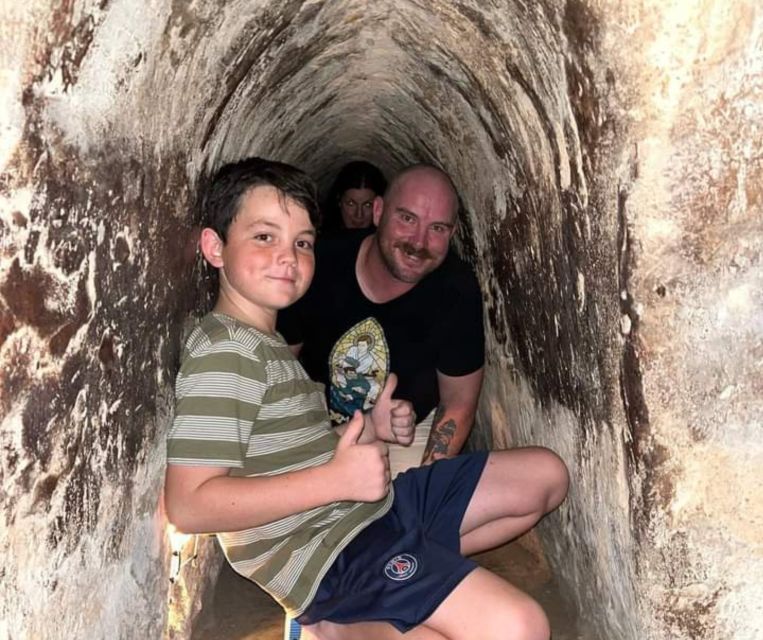
- Cu Chi tunnel crawl through hand-built passages plus a wartime documentary
- Optional AK47/MK16 shooting range in a well-supervised setting
- Mekong Delta Tien River cruise and Kirin islet visit with mythical-animal sights
- Hand-rowing sampan and Don ca tai tu for real southern cultural texture
- Lunch at a riverside restaurant plus tropical fruits and a snack of tapioca and tea
One Day, Two Worlds: How the War and River Parts Fit Together
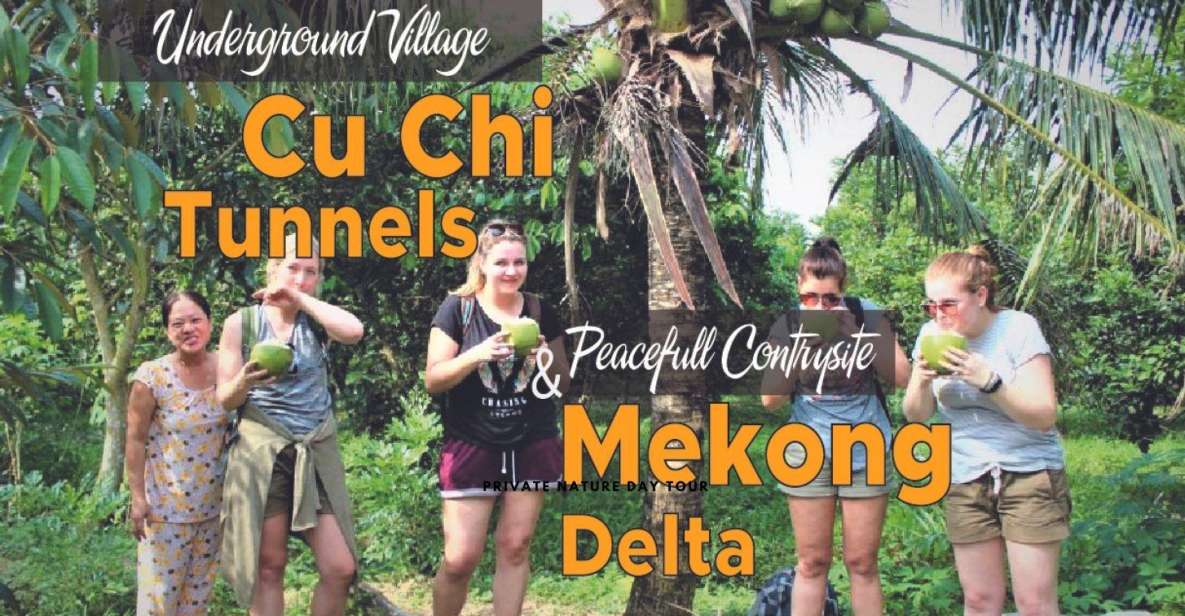
This is the kind of day tour that makes sense in Southern Vietnam because it avoids the usual trade-off: you don’t have to choose between “serious” history and “relaxing” scenery. The day starts with the Cu Chi Tunnels, a massive underground network tied to survival during the Vietnam War. Then, after lunch, you switch to the Mekong Delta’s slower rhythm: canal boats, orchard gardens, folk music, and countryside village walking.
What I like about this structure is that it gives your brain a reset. After hours of tight tunnels, you’ll appreciate open air and water views more than you expect. And after you’ve seen how people endured hardship underground, the later focus on food, music, and daily life on the river feels grounded rather than staged.
The only downside is pacing: it’s a full day, and the Mekong section includes multiple stops (cruise, islet activities, fruit time, music, boat ride, tuktuk, and a village walk) that move steadily. If you hate schedules, you may find it a bit full.
You can also read our reviews of more tours and experiences in Ho Chi Minh City
Getting There From Ho Chi Minh City: Pickup, Comfort, and Group Size
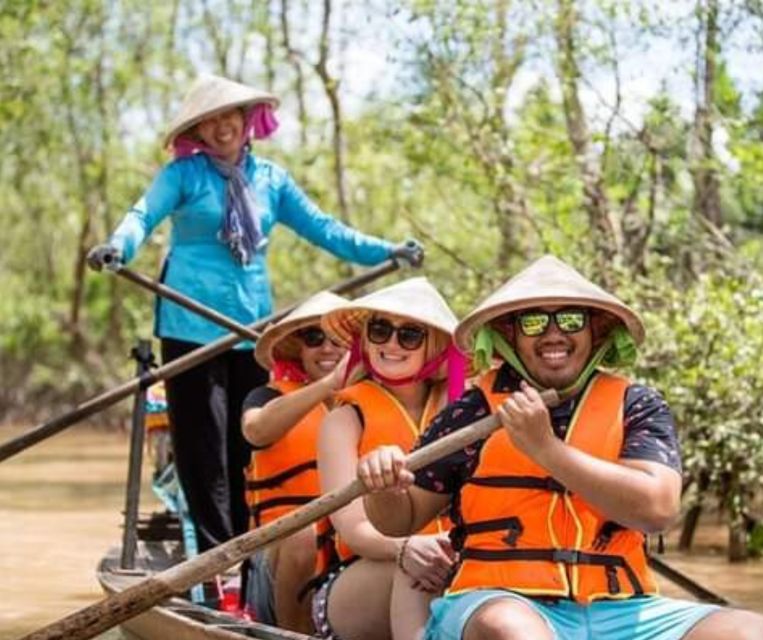
You’re picked up in an AC 16-seat car, with a maximum of 10 people. That smaller cap matters. It usually means less waiting around for late arrivals and easier movement during transfers than the big-bus style tours.
Pickup is free if your hotel is in District 1, District 3, or District 4. If you’re staying elsewhere, there’s a stated $8 surcharge for the group (for 2-way transfer). Hotel pickup typically starts 30 to 60 minutes before the tour start time, and you’ll get an exact pickup time after reconfirmation.
Also worth knowing: the tour includes free pick-up and drop-off in the covered districts and includes skip-the-ticket-line entry. That’s one less hassle on a packed day.
Cu Chi Tunnels: Over 250 km of Hand-Made Survival
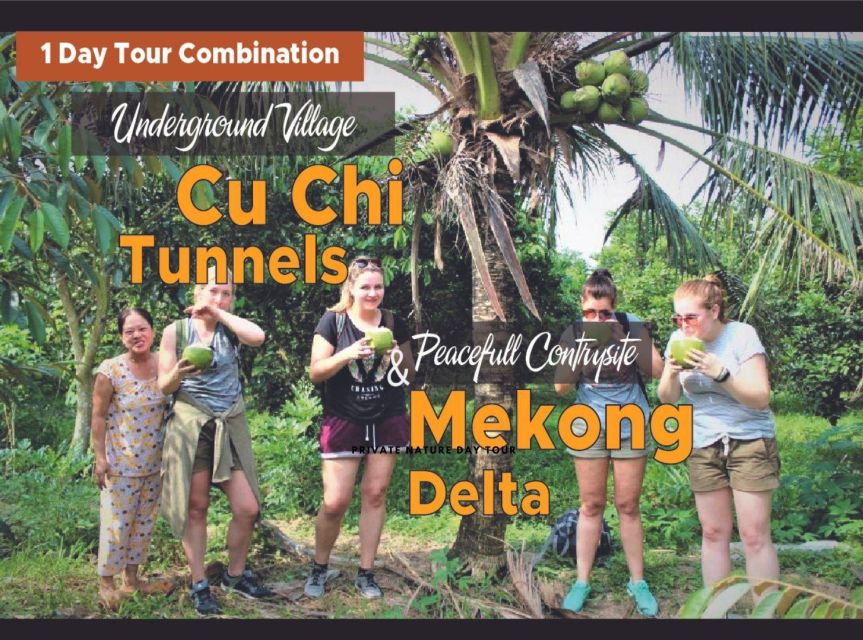
The Cu Chi Tunnels visit is built around the scale and design of the underground system. You’re not just shown a single tunnel stretch. This network is described as over 250 km long, with many interconnecting areas that supported everyday life during wartime.
The tour format includes both “see it” and “understand it” moments. You’ll watch a short documentary about Cu Chi during the war, with many foreign-language options. That helps if you want more than a quick walkthrough. After that, you learn how the system functioned as more than hiding places—part safe haven for long-term living, part battlefield infrastructure.
Expect to hear about features you don’t normally associate with tunnels:
- smoke-free kitchens
- storage and workshops (including handicraft and tailor stores)
- weapon-related workspaces
- healthcare rooms and meeting spaces
- command centers
And the tunnel network connects to many small “warming house” areas where people could live, raise families, and celebrate major moments like getting married. That’s the part I find most sobering. The story isn’t only about hiding. It’s also about continuity of daily life in a place that was never meant to be comfortable.
The Tunnel Crawl: What You’re Likely Feeling Inside Those Narrow Passages
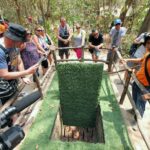
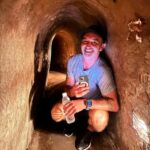
A major highlight here is the chance to crawl through narrow tunnels made by hand. This is not a “stand and look” activity. You’ll be physically inside the environment, which is exactly why the visit feels more meaningful than photos alone.
The tour also references defensive engineering—traps and damage-related self-constructed features. You’ll get guidance on what you’re seeing, and there’s typically a controlled, supervised feel to the experience, though you should still expect tight spaces and a slower pace.
One practical consideration: tunnels are not friendly to claustrophobia or mobility constraints. If you’re unsure, it’s worth deciding ahead of time whether you want to participate in the crawl portion or focus on the viewing areas.
After the crawl and the history stops, you’ll get a wartime-style snack: boiled tapioca with hot pandan tea. It’s simple food, but it helps anchor the story in what people could eat and carry during difficult times.
Wartime Secrets and the Shooting Range Add-On (Optional)
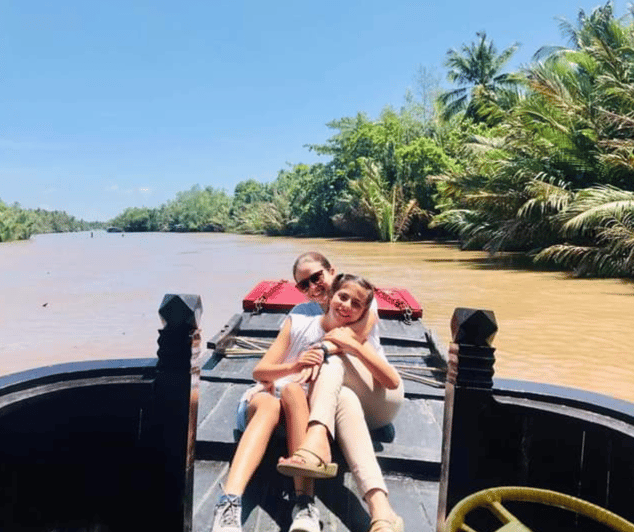
You’ll also see ways the tunnels were concealed—like an incredible cover of secret refuge—plus the broader sense of how the network moved people and information. The goal is to help you understand the system as a living machine, not a single underground corridor.
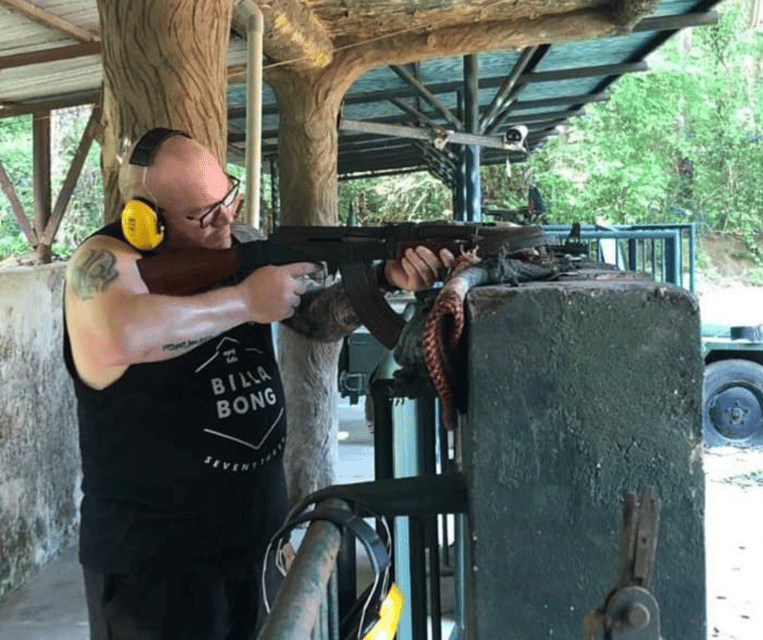
Then comes the optional shooting range. You can try shooting AK47 or MK16 rifles in a well-supervised area. This part is optional and comes with extra costs, including a stated bullet fee of about $2 per piece.
How to think about it: if you’re sensitive about weapons or want to focus purely on history and culture, you can skip it. If you do try it, take the supervision seriously and listen to instructions closely. This isn’t a DIY activity. It’s built as a controlled add-on.
Tip: consider your day’s energy before choosing. The tunnel part is physical already, so don’t treat the shooting stop like a casual bonus.



Mekong Delta: Rice Fields, Canals, and the Tien River Cruise
After Cu Chi, the day shifts from underground survival to Southern Vietnam’s water-and-farm rhythm. The Mekong Delta portion is described as lush and calm, with rice fields, ducks, buffalo by the roadside, plus nipa palm canals and coconut/orchard gardens.
You’ll also get cultural food and activity stops that match this setting:
- tasting local-made candy
- listening to “Don ca tai tu” Southern folk music (noted as an UNESCO Intangible Cultural Heritage of Humanity)
- enjoying a hand-rowing sampan ride
- eating a signature dish during lunch (more on that next)
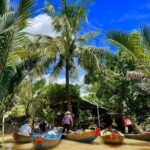
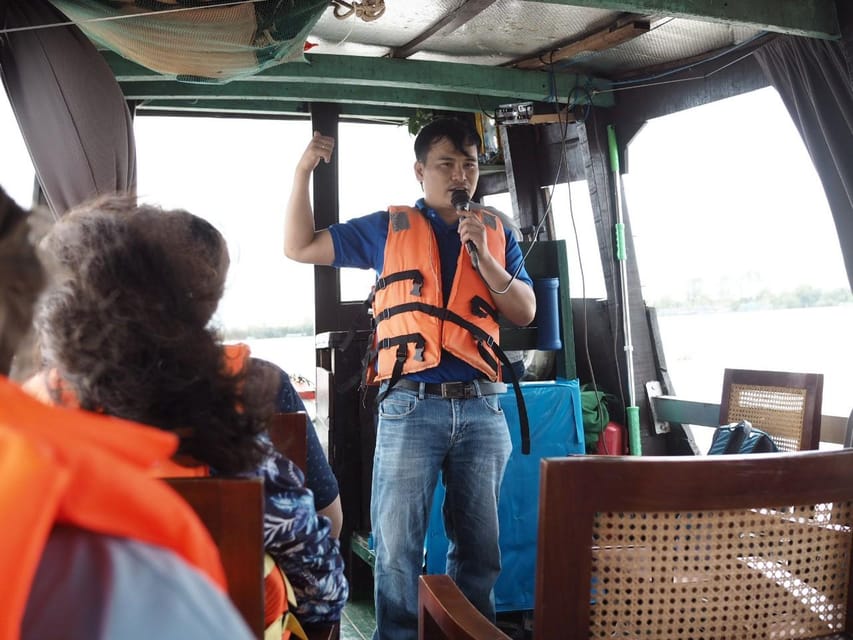
The centerpiece transport moment is a cruise on the Tien River. On the water, you’ll see fisherman’s ports and four islets linked to four mythical animals in Southeast Asia: Dragon, Kirin, Tortoise, and Phoenix. You’ll visit Kirin islet, where the main Mekong activities happen.
Why this part is valuable: a river cruise gives context. You see how the water supports daily life, and you understand why canals and boats are such a big deal here.
Kirin Islet, Orchard Walks, and Fruit Time You’ll Actually Remember
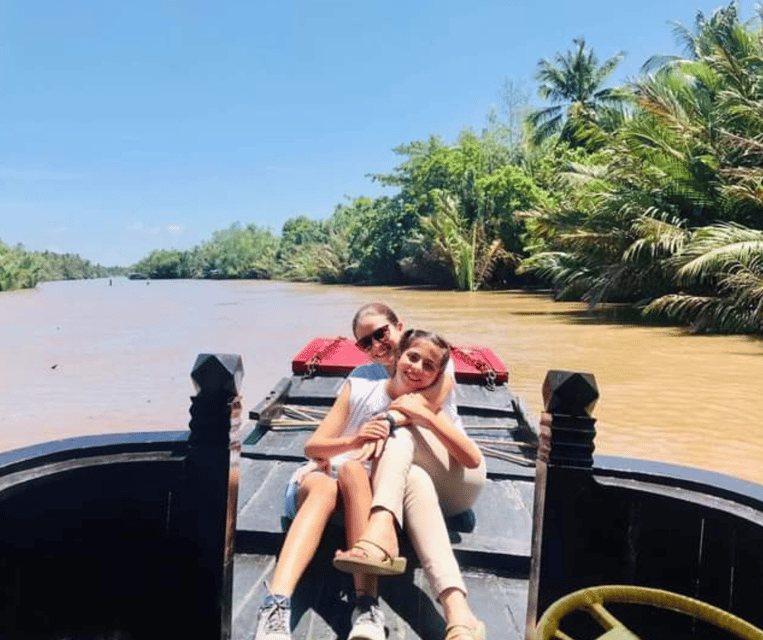
On Kirin islet and nearby stops, you’ll get a more hands-on feel for Mekong life. The schedule includes walking through orchard gardens, then tasting fresh seasonal tropical fruits. There’s also a local market fruit component included—so you don’t just get fruit at lunch time, you get it as part of the experience.
The fruits are a big deal for a simple reason: they’re often the easiest way to connect with the region without needing language skills. You can point, taste, ask what you’re eating, and enjoy the variety. Even if you can’t pronounce everything, your taste buds can.
The day also includes “Don ca tai tu” at key moments—framed as a spiritual and cultural activity in locals’ life. In practice, that means music is treated as more than entertainment. It’s part of how people experience community and identity in the Delta.
Sampan, Tuktuk, and Village Walking: How the Day Gets Personal
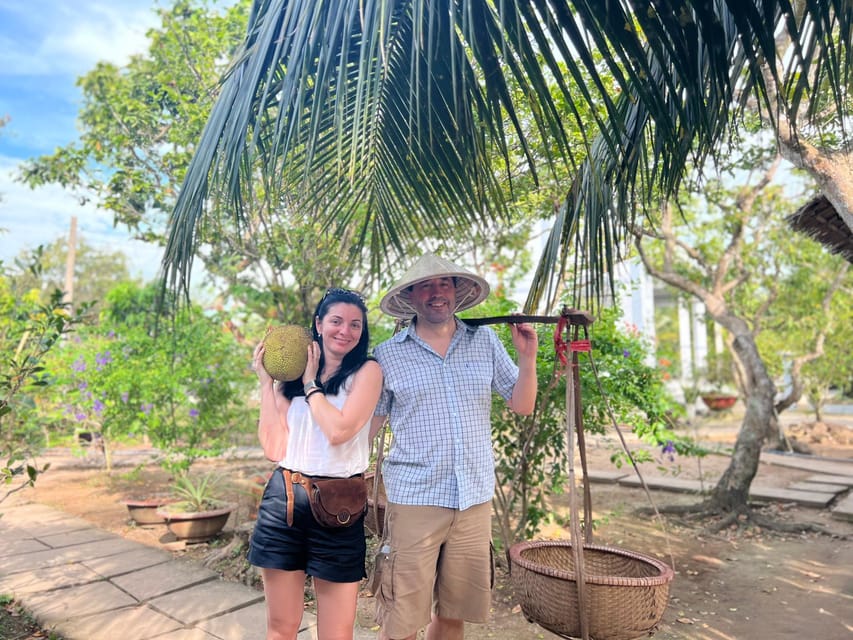
One of the best “feel it in your body” moments is the hand-rowing sapan. This is a slower kind of boat ride, built around human effort. Instead of feeling like a tour bus with views, it feels closer to moving with the river’s pace.
You’ll also hop on a tuktuk for a shift in scenery and local feel. After that, you’ll walk through a quiet village for a short countryside atmosphere moment, then continue onward to the riverside restaurant for lunch.
Why I like this mix: it changes angles and surfaces. You experience the Delta from water, from narrow paths, and from small roads—so your mental map of the region becomes more than one photo spot.
Riverside Lunch: Giant Gourami and Mekong Favorites
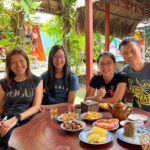
Lunch is served at a riverside restaurant, and it’s included. You also get bottled water with lunch.
The menu highlights include:
- deep-fried giant gourami
- spring rolls
- giant fried sticky rice ball
This is a solid payoff after the morning’s intense focus. Giant gourami is one of the signature fish experiences in the region, and the rest of the meal slots nicely into a Delta-style lineup: crunchy rolls and filling, starchy comfort food.
Also stated is that you’ll enjoy your private lunch time. That matters more than you might think in a full day. It helps you slow down, eat properly, and not feel like you’re constantly getting ushered forward.
Snacks, Tropical Markets, and the Small Food Stops That Add Up
The day isn’t only “lunch then go.” You’ll also get included light and sweet moments.
At Cu Chi, there’s the tapioca and hot pandan tea snack. It’s a wartime food reference that makes the tunnel story feel less abstract.
In the Mekong, you’ll have tropical fruits at a local market. Plus you can taste local-made candy during the Delta part. Together, these stops keep the day from feeling like you’re only watching and walking.
If you’re the type who likes to taste your way through places, this format gives you multiple bites of the region—without turning your day into a food tour that crowds out the sights.
Price and Value: What $50 Really Buys in a Full-Day Schedule
This tour is listed at $50 per person for a full day. On paper, that can look too cheap for two major attractions—until you break down what’s included.
Included items that drive value:
- professional English-speaking tour guide
- AC transport (and small group size up to 10)
- free pickup and drop-off in District 1, 3, and 4
- entrance fees
- skip the ticket line
- lunch at the riverside restaurant plus bottled water
- Cu Chi light snack (tapioca + pandan tea)
- tropical fruits at the local market
The main costs to watch for are the optional and extra ones. The gun-shooting range has a stated surcharge, and there’s a bullet fee around $2 per piece. If you skip shooting, you’ll likely spend closer to the base rate.
Is it worth it? For many people, yes—because the day combines logistics, guide time, and admissions into one price. The biggest “value question” is whether you’ll use the included activities (tunnel crawl, fruit time, folk music, sampan, lunch). If you like both history and river culture, this format is efficient.
Who Should Book This Tour (and Who Might Want Another Option)
This day tour fits best if you:
- want two big Ho Chi Minh-region experiences without doing separate half-days
- like structured guidance (English-speaking guide)
- enjoy food and culture moments (fruit market, folk music, lunch specialties)
- don’t mind a full schedule and want the day to stay action-packed
You may want to think twice if:
- you dislike tight spaces or have mobility concerns due to the tunnel crawl
- you want long free time with minimal stops (this is a multi-stop day)
- you have strong personal objections to the optional weapon range (you can skip it, but it’s still part of the overall day flow)
Based on the tour’s consistent rating and the emphasis on planning without problems, it’s also a good choice if you’re short on time and want a clean, organized day.
Should You Book This Cu Chi Tunnels and Mekong Delta Full Day Tour?
If you want a day that mixes war-era survival engineering with river culture, this tour is a strong option. The included meals and snack stops make it feel complete, and the small group size helps the day run smoothly. The Cu Chi section gives you context beyond just tunnels-as-a-photo-spot, and the Mekong section provides a real sense of how people live with water and farming.
My final advice: book it if you’re comfortable with tunnels and you’ll actually enjoy the combination of history, music, and food. If tunnels feel like a deal-breaker for you, look for a version that skips the crawl—otherwise, you might spend part of the day anxious instead of curious.
FAQ
How long is the Cu Chi Tunnels and Mekong Delta tour?
It runs for one full day. The exact starting times can vary, so you’ll want to check availability for the day you plan to go.
Where do hotel pickups happen for free?
Free pickup and drop-off is listed for hotels in Ho Chi Minh City District 1, District 3, and District 4.
What if my hotel is outside District 1, 3, or 4?
If you’re outside those districts, there is a surcharge of $8 for the group for 2-way transfer.
What language is the tour guide?
The tour includes an English-speaking tour guide.
Is lunch included, and where is it served?
Yes. Lunch is included and served at a riverside restaurant, along with bottled water.
What are the optional extras in the Cu Chi portion?
The rifle shooting experience with AK47 or MK16 is optional and has a surcharge. There’s also a stated bullet fee (about $2 per piece).
What food and drinks are included during the day?
You get a light snack at Cu Chi (boiled tapioca and hot pandan tea), tropical fruits at a local market, and lunch with bottled water. Other meals aren’t included beyond what’s listed.
Do I need to buy tickets for the attractions?
Entrance fees are included, and the tour offers skip-the-ticket-line service.
Is there a cancellation policy?
You can cancel up to 24 hours in advance for a full refund.