REVIEW · HO CHI MINH CITY
From Ho Chi Minh: Cu Chi Tunnels And Mekong Delta Full Day
Book on GetYourGuide →Operated by Trip in Vietnam · Bookable on GetYourGuide
Tunnel stories and river calm in one day. This full-day tour from Saigon strings together Cu Chi Tunnels and a Mekong Delta boat trip, so you get history you can walk through and countryside you can slow down in. I especially like the hands-on Cu Chi tastings, including tapioca cooked on the Hoang Cam stove, plus the tea stop that keeps the day moving. I also like the Mekong side of the itinerary, where you’ll hear folk songs and listen to local music while you ride the water.
One possible drawback: language changes can affect the price in surprising ways. If you book in a language other than English, confirm what the surcharge covers and whether your cancellation options stay the same, before you lock anything in.
In This Review
- Key highlights worth your time
- Easy Saigon start: how the day actually runs
- Cu Chi Tunnels: where the underground “spider web” makes sense
- Hoang Cam stove tapioca and tea: the food stop that tells a story
- War-time shooting range options: plan for the extra cost
- Mekong Delta cruise: music, fruits, and the idea of the river as mother
- Coconut candy, honey tea, and seasonal fruit: the stops you’ll taste
- Rowing through shady canals: the calm counterpart to the tunnels
- The included lunch and the 8-dish hometown meal
- Price and value: what $49 covers, and what costs extra
- Who should book this Cu Chi and Mekong day trip
- Should you book this Cu Chi and Mekong Delta full-day tour?
- FAQ
- How long is the Cu Chi Tunnels and Mekong Delta full-day trip?
- Where are pickup and drop-off locations in Saigon?
- Is lunch included?
- What is included at Cu Chi besides entrance fees?
- Is the shooting range included?
- What languages are available for the tour guide?
- Can I cancel for a refund?
Key highlights worth your time
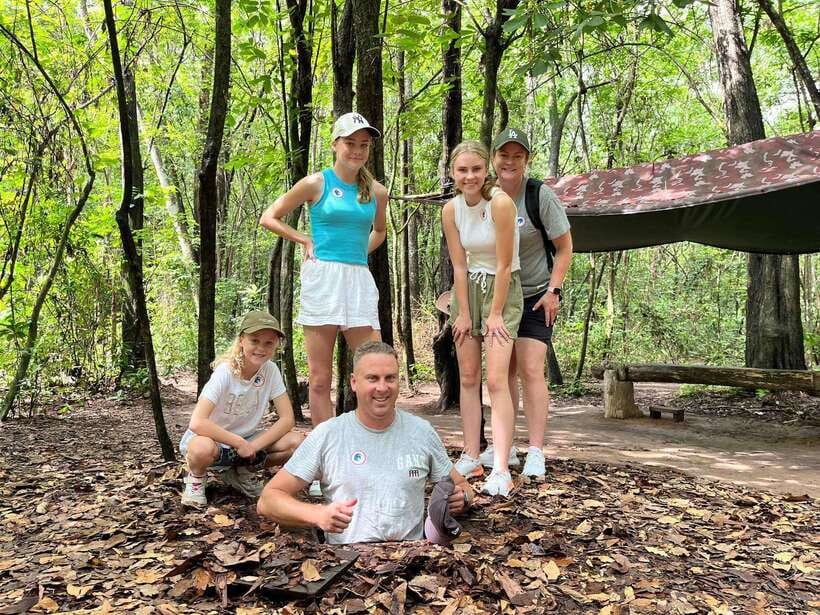
- Cu Chi Tunnels as an underground city: narrow routes, hideouts, and camouflage details that make the war feel close.
- Hoang Cam stove tapioca and tea: a real taste of what people relied on, with a stove designed to hide smoke.
- Short war documentaries and authentic footage: quick clips meant to give context before you crawl.
- Real-gun shooting option (extra fee): AK-47 and M-60 are mentioned, but bullets cost extra.
- Mekong Delta cruise plus rowing: a boat ride and a quieter canal rowing segment with folk music and fruit stops.
Easy Saigon start: how the day actually runs
The day begins with pickup and drop-off connected to central Saigon, and the guide may meet you at the hotel area depending on where you’re staying. That matters because Cu Chi plus the Mekong is a long itinerary, and you don’t want to waste time hunting down your group at the end of the day.
Once you’re on the road, the tour’s rhythm is built around a single idea: connect Vietnamese wartime survival to everyday life in the south. You’ll shift from concrete and tunnels to river water, fruit gardens, and music. It’s a contrast tour, and it works best if you’re open to seeing both sides without rushing.
If you’re lucky with your guide, the day can feel more like a conversation and less like a checklist. One guide named Thi gets mentioned positively for making the day enjoyable, so if you’re offered that name, it’s a good sign.
You can also read our reviews of more tours and experiences in Ho Chi Minh City
Cu Chi Tunnels: where the underground “spider web” makes sense
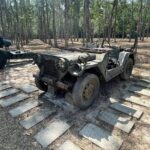
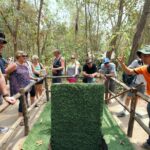
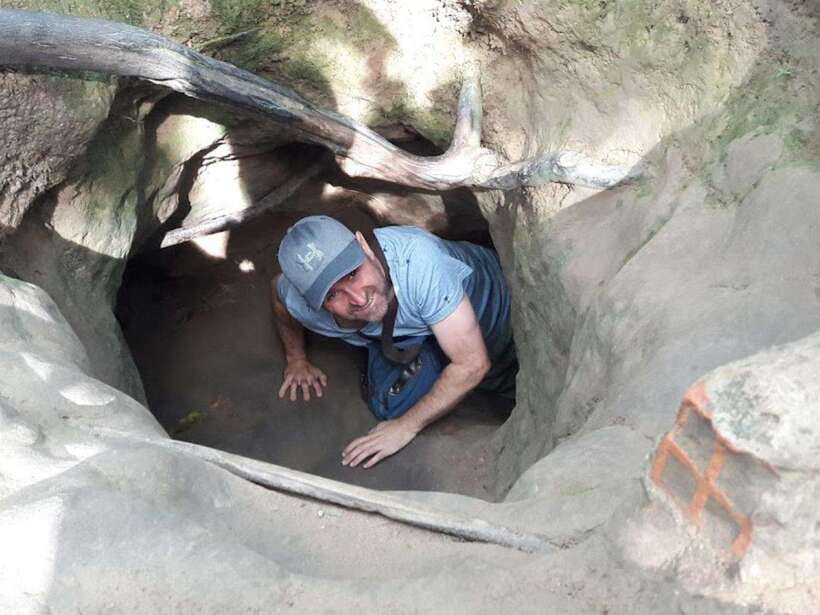
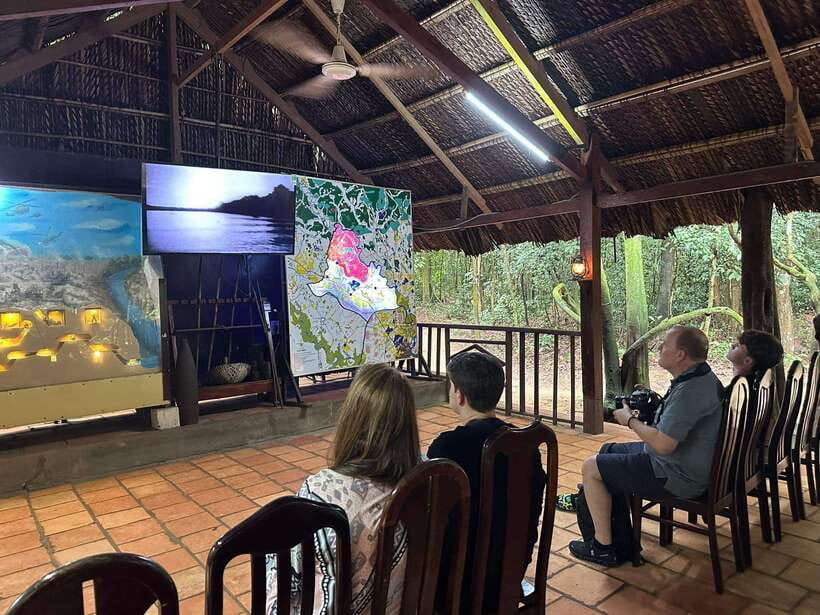
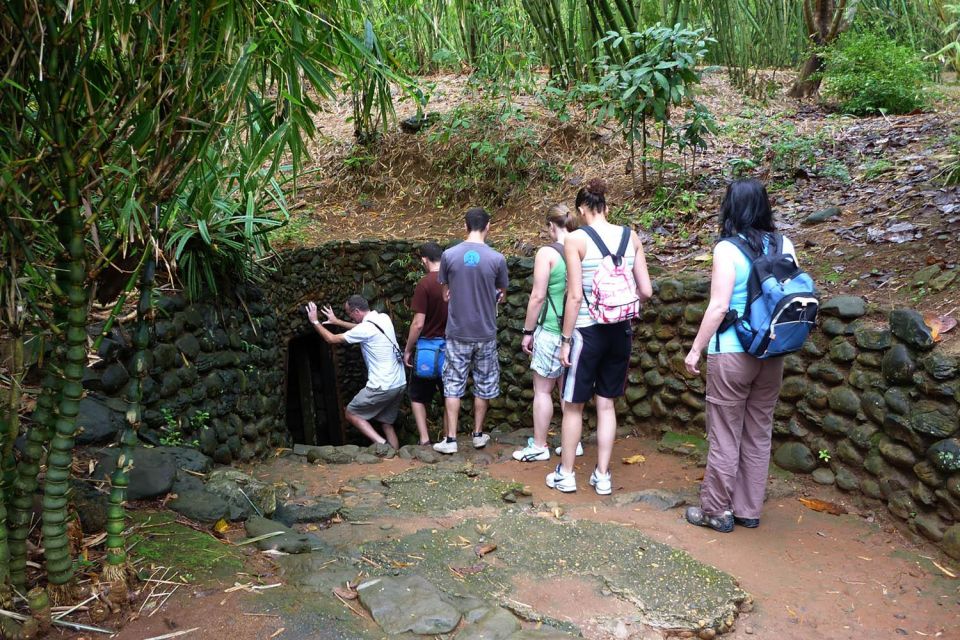
Cu Chi Tunnels is the headline stop, and the tour is designed so you understand what you’re seeing before you crawl. You’ll get explanations about how guerrillas lived and resisted underground, and you’ll hear how the tunnel system functioned like a network—sometimes described as spider-web-like because of how many connections link back to a larger whole.
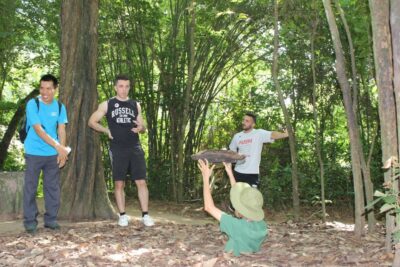
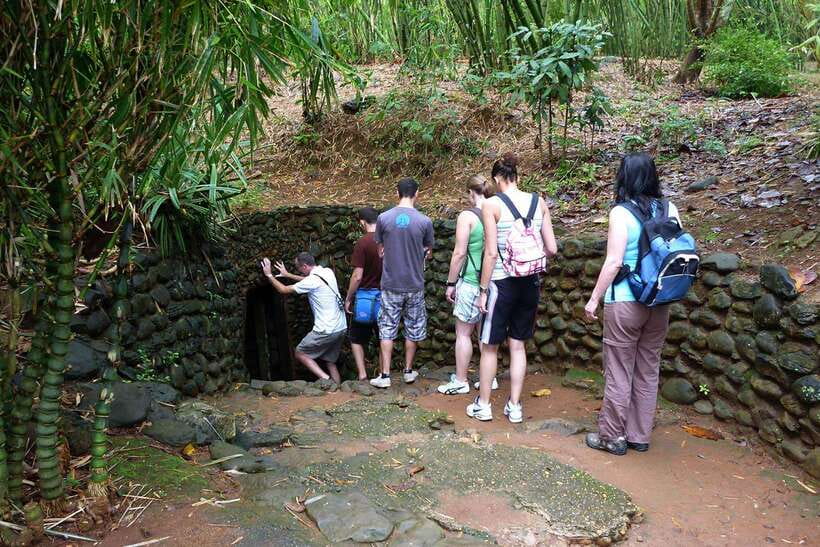
What’s practical (and important) is that the tour isn’t only about standing in a viewing area. You’ll have the opportunity to go inside a narrow tunnel. That’s the moment where the history becomes physical. Even for people who don’t love history lectures, crawling through those tight passages helps you understand why camouflage, speed, and secrecy mattered.
You’ll also learn about camouflage methods, including how leaves were used to help disguise guerrilla positions. That’s a detail that feels small until you realize it was meant to stop people from spotting you in the first place. The tour also includes short documentaries and authentic footage from the war—fast context that helps tie the tunnel spaces to what was happening outside.
Hoang Cam stove tapioca and tea: the food stop that tells a story
One of the most memorable parts is the light snack during the Cu Chi segment: tapioca and tea. It sounds simple, but the tour specifies that the tapioca is cooked on a Hoang Cam stove—one with the ability to hide smoke.
That detail matters because smoke is a giveaway. If you’re trying to stay hidden, anything that creates visible or smell signals becomes a problem. So when you taste the tapioca here, you’re not just eating a snack. You’re getting a small, tangible link to the everyday constraints of underground survival.
This is also a helpful reset for the rest of the day. Cu Chi can feel emotionally heavy, even when presented clearly. A hot cup of tea and a basic bite of tapioca keeps things human and grounded before you shift gears toward the Mekong Delta.
War-time shooting range options: plan for the extra cost
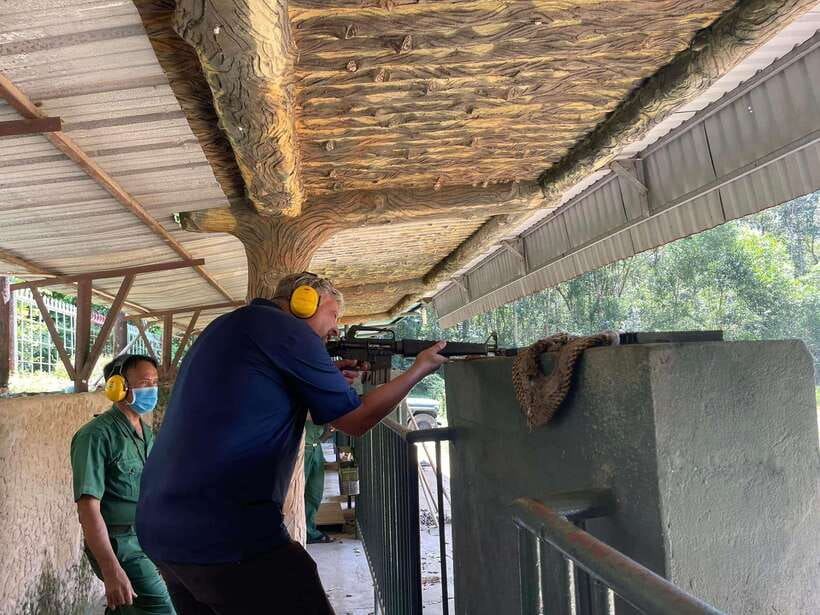
At Cu Chi, the tour includes the option to shoot with real bullets and real famous guns such as AK-47 and M-60. That’s exciting for some people, but the key practical point is this: the bullet fee is not included.
The listing gives a rough figure—about 600,000 VND for a pack of 10 bullets. So if you’re the type who wants to try it, you should budget ahead. If you’re not interested in shooting, you can still enjoy the tunnel and documentary parts without needing that add-on.
My advice: treat the shooting range as a choice, not a requirement. The value of this tour is mostly in the tunnels, the context, and the food tasting—not in feeling pressured to spend more.
Mekong Delta cruise: music, fruits, and the idea of the river as mother
After Cu Chi, the tone changes on purpose. The Mekong Delta segment is framed as a land of peace and countryside life, and the schedule reflects that shift.
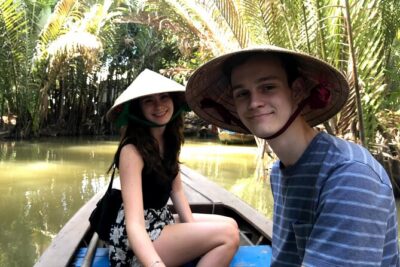
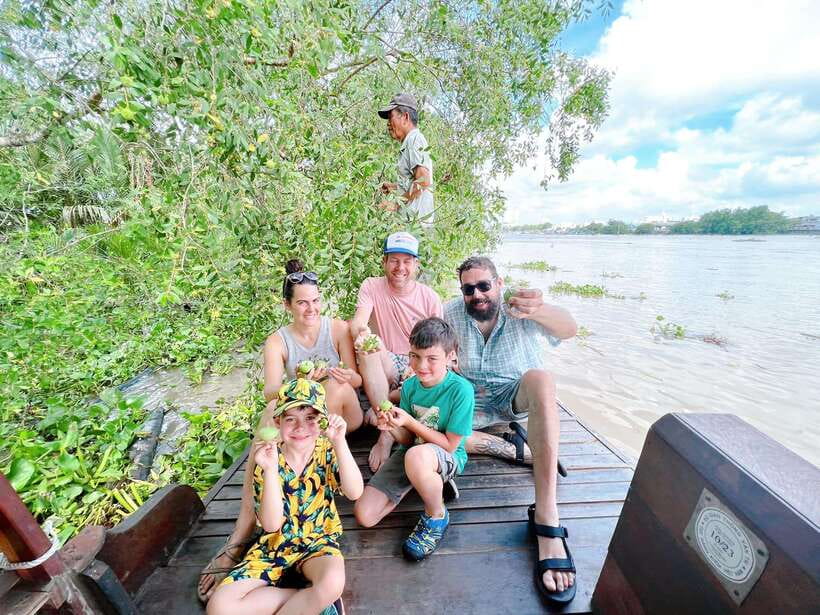
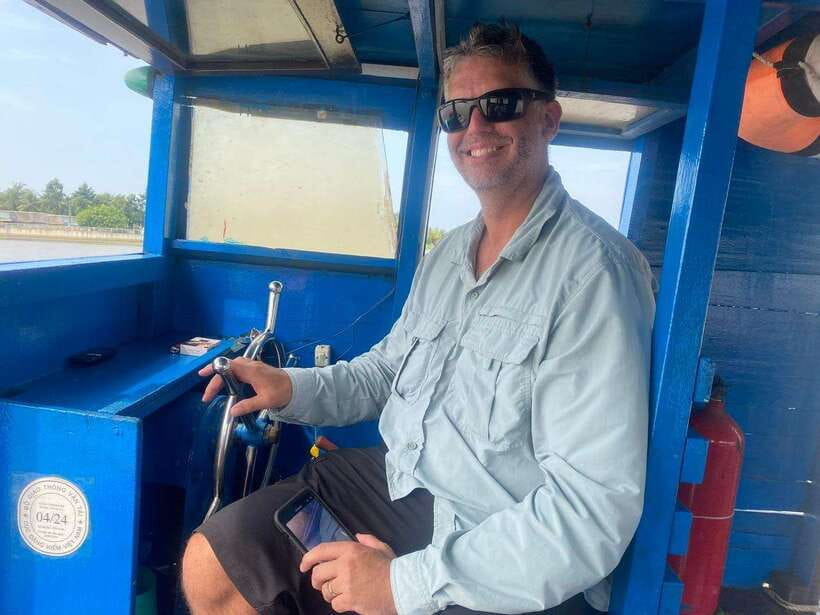
You’ll use a boat on the Mekong River, and you’ll hear folk songs with love for the homeland. The guide also points out the rhythm of the water—waves, the flow of the alluvial water, and fisherman’s ports. Even if you’ve seen rivers before, this kind of boat pacing changes how you notice the scenery. Instead of looking at distant views only, you start noticing how people use the river day to day.
The tour emphasizes that locals treat the Mekong as their mother—used for fishing, watering, and farming. You may also hear local claims about very large fish, including fish weighing nearly 100 kg. Whether or not you’ll ever witness that size yourself, it’s a reminder of why the river is treated as life-support, not just scenery.




Coconut candy, honey tea, and seasonal fruit: the stops you’ll taste
Between the boat ride and the canal time, the Mekong portion includes food and drink that feel tied to daily life.
You’ll visit a coconut candy production site and get the chance to taste different types of coconut candy—positioned as a specialty of the area. This isn’t just tasting sugar. It’s a look at a small local industry built around what the region grows.
You’ll also enjoy fresh tropical fruits picked right in the garden, plus honey tea. These are the kinds of stops that make the Mekong feel real, because they’re not designed as a souvenir factory first. They’re presented as local flavors with a story you can experience in the moment.
And yes, there’s music again here—folk music along with sweet local singing—so your day stays connected to culture rather than turning into a series of photo stops.
Rowing through shady canals: the calm counterpart to the tunnels
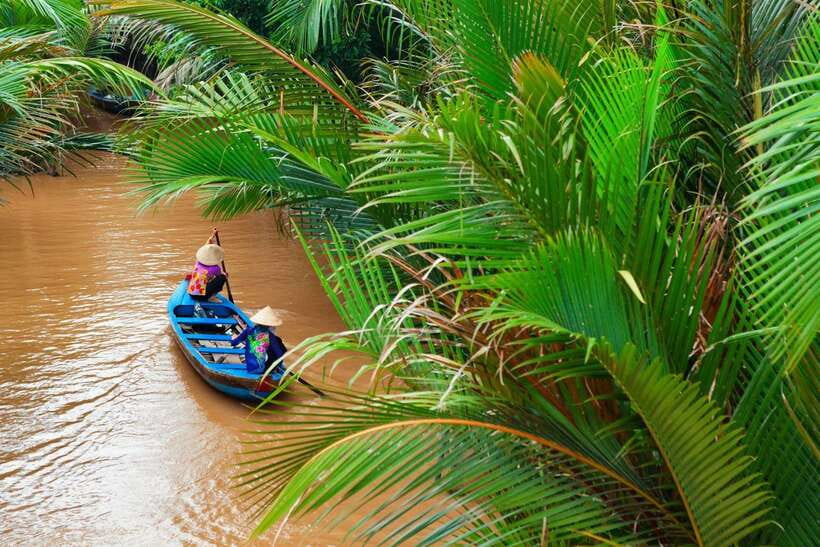
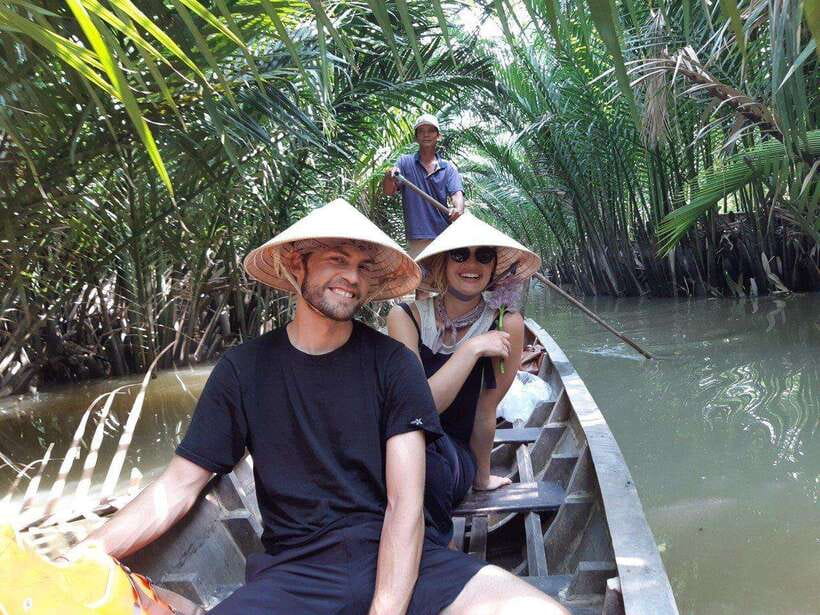
After the boat ride, you’ll walk through a village and fruit gardens, then head into a quieter part of the delta: rowing along small canals.
Rowing changes the tempo. A larger boat moves with engine rhythm; a small canal boat moves closer to human speed. The tour frames this as an opportunity to relax in the rustic countryside atmosphere, and it’s easy to see why. When you’re not bouncing around in open water, you can focus on the details: trees shading the canal, the sense of winding routes, and the slower feeling of place.
This part is a nice match for the morning. Cu Chi asks for attention and physical effort; the canals ask for patience. If you keep that mindset, you’ll enjoy both for what they are instead of trying to force them into the same emotional category.
The included lunch and the 8-dish hometown meal
Food is built into the itinerary at two key points: a light snack at Cu Chi (tapioca and tea) and lunch during the Mekong day.
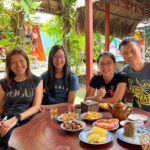
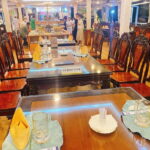
The tour includes lunch at a restaurant and mentions a meal with eight dishes rich in hometown flavors. That suggests you’ll be sitting down for something more than a quick plate. It’s a good value element because it removes the need to figure out where to eat between long transport blocks.
One note: you’re doing a full day, so plan to go with the flow. You’ll likely eat lunch after some earlier tastes (fruits, candy, honey tea), so you might want to keep water nearby and not over-stuff at each stop.
Price and value: what $49 covers, and what costs extra
At around $49 per person, this is a budget-friendly day trip compared with piecing together two major regions on your own. You’re getting a lot of the “hard parts” included: pickup/drop-off in Saigon, an English-speaking guide (and entrance fees), a restaurant lunch, and that included Cu Chi snack (tapioca and tea), plus bottled water.
Where costs can rise is clearly spelled out at the shooting range. Bullet fees are extra, and you’ll want to decide whether you want to participate in the AK-47/M-60 option. Also, language can change price: English is included, while other languages can add a surcharge.
So the real value equation is: if you want both Cu Chi and the Mekong Delta in a single day, and you’re okay with a guided pace, the price makes sense. If you mainly want one half, you might prefer a separate tour to avoid feeling rushed.
Who should book this Cu Chi and Mekong day trip
This tour fits best if you want a structured day that connects two big Vietnamese experiences without planning your own transportation.
It’s a strong match for:
- People who learn best by doing (like going inside a narrow tunnel)
- Visitors who enjoy cultural cues like folk music and local food
- Travelers who want a peaceful river segment after a heavier history morning
It’s less ideal for:
- Anyone who hates tight spaces, since you’ll have the chance to enter a narrow tunnel
- People who prefer to stay completely in control of costs and options, since the language surcharge and shooting range add-on can affect the final bill
Should you book this Cu Chi and Mekong Delta full-day tour?
I’d book it if your priority is a one-day, two-region snapshot that’s more than just driving and photos. The included tapioca on the Hoang Cam stove, the tunnel access, and the shift to a Mekong cruise with folk songs and tastings create a day with real variety.
I’d also book it if you like tours that explain what you’re seeing, not just where to stand. And if you’re offered Thi as a guide, that’s worth taking seriously based on how people describe the experience.
Just be careful with language choices and confirm any extra charges before you proceed. Once you do that, you can enjoy what this itinerary does well: underground history in the morning, river calm in the afternoon, and enough food and music along the way to make the day feel like Vietnam rather than just stops on a map.
FAQ
How long is the Cu Chi Tunnels and Mekong Delta full-day trip?
It runs for 1 day. Starting times depend on availability.
Where are pickup and drop-off locations in Saigon?
Pickup and drop-off are provided at the center of Saigon. The guide also picks you up in front of your hotel area.
Is lunch included?
Yes. Lunch at a restaurant is included, along with bottled water.
What is included at Cu Chi besides entrance fees?
You’ll get a light snack with tapioca and tea at Cu Chi, plus the tour activities such as tunnel exploration and short documentaries/footage.
Is the shooting range included?
The shooting experience is part of Cu Chi activities, but the bullet fee is not included (about 600,000 VND for a pack of 10 bullets).
What languages are available for the tour guide?
English is included, and other languages are available with a surcharge. Languages listed include English, Chinese, Japanese, French, Italian, Spanish, Korean, German, and Russian.
Can I cancel for a refund?
Yes. You can cancel up to 24 hours in advance for a full refund.