REVIEW · HO CHI MINH CITY
Grandma Noodles, Good Coffee, Exotic Fruits & Little History
Book on GetYourGuide →Operated by Spring Saigon Tours · Bookable on GetYourGuide
Saigon tastes gentler at dawn. On this 3-hour walk, I loved the grandma’s-stall noodle dumpling soup and the cà phê sữa đá coffee made with a slow condensed-milk drip. It’s small-group Saigon with guide Hieu (with Spring Saigon Tours), where the morning feels lived-in, not staged.
The only real catch is the pace: you’ll move through narrow alleys and market lanes, and this tour isn’t set up for people with mobility impairments, so wear comfortable shoes and plan for tight walking.
In This Review
- Key highlights you’ll feel in your first 10 minutes
- A quieter Saigon breakfast: why this tour works
- Grandma Noodles: the alleyway start that sets the mood
- The chessboard market: fruit tasting that turns into real learning
- Vietnam War stories in an everyday historic area (without the textbook vibe)
- Expert Vietnamese coffee: how cà phê sữa đá really tastes
- Ginger tofu pudding: the gentle sweet finish
- Backstreet wander and the open chat landing zone
- Price and value: is $40 a good deal for this 3-hour format?
- Who should book this tour, and who should skip it
- Should you book Grandma Noodles, Good Coffee, Exotic Fruits & Little History?
- FAQ
- How long is the tour?
- What does the tour cost?
- What’s included, and what isn’t?
- Where is the meeting point?
- How many people are in the group, and is the guide in English?
- Is the tour refundable if I need to cancel?
Key highlights you’ll feel in your first 10 minutes
- Grandma’s-stall noodle dumplings: breakfast-style soup with real local rhythm, no signage, no rush
- Saigon’s chessboard market fruit safari: you’ll taste tropical fruits like rambutan, mangosteen, breast milk fruit, and sapodilla
- Vietnam War context in a historic area: stories told from everyday life, with minimal dates and maximum human perspective
- Vietnamese coffee with slow condensed-milk drip: cà phê sữa đá, plus the option of cà phê chanh (lime coffee)
- Warm ginger silken tofu dessert: soft, sweet, and served warm with ginger syrup and coconut milk
- Up to 6 people, English live guide: enough time to ask questions and keep the pace human
A quieter Saigon breakfast: why this tour works
This tour is built around a simple idea: meet Saigon before it turns loud. You start with morning smells—broth, wet concrete, steam—and you don’t spend the day fighting crowds or comparing notes like it’s a checklist.
I also like the tone. It’s not presented as a “food festival” where you sprint from one famous dish to the next. Instead, you’ll eat, walk, and listen—then you’ll end with a little room to talk, ask, and settle your thoughts.
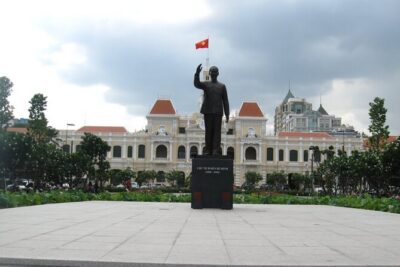
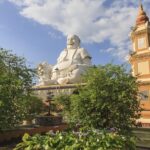
One practical detail: you’ll meet in front of a monument of a monk. And while everything food-related is included, transportation to and from the meeting point is not. Plan how you’ll get there on your own (grab a ride, use the usual city routes, or whatever method you prefer).
You can also read our reviews of more historical tours in Ho Chi Minh City



Grandma Noodles: the alleyway start that sets the mood
The first stop is exactly what it sounds like: Vietnamese noodle dumplings soup served from a grandma-style stall, tucked into an alley. You’re not looking for a menu board or a “must-try” sign. You’re just there to sit, eat, and notice how locals order and eat breakfast without making a big event out of it.
What I like about this start is that it gives you a baseline flavor for the whole morning. The broth, the noodles, the texture of the dumplings—once you’ve had that first hot bowl, the rest of the tour makes more sense. You’re not eating randomly. You’re learning the city’s food logic.
A small note on the “no signs” feel: it can be disorienting at first, especially if you’re used to clearly marked tourist stops. The guide leads the way, but you’ll want to trust the process and stay close, since lanes can be narrow and turns happen fast.
The chessboard market: fruit tasting that turns into real learning
Next comes the fruit safari in Saigon’s second-largest local market—referred to as the chessboard because of how the stalls and lanes feel laid out. This part is one of the most memorable because tasting is the fastest teacher. You’ll try tropical fruits with names that sound like characters from a story: rambutan, mangosteen, breast milk fruit, and sapodilla.
Here’s why this matters. In many cities, you walk past fruit and move on. In this market, you’re tasting as you go, so you start to notice patterns: sweetness vs. perfume, texture vs. juice, when something is meant to be eaten cold and when it’s best at room temperature. Even if you can’t remember every name after, your palate will remember.
Also, you’re getting market reality, not a staged “food show.” Expect a maze of stalls and the steady rhythm of people buying breakfast and snacks for the day. Bring curiosity, and try to pace yourself. Fruit can be deceptively filling.
Vietnam War stories in an everyday historic area (without the textbook vibe)
You’ll also learn about the Vietnam War from a local perspective in a historic area. The guide’s style here is refreshingly human: you get stories without drowning in dates, and you’re not stuck with a lecture format.
In practice, it feels like the war is framed through daily life—resilience, hardship, and the way people rebuild. You’ll hear it in a way that helps you understand how history sits in neighborhoods, not just in books.
One good way to make this stop land: keep your questions simple. Ask what life was like for locals at the time, or how that past affects the present neighborhood. The goal isn’t to memorize facts. It’s to connect the dots between war and routine.
Expert Vietnamese coffee: how cà phê sữa đá really tastes
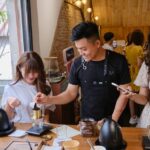
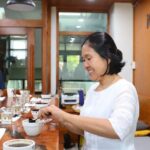
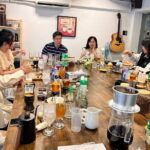
Coffee is next, and it’s not the kind of coffee stop where you get a quick cup and move on. You’ll watch it drip—slow and stubborn—into a glass of condensed milk. That slow drip matters. It changes the texture and how the coffee meets the sweet creaminess.
You’ll drink cà phê sữa đá (Vietnamese iced coffee with condensed milk), and if you’re curious you can also try the lime version: cà phê chanh. Yes, it sounds odd. It also makes sense once you taste it. The sharp citrus cuts through sweetness in a way that feels surprisingly balanced.
In one recent experience with Hieu, the coffee was served in one of Saigon’s older coffee shops, with real charm and a sense of continuity. That detail matters if you care about place—coffee here is part of social life, not just a caffeine product.
You can also read our reviews of more tours and experiences in Ho Chi Minh City


Ginger tofu pudding: the gentle sweet finish
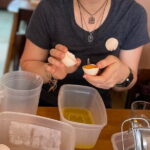
The tour ends with a warm dessert: silken tofu in ginger syrup, often finished with coconut milk. It’s soft, sweet, and comforting—exactly the kind of dessert that feels like it belongs to grandmothers and recovery, not just nightlife.
This is also the point where the tour’s “quiet adventure” idea becomes obvious. You’re not ending with something loud or overly sugary. You’re landing with warmth, spice, and a calm sweetness that keeps the morning from turning into chaos.
One more detail I appreciated from real-world experiences: if you’re a fussy eater or you have restrictions, the guide can adjust. A guest who didn’t eat beef or pork was offered a vegan option at one of the stops. If that’s you, tell the guide early and clearly.
Backstreet wander and the open chat landing zone
After the dessert, you’ll do a backstreet wander through hẻm alleys—those narrow lanes where Saigon actually lives. This is where you get to notice things without being told what to notice. Small shops, daily routines, and the “in-between” moments that don’t show up on big attraction signage.
Then you’ll finish somewhere quieter with an open chat. It’s not a forced Q&A. You can ask about history, food, or what to eat next, or just sit and let the morning settle. That last part is underrated. It helps you turn what you learned into something you can carry with you instead of forgetting it in the next Uber ride.
Price and value: is $40 a good deal for this 3-hour format?
At $40 per person for 3 hours, the price makes sense if you care about guided context and included tastings. You’re not just paying for a walk. You’re paying for someone to take you into stalls and lanes you’d likely never find on your own.
The value comes from the mix:
- multiple food stops (noodles, fruit tastings, coffee, and dessert)
- a history component told from a local perspective
- a small group limit of 6, which keeps the pace comfortable
One practical expectation: you won’t get a “sit in a van, see everything” experience. You’ll earn your tastings through walking, standing, and eating at local rhythm. If you like active travel that still feels thoughtful, you’ll probably feel like the price is fair.
Who should book this tour, and who should skip it
This tour fits best if you want Saigon that feels quieter, more personal, and more everyday. It’s ideal for:
- people who like food but don’t want a fast, loud checklist
- travelers who enjoy history stories tied to real neighborhoods
- anyone who appreciates small groups and a guide who answers questions
Skip it if:
- you have mobility limitations that make narrow alleys and market walking difficult
- you dislike markets, tight lanes, or standing while you eat
If you’re unsure, think about your walking tolerance first. The itinerary is short, but the roads are narrow. Comfortable shoes are not a suggestion here—they’re the difference between enjoying it and rushing it.
Should you book Grandma Noodles, Good Coffee, Exotic Fruits & Little History?
If you want Saigon in a gentler key, I’d book it. The best part is the way it ties food to place and place to story. You start with grandma-style noodles, you taste your way through the chessboard market, you get Vietnam War context without turning it into a textbook, and you end with warm ginger tofu.
I also like the small-group feel. With up to 6 people, you’re not shouting over a crowd, and you actually have time to ask Hieu questions in plain English.
My one caution is physical, not cultural: this is a walking and market tour. If you want smooth, wide sidewalks and easy mobility, this probably won’t be your match.
If you fall on the other side—curious, steady on your feet, and hungry for real routine—this is a morning you’ll remember.
FAQ
How long is the tour?
The tour lasts about 3 hours.
What does the tour cost?
It costs $40 per person.
What’s included, and what isn’t?
Everything related to the tour experience is included (food and drinks as part of the stops). Transportation to and from the meeting point is not included.
Where is the meeting point?
You meet in front of a monument of a monk.
How many people are in the group, and is the guide in English?
The group is limited to 6 participants, and the tour includes a live English-speaking guide.
Is the tour refundable if I need to cancel?
Yes. You can cancel up to 24 hours in advance for a full refund.