REVIEW · HO CHI MINH CITY
From Ho Chi Minh: Three-Day Mekong Delta Tour
Book on GetYourGuide →Operated by Maika Tours · Bookable on GetYourGuide
On the Mekong, the day starts early and feels hands-on. This 3-day private route blends boat time, island cycling, and bird-watching calm, then finishes with temple views and fruit-market energy. I especially like the shift from everyday canal life to the quiet, forest-lined paths at Tra Su Bird Sanctuary. One thing to consider: it is a full schedule with several long travel legs between regions, so you’ll want comfy shoes and a flexible attitude.
What makes this tour work well is the pacing choices. You’re not only seeing boats from a distance; you’re guided through daily production (rice paper, coconut candy, and more), then you move to specific spots like Cai Rang Floating Market where boats do the talking. If you want your time to feel efficient without feeling rushed, the private setup helps. Just remember: the most memorable moments are the ones you’ll likely want to slow down for, so build in some patience for photos and people-watching.
In This Review
- Key points at a glance
- How the Mekong Delta route is set up over 3 days
- Day 1: Cai Be pier canals, Tan Phong island bike time, and a Mekong lunch that actually means something
- Day 2: floating village boats, Ba Chua Xu at Sam Mountain, then Tra Su Bird Sanctuary’s calm canals
- Day 3: Cai Rang Floating Market by private boat and Vinh Trang Pagoda before the Ho Chi Minh drop-off
- What you’re paying for: value in boats, guides, and the practical extras
- Who this tour is best for (and who should think twice)
- Practical tips that make the difference in the Mekong
- Should you book this Mekong Delta tour?
- FAQ
- How long is the Mekong Delta tour?
- Where is the pickup in Ho Chi Minh City?
- What are the main experiences during the 3 days?
- Do you include lunch?
- Is there an English speaking guide?
- Are transport and entrance fees included?
- Do you ride boats during the trip?
- Where do you stay overnight?
- Is this tour wheelchair accessible?
Key points at a glance
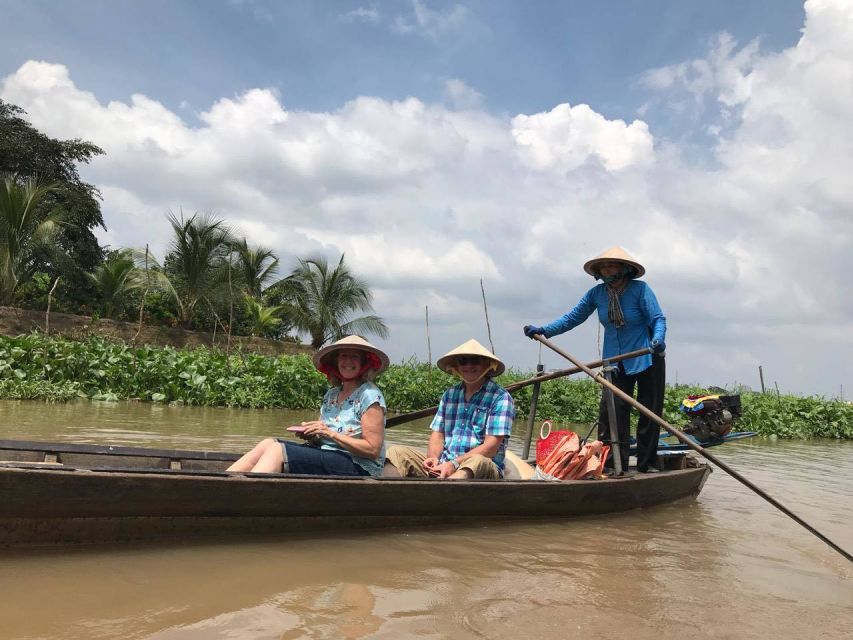
- Cai Be canals + Tan Phong island cycling: you get both water and land views, plus a hands-on look at how locals make everyday goods
- Cai Rang Floating Market by private boat: you see produce sold boat-to-boat instead of standing at a distance
- Tra Su Bird Sanctuary’s quiet waterways: a change of pace into cajuput-tree canals and careful wildlife spotting
- Day 2 temple stop at Sam Mountain: the Ba Chua Xu temple break adds culture without stretching the day too far
- Private group and English guide: you get smoother timing and explanations that help the sites make sense
How the Mekong Delta route is set up over 3 days
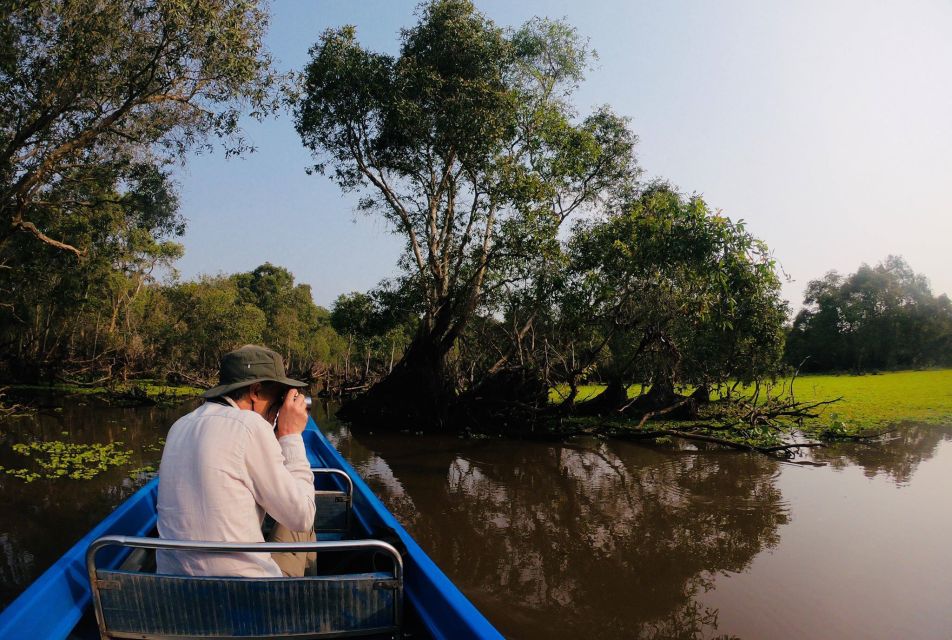
This tour is built around two overnights, which is the smart way to see the delta without turning it into a 16-hour day-tram. Day 1 takes you toward Chau Doc. Day 2 shifts you through the bird sanctuary region and on to Can Tho. Day 3 goes back to the markets, then returns you to Ho Chi Minh City.
That routing matters because the Mekong doesn’t move like a single destination. It’s more like a network of waterways and communities. When you’re traveling by boat (and not just by bus), you feel how daily life is organized around canals, farming, and trade. It also means you’ll spend time on water more than on waiting around.
The tour is private, and that helps with pacing. In at least one case, the guide and driver were clearly tuned in to a guest who wasn’t feeling well before the trip started, so the day stayed intact. That’s the kind of flexibility you hope for when your travel timing depends on multiple stops.
You can also read our reviews of more tours and experiences in Ho Chi Minh City.
Day 1: Cai Be pier canals, Tan Phong island bike time, and a Mekong lunch that actually means something
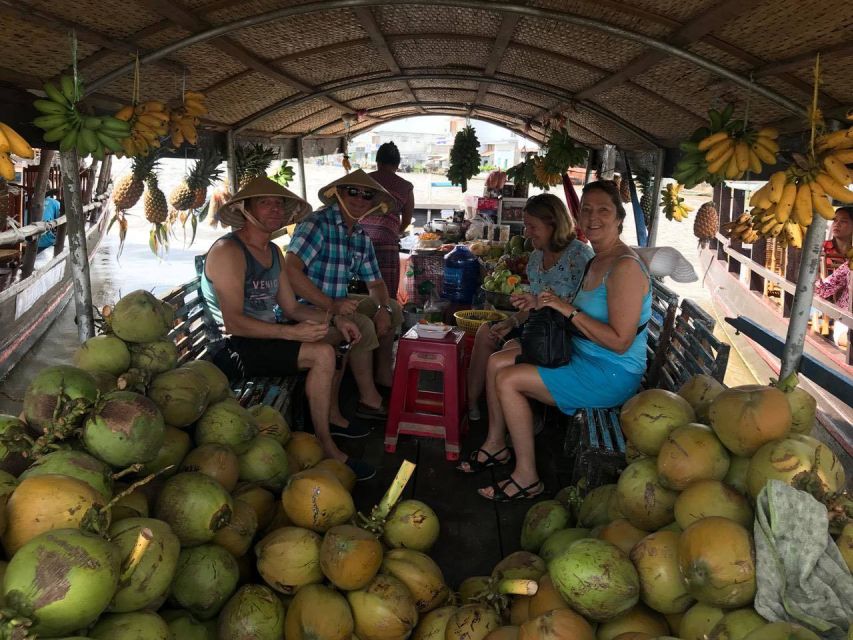
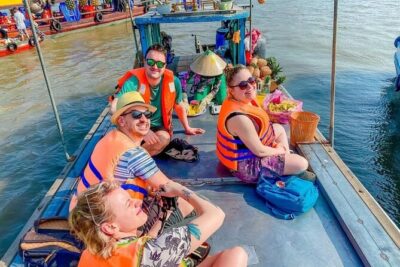
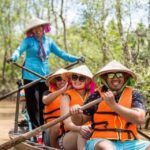
Day 1 starts with pickup at your Ho Chi Minh City hotel (morning collection around 7:30 am). From there, you head to the Cai Be Pier on the Mekong River. You’ll board a traditional motorised boat for a relaxed ride along the canals. This is one of my favorite ways to start, because the motion wakes you up without forcing you into instant sightseeing stress.
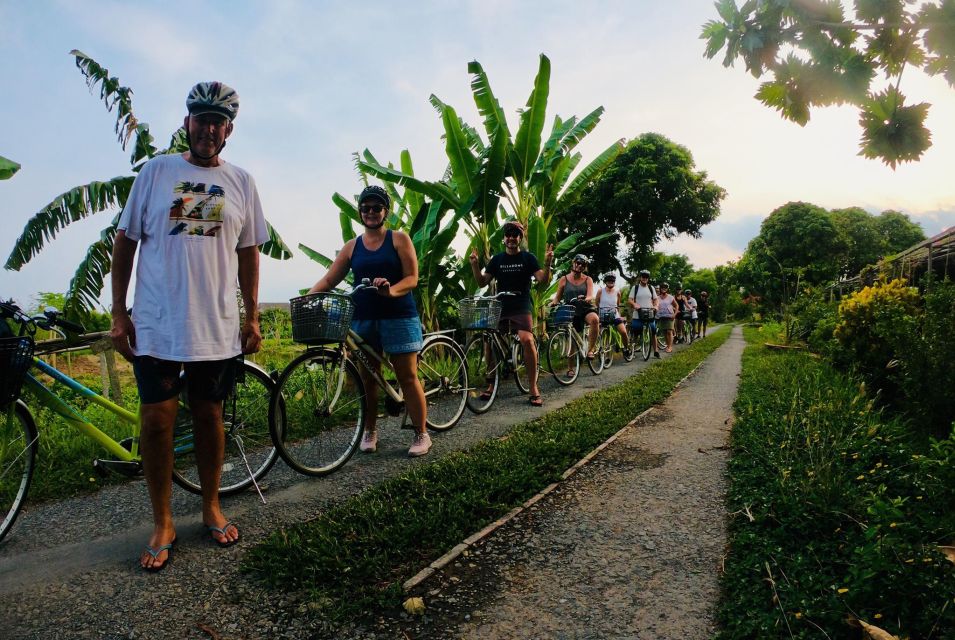
Then you switch to land on Tan Phong island. After a short fruit-orchard stop, you’ll watch local performance music and join a guided bicycle tour of the island. That part is more than a scenic break. It’s where you get the human scale of the delta—how people use the land, how routines shape the day, and how craft work turns into the things you see in markets later on.
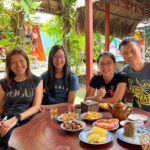
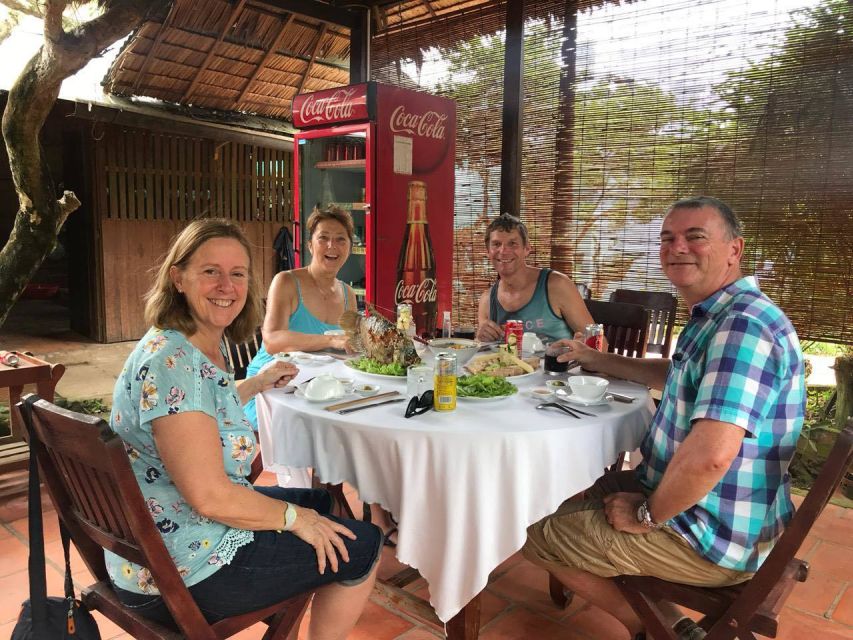
You’ll also visit native families and learn about what locals produce, including rice paper and sturdy roofing materials. A local family then serves Mekong delicacies for lunch. This lunch matters because it connects food to place. You’re not just eating something tasty; you’re seeing how the delta’s farming and processing lead to what lands on your plate.
After lunch, you rejoin the water. The trip moves into smaller canals where you can blend into daily routines of farmers and local boat activity. You’ll also see coconut candy and rice-wine preparation—both are common delta products, but it’s a different experience to watch them being made as part of the day rather than as a souvenir stop.
Finally, you head toward the Vinh Long Pier and travel by car/bus to Chau Doc for your overnight stay.
Practical note for Day 1: because this day mixes boat time, cycling, and transfers, you’ll enjoy it more if you treat it like one long, varied outing rather than three separate mini-tours. Bring sun protection and something light to cover up, since the island and river sun can be relentless.
Day 2: floating village boats, Ba Chua Xu at Sam Mountain, then Tra Su Bird Sanctuary’s calm canals
Day 2 begins early with checkout and then a scenic boat trip. You’ll visit a floating village, a floating fish farm, and a Cham ethnic people village. You also ride on the Vinh Te canal, where you can see house-on-stilts on both sides and go deeper into the local living area.
This is the day when the Mekong’s meaning becomes clearer. The floating elements are not just scenery. They reflect how communities adapt to water levels and how livelihoods are built around waterways. If you like explanations, you’ll likely appreciate the guided approach here, because the scenes make more sense once someone connects what you’re seeing with how people live.
After the boat time, you take a private bus to visit Ba Chua Xu temple at the foot of Sam Mountain. This stop breaks up the water-heavy day with a clear culture moment. It’s also a useful reset, because temple visits naturally slow you down—no timeline sprint required.
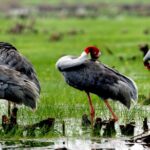
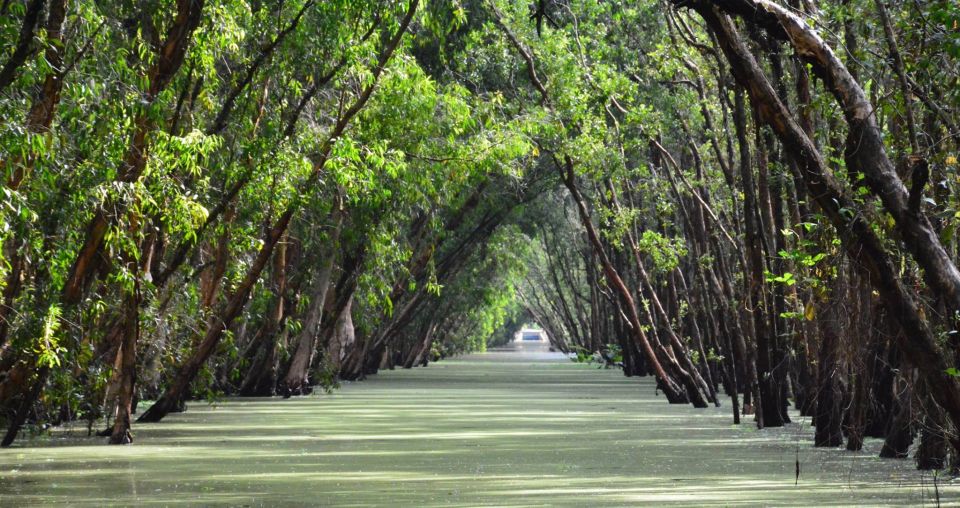
Then comes the highlight many people wait for: Tra Su Bird Sanctuary. The sanctuary is described as peaceful and tranquil, with canals in the forest and mossy green waterways lined with cajuput trees. The goal is simple: observe wading birds and watch for wildlife.
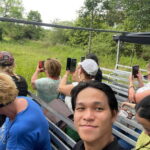
Bird sanctuary time is one of those experiences where you’ll either enjoy it instantly or you’ll want it to be more action-packed. The sweet spot is going in ready for patience. Bring your phone camera if you want, but treat it like a listening-and-watching experience first. When you spot a bird, it usually happens fast, and the calm setting makes it feel even more special.
After Tra Su, you head to Can Tho for the overnight stay. Once you arrive, you’ll be driven to your chosen hotel. If you still have energy, there’s an option to visit a local night market.
Practical note for Day 2: this day can feel like a steady rhythm—boat, temple, sanctuary, then evening city time. If you want the sanctuary to feel truly peaceful, avoid rushing straight from temple into the busiest part of your mindset. Give yourself a few minutes to cool down and let your eyes adjust to the darker, forest-canal light.
Day 3: Cai Rang Floating Market by private boat and Vinh Trang Pagoda before the Ho Chi Minh drop-off
Day 3 is another early start, because Cai Rang Floating Market isn’t something you want to see at the end of the day. You’ll head straight out and board your own private boat to reach the market. This is where the tour earns its keep.
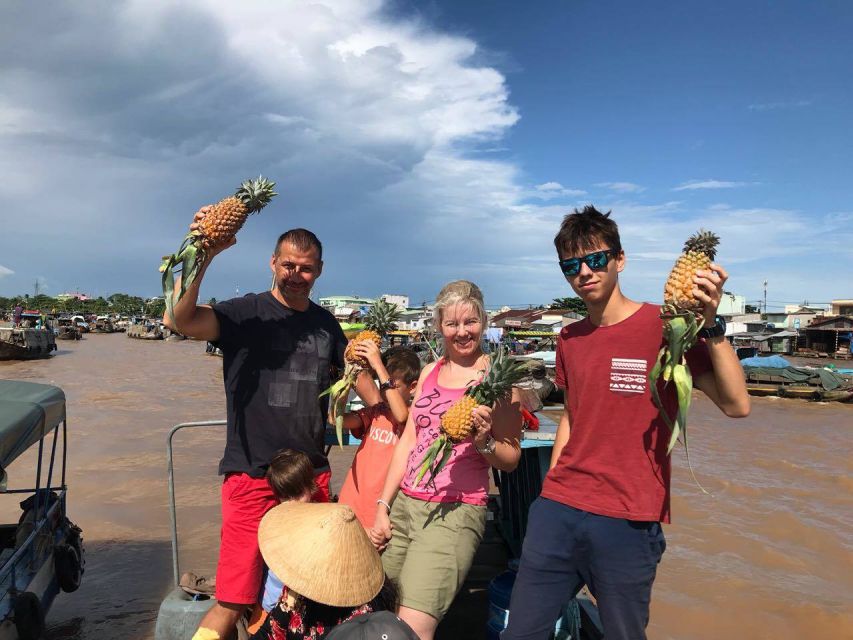
At Cai Rang Floating Market, produce is sold first-hand from boat to boat. Instead of watching everything from a single viewpoint, you experience it from on-water movement. Fruit, goods, and daily trade feel closer—like you’re part of the flow for a while.
After the market, you return to the hotel for breakfast. You check out, then travel to My Tho for Vinh Trang Pagoda. This pagoda stop is a nice cultural punctuation mark after two days of water and craft work. Even if temples aren’t your top interest, it’s a break from boats and markets, and it gives you a chance to see Southern Vietnam’s spiritual architecture in a setting that’s easy to enjoy.
Finally, you head back to Ho Chi Minh City and get dropped off at your accommodation.
Practical note for Day 3: markets move fast. If you want good photos without blocking anyone’s path, pause briefly, then move along. The best moments often come while you’re walking and watching, not when you freeze at one angle for too long.
What you’re paying for: value in boats, guides, and the practical extras
At $446 per person for 3 days, this isn’t the budget option. But it can feel fair when you look at what’s included.
You get:
- all entrance fees
- all transport
- all taxes
- an English speaking guide
- bottled water
- one full lunch
- pickup and drop-off within Ho Chi Minh City
That package matters because Mekong Delta travel isn’t just driving time. You’re paying for boat operations and guided interpretation across multiple regions. You’re also paying for private group comfort, which usually means you’re not stuck waiting for other people’s pace.
One review also points out that the tour isn’t the cheapest, but it was private with more flexibility and your own boat rides. That’s the best way to interpret the price: you’re buying fewer compromises.
Where you might spend extra depends on your choices during free time, meals not listed as included, and personal shopping. The itinerary includes an optional night market visit on Day 2, but it doesn’t say it includes shopping money—so plan to cover your own snacks and treats there.
If you have dietary needs, the tour notes that lunch can be catered for as long as you get in touch. That’s a simple win for travelers who don’t want to guess and hope.


Who this tour is best for (and who should think twice)
This tour is a strong match for you if you want:
- a private guide in English so you can ask questions as you go
- serious boat time across the delta, not just a photo stop
- a mix of daily life (floating communities and production) plus nature (Tra Su Bird Sanctuary)
- an efficient route with two overnights, so you’re not constantly changing bases within the same day
It may be less ideal if you dislike early mornings or you prefer slower travel with fewer moving parts. Since the schedule includes boat rides, biking, temple time, and transfers, you should go in ready for a packed day structure.
Wheelchair accessibility is listed. Still, because this region involves boats and transfers, you should plan to communicate your needs clearly when you book, so the team can guide you through steps and transfers in a way that works for you.
Practical tips that make the difference in the Mekong
A few things I’d do before you go:
- Wear shoes you can trust on boats and uneven walkways.
- Bring a light rain layer. Delta weather can change quickly.
- Pack sun protection. Even on water, you get strong exposure.
- Have a small amount of cash for snacks or small purchases during the optional evening market time.
For the sanctuary day, keep your expectations realistic. Bird watching is quiet work. If you expect constant action, you’ll miss the point. If you enjoy watching wildlife slowly, this is the day that can feel genuinely peaceful.
Also, if you want a smoother ride, be upfront about pace. One of the reasons people talk about the guide and driver positively is that they’re attentive to keeping the plan moving while adjusting when needed.
And if you’re lucky enough to get a guide like Tien, you may end up with an experience that feels tightly organized and easy to follow.
Should you book this Mekong Delta tour?
Book it if you want a well-paced, private 3-day overview of the Mekong that actually mixes daily life, markets, and nature. The private boats, the English guide, and the entrance-fee-and-transport package can make it feel like good value even though it’s not the cheapest option.
Skip it (or ask more questions before booking) if you hate early starts, you need long stretches of downtime, or you prefer to travel at your own speed without a structured route. Also consider whether you’re comfortable with a day that blends cycling and boat movement.
If you’re the kind of traveler who likes seeing how people live—on land, on stilts, and on the water—this itinerary fits the mood perfectly. The Mekong here isn’t just scenery. It’s a daily rhythm, and you get to spend real time inside it.
FAQ
How long is the Mekong Delta tour?
It runs for 3 days.
Where is the pickup in Ho Chi Minh City?
The tour includes pickup from any hotel located within Ho Chi Minh City.
What are the main experiences during the 3 days?
You’ll visit Cai Be and ride on canals, see Tan Phong island life, go to Ba Chua Xu temple, explore Tra Su Bird Sanctuary, visit Cai Rang Floating Market, and tour Vinh Trang Pagoda.
Do you include lunch?
Yes. The tour includes one full lunch, and dietary requirements can be catered for if you contact them ahead of time.
Is there an English speaking guide?
Yes, the tour includes an English speaking guide.
Are transport and entrance fees included?
Yes. All transport and all entrance fees are included.
Do you ride boats during the trip?
Yes. The itinerary includes traditional motorised boat rides in canals, boat trips on Vinh Te canal, and a private boat trip to Cai Rang Floating Market.
Where do you stay overnight?
Overnight stays are in Chau Doc on Day 1 and in Can Tho on Day 2.
Is this tour wheelchair accessible?
Wheelchair accessibility is listed as available.