REVIEW · HO CHI MINH CITY
Inspiring Advanced Cooking Course
Book on Viator →Operated by "Mai" Home - The Saigon Culinary Art Centre · Bookable on Viator
Cooking classes are easy to love. Add a market stop, and they get real. This advanced lesson pairs a visit to Ben Thanh Market (morning only) with a chef-led cook session at Mai Home, plus a welcome drink and a hands-on meal you actually eat.
I like that it’s built for people who already feel comfortable in the kitchen, so you spend your time on technique and flavor nuance instead of basic hand-holding. I also love the extras: you leave with a recipe book, a certificate, and a small souvenir gift, not just full bellies. One consideration: the market visit happens only in the morning, so if you choose the afternoon session, you’ll skip that ingredient walkthrough.
In This Review
- Key things to know before you go
- Why Ben Thanh Market makes this cooking class feel practical
- What you gain if you cook later at Mai Home
- Inside Mai Home: an advanced class without the fluff
- Cultural context starts before cooking
- The step-by-step cooking approach you can actually repeat
- Techniques you should expect to focus on
- Menus and dishes: what you might cook
- The final feast: your meal becomes part of the lesson
- Morning vs afternoon: what changes besides the clock
- Price and value: what $48.21 really covers
- Logistics that matter in Ho Chi Minh City (and how to handle them)
- Who should book this advanced cooking course
- Should you book? My take for the right kind of cook
- FAQ
- Is this class in Ho Chi Minh City?
- How long does the cooking course last?
- Is the Ben Thanh Market visit included?
- What do I get at the end of the class?
- Is lunch or dinner included?
- Does this tour include a welcome drink?
- Is this a private group experience?
- What about transportation and drinks?
- What’s the cancellation policy?
- Where do I meet and where does it end?
Key things to know before you go
- Ben Thanh Market (morning only): See the ingredients source before you cook with them
- Private, small-group format: Your class stays focused and personal
- Technique-first cooking: Expect skill-building geared toward advanced cooks
- Welcome drink plus Kitchen God story: A cultural start before you touch the ingredients
- Eat what you make: You sit down together for a proper feast at the end
- Take-home materials: Recipe book, certificate, and a souvenir gift from Mai Home
Why Ben Thanh Market makes this cooking class feel practical
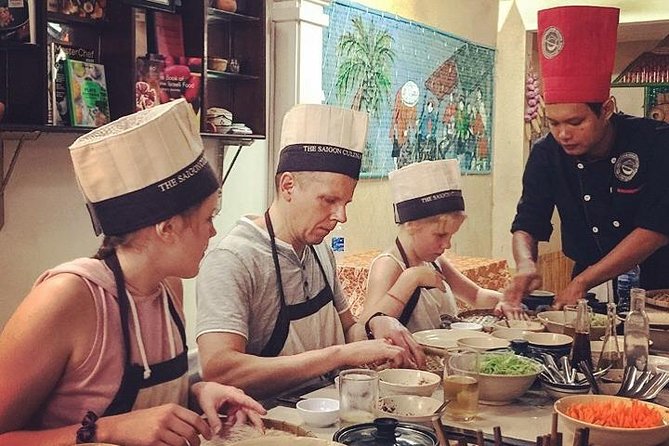
If your cooking class starts after you arrive at a kitchen, you miss the big “why” behind Vietnamese flavor. Here, you get that connection by starting at Ben Thanh Market in District 1. On the morning option, you meet at the market and go in together with your chef so you can see how ingredients are chosen, handled, and sold where locals actually buy them.
That matters because Vietnamese cooking isn’t just about recipes on paper. A dish tastes right when the ingredients are right. Watching the market flow helps you understand what to look for later—especially with herbs, aromatics, and items that can look similar but taste very different depending on freshness and quality.
A nice bonus is that you’re not stuck wandering for an hour. The goal is ingredient awareness that ties directly into what you’ll cook at Mai Home. You’ll come away with a clearer sense of what goes into a sauce, what supports a broth, and why certain aromatics are treated differently than you might expect.
You can also read our reviews of more cooking classes in Ho Chi Minh City



What you gain if you cook later at Mai Home
The market visit is the “training wheels” for your future cooking. Even if you don’t buy everything back home, the experience helps you learn how Vietnamese cooks think: not just what to add, but how to balance aromas, salt, acid, and sweetness so the dish stays coherent.
Inside Mai Home: an advanced class without the fluff
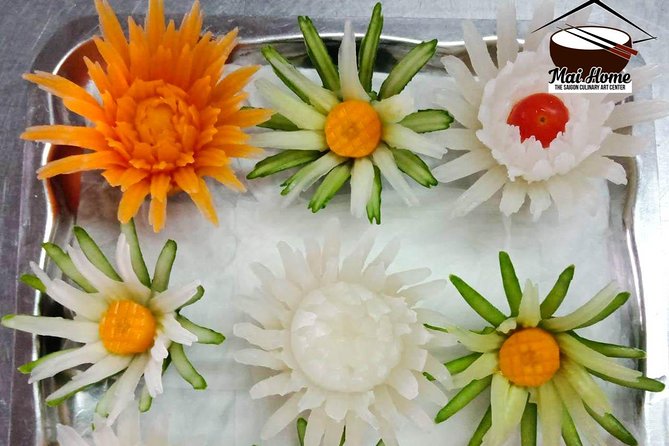
This is hosted at Mai Home – The Saigon Culinary Art Centre, and the tone is clear from the start: the class is designed for cooks who already have confidence. That’s a big deal. Many cooking classes are great, but they can feel repetitive if you already know your way around a knife or a pan.
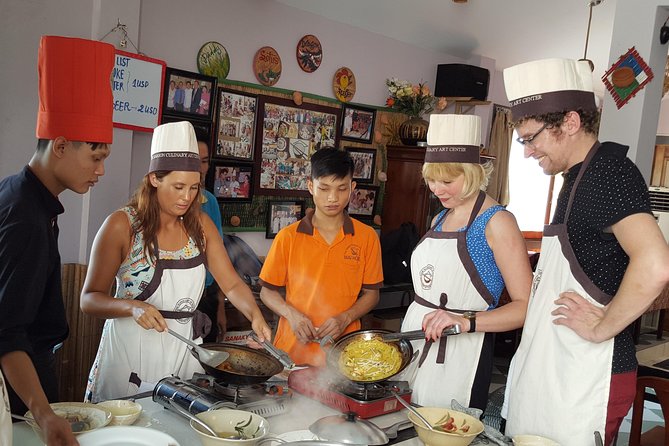
Here, the emphasis stays on technique and flavor nuance. You follow a professional chef through several classic Vietnamese dishes, and you work through each step so the process makes sense. In other words, you’re not just copying movements. You’re learning the logic behind them, so you can reproduce the results later.
The chef-led pacing also helps you move through multiple courses in a 3-hour session without it feeling chaotic. People often assume time pressure means rushing, but the class structure is clearly meant to keep you busy while still practicing rather than sprinting.
Cultural context starts before cooking
Before you get into the kitchen, you’ll enjoy a welcome drink and hear the Kitchen God story. It’s not just decoration. Vietnamese food culture includes ritual and meaning, and that story helps you connect the dishes you make to the wider tradition they come from.
The step-by-step cooking approach you can actually repeat
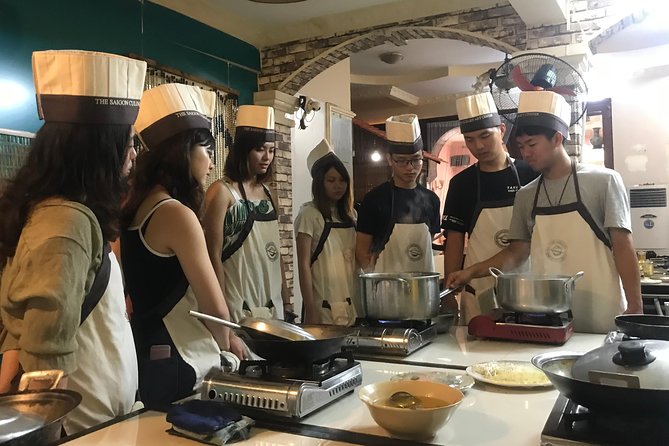
The class format is built around doing. You’ll participate in each step, learn the basic cooking methods, and then apply them to the menu of the day. Menus vary, and you may get some choice about the kinds of courses included, which keeps the experience from feeling like a one-size-fits-all script.





Techniques you should expect to focus on
Even when the exact dishes change day to day, you can count on skill-building. Based on how the session is described, the chef’s focus stays on:
- How you prepare ingredients for the dish (cutting, handling, timing)
- How you manage heat and texture during cooking
- How flavors get balanced so the dish tastes “finished,” not just salty or sour
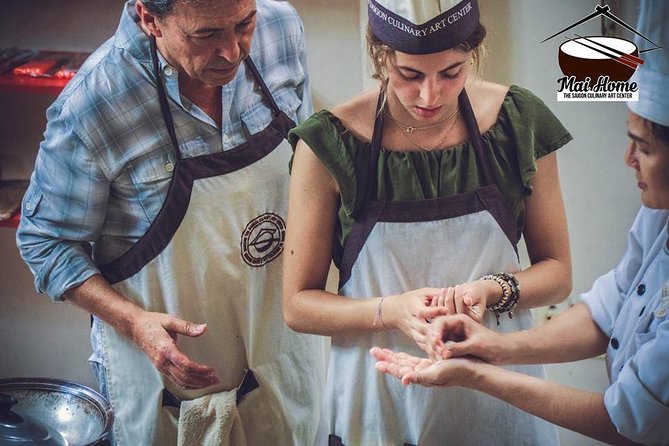
If you’re the type who cares about knife work, you’ll likely enjoy the attention to cutting and prep. One recent class experience specifically noted sharpening knife skills and learning how to decorate the plate, which is a reminder that Vietnamese plating often signals care and balance, not just presentation.
Menus and dishes: what you might cook
Your menu depends on the day and the session style, but classic Vietnamese dishes are the focus. One example mentioned is Pho, which is a useful clue that the class may cover broth-based flavor building or at least the techniques behind Vietnamese noodle soups.
Instead of fixating on a single dish, think of it as a “skills bundle.” You’ll learn patterns you can reuse: how broth flavor develops, how sauces get layered, and how herbs and aromatics get added at the right moment so they taste fresh rather than cooked to death.
The final feast: your meal becomes part of the lesson
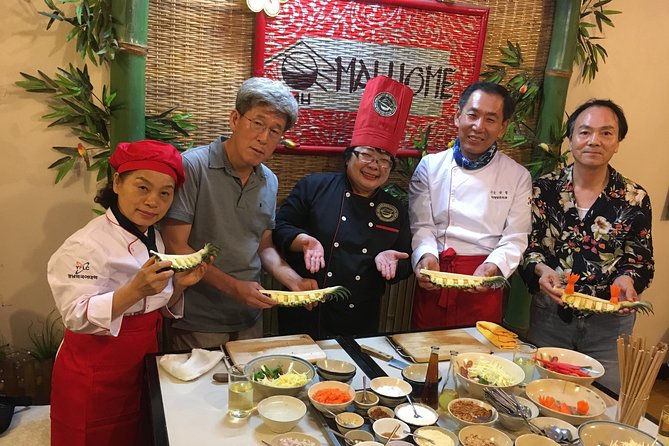
After cooking, you sit down and FEAST on what you made. That sounds simple, but it’s a learning mechanic. Tasting your own work closes the loop between technique and result.
When you eat together in the end-of-class meal, you also get an easy chance to compare notes and understand differences in taste, texture, or seasoning. It’s also the moment when the class becomes memorable rather than just instructional.
A practical point: since lunch or dinner is included, you’re not doing “cooking class then hunt for food later.” You leave with the job done—meal handled—and that’s good value for a tight schedule in Ho Chi Minh City.
Morning vs afternoon: what changes besides the clock
This experience runs in morning and afternoon sessions. The biggest difference isn’t just timing. It’s the market visit.
- Morning option: You meet at Ben Thanh Market and visit the market as part of the experience.
- Afternoon option: No market visit. You still go to the kitchen and cook with ingredients tied to the class, but you won’t do that on-foot ingredient walkthrough.
That means your decision should match your goal.
If you want the ingredient story and like to understand where flavors come from, the morning session is the better fit. If you’re short on time or you already plan to visit Ben Thanh another day, the afternoon session still works because the core value is the chef-led cooking.
One more scheduling detail: the class runs about 3 hours and ends back near where you started, so it fits nicely into a day plan without turning into an all-afternoon time sink.
Price and value: what $48.21 really covers
At about $48.21 per person, this isn’t priced like a quick street-food snack stop. You’re paying for a chef-led, hands-on class plus a full meal and take-home items.
Here’s what’s included:
- Market visit (morning only)
- Cooking ingredients
- Lunch or dinner
- Recipe book
- Certificate
- Souvenir gift
- Welcome drink
What’s not included:
- Transportation
- Drinks beyond the welcome drink
- Any other charges, if any
So where does the value come from? Mostly from the combination of instruction + materials + a meal. Many cooking classes charge for “the cooking part,” but the recipe book and certificate help you remember what you did. And the meal is part of the training: you eat your own results, which makes the time more satisfying.
Also, because this is limited to your group and operates as a private tour/activity, you’re less likely to feel like you’re in a big crowd where questions get lost. That matters when you’re paying attention to technique and want coaching where it counts.
Logistics that matter in Ho Chi Minh City (and how to handle them)
You meet at Ben Thanh Market (Ben Thanh, District 1) and the experience ends back at the meeting point. That’s helpful because you don’t need to figure out a second pickup or hunt for a return route.
Still, a couple of practical notes:
- You’ll want to arrive a little early so you can find the meeting spot at the busy market area.
- The class is near public transportation, which can make your own commute easier.
- Transportation to and from the kitchen isn’t included, so plan to handle how you’ll get there. In at least one class experience, a quick scooter transfer from Ben Thanh to the kitchen was part of the day, so you might see that kind of local shortcut depending on where the kitchen is that day.
If you’re sensitive to traffic, don’t ignore this. Factor in that getting across Ho Chi Minh City can be part of the real-time experience, even when the tour itself is only 3 hours.
Who should book this advanced cooking course
This is a strong match if:
- You already cook and want to sharpen technique rather than start from scratch
- You care about Vietnamese flavor-building and want a chef’s guidance
- You like hands-on lessons where you eat what you make
- You want something more meaningful than a food tour photo-and-walk
You might skip it (or pair it with a lighter option) if:
- You’re brand new to cooking and feel overwhelmed by multi-step preparation
- You want a huge sightseeing day, because this is primarily a cooking + market ingredients experience
- You’re planning an afternoon only and specifically want Ben Thanh ingredients context, since the market visit is morning-only
Should you book? My take for the right kind of cook
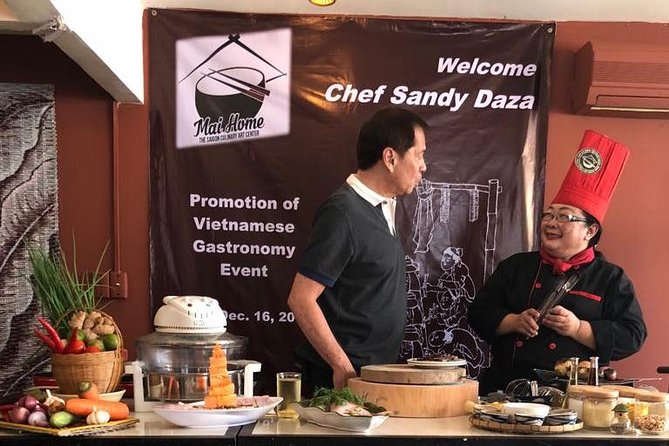
If you’re the kind of person who likes learning by doing—staging flavors, working textures, and tasting your way to improvement—this is a solid bet. The most praised strength is the way it stays authentic while teaching you skills you can use again at home. The format also makes sense: market in the morning (optional but valuable), cook with a professional chef, then sit down for the meal.
For the best fit, book the morning session if you can. The market visit gives the class extra meaning because you see ingredients before you cook them. Book the afternoon session if your schedule is tight and you still want the technique-focused cooking and included meal.
And one practical reassurance: if plans change, you can cancel for a full refund up to 24 hours in advance.
FAQ
Is this class in Ho Chi Minh City?
Yes. The experience takes place in Ho Chi Minh City, Vietnam, with the meeting point at Ben Thanh Market in District 1.
How long does the cooking course last?
It runs for about 3 hours.
Is the Ben Thanh Market visit included?
It is included for the morning session only. There is no market visit for afternoon sessions.
What do I get at the end of the class?
You receive a recipe book, a certificate, and a souvenir gift from Mai Home.
Is lunch or dinner included?
Yes. Lunch or dinner is included, depending on the session.
Does this tour include a welcome drink?
Yes, you’ll enjoy a welcome drink before heading into the kitchen.
Is this a private group experience?
Yes. It’s private, and only your group participates.
What about transportation and drinks?
Transportation isn’t included, and drinks are listed as not included (other than the welcome drink).
What’s the cancellation policy?
Free cancellation is available. You can cancel up to 24 hours in advance for a full refund. Within 24 hours of the start time, no refund is offered.
Where do I meet and where does it end?
You meet at Ben Thanh Market (Ben Thanh, District 1, Ho Chi Minh City) and the activity ends back at the meeting point.