REVIEW · HO CHI MINH CITY
Full-day Private Long Tan and Nui Dat Battlefield Tour from Ho Chi Minh City
Book on Viator →Operated by Viet Fun Travel Company · Bookable on Viator
War history, handled with care. This full-day private tour from Ho Chi Minh City takes you to Long Tan Cross and Nui Dat/SAS Hill with an English-speaking local guide who keeps the focus on what the sites meant at the time. I like the private setup because you’re not stuck listening through a crowd.
You also get a proper break built in, with lunch in Vung Tau and bottled water, so the long travel day doesn’t feel like punishment. One possible drawback: it’s an 8-hour day and you’ll spend time on the road, and some memorial elements may look different than you expect when you arrive.
In This Review
- Key highlights at a glance
- A Long Tan–Nui Dat day trip that feels personal
- Starting from Ho Chi Minh City: the 8:00 AM run to Vung Tau
- Ba Ria travel permit stop: a small step that keeps the day smooth
- Long Tan Cross: where the story turns into real place
- Nui Dat (SAS Hill): learning to read the battlefield
- Long Phuoc Tunnels: the war made practical
- An NGO orphanage stop in Ba Ria or Thi Nghe
- Lunch in Vung Tau: fueling a long but meaningful day
- Price and value: what $170 gets you in real terms
- Who this tour suits best (and who should think twice)
- Should you book this private Long Tan and Nui Dat tour?
- FAQ
- How long is the Long Tan and Nui Dat battlefield tour?
- What time does the tour start?
- Is hotel pickup and drop-off included?
- What sites does the tour cover?
- Is lunch included?
- Do you stop at an orphanage?
- Is this a private tour?
- Are drinks included?
- What is the cancellation policy?
Key highlights at a glance
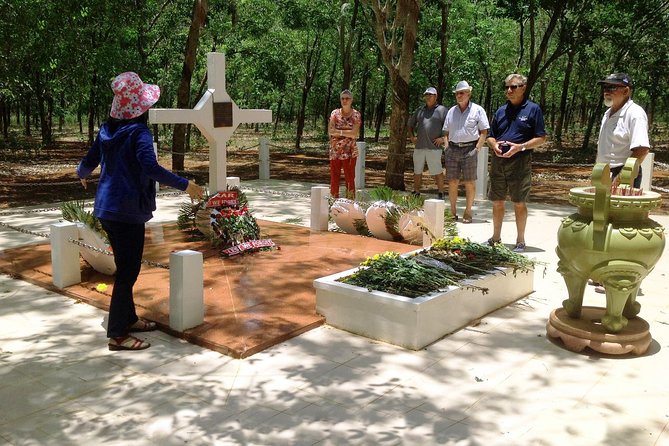
- ANZAC-centered stops: Long Tan Cross, Nui Dat (SAS Hill), and Long Phuoc Tunnels
- Private car/van with pickup and drop-off: your day runs on your group’s pace
- Guide support that can include first-hand connections: Australian/New Zealand war expertise and local insight
- Respectful memorial moments: flowers can be part of the day if you want to lay them at the Cross
- NGO visit included: an orphanage stop in Ba Ria or Thi Nghe
- Built-in value: lunch, bottled water, travel permit time, and entrance fees are covered
A Long Tan–Nui Dat day trip that feels personal
There’s a certain kind of tour that “checks the boxes” and moves on. This isn’t that. You’re here for places tied to real loss—Long Tan and Nui Dat especially—and the private format matters.
On this kind of battlefield itinerary, the difference between a good guide and a great guide is how they guide your attention. I like that this one aims to connect the dots: what soldiers faced, why the terrain mattered, and how the aftermath is remembered. It’s not just “here’s a sign.” It’s guided interpretation, with time to stand in the right spots and understand why they matter.
Also, if you care about the wider ANZAC role in the Vietnam War—Australia and New Zealand—this itinerary is built around that angle. Guides such as Huong and Mr Chin (Dingo) have been praised for bringing strong Vietnam War context, plus an easy, human way of explaining what you’re seeing. If you’re traveling with military history interest, that’s exactly what you want.
The big practical point: this is a long day. If you dislike early starts and hours in a car, plan your evening afterward with recovery in mind.
You can also read our reviews of more city tours in Ho Chi Minh City


Starting from Ho Chi Minh City: the 8:00 AM run to Vung Tau
The day starts early—pickup around 8:00 am—and you head out from Ho Chi Minh City toward the battlefield region near Vung Tau. Expect steady driving time. This is normal for a day trip that reaches Long Tan and Nui Dat, which sit outside the city.
You’ll be in a private vehicle, not a seat-number lottery. That usually means fewer headaches: you can use bathroom stops when needed, and you can ask questions without waiting for a microphone moment. Since it’s private, your guide can also slow down when something needs more explanation, or speed up if your group wants less standing time.
If you’re sensitive to heat, bring what you normally use to stay comfortable (hat, sunscreen, light layers). You’ll be outside around memorials and battlefield viewpoints, and Vietnam sun doesn’t care about good intentions.
Ba Ria travel permit stop: a small step that keeps the day smooth
One detail that’s easy to overlook until you’re on the road: there’s a stop around Ba Ria for a travel permit pickup. It’s short, but it’s important because it prevents the kind of delays that can wreck a tight itinerary.
This is also the kind of “boring but useful” part that makes the whole day feel organized. You’re not just sightseeing—you’re also doing the practical admin needed to get in the right places. If you’re the type who likes your travel day to run cleanly, you’ll appreciate this.
Long Tan Cross: where the story turns into real place
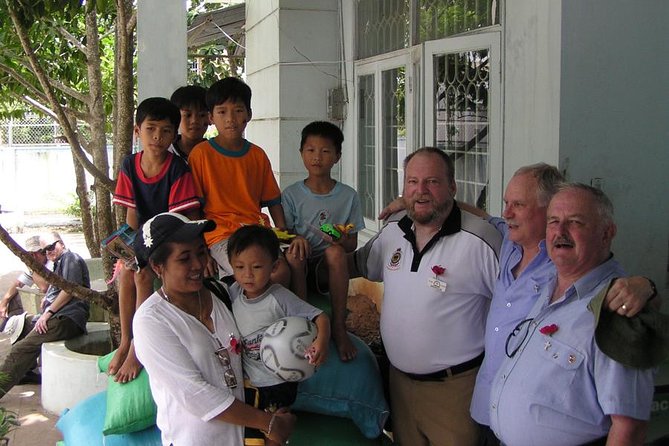
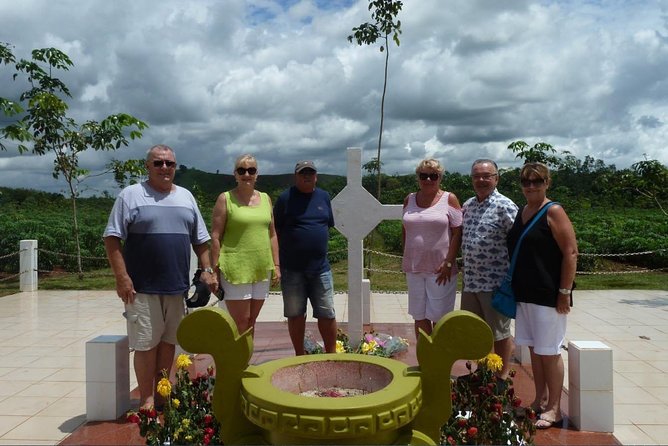
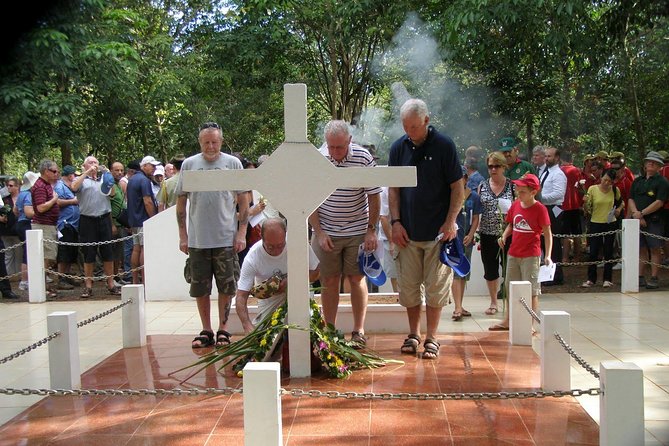
Long Tan Cross is the emotional anchor of the day. You’ll be guided to the memorial site and learn how the battle unfolded in that specific area—why this location became a lasting symbol, and how the memory of those events is handled over time.
Here’s the thing that surprised me when I learned about this stop from experience: memorial details can change. One person noted that a plaque at Long Tan Cross had been removed, which shows you shouldn’t rely on photos from years ago. When you arrive, look for what’s currently there, not what you hoped would be.
If you want to do something more personal, ask your guide. One group was able to have the tour company purchase flowers so they could lay them properly at the Cross. That’s the kind of thoughtful, practical support that turns a visit into a moment of respect rather than a quick stop.
One more tip: if you have specific names or stories you’re curious about—maybe a particular person connected to Long Tan—write them down before you go. A private guide can often answer questions in context, and your curiosity can shape what you notice.
Nui Dat (SAS Hill): learning to read the battlefield
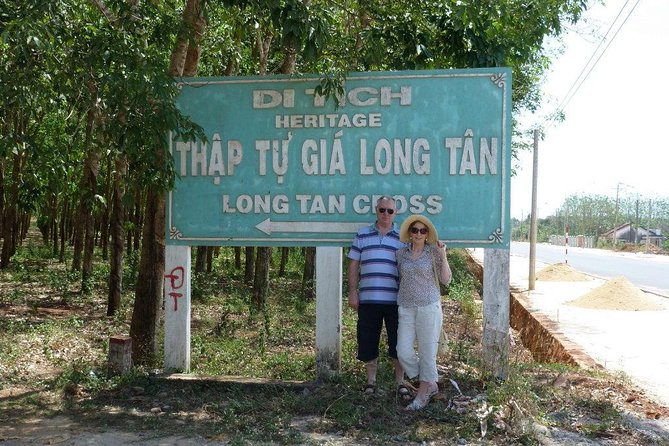
Nui Dat (often linked with the SAS Hill reference) is where the terrain stops being abstract. Even if you know the basics of the Vietnam War already, you’ll see how geography affects everything: lines of movement, what positions offer visibility, and why particular ground became so contested.
A good guide here doesn’t just describe the battle. They help you “read” the landscape. That matters because battlefield interpretation is easier when you understand the logic behind soldier decisions.
In at least one experience, the guide Mr Chin (Dingo) was praised for conducting services at each stop. Whether that’s included for your group or not, the takeaway is clear: this isn’t treated like a casual sightseeing route. The visit aims for respectful engagement at each site.
If you’re the type who likes details, come ready with questions like:
- Why was this area important?
- How did terrain shape the engagement?
- What do you want me to notice from this viewpoint?
When you ask smart questions, a battlefield tour becomes far more than photos. It becomes understanding.
You can also read our reviews of more private tours in Ho Chi Minh City





Long Phuoc Tunnels: the war made practical
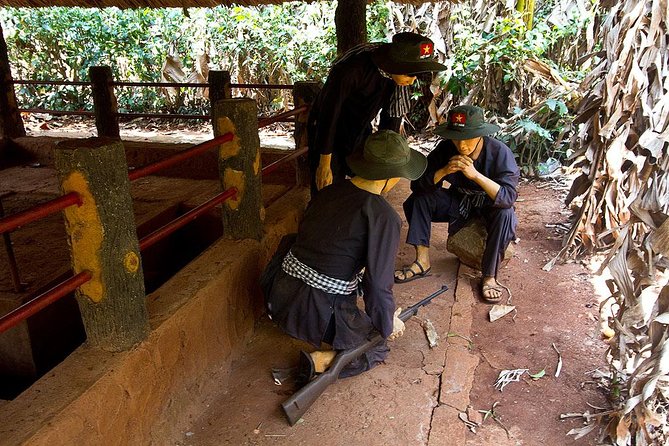
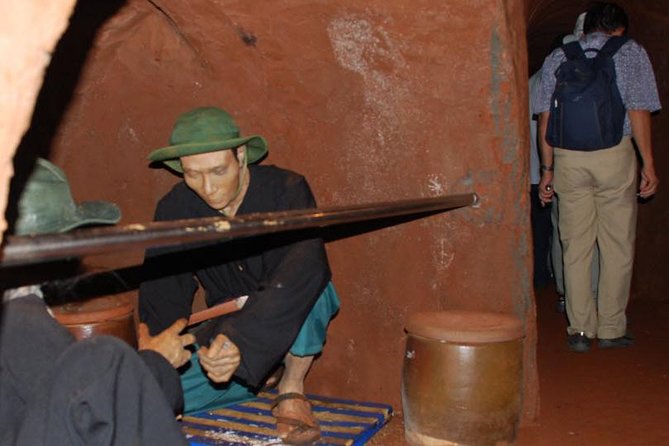
The Long Phuoc Tunnels add a different layer. At Long Tan and Nui Dat, you’re mostly absorbing open-ground battle meaning. At the tunnels, the story gets hands-on—how people lived, hid, moved, and survived.
Even if you’re not a military-history diehard, tunnels can help you grasp how conflict changes daily life. It’s not only about combat. It’s about infrastructure, protection, and the constant pressure of being found or not found.
This stop also helps break up the emotional intensity of memorial sites. You’ll still be thinking about the war, but in a more grounded, physical way—what it looked like underground, how space was used, and what it implies about resilience and adaptation.
Wear shoes you trust. You may be walking on uneven or simple surfaces around historical areas, and you don’t want sore feet to cut your attention short.
An NGO orphanage stop in Ba Ria or Thi Nghe
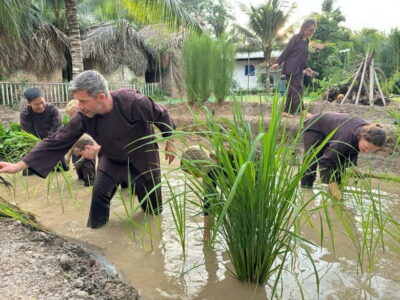
A big reason this tour stands out is that it doesn’t end with the past. You’ll have time to visit an orphanage supported by local NGOs, with an option between Ba Ria or Thi Nghe.
For me, this kind of stop matters because it ties the visit to current-day human reality. The Vietnam War era is heavy. A brief connection with local charities helps you keep your perspective. It also gives your day a “today” thread instead of leaving you stuck only in 1960s imagery.
Practical note: since you’re visiting an NGO-supported location, keep your expectations respectful and low-key. This isn’t a theme park experience. It’s more about quiet awareness and support.
If you’re considering bringing donations, ask your guide first. The tour data doesn’t specify what you can or can’t bring, and you’ll get better guidance from the people running the day.
Lunch in Vung Tau: fueling a long but meaningful day

You’ll have lunch in Vung Tau, and it’s included. In a day like this, that’s a real quality-of-life feature. No one wants to hunt for food after hours of memorial walking and battlefield viewpoints.
One review mentioned enjoying pork pho for lunch, which gives you a hint of what kind of meal you might encounter, but menu details can vary. The practical guarantee is simpler: lunch is included, and you’ll receive bottled water.
Eat normally and don’t overdo it. You’ll still have time for additional stops afterward, and you’ll want your energy steady rather than sleepy.
Price and value: what $170 gets you in real terms
At $170 per person for a private day, the question isn’t just cost. It’s what you’re buying: a private car/van, a guide focused on this specific battlefield route, entrance coverage, lunch, bottled water, and travel permit support.
Compared with joining a larger group, you’re paying for:
- fewer distractions,
- more direct access to explanations,
- and the ability to pace the stops.
If you’re traveling as two (or a small group) and you care about Vietnam War sites, it can start to feel like the sensible option. If you’re traveling solo, it’s still potentially worth it if you want the guide attention—battlefields reward detail, and private time makes that detail easier to absorb.
Also consider this: a day like this requires coordination. When pickup, lunch, and entrance fees are handled, your day stays on rails. That matters when you’re spending a full day away from the city.
Who this tour suits best (and who should think twice)
This is a strong fit if:
- you’re interested in ANZAC involvement in the Vietnam War,
- you want a guided, respectful interpretation rather than a quick drive-by,
- you like private format and hate feeling rushed.
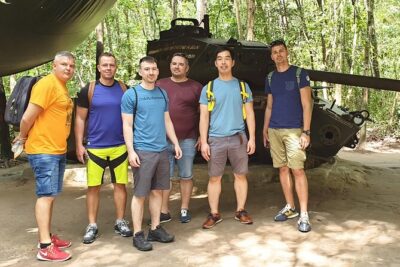
It’s also ideal if you’re traveling with a parent or a friend who shares military history interests. One experience described booking together because both were military members, and the guide support made the day hit harder—in a good way.
You might think twice if:
- you dislike long days and early starts,
- you prefer flexible, on-your-own travel rather than a structured route,
- you’re emotionally sensitive to memorial contexts and want a gentler day.
Should you book this private Long Tan and Nui Dat tour?
I’d book it if you want a single, efficient day that covers the core battlefield sites tied to Long Tan and Nui Dat, plus an orphanage stop that keeps the day connected to present life. The private guide attention is the difference-maker here, especially if you ask questions and want context that connects events to specific ground.
I’d also book it if you value practical inclusions: pickup and drop-off, lunch, bottled water, travel permit time, and entrance fees. When the “logistics” are handled, you can focus on the meaning.
Skip or rethink it only if the idea of an 8-hour outing—mostly on the road to reach the sites—doesn’t match how you want to travel in Vietnam.
If you’re deciding between options, ask yourself one question: Do I want to understand what I’m seeing? If the answer is yes, this tour is built for you.
FAQ
How long is the Long Tan and Nui Dat battlefield tour?
It runs for about 8 hours.
What time does the tour start?
Pickup and departure are at around 8:00 am.
Is hotel pickup and drop-off included?
Yes. The tour includes hotel pickup and drop-off.
What sites does the tour cover?
You’ll visit Long Tan Cross, Nui Dat (SAS Hill), and Long Phuoc Tunnels.
Is lunch included?
Yes. Lunch is included, and you also receive bottled water.
Do you stop at an orphanage?
Yes. The tour includes a visit to a local NGO orphanage in Ba Ria or Thi Nghe.
Is this a private tour?
Yes. It’s a private tour/activity, and only your group participates.
Are drinks included?
No. Drinks are not included.
What is the cancellation policy?
Free cancellation is available up to 24 hours in advance for a full refund. If you cancel less than 24 hours before the start time, the amount paid is not refunded.