REVIEW · HO CHI MINH CITY
Ho Chi Minh City Cyclo Tour with English Speaking Guide
Book on GetYourGuide →Operated by Maika Tours · Bookable on GetYourGuide
A cyclo turns Ho Chi Minh City into a slow, human-scale story. I love how this tour mixes classic French colonial sights with real neighborhood passing by, and I also like that the cyclo ride keeps you moving without the hassle of driving or constantly changing tickets. One drawback to plan for: you won’t enter some major landmarks, so you’re there for views and photos more than inside access.
If you want a single afternoon that makes the city’s layout click, this route is a good match. The biggest watch-out is the pace-by-transport: it’s not a sit-down museum day, so you’ll be on the road enough that heat, sun, and traffic noise matter. Still, if you show up prepared, you’ll come away with strong context and a smoother first impression.
In This Review
- Key things that make this cyclo tour worth your time
- Why a cyclo tour works so well in Ho Chi Minh City
- Pickup and timing: what 4.5 hours really covers
- Reunification Palace area to Notre Dame and the Post Office
- CIA Building stop, Hotel Continental, and The Quiet American film scenes
- Nguyen Hue Street ride, Saigon River views, and Bitexco
- Old Market, Indian temples, Ben Thanh, and Tao Dan Park
- Thich Quang Duc Memorial and the War Remnants Museum
- Price and what you get for $60
- Who this private cyclo tour suits best
- Tips for dressing and staying comfortable on a cyclo day
- Should you book this cyclo tour?
- FAQ
- How long is the Ho Chi Minh City cyclo tour?
- What time does the tour start?
- Where does pickup happen?
- Is lunch included?
- Do you enter the Reunification Palace?
- Is the tour private?
Key things that make this cyclo tour worth your time
- English guide focus: explanations that connect the buildings to the Vietnam War story and postwar memory
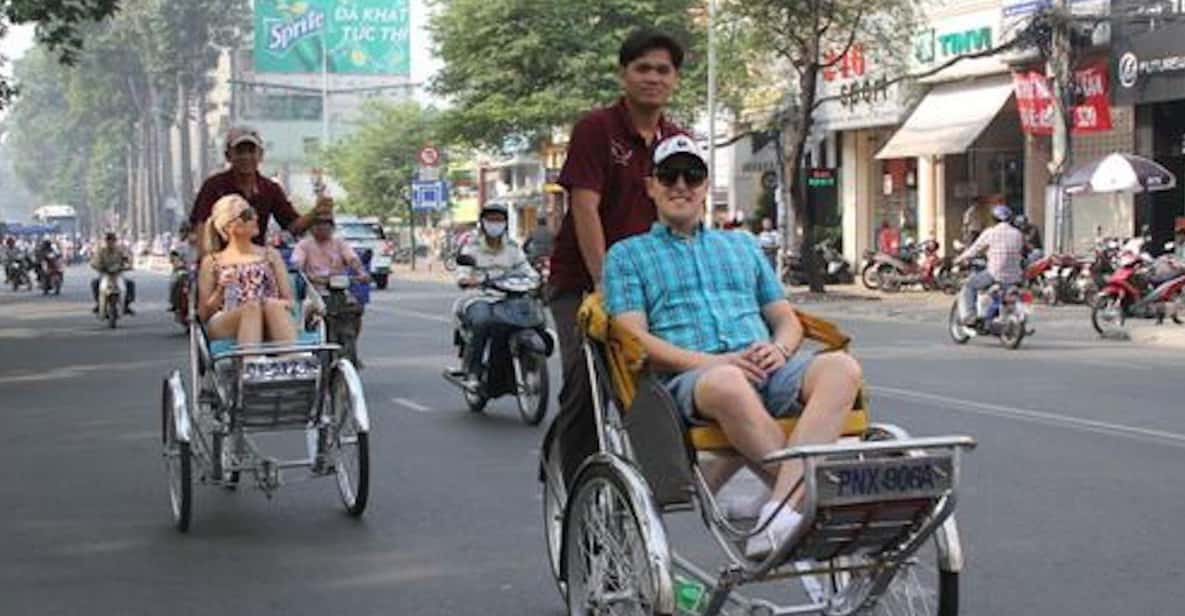
- Cyclo as transportation: you get landmark-to-landmark movement with a local-feeling ride
- French colonial cluster: Reunification Palace area plus Notre Dame Cathedral and the Post Office for architecture lovers
- Photo-friendly stops: you’ll get picture time even when you don’t go inside
- Two serious anchors: Thich Quang Duc Memorial and the War Remnants Museum in one outing
- Comfort included: banh mi and two bottles of water help you stay steady through the route
Why a cyclo tour works so well in Ho Chi Minh City
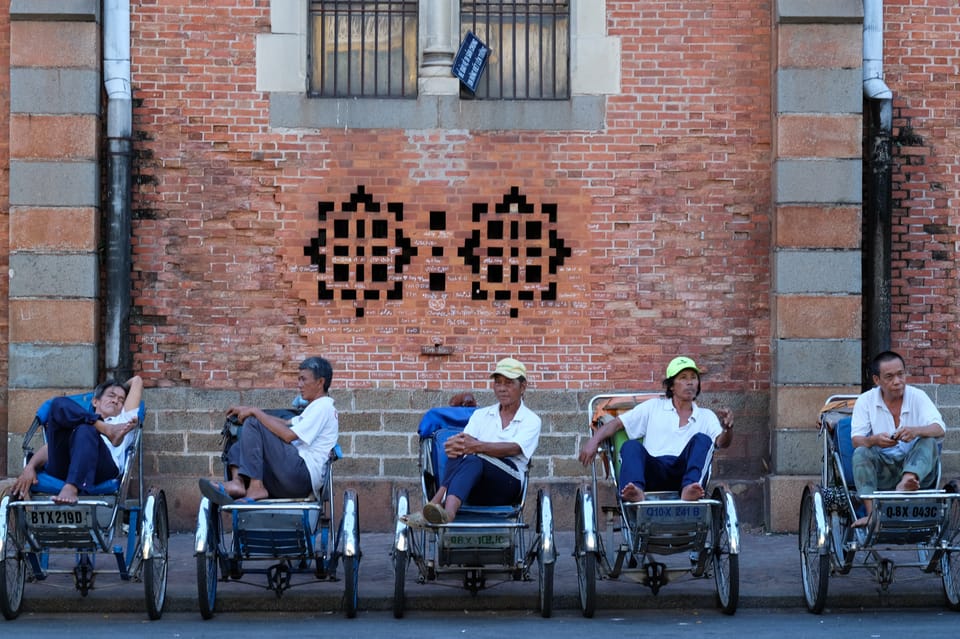
Ho Chi Minh City can feel like a lot at once: fast streets, sudden turns, and big landmarks spaced out across busy areas. A cyclo tour helps because it slows your perspective down. You’re not just “seeing famous buildings” from a distance—you’re traveling through the city’s rhythm while still hitting the major stops.
I also like that this tour keeps the experience practical. You’re not switching between too many modes of transport. You’re guided to places with built-in context, then you ride from one to the next, which makes it easier to remember the order of what you saw. It’s a great way to get your bearings fast—especially if it’s your first day in Vietnam’s largest southern city.
You can also read our reviews of more guided tours in Ho Chi Minh City


Pickup and timing: what 4.5 hours really covers
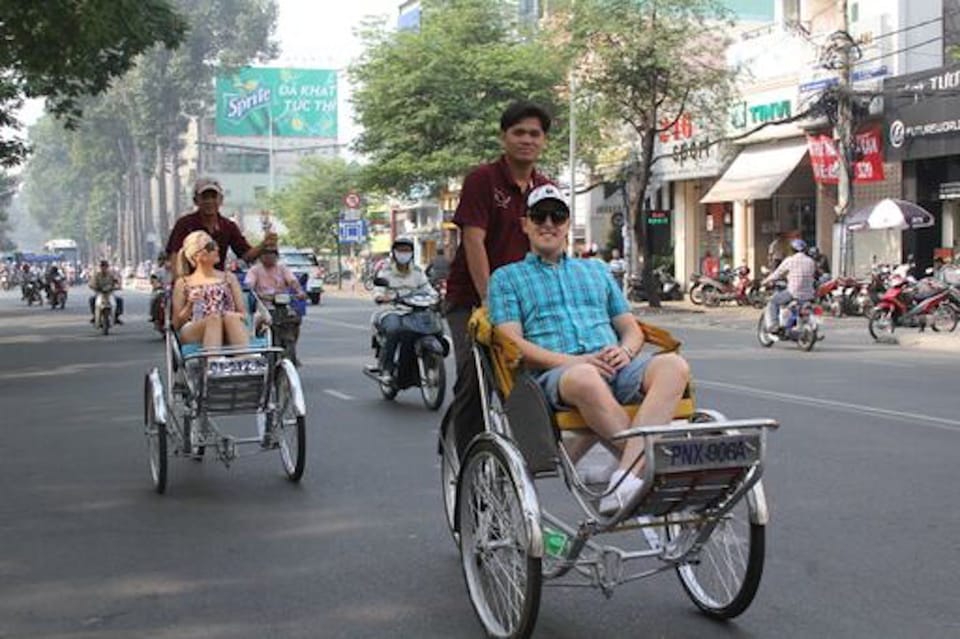
This runs for about 4.5 hours, with a morning start at 8:00 AM and an afternoon start at 1:30 PM. Pickup is included from very centrally located hotels and AirBnB in District 1. If you’re outside District 1, you’ll need to contact the operator in advance to discuss options.
What you should expect during that time: a lot of movement, plus short moments at each stop. This is not a tour where you linger for hours inside one museum. Instead, it’s a sweep that pairs quick sightseeing with explanation. If you love structure—like a guided path with consistent narration—this format is exactly the point.
One more detail that affects the feel: it’s a private group. That usually means the guide can pace you better than a crowded bus would, and you can ask questions without the constant interruption.
Reunification Palace area to Notre Dame and the Post Office
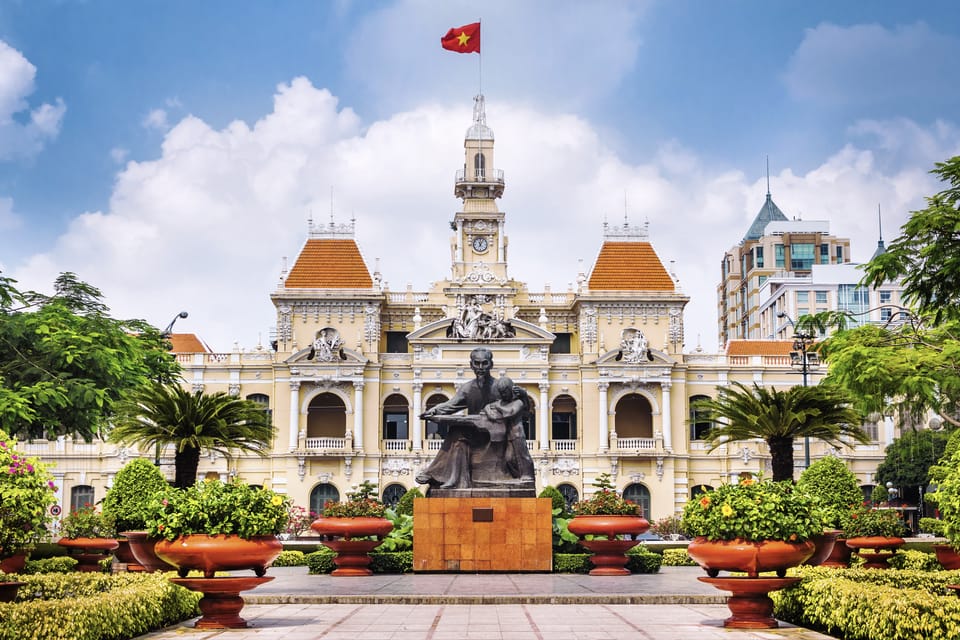
The tour starts with hotel pickup, then you meet your driver and hop on the cyclo. Early on, you’ll head to the Reunification Palace area. You won’t enter the palace on this tour, but you will get what you actually need for a first visit: a strong orientation, a sense of why the building matters, and time to take pictures.
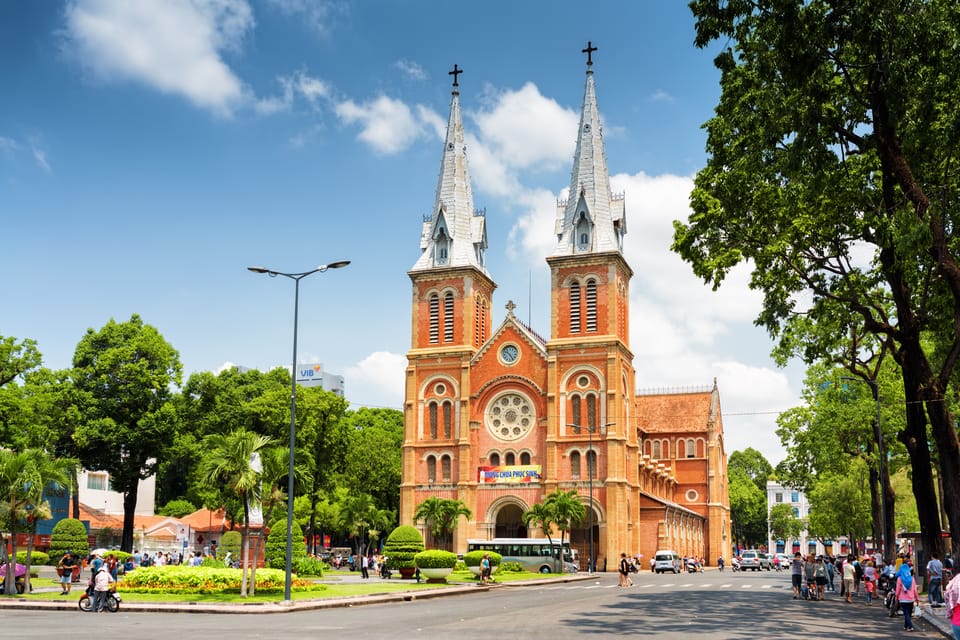
After that, the route goes to the Notre Dame Cathedral and the Post Office. What I like here is the mix: these are iconic French colonial-style structures, and you’ll admire the interior—so it’s not just a street-side glance. In a city that’s often viewed through its war history, this stop reminds you that colonial-era architecture still shapes daily sightlines.
If you care about architecture, keep your eyes open for how the buildings’ design language repeats: symmetry, arches, and formal facades. Even if you can’t name every feature, you’ll start to recognize the style quickly.
CIA Building stop, Hotel Continental, and The Quiet American film scenes
Next comes a set of history-heavy stops tied to the final stages of the U.S involvement. You’ll pass the historic CIA Building, where your guide explains the moment when the last U.S helicopter flew out of Ho Chi Minh City in 1975, connected to the operation called Frequent Wind.
This part works best if you don’t treat it like trivia. Instead, think of it as a way to understand how the city’s political story changed in a matter of days. Buildings like these are more than backdrops—they’re markers of decisions that shaped what came next.
Then you ride to the Hotel Continental complex, tied to Graham Greene and other writers who stayed in Vietnam. You’ll also see the roadside cafe at the hotel and learn how the area connects to cultural memory. The tour adds a pop-culture layer too: you’ll visit sights associated with filming from The Quiet American near the Opera House area.
This section is a good reminder that Ho Chi Minh City isn’t only history textbooks. It’s also where foreign observers wrote, filmed, and tried to explain the conflict—and those interpretations still influence how people see the city today.
Nguyen Hue Street ride, Saigon River views, and Bitexco
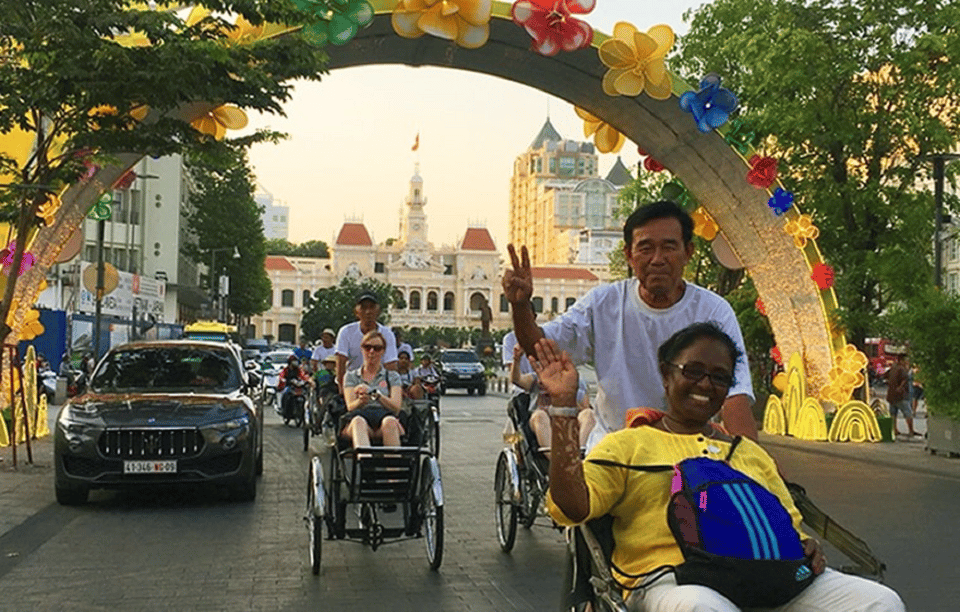
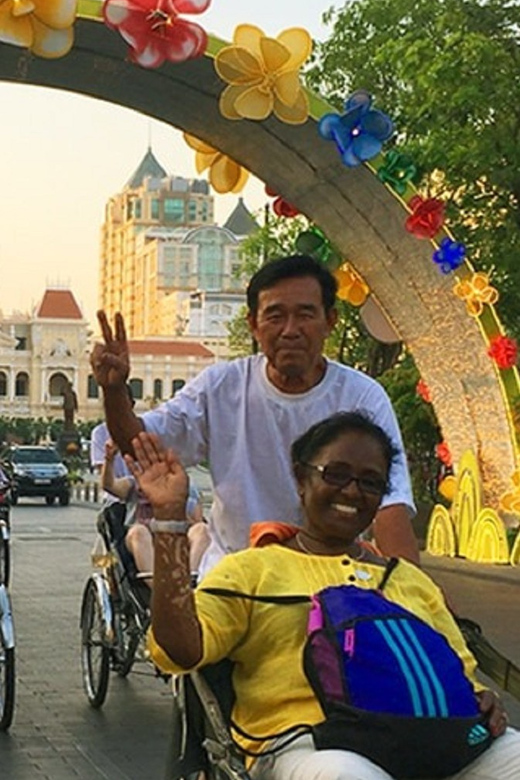
After the colonial and literary stops, you get a proper ride segment: a 30-minute cyclo stretch along Nguyen Hue Street, one of the city’s most beautiful streets. This is where the cyclo format really shines. You’re not stuck walking in heat or weaving through traffic on foot. You get a moving viewpoint with the guide steering the story.
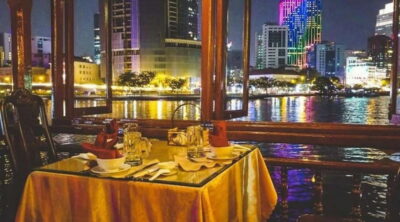
From there, the tour moves toward Saigon River views and major city landmarks, including Bitexco, described as the city’s tallest building. Even if you don’t go up into towers on this itinerary, seeing it from street level helps you understand the skyline’s hierarchy—what dominates the city’s modern identity versus what preserves older layers.
If you’re the type who likes getting photos that show context, this is your stretch. You’ll catch the “big city” feel without losing the ability to connect it to earlier stops.
You can also read our reviews of more city tours in Ho Chi Minh City




Old Market, Indian temples, Ben Thanh, and Tao Dan Park
Now you shift into the shopping-and-everyday-life side of town. You’ll pass through the Old Market, where food products and street food stalls crowd the area. This isn’t just about snacks—it’s about seeing how commerce shapes streets and how daily routines keep moving beneath historic landmarks.
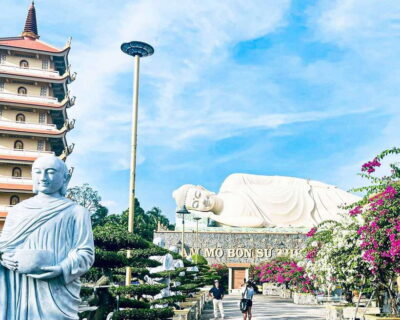
The route also includes sightings of Indian Temples, plus Ben Thanh Market and Tao Dan Park. The key value here is variety. After a day of French colonial architecture and war-related memorials, the tour needs a breath of normal life. Temples, markets, and a public park break up the intensity.
Practical note: markets can be busy and visually loud. If you’re easily overwhelmed, focus on walking slowly, looking at a few stalls, and letting your guide point out the important areas. You don’t need to try to see everything. The tour’s goal is to guide your attention so you remember the overall city picture.
Thich Quang Duc Memorial and the War Remnants Museum
This is the emotional center of the tour. You’ll cycle to the Thich Quang Duc Memorial, where the guide explains its history and significance. This stop sets a tone—quiet, reflective, and heavy with meaning—before you move to the last major visit.
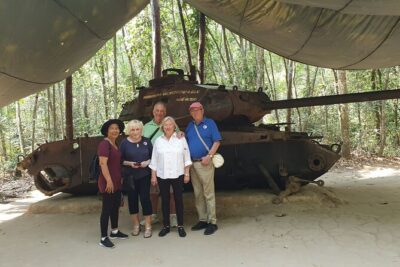
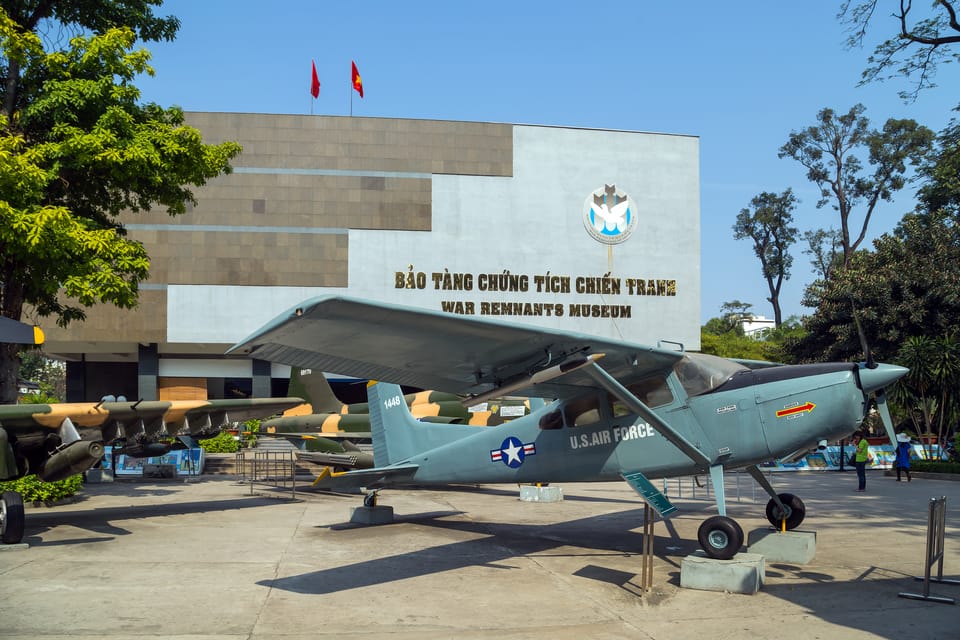
Then you head to the War Remnants Museum, where your driver-time ends and you’ll say goodbye to your driver. This museum is a must-see if you want the Vietnam War from a perspective shaped by Vietnam’s own experience. It’s also the part of the day most likely to affect your mood. Be ready for it. Don’t schedule something emotionally light right after.
One way to get more from the museum visit is to let the story build in your mind. You’ve already seen buildings connected to the last days of U.S involvement, plus memorial context. When you arrive at the museum, you’ll connect those pieces faster than if you were coming in cold.
Price and what you get for $60
At $60 per person, this tour is priced like a full guided city experience with transport and admissions handled. What makes it feel fair is that it’s not only a walking tour with a guide.
Included items that add real value:
- Cyclo + driver (not just a guide)
- English-speaking guide
- All entrance fees and taxes
- Taxi at the end to drop you back at your accommodation
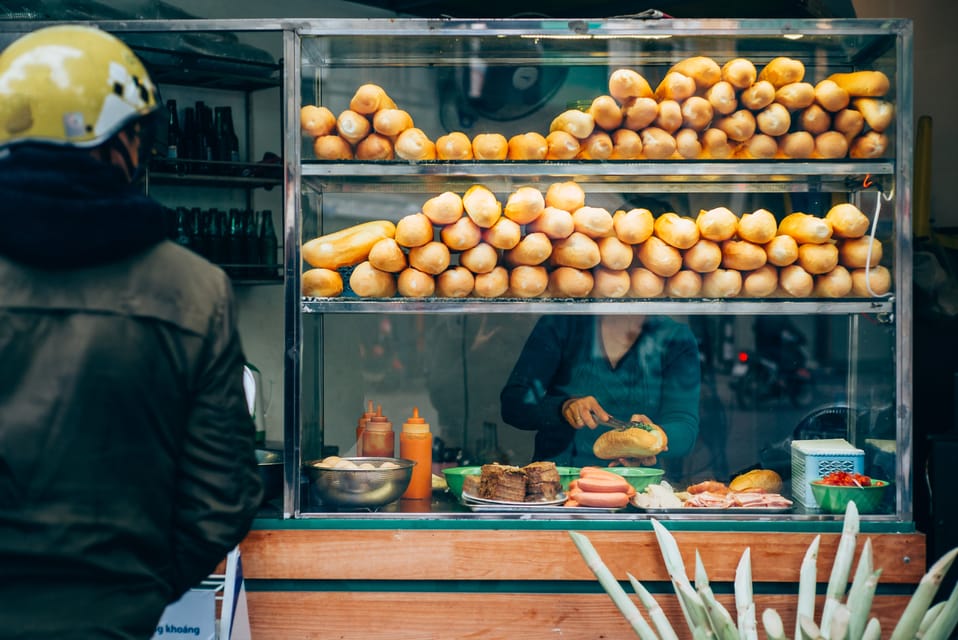
- Banh mi sandwich plus two bottles of water
That food detail matters more than it sounds. A cyclo tour can easily run long on sidewalks and traffic stops. Having a basic meal and water built into the day helps you keep energy without hunting for a shop at the worst possible moment.
So, the price question becomes simple: would you spend money anyway on a guide, admission tickets, and transport? If yes, this starts to look like an efficient way to do it with less friction.
Who this private cyclo tour suits best
I’d recommend this tour most to people who want:
- A strong first-day orientation in District 1 area
- A mix of architecture, city life, and war-era context
- An English guide who explains what you’re seeing along the way
- A guided route that still feels like street travel, not a bus circuit
It’s also a smart choice if you dislike the mental load of planning. The itinerary already strings together the city’s main anchors in a way that makes the city’s layers easier to understand.
It’s not suitable for pregnant women, based on the tour notes. If that applies to you, ask about other formats with less physical riding.
Tips for dressing and staying comfortable on a cyclo day
Do yourself a favor and come prepared. The tour asks for:
- Sunscreen and a hat
- Insect repellant
- A light jacket
- Respectful dress: knees and shoulders covered
That dress rule is especially relevant because the itinerary includes memorial and religious sites. If you arrive in tank tops and short shorts, you’ll spend your time worrying instead of enjoying.
Comfort tip: bring a small bag you can keep close. You’ll be on a cyclo, moving through busy streets, and you’ll want quick access to water and anything you need for photos.
Should you book this cyclo tour?
If you want your time in Ho Chi Minh City to feel organized but still local, I’d book it. This is one of those rare city experiences that balances major sights with real travel rhythm. The cyclo ride helps you move between neighborhoods without turning the day into logistics.
Skip it only if you want lots of long, indoor museum time or you’re looking for a purely light, entertainment-focused itinerary. This one includes the War Remnants Museum and the Thich Quang Duc Memorial, so it’s not a carefree day.
If your ideal day is: ride, learn, see architecture, then end with a meaningful museum visit—you’ll probably feel glad you chose it.
FAQ
How long is the Ho Chi Minh City cyclo tour?
It lasts about 4.5 hours.
What time does the tour start?
The morning tour starts at 8:00 AM, and the afternoon tour starts at 1:30 PM (check availability for exact starting times).
Where does pickup happen?
Pickup is included from centrally located hotels and AirBnB in District 1. If your accommodation is outside District 1, contact the operator in advance to discuss options.
Is lunch included?
You’ll be provided a banh mi sandwich, plus two bottles of water.
Do you enter the Reunification Palace?
No. On this tour, you’ll see it and take photos, but you won’t enter the landmark.
Is the tour private?
Yes, it’s listed as a private group experience.