REVIEW · HO CHI MINH CITY
Mastering Egg Coffee-Course on 4 traditional types of Viet coffee
Book on Viator →Operated by The Provincial Table Cooking Class · Bookable on Viator
Four types of Vietnamese coffee, taught in one go. This short course focuses on the practical mechanics of traditional drip brewing and then turns that technique into drinks that are meant to look layered and taste balanced. I like that it is hands-on from the first minutes, not a sit-and-watch lecture, and I also like the range of flavors you make for yourself: egg coffee plus three other classic regional variations.
A possible drawback: if you are caffeine sensitive, plan your timing carefully. The class runs about 2 hours and you’ll be creating four coffee drinks, so you may feel the effects—especially if you choose an afternoon session.
In This Review
- Key things to know before you go
- A focused course that makes Vietnamese coffee feel doable
- Where to meet in Ho Chi Minh City (and what helps it feel easy)
- The coffee backstory you can actually use
- Mastering the traditional drip method (the real skill)
- The four cups you’ll learn to make and what they teach you
- Egg Coffee (Cà Phê Trứng Lòng Đỏ)
- Dark Roast Condensed Milk Coffee (Cà Phê Sữa Đá)
- Sea Salt Coffee (Cà Phê Muối Biển)
- Coconut Milk Coffee (Cà Phê Cốt Dừa)
- 2 hours, small group, and pacing that keeps you in the loop
- Q&A, evolving coffee culture, and the included gifts
- Price and value: is $25 a good deal?
- Who this workshop is perfect for (and who should think twice)
- Should you book Mastering Egg Coffee in Ho Chi Minh City?
- FAQ
- How long is the Mastering Egg Coffee course?
- What coffees will I learn to make?
- How much does it cost?
- Is the group small?
- What happens at the end of the workshop?
- What is the cancellation policy?
Key things to know before you go
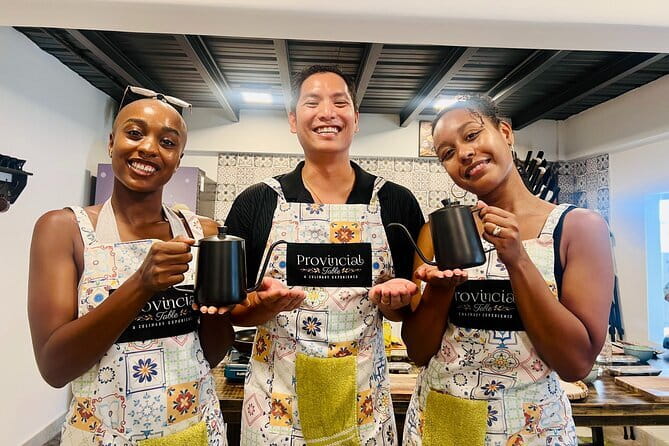
- Traditional drip method, taught step-by-step by the head barista
- Four drinks in one session: egg coffee, dark roast condensed milk, sea salt, and coconut milk
- Layering and presentation matter so your cups look as good as they taste
- All equipment included so you can focus on technique, not gear hunting
- Small group size with a max of 15 people, which keeps attention high
- A Q&A wrap-up and special gifts for everyone
A focused course that makes Vietnamese coffee feel doable
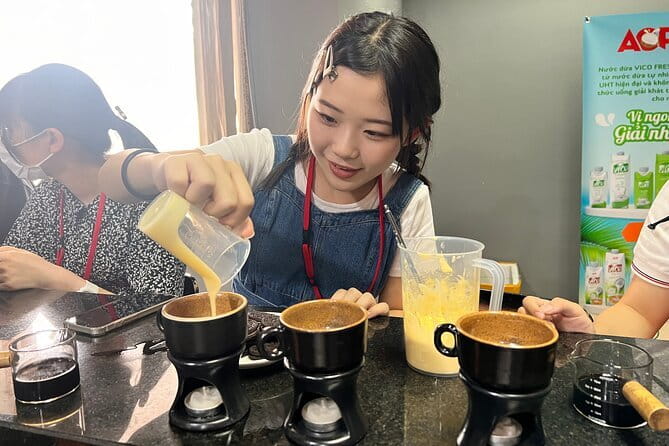
Vietnamese coffee can look intimidating at first. The metal drip setup, the distinct flavors, and the way sweetness and bitterness balance each other can feel like a black box. This class turns that mystery into repeatable steps you can remember when you’re back home.
What makes it work is the approach: you learn how to steep and brew using a traditional drip method, then you apply it directly to multiple cups. By the end, you’re not just tasting coffee—you’re understanding how temperature, texture, and flavor changes show up as you brew.
And yes, it’s fun. The host named Long/Sarah was described as funny and good at keeping the group moving, with clear pacing. That matters in a class like this because you want momentum without feeling rushed.
You can also read our reviews of more tours and experiences in Ho Chi Minh City
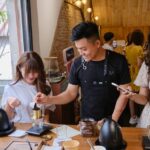
Where to meet in Ho Chi Minh City (and what helps it feel easy)
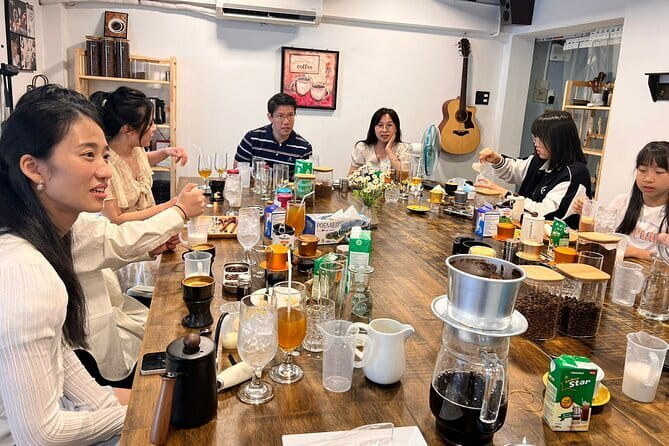
You’ll start at 131/3 Nguyễn Thị Minh Khai, Phường Phạm Ngũ Lão, Quận 1, Thành phố Hồ Chí Minh 711106, Vietnam. That’s a practical base for getting in and out of central Ho Chi Minh City.
A few logistics points that make day-of life simpler:
- It uses a mobile ticket
- It’s near public transportation
- The group is capped at 15 people
- Service animals are allowed
With a small group and a short duration, you don’t need to build an entire afternoon around it. You do need to show up ready to participate, because this is a make-your-own-coffee workshop.
The coffee backstory you can actually use
Before the first brew, you get an overview of coffee in Vietnam—how it arrived, how it became part of everyday culture, and why the flavor style is so recognizable. This matters more than it sounds.
If you understand where the taste profile comes from—especially why these coffees often land in that bitter-sweet zone—you’ll be less focused on hunting for a single right flavor. Instead, you’ll start noticing what changes when you brew differently and why certain additions work in Vietnamese styles.
It also sets expectations for what you’ll do next: steeping and brewing with attention to technique and presentation. That way the hands-on part feels intentional, not random.
Mastering the traditional drip method (the real skill)
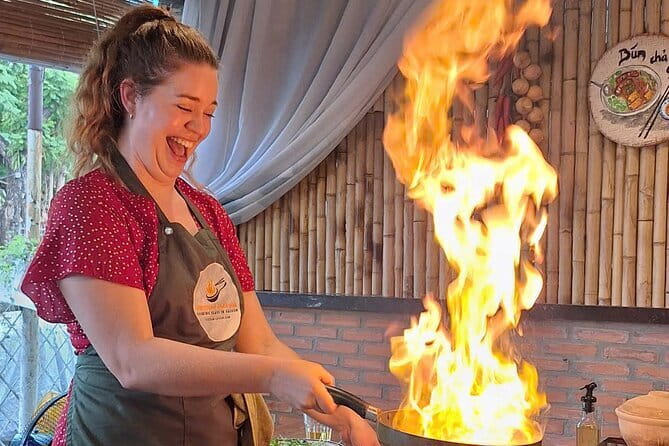
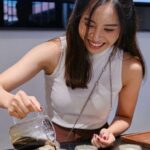
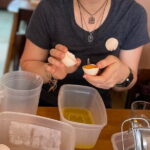
The heart of the workshop is learning the meticulous steps of steeping and brewing with a traditional drip method. Even if you’ve never used the gear before, the lesson is structured so you can follow along.
Here’s what you should pay attention to as you practice:
- Steeping and timing: how long coffee is held before it starts producing your cup
- Brewing flow: how the drip process affects strength and balance
- Presentation: how you build a layered look, not just a drink that tastes fine
The workshop’s goal is to help you create cups that are visually layered. That’s not just for photos. When a coffee looks layered, it usually signals that textures and temperatures are forming in distinct stages—so your first sip and your last sip feel like different moments.
In a short class, that kind of clear focus is gold.
The four cups you’ll learn to make and what they teach you
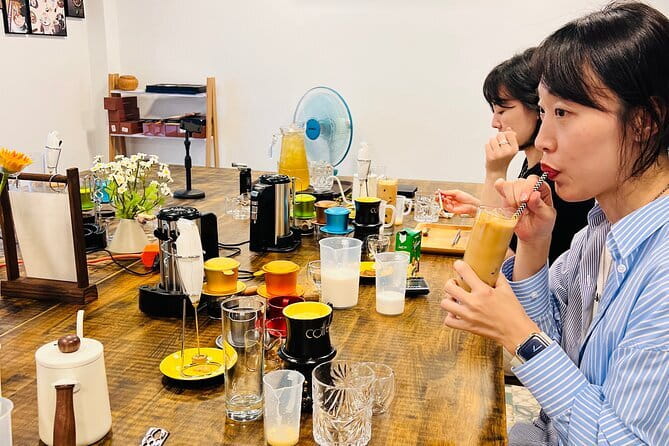
You’ll create four distinct coffees, each with a different flavor job. Think of these as four training exercises for Vietnamese coffee style.




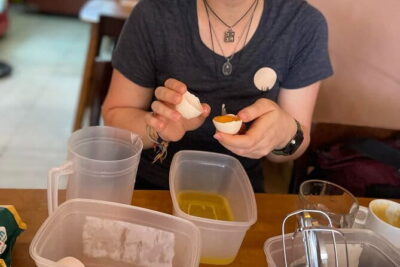
Egg Coffee (Cà Phê Trứng Lòng Đỏ)
This is the signature title drink: Cà Phê Trứng Lòng Đỏ. Egg coffee has a reputation for being smooth and rich, and the point here isn’t just to taste it—it’s to learn how the brewing approach and layering combine to produce that signature mouthfeel.
As you make it, notice how the cup feels in texture and how the flavor lands between sweet and bitter. That’s the workshop’s repeated theme: balance.
Dark Roast Condensed Milk Coffee (Cà Phê Sữa Đá)
Next up is dark roast condensed milk coffee—listed as Cà Phê Sữa Đá. Dark roast brings more depth and a firmer bitterness, while condensed milk adds sweetness and body.
This cup teaches you how sweetness doesn’t just sit on top of coffee flavor. It changes how bitterness reads, and it can make the coffee taste rounder even if the brew is still bold.
Sea Salt Coffee (Cà Phê Muối Biển)
Then you’ll work on Cà Phê Muối Biển, sea salt coffee. Salt is a strange word for a dessert-adjacent coffee, but it’s a classic move: a tiny shift in taste perception can make flavors feel more defined.
During this cup, pay attention to the interplay of textures and how the salt affects the bitterness-sweetness balance. If you like coffee that feels more complex than simply strong, this one is often the eye-opener.
Coconut Milk Coffee (Cà Phê Cốt Dừa)
Finally, Cà Phê Cốt Dừa—coconut milk coffee. Coconut brings a softer, creamy character that can change how the coffee’s roast notes come through.
This is the cup that helps you understand how different creaminess styles affect temperature and texture. You’re not just swapping ingredients; you’re learning how Vietnamese coffee can stretch to different flavor directions while still staying anchored to coffee.
2 hours, small group, and pacing that keeps you in the loop
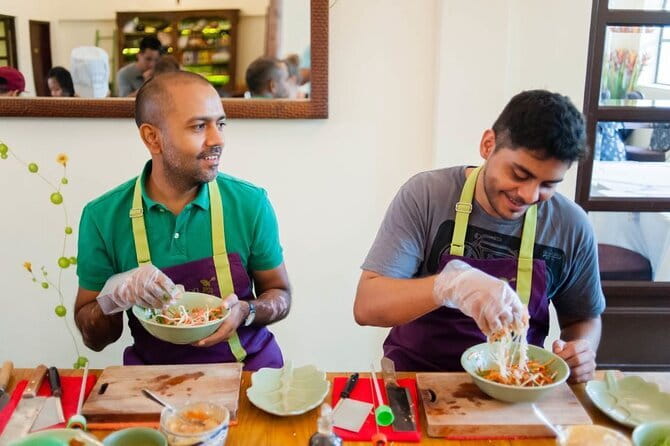
The session runs around 2 hours. With four coffees, the timing has to be tight, but it’s not chaotic.
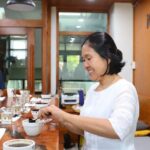
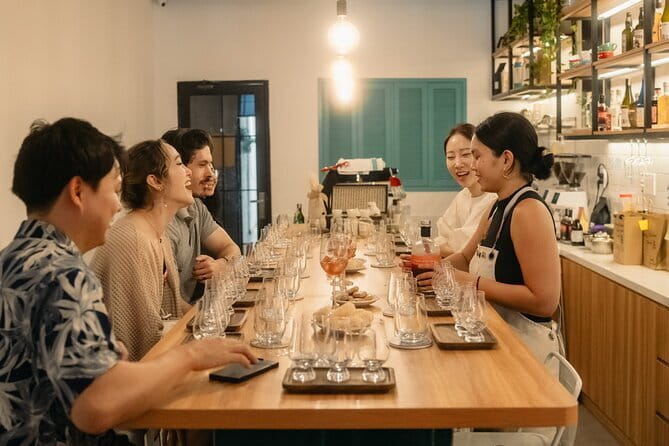
The class is described as chill and well-paced, with an engaging host who keeps things moving. In other words, you’re not stuck waiting for long stretches, and you’re not thrown into the deep end without guidance.
Group size is also on your side. With a maximum of 15 people, you’re more likely to get quick help when you’re practicing the drip method.
One practical note: plan your drink choices around your caffeine tolerance. The coffee is not subtle, and making four cups in one sitting adds up fast. If mornings are better for you, pick morning when possible.
Q&A, evolving coffee culture, and the included gifts
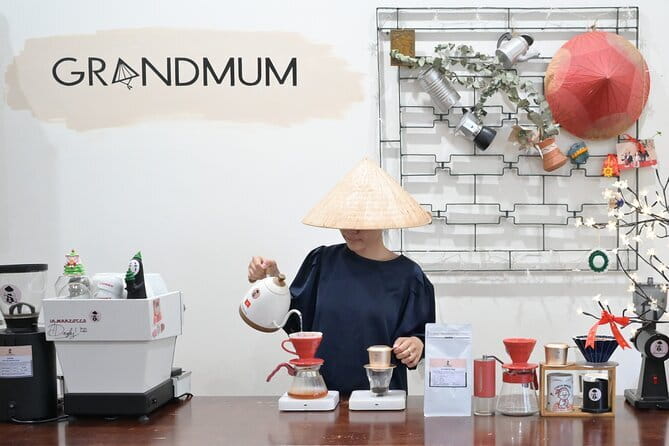
After you brew and taste, the session ends with a Q&A and a discussion on how coffee culture is changing in Vietnam. That final part is useful because you’ll leave with context for what you learned, not just the recipes.
You’ll also receive special gifts as part of the experience. Even if the gifts are small, it adds a friendly finishing touch and makes the workshop feel complete.
Price and value: is $25 a good deal?
At $25 per person for roughly 2 hours, this course is strong value for three reasons:
- You make all four drinks yourself
Most coffee experiences either focus on tasting or on explaining. Here you practice the brewing method and produce multiple coffee styles.
- All accoutrements are included
You aren’t paying extra for gear or add-ons. That keeps the real cost aligned with what you’re expecting to do: learn and brew.
- Instruction is hands-on and teacher-led
The head barista leads the steps, and the host helps keep the session engaging. With a small max group size, you’re more likely to get real feedback.
In Ho Chi Minh City, $25 can vanish fast on experiences that are mostly watching. This is different: your time is spent brewing, tasting, and refining technique.
Who this workshop is perfect for (and who should think twice)
This course is a great fit if you:
- Want a short, skill-based food or drink activity in District 1
- Like learning by doing, not just sampling
- Enjoy trying different flavor styles of Vietnamese coffee in one go
- Appreciate good explanations and a playful teacher (the Long/Sarah host dynamic seems to land well)
It might not be the best match if you:
- Are very caffeine sensitive and can’t adjust your schedule
- Prefer a longer meal experience with lots of downtime
- Don’t want to participate actively in brewing steps
Should you book Mastering Egg Coffee in Ho Chi Minh City?
I’d book it if you want real technique in a manageable time box. You get four classic Vietnamese coffee variations, learn how the drip method shapes the cup, and come away with a repeatable brewing understanding—plus a friendly wrap-up with Q&A and gifts.
Skip it only if caffeine timing is a deal-breaker for you or if you dislike hands-on workshops. Otherwise, this is the kind of activity that pays off the moment you pour your first cup back at home.
FAQ
How long is the Mastering Egg Coffee course?
It runs for about 2 hours.
What coffees will I learn to make?
You’ll make four types: Egg Coffee (Cà Phê Trứng Lòng Đỏ), Dark Roast Condensed Milk Coffee (Cà Phê Sữa Đá), Sea Salt Coffee (Cà Phê Muối Biển), and Coconut Milk Coffee (Cà Phê Cốt Dừa).
How much does it cost?
The price is $25.00 per person.
Is the group small?
Yes. The class has a maximum of 15 travelers (people).
What happens at the end of the workshop?
The session includes a Q&A and a discussion about the evolving coffee culture in Vietnam, and special gifts are given to all participants.
What is the cancellation policy?
You can cancel for a full refund up to 24 hours before the experience starts. If you cancel less than 24 hours before the start time, the amount you paid is not refunded.