REVIEW · HO CHI MINH CITY
Ho Chi Minh City: Ghost, Belief & Culture Tour on Motorbike
Book on GetYourGuide →Operated by CONNECT CULTURE CO.,LTD · Bookable on GetYourGuide
Spooky stories, but with real local context. I like the motorbike ride for the fast, up-close way it shows real street life, and I like the belief-centered storytelling that explains why people fear spirits and still carry on daily rituals. One consideration: you’ll do a short walk through funeral ceremonies, and the whole experience can feel intense if you’re not into solemn, religion-and-ghost related stops.
The bonus is that it’s not just scary-for-scary’s-sake. The tour tries to connect ghosts to faith—Buddhism, everyday worship, and the idea of the circle of life—so the stories make cultural sense instead of floating in the dark.
In This Review
- Key Things I’d Focus On Before You Go
- Motorbike Speed Meets Ghost Stories
- Starting at a Pagoda: Where Belief Gets Explained
- The Funeral House Stop: Customs First, Then the Haunting
- Chinatown After Dark Energy, With a Feng Shui Twist
- Thich Quang Đức Monument: When Belief Meets History
- Banh Mì and Local Drinks: Food That Grounds the Night
- Price and Logistics: Why This Tour Can Be Such a Bargain
- Optional upgrades (if you want more comfort)
- Who This Tour Fits Best (and Who Should Skip)
- What the Best Guides Do Here
- Should You Book the Ghost, Belief & Culture Motorbike Tour?
- FAQ
- How much does the Ho Chi Minh City Ghost, Belief & Culture Tour cost?
- How long is the tour?
- Where does pickup happen?
- What sites do you visit?
- Do you ride a motorbike, and what gear is provided?
- What food and drinks are included?
- Is the tour guided in English?
- Is there a private or small-group option?
- Who is this tour not suitable for?
Key Things I’d Focus On Before You Go
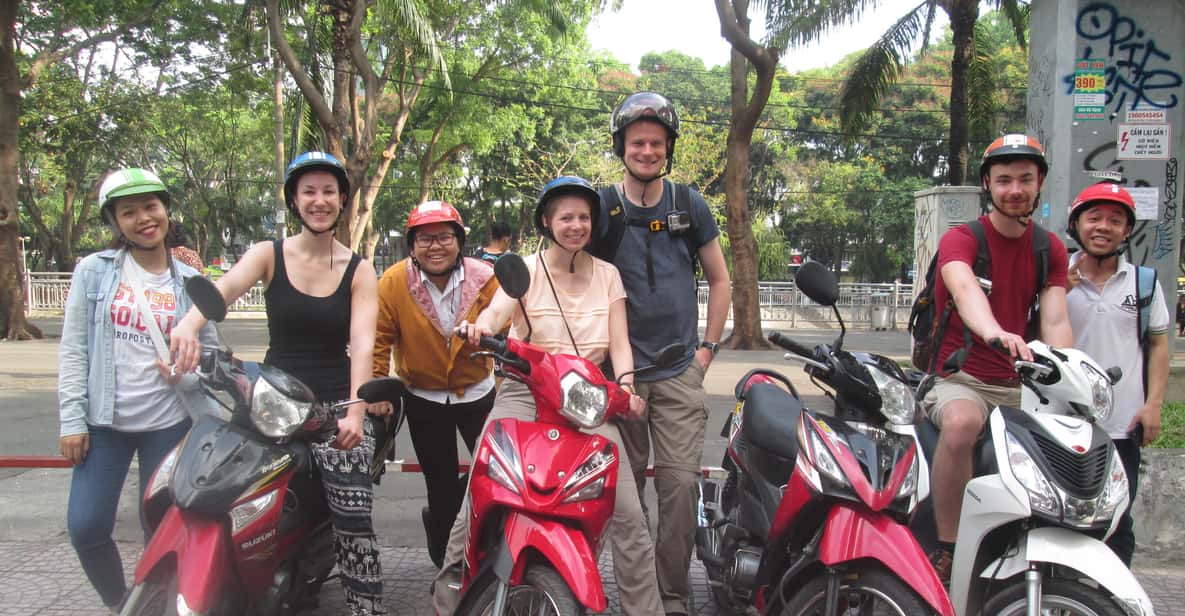
- Motorbike views on a short city loop that feels like local transport, not a sightseeing bus
- A pagoda start that gives you the belief basics before the ghost stories begin
- Funeral House walk-in where customs come first, then the haunting tales
- Chinatown’s abandoned Ghost Building tied to feng shui beliefs
- Thich Quang Đức monument stop connected to a major 1963 protest
- Strong English storytelling, with guide names like Vincent, Danny, and Wibu showing up in praised experiences
Motorbike Speed Meets Ghost Stories
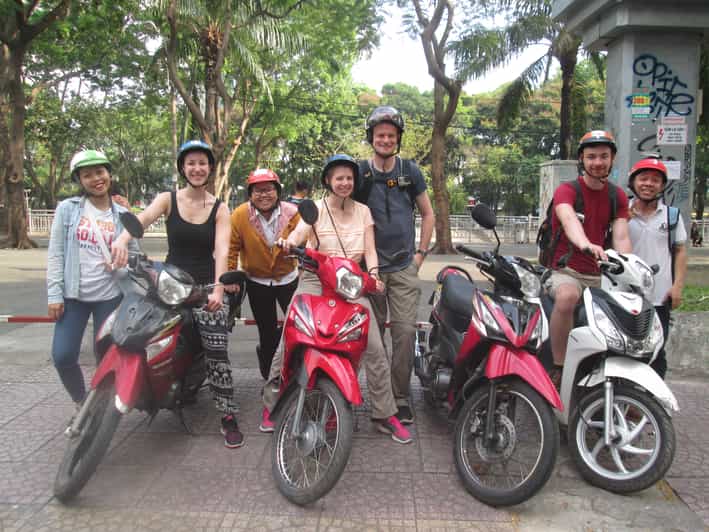
This tour works because it pairs two things that fit together in Ho Chi Minh City: traffic you experience with your body, and stories you experience with your ears. Riding on the back of a motorbike is part thrill, part practical transport. You feel the city move, and you see corners and alleys you’d usually miss from behind a windshield.
The helmet and poncho matter here. If rain shows up, you’ll be glad the tour plans for it. And if you’re sensitive to motion, the short duration helps—you’re not committing to a long ride that drags on.
Your English-speaking driver/guide leads the ride and the talk. In past experiences shared by other riders, people consistently highlight the guides’ ability to explain clearly and keep the tone fun without turning the stops into a joke.
You can also read our reviews of more city tours in Ho Chi Minh City


Starting at a Pagoda: Where Belief Gets Explained
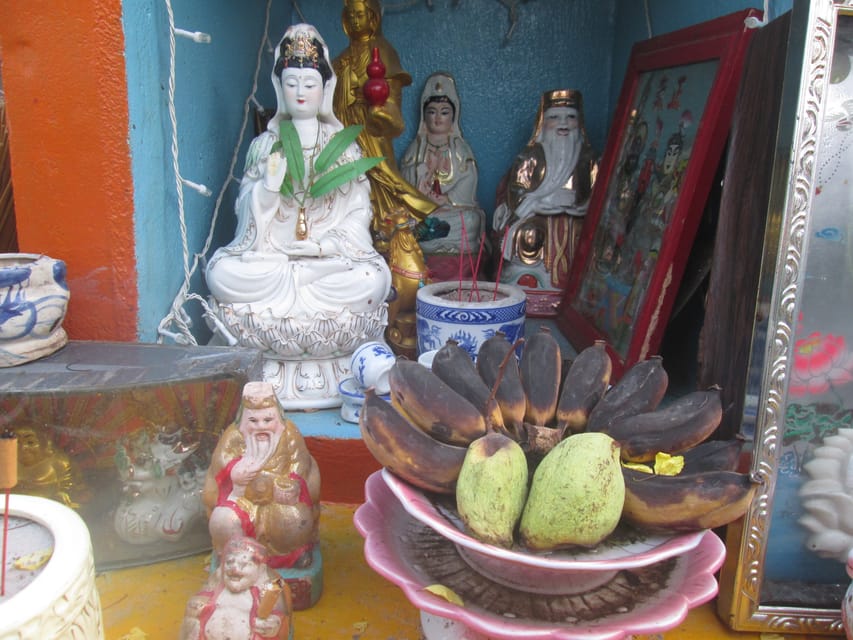
The first stop is a pagoda, and that’s not a random warm-up. It sets the framework for the whole night: Buddhism in local life, the gods people worship, and the circle of life idea that shows up in ghost beliefs too.
If you’ve ever wondered why someone treats a “ghost story” like real-world knowledge, this is the answer. Here, belief isn’t just entertainment. It’s a map for understanding suffering, ritual, and what happens after death in a society where religion is woven into daily habits.
You’ll also hear how people interpret different kinds of worship. That’s useful because later you’ll see places associated with death, fear, and spiritual power—and the guide’s explanations help you read those sites in a grounded way instead of treating them like movie sets.
The Funeral House Stop: Customs First, Then the Haunting
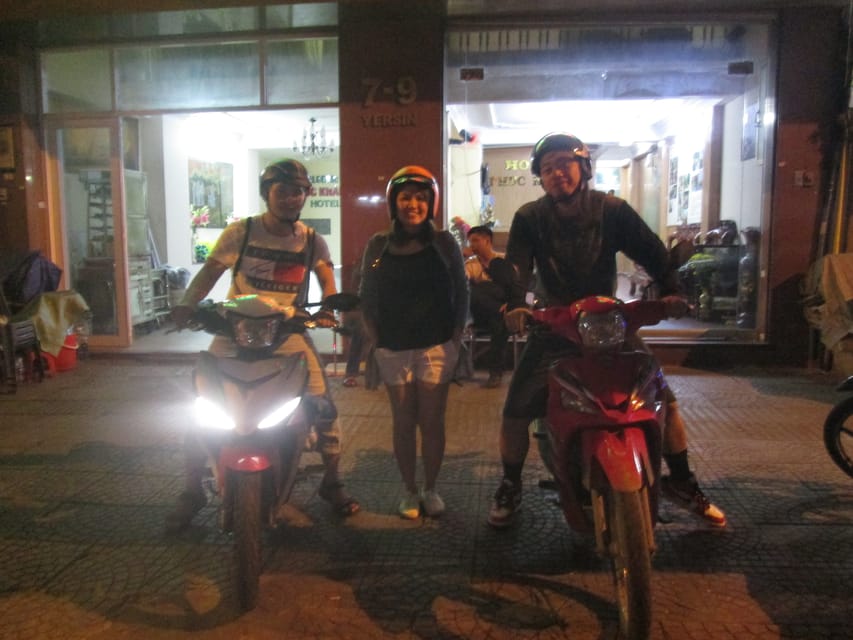
Next comes the Funeral House, and you should mentally prepare for this part. You’ll take a walk inside to witness funeral ceremonies, and the guide shares customs of a funeral along with ghost stories or personal experiences connected to that setting.
This is the tour’s most serious segment, and it’s exactly why it works. When you understand the ceremony basics—what people do and why—you’re better able to follow the ghost stories without feeling like you’re watching shock entertainment.
Practical tip: bring a calm mindset. Even if you’re the kind of person who loves spooky tales, this stop is about real ritual. If you’re easily disturbed, you’ll want to consider whether this is the right match for your comfort level before you book.
Chinatown After Dark Energy, With a Feng Shui Twist
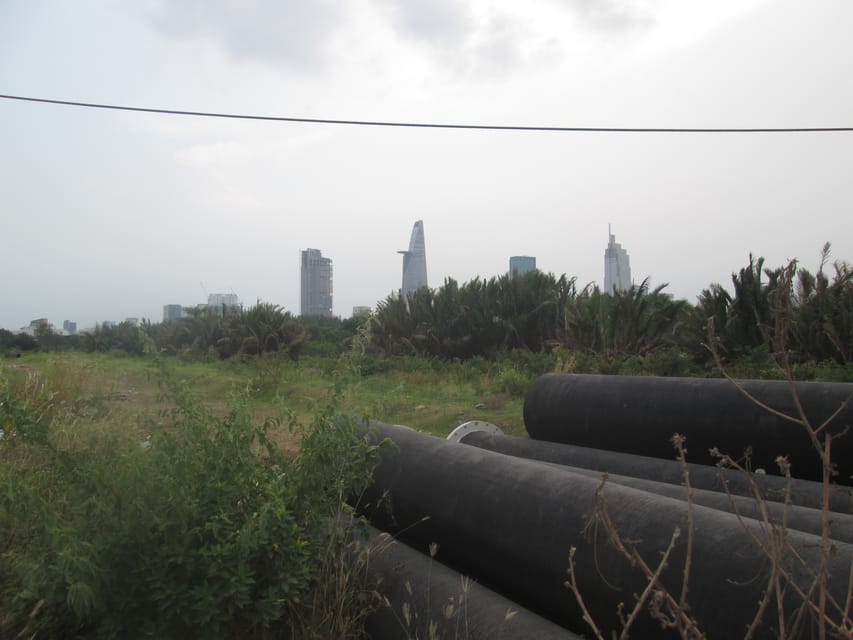
Then you head toward the biggest Chinatown area and stop at the Ghost Building—an abandoned structure tied to feng shui beliefs. This is one of the stops where the guide’s storytelling style really matters, because you’re looking at a building that could be just another derelict site if you didn’t have the cultural lens.
Feng shui isn’t just aesthetic here. It’s used as a way to explain how space affects life and misfortune. So when you hear why locals associate the building with haunting, it’s not random fear—it’s a belief system trying to make sense of the unknown.
What I like about this approach is that you get the “why” behind the fear. You’re not only learning a spooky legend. You’re learning how people explain misfortune, imbalance, and spiritual pressure in their everyday worldview.
Thich Quang Đức Monument: When Belief Meets History
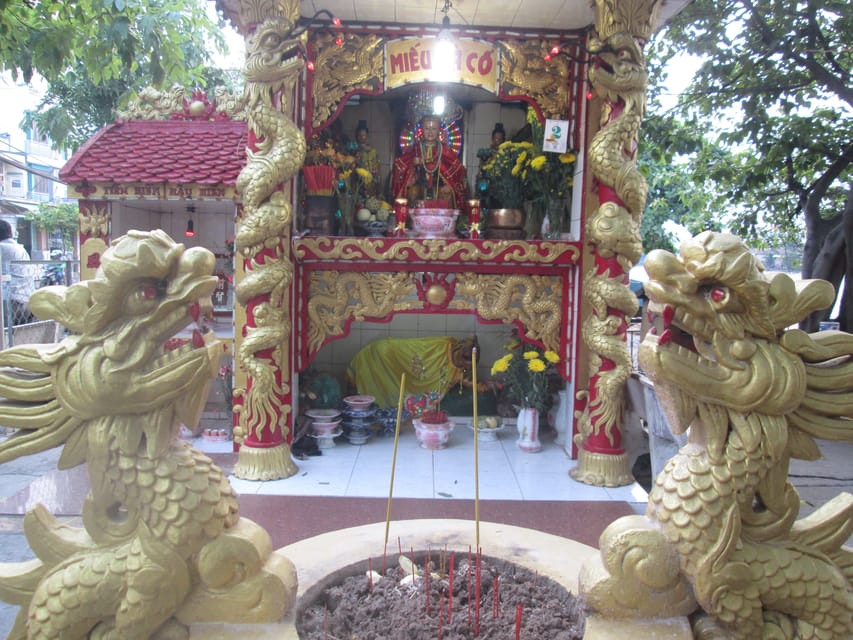
The last major stop is the Thich Quang Đức monument, connected to a protest in 1963. The story centers on Thich Quang Duc burning himself as a form of protest against persecution of Buddhists.
This stop shifts the tone from ghost belief into moral conviction and public action. It’s also a reminder that spiritual life isn’t confined to pagodas. Belief can drive major events, public awareness, and long-lasting memory in a country’s story.
If you like your cultural tours with context, this part helps you connect the dots. The pagoda explains the spiritual framework; the funeral stories explain how people treat death and the unseen; and then this monument anchors those beliefs in real historical stakes.


Banh Mì and Local Drinks: Food That Grounds the Night
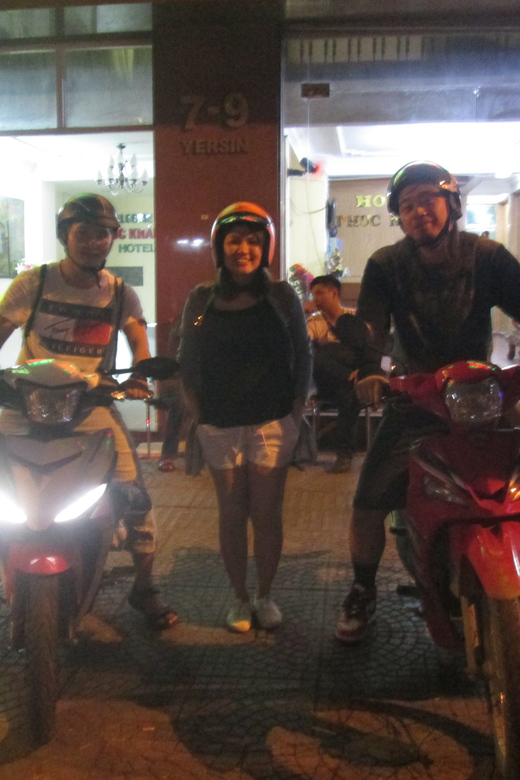
Halfway through, you’ll take a break for Vietnamese baguette—banh mi—and a local drink, with options like coffee, juice, or smoothie. This matters more than it sounds, because ghost tours are talk-heavy and walking-light. A small meal prevents the experience from turning into a constant sprint to stay alert.
The value here is real. Many tours charge extra for food, but this one includes it as part of the package. At the price point, that inclusion alone nudges the tour into “good deal” territory if you were going to eat anyway.
My practical take: eat a bit, sip your drink, and reset your nerves. Even if you don’t get spooked easily, the theme can tug at your imagination. Food helps you come back to the present.
Price and Logistics: Why This Tour Can Be Such a Bargain
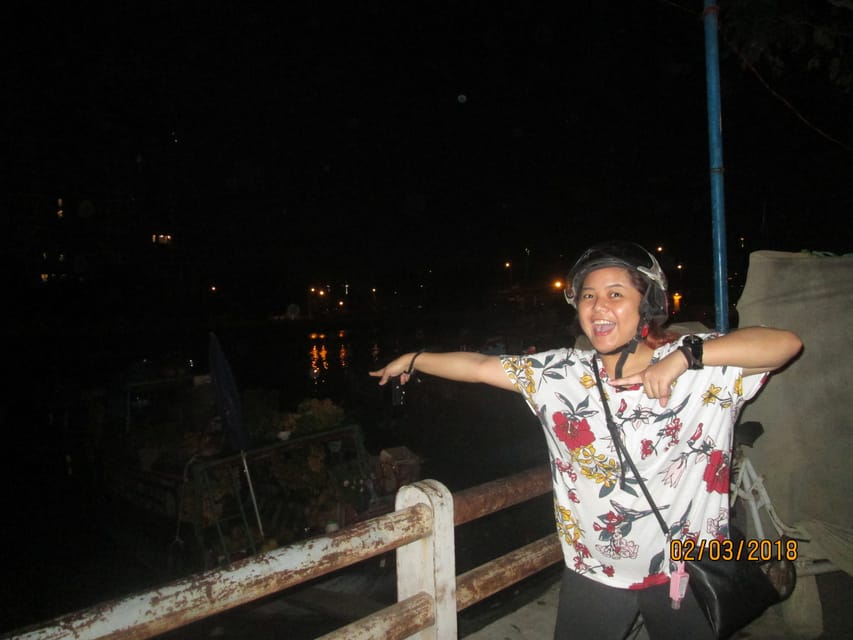
At $16 per person, this tour is priced like a low-cost city experience, but the inclusions are what make it feel fair.
You get round-trip transfers from selected areas (Districts 1, 3, and 4), an English-speaking professional driver/guide, motorbike and fuel, helmet and poncho if required, banh mi, and coffee/juice/smoothie. Insurance is included too. So you’re paying for transport, guidance, and the themed stops—not just stories.
Pickup is also pretty straightforward. Free pickup is offered if you stay in District 1, 3, and 4. If you’re outside that zone, you can still join from the meeting point at Saigon Opera House (07 Quảng Trường Lam Sơn, Quận 1), or you may pay a $5 per person surcharge if you want hotel pickup elsewhere.
Duration is listed as 2–4 hours, which gives the operator room to manage traffic and time at each site. Check starting times when you reserve, because the exact clock schedule can vary.
Optional upgrades (if you want more comfort)
You can choose small group or private options. The private option has a $5 per person surcharge. There’s also an upgrade for a Female Ao Dai Rider for an extra $10 per person.
If motorbike riding isn’t your thing, there’s a car option:
- 7-seat car: $50 surcharge
- 16-seat van: $70 surcharge
These support options need to be booked before 24 hours, and holidays or festivals can change pricing.
Who This Tour Fits Best (and Who Should Skip)
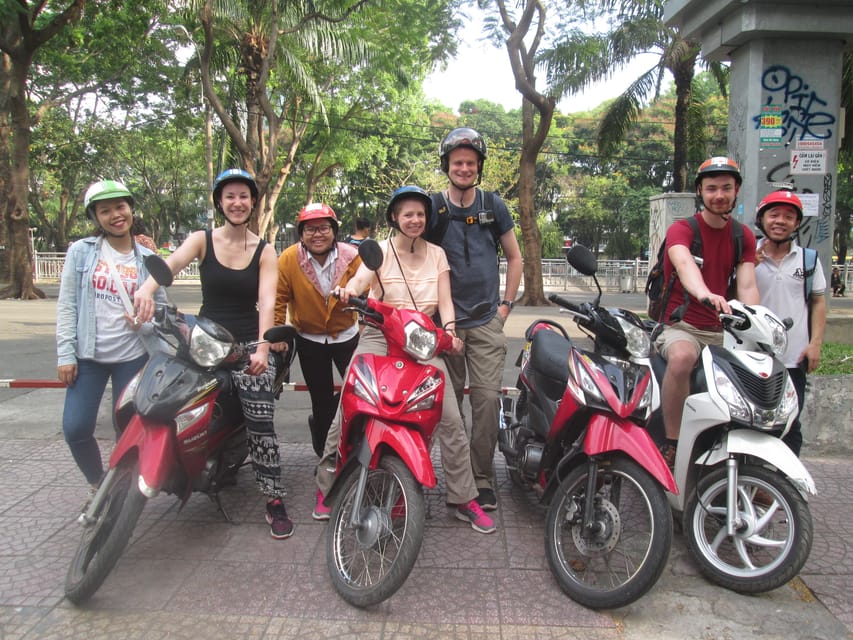
This experience is ideal if you enjoy three kinds of travel:
- Street-level city viewing from the back of a motorbike
- Culture with a story thread, where you learn why people believe what they believe
- A little fear with context, not pure jump-scare tourism
The tour is not suitable for people with back problems, and it isn’t recommended for people over 70. That makes sense given the motorbike travel and the physical reality of moving through city sites.
If you’re the type who needs a gentle, purely sightseeing evening, you might find the funeral stop too serious. If you’re comfortable with cultural religion and solemn spaces—and you want the meaning behind ghost legends—this tour can be surprisingly rewarding.
Also, it’s a good choice for solo travelers because the structure is clear, and the guide handles the “where to go and what it means” part.
What the Best Guides Do Here
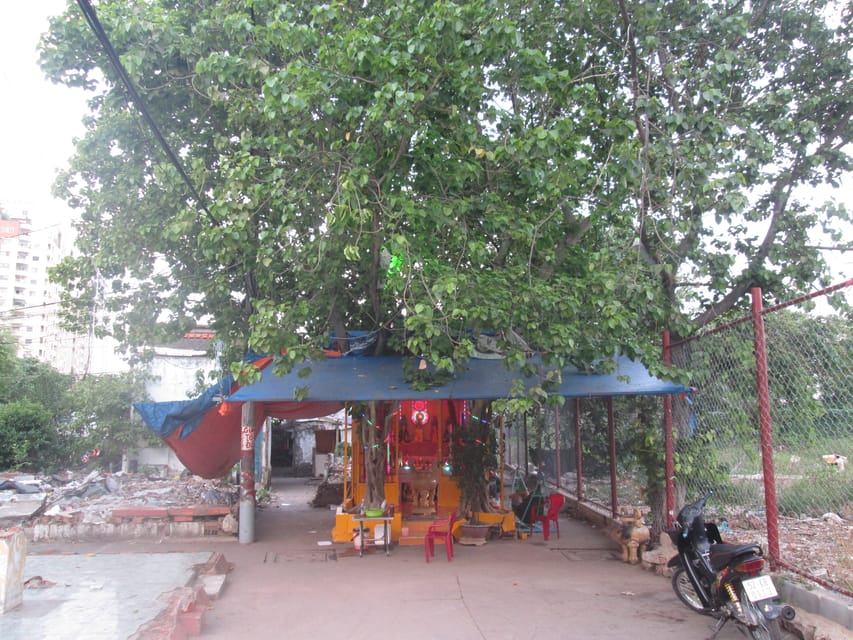
A theme showing up in praised experiences is guide quality. Riders talk about guides with strong English who can keep the pace lively and the explanations clear, plus a fun personality that makes the route feel like a personal lesson rather than a scripted recitation.
Guide names like Vincent, Danny, and Wibu appear in high ratings, and the common thread is storytelling that connects sites to belief. You’re not just hearing about haunted buildings—you’re learning what worship and ritual mean to locals.
If you want to get the most out of the tour, I’d treat it like a Q&A night. Ask your guide what surprised them most about Ho Chi Minh City’s belief culture. The best guides tend to have examples ready.
Should You Book the Ghost, Belief & Culture Motorbike Tour?
Book it if you want a Ho Chi Minh City evening that’s different from the usual photo circuit. The price-to-inclusions ratio is strong, the motorbike transport makes it efficient, and the pagoda-to-funeral-to-Chinatown sequence gives the ghost stories a cultural backbone.
Don’t book it if you’re uncomfortable around death rituals or you really dislike motorbike riding in traffic. Even with helmets and ponchos, the ride is still on a motorcycle, and the funeral stop can be emotionally heavy.
If you’re on the fence, here’s the simplest decision rule: if you’re curious about how belief systems explain life, death, and the unseen, this tour will feel worth it. If you mainly want light sightseeing and zero emotional weight, choose something calmer.
FAQ
How much does the Ho Chi Minh City Ghost, Belief & Culture Tour cost?
It’s priced at $16 per person.
How long is the tour?
The duration is 2–4 hours, depending on the starting time and how the schedule runs.
Where does pickup happen?
Free pickup is available for hotels in District 1, 3, and 4. If you’re outside these areas, you can meet at Saigon Opera House (07 Quảng Trường Lam Sơn Quận 1), or you may pay a $5 per person surcharge for pickup.
What sites do you visit?
You’ll visit a pagoda, the Funeral House (with a walk inside to witness funeral ceremonies), Chinatown’s Ghost Building, and the Thich Quang Đức monument.
Do you ride a motorbike, and what gear is provided?
Yes. It’s a join-in motorbike tour. You’ll be provided a helmet, and a poncho if required.
What food and drinks are included?
You get banh mi (Vietnamese baguette) plus a Vietnamese coffee, juice, or smoothie.
Is the tour guided in English?
Yes. The tour has an English-speaking live guide.
Is there a private or small-group option?
Yes. Private or small groups are available, with a private option surcharge of $5 per person.
Who is this tour not suitable for?
It’s not suitable for people with back problems, and it’s not recommended for people over 70.