REVIEW · HO CHI MINH CITY
Ho Chi Minh City Private City Tour – History, Culture, Local Life
Book on Viator →Operated by Vietnam - Ho Chi Minh City Package Tours · Bookable on Viator
Saigon can feel like a living textbook. This private 4-hour tour stitches together modern history, street-level local life, and the colonial-era downtown core at a pace that you control. It’s built for first-time visitors who want more than photos and more than a bus ride.
Two things I really like here: you get a private, English-speaking guide who can slow down for what you care about, and the route blends heavy, meaningful stops with lighter, everyday sights (markets, a temple, and popular streets) so the city doesn’t feel one-note.
One possible drawback: a couple of key places aren’t included in the price. The War Remnants Museum has a separate ticket cost, and timing matters since it’s closed after 17:00, so late starts can cut the museum portion.
In This Review
- Key things you’ll remember from this Saigon tour
- A 4-hour private Saigon intro that stays flexible
- War Remnants Museum: the ticketed start that sets the mood
- Thích Quảng Đức Monument: a memorial you can’t walk past
- Hầm Vũ Khí Bí Mật Secret Weapon Cellar: history underfoot
- Downtown icons: Central Post Office, Notre-Dame Cathedral, Opera House, and more
- Reunification Convention Hall area: what you’ll learn from the pass
- Nguyen Hue Walking Street and the Café Apartment views
- Pagoda time in Chinatown: Chùa Vạn Phát and everyday spirituality
- Flower market and local life: your best reality check
- Choosing your transport: motorbike, jeep, car, walking, cyclo
- Price and value: what $31.57 buys you in real terms
- Who this tour is for (and who should look elsewhere)
- Should you book this private Saigon history and culture tour?
- FAQ
- How long is the Ho Chi Minh City private tour?
- Is pickup and drop-off included, and where does it cover?
- Is the War Remnants Museum ticket included in the price?
- Are there any other extra ticket costs?
- What landmarks and sights will I see?
- Is this tour private?
- Can I change how we travel during the tour?
Key things you’ll remember from this Saigon tour
- A guide who adjusts the pace so you can add coffee or food stops without derailing the whole day
- War Remnants Museum paired with real street memorials and underground remnants
- Thích Quảng Đức Monument at a busy intersection, with context you won’t get from a quick stop
- Hầm Vũ Khí Bí Mật Secret Weapon Cellar that adds a very physical sense of wartime planning
- Downtown landmarks like the Central Post Office, Notre-Dame Cathedral, and the Opera House area
- Temple and flower market time so you see Chinatown and daily routines, not just monuments
A 4-hour private Saigon intro that stays flexible
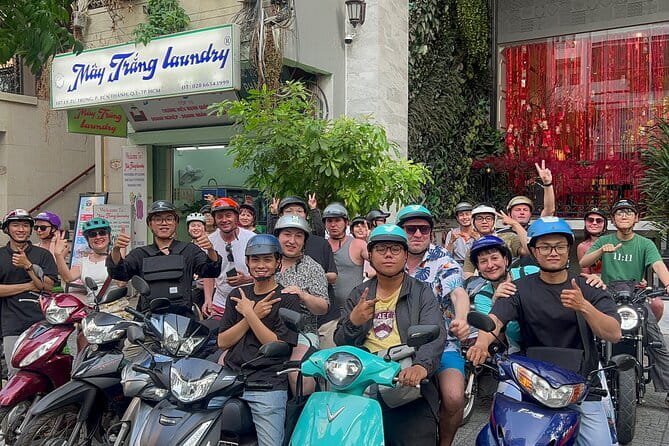
This is a private city tour in Ho Chi Minh City designed to give you structure without turning you into a human checklist. In about four hours, you’ll cover a strong mix of history, iconic architecture, and regular neighborhood life. The point isn’t to race through everything. The point is to get your bearings fast, understand what shaped the city, and still have time to look around like you live there for a morning.
You’ll have an English-speaking guide and private transportation, with pickup and drop-off in District 1, 3, and 4. If your first hours in Saigon include an early arrival or waiting for a hotel room, this kind of half-day format can feel like a lifesaver. One traveler booked it for exactly that reason and liked that the guide didn’t force a rigid pace.
The tour is also customizable in how you travel. Depending on your preferences and what’s easiest on the day, it can be done by motorbike, jeep, car, walking, or cyclo. That matters because Saigon’s rhythm changes street to street. Being able to choose the right mode helps you spend less time stuck and more time actually seeing.
You can also read our reviews of more city tours in Ho Chi Minh City


War Remnants Museum: the ticketed start that sets the mood
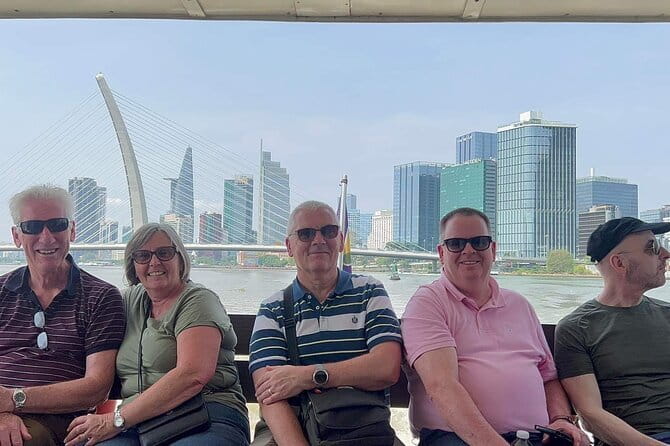
Your tour often begins at the War Remnants Museum, one of the most direct ways to understand Vietnam’s modern history. You’ll spend around 30 minutes there, using photos, artifacts, and the guide’s explanations to connect what you’re seeing with the bigger story behind it.
Here’s the practical bit: the museum ticket is not included, so you’ll pay an additional 40,000 Vnđ for entry. Also, the museum closes after 17:00, so if your schedule is late in the day, plan for that or expect to adjust the route. If you’re the type who likes context before landmarks, arriving early is a smart move.
Why this stop is such good value at the front of the tour is simple: it gives meaning to everything you’ll see later. After you’ve heard the stories tied to the war period, the street memorials and wartime features you visit next won’t feel random. They’ll feel like the city’s written in layers.
Drawback to consider: 30 minutes is enough for a strong overview, but it’s not a full museum marathon. If you want to read every caption and linger for long periods, you may need to slow down or plan a separate museum visit later.
Thích Quảng Đức Monument: a memorial you can’t walk past
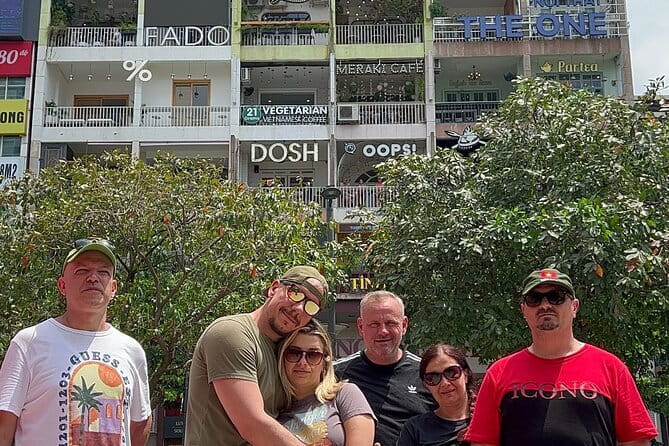
Next, you’ll visit the Venerable Thích Quảng Đức Monument, tied to the story of the monk Thích Quảng Đức, who died by self-immolation on a busy Saigon road intersection on 11 June 1963. This is a stop that benefits hugely from a guide explaining the background and the protest message—because standing there without context turns it into a photo moment.
Good news: this part is free (no admission ticket listed). You’ll spend about 15 minutes, and that short time can still be powerful if you pause and really look at the memorial space and surroundings.
What you’ll appreciate most is that the monument isn’t tucked away. It lives in the flow of the city. That makes it feel grounded in everyday Saigon life rather than frozen in time.
If you’re traveling with anyone who prefers lighter stops, you can still keep the pace reasonable here. Fifteen minutes is manageable, and the guide can often adjust the level of detail so the stop feels informative rather than overwhelming.
Hầm Vũ Khí Bí Mật Secret Weapon Cellar: history underfoot
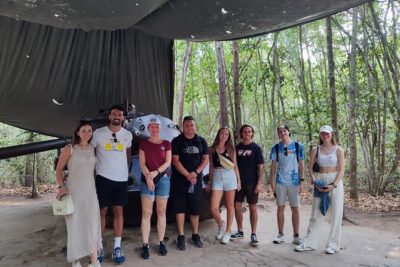
Then comes one of the most unique stops on the route: the Hầm Vũ Khí Bí Mật (Secret Weapon Cellar). You’ll spend around 15 minutes, and admission is listed as free.
The experience is interesting because it shifts the conversation from monuments and stories to physical space. A secret weapon cellar isn’t just an idea. It’s a reminder that planning, hiding, and moving resources happened in places people might never expect to exist under an urban area.
You’ll also hear the historical framing behind it. The notes you’ll get reference Tết in 1968, which helps you place this location inside a specific wartime period rather than treating it as a vague artifact.
Possible consideration: if you’re not into wartime history, this can feel heavier than the average sightseeing stop. Still, even if you’re more architecture- or food-focused, this one adds a different kind of understanding that you can’t easily get from the street-level sights alone.
Downtown icons: Central Post Office, Notre-Dame Cathedral, Opera House, and more
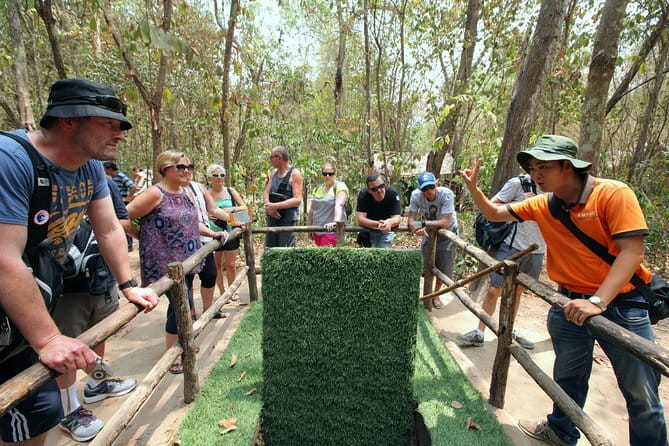
After the heavier stops, the tour moves into the visual heart of downtown. You’ll pass major landmarks, including the Saigon Central Post Office and the Notre-Dame Cathedral area, plus the Saigon Opera House and City Hall. You’ll also get to see key city streets like Nguyễn Huệ Walking Street and catch views around places like the Café Apartment.
The Central Post Office is especially worth lingering over if you can. You’ll see the French-era construction history in the building’s design and details, and your guide can connect that architecture to when Vietnam was part of French Indochina. This is one of those stops where the building is the story, and photos don’t capture the scale of the rooms and the lines of the structure.
Passing the Opera House and City Hall also matters, even if you don’t go inside. These are reminders that Saigon’s downtown has always been about more than commerce. It’s been about power, administration, and the look of modernity being imported and adapted.
Practical tip: this is a good part of the day to ask your guide for photo angles. With short stops between locations, it helps to know where to stand so you don’t waste time walking in circles.
You can also read our reviews of more private tours in Ho Chi Minh City





Reunification Convention Hall area: what you’ll learn from the pass

You’ll also pass the Reunification Convention Hall, publicly known as the former U.S.-backed presidential palace in many older references, and you’ll likely hear it explained in connection with what people call the end of the war period in Vietnam. The design is credited to architect Ngô Việt Thụ, and it’s part of the story of how the city changed after major turning points.
An important cost detail: Independence Palace entry isn’t included, with a listed ticket price of 40,000 Vnđ. If your guide offers an option to go inside, that’s your extra payment choice. If not, you still get the landmark experience from the outside.
Consider this: if you’re the kind of traveler who loves interiors and room-by-room history, you’ll probably wish you’d added the ticket. If your priority is a fast, balanced intro in a half day, sticking to the exterior can be totally fine.
Nguyen Hue Walking Street and the Café Apartment views
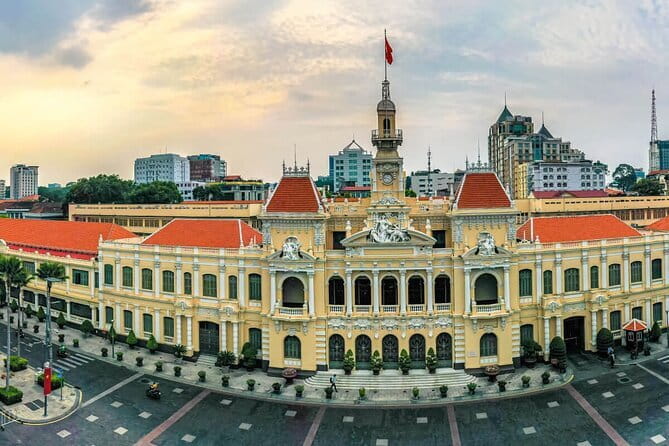
Then you hit Nguyễn Huệ Walking Street, a downtown boulevard that has changed over time and is now one of District 1’s famous thoroughfares. You’ll get a chance to experience the energy of that street without turning your tour into a crowded-hour ordeal.
You’ll also see areas tied to the Café Apartment and get a “look at the city from above the city” feeling, depending on where your stops land and how much time your guide gives you. This is where the tour becomes more of a city stroll than a museum route—still with context in the background.
What I like about including this kind of street time is simple: it prevents history from turning into a lecture. You get to connect what you learned earlier to what the city looks like now.
If you want to slow down for photos, snacks, or a quick sit-down moment, this is often the easiest place to negotiate it with your guide. One traveler specifically said the guide understood a preference for coffee and slower pacing and was happy to adjust stops.
Pagoda time in Chinatown: Chùa Vạn Phát and everyday spirituality

To round out the tour, you’ll visit Chùa Vạn Phát (Temple of Ten Thousand Buddhas) in Chinatown. This is a free stop (admission listed as free) and takes around 30 minutes.
This part of the experience shifts your understanding from politics and war to tradition and community. Your guide can explain the spiritual traditions and the Chinese cultural influence that shows up through the temple setting and the way people use it in daily life.
Why it’s such a smart pairing with the earlier stops: Saigon isn’t only its conflicts. It’s also its rituals, family routines, and neighborhood faith.
Possible drawback: if you’re short on time and want maximum landmark density, 30 minutes in a temple might feel like “less sight.” But it’s one of the best ways to see Saigon’s living culture, and that’s what makes this tour feel like more than downtown sightseeing.
Flower market and local life: your best reality check
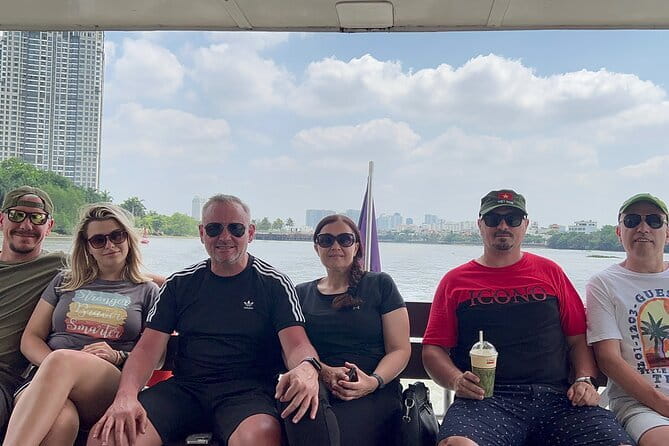
The tour also includes time at a flower market, giving you a practical look at daily routines—what people buy, how sellers set up, and what’s normal in the city’s rhythm. It’s not just scenery. It’s a window into how people celebrate, decorate, and move through their day.
Flower markets can be a little sensory overload if you’re sensitive to crowds or heat, but they’re also one of the easiest ways to see a city that’s not performing for tourists.
This is also a great moment to ask your guide what flowers or items are used for and when. Even basic context helps you notice details you’d otherwise skip.
Choosing your transport: motorbike, jeep, car, walking, cyclo
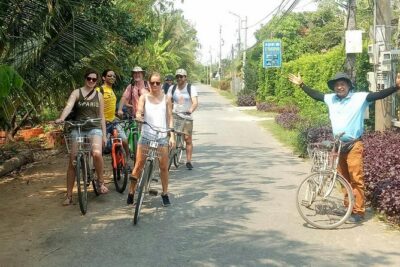
One of the most practical strengths of this tour is that it can be run using different transport styles. Depending on your preferences and what works best on the day, you might travel by motorbike, jeep, car, walking, or cyclo.
This matters because each option has a different payoff:
- Walking keeps you slow and observant, but you cover less ground in four hours.
- Car or jeep is time-efficient and comfortable, especially if it’s hot or rainy.
- Cyclo can feel more local and memorable, though you’ll want to weigh comfort and route conditions.
- Motorbike can be fast and flexible, but it’s not for everyone.
If you’re a first-time visitor trying to get bearings, I’d suggest telling your guide what you want most: easier navigation, comfort, or maximum street-level feeling. The best tours aren’t the ones that hit every stop. They’re the ones that match your pace.
Price and value: what $31.57 buys you in real terms
At about $31.57 per person for a roughly 4-hour private tour, the value is strong mainly because you’re paying for time with a guide plus pickup/drop-off in District 1, 3, and 4 and private transportation. That’s not always cheap in a city where taxis and drivers can add up fast.
However, you should budget for two ticket add-ons:
- War Remnants Museum: 40,000 Vnđ (entry not included)
- Independence Palace: 40,000 Vnđ (entry not included)
So the real cost depends on whether you choose to go inside those places. If your plan is to include both paid entries, you’ll pay more on top of the tour price. If you mainly want the guided overview and are fine with passing certain landmarks, the total stays closer to what you expected.
The good part is that the tour gives you choices without hiding costs. You’ll know what’s included and what’s extra, and you can decide based on your interests.
Also worth noting: there’s a mobile ticket, group discounts, and free cancellation. While you don’t book a tour just for policy, it does reduce stress if your schedule might shift.
Who this tour is for (and who should look elsewhere)
This tour is a great fit if you want a structured first morning or afternoon in Ho Chi Minh City and you care about understanding why the city looks the way it does. It’s especially good if you’re traveling solo, as a couple, or with a small group that wants a private pace instead of joining a larger group bus.
You’ll also like it if you want a mix of emotional stops and everyday life. The balance is the point: war history in the morning, then downtown streets, then temple and market time.
It may be less ideal if you hate anything war-related. The War Remnants Museum, Thích Quảng Đức Monument, and the secret weapon cellar are major parts of the story. Even with a paced guide, these stops will still shape your tour.
Should you book this private Saigon history and culture tour?
Yes, if you want a fast, guided introduction that doesn’t stop at postcards. The private format, English-speaking guide, and flexible pace make it easier to tailor the day—especially if you need a practical plan around arrival time. The blend of war memorials, French-era downtown landmarks, and Chinatown temple and flower market time is a strong mix for first-timers who want real context.
Book it with a couple of expectations:
- Plan around museum hours since War Remnants Museum closes after 17:00.
- Set aside extra money for War Remnants Museum and possibly Independence Palace tickets if you want to enter.
If that matches your travel style, this is an efficient and meaningful way to understand Saigon in one half-day.
FAQ
How long is the Ho Chi Minh City private tour?
The tour lasts about 4 hours.
Is pickup and drop-off included, and where does it cover?
Yes. Pickup and drop-off are included for hotels in District 1, 3, and 4.
Is the War Remnants Museum ticket included in the price?
No. The War Remnants Museum entrance ticket is not included and is listed at 40,000 Vnđ.
Are there any other extra ticket costs?
Yes. Independence Palace entry is listed at an additional 40,000 Vnđ if you choose to visit inside.
What landmarks and sights will I see?
You’ll visit or pass by major downtown landmarks and memorials, including the Saigon Central Post Office area, Notre-Dame Cathedral area, Saigon Opera House area, City Hall, Nguyễn Huệ Walking Street, and you’ll also stop at the Thích Quảng Đức Monument and the Secret Weapon Cellar, plus a Chinatown temple and a flower market.
Is this tour private?
Yes. It’s a private tour/activity, and only your group participates.
Can I change how we travel during the tour?
The tour is customizable and can be operated by motorbike, jeep, car, walking, or cyclo, depending on your travel style.