REVIEW · HO CHI MINH CITY
Make 3 Regions Iconic Vietnamese coffees: Brown, Salted, Egg
Book on GetYourGuide →Operated by Vietnam Coffee Journey - Day · Bookable on GetYourGuide
Vietnam coffee has a built-in story. This 90-minute, small-group workshop turns that story into a practical hands-on session: you’ll make and taste three iconic regional coffees while learning the right way to use the traditional Phin dripper.
What I really like is how the drinks become a simple map of the country. You also get clear, step-by-step guidance from Quynh, a host with 16+ years in F&B, plus a well-paced mix of coffee history, techniques, and real culture—so it feels fun, not like a lecture.
One heads-up: it’s a caffeine-heavy experience. If you’re sensitive, skip coffee for at least 2 hours before your start time.
In This Review
- Key things that make this workshop worth your time
- Three Iconic Vietnamese Coffees in One 90-Minute Session
- Getting the Phin Right: The Skill That Changes Everything
- Brown Coffee of the South: Learning the Sweet-Bitter Balance
- Salted Cream Coffee from Central Vietnam: When Cream Gets a Job
- Egg Coffee from the North: Texture and Comfort in a Cup
- The Snack Break: Bánh Mì with Condensed Milk
- Quynh’s Teaching Style: Coffee History That Actually Connects
- Price and Value: What $22 Buys You (And What It Saves)
- Who Should Book This Workshop (And Who Might Skip)
- Small Practical Tips Before You Go
- Should you book this Vietnamese coffee class?
- FAQ
- How long is the Vietnamese coffee workshop?
- How much does it cost?
- What coffees will I make during the session?
- Do I just taste, or do I make the coffee too?
- Is there a food item included?
- Is the class taught in English?
- Is there a caffeine warning?
- Are there dietary alternatives?
- How big is the group?
- Is it suitable for everyone?
Key things that make this workshop worth your time

- Hands-on, not watch-only: you’ll make the coffees, not just smell them
- Three-region format: brown coffee for the South, salted cream for the Central, egg coffee for the North
- Phin technique tips: guidance on using the traditional dripper correctly
- Structured cultural explanations: the host connects regional differences to the drinks you’re tasting
- A real snack included: plain bánh mì served with condensed milk
- Small group size: limited to 6 participants, so you get help when you need it
Three Iconic Vietnamese Coffees in One 90-Minute Session

Vietnam’s coffee scene is not one flavor. It’s a bunch of different answers to the same question: how do people here like their daily caffeine?
This workshop gives you the fastest version of that lesson. In about 90 minutes, you’ll learn coffee basics, then put your hands to work making the country’s three standout styles: Brown (South), Salted cream (Central), and Egg (North). You’ll also get four tastings, so you’re not stuck with just one sip that you have to guess about.
The vibe is practical and friendly. You’re seated in comfortable, air-conditioned space, and the session is built around doing: pouring, brewing, tasting, and adjusting. That matters, because Vietnamese coffee isn’t just about taste—it’s also about timing and technique.
You can also read our reviews of more tours and experiences in Ho Chi Minh City.


Getting the Phin Right: The Skill That Changes Everything
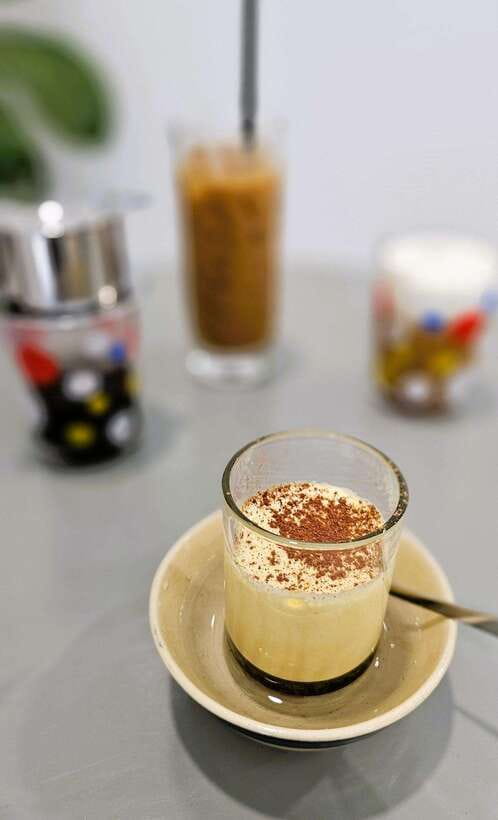
If you only remember one thing from this class, make it this: the Phin dripper is the point where Vietnamese coffee stops being ordinary.
The workshop specifically recommends the proper way to use the Phin, and it doesn’t treat it like a mystery box. You’ll get tips for brewing and learn how to handle the process so the coffee tastes balanced rather than flat or overly strong.
Even if you’ve brewed coffee at home before, a Vietnamese Phin session can feel different because it’s slower and more deliberate. That’s why having a host show you the right approach is so valuable. Instead of guessing, you learn how to work with the rhythm of the drip and how to aim for the cup style each region is known for.
And yes, it’s hands-on. You’ll be making drinks yourself, which means you get immediate feedback from what you pour and how it brews. That’s how you actually get better—not by watching someone else do it.
Brown Coffee of the South: Learning the Sweet-Bitter Balance
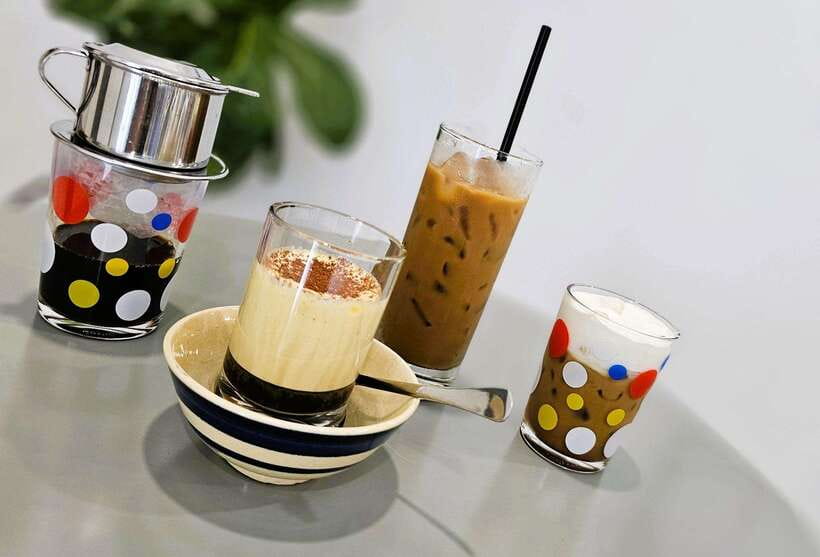
The workshop starts you on the South’s brown coffee, and the idea isn’t just to taste something that looks dark. You’ll connect the drink to regional preferences and how coffee became part of everyday life in Vietnam.
The most useful part here is the way the host uses the drink as a teaching tool. You’re not just handed a cup. You’re learning how the coffee style fits the region’s culture, and you’ll see how technique affects how the drink lands on your palate.
If you’re new to Vietnamese coffee, this is also a smart entry point. Brown coffee gives you a baseline. Once you understand that base, you’ll taste the other styles with sharper ears—and you’ll start to notice what changes when creaminess or topping elements enter the scene.
Salted Cream Coffee from Central Vietnam: When Cream Gets a Job

Next comes the Central style—salted cream coffee. This is where the workshop’s “region lessons” become obvious in your cup.
The host explains the cultural differences of regions through the drinks you’re making. That means the salted cream coffee isn’t explained only as a flavor twist. It’s shown as something people enjoy because it fits how they like their coffee to feel: smoother, richer, and still balanced.
What makes this portion especially practical is that you’re doing the brewing and then tasting. You can link the final cup to the process you just practiced. If you want to reproduce it later, this is the part you’ll remember when you’re standing at your kitchen counter wondering what went wrong (or right) with your pour.
And if you’re curious about trying something that feels less “pure coffee” and more like a dessert-adjacent drink, this is usually the one that surprises people in a good way.
Egg Coffee from the North: Texture and Comfort in a Cup
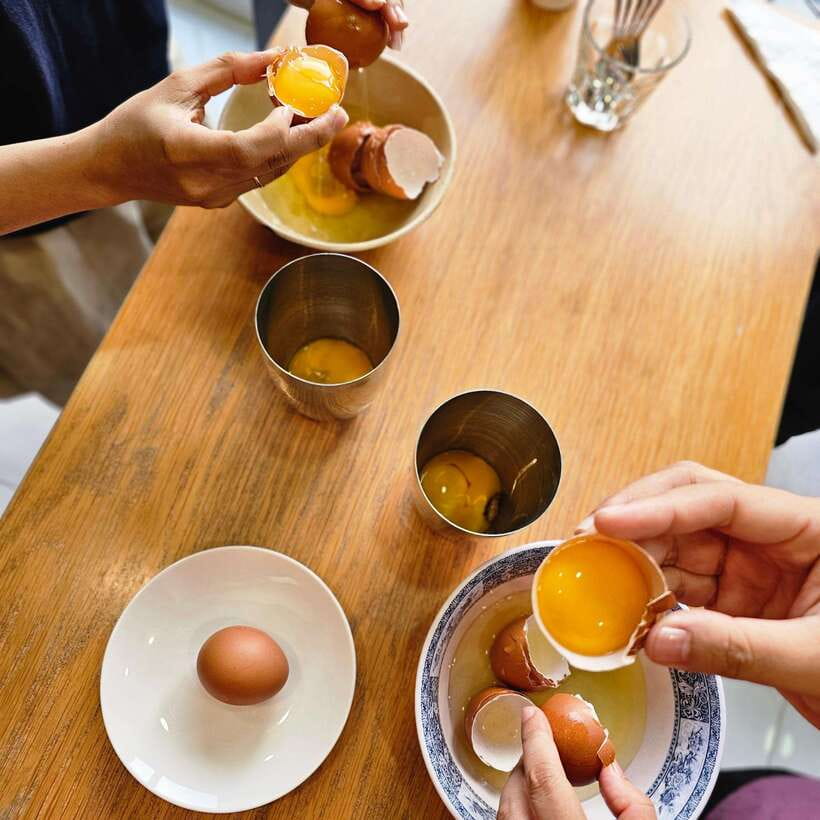
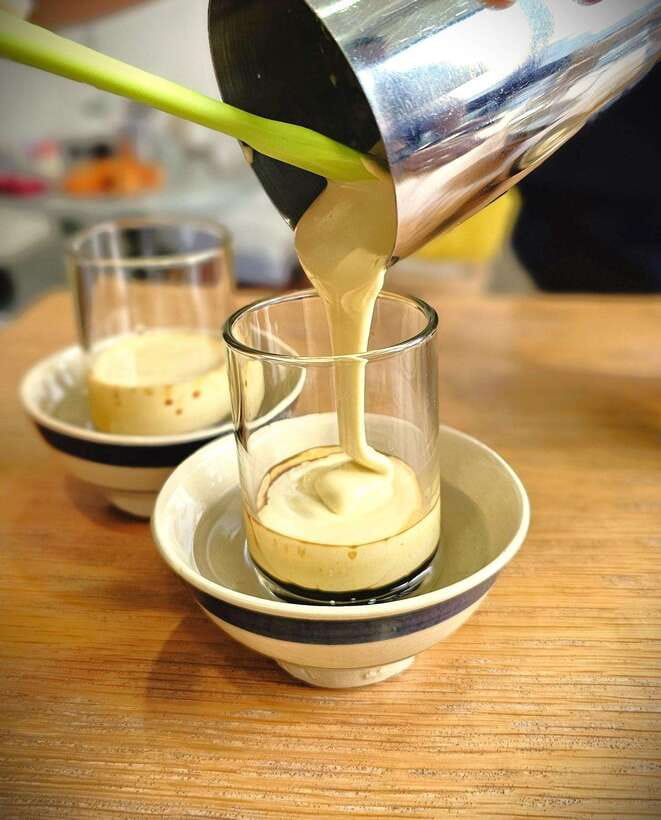
Finally, you’ll make the North’s egg coffee. The name alone tells you there’s something extra in the experience, but the workshop frames it as more than a gimmick.
This part is where many people start thinking: oh, Vietnamese coffee is really about texture and mood. The host ties the drink to regional differences and helps you understand why this style became a recognizable signature.
Because you’ve already practiced the Phin basics and tried the other two regional types, egg coffee lands with context. You’re not just tasting a novelty. You’re tasting a pattern—how each region’s preferences show up in the way coffee is built and served.
If you like coffee that feels creamy and comforting, egg coffee is the one to lean toward.



The Snack Break: Bánh Mì with Condensed Milk
You don’t leave this class on coffee alone.
A simple local snack is included: plain bánh mì with condensed milk. It’s a straightforward pairing that helps round out the session, especially since the class is heavy on caffeine.
This also helps you understand something important about Vietnamese coffee culture: it’s often treated as part of a small routine, not a stand-alone event. Coffee plus something small to eat is common here, and this included snack keeps the experience grounded.
Quynh’s Teaching Style: Coffee History That Actually Connects

A big reason this workshop gets such strong marks is the host, Quynh.
He’s not just focused on recipes. He connects what you’re making to the broader story of Vietnamese coffee—how coffee integrated into people’s daily lives, and how the drink styles link back to regional differences. The result is a session where you get both: practical technique and cultural context.
From the overall feedback pattern, the teaching approach is also a key part of the fun. The pace is well structured, explanations are clear, and Quynh brings energy without turning it into a performance. People who usually don’t love classes still end up paying attention because it’s interactive, not passive.
And because it’s a small group (limited to 6), you’re more likely to get quick help if something doesn’t brew the way you expect.
Price and Value: What $22 Buys You (And What It Saves)

At $22 per person for 90 minutes, this is a pretty solid deal—especially because it’s not just tasting.
You’re paying for:
- four coffee tastings and how to make them
- hands-on making of the three iconic regional coffees
- a snack (bánh mì with condensed milk)
- comfortable, air-conditioned seating
- English instruction
- all-inclusive pricing with no extra charges mentioned
If you’ve ever tried to piece together a coffee crawl yourself, you know how that goes. You can easily spend that amount (or more) just buying drinks, without learning anything about why one style tastes different from another. Here, you get both the product and the method, and you leave with a clearer idea of how to reproduce the drinks at home.
The other value point is time. You get a full “Vietnam mapped to coffee” lesson in a short window, which is great if you’re squeezing in activities during a tight schedule.
Who Should Book This Workshop (And Who Might Skip)
This is a great fit if you:
- want to learn Vietnamese coffee basics and actually practice them
- like cultural context, especially how regions shape everyday tastes
- enjoy interactive activities more than sitting and watching
- travel as a couple or small group and want personal attention
It may not fit if you:
- are very caffeine-sensitive (and remember: they recommend no coffee within 2 hours before)
- are traveling with kids under 14
One note to check carefully before booking: the info says wheelchair accessible, but it also says it’s not suitable for wheelchair users. If you need mobility support, contact the provider before you reserve.
Small Practical Tips Before You Go
- Skip coffee for 2 hours beforehand. It’s specifically recommended because there’s lots of caffeine.
- Plan to taste and learn at the same time. If you chase only one flavor, you might miss the regional comparisons.
- Ask questions while you’re brewing. The best tips come when you’re actively making the drink.
- If you have dietary needs, flag them when booking. Alternatives are mentioned for vegan, coeliac, and lactose intolerance—so don’t assume you’ll get them automatically.
Should you book this Vietnamese coffee class?
I’d book it if you want a fast, hands-on way to understand why Vietnamese coffee varies from region to region. The format is efficient: Phin technique + four tastings + making three iconic drinks + a snack, all with English instruction and a small group.
Skip it only if caffeine is an issue for you, or if you’re looking for something purely casual with zero structure. The session is built to teach, and that’s exactly why it works.
If you want a practical souvenir in your memory—something you can explain and even try again later—this workshop is one of the better uses of a short visit to Vietnam’s coffee capital.
FAQ
How long is the Vietnamese coffee workshop?
The duration is 90 minutes.
How much does it cost?
It costs $22 per person.
What coffees will I make during the session?
You’ll make three famous Vietnamese coffees that represent different parts of the country: Brown (South), Salted cream (Central), and Egg (North).
Do I just taste, or do I make the coffee too?
You do both. The workshop includes four tastings and you’ll also make your own coffee drinks.
Is there a food item included?
Yes. A simple local snack is included: plain bánh mì with condensed milk.
Is the class taught in English?
Yes, the instructor teaches in English.
Is there a caffeine warning?
Yes. The workshop notes say there’s lots of caffeine, and you should recommend no coffee within 2 hours before the start time.
Are there dietary alternatives?
Alternatives are mentioned for vegan, coeliac, and lactose intolerance guests. You should note your needs when you book.
How big is the group?
It’s a small group limited to 6 participants.
Is it suitable for everyone?
It’s not suitable for children under 14 years. The provided information also includes a note saying it’s not suitable for wheelchair users, even though wheelchair accessible is listed—so it’s worth checking directly with the provider for your situation.