REVIEW · HO CHI MINH CITY
4 Day’s Mekong Delta With Tra Su Forest Exit Phnom Penh
Book on GetYourGuide →Operated by Dragon Sea Travel & Du Lịch Rồng Biển · Bookable on GetYourGuide
Two countries, one river route. This 4-day Mekong-to-Phnom Penh trip pairs hand-rowed canal time with the bird-heavy Tra Su cajuput forest, and it runs on a tight clock. If you like wandering slowly, you’ll feel the schedule; if you want maximum river time, it’s a strong fit.
I also like how the tour mixes set-piece sights with real working river life: floating fish farms, market mornings, and village stops that explain how people survive on the water. Expect an English-speaking guide for most of the day, plus a couple of stretches where the timing is lean and you’re basically on rails.
In This Review
- Mekong Delta to Phnom Penh in 4 Days: the big idea
- Day 1 in the Mekong: My Tho, Ben Tre coconut islands, and Can Tho at night
- Day 2: Cai Rang floating market, a zen monastery stop, and the push to Chau Doc
- Day 3: Floating fish farms, Cham villages, and Tra Su’s bird-filled forest canals
- Day 4: Vinh Xuong border formalities and the speedboat into Phnom Penh
- Price and value: what $316 buys (and where it can feel tight)
- Comfort, transport, and group rhythm (the part you feel most)
- What to pack (so river days feel easy)
- Should you book this Mekong-to-Phnom Penh tour?
- FAQ
- How long is the tour?
- What’s included in the price?
- Are drinks included with meals?
- Is Cambodia visa cost included?
- What languages does the tour use?
- How do you travel from Chau Doc to Phnom Penh?
- Do you visit Cai Rang Floating Market?
- Is Tra Su Forest part of the itinerary?
- What should I bring?
- Is the tour suitable for wheelchair users or mobility impairments?
- Are there any rules about smoking or alcohol on transport?
Mekong Delta to Phnom Penh in 4 Days: the big idea
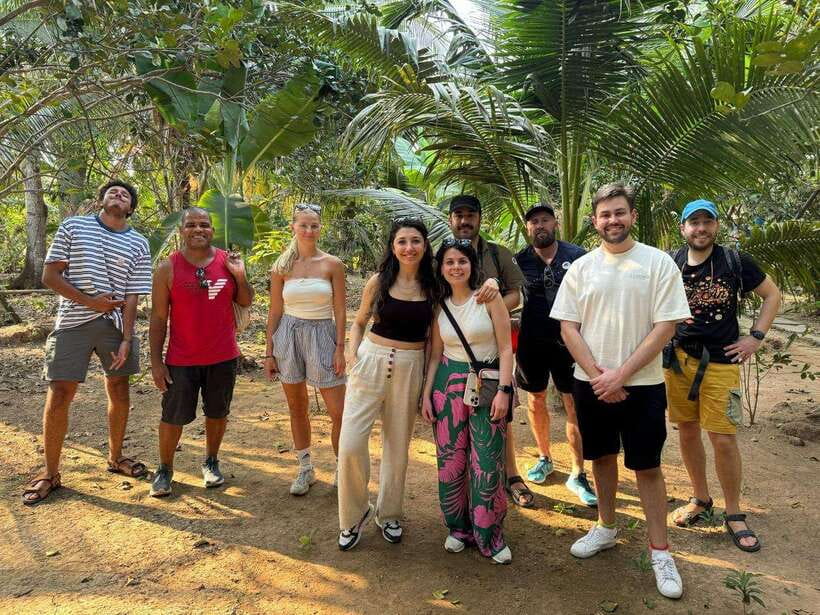
This is a classic “from Vietnam to Cambodia” overland-plus-river route. You start from Ho Chi Minh City, spend two nights in the Mekong region (Can Tho and Chau Doc), and finish with a speedboat run into Phnom Penh.
The value is that you’re not doing this as four separate tours. You get river cruising, inland markets, and then a very specific nature stop: Tra Su forest, which is known for birds and for those quiet, narrow canals once the water floods the forest.
The tradeoff is pace. The itinerary is packed with transport changes, so your day feels structured from the moment you leave. That can be great for first-timers. It’s less great if you hate being rushed or if you want long breaks away from the group.
Day 1 in the Mekong: My Tho, Ben Tre coconut islands, and Can Tho at night
Your day begins with pickup in Ho Chi Minh City (District 1 area). From there, you go straight to the Mekong Delta region and start with Vinh Trang Pagoda, the well-known pagoda in this part of Vietnam. It’s a good first stop because it sets the tone: this isn’t just boats and fruit, it’s a mix of culture and everyday life around the water.
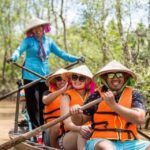
Next comes the river portion. You cruise the Mekong passing floating houses and fish farms—then you switch to a hand-rowed sampan to glide through calmer coconut-lined canals. This is one of the nicest segments in the whole trip because it slows you down just enough to feel like you left the city behind.
In Ben Tre, you shift from scenery to small-scale local production. You visit a coconut island and learn how coconut candy is made, with samples along the way. After that, you continue by boat to Unicorn Island (Con Thoi Son). From there, you ride a motor cart while traditional Vietnamese folk music plays, and you taste seasonal tropical fruit.
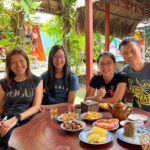
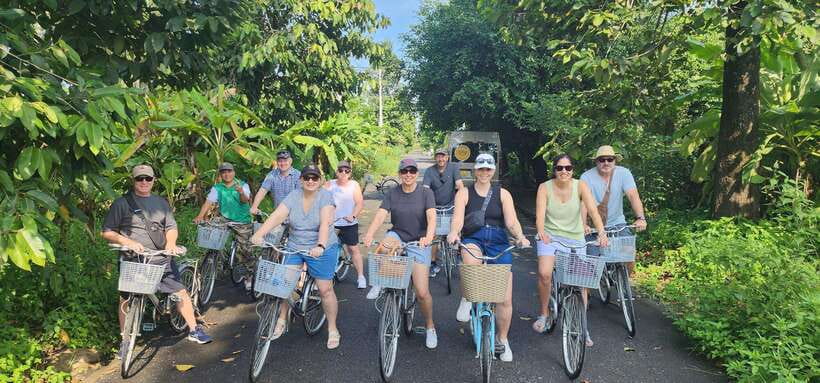
Food is part of this first day too. Lunch is included with Vietnamese specialties served under fruit trees shade. After lunch, you may have time to stroll the village area or take a short bike ride, depending on the flow that day.
Then you head to Can Tho. Dinner is on your own in Can Tho, and you get free time in the evening—useful if you want to reset your feet before the early start of Day 2.
Practical tip: Bring water and sunscreen. This day includes a lot of outdoor time, and the Delta sun can be relentless, even when the breeze feels nice on the boat.
You can also read our reviews of more tours and experiences in Ho Chi Minh City

Day 2: Cai Rang floating market, a zen monastery stop, and the push to Chau Doc
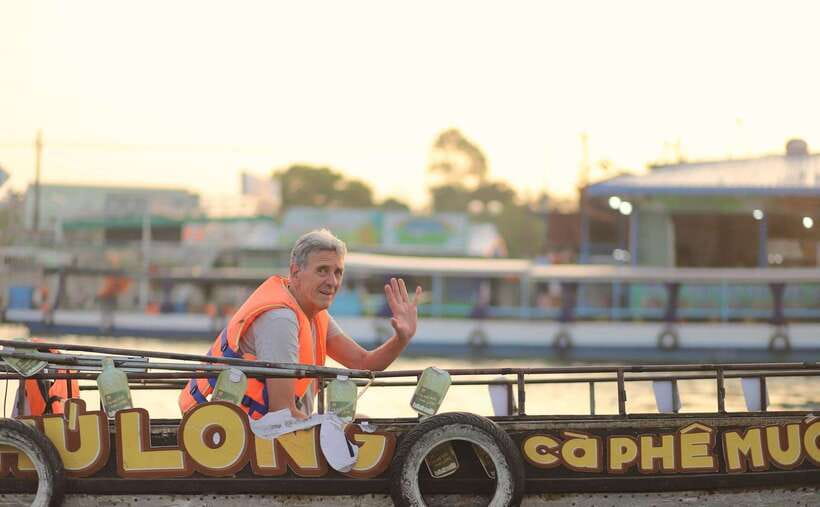
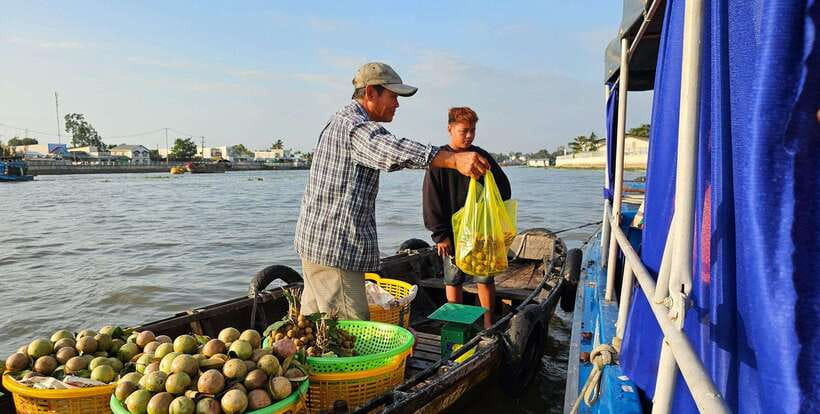
Day 2 starts early. Breakfast is followed by a motorboat ride to Cai Rang Floating Market, which is one of the biggest and most famous floating markets in the Mekong Delta. Expect movement everywhere: boats, vendors, and piles of fruit and goods traded right from the water.
You also get a rice noodle-making workshop here. It’s not long, but it gives you a quick look at how a daily staple is made. Then the tour leans into tasting and local rhythm with fresh pineapple tasting on the boat.
After Cai Rang, the itinerary continues with a traditional market area in Can Tho’s city center and then a stop at Truc Lam Phuong Nam Zen Monastery. This is a nice contrast: the market is crowded and noisy, the monastery is slower and calmer. It also helps break up the day before you start travel toward Chau Doc.
Lunch is included at My Khanh Restaurant. After lunch, you travel from Can Tho to Chau Doc by local bus. One key detail: the plan notes no guide on that bus transfer, so you’re more dependent on the group schedule and what your main guide has already lined up for you.
You end the day in Chau Doc with an overnight stay. It’s a logical move because Chau Doc is where the trip shifts from Vietnam’s Delta cities into the river culture of the Cambodia border zone.
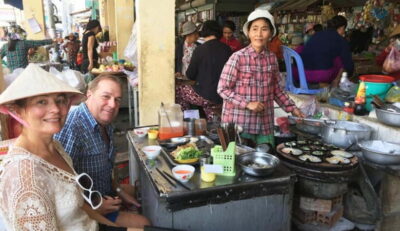
One caution from real experience: The timing on Day 2 can be tight. If you’re traveling in a group and the start time slips, you can end up arriving at Cai Rang later than ideal, which reduces your time to shop or take photos. If market time is your top priority, go in with the mindset that you’ll need the early wake-up to make it feel worth it.
Day 3: Floating fish farms, Cham villages, and Tra Su’s bird-filled forest canals
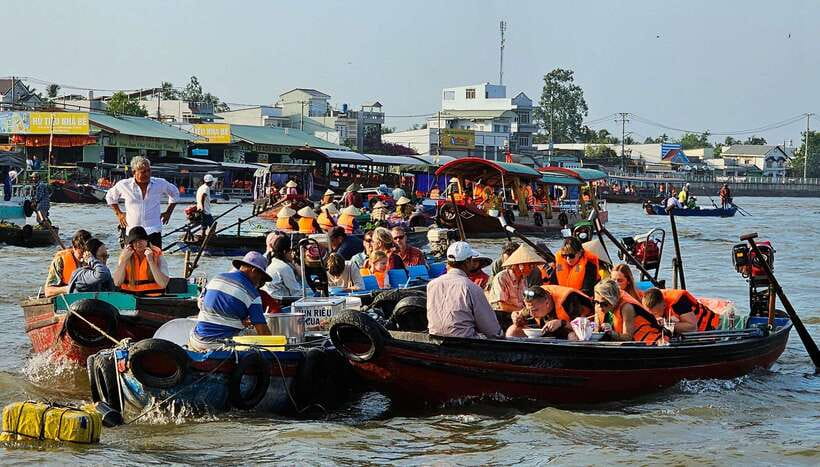
Day 3 is where the trip becomes more than just sightseeing. You start with a boat trip to visit a floating fish farm village. This isn’t a museum-style stop. It’s about seeing how people structure work on the water—how day-to-day routines link to the fish farms and canal routes.
Then you visit a Cham minority village. You’ll learn about local culture, traditions, and Islamic architecture. This part matters because it adds a human layer: the Delta isn’t only about Vietnamese river life; it includes communities with distinct heritage and building styles tied to belief and history.
Back in Chau Doc, you explore Chau Doc Market and then stop at Ba Chua Xu Temple (Lady Temple). This is one of the more important pilgrimage sites in southern Vietnam, and it adds spiritual context to a region you’re otherwise seeing through boats and food.
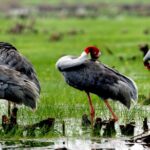
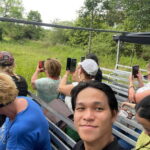
Lunch is included, and then the main nature stop arrives: Tra Su Cajuput (Melaleuca) Forest. You ride a motorboat through the flooded forest, which is known for birdlife—over 70 bird species is part of the tour’s messaging, including rare storks. After the motorboat section, you switch to a quieter rowing boat through narrow green canals.
This dual-boat approach is smart. The motorboat gets you into the flooded forest area quickly. The rowing boat lets you slow down and feel what the forest looks like when it’s partially hidden by water and vegetation.
In the late afternoon, you return to the hotel in Chau Doc and have free time.
What to pay attention to: Bring insect repellent and wear long enough clothing to cover your skin. Flooded forest areas can be buggy, even when the birds are the big draw.
Day 4: Vinh Xuong border formalities and the speedboat into Phnom Penh
Day 4 is straightforward but time-sensitive. You get breakfast at the hotel, then transfer to Vinh Xuong border gate for Cambodian immigration procedures. After those formalities, you board the speedboat to Phnom Penh, arriving around 1:00 PM.
This final day is why the whole trip works as a bridge between countries. You’re not stuck in a long bus day. You finish on water, which keeps the vibe consistent with the Mekong portion you just experienced.
Practical note: Bring your essentials for border time—passport, visa documents if you have them, and any entry paperwork you’re required to carry. The tour includes the transfer and guidance for the day’s logistics, but immigration is ultimately on you.
Price and value: what $316 buys (and where it can feel tight)
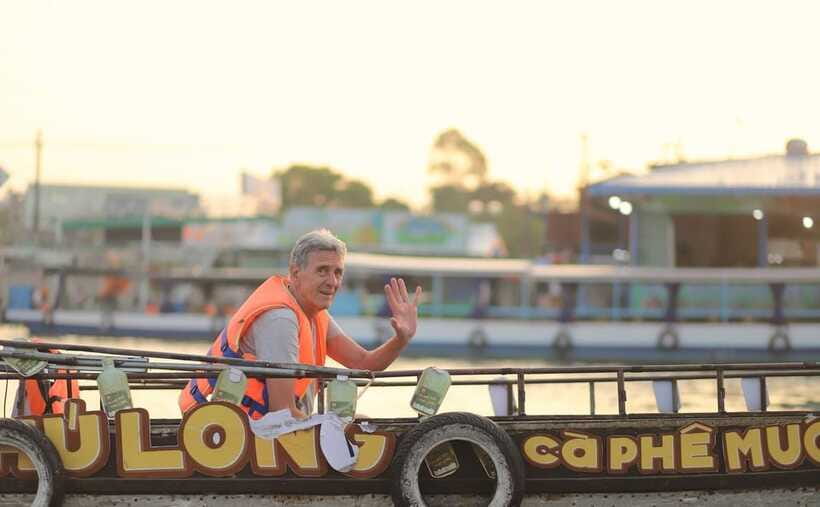
At $316 per person for 4 days and 3 nights, you’re paying for an organized route that strings together transport, guides, key river activities, and two hotel nights (Can Tho and Chau Doc). You also get multiple included meals: 3 breakfasts and 3 lunches with Vietnamese food.
The included boat experiences are a big part of the price logic: Mekong cruising, sampan canal time, motorboat visits, and the Tra Su forest boat segments. Entrance fees and the traditional music performance add to that “you’re not figuring it out yourself” value.
Where the value can feel uneven is pacing. If your group arrives at key times a bit late, you lose the chance to browse slowly or linger for photos. One set of experiences highlights that the guide can move quickly and keep explanations brief, which works best if you’re comfortable being guided by time rather than curiosity.
Also keep in mind what’s not included. Drinks during meals aren’t included. Meals outside the itinerary aren’t included. And the Cambodia visa fee (listed at USD 40) is not included.
If you’re the kind of traveler who wants a structured route and doesn’t mind a busy schedule, this price can feel fair. If you prefer slow travel, you may wish you had more breathing room between stops.



Comfort, transport, and group rhythm (the part you feel most)
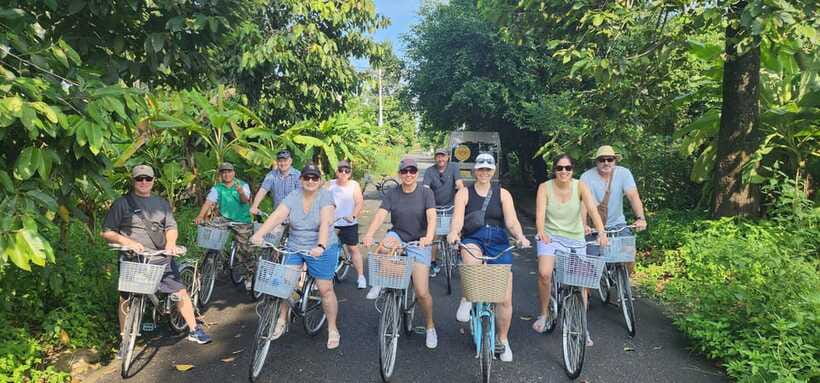
This tour isn’t designed for lounging. You hop from hotel to bus, bus to boat, boat to car or cart, then back again. The itinerary includes an air-conditioned bus transfer, and there are several guided segments with an English-speaking guide.
Still, you should expect these realities:
- Early mornings and scheduled departures are a core feature.
- You may have “free time,” but it’s limited compared to the number of stops.
- Some transfers may be without a guide (the bus from Can Tho to Chau Doc is noted as no guide).
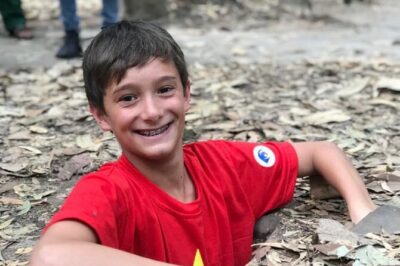
If you’re traveling with kids, the guide style can be a plus. One of the strongest points from real feedback is that the guide was very good with children. The flip side is that the same timing pressure that helps keep the route efficient can feel stressful if you want more unscheduled time.
If you’re sensitive to crowds or schedule changes, consider building in extra flexibility after the tour ends in Phnom Penh, so you’re not immediately rushing into another plan.
What to pack (so river days feel easy)
Bring what keeps you comfortable across boats, sun, and forest:
- Comfortable shoes (you’ll step on and off boats and walk in markets)
- Hat
- Camera
- Sunscreen
- Water
- Insect repellent
Also note the rules: smoking isn’t allowed in the vehicle, and alcoholic drinks aren’t allowed in the vehicle.
This is one of those tours where being prepared makes the experience feel smoother. If you show up in flip-flops, you’ll notice the difference fast.
Should you book this Mekong-to-Phnom Penh tour?
I’d book it if you want a guided, high-activity route that connects two countries without the hassle of planning every leg yourself. You’ll especially enjoy it if Cai Rang floating market and Tra Su forest are on your must-do list and you don’t mind early starts.
I’d skip it (or choose a slower option) if you hate tight timing, dislike being moved along quickly, or want long explanation time at every stop. The schedule can feel pressed, and missing a market window is a real risk if things run later.
If your goal is first-time Mekong Delta immersion plus a clean finish in Phnom Penh, this route has a lot going for it—especially the hand-rowed canal segment and the Tra Su forest boat combination.
FAQ
How long is the tour?
It runs 4 days and 3 nights.
What’s included in the price?
Air-conditioned bus transfer, an English-speaking guide (as noted in the itinerary), entrance fees, 3 breakfasts at the hotel, and 3 lunches with Vietnamese food. It also includes the boat trips, hand-rowing boat ride, motor cart ride, traditional Vietnamese music performance, seasonal tropical fruit tasting, bee-keeping farm visit / honey tea, a typical Mekong house visit, and hotel accommodation in Can Tho and Chau Doc.
Are drinks included with meals?
No. Drinks during meals aren’t included.
Is Cambodia visa cost included?
No. The Cambodia visa fee (USD 40) is not included.
What languages does the tour use?
English and Vietnamese.
How do you travel from Chau Doc to Phnom Penh?
You take a speedboat from the Chau Doc area after border formalities, arriving around 1:00 PM.
Do you visit Cai Rang Floating Market?
Yes. Day 2 includes a visit to Cai Rang Floating Market by motorboat early in the morning.
Is Tra Su Forest part of the itinerary?
Yes. Day 3 includes motorboat and rowing boat time through the Tra Su cajuput forest, with a focus on birdlife.
What should I bring?
Comfortable shoes, hat, camera, sunscreen, water, and insect repellent.
Is the tour suitable for wheelchair users or mobility impairments?
No. It’s not suitable for people with mobility impairments or wheelchair users.
Are there any rules about smoking or alcohol on transport?
Yes. Smoking isn’t allowed in the vehicle, and alcoholic drinks aren’t allowed in the vehicle.