REVIEW · HO CHI MINH CITY
Ho Chi Minh: Southern Vietnam 4-Day Authentic Mekong Farm Trip
Book on Viator →Operated by Vietnam To Travel · Bookable on Viator
In This Review
- First, the hook
- What this experience is really good at
- Key highlights to look for
- Why this trip feels more authentic than a checklist tour
- Price and what $719 buys you in real terms
- Day 1: Cu Chi Tunnels then Long An’s rice fields and narrow canals
- Day 2: Sunrise cycling/market breakfast in Ca Mau country, then kayaking and sunset by boat
- Day 3: Nam Can mangroves, shrimp farms, clams/oysters, and a BBQ night
- Day 4: Soc Trang’s Tac Say Cathedral and Clay Pagoda, then back to HCMC
- The guides: Chow and Pablo keep the pace humane
- What to pack and how to prepare for a water-and-farm schedule
- Who should book this Mekong farm trip
- Should you book this trip?
- FAQ
- How long is the trip, and when do I return to Ho Chi Minh City?
- What activities are included throughout the 4 days?
- Is pickup provided from Ho Chi Minh City?
- Can you accommodate dietary restrictions?
- What if the weather is bad?
- Is this tour private?
First, the hook
Mekong life, minus the tourist patter. This 4-day trip from Ho Chi Minh City focuses on farm work, rivers, and real village rhythms instead of checklist sightseeing, with hands-on days that mix kayaking, cycling, fishing, and cooking. I like the way it swaps city time for early mornings on the water and the calm of rural homestay life, and I also like that you get strong local guidance from people like Chow and Pablo who keep things patient and question-friendly. The one catch: it’s active—lots of boat time, cycling, and even swimming for clams/oysters—so it may feel like too much if you want a slow, fully relaxed pace.
What this experience is really good at
This is the kind of Mekong trip you choose when you care about how food gets made, how canals connect communities, and how nature shapes daily routines. You’ll start with the historic Cu Chi Tunnels, then head into Southern Vietnam’s river-and-farm world, finishing back in HCMC around 5:30 PM on the last day. The overall value is strongest if you want a private feel for your group (not a crowded bus-tour vibe) plus the included activities that usually cost extra when booked separately.
You can also read our reviews of more tours and experiences in Ho Chi Minh City
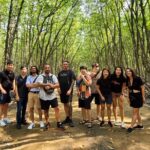
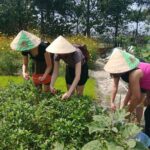
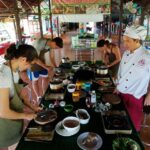
Key highlights to look for
- Hands-on Mekong Delta farm experiences like rice transplanting, fish catching, cooking, and water-side fishing
- Homestay base at Family Tiny Garden Homestay after moving south on Day 1
- Ca Mau mangroves and Tam Giang sunset by motorboat, with early starts that make the day feel fresher
- Mix of active and calmer moments, so you get movement without feeling like you’re sprinting all day
- Guides with strong English and a patient style (Chow and Pablo are repeatedly praised for it)
- Comfort details that matter such as rooms with mosquito nets and a safe, well-managed pace
Why this trip feels more authentic than a checklist tour
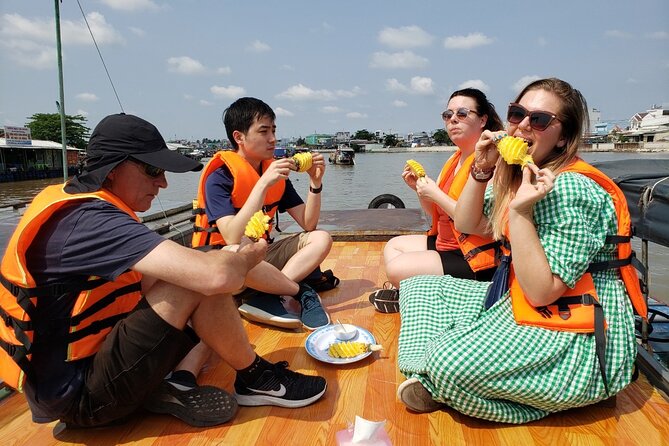
The best thing about this program is the balance between activity and context. You don’t just look at rural life from a distance—you end up doing small tasks: cycling through rice areas, trying canal paddling, learning cooking steps, and joining in the kind of market-to-meal flow that locals live with every day.
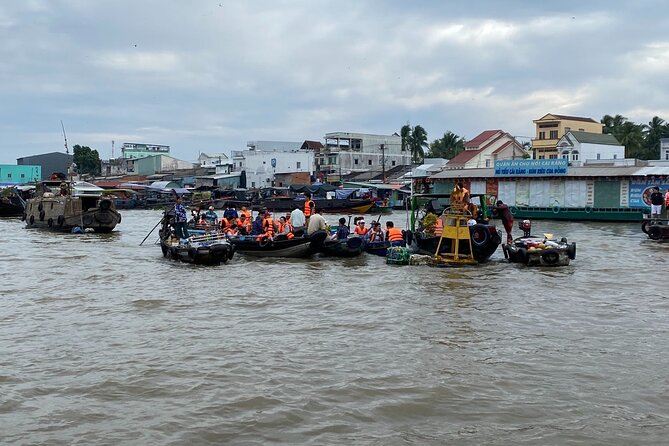
Another big plus is how the route is built around water. You spend real time on rivers and narrow canals, which changes how you see the Mekong Delta. From the first day’s kayaking through tight waterways to the mangrove canal rides in Ca Mau, the day doesn’t just end on the water—it keeps using the water as the main route and main viewpoint.
One practical consideration: your schedule is full. This isn’t a tour that lets you sleep in. If you like early starts and hands-on days, you’ll feel rewarded. If you prefer staying dry, staying still, and doing one thing per half-day, this might feel like a hard fit.
Price and what $719 buys you in real terms
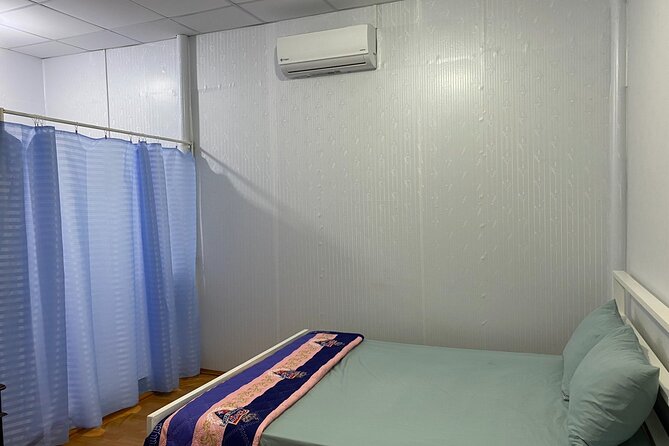
At $719 per person for about four days, you’re paying for more than transport. You’re also paying for a package that stacks several “separate bookings” into one: homestay time, multiple activity stops (kayaking, cycling, cooking, fishing), and the structured jump from Ho Chi Minh City into the deep Southern Delta.
The value is better than it looks if you want the whole mix:
- You’ll get pickup offered (so you’re not hunting rides on your own).
- The trip runs as private for your group, which usually means less waiting and more flexibility when questions come up.
- You’re given an end-to-end plan that covers multiple provinces (Long An, Ca Mau, Nam Can, Soc Trang), which would be time-consuming to stitch together yourself.
Where the price question becomes personal is comfort level. If you’re the kind of traveler who hates early mornings or doesn’t enjoy physical activities, you may end up feeling like you paid for effort. But if you’re curious, active, and okay getting hands-on, you’re paying for experiences that are otherwise hard to arrange efficiently.
Day 1: Cu Chi Tunnels then Long An’s rice fields and narrow canals
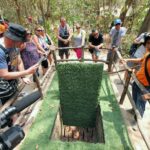
Day 1 starts with a classic Vietnam history stop: Cu Chi Tunnels. It’s an intense start, but it’s also a useful contrast to what comes next. You see how people survived underground during wartime, and then you roll south toward the Mekong, where survival is more about water, farming, and daily adaptation.
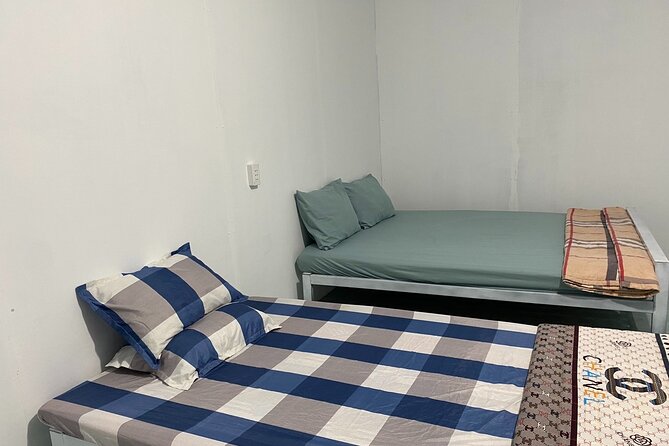
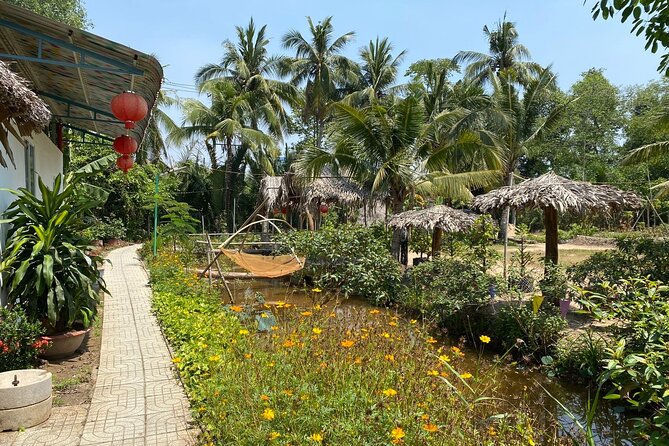
After that, you check in at Family Tiny Garden Homestay. Homestay time matters here because it’s your base between activities. A previous comfort point I’d take seriously is that rooms are noted for having mosquito nets, which is a very practical upgrade in humid Delta conditions.
In the Long An portion, the afternoon becomes a hands-on farm day:
- A cooking class, so you’re not only watching food culture—you’re learning it
- Cycling through rice fields, plus a stop at Xom Trau Pagoda
- A visit to an underground relic (separate from Cu Chi)
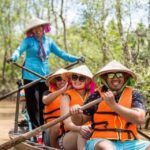
- Kayaking through narrow canals
- Rice transplanting and fish catching
This is where the tour earns its “authentic” reputation. Rice transplanting and fish-catching aren’t just photo ops; they’re active tasks that help you understand how much work goes into what ends up on your plate.
Possible drawback for Day 1: it’s a lot of switching gears. You go from tunnels to homestay to farm work and canal paddling. If you’re sensitive to long drives and packed schedules, plan for a slower evening and let your body adjust.
You can also read our reviews of more tours and experiences in Ho Chi Minh City


Day 2: Sunrise cycling/market breakfast in Ca Mau country, then kayaking and sunset by boat
Day 2 begins early—around 6:00 AM—with a choice of sunrise cycling or an orchard visit. Then comes a local rhythm: a market visit with breakfast and coffee. This part is valuable because it teaches you how everyday commerce and food culture set the tone for the day.
By 8:00 AM, you’re back in motion with kayaking. Kayaking early tends to mean quieter water and better light, and it also helps you understand how canals work as pathways, not just scenery.
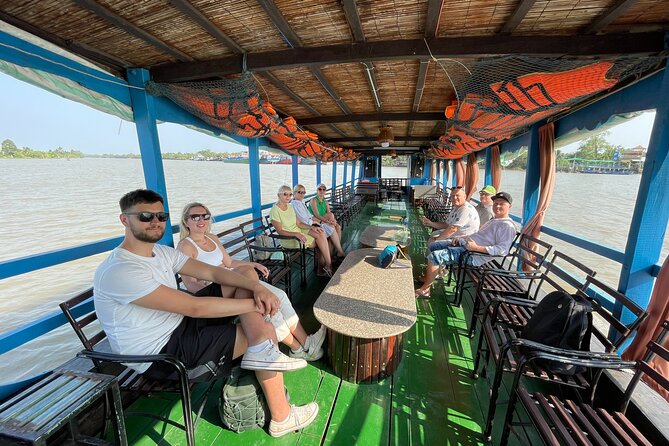
Later you head toward Ca Mau (depart around 9:30 AM, with lunch on the way). Once you’re settled into the Ca Mau area, the day builds toward the kind of evening most people only imagine from photos. At around 4:30 PM, you take a motorboat trip to watch the sunset on Tam Giang.
What I like about this structure is that it doesn’t treat sunset as a random photo moment. You’re moving through the region, then you’re rewarded at the end of the travel day when the light turns kind.
Possible consideration: travel days can feel long. Even with included meals, you’re still shifting locations, which is part of the trade for seeing multiple provinces in four days.
Day 3: Nam Can mangroves, shrimp farms, clams/oysters, and a BBQ night
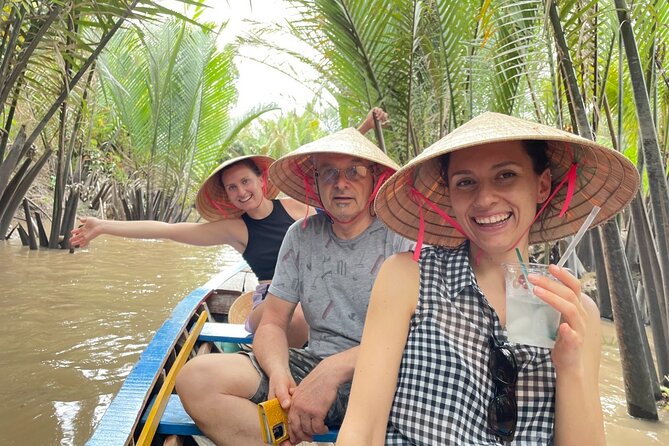
If Day 2 is about reaching Ca Mau, Day 3 is about slowing down and getting specific. You start in the Nam Can area with breakfast, then head out on a motorboat exploration of mangrove canals. Mangroves aren’t just a pretty ecosystem here—they’re the map for how people live, work, and fish.
Next you’ll visit shrimp and aquaculture farms, which is key to understanding the Delta economy. Shrimp farming and related aquaculture show up across the region, but here it’s framed as something you can see and ask about, not just something you read in a brochure.
Then comes a market-to-cooking moment. You visit a market, and you’ll cook lunch with locals. This is one of those experiences that stays useful after the trip. Even if you don’t remember every step, you’ll remember the workflow: shop, prep, cook, eat.
The afternoon gets hands-on in a way that’s hard to replicate elsewhere:
- Fishing
- Swimming to find clams/oysters
- A BBQ dinner afterward
This is also the most “physical” day of the itinerary. If water is a stress for you—cold, uncomfortable, or anxiety-provoking—this is the day to think carefully about what you’re signing up for. If you like trying things, it’s the day that gives the strongest sense of living with the Delta instead of just visiting it.
Day 4: Soc Trang’s Tac Say Cathedral and Clay Pagoda, then back to HCMC
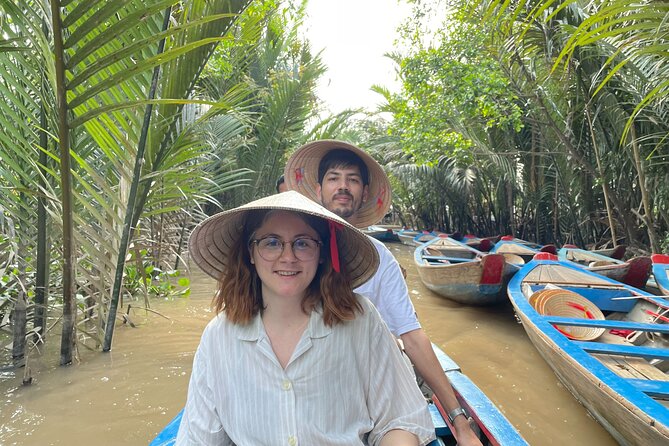
On the last day, you transition from waterways back into cultural stops in Soc Trang. The morning begins with motorboat to bus movement, then you visit Tac Say Cathedral (Father Diep’s Church) and the Clay Pagoda.
Why these stops work at the end: they shift your brain from water and farm tasks to architecture and local religious art. You’ve spent days around production—rice, fish, shrimp, markets—and then you see how people express belief and community through places like these.
Lunch is around 12:30 PM, then you drive back to Ho Chi Minh City, arriving around 5:30 PM. That timing is practical: you avoid the late-night arrival that can ruin your last evening plans.
One small drawback to note: Soc Trang is a change of pace after very active days. If you’re still tired from kayaking, cycling, and swimming, you may want to pace your attention—don’t try to “sightsee hard” at the end.
The guides: Chow and Pablo keep the pace humane
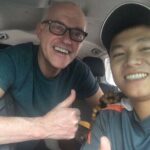
A big reason people rate this trip so highly is how the guides manage the experience. Chow is described as funny, energetic, and polite, with an approach that’s social without feeling pushy. He also comes across as the kind of guide who answers questions instead of rushing you along.
Another name that shows up is Pablo. The way he’s described is enthusiastic and passionate, and importantly, he helps the group feel comfortable. That matters on a tour like this because confidence on boats and in water-based activities is half safety and half peace of mind.
The English level is repeatedly praised too, which makes the whole trip better. When you can ask real questions—about food, farms, or daily life—you get more out of every stop.
What to pack and how to prepare for a water-and-farm schedule
Because this trip mixes kayaking, cycling, fishing, and at least one activity in the water that involves swimming, you’ll want to think in terms of comfort and quick-dry items.
Practical basics:
- Water shoes or sandals that won’t hate wet surfaces
- A rash-guard type layer if you burn easily
- Sun protection (hat, sunscreen) for cycling and open boats
- A small dry bag for phones and cameras
Also, don’t ignore mosquito-related comfort. With the note that rooms include mosquito nets, that’s a good sign, but you should still bring your own repellent if you’re sensitive.
Finally, manage your energy. This trip is a string of active hours, not a single “big attraction.” If you eat well and hydrate through the day, you’ll enjoy it more and feel safer during the water activities.
Who should book this Mekong farm trip
This is a strong match if you:
- Want authentic Mekong Delta farm life with hands-on tasks
- Like photography and nature, but also want the human side—markets, cooking, and daily work
- Prefer a trip that includes variety: active mornings, cooking, water time, and calmer late-day moments
- Value a guide team that’s patient and willing to explain things clearly
It’s less ideal if you:
- Don’t like early starts
- Are uncomfortable with cycling, fishing, or swimming
- Want purely scenic boat cruising with minimal participation
Because it’s private for your group, it can also work well for couples or friends who want a more personal feel without losing the structure that makes multi-province travel easier.
Should you book this trip?
I’d book it if you’re the kind of traveler who comes to Vietnam to learn how people actually live—through food, farms, canals, and routines. The combination of Mekong Delta activities plus homestay time, capped with Ca Mau’s mangrove-and-sunset day, is a lot for four days, and it feels built for real experiences rather than quick photo stops.
I’d skip or reconsider if you’re seeking a relaxed, low-activity vacation. This is a hands-on trip. You’ll pedal, paddle, fish, and on Day 3 you may swim for clams/oysters. If that sounds fun and you can handle it, you’ll likely feel like the trip earned its price.
FAQ
How long is the trip, and when do I return to Ho Chi Minh City?
The experience runs for about 4 days. You’ll return to Ho Chi Minh City around 5:30 PM on Day 4.
What activities are included throughout the 4 days?
Expect a mix of Cu Chi Tunnels, cooking, cycling, visits to pagodas and markets, kayaking, motorboat rides, fishing, and activities that include swimming to find clams/oysters. A cooking session with locals is part of the program.
Is pickup provided from Ho Chi Minh City?
Pickup is offered, and you start Day 1 with pickup at your hotel before heading to Cu Chi Tunnels and then toward the Mekong Delta.
Can you accommodate dietary restrictions?
Yes. The tour can accommodate dietary restrictions such as vegetarian, vegan, and gluten-free if you indicate your needs at booking.
What if the weather is bad?
This experience requires good weather. If it’s canceled due to poor weather, you’ll be offered a different date or a full refund.
Is this tour private?
It’s a private tour/activity, meaning only your group participates.