REVIEW · HO CHI MINH CITY
Coffee Workshop in Ho Chi Minh City: Discover the art of coffee
Book on Viator →Operated by iO Specialty Coffee · Bookable on Viator
Vietnam’s coffee tastes better after you learn it. A 2-hour Ho Chi Minh City class that stays hands-on and small, I like the limited group size (max 15) and the chance to master a traditional Phin filter brew, not just watch. You work through the coffee journey from harvesting and processing to roasting levels, cupping, and finally making a fresh cup of Vietnamese Robusta coffee.
I do think there’s one possible snag: if your instructor’s English runs fast or uses unfamiliar coffee terms, you may lose a few steps. In past classes, English clarity was called out as a concern by at least one participant, so go in ready to ask questions and point at what you are unsure about.
In This Review
- Key things to know before you go
- A Ho Chi Minh City coffee workshop built around Vietnam’s Robusta
- Finding your way to Signature M7 in District 7, and what to expect from the timing
- Farming section: cherries, processing methods, and choosing cleaner green beans
- Roasting section: hands-on roasting and tasting 3 roast levels
- Cupping section: learning flavor with structured comparisons
- Brewing section: Vietnamese Phin coffee and why it tastes the way it does
- Coffee quality lessons: low vs high quality, made concrete
- Instructors, group size, and the English-factor reality check
- How much is $71 worth for a 2-hour coffee workshop?
- Who should book this coffee workshop, and who might want a different option
- Should you book this Coffee Workshop in Ho Chi Minh City?
- FAQ
- How long is the coffee workshop in Ho Chi Minh City?
- Where does the workshop start?
- How big is the group?
- Is there a mobile ticket?
- What do you do during the class?
- Do you taste different coffee roasts?
- What brewing method do you learn?
- Who runs the workshop?
- Is free cancellation available?
- Are service animals allowed?
Key things to know before you go
- Farm-to-cup, not just tasting: you go from cherry handling to brewing your own cup
- Touch the inputs: you can peel coffee fruits and handle green beans
- Three processing methods + bean selection: you see different processing approaches and learn to remove defective green beans
- Hands-on roasting with 3 levels: you taste how roast changes flavor
- Cupping plus Phin brewing: you compare cups, then brew traditional Vietnamese Phin coffee
- Max 15 people: the setup supports personalization, even down to very small groups in some sessions
A Ho Chi Minh City coffee workshop built around Vietnam’s Robusta
This is the kind of class that makes Vietnam coffee stop being a mystery. You learn why Vietnamese coffee often tastes heavier, more grounded, and more intense than the lighter espresso styles many people expect. That comes down to what Vietnam grows and how it’s processed and roasted, especially the use of Robusta and the way traditional brewing methods change the final cup.
What I like about this workshop is that it’s not just a slideshow of coffee facts. It follows the SCA’s Introduction to Coffee program structure, and you do the work: processing, roasting, tasting, then brewing. It’s practical enough that you can repeat the process at home, even if you don’t end up buying the exact same coffee.
And since the class is capped at 15 travelers, you get time to ask questions while the steps are still fresh in your mind. If you’ve been ordering Vietnamese iced coffee and wondering why it tastes the way it does, this class gives you a map.
You can also read our reviews of more city tours in Ho Chi Minh City


Finding your way to Signature M7 in District 7, and what to expect from the timing

The session starts at The Signature M7, Lobby Block A & BPPFH+R5V, Khu đô thị Phú Mỹ Hưng, District 7. It ends back at the meeting point, so you’re not left figuring out transport after you’ve had coffee in your system.
The total time is about 2 hours. That’s long enough to do multiple steps (processing demo, bean selection, roasting, cupping, and brewing), but short enough that you won’t feel like you’ve signed up for a whole day in a classroom. This matters in Ho Chi Minh City, where your afternoons can fill up fast with other plans.
Practical note: the meeting point is near public transportation, which is helpful if you are using ride-hailing less often or you want to combine this with nearby sights in District 7.
Farming section: cherries, processing methods, and choosing cleaner green beans
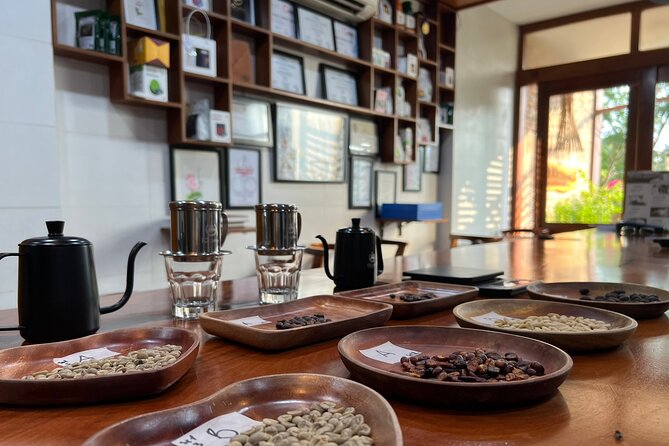
The first part is about where coffee starts: harvesting and selecting what goes forward. You learn what ripe coffee cherries look like, and you get a small-scale demonstration of three different coffee processing methods. Seeing the processing approaches side-by-side helps you understand why coffee from the same general region can end up tasting noticeably different later.
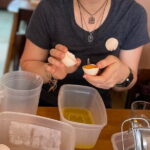
Then you move from theory into handling. In this workshop, you are not just told what to look for. You can peel the coffee fruits and work with green beans, which makes the quality conversation feel real. One participant specifically mentioned getting to see, touch, peel, and handle the inputs, and that kind of sensory learning sticks.
The class also focuses on how to spot and remove low-quality material. You get practice selecting green beans and eliminating defective ones. That’s a key skill if you want to brew better coffee at home, because weak links usually come from the raw material. If you’ve ever wondered why one bag of coffee tastes great and another tastes flat, this portion helps you see the difference before roasting ever happens.
Roasting section: hands-on roasting and tasting 3 roast levels
After processing, you shift to roasting. This is hands-on time, and it matters because roasting is where a lot of flavor control lives. You experience roasting yourself and learn how roasting level changes what you taste.
You work with three roasting levels, then you taste the results. The value here is that you’re not comparing only two cups. You’re building a feel for the full range: lighter roasts tend to highlight more clarity, while darker roasts can push heavier, more roasted notes. The exact flavor descriptors can vary depending on the beans used in your session, but the takeaway is consistent: roast level is not a guessing game.
You also get a chance to notice your preferences. Some people learn they want a more mellow profile, while others find they enjoy the bolder edges of a darker roast. Either way, you’re leaving with a personal reference point, not just generic advice.
If you’re the type who likes to understand the why, you’ll appreciate that the class is described as “very scientific” by one serious coffee fan. That doesn’t mean it’s stuffy, but it does mean the workshop leans toward process and technique instead of only vibes.
Cupping section: learning flavor with structured comparisons
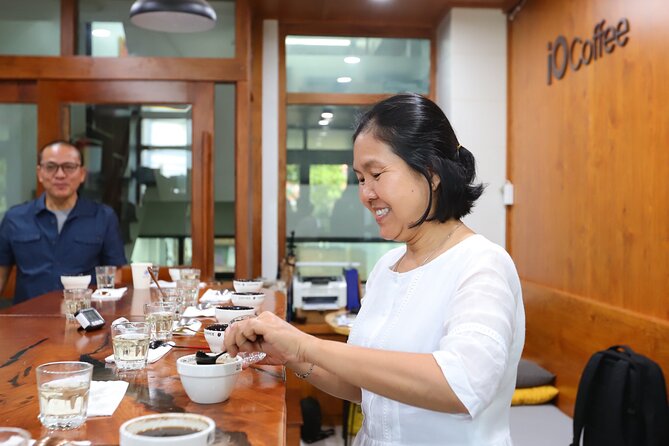
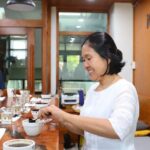
Cupping sounds fancy, but here it’s used for something very practical: helping you recognize flavors across different roast levels. You explore how flavor changes, then you taste coffee prepared for cupping so you can compare outcomes without the noise of different brew methods.
This portion helps you separate two skills that often get mixed up. One skill is noticing flavor. The other skill is understanding what caused the flavor. Cupping supports both. When you later brew at home with your own roast choice, you can think back to what you noticed during tasting and make better decisions faster.
One bonus of this workshop’s structure is that you don’t only roast and then hope. You taste during the session and use comparisons to connect roast choice to cup result. That’s the kind of learning that short courses should do, and this one does.
You can also read our reviews of more tours and experiences in Ho Chi Minh City
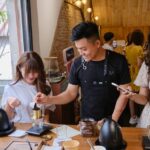
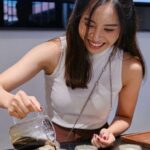

Brewing section: Vietnamese Phin coffee and why it tastes the way it does
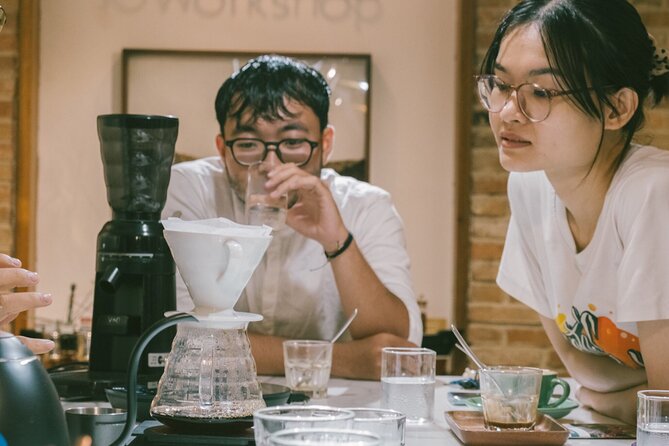
Now you get to the part most people came for: brewing traditional Vietnamese coffee with a Phin filter. The workshop doesn’t treat the Phin like a quirky prop. It gives you history context and then focuses on the actual method, so you can reproduce the process rather than copying a single lucky cup.
Vietnamese Phin coffee is known for its distinct character. The brewing style affects extraction and the way the coffee concentrates in the cup. When you brew your own, you understand why the coffee tastes natural and different compared with drip or espresso machines.
This workshop specifically frames the final cup around Vietnamese specialty coffee and Fine Robusta beans, with the goal of exploring natural, exquisite flavors. That wording might sound polished, but the result is tangible: you brew, taste, adjust your approach if needed, and come away more confident about what you’re tasting.
If you’re already a coffee nerd, you’ll enjoy that this is a technique you can keep using after the class. If you’re brand new, you’ll still get it quickly because the Phin approach is visual and methodical. You see what’s happening, which helps you learn without stress.
Coffee quality lessons: low vs high quality, made concrete
A big theme in this class is quality control. It’s easy to say you should buy “good coffee.” It’s harder to learn what makes something good and what to do about it.
You get demonstrations aimed at telling low and high-quality coffee apart. The workshop then connects that to hands-on bean selection: you practice choosing green beans and removing defective ones. That’s quality at the source, before roasting can even fix it.
If you only drink coffee on the go, this might be the part you carry home the longest. Because even with the same brewing method, coffee quality in the bag changes everything. This class gives you a way to think about quality that goes beyond marketing claims.
Instructors, group size, and the English-factor reality check
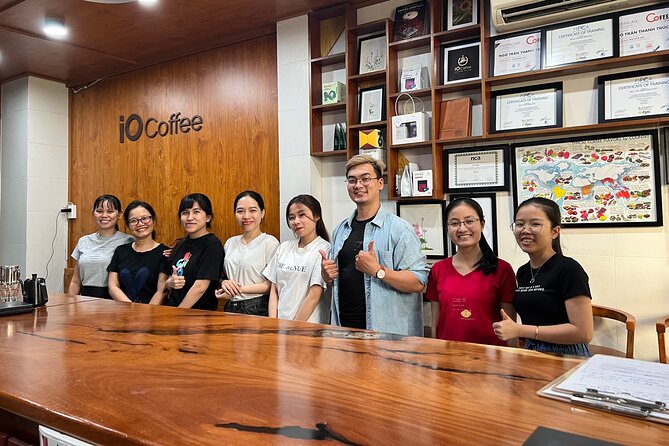
The workshop is taught by iO Specialty Coffee. Past sessions have included instructors named Chris and Danny, and participants praised both for being kind, funny, and patient with questions. One person even ended up as the only participant in a session, which turned the workshop into an ultra-personal experience.
That small-group possibility is a real value driver. When there are fewer people, you can ask follow-up questions without feeling like you’re slowing down the class. You also get more chances to correct technique while the steps are still fresh.
The trade-off is that instruction is in English, and at least one review noted that a young instructor’s English was difficult to understand. That doesn’t mean the class is unclear overall, but it does mean you should show up ready to communicate. If you struggle with fast explanations, ask for slower phrasing or use gesture-and-point questions. Coffee people tend to be friendly that way.
How much is $71 worth for a 2-hour coffee workshop?
At $71 for about 2 hours, this isn’t a cheap coffee-only tasting. It’s priced like a hands-on skill session, and that’s what it is. You’re paying for a structured SCA-style experience plus active participation in multiple steps: processing demonstrations, roasting practice, cupping/tasting comparisons, and Phin brewing.
Here’s how I judge the value: you should leave with at least two things you didn’t have at the start. In this workshop, the “new” is both practical and sensory. You gain process knowledge (how roasting and processing changes outcomes), and you gain repeatable technique (Phin brewing) plus taste reference points across roast levels.
It also helps that the rating is exceptionally high, with 94% recommending it and an average rating of 4.9 across 35 reviews. That kind of consensus usually points to consistent instruction and an experience that feels worth the time.
If you’re the type who learns best by doing, the price makes more sense. If you want purely casual sipping with no technique focus, you might feel it leans more serious than you expected.
Who should book this coffee workshop, and who might want a different option
You’ll be a great fit if you:
- Want the farm-to-cup story for Vietnam coffee, not just a quick tasting
- Enjoy hands-on learning (processing, roasting, cupping, and brewing)
- Like technique enough to bring it home, especially with Phin brewing
- Are curious about Robusta and why Vietnamese coffee often tastes intense
You might want to think twice if:
- You mainly want a relaxing coffee walk without any structured learning
- You’re uncomfortable with technical explanations in English
- You expect an espresso-machine course (this is centered on Vietnamese Phin brewing and the coffee journey, not on espresso setup)
Given one review describing the class as very scientific and for serious coffee interests, this workshop is best for people who enjoy process.
Should you book this Coffee Workshop in Ho Chi Minh City?
I’d book it if you want something that turns Vietnamese coffee from a habit into a skill. The combination of processing context, hands-on roasting, cupping comparisons, and then brewing with a Phin filter is the right mix for learning fast in a short time. The small-group cap (max 15) adds comfort and keeps the pace from feeling rushed.
I’d skip it (or switch your expectations) if your main goal is casual sightseeing coffee. This course is about technique and quality. Also, if English is tough for you, plan to ask questions during the hands-on parts, since the workshop’s structure gives you plenty of chances to check in.
If you’re in Ho Chi Minh City and coffee matters to you more than one random café stop, this is one of the more efficient ways to learn what’s in your cup and how to make it better.
FAQ
How long is the coffee workshop in Ho Chi Minh City?
It runs for about 2 hours.
Where does the workshop start?
The start point is The Signature M7, Lobby Block A & BPPFH+R5V, Khu đô thị Phú Mỹ Hưng, District 7, Ho Chi Minh City, Vietnam.
How big is the group?
The activity maximum is 15 travelers.
Is there a mobile ticket?
Yes, the experience includes a mobile ticket.
What do you do during the class?
You learn about coffee harvesting and bean selection, see demonstrations of coffee processing methods, experience hands-on roasting, do cupping and tasting, and brew Vietnamese Phin coffee.
Do you taste different coffee roasts?
Yes. You explore flavors and taste coffee with different roast levels, and roasting is done across three roast levels.
What brewing method do you learn?
You learn to brew authentic Vietnamese coffee using a traditional Phin filter.
Who runs the workshop?
The provider is iO Specialty Coffee.
Is free cancellation available?
Yes. You can cancel for a full refund if you cancel up to 24 hours in advance of the experience start time.
Are service animals allowed?
Yes, service animals are allowed.