REVIEW · HO CHI MINH CITY
Ho Chi Minh City: Fun and Easy Coffee Workshop for Beginners
Book on GetYourGuide →Operated by Lacàph Coffee Experiences · Bookable on GetYourGuide
Your next coffee obsession starts in 90 minutes. I like how the class smells you with freshly roasted beans and gets you using a phin filter right away, even if you’re new. The whole lesson is beginner-friendly, with clear steps and quick context on what you’re tasting.
I also love that you actually make three styles, not just watch: Bạc Xỉu first, then the famous salt coffee Cà Phê Muối. And because the session is paced like a small-group hang, it’s easier to ask questions when something feels confusing.
One catch: this experience uses dairy and bánh mì bread, so it’s not a fit if you need lactose-free or gluten-free options (and it’s also not for vegans, plus there are a few health-related restrictions).
In This Review
- Key points to know before you go
- Your 90-Minute Plan: Three Coffees, No Fancy Experience Needed
- Where to Meet Lacàph Coffee Experiences in District 1
- Bạc Xỉu: Learning the Vietnamese Milk-Coffee Rhythm with a Phin
- Cà Phê Muối from Huế: The Salted Coffee That Tastes Like Caramel
- Phin Con Panna: Yogurt, Cream, and Coffee Blossom Honey
- Bánh Mì Dessert Paired with Honey and Yogurt Coffee
- Instructor Styles: English Support, Friendly Pace, and Real Q&A Time
- The Value Math: $23 for Three Coffees and a Bánh Mì Finish
- What You Actually Learn (So You Can Recreate It)
- Quick Practicalities: Timing, Transfers, and Best Fit
- Who this is best for
- Who should skip it
- Final Call: Should You Book This Coffee Workshop in Ho Chi Minh City?
- FAQ
- FAQ
- How long is the coffee workshop?
- Where is the meeting point in Ho Chi Minh City?
- What languages are the instructors?
- What is included in the price?
- Is hotel transfer included?
- What dietary or health limitations should I know about?
Key points to know before you go
- You brew Vietnamese coffee with a phin microfilter, not a generic drip setup
- Three hands-on drinks: Bạc Xỉu, Cà Phê Muối, and Phin Con Panna
- Salted coffee from Huế with a caramel-like flavor twist
- Yogurt + cream + coffee blossom honey gives you a sweeter, softer finish
- Small-group instruction in English or Vietnamese, with visual aids and time to ask questions
Your 90-Minute Plan: Three Coffees, No Fancy Experience Needed
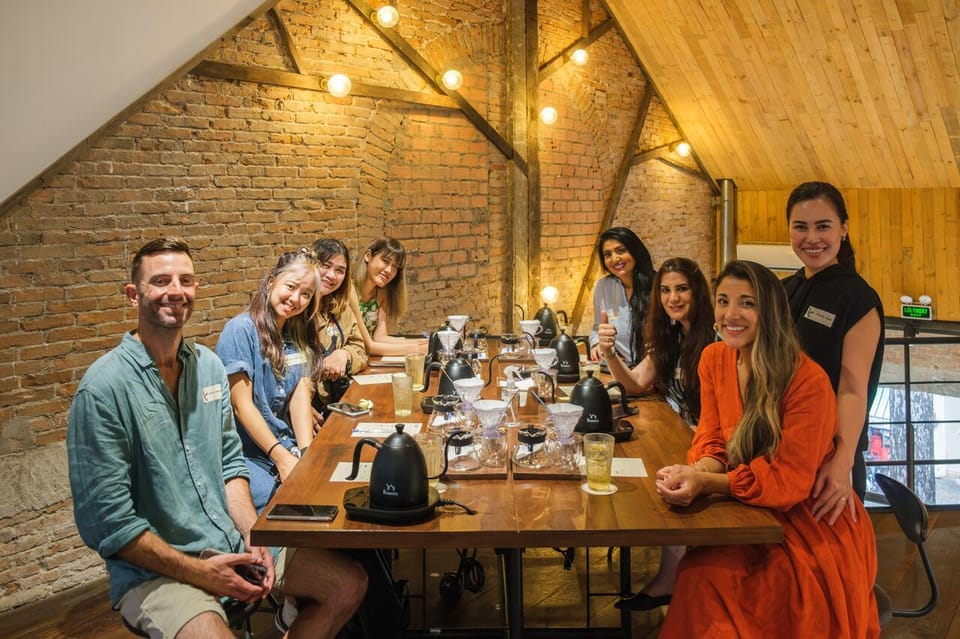
This is the kind of class that turns Ho Chi Minh City coffee culture from an interesting idea into something you can repeat at home. In 90 minutes, you’ll go from “What is a phin filter?” to making three Vietnamese coffee styles and pairing them with a bánh mì dessert.
The best part is that the workshop doesn’t act like coffee is a test. You learn the steps, you taste the results, and you get help keeping the flavors on track. If you want a fun, low-stress activity in District 1, this hits the sweet spot.
You can also read our reviews of more city tours in Ho Chi Minh City


Where to Meet Lacàph Coffee Experiences in District 1

Double-check the address before you head over. The experience takes place at the Lacàph Coffee Experiences Space, 220 Nguyễn Công Trứ, District 1.
The provider has two locations in the city, so arriving at the wrong shop is the easiest way to waste time. If you’re using a motorbike, you’ll want the basement parking in building 57 Phó Đức Chính. Car parking is at 8 Tôn Thất Đạm. Note: those parking areas are not run by Lacàph.
Bạc Xỉu: Learning the Vietnamese Milk-Coffee Rhythm with a Phin
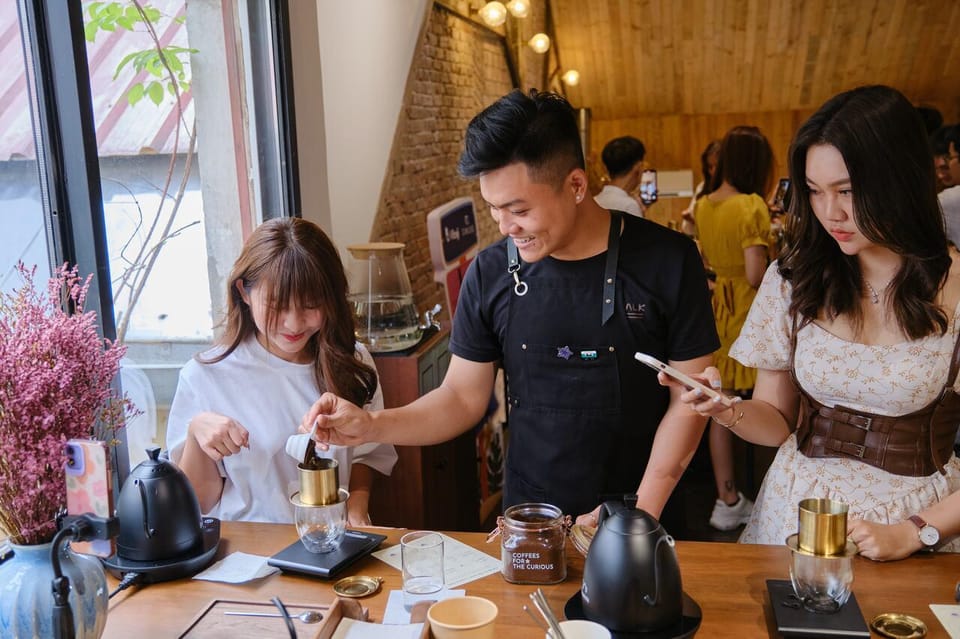
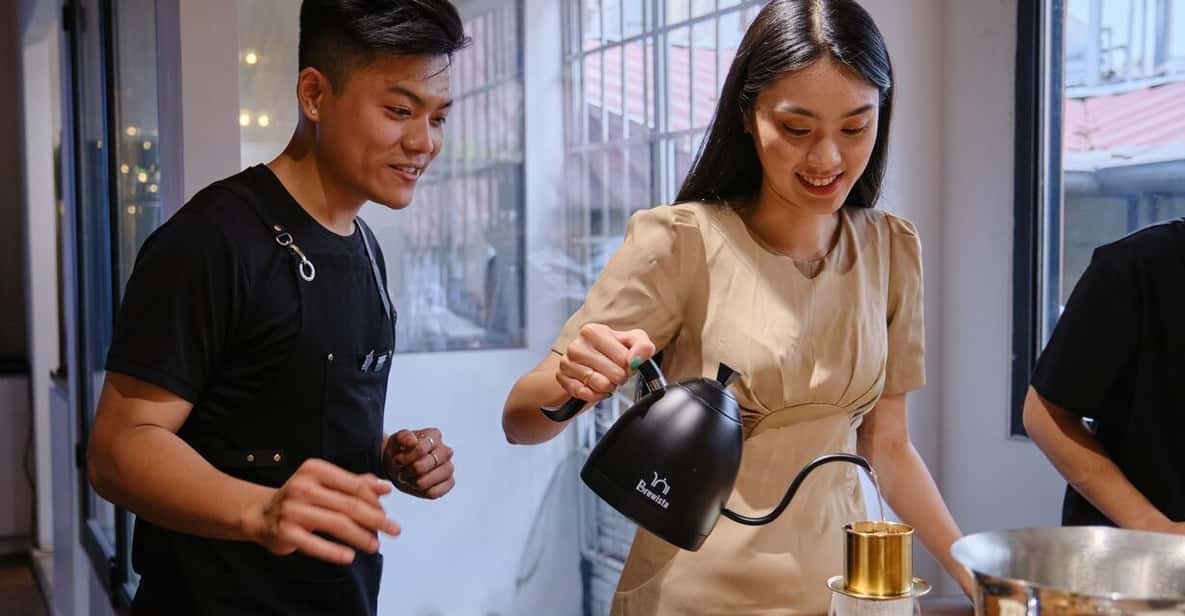
The lesson starts with Bạc Xỉu, a Vietnamese coffee that blends coffee with milk. The class format is practical: you get hands-on with the phin microfilter brewer, and you work with freshly roasted beans so the flavor is fresh and aromatic—not flat.
Why this matters for beginners: Bạc Xỉu teaches you the core Vietnamese coffee workflow. You learn how the phin controls the pace of extraction, and you can taste how the strength changes as the brew progresses. It’s also a great “first win,” because milk softens the coffee, so you’re not overwhelmed by pure bitterness.
You’ll also hear the story behind what you’re making—so you’re not just copying steps, you’re understanding what the process is trying to achieve.
Cà Phê Muối from Huế: The Salted Coffee That Tastes Like Caramel
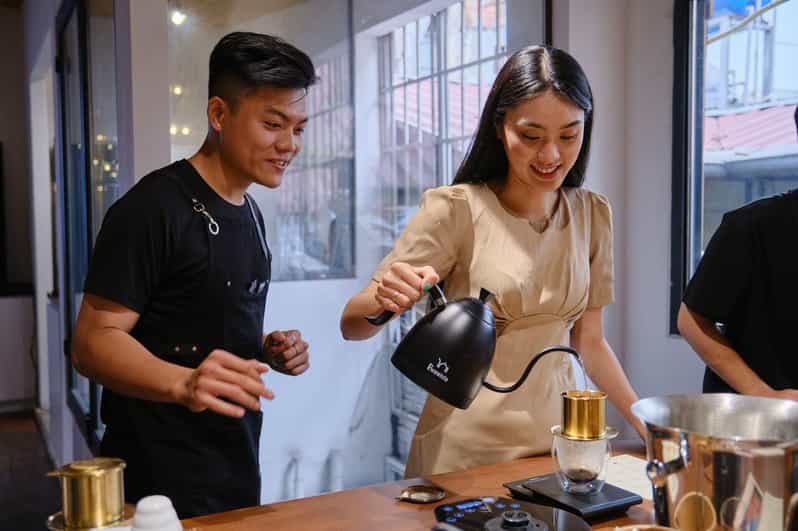
Next comes Cà Phê Muối, a renowned salted coffee tied to the city of Huế. The highlight here is the flavor effect: salt coffee is famous for that caramel-like impression, which sounds weird until you taste it.
In the workshop, you learn not only how to make it, but why it feels different. Salt can sharpen perception and balance sweetness and bitterness, and the class explains the concept in a way that’s easy to follow. You end up with a cup that’s deeper than sweet coffee, but smoother than harsh black coffee.
This is the moment where a lot of people stop thinking of Vietnamese coffee as one “style.” You start realizing it’s a toolbox—milk, salt, yogurt, and honey are used intentionally to change texture and taste.
Phin Con Panna: Yogurt, Cream, and Coffee Blossom Honey

After the salted coffee, you’ll move to Phin Con Panna. This is built around a special mix: yogurt, cream, and raw coffee blossom honey.
This section is especially good if you normally avoid strong coffee. Phin Con Panna shifts the whole experience toward creamy and gently sweet. You still taste the coffee, but the dairy and honey round out the edges, so the flavors feel balanced rather than aggressive.
You’ll also learn how to combine the components so the result doesn’t turn into one-note sweetness. The instructor’s step-by-step guidance is the key here, because small changes in mixing and serving can affect how the coffee and topping layers come together.
You can also read our reviews of more tours and experiences in Ho Chi Minh City


Bánh Mì Dessert Paired with Honey and Yogurt Coffee
The workshop wraps with a Vietnamese bánh mì dessert pairing. Instead of treating bánh mì as a savory-only thing, the class uses it as a dipping bread for coffee.
You’ll dip bánh mì into the coffee mix that includes honey and yogurt, so you get sweet, creamy, and coffee notes in one bite. It’s a clever finish because it ties the lesson back to everyday Vietnamese eating habits—coffee as a companion, not a standalone drink.
If you’re trying to make sense of Vietnamese coffee culture quickly, this pairing is a practical way to do it. You get the “how it’s eaten” part, not just the “how it’s brewed” part.
Instructor Styles: English Support, Friendly Pace, and Real Q&A Time
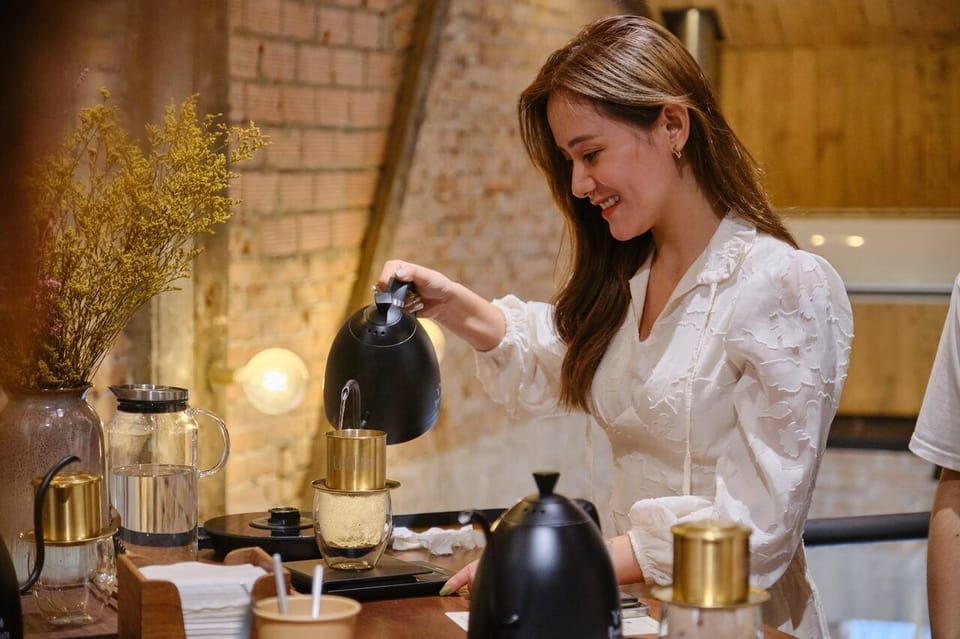
The workshop is led by an instructor in English and Vietnamese. In many sessions, hosts like Ny and Quan have been praised for clear instruction and a fun teaching rhythm. Other instructors you might encounter include Joey, Sierra, Vi, Truc, and Giao, and the consistent theme across the experience is patient, step-by-step guidance.
You’ll also get visual support—some classes use slideshows and background visuals. That’s useful because Vietnamese coffee has a few specialty names, and a visual explanation makes the differences easier to remember.
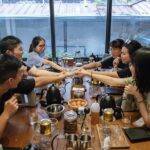
Group size can also matter for a beginner, and here the sessions run in small groups so you can ask questions instead of waiting your turn like you’re in a lecture hall.
The Value Math: $23 for Three Coffees and a Bánh Mì Finish
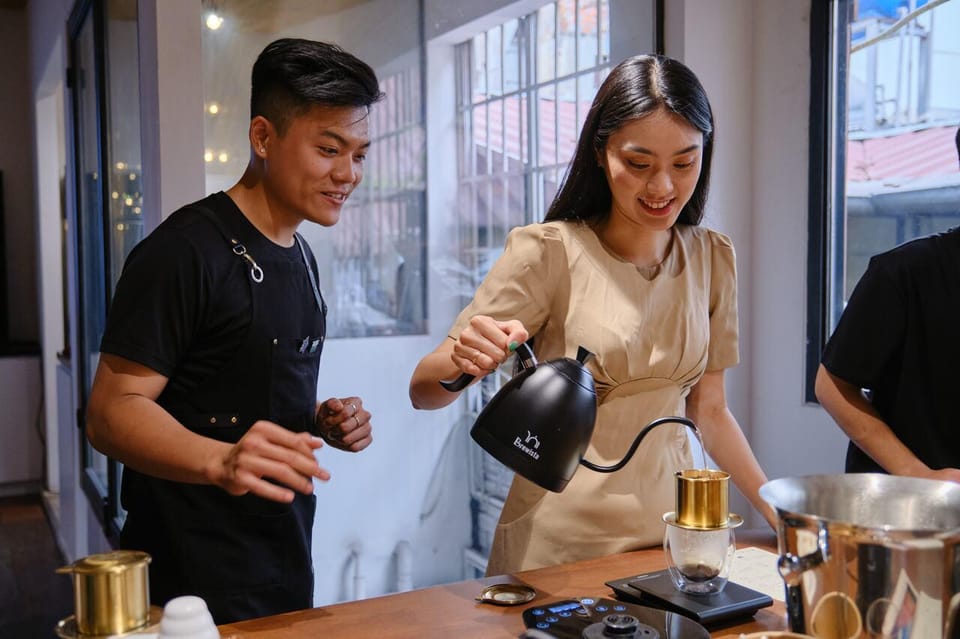
At $23 per person for 90 minutes, you’re not paying for a “tour of coffee.” You’re paying for hands-on practice with three specific Vietnamese coffee drinks plus a bánh mì dessert pairing.
A simple way to think about the value: you’re roughly paying about $7–$8 per coffee drink, and that doesn’t even separate the dessert portion. More importantly, the cost buys you the instructor guidance on brewing with a phin filter and the chance to taste the results right away.
If you like learning by doing, this is the kind of price that feels fair. If you’re only chasing caffeine and don’t care about technique or culture, you might feel it’s more structured than you need.
One more small consideration from the experience format: you may get a satisfying taste rather than a giant mug of coffee. The goal is learning and sampling the differences, not polishing off a takeaway cup.
What You Actually Learn (So You Can Recreate It)
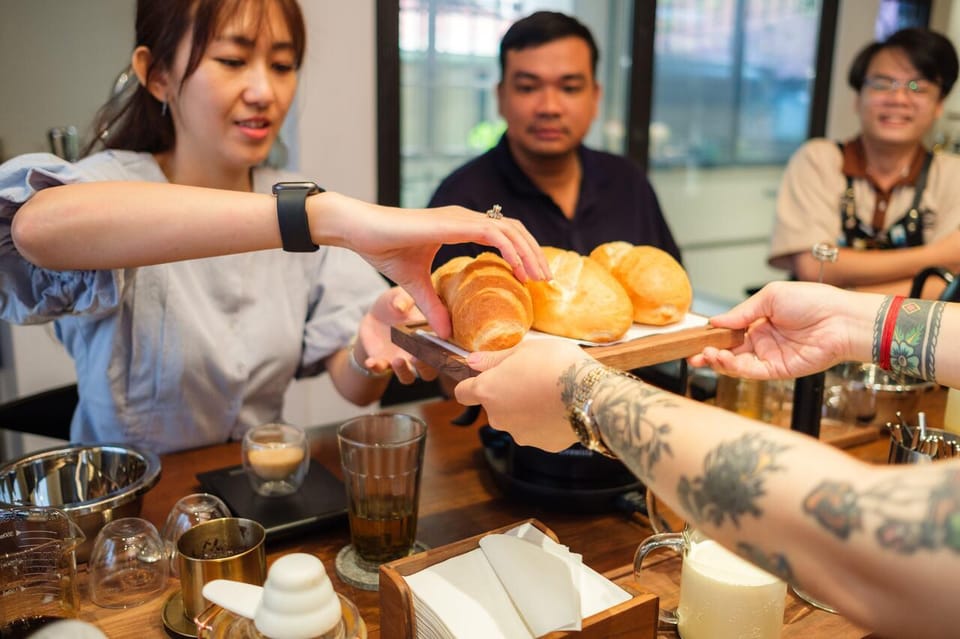
This workshop is useful because it teaches technique you can carry home, not just recipes you forget after the last sip.
By the end, you’ll know how to:
- Use a phin microfilter brewer and control the pour timing
- Build Bạc Xỉu as a milk-coffee blend that tastes balanced
- Make Cà Phê Muối and understand how salt changes the flavor experience
- Assemble Phin Con Panna with yogurt, cream, and coffee blossom honey
- Pair coffee with bánh mì in a sweet-dipping style
You may also leave with a small souvenir. Some sessions end with a personalized certificate with a photo taken during the workshop, which makes the experience feel more like a real class than a quick tasting.
Quick Practicalities: Timing, Transfers, and Best Fit
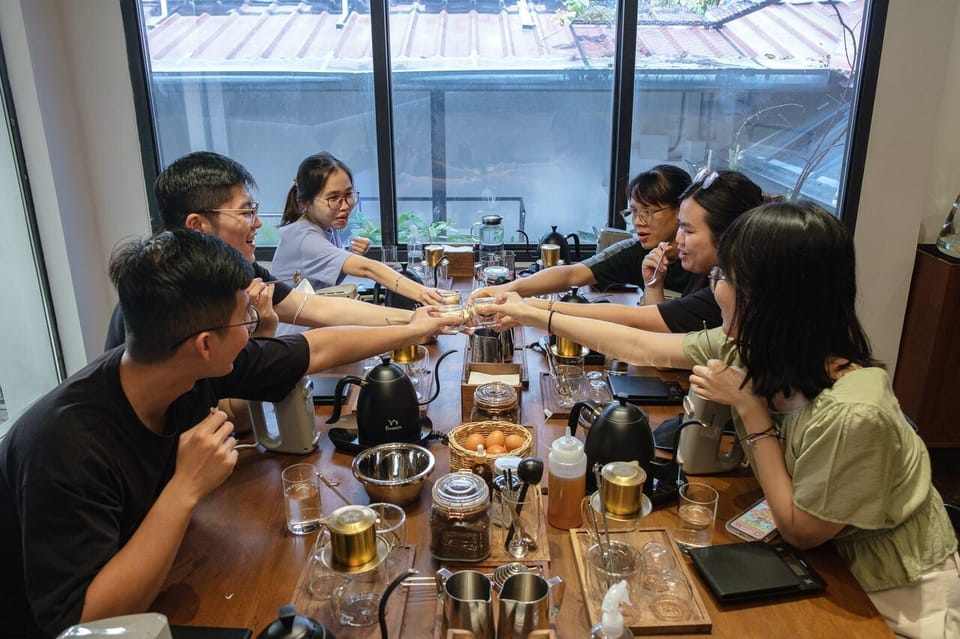
Plan for 90 minutes. If you’re touring in District 1, this is a solid break length—long enough to learn, short enough to still keep your day moving.
Hotel transfer isn’t included, so you’ll need to handle your own arrival. The good news: the meeting point is clearly in District 1, and parking instructions are provided if you’re driving or renting a motorbike.
Who this is best for
This suits you if:
- You’re a coffee beginner who wants the steps without intimidation
- You like trying different flavor profiles beyond black coffee
- You want a short cultural activity with hands-on food and drink
Who should skip it
It’s not suitable for pregnant women, people with heart problems, wheelchair users, vegans, people with gluten intolerance, people with high blood pressure, people with lactose intolerance, and children under 18.
If any of those apply, you’ll have a better time picking a different coffee plan.
Final Call: Should You Book This Coffee Workshop in Ho Chi Minh City?
If you want a fun, easy activity that actually teaches you Vietnamese coffee—not just a drink you order and forget—this is a strong yes. The combination of phin brewing practice, three named coffee styles, and a bánh mì finish makes it feel like real value for the time and price.
I’d skip it only if you’re dealing with dairy or gluten needs, if you fall under the listed health restrictions, or if you hate structured classes. Otherwise, it’s one of the best ways to spend a morning or afternoon in Ho Chi Minh City while leaving with skills you can use again at home.
FAQ
FAQ
How long is the coffee workshop?
The workshop lasts 90 minutes.
Where is the meeting point in Ho Chi Minh City?
You’ll meet at Lacàph Coffee Experiences Space, 220 Nguyễn Công Trứ, District 1. The provider has two locations, so make sure you arrive at the correct one.
What languages are the instructors?
The instructor offers instruction in English and Vietnamese.
What is included in the price?
The price includes the coffee workshop plus making three types of Vietnamese coffee (Bạc Xỉu, Cà Phê Muối, and Phin Con Panna) and a bánh mì Vietnamese twist dessert.
Is hotel transfer included?
No. Hotel transfer is not included.
What dietary or health limitations should I know about?
This activity is not suitable for pregnant women, people with heart problems, wheelchair users, vegans, people with gluten intolerance, people with high blood pressure, people with lactose intolerance, and children under 18.