Three hours, and Saigon feels personal. This tour is interesting because you start with a free e-SIM for getting around fast, then you bounce from the lively Ho Thi Ky Flower Market to quieter, more reflective places like the National Buddhist Temple. I especially like the mix of everyday street life (market + alley time) with a calm pause that helps you actually notice what’s going on around you, not just pass it by. One drawback: you’ll be walking a fair bit through busy areas, so it’s not a great match if you need step-free routes or a slow, low-movement pace.
I also liked how the guide style makes a difference. Guides I’ve come across on this route, like Hung (alias Steven) and Mavis, tend to keep the stories practical and easy to follow, and they adjust to your preferences when possible. At $26 for 3 hours, the value is real mainly because you’re getting more than “see a place” sightseeing—you’re getting the context to understand why these spots matter.
If you want a quick Saigon introduction that feels local instead of touristy, this is a strong option. If you’re only interested in big landmark photos from a single main road, you might feel a bit underwhelmed by how much of the experience happens in small streets and neighborhood spaces.
In This Review
- Key things to know before you go
- Meeting Point at Chợ Bến Thành West Gate: Start Smart
- Ho Thi Ky Flower Market: More Than Pretty Blooms
- Nguyen Thien Thuat Apartment: Rustic Life and a Real Coffee Break
- Vietnamese National Buddhist Temple: Finding Quiet Where You Least Expect It
- Street Food and Alleyway Time: How to Eat Like You Belong
- The “3 Hours” Advantage: Why This Timing Works
- Price and Value: Why $26 Can Make Sense in Saigon
- Who Should Book This Saigon Walk
- What to Bring for a Smooth 3-Hour Walk
- Should You Book This Tour?
- FAQ
- How long is the Saigon tour?
- What’s the meeting point?
- Do I get a free e-SIM?
- What stops are included?
- Are street food tastings part of the experience?
- What languages are the guides?
- Is there any extra cost during holidays?
- Is it suitable for wheelchair users or people with mobility impairments?
Key things to know before you go
- Free e-SIM with your booking: you get mobile data help so you can navigate and translate on the go.
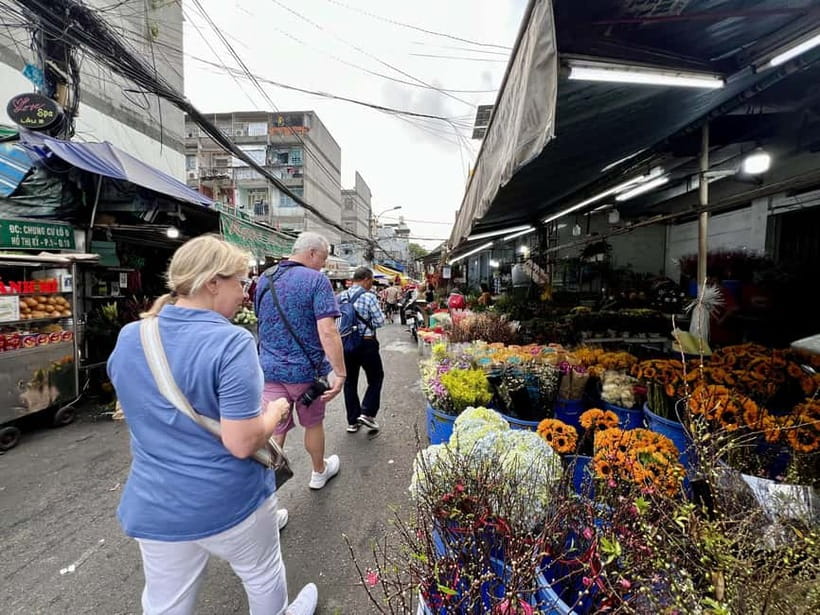
- Ho Thi Ky Flower Market focus: flowers plus local morning energy and young hangout vibes.
- Nguyen Thien Thuat Apartment coffee stop: a simple break that shows a more old-school side of daily life.
- National Buddhist Temple calm: a quieter moment that balances the market chaos.
- Authentic street food sampling: you taste as you walk, so learning sticks better.
- Small-group feel with a live guide: you can ask questions while you move between stops.
Meeting Point at Chợ Bến Thành West Gate: Start Smart
I like tours that start where you can naturally connect with other plans, and this one begins at Ben Thanh market (West Gate). That’s a good anchor because you don’t waste time playing “where am I?” when you’re already in the city center.
Before you meet up, check you’ve got comfortable shoes ready. You’ll cover ground around markets and alleyways, and you’ll move between indoor and outdoor spaces with minimal downtime. Bring a bottle of water and sunscreen too—Saigon sun doesn’t care about your schedule.
Also note the tour is led by a live guide in Chinese or English. If you prefer English, plan on confirming that at booking time so the guide match works for your comfort level.
You can also read our reviews of more guided tours in Ho Chi Minh City


Ho Thi Ky Flower Market: More Than Pretty Blooms
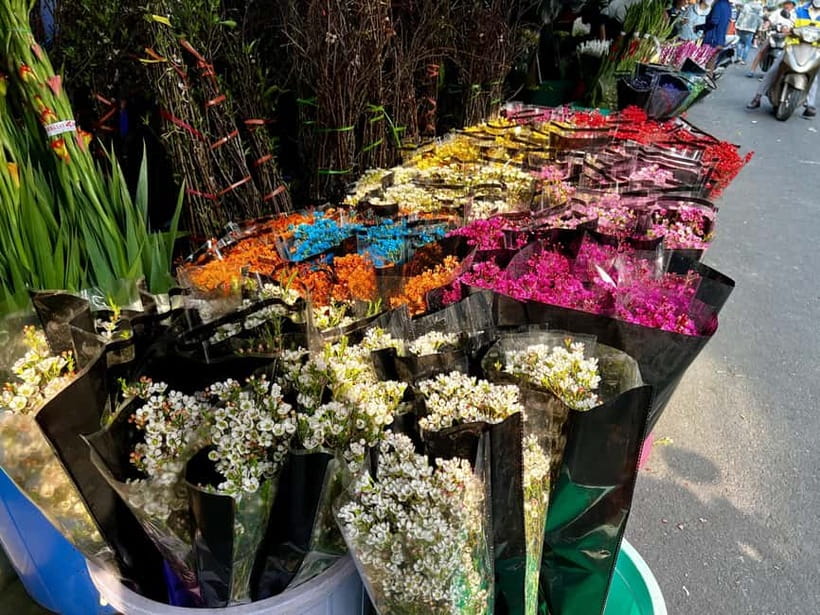
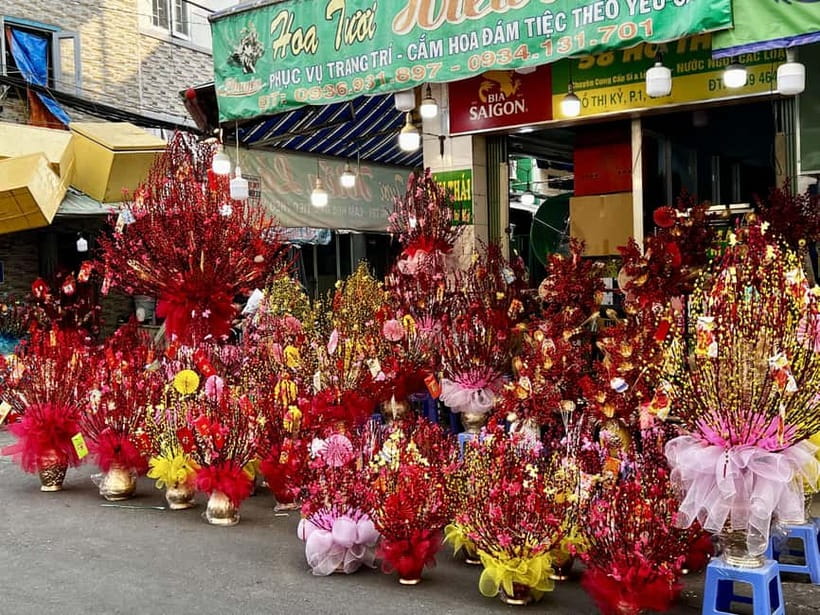
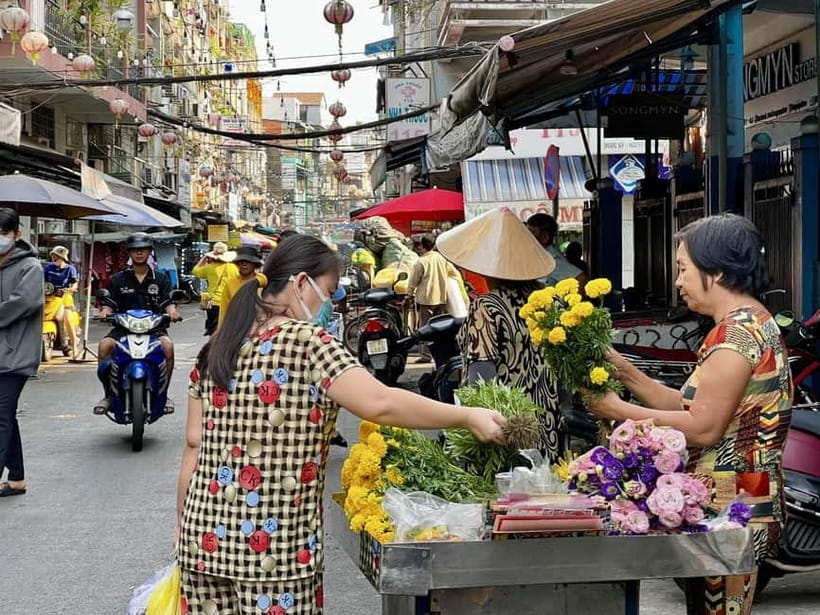
The Ho Thi Ky Flower Market is famous for flowers, but what I find most useful about visiting with a local guide is what you learn to watch for. You’ll see how flowers fit into daily life here—who’s buying, how the stalls are arranged, and how the market rhythm changes through the morning.
It’s also described as a hangout spot for younger Vietnamese—so it’s not only commerce. You can get a sense of modern Saigon youth culture alongside traditional market activity, which is a great combo when you’re trying to understand a city that keeps changing.
What to expect in practice: you’ll walk the market area and take in the sights without turning it into a rushed photo session. If flowers are your thing, you’ll leave with more than snapshots—you’ll have a better feel for the marketplace logic and the local vibe.
Potential snag: markets can get crowded fast. Go at a pace that lets you look without getting swept along, and keep your phone protected if it’s busy.
Nguyen Thien Thuat Apartment: Rustic Life and a Real Coffee Break
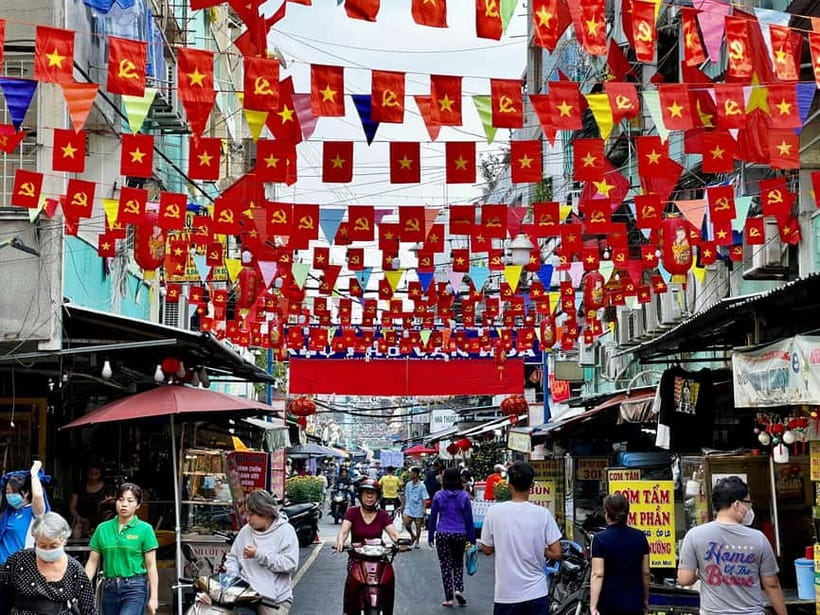
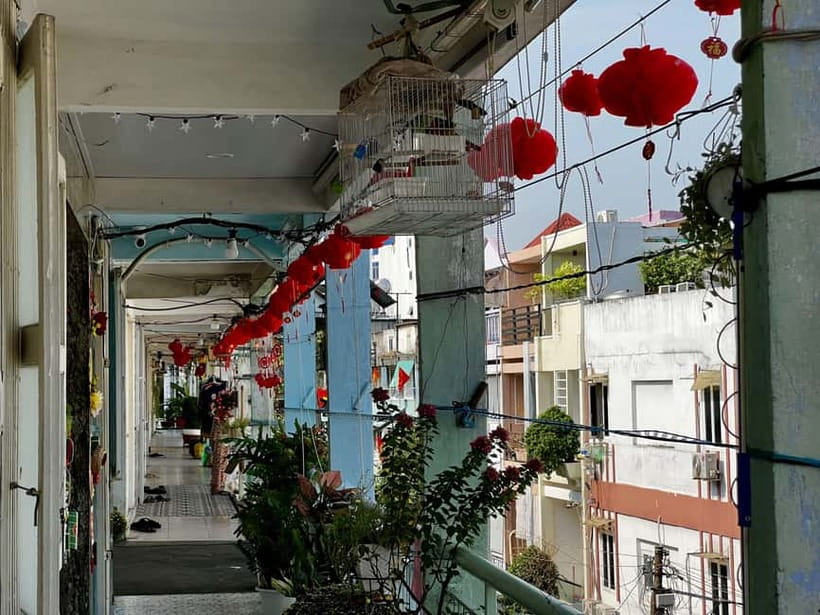
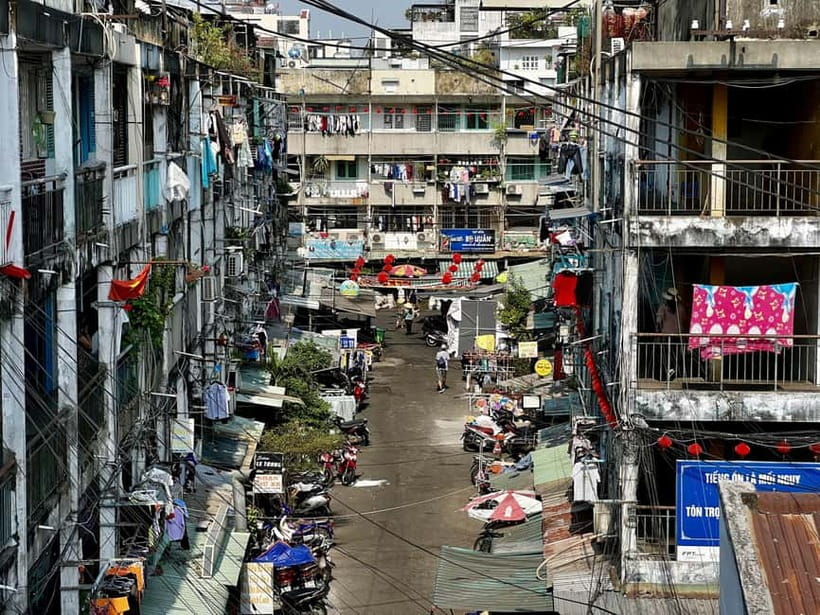
Next comes a quieter, more residential-feeling stop at the Nguyen Thien Thuat Apartment, where the tone shifts from market energy to a slower, everyday world. The point here isn’t a polished museum moment—it’s you noticing how people live and how stories can sit in ordinary places.
You’ll also get Vietnamese coffee at this stop. This matters because coffee in Saigon isn’t just a drink break—it’s a social pause that helps you reset your attention. After walking through noise and motion, you get a small “okay, now breathe” moment that makes the rest of the tour easier to enjoy.
What I like about this stop for first-timers: it shows Saigon beyond major sights. You’ll get a sense of older, more rustic apartment-life character, which helps you understand the city’s layered feel—modern business next to older patterns.
One thing to keep in mind: café-style breaks can vary in how quickly you’ll move on. If you’re the type who needs long sitting time, you might want to have a slower day planned right after this tour so you don’t feel rushed.
Vietnamese National Buddhist Temple: Finding Quiet Where You Least Expect It
Then the route turns toward calm with a visit to the Vietnamese National Buddhist Temple. This is a smart contrast stop, because it changes your sensory input right in the middle of a neighborhood walk.
When you arrive, you’ll feel the difference immediately: the air and pace are less about selling and more about stillness. You’re not just checking off a structure—you’re learning how people create a quiet space inside a city that otherwise never fully stops.
I like this stop because it’s not “escape from Saigon.” It’s Saigon—just in a calmer mode. The temple visit gives you a different lens for understanding local culture and daily spirituality.
Practical tip: dress and behavior matter more than people expect at religious sites. Keep your movements respectful, and be mindful with photos so you don’t disrupt worship or quiet space.
Street Food and Alleyway Time: How to Eat Like You Belong
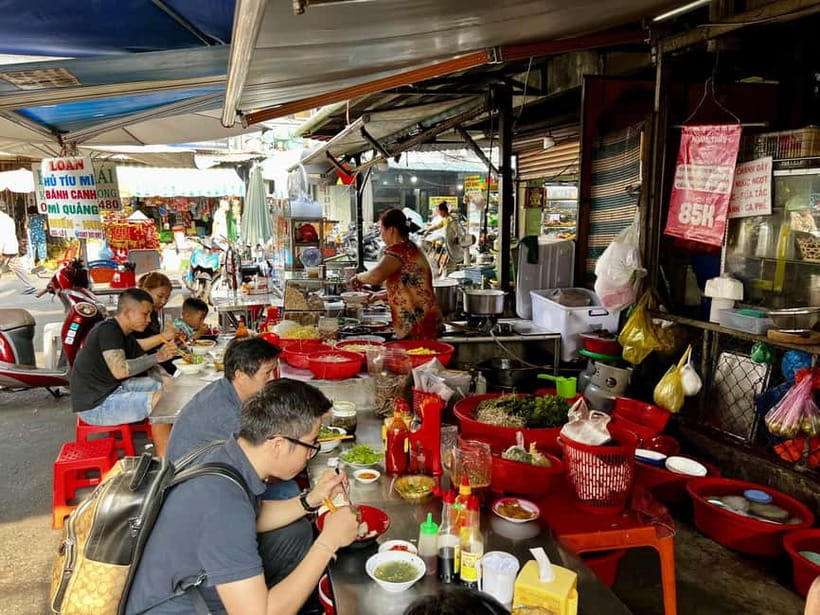
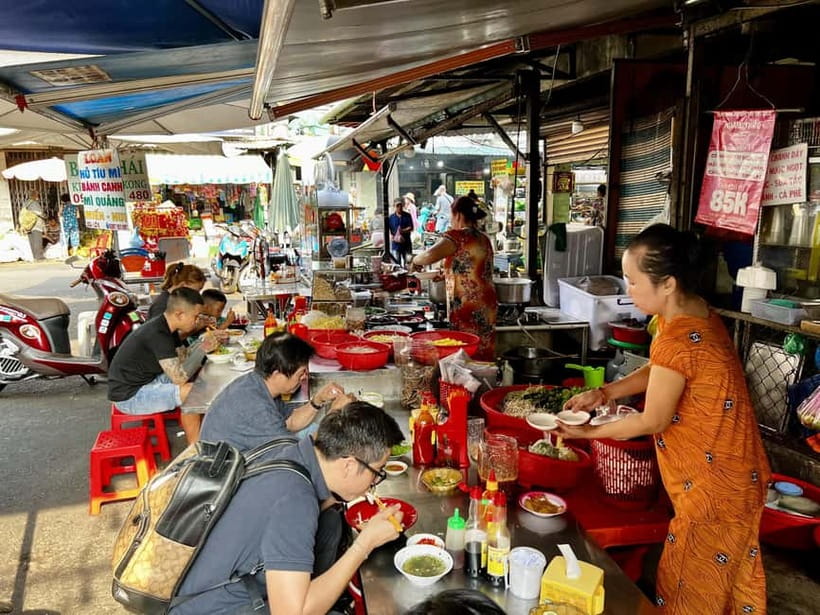
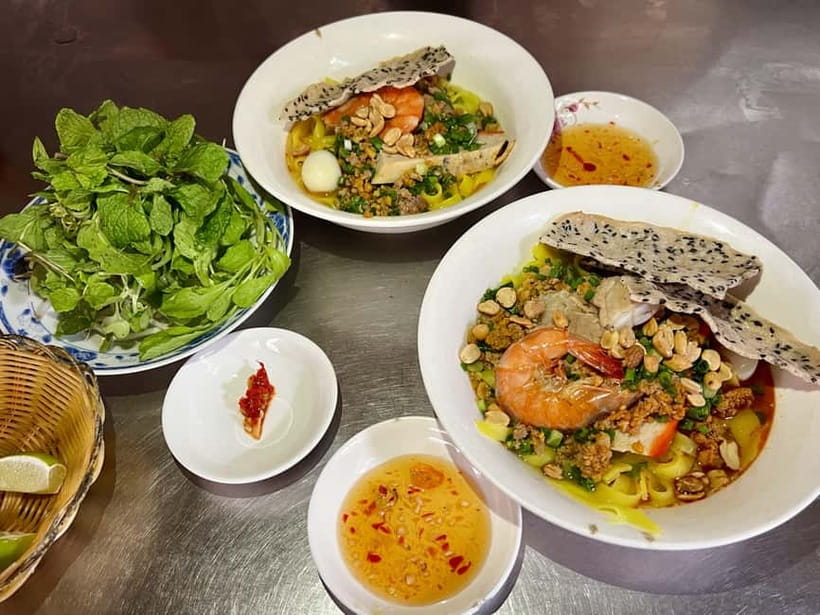
The tour is built around more than sights. It includes street food sampling during your walk, plus time in alleyways where daily life is happening at ground level.
Here’s why I think this approach is valuable: street food is about context. If you only eat and don’t learn what you’re seeing, you can miss the why behind the flavor, the habit, and the local timing. With a guide, the food part connects to the street part, so you understand how the neighborhood thinks.
What you should expect: you’ll stop long enough to taste and ask questions, then move on. It’s not a full food tour with a menu you can study beforehand, so go in ready to try what’s offered and keep your curiosity up.
If you’re picky, tell your guide what you prefer before you start eating. Because the guide is live and the route is small-group or private, you’re more likely to get adjustments than on larger, rigid tours.




The “3 Hours” Advantage: Why This Timing Works
A 3-hour tour is a sweet spot for Saigon. You get enough time to see multiple types of places—market, neighborhood coffee life, and a temple—without using your whole day on walking and waiting.
For you, that means flexible planning. You can pair this with lunch nearby, or continue exploring the next neighborhood while the city still feels fresh in your head. It’s also a good option when you’re adjusting to jet lag: it’s active, but not all-day exhausting.
Small practical note: because the route covers several areas, be ready for short transitions. You’ll want water, comfy shoes, and a phone battery that can handle pictures and navigation.
Price and Value: Why $26 Can Make Sense in Saigon
At $26 per person, this tour can be good value—especially because it includes more than just a guide walk.
You’re getting:
- Free e-SIM when you book (huge in Vietnam where staying connected matters for maps and translating)
- Guided access to the market area and off-the-beaten-path stops
- Vietnamese coffee
- A temple visit
- Plus street food sampling as part of the experience
Let’s translate that into real-world math. If you were to independently buy a SIM/data plan, grab coffee, and pay for guided access to multiple stops, the total can climb fast. The free e-SIM is often the biggest “why this costs this much” factor, because it removes a common early-trip hassle.
Cost heads-up: there’s a holiday surcharge of VND 100,000 per person by cash during specified dates (Lunar New Year period, April 30–May 1, Hung Kings’ Anniversary, Sep 1–2, and Jan 1). If your travel dates overlap, plan to carry the cash so you don’t get surprised at the end.
Who Should Book This Saigon Walk
I think this tour fits best if you want:
- A fast way to understand Saigon’s neighborhood texture
- A balance of lively places and calmer cultural space
- Street food time without having to figure everything out alone
- A guide who speaks Chinese or English and can explain what you’re seeing
It’s also great for solo travelers who want conversation, and for couples who prefer walking over waiting in lines.
You should probably skip it if you:
- Use a wheelchair or need step-free mobility (it’s not suitable for people with mobility impairments and wheelchair users)
- Want only major landmarks with minimal walking
If you’re traveling with kids, this can still work if everyone has comfortable shoes and is okay with crowds at the market, but pace and comfort will matter.
What to Bring for a Smooth 3-Hour Walk
Do these small things and the tour feels easy:
- Comfortable shoes (you’ll walk through busy market streets and alleys)
- Camera (there’s a lot to see in market stalls and temple calm)
- Sunscreen (Saigon sun adds up fast)
- Water (keep it simple)
If you’re using your phone constantly for photos and directions, bring a power bank too. The free e-SIM helps, but battery life still depends on you.
Should You Book This Tour?
If you want a short Saigon experience that feels genuinely local—flowers, neighborhood coffee life, temple quiet, and street food sampling—then yes, I’d book this. The free e-SIM is a practical bonus that lowers stress on day one, and the structure (market energy, then calm, then food) makes the time go quickly in a good way.
Book it especially if you value a guide’s explanations, and you like learning through what you see and taste rather than just looking at famous buildings. Skip it if your priority is mostly big sights with minimal walking or if mobility is a concern.
If you can handle three hours on your feet and you’re excited about everyday Saigon scenes, this is a solid, low-fuss way to start.
FAQ
How long is the Saigon tour?
It lasts 3 hours.
What’s the meeting point?
You meet at Ben Thanh market West Gate.
Do I get a free e-SIM?
Yes. The tour includes a free e-SIM when you book.
What stops are included?
You’ll visit Ho Thi Ky Flower Market, Nguyen Thien Thuat Apartment for Vietnamese coffee, and the Vietnamese National Buddhist Temple.
Are street food tastings part of the experience?
Yes. The tour experience includes sampling authentic street food.
What languages are the guides?
The live guide speaks Chinese or English.
Is there any extra cost during holidays?
Yes. There’s a holiday surcharge of VND 100,000 per person, paid by cash, during specific dates (Lunar New Year period, April 30–May 1, Hung Kings’ Anniversary, Sep 1–2, and Jan 1).
Is it suitable for wheelchair users or people with mobility impairments?
No. It is not suitable for people with mobility impairments or wheelchair users.