REVIEW · HO CHI MINH CITY
From Ho Chi Minh: Cu Chi Tunnels Morning or Afternoon
Book on GetYourGuide →Operated by Enni tour · Bookable on GetYourGuide
Hand-dug tunnels beat any museum story. This Cu Chi Tunnels morning or afternoon trip from Ho Chi Minh City turns a Vietnam War site into something you can feel—starting with a pickup, then a short documentary, and finally a chance to crawl through the preserved underground system. I love that the main moment is physical: you follow your guide into very narrow, hand-dug passageways. I also love the included wartime-style bite—boiled tapioca with hot pandanus tea—simple food that suddenly makes sense once you see where people survived.
A key consideration: if you’re on a mixed-language group, the day can run a little slower while the guide covers information in different languages. One more practical note—this is a half-day outing, and the tunnels are far enough from the city that it’s not a quick in-and-out.
In This Review
- Key highlights to look for
- Cu Chi Tunnels: why this 6-hour trip feels so real
- Getting from Ho Chi Minh City to the tunnels (and back)
- The underground crawl: what you actually do in the tunnels
- The documentary film: context before you crawl
- The wartime snack: tapioca and pandanus tea
- Optional shooting range: what it is, and how to think about it
- Rubber plantations and wet markets: the countryside side of the tour
- Price and value: is $22 a fair deal for what you get?
- Who should book this Cu Chi tour (and who might skip it)
- Should you book From Ho Chi Minh: Cu Chi Tunnels Morning or Afternoon?
- FAQ
- FAQ
- How long is the Cu Chi Tunnels tour from Ho Chi Minh City?
- Do I get picked up from my hotel in Ho Chi Minh City?
- What’s included in the $22 per person price?
- Is lunch included?
- What languages are available for the guide?
- What should I bring for the tunnels?
- Can I shoot a gun on this tour?
- Is free cancellation available?
Key highlights to look for
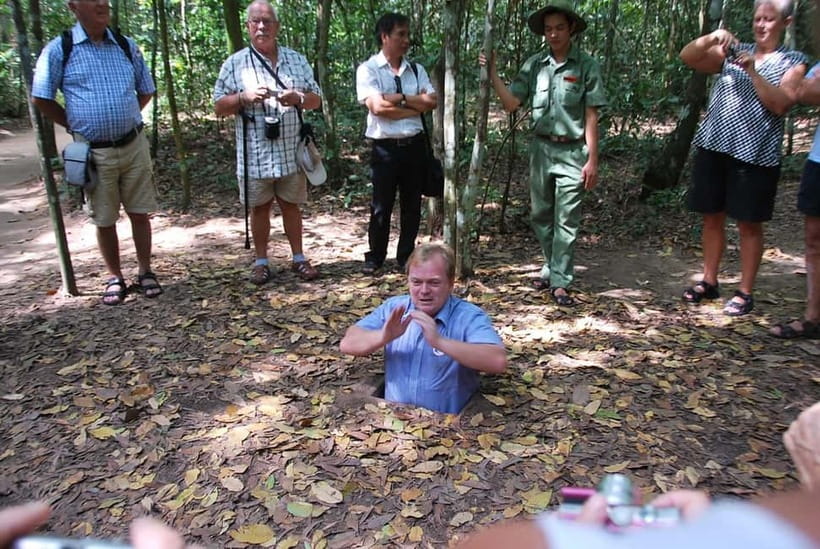
- A real crawl through preserved tunnel sections, not just photos from above
- A short documentary film that puts the tunnels into context before you enter
- Wartime snack of tapioca and hot pandanus tea, included in the tour
- Optional supervised shooting range (AK47 or MK16) if you want extra adrenaline
- Rubber plantation stop with a straightforward look at how rubber is processed
- Countryside wet market time, plus fruit sampling and quick local conversations
Cu Chi Tunnels: why this 6-hour trip feels so real
Cu Chi Tunnels isn’t a typical “see the ruins” stop. The point here is the underground life. The tour explains how the network—over 250 kilometers—was built and used during the Vietnam War by the Viet Cong for hiding, supply routes, and living quarters. That context matters, because when you’re underground, you stop thinking of it as a cool engineering trick and start thinking of it as a survival system.
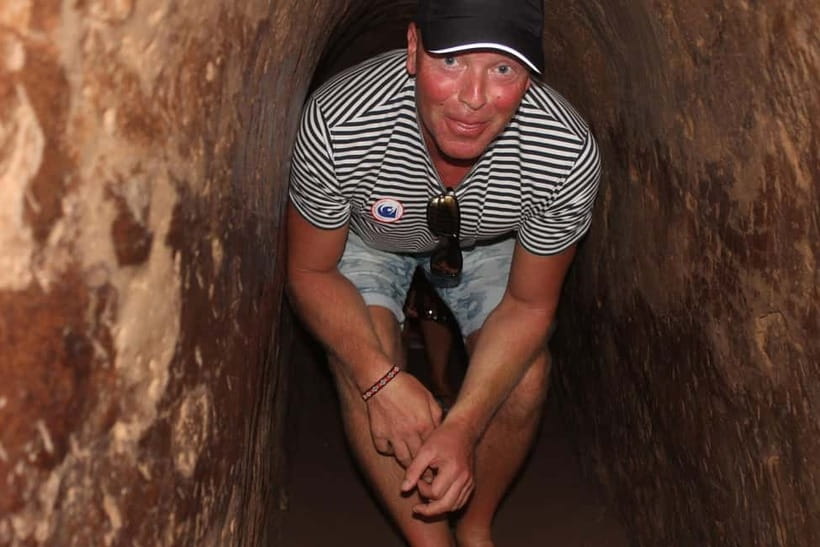
The crawl is the core event. You’ll follow your guide into passages that are intentionally kept close to original size (with some sections widened for visitors). Expect cramped, low-ceiling spaces and a lot of “slow down, breathe, and keep moving” energy. Even if you’re not claustrophobic, this is the kind of experience that makes you understand what hardship meant—not from a lecture, but from your own body moving through tight space.
Before you go underground, you watch a short documentary film about life in and around the tunnels during the war. It’s not there to fill time. It’s there to help you connect what you’re about to experience to the real choices people had to make. If you’re the type who likes to know the why before the how, this sequencing works well.
You can also read our reviews of more tours and experiences in Ho Chi Minh City



Getting from Ho Chi Minh City to the tunnels (and back)
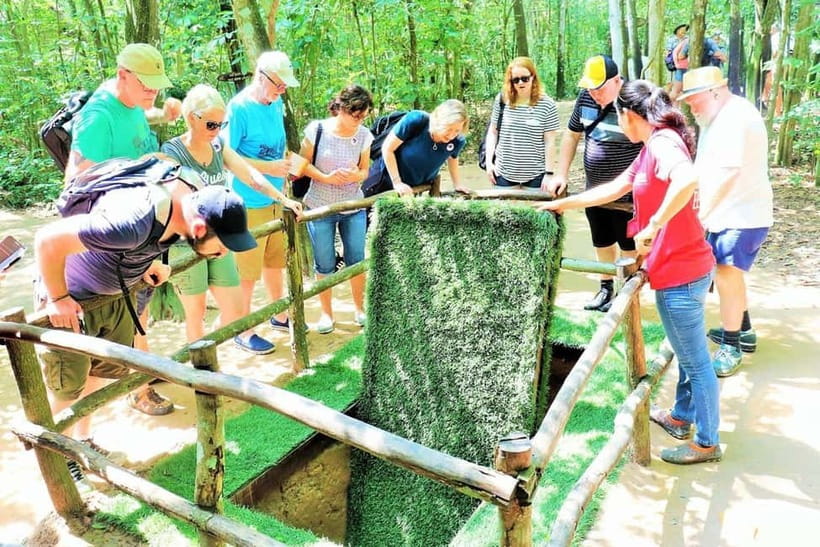
Your day starts with hotel pickup in Ho Chi Minh Center City, using a good quality AC car. That’s a practical win in Vietnam’s heat, and it helps the day feel smoother right from the start. From there, you head out to the Cu Chi area, meet your local guide, and get an overview of the tunnels’ historical significance.
Because this is a half-day tour (around 6 hours), you should treat it like a commitment. The tunnels are far enough that you’ll feel the travel time in your schedule, especially if you’re also trying to pack other activities in Ho Chi Minh City the same day. If you like early mornings or a structured afternoon, this format fits well.
On the return journey, the tour adds countryside stops—more on those below—so you don’t just spend the whole day thinking about the war. That balance is helpful. It turns the outing into a fuller snapshot of the region rather than only an underground exhibit.
The underground crawl: what you actually do in the tunnels

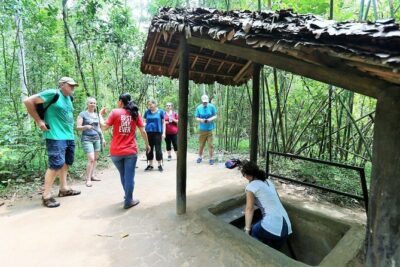
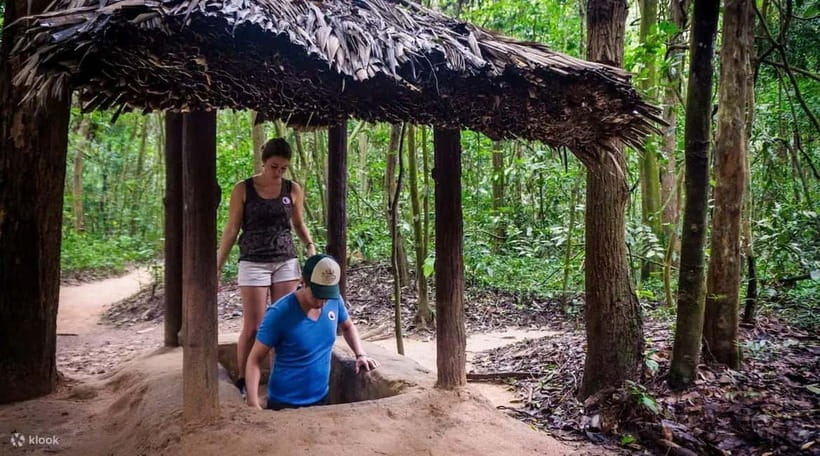
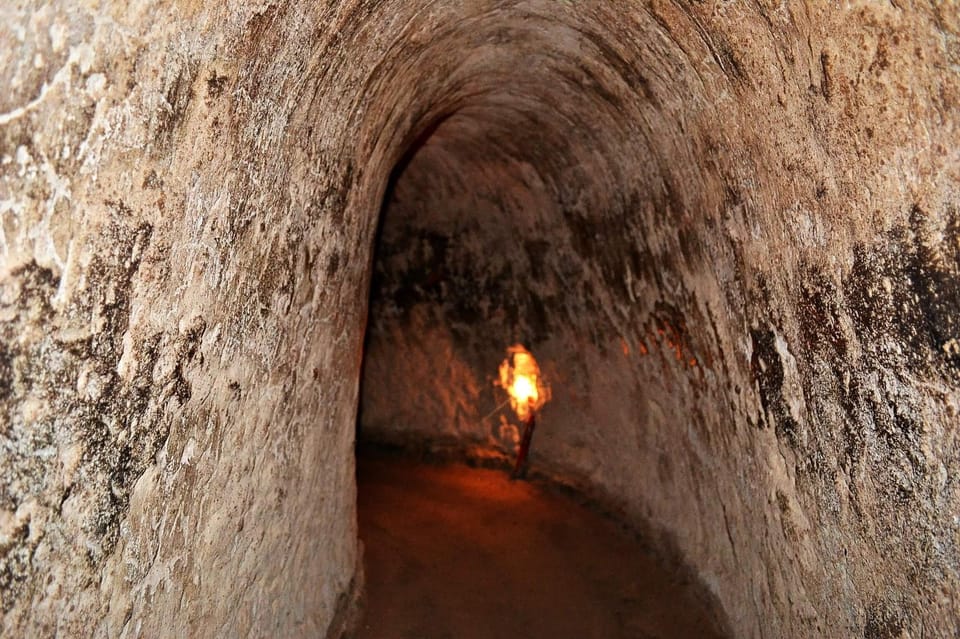
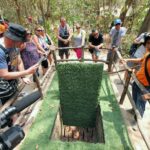
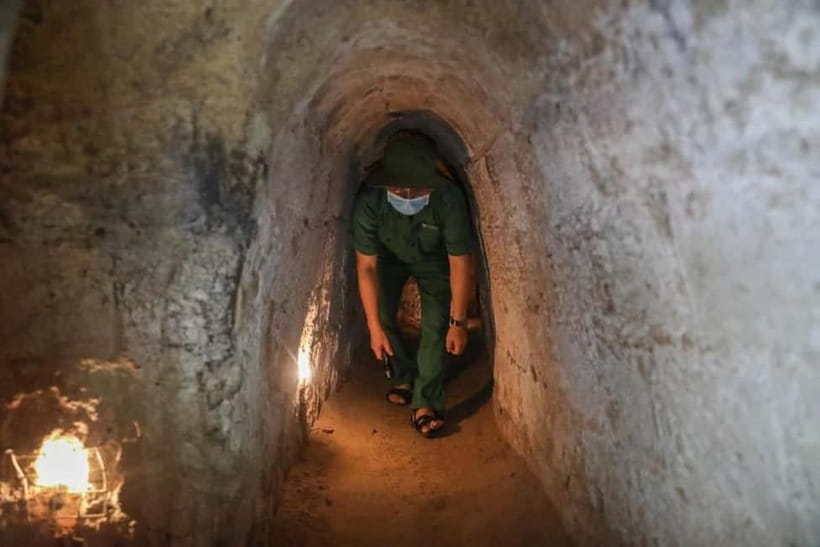
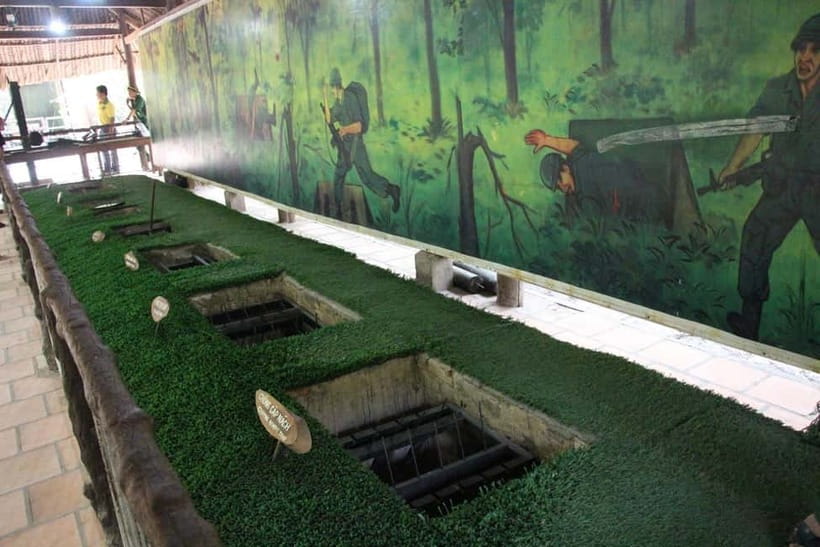
Here’s what to expect when you finally step into the tunnels: you’ll move through narrow, dark passageways while your guide explains what you’re seeing. The tour emphasizes that these tunnels were constructed entirely by hand, and it shows you preserved sections where size and conditions are part of the lesson.
You don’t just walk past displays. You crawl. That sounds basic, but the reality is physical. You’ll need to keep your balance, move carefully, and pace yourself. Some sections are widened for visitor comfort, but the overall experience stays narrow by design. So go in expecting to get a bit dirty and to feel the tightness immediately.
Your guide becomes important here, because the experience is dark and cramped, and you want clear instructions. In past group experiences, guides like Duy and Bic have been praised for clear explanations, and Mr Khun has been noted for adding humor that makes the day lighter without changing the seriousness of the topic. If you get a guide like that, it genuinely helps you enjoy the experience more while staying respectful of what it represents.
Tip for your comfort: wear comfortable shoes. The tour explicitly asks for them, and you’ll appreciate it once you’re crawling and stepping up and down where you might not expect it.
The documentary film: context before you crawl
The tour includes a short documentary film about Cu Chi Tunnels during the war. It’s available in multiple languages, and the purpose is to give you context before you enter the tunnel system.
Why does this matter? Because tunnels can look like a historic curiosity if you go in cold. With the film, you start connecting the tunnel layout and survival needs to real wartime life—hiding, supplying, and living underground. It’s the kind of prep that makes your “I’m going to see this” become “I understand what this was for.”
If you’re worried about it being too long, don’t. It’s short and timed to set you up for the crawl, not to replace the main event.
The wartime snack: tapioca and pandanus tea
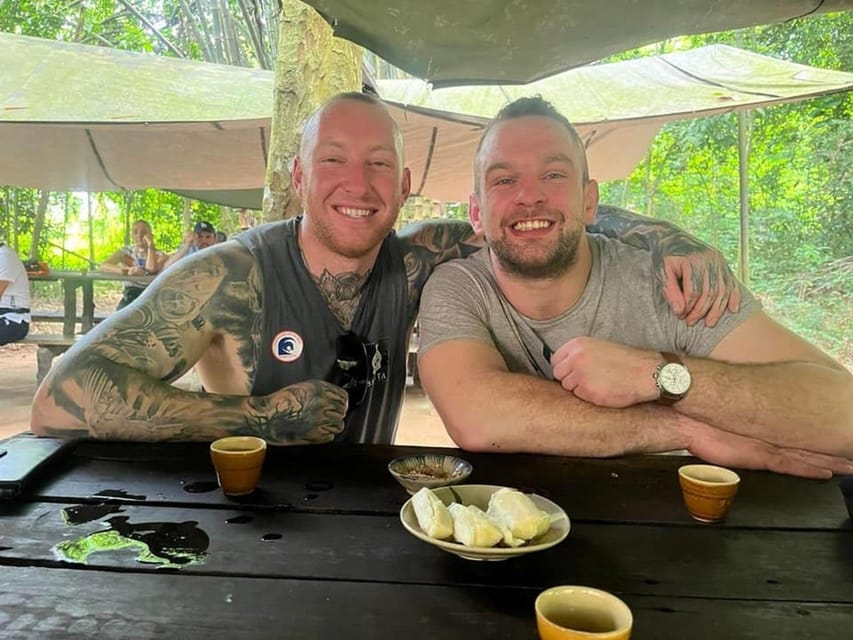
One of the tour’s best practical details is the included snack: boiled tapioca served with hot pandanus tea. It’s described as the same kind of sustenance soldiers ate during wartime, and that’s exactly why it lands.
If you’ve ever tried to “study” history without tasting how people ate, this fixes that. The snack is simple. That simplicity makes it memorable once you’ve just spent time underground. You’re not getting a fancy meal; you’re getting a small reminder of scarcity and routine—carried into a modern tourist day as an edible lesson.
You’ll also get a bottle drink and tissue as part of the tour setup, which is a small thing but helps keep the day comfortable.


Optional shooting range: what it is, and how to think about it
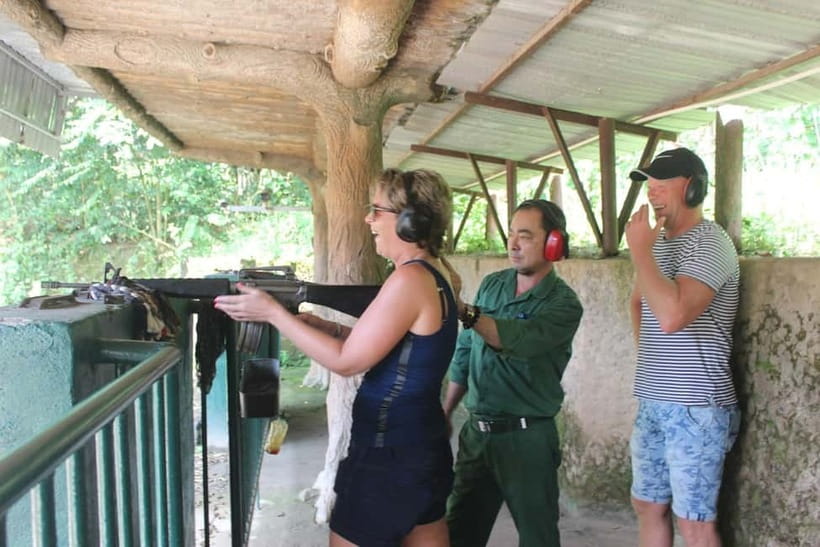
If you want an extra adrenaline moment, the tour offers a supervised shooting range option. You can try firing an AK47 or MK16 rifle under strict safety guidelines.
This is optional, not the main attraction. And it’s worth thinking about your own comfort with the subject. Some people enjoy it because it’s tightly controlled and feels like a hands-on history component. Others prefer to keep the day focused only on the tunnels and wartime context.
If you do choose it, treat it as an add-on activity with a safety-first mindset. The tour frames it as a controlled, supervised experience, so you’ll want to follow instructions closely.
Rubber plantations and wet markets: the countryside side of the tour
Cu Chi tunnels day wouldn’t feel complete without the region above ground. The tour includes a stop at a rubber tree plantation, where your guide explains how rubber is harvested and processed. Even if you’re not a rubber fan, it adds a real-world angle: how this area makes a living now, not just how people fought in the past.
Then you’ll visit a countryside wet market. This is where you can sample some exotic fruits and meet local vendors. The tour highlights that you’ll interact with friendly sellers and get a feel for everyday rural Vietnam—produce stalls, tropical fruits, and quick conversations that don’t need a script.
This part is also a nice pacing change. After the tight tunnels, the open-air market gives you room to reset and see the day through a different lens.
Price and value: is $22 a fair deal for what you get?
At about $22 per person for a roughly 6-hour half-day tour, this package can feel like good value—especially because it includes several items that often cost extra on similar day trips.
From the tour inclusions:
- Good quality AC car with hotel pickup
- Entrance fee to Cu Chi Tunnels
- English-speaking guide (and other languages listed)
- Bottle drink and tissue
- Light snack at Cu Chi Tunnels (tapioca and tea)
- Lunch is listed as an option for private tours
What you should consider is how the group format affects your experience. The tour offers English, Japanese, Chinese, French, Italian, German, and Spanish. Private or small groups are available, and for private, there can be an added surcharge if you need a non-standard language guide. If you’re booking as a solo traveler or in a small group and language clarity matters a lot to you, private can be worth it just for pacing and understanding.
Also factor in the reality that you’re paying for transportation time, a guided visit to a major historical site, and an included crawl experience—not just a sightseeing stop. If you want the history lesson plus hands-on tunnel time plus a countryside add-on, the pricing fits the mix.
Who should book this Cu Chi tour (and who might skip it)
This tour is a great match if you:
- Want a hands-on historical experience, not only photos
- Like guided context before doing the main activity
- Don’t mind crawling through tight spaces
- Appreciate a day that includes both wartime content and rural Vietnam stops
You might think twice if:
- You have a strong dislike of cramped, low-ceiling spaces (the tunnels are intentionally narrow)
- You prefer fully consistent language delivery in a single language throughout the day (mixed groups can slow things down)
- You’d rather spend more time in Ho Chi Minh City than on a half-day road trip
If you’re traveling as a family, check your comfort level with the crawl requirement. The tour does not describe any special family easing, so you’ll want to judge based on the ages and physical comfort of the people in your group.
Should you book From Ho Chi Minh: Cu Chi Tunnels Morning or Afternoon?
If your goal is to understand the Vietnam War from the inside—literally—this is one of the most direct ways to do it from Ho Chi Minh City. The included documentary, the hand-dug tunnel crawl, and the wartime snack create a day with a clear arc: context first, then experience, then reflection with countryside stops.
I’d book it if you’re prepared for a physical activity and you like structured half-day touring. I’d consider private or a smaller group if language clarity is a top priority and you don’t want the day stretched by translation.
FAQ
FAQ
How long is the Cu Chi Tunnels tour from Ho Chi Minh City?
The tour duration is about 6 hours.
Do I get picked up from my hotel in Ho Chi Minh City?
Yes. Pickup is provided from hotels in Ho Chi Minh Center City.
What’s included in the $22 per person price?
Included items are a good quality AC car, an English-speaking tour guide (other languages are listed), a bottle drink and tissue, a light snack at the tunnels (tapioca and tea), the Cu Chi Tunnels entrance fee, and lunch for the private tour option.
Is lunch included?
Lunch is listed as an option for private tours. For non-private formats, lunch is not clearly stated as included.
What languages are available for the guide?
The tour offers live guides in English, Japanese, Chinese, French, Italian, German, and Spanish.
What should I bring for the tunnels?
Bring comfortable shoes and water.
Can I shoot a gun on this tour?
There is an optional, supervised shooting range experience where you can fire an AK47 or MK16 rifle under strict safety guidelines.
Is free cancellation available?
Yes. You can cancel up to 24 hours in advance for a full refund.