REVIEW · HO CHI MINH CITY
Ho Chi Minh City: Half-day Cyclo Journey Through Chinatown
Book on GetYourGuide →Operated by Hoi An Express · Bookable on GetYourGuide
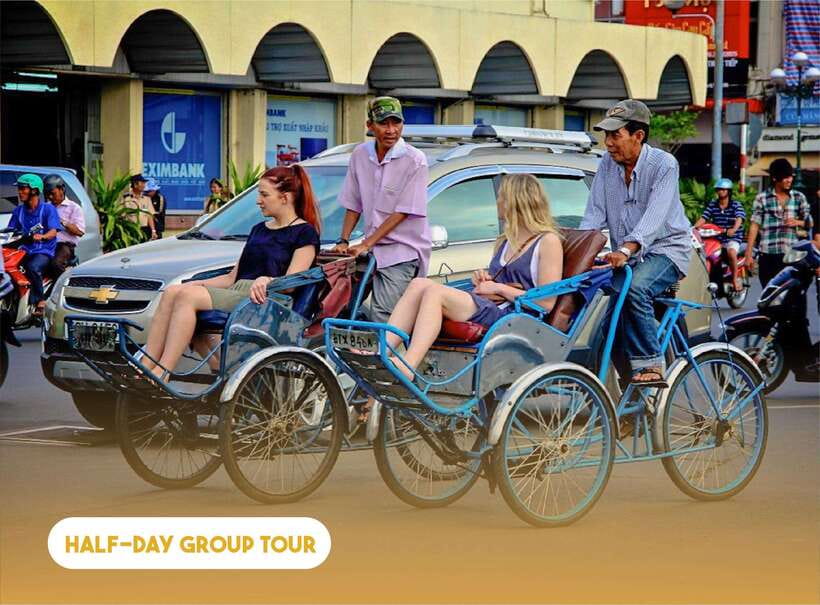
A pedicab ride through Chinatown feels like stepping sideways in time. This 3.5-hour outing pairs a cyclo (pedicab) loop with major sights around the Chinese community, plus time for powerful museum exhibits. I especially liked the chance to see both Chùa Bà Thiên Hậu (Thien Hau Temple) and the Chinese Catholic story at St Francis Xavier Church. One heads-up: you’ll be in real street traffic, so pollution, noise, and close contact on the pedicab are worth considering.
If you get an English guide like Pau, the trip can turn from sightseeing into real understanding of what you’re seeing. I also like how the route includes classic landmarks in the city core and everyday Chinatown commerce, not just temples and photo stops. The possible drawback is pacing: with several walking breaks and a full market visit, you’ll want comfortable shoes and a plan to keep your valuables secure.
In This Review
- Key Things You’ll Enjoy on This Chinatown Cyclo
- Why This 3.5-Hour Chinatown Ride Works
- Starting Off: The Ride, the Pickup, and the Real Chinatown Setup
- Chùa Bà Thiên Hậu: The Sea Goddess and Why It Matters
- A Quick Street Stop: Đường Hải Thượng Lãn Ông
- Chinatown Stops That Feel Local: Shops, Chinese Goods, and Side Streets
- Thương xá Đồng Khánh: A Mid-Route Landmark With Walk Time
- St Francis Xavier Church and the Chinese Catholic Community
- Bình Tây Market: The French-Era Finale in Chinatown
- The War Remnants Museum Piece: A Mood Change You Should Expect
- Price and What $48 Buys You (and Doesn’t)
- Cyclo Comfort, Traffic Fumes, and Phone Safety Tips
- Who Should Book This Chinatown Cyclo Tour
- Should You Book This Half-Day Chinatown Cyclo Tour?
- FAQ
- How long is the Ho Chi Minh City half-day cyclo journey?
- What does the tour cost?
- Where is pickup offered?
- What stops are included during the tour?
- Is the tour guide available in English?
- What’s included in the price?
- Is a private group option available?
- What is the child policy?
Key Things You’ll Enjoy on This Chinatown Cyclo
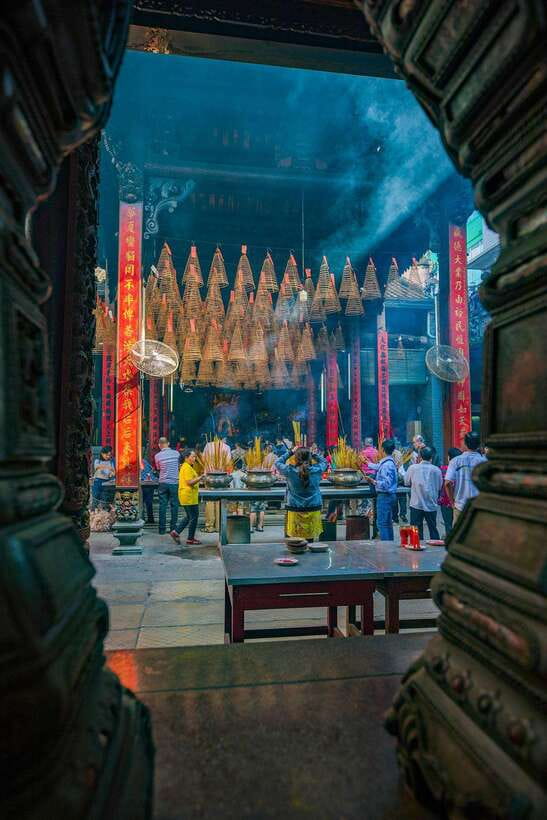
- Chùa Bà Thiên Hậu: goddess-of-the-sea symbolism explained, including Mazu and Lin Moniang connections
- Cha Tam / St Francis Xavier Church: the first Catholic parish for local Chinese residents
- French-built Bình Tây Market (1880s): a market finale in the heart of Chinatown
- Local shopping stops: time to browse Chinese goods like medicinal herbs and clothing
- English guidance that helps you read the sights beyond the postcard version
- A mix of tone: Chinatown culture plus a stop at the War Remnants Museum exhibits
Why This 3.5-Hour Chinatown Ride Works
This tour is built for people who want texture without committing a whole day. In about three and a half hours, you’re moving by pedicab through Chinatown streets, then breaking into short guided walks and visits at key sites. That timing matters in Ho Chi Minh City, where distance and traffic can eat your day fast.
I like the mix of experiences. You get places tied to faith and community, then you shift to everyday commerce at Bình Tây Market. You also get a museum stop that changes the mood from street-level atmosphere to something heavier and more reflective. For $48, you’re paying for the guided interpretation, the pedicab transport, and entrance fees, not just a ride from A to B.
You can also read our reviews of more city tours in Ho Chi Minh City



Starting Off: The Ride, the Pickup, and the Real Chinatown Setup
Your day starts with hotel pickup in central Ho Chi Minh City areas: District 1, 3, 5, 10, and Phu Nhuan. That convenience is more than comfort. It cuts down on your stress and keeps you from having to figure out where to meet in a dense area.
Once you’re in motion, you’ll head toward the Lady Thien Hau Temple first. Then the tour becomes a gentle rhythm: short walking segments, guided explanations, and cyclo time that lets you watch street life roll by. It’s a smart way to experience Chinatown because you’re not stuck only walking between clustered sites.
One practical note: the pedicab means you’ll be close to your driver and surrounded by traffic noise. If you’re sensitive to fumes or want maximum personal space, plan for that reality before booking. And keep your phone secure. Busy streets + stops + constant movement is not the best mix for leaving valuables dangling.
Chùa Bà Thiên Hậu: The Sea Goddess and Why It Matters
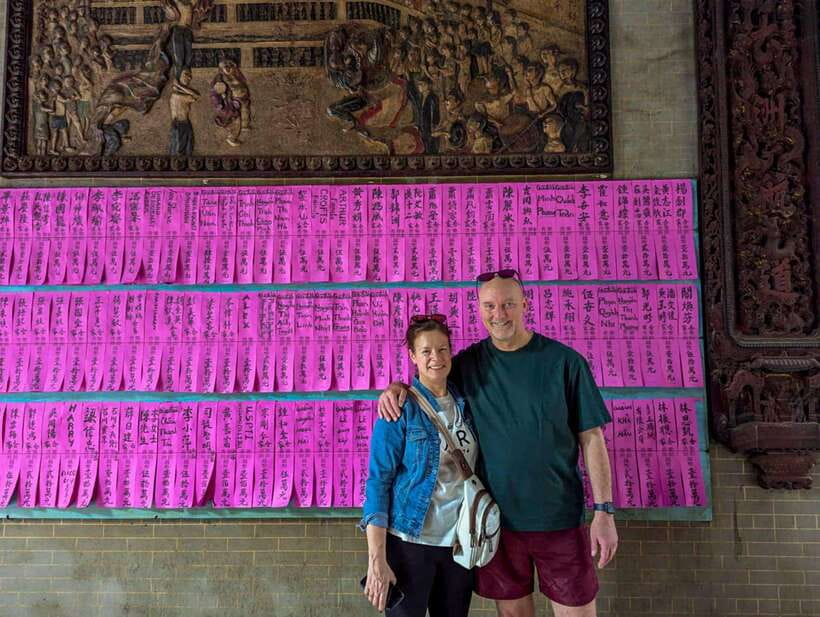
Chùa Bà Thiên Hậu is where the tour earns its name. This temple is dedicated to the goddess of the sea, and it carries weight far beyond its location in Chinatown. The guide explains that Thien Hau is the Vietnamese transcription of the Chinese Tianhou, an epithet often connected with Mazu, the deified sea goddess. You’ll also hear the story of Lin Moniang, a medieval Fujianese girl credited with saving her family from harm during a typhoon through spiritual power.
Even if you’re not a religion-history person, this kind of backstory helps you see why the temple decorations and rituals are what they are. It turns the visit from a quick photo stop into a place you can actually understand. You’ll get time for guided sightseeing and a walk through the temple area, with enough breathing room to take in details at your own pace.
What to watch for: Temples can involve lots of visual cues—signs, offerings, and statues—that only make sense when someone explains the symbolism. I’d come in ready to listen for that thread, because it’s the thread that connects Chinatown’s identity to the water, trade routes, and immigrant history.
A Quick Street Stop: Đường Hải Thượng Lãn Ông
Between the pickup and the heavier temple visit, you’ll make a guided stop on Đường Hải Thượng Lãn Ông for about 20 minutes. This is the kind of leg that can feel small on paper, but it’s useful. It helps you start reading the neighborhood before you hit the main attractions.
Think of this as orientation time. You’ll be moving with the guide, so you can ask questions while the streets are still a little unfamiliar. You also get an early look at the mix of old architecture, everyday storefronts, and the way locals move through the district.
If you like tours that don’t feel rushed, these short street breaks are the secret sauce. They give your brain time to catch up.
Chinatown Stops That Feel Local: Shops, Chinese Goods, and Side Streets

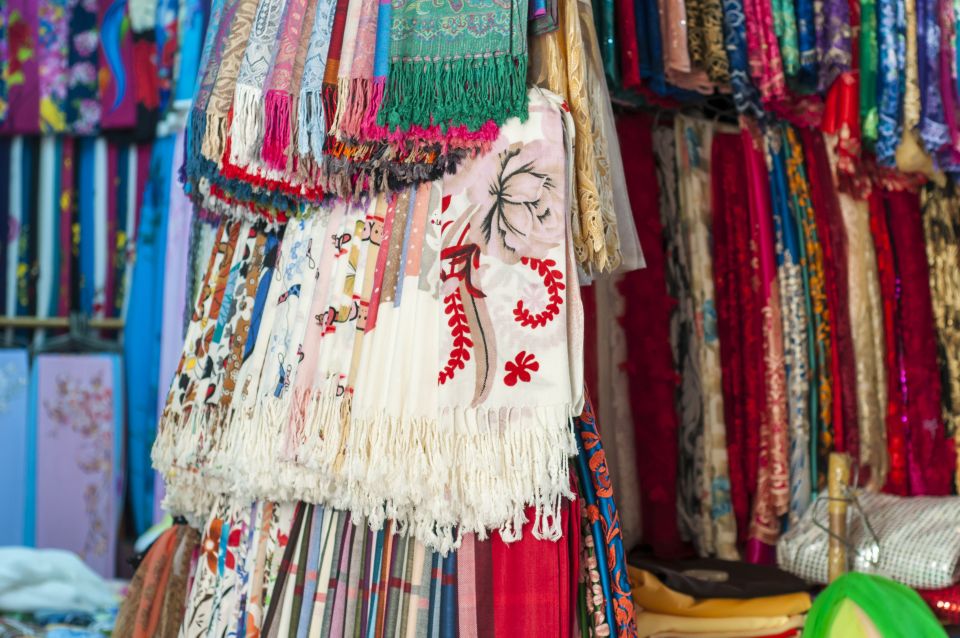
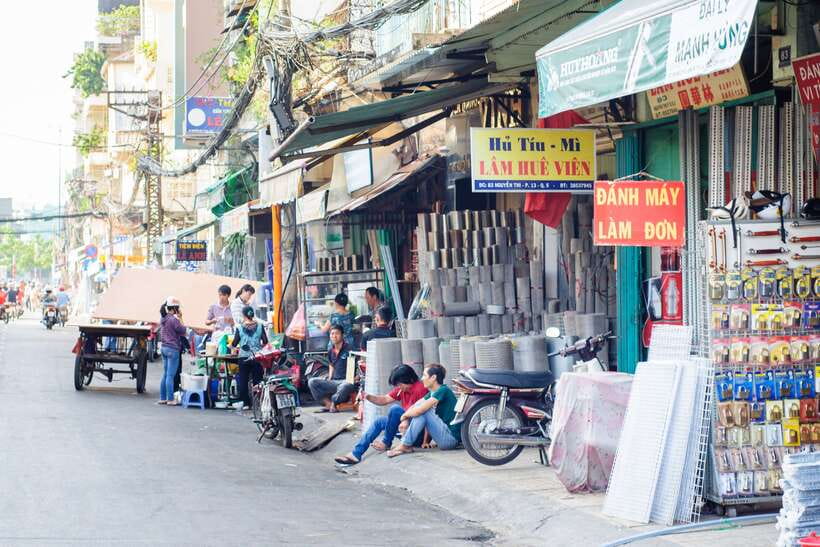
After visiting the temple, you ride the cyclo through Chinatown and stop for sightseeing and local browsing. This part is less about monuments and more about seeing the neighborhood as a living marketplace. You may also have time at local shops, where you can find Chinese products including medicinal herbs and clothing.
This is where the tour becomes practical. You get a sense of what people actually buy and why this area is still important to the Chinese community here. You’re not just looking at buildings; you’re seeing the supply chain of everyday life.
How to handle shopping time: If you’re tempted to buy, go slow. You’ll likely have only limited time in each spot, so don’t wait until the last minute to decide. If you just want to browse, say so and let the guide know you’re mostly there to learn what’s sold.
You can also read our reviews of more tours and experiences in Ho Chi Minh City




Thương xá Đồng Khánh: A Mid-Route Landmark With Walk Time
One of the scheduled visits is at Thương xá Đồng Khánh, which includes guided sightseeing and walking for about 30 minutes. I see this as a good mid-route anchor. It gives you something to focus on while keeping the day fluid.
Even if you don’t buy anything, shopping arcades like this show how commerce and architecture shaped the district over time. The guide’s job here is to connect the building to the neighborhood’s character, and that explanation is what turns a stop into a useful one.
Downside to consider: Like many urban shopping spots, this area can be active and crowded. If you prefer quiet sightseeing, you might feel a little squeezed during the peak parts of the day.
St Francis Xavier Church and the Chinese Catholic Community
Next comes St Francis Xavier Church (also called Cha Tam Church in the tour description). This stop is special because it’s not just another landmark. It’s described as the first Catholic church for local Chinese parishioners in Ho Chi Minh City.
You’ll have guided sightseeing and time to see the church in its local context, which adds meaning to what might otherwise feel like a standard church visit. When a place is tied to a community’s origin story, you notice different things: the congregation’s identity, the way the building functions as a cultural marker, and why it sits where it does.
Why I think this stop is worth it: You’re seeing Chinatown through more than one lens. Temples explain spiritual roots. A historic church explains adaptation and community persistence. The day feels more complete because it holds both.
Bình Tây Market: The French-Era Finale in Chinatown
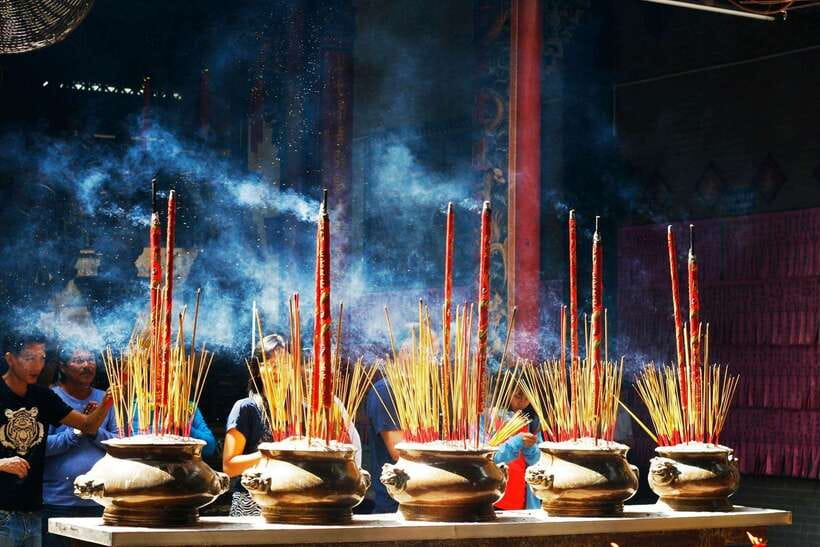
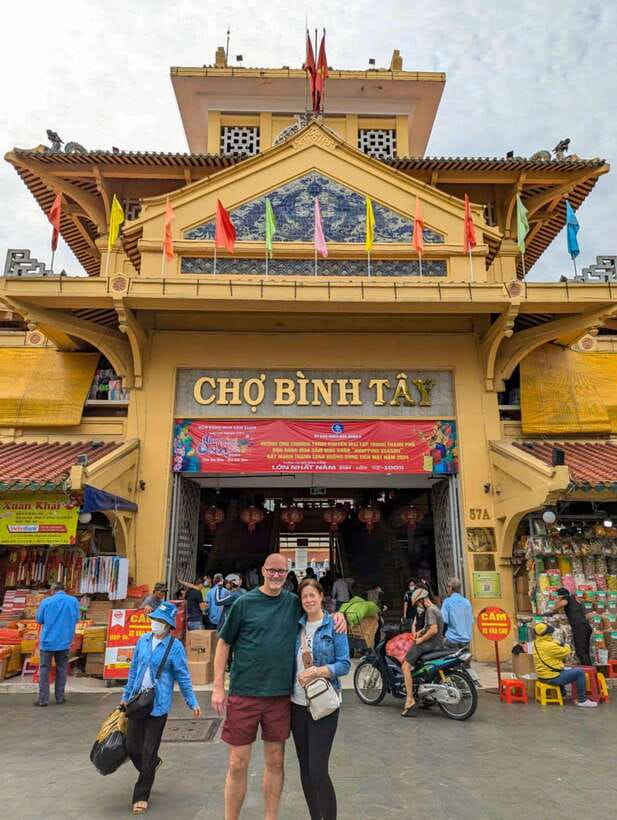
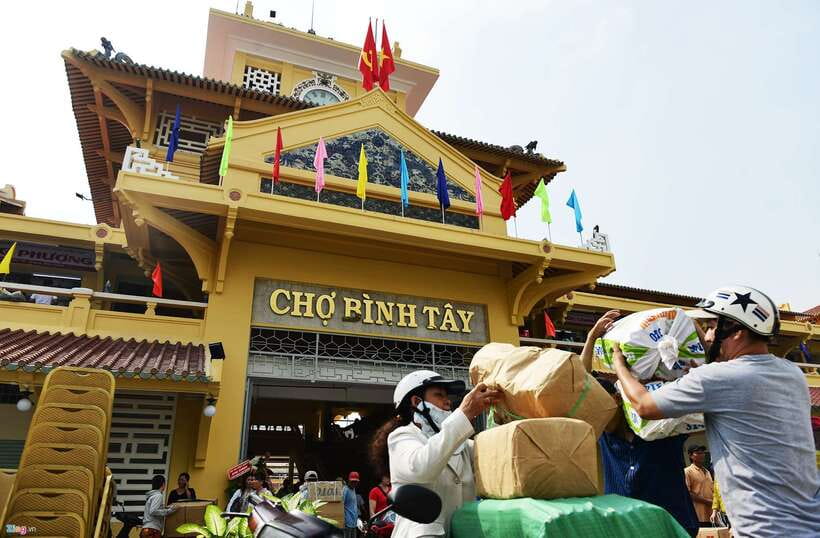
Your last major stop is Bình Tây Market, with about 70 minutes on site. The market was constructed by the French in the 1880s and sits in the heart of Vietnam’s largest Chinatown district. That French construction note matters because it signals the layers of influence around commerce and city planning.
This is the part of the tour where you’ll feel the district’s everyday rhythm. You’ll have time to walk through the market, guided by your English-speaking tour guide. If you like people-watching and shopping energy, this is your time.
Practical advice: markets are crowded, and you’ll be walking. Bring comfortable shoes and keep your bag zipped. If you’re photographing, do it while keeping your path clear. Don’t let the camera turn you into a slow-moving obstacle.
Also, because it’s an included stop with guided time, you don’t have to worry about how long you’ll spend deciding where to go next. The market visit is built into the schedule.
The War Remnants Museum Piece: A Mood Change You Should Expect
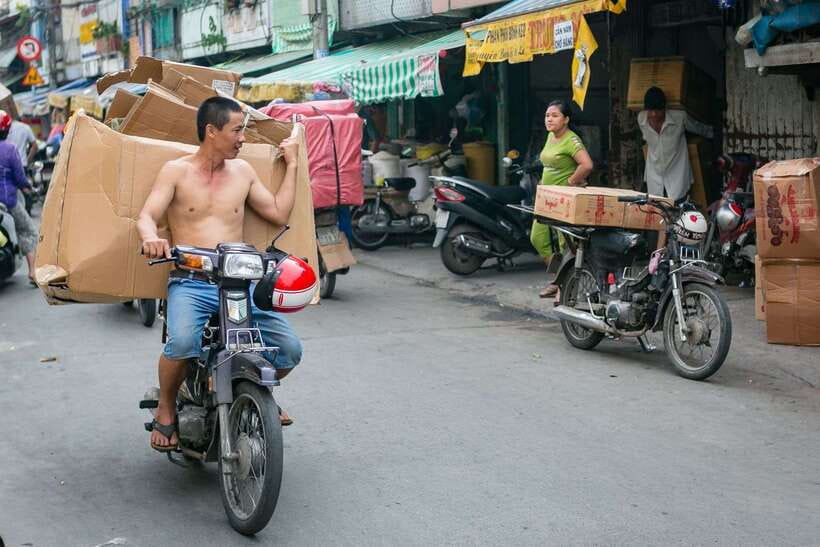
The tour also includes time for the War Remnants Museum exhibits, described as powerful. This is the day’s emotional gear-shift. Chinatown sights and market scenes are grounded in culture and daily life; the museum is where the tone turns serious and reflective.
Even without going room-by-room, the museum’s exhibits are designed to hit hard. I think that contrast is part of the value of this half-day. You leave with a Chinatown view plus a deeper understanding of how Vietnam’s modern story shaped what people see, remember, and build.
Consideration: If you’re traveling with kids or you prefer a lighter pace, this museum stop can feel intense. You can still appreciate it, but it may not be the right fit for people who want only cheerful street scenes.
Price and What $48 Buys You (and Doesn’t)
$48 per person for roughly 3.5 hours is not a crazy splurge, and it’s not a bargain either. Here’s the honest value math: you’re paying for a guided English experience, hotel pickup and drop-off in central districts, entrance fees, a cyclo transport, plus bottled drinking water and travel insurance.
That combination matters. Entrance fees can add up fast. A pedicab isn’t something you always book on your own last minute. And a good guide saves you from turning the day into a self-guided checklist.
What’s not included is personal spending, of course. If you plan to buy medicinal herbs or clothing, that’s on you. This tour is best thought of as a guided route and interpretation service, not an all-inclusive shopping spree.
Cyclo Comfort, Traffic Fumes, and Phone Safety Tips
This is the part I’d plan for most carefully, because pedicab experiences can vary by traffic and by how you’re seated. The cyclo is a slow-moving street-level view, but that means you’ll be close to the flow of motorcycles and cars and whatever air quality comes with them.
One practical way to protect your trip enjoyment:
- Wear something comfortable for close-contact seating.
- Keep your phone and camera secured and away from easy grab zones.
- Don’t drape bags where they can get bumped.
- Bring a light layer if you’re sensitive to sun and wind between stops.
The good news is that the cyclo also gives you a unique angle on street life. You see storefronts and side streets you might miss from a taxi window. It’s a trade: comfort and air quality for a slower, more human pace.
Who Should Book This Chinatown Cyclo Tour
This works well if you want a guided snapshot that blends different Chinatown facets:
- If you’re into temples, history tied to immigrant communities, and church architecture in a local context, you’ll get plenty.
- If you like markets and shopping energy, Bình Tây Market gives you time to wander.
- If you want more than sightseeing and would appreciate the meaning behind symbols, the English guide is central to the experience.
- If you don’t want a full-day commitment, 3.5 hours is a manageable window.
It may be less ideal if you strongly dislike traffic noise or pollution. And if you want lots of personal space, pedicab seating might feel tight.
Should You Book This Half-Day Chinatown Cyclo Tour?
I’d book it if you want a structured, guided route through Ho Chi Minh City’s Chinatown that includes both beauty and seriousness: Thien Hau Temple, St Francis Xavier Church, Bình Tây Market, and museum exhibits on the War Remnants Museum side of the day. It’s a good deal for people who value interpretation and want hotel pickup to reduce logistics.
I’d think twice if pedicab close contact and dense street conditions are a deal-breaker for you. In that case, you can still explore Chinatown, but you’d probably prefer a walking-focused plan and museum time paired separately.
If you go, go ready to learn. This tour is at its best when you let the guide explain what you’re seeing, then you use the cyclo ride to watch how Chinatown actually works.
FAQ
How long is the Ho Chi Minh City half-day cyclo journey?
It lasts about 3.5 hours, with starting times that depend on availability.
What does the tour cost?
The price is $48 per person.
Where is pickup offered?
Hotel pickup and drop-off are included for Hồ Chí Minh City Center areas: District 1, 3, 5, 10, and Phu Nhuan.
What stops are included during the tour?
The tour includes Chùa Bà Thiên Hậu (Lady Thien Hau Temple), Cha Tam Church (St Francis Xavier Church), Bình Tây Market, and guided sightseeing/walk stops in between, plus museum exhibits as highlighted.
Is the tour guide available in English?
Yes. The tour includes an English-speaking guide.
What’s included in the price?
Included are transfers and transportation as per the itinerary, entrance fees, the pedicab (cyclo), bottled drinking water, an English-speaking guide, and travel insurance.
Is a private group option available?
Yes, private group availability is offered.
What is the child policy?
A maximum of 1 child can be accompanied by 1 adult at the child price; the second child will pay the adult price.