REVIEW · HO CHI MINH CITY
Ho Chi Minh: Tasting Iconic Coffee of 3 Regions in Vietnam
Book on GetYourGuide →Operated by Sky Travel · Bookable on GetYourGuide
Three coffees, one hour, serious payoff. This small-group tasting in Ho Chi Minh City is built around brewing Vietnam coffee with the traditional Phin dripper, then tasting the iconic styles from three regions so you can spot what changes with each palate. I like that the session is guided by Quynh, and you don’t just sip and leave. You get the story behind the drink choices, using clear explanations and pictures that connect coffee to place.
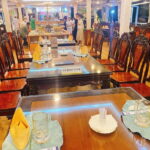
I also love the way you compare the three regional drinks as a single lesson: condensed-milk coffee from the South, salt coffee from the Central region, and egg coffee from the North. The goal is simple and smart—learn the differences, then taste them with attention. One thing to consider: the location can feel more like a small apartment-style room than a full café setup, so if you’re expecting a big restaurant vibe, mentally adjust.
In This Review
- Key Points You Should Know Before You Go
- Entering the Coffee Room in District 1
- The Real Schedule: A Focused 1-Hour Coffee Lesson
- The Phin Dripper Brewing Lesson (Where You Actually Learn)
- South, Middle, North: What You Taste and Why It Matters
- Condensed Milk Coffee (South Vietnam Icon)
- Salt Coffee (Middle Vietnam Icon)
- Egg Coffee (North Vietnam Icon)
- The Big Lesson: Regional Identity in a Cup
- What the Guide Adds: History With Pictures, Not Lectures
- The Tasting Format: Half-Size Drinks and Real Comparison
- Caffeine Reality: Eat First and Pace Yourself
- Price and Value: Is $21 Worth It?
- Who This Tour Fits Best
- Should You Book This Ho Chi Minh Coffee Tasting?
- FAQ
- How long is the Ho Chi Minh coffee tasting experience?
- Where is the meeting point?
- How much does it cost?
- What languages are supported?
- Is this a small group activity?
- What does the tour include?
- What regional coffees will I taste?
- Are kids allowed?
- Can I bring a pet?
- Is it suitable for wheelchair users?
Key Points You Should Know Before You Go
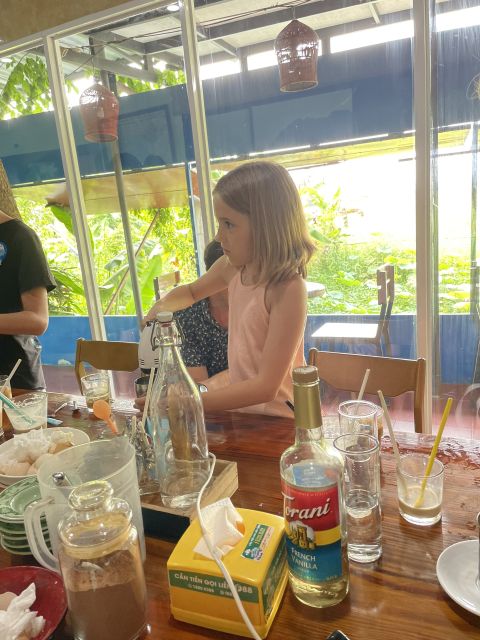
- Hands-on Phin brewing: you learn by doing, not watching from across a table
- Three regional icons in one lesson: South condensed milk, Central salt, North egg coffee
- Short and focused: designed to fit into a 1-hour slot in District 1
- Small group of up to 10: more time to ask questions and compare notes
- Extra practice may happen: one review mentions an intentionally wrong brew example to show why the steps matter
- Caffeine adds up: plan to have a meal first, because you can get a strong hit
Entering the Coffee Room in District 1
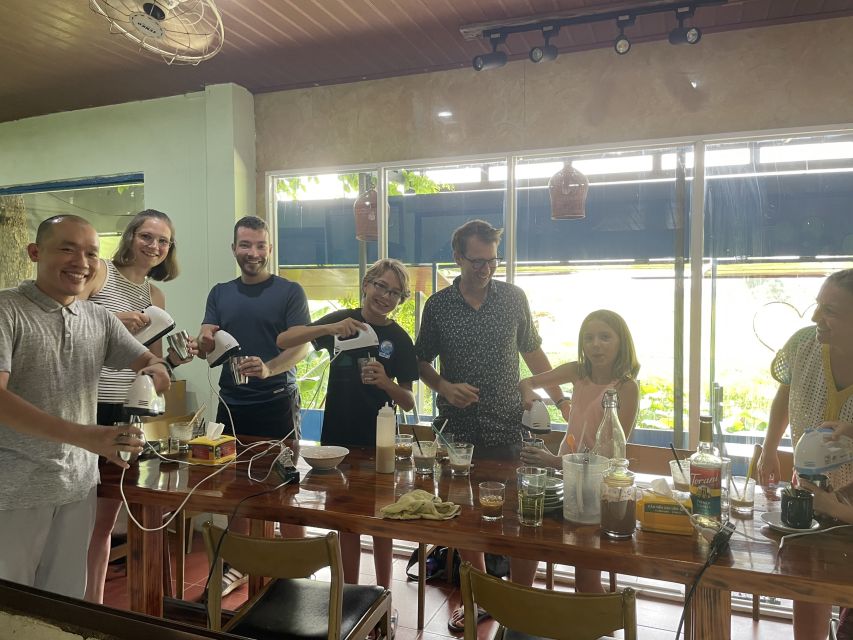
You meet in Ho Chi Minh City at 27 Ngo Duc Ke, District 1. That’s a practical base because you’re in the core area, close to a lot of sightseeing and easy to fit into a day. The activity is led in English, and the host or greeter is on hand to keep the flow smooth for a small group.
What makes this experience feel different from a typical coffee stop is the format. You start with context, then move into hands-on brewing, then taste the results side by side. In other words, it’s not a coffee “wander.” It’s a lesson with sensory homework.
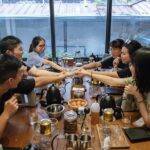
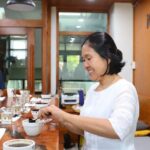
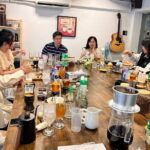
One more detail worth calling out from the reviews: the setup can look less like a public café and more like a private tasting space when you walk in. That’s not a deal-breaker—just know what you’re walking into so you’re not surprised.
You can also read our reviews of more food & drink experiences in Ho Chi Minh City

The Real Schedule: A Focused 1-Hour Coffee Lesson
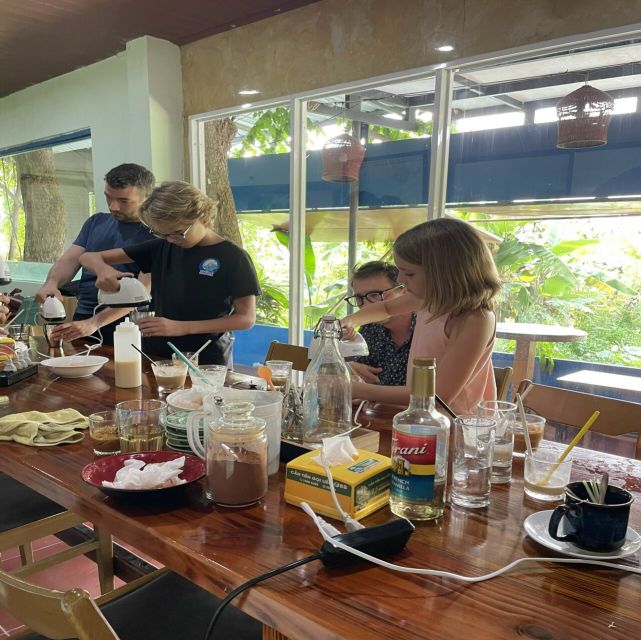
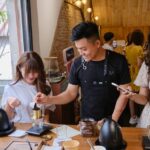
The total duration is 1 hour, and it’s paced for clarity. The expert starts by welcoming you and sharing information about the special drinks from three regions in Vietnam. Then you get the main activity: hand-on brewing with the Phin dripper, followed by tasting.
Here’s how you can mentally plan the hour:
- First, you learn the “what” and “why” behind each regional coffee style.
- Next, you practice brewing with the Phin so you understand timing and technique.
- Finally, you taste half-size drinks from each region so you can compare without being overwhelmed.
One review also mentioned the session running about 30 minutes long because of conversation. That’s a good sign for you if you like asking questions. Just treat the listed duration as the official target, and don’t be shocked if you end up chatting longer.
The Phin Dripper Brewing Lesson (Where You Actually Learn)
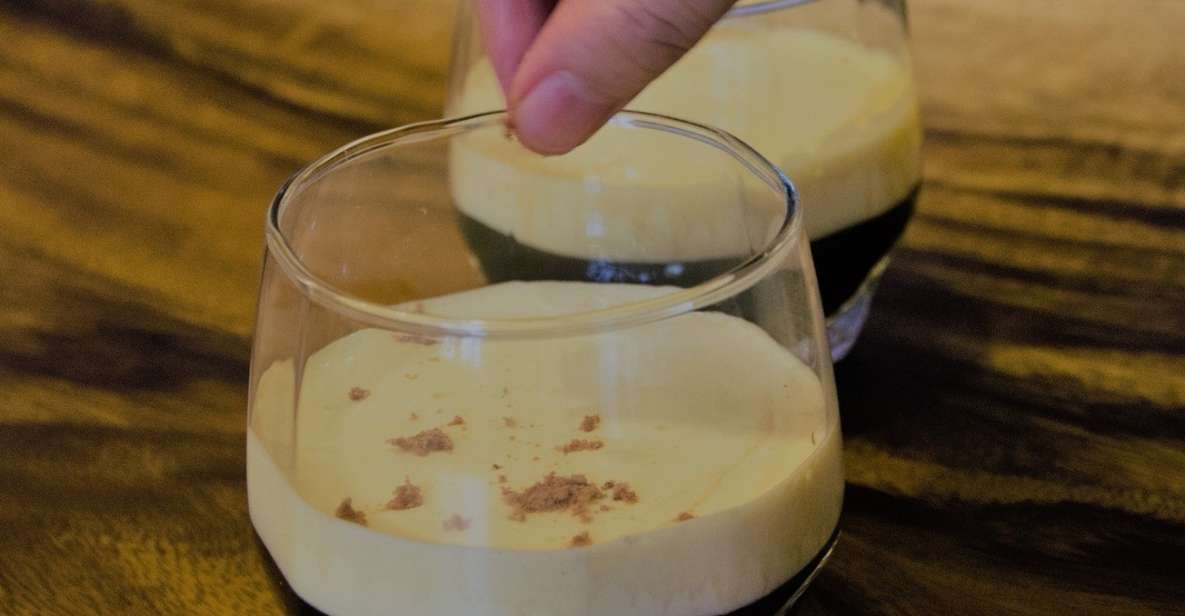
The heart of this experience is the traditional dripper called Phin. If you’ve only seen Vietnamese coffee served in cafés, this is the moment you learn why it tastes the way it does. The Phin brewing method changes the pace and the extraction, which means small technique choices can lead to big flavor differences.
The tour includes all ingredients and equipment you need, so you’re not hunting around before you start. You also get a coffee expert or specialist who guides you through the steps while you brew. That’s one of the biggest value points here: you’re not guessing.
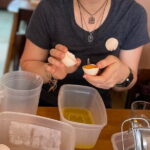
A detail I found especially useful from a review: someone mentioned making several small cups, including a “bad” one to show how important the correct steps are. Even if your session doesn’t mirror that exactly, the underlying point is clear—brewing method matters. This is how you go from simply enjoying coffee to actually understanding what you’re tasting.
Practical tip: listen for the specific guidance about steps and timing. Then trust your nose and palate. If you’re taught how to correct mistakes, take it as part of the learning. Coffee improves quickly when you notice what went wrong.
South, Middle, North: What You Taste and Why It Matters
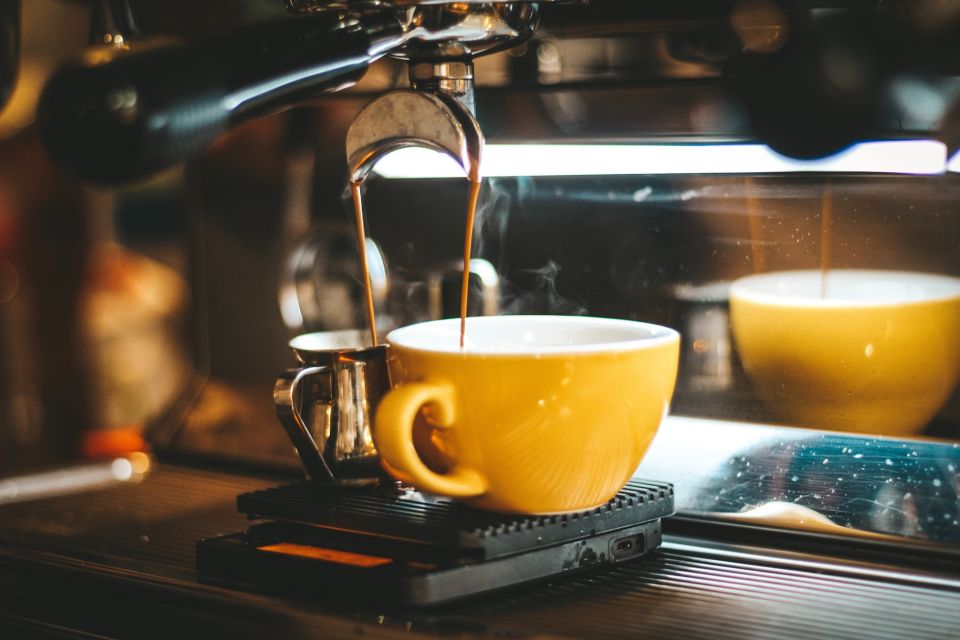
This tasting is built around three iconic styles, each tied to Vietnam’s different regions:
Condensed Milk Coffee (South Vietnam Icon)
You’ll taste condensed milk coffee, the signature drink associated with the South. The South style is often easier to recognize because it’s familiar to many visitors: sweet, creamy, and comfortable. But this isn’t just about sweetness. Tasting it after brewing lessons helps you notice how the base coffee behaves once it meets a classic mixer.
If you usually like your coffee in a dessert direction, this will likely feel like the “welcome drink.” If you prefer things less sweet, don’t skip it. You’ll learn how sweetness changes your perception of the coffee’s strength.
You can also read our reviews of more tours and experiences in Ho Chi Minh City

Salt Coffee (Middle Vietnam Icon)
Next comes salt coffee, linked with Middle Vietnam. Salt sounds strange until you taste it. In practice, it can bring out balance and change how the flavors land on your tongue. The point of including it in a three-region comparison is that you learn to treat coffee as more than bitter and acidic. It’s a flavor system.
This is also the style that often makes people pay attention. If you like tasting sessions that challenge your assumptions, Central salt coffee is where your curiosity wakes up.
Egg Coffee (North Vietnam Icon)
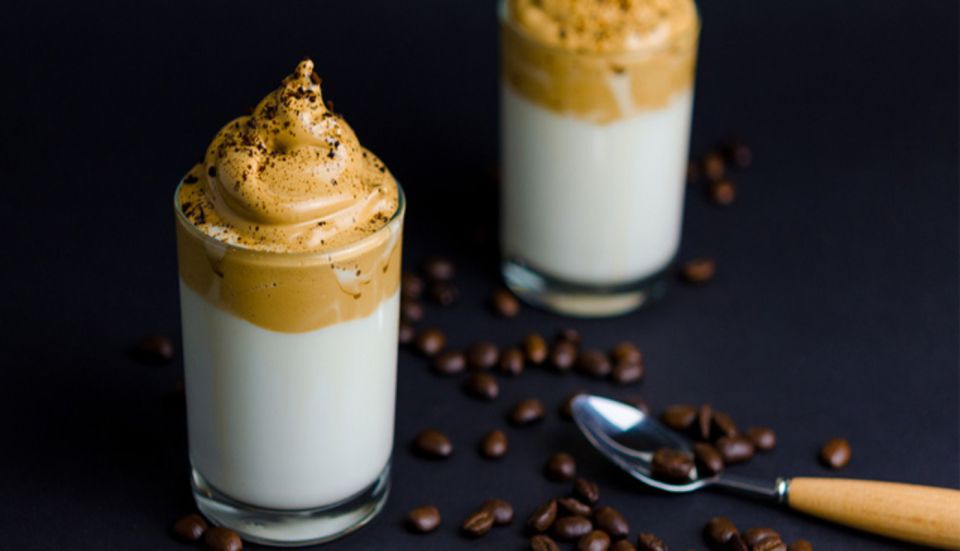
Finally, you taste egg coffee, associated with the North. Egg coffee is famous for its creamy, custard-like feel. The lesson here is that regional coffee isn’t a single recipe—it’s an attitude toward texture, sweetness, and how to turn coffee into a full sensory experience.
If you’re the type who looks for distinctive drinks instead of just strong espresso-style coffee, North egg coffee is probably the most memorable for your brain. It’s harder to confuse with anything else.
The Big Lesson: Regional Identity in a Cup
One of the tour’s themes is that the drinks reflect the people characteristic and city authenticity of each region. You don’t have to treat this as strict “culture history.” Think of it as a tasting framework. The guide uses the regional differences to help you understand why certain flavors became icons where they did.
That framework is genuinely helpful when you’re traveling, because it gives you a way to order smarter after you leave.
What the Guide Adds: History With Pictures, Not Lectures
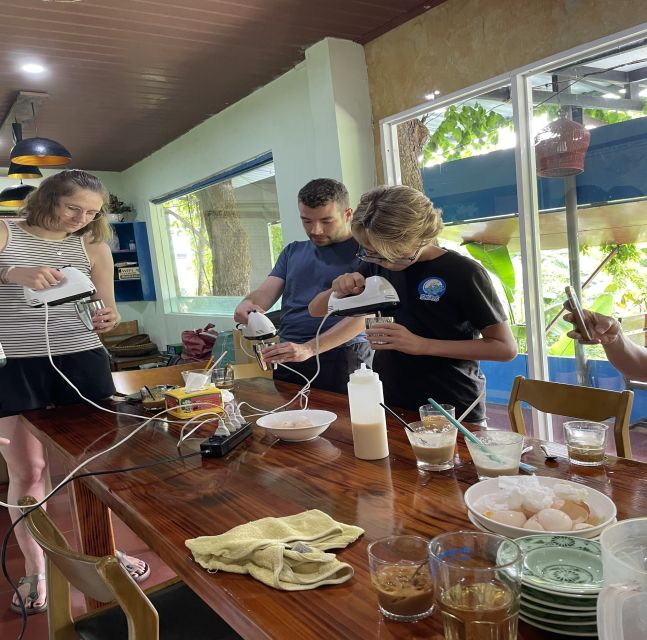
From the reviews, one name came up strongly: Quynh. In at least one session, the guide used pictures to explain the history of coffee and how each style connects to place. That’s a big deal for two reasons.
First, it keeps things grounded. You’re not stuck with abstract claims. You can look at visuals and make sense of the sequence.
Second, it encourages questions. One review specifically mentioned the guide answering everything and making the pace feel organized and seamless. That doesn’t happen by accident. It usually means the host is used to keeping mixed skill levels together—some people know coffee, some don’t.
If you’re the kind of traveler who likes asking why a drink exists, this tour gives you a safe place to ask. You’ll likely get more than a simple answer because the session is structured around explanation before tasting.
The Tasting Format: Half-Size Drinks and Real Comparison
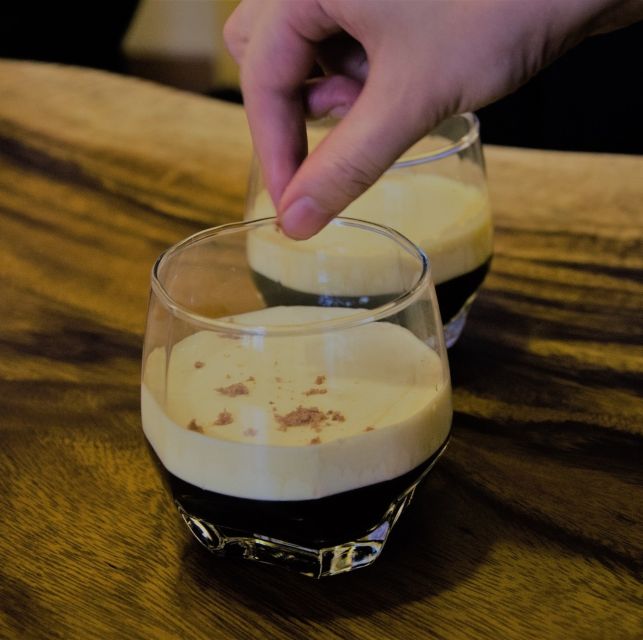
You get half-size drinks for the three regional coffees. That’s the right balance. You experience each style without feeling like you need to “power through” three full servings. More importantly, the half-size approach supports real comparison.
Here’s what you should do while tasting:
- Take a breath after the first sip, not before.
- Notice texture first (creamy, thin, foamy), then sweetness level.
- Then ask yourself what changes when you go from South to Middle to North.
You’ll be able to tell which style you prefer. You’ll also learn what you like about each one, not just whether it’s good or bad.
A small humorous-but-useful point: if you’re not used to Vietnamese coffee, don’t assume all drinks will taste similar. The mix-ins and textures create totally different experiences, and the tour is designed so you taste those differences clearly.
Caffeine Reality: Eat First and Pace Yourself
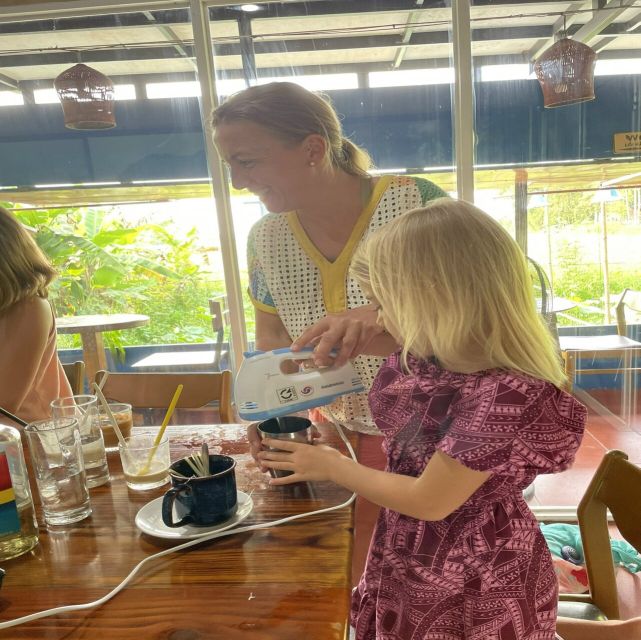
At least one review gave a direct warning: make sure you eat before the session. You may be provided with a delicious Vietnam comfort food, but it’s also described as a lot of caffeine. Even if you’re a coffee fan, it helps to start with a proper meal so you don’t end the hour feeling shaky or too wired.
Also plan your next move. Since you’re tasting multiple regional coffees and doing hands-on brewing, your senses get busy. If you’re heading straight into a long museum visit afterward, consider scheduling something easy—like a walk, not a sprint.
This isn’t a medical statement. It’s a practical travel tip based on the lived experience from the session.
Price and Value: Is $21 Worth It?
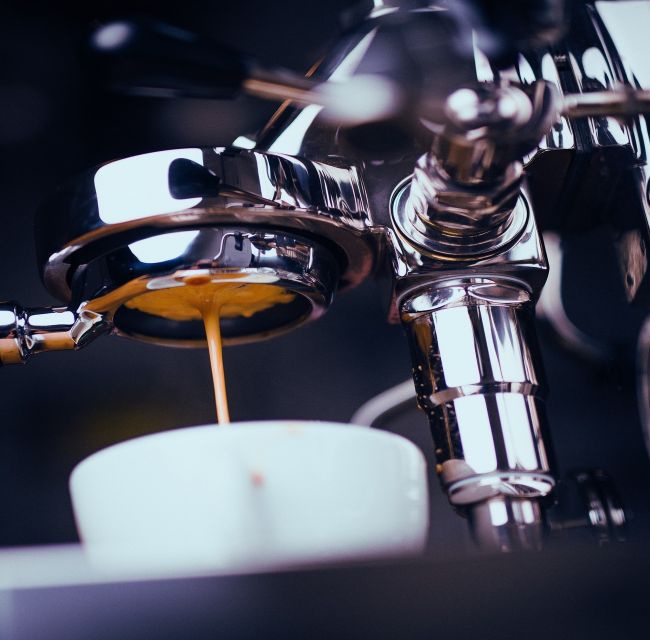
At $21 per person for a 1-hour guided tasting with hands-on Phin brewing, this is one of those “small cost, high learning” experiences. The value comes from three things working together:
- You get a specialist/coffee expert in the room.
- You brew with the equipment yourself, rather than watching.
- You taste three regional iconic coffees in one session, with ingredients included.
Many coffee experiences give you flavor, but not technique. Many technique classes teach brewing, but not cultural comparison in the cup. This one tries to do both in a single hour, plus a bit of visual explanation.
Could you DIY this cheaper on your own? Sure—you could buy coffee and watch videos. But you’d miss the guided comparison and the “why it works” element that makes you order smarter later.
For me, the best sign of value is that people describe the session as organized and question-friendly, and one review says the guide even ran longer due to conversation. That usually means you’re paying for a real interaction, not a rushed script.
Who This Tour Fits Best
This experience is a great match if you:
- Like coffee enough to pay attention to differences
- Want a guided introduction to Vietnamese coffee regions
- Enjoy hands-on activities rather than passive tours
- Like learning through taste and technique
It’s less ideal if you:
- Use a wheelchair (not suitable)
- Are bringing children under 14 (they’re free, but they do not join in tasting coffee)
- Expect a traditional café environment as your main visual cue
- Prefer pets included in activities (pets are not allowed)
If you’re traveling as a small group, the cap of 10 participants also helps keep the session personal.
Should You Book This Ho Chi Minh Coffee Tasting?
If you want a quick, sensory lesson that goes beyond ordering a drink, I’d book it. You’ll brew with the Phin, taste three iconic regional styles, and get explanations in English from a named guide like Quynh. It’s short, structured, and built for comparison, not just caffeine.
Skip it only if you’re expecting a big restaurant-style coffee shop or if you can’t do hands-on dripper brewing. For most people who like coffee and want a meaningful souvenir beyond a photo, this is a smart use of an hour in District 1.
FAQ
How long is the Ho Chi Minh coffee tasting experience?
It lasts 1 hour.
Where is the meeting point?
The meeting point is at 27 Ngo Duc Ke street, District 1, Ho Chi Minh City.
How much does it cost?
The price is $21 per person.
What languages are supported?
The host or greeter speaks English.
Is this a small group activity?
Yes. It is limited to 10 participants.
What does the tour include?
You get hand-on brewing with the Phin dripper, tasting of three region iconic coffees (half-size drinks), all ingredients and equipment, and a coffee expert/specialist.
What regional coffees will I taste?
You’ll taste condensed milk coffee (South), salt coffee (Middle), and egg coffee (North).
Are kids allowed?
Children under 14 are free, but they do not join in the tasting coffee.
Can I bring a pet?
No. Pets are not allowed.
Is it suitable for wheelchair users?
No. It is not suitable for wheelchair users.