REVIEW · HO CHI MINH CITY
Ho Chi Minh City Sightseeing Tour With Female Tour Guide
Book on GetYourGuide →Operated by Vietnam Package Tours · Bookable on GetYourGuide
Motorbikes, monuments, and war stories. I like that this private loop hits the big landmarks while also giving you real context, especially at the War Museum and Independence Palace. One practical catch: if you book after 3:00 PM, the museum stop won’t be available.
The format is also a win for first-time planning. You get hotel pickup and drop-off, an English-speaking guide, and transportation choices, including motorbike or scooters, plus walking when it makes sense. If you’re hoping for a female guide specifically, the tour states that’s the goal, but schedules can change.
In This Review
- Key things I’d focus on before you go
- A 4-hour way to see Ho Chi Minh City’s big hitters
- Choosing transport: motorbike, scooter, cyclo, or walking
- War Museum: where the war becomes tangible
- Independence Palace and the city’s turning points
- Opera House, City Hall, and Saigon Post Office: classic Saigon architecture
- Pink Church and Nguyễn Huê Walking Street for the city’s everyday pulse
- River ride, local market, and neighborhood time
- Chinatown, Chinese pagoda, and the Burning Monk Monument
- Weapon Bunker moments: why they’re worth the time
- Bùi Viện Walking Street at night: what changes after dark
- Price and value: what $32 per person actually gets you
- Who this private tour suits best
- Should you book this Ho Chi Minh City sightseeing tour with a female guide?
- FAQ
- How long is the Ho Chi Minh City sightseeing tour?
- What’s included in the price?
- Is this a private tour?
- Can I choose how I travel during the tour?
- Is the War Museum always part of the tour?
- Do you visit Bùi Viện Walking Street?
- Is smoking allowed, and is it wheelchair-friendly?
Key things I’d focus on before you go
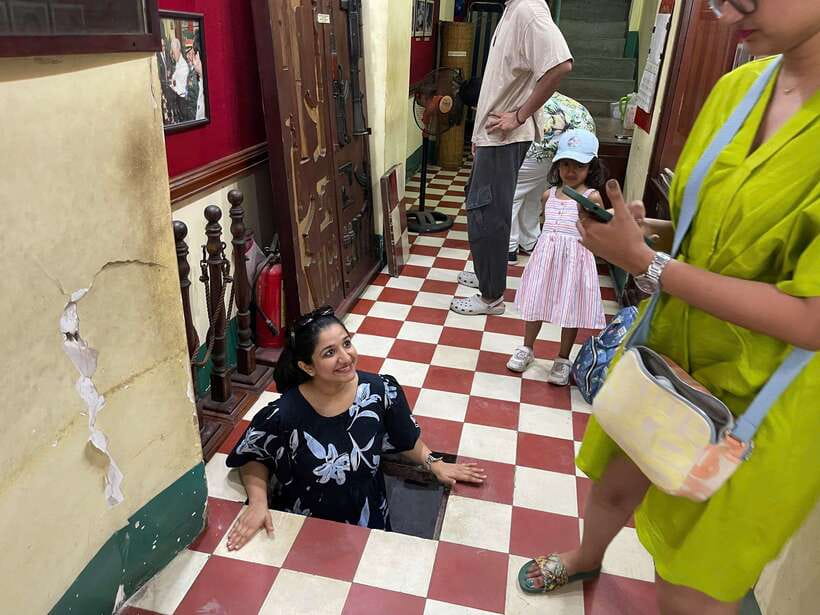
- Private, English-speaking guide means you can ask questions and set your pace
- War Museum entry is included, saving you time on arrival
- Transportation is part of the package, with options like walking, bike/scooter, jeep, car, or cyclo
- Central landmarks are grouped efficiently: Opera House, City Hall, and more
- Night adds Bùi Viện Walking Street, if you choose an evening start
- Guides can include named professionals like Diny, Ryan (Luan), and Eddie, and the experience stays well-run
A 4-hour way to see Ho Chi Minh City’s big hitters
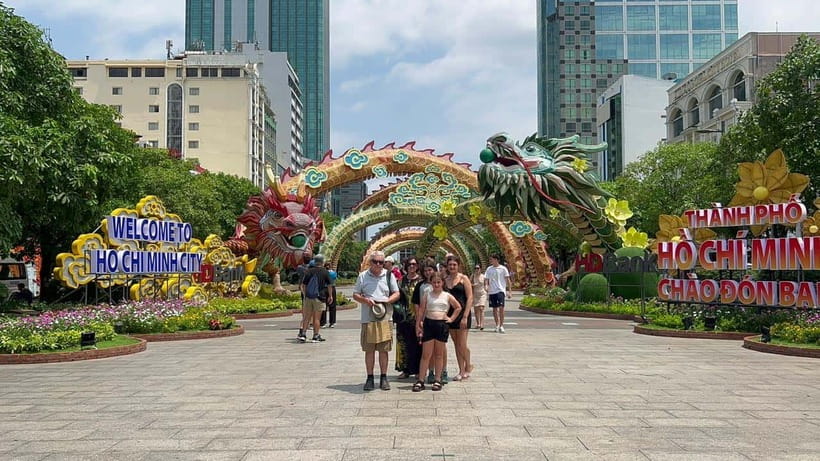
Ho Chi Minh City (Saigon) can feel huge and noisy when you land for the first time. This tour is designed to fix that by putting the must-see sights into one coordinated 4-hour block, so you’re not spending half a day figuring out routes, traffic, and what to prioritize.
You start from your hotel area, and you don’t just cruise past famous buildings. The route mixes landmark architecture with places that explain how the city got shaped by war, politics, and cultural mixing. That blend is what makes this tour more useful than a simple photo checklist.
It’s also a true private group format, which matters in a city where delays are common. A solo traveler or couple gets the same attention as a small group—no getting shuffled into someone else’s plan.
You can also read our reviews of more guided tours in Ho Chi Minh City


Choosing transport: motorbike, scooter, cyclo, or walking
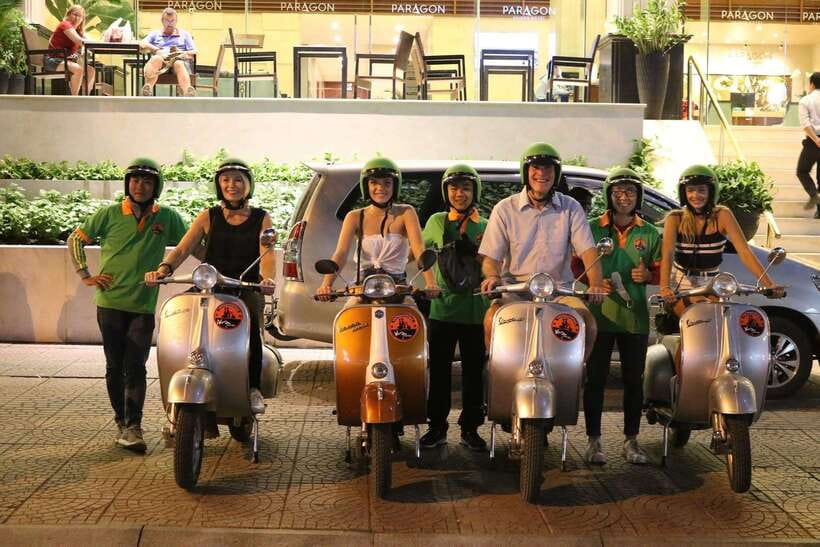
One of the best parts is you can choose your preferred mode of transport, and that changes the whole feel of the day.
- Motorbike/scooter fits the short, stop-and-go style of central districts. It can also make the ride feel like you’re moving like a local, not just being transported in comfort.
- Walking is great for the quick streetside moments—like when you want to slow down for a specific facade or a neighborhood lane.
- Cyclo, jeep, or car options can be easier if you want a more relaxed ride between stops.
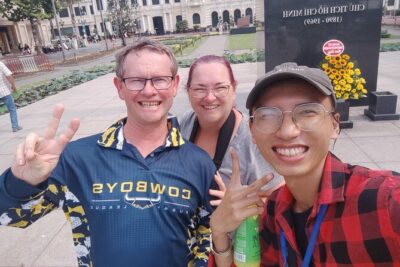
Here’s the practical angle: in Ho Chi Minh City, traffic and crossings can be unpredictable. Having a guide who handles the transitions lets you focus on the sights, not the logistics. In the feedback for this experience, guides named Diny and Ryan (Luan) were praised for being professional and fun, and when a female guide wasn’t available around Tet, Eddie stepped in and the tour still felt safe and well paced.
War Museum: where the war becomes tangible

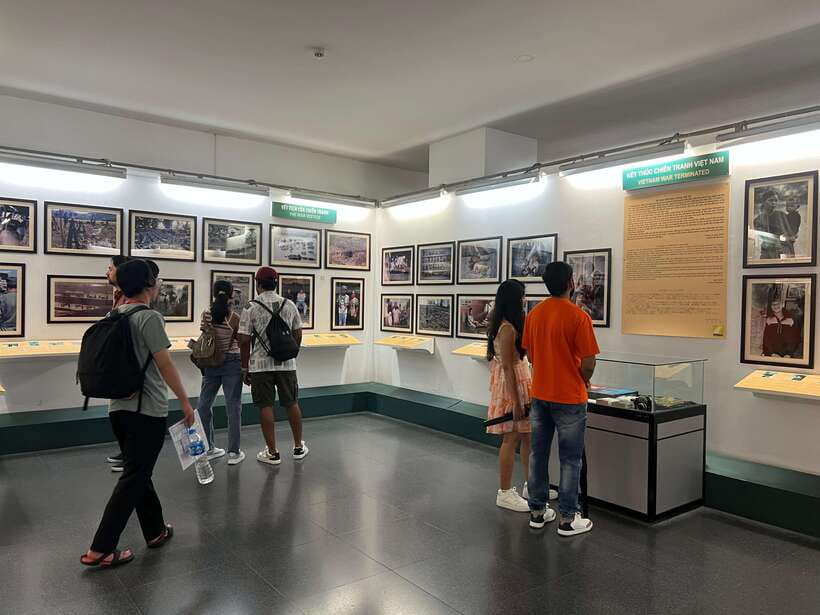
The War Museum stop is the anchor of the tour. It’s where the Vietnam War stops being a headline and starts becoming something concrete—through artifacts, displays, and a lot of visual storytelling.
For many first-time visitors, this is the part that turns curiosity into understanding. Yes, it’s heavy subject matter. But it also gives you language for what you’re seeing elsewhere in the city, like the symbolism in government sites and the way certain neighborhoods reflect past conflict.
Also, the tour includes the museum ticket entrance, so you’re not burning time hunting down entry details. You can also expect the rest of your route to make more sense after this stop.
Independence Palace and the city’s turning points
After the War Museum, the tone shifts toward political and historical change. The Independence Palace visit is built for that: you’re not just looking at a historic building, you’re learning why that place matters in Vietnam’s modern story.
Even if you’re not a history buff, this kind of stop is useful because it connects themes: the war, the consequences, and the political transitions that followed. That link is hard to get if you only do landmark sightseeing without context.
The tour format helps here, too. You’re guided through the sites in a logical order, so you’re not jumping randomly between eras and meanings.
Opera House, City Hall, and Saigon Post Office: classic Saigon architecture
Ho Chi Minh City has a big European-era architectural footprint, and this tour doesn’t leave you guessing where to look. You’ll see major landmarks including the Opera House and City Hall, plus the Saigon Post Office.
This part of the tour works best if you treat it like a guided walk-by with purpose. Instead of only snapping pictures, you’ll look at how the buildings are shaped and why they became part of Saigon’s identity.
If you’re into architecture, you’ll likely enjoy the Post Office stop in particular. It’s one of those places where the exterior and the setting both carry charm, and it’s also easy to pair with nearby streets when you move on.
You can also read our reviews of more city tours in Ho Chi Minh City

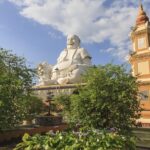



Pink Church and Nguyễn Huê Walking Street for the city’s everyday pulse
Then the tour shifts to the “what daily Saigon feels like” side.
You’ll visit the Pink Church and stroll down Nguyễn Huê Walking Street. This is where you see the city as people experience it now—more than just a museum timeline. It’s a relief break after heavier sites, and it also gives you a sense of scale: where landmarks fit into real streets.
If your schedule allows, I’d pay attention to how the city changes from block to block. Some areas feel like postcard Saigon; others feel more like regular city life. This portion of the route gives you both, without turning it into a long detour.
River ride, local market, and neighborhood time
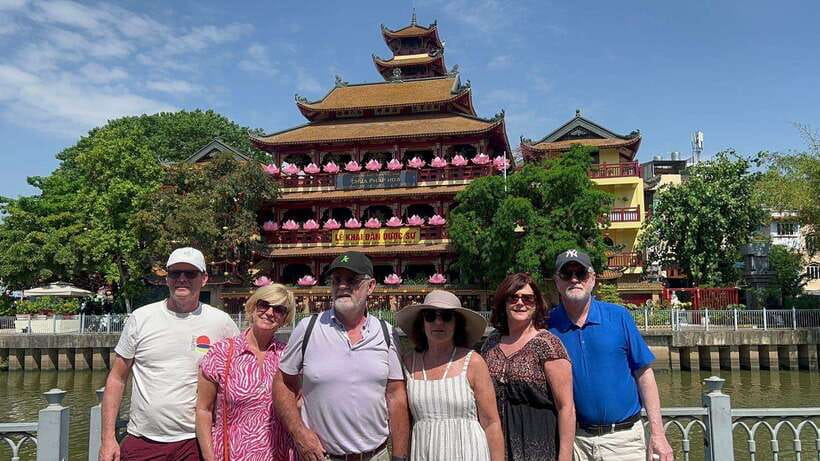
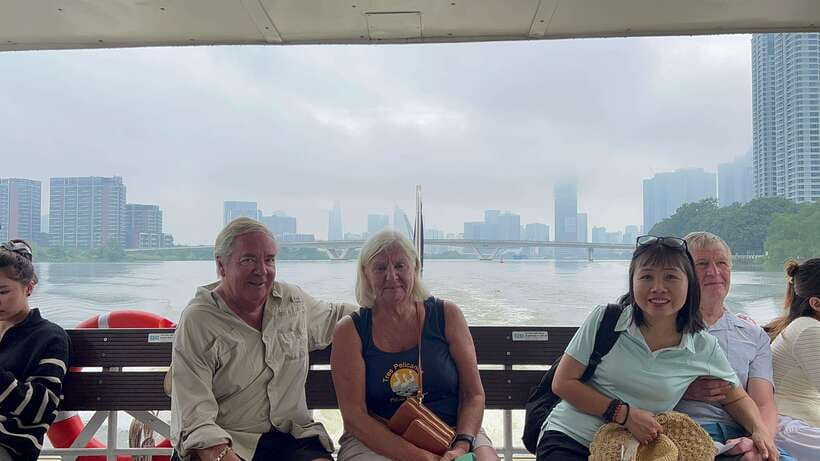
A nice touch in this tour is that it doesn’t stop at the big-ticket sights. You’ll ride along the river for scenic views and also discover a local market and neighborhood.
This matters because Ho Chi Minh City is more than monuments. The river and market stops add texture—little moments that help you understand how the city functions. Even if you don’t shop, you’ll get a better sense of what’s around you, which makes the rest of your stay easier.
One small detail that adds to this segment: the tour includes a water bus ticket. That makes the river portion feel like part of the experience, not just a photo opportunity.
Chinatown, Chinese pagoda, and the Burning Monk Monument
The tour doesn’t treat Ho Chi Minh City as one single story. It also nudges you into how different communities shaped the city.
You’ll explore Chinatown and a historic Chinese Pagoda. Places like this give you a different flavor than the French-influenced main sights, and they show how layered the city really is.
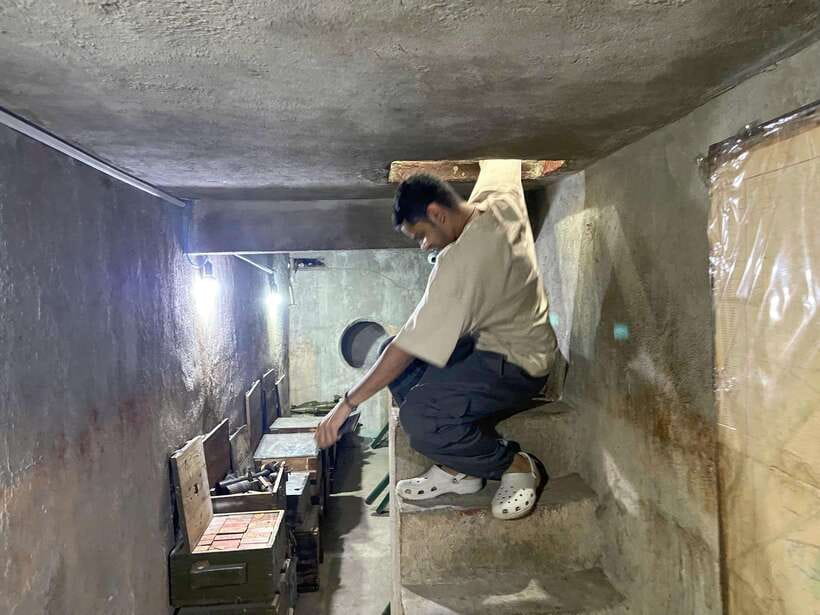
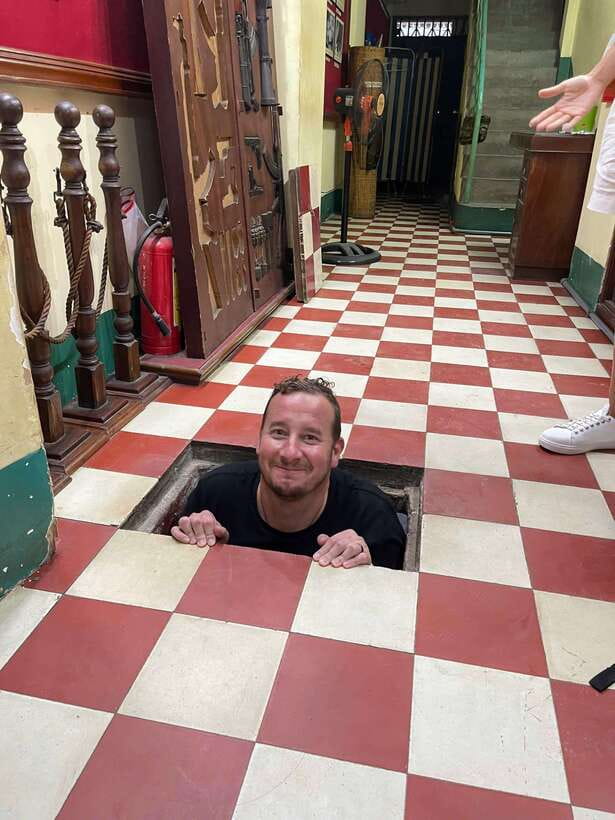
You’ll also pay tribute at the Burning Monk Monument, plus explore the Weapon Bunker. These are the moments where the tour’s historical angle becomes very direct. I find that this combination works well: you start with broader context at the War Museum, then you see specific symbols and sites that people connect to memory and conflict.
If you prefer light, entertainment-style sightseeing only, this section may feel intense. But if you want to understand Saigon beyond buildings, these stops do the job.
Weapon Bunker moments: why they’re worth the time
The Weapon Bunker visit is one of those stops that can be overlooked if you only skim descriptions. In practice, it helps you picture what you read in history and what you see referenced elsewhere.
Even if you spend only a short time there, it changes your mental map. After the bunker, you’ll be more likely to notice how the city’s stories are anchored in places, not just dates.
And since the tour is private, you can linger if something grabs you—or move on quickly if you’re short on energy.
Bùi Viện Walking Street at night: what changes after dark
If you choose a night tour, the itinerary adds Bùi Viện Walking Street. During evening hours, the vibe becomes more social and street-facing, and it’s a good way to end with energy rather than another museum-style stop.
The tour information also notes that the itinerary can be adjusted to highlight night views. That flexibility matters in a city where light, crowds, and traffic patterns can shift fast.
Price and value: what $32 per person actually gets you
At about $32 per person for a 4-hour private tour, the value comes from what’s included—not just the guide.
You get:
- an English speaking tour guide
- transportation for the whole 4-hour window
- hotel pickup and drop-off in Ho Chi Minh City
- tickets for the War Museum entrance
- a water bus ticket
- private group time, so you’re not squeezed into a big tour crowd
Most add-on tours in big cities charge extra for tickets, or they keep transport as a separate line item. Here, the package includes key entries and movement costs. Also, tip isn’t included, so you can decide what feels fair after you see the actual service.
Bottom line: this price makes sense if you want the city’s highlights plus the story behind them, without spending your precious first day sorting logistics.
Who this private tour suits best
This tour fits best if you want structure in a short timeframe and you’d rather ask questions than wander uncertainly.
I think it’s especially good for:
- first-timers who want a focused “see the key sites” plan
- couples and small groups who want private pacing
- history-minded travelers who want context, not just photos
- visitors who prefer guided city movement in traffic
If you’re extremely budget-focused and don’t care about tickets or guided interpretation, you could piece together some sights on your own. But you’d lose the convenience of a coordinated route and the guide-led links between sites.
One more reality check: the tour notes it’s not suitable for wheelchair users. If mobility is a concern, you’ll want to choose a different option.
Should you book this Ho Chi Minh City sightseeing tour with a female guide?
If you want a smart first pass through Ho Chi Minh City—War Museum, Independence Palace, major landmarks, a river segment, plus neighborhoods—this is an easy “yes” to consider. The big reason is the mix: architecture and everyday streets sit next to the places that explain Vietnam’s modern story.
I’d book it if:
- you want a private guide and an English speaking walkthrough
- you like the idea of motorbike or scooter transport (with a guide managing the street-side decisions)
- you’re curious about both the city’s famous faces and its heavier historical sites
I’d hesitate if:
- you’re arriving after 3:00 PM and you specifically want the War Museum stop
- you prefer to avoid anything historical or politically intense
FAQ
How long is the Ho Chi Minh City sightseeing tour?
The tour lasts 4 hours.
What’s included in the price?
It includes an English speaking tour guide, transportation, hotel pickup and drop-off in Ho Chi Minh City, War Museum ticket entrance, a water bus ticket, and a 4-hour private tour.
Is this a private tour?
Yes. The group type is private.
Can I choose how I travel during the tour?
Yes. You can choose your preferred mode of transport, including walking, bike, scooter, jeep, car, or cyclo.
Is the War Museum always part of the tour?
Not if you book after 3:00 PM. The museum visit will not be available in that case.
Do you visit Bùi Viện Walking Street?
If you choose a night tour, the itinerary includes Bùi Viện Walking Street.
Is smoking allowed, and is it wheelchair-friendly?
Smoking is not allowed. The tour is not suitable for wheelchair users.