REVIEW · HO CHI MINH CITY
Mekong Delta 2 Days: Floating Markets & Cultural Exploration
Book on GetYourGuide →Operated by SUN INDOCHINA TRAVEL · Bookable on GetYourGuide
Two days, one river world. I love the Vinh Trang Pagoda stop and the Cai Rang floating market morning energy, where daily life on the water feels close up. This trip strings together rivers, islands, and hands-on food moments, from coconut candy production to fruit breaks and folk music, all at a pace that still lets you relax on the boat.
The biggest thing to weigh is how packed the timetable feels. You’ll switch between car rides, boat time, and several short activity stops, so if you want extra time to linger in one place or want very detailed explanations at every stop, you may need to ask more questions.
In This Review
- Key Points Worth Noting
- The Mekong Delta Loop: Why This 2-Day Format Works
- From Ho Chi Minh City Pick-Up to the First River Steps
- Vinh Trang Pagoda: Culture First, Then Coconut and Canals
- Ben Tre Coconut Candy: A Craft Stop That Feels Like More Than a Show
- Rowing Boats Through Nipa Palms and Fruit Gardens
- Con Phung Lunch and Bicycle Time: Where the Day Gets a Bit More Local
- Can Tho Overnight: A Night Off That Still Feels Useful
- Cai Rang Floating Market: The Morning Trip That Changes the Whole View
- Noodle Oven Stop and Noodle Pizza: Fun Food Theater With Real Taste
- The Food and Timing Mix: Two Lunches, One Breakfast, Dinner Day 1
- Price and Value: Does $98 Per Person Make Sense?
- Comfort and Guide Style: Phuoc and Leo’s Different Energy
- Who This Mekong Delta Trip Suits Best
- Should You Book This Mekong Delta 2 Days Tour?
- FAQ
- What is included in the Mekong Delta 2 Days tour price?
- Are meals included on both days?
- Is this tour offered as a group or private option?
- Which languages are available for this tour?
- What are the main highlights during the two days?
- Do I need to pay extra for anything?
Key Points Worth Noting
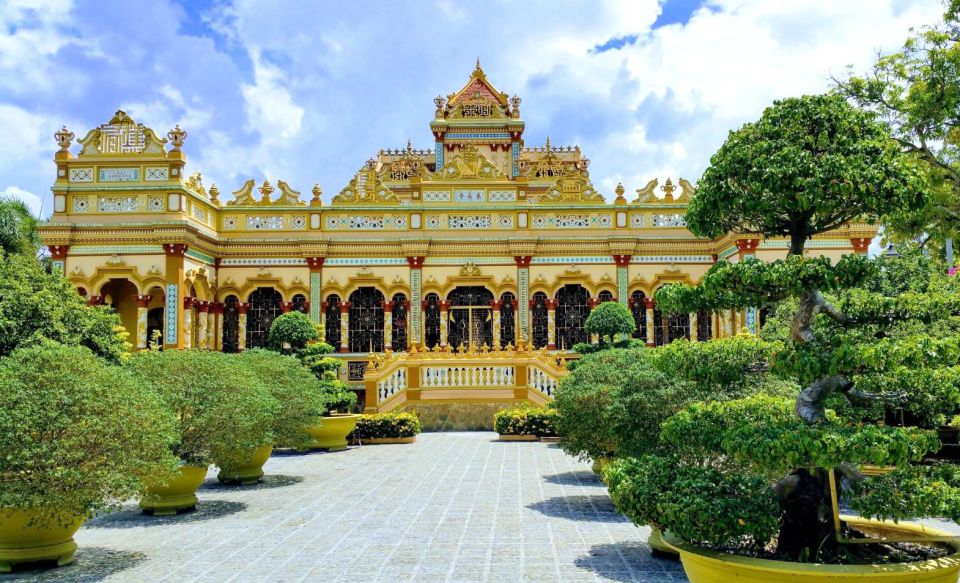
- Vinh Trang Pagoda’s unusual mix of Asian and European-style architecture gives you a strong cultural anchor before the river fun.
- Rowing-boat canal time in Ben Tre is where the Mekong scenery turns quiet and shaded under nipa palms.
- Con Phung island lunch plus bicycle cruising makes the fruit-orchard break feel less like a stop and more like a mini day out.
- Cai Rang floating market by boat is built around real river trading culture, not just photos.
- Noodle oven and noodle pizza add a fun food-show element, with extras paid on your own.
- You can choose group or private, which changes how much you interact with the guide and how flexible you can be.
The Mekong Delta Loop: Why This 2-Day Format Works
The Mekong Delta can feel like a faraway concept until you’re on the water and in the orchards. This 2 days / 1 night route keeps the focus on what you actually want to see in southern Vietnam: boats, markets, crafts, and fruit. You start near Ho Chi Minh City and move through My Tho, Ben Tre, and Can Tho—so you’re not stuck with one “type” of experience.
I also like that the day is built in readable chunks. You get a big cultural hit in the morning (Vinh Trang Pagoda), then the river and islands take over. Another reason this works is the food rhythm: coconut candy and fruit snacks on day 1, then the floating market and a noodle-making stop on day 2. It’s not just sightseeing; it’s a guided way to sample how Mekong people eat and trade.
You can also read our reviews of more tours and experiences in Ho Chi Minh City

From Ho Chi Minh City Pick-Up to the First River Steps
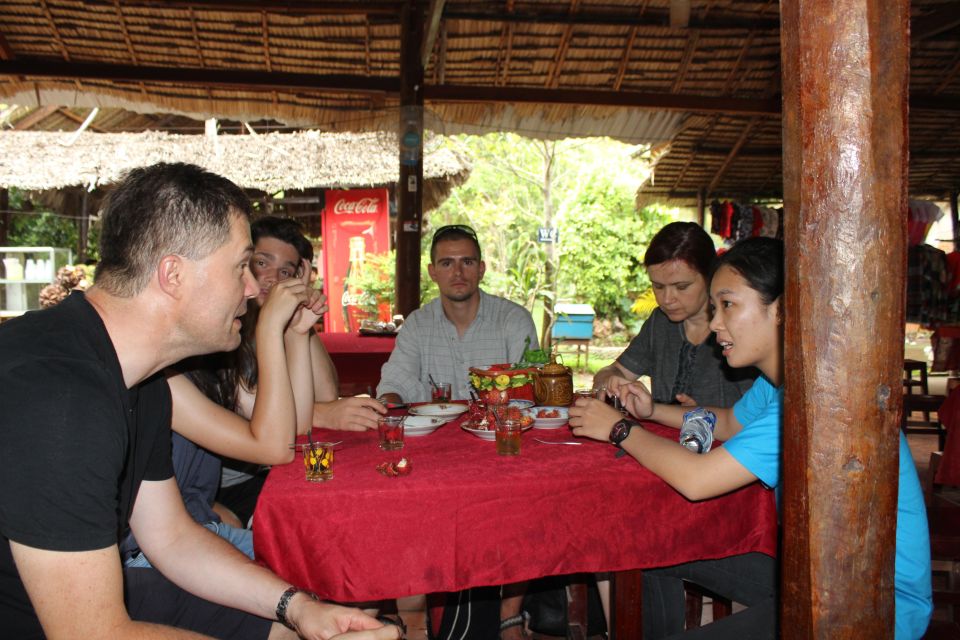
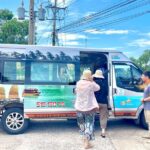
The tour starts with pick-up and drop-off at the center of Ho Chi Minh City, using an air-conditioned car or minivan with an English-speaking guide. That matters because the Delta is spread out. Having transport handled means you spend your energy on the sights, not on figuring out routes and timing.
Once you head out, the first stretch takes you into Tien Giang and My Tho City, which is the doorway to river life. Expect a classic Vietnam day structure: travel, one strong stop, then food and water activities. It’s a good match for first-timers because it gives you context fast.
A practical tip: keep a small bag ready for the basics—water, sunscreen, and something for sun protection. The day includes outdoor orchard time and boat scenes where shade can be limited.
Vinh Trang Pagoda: Culture First, Then Coconut and Canals
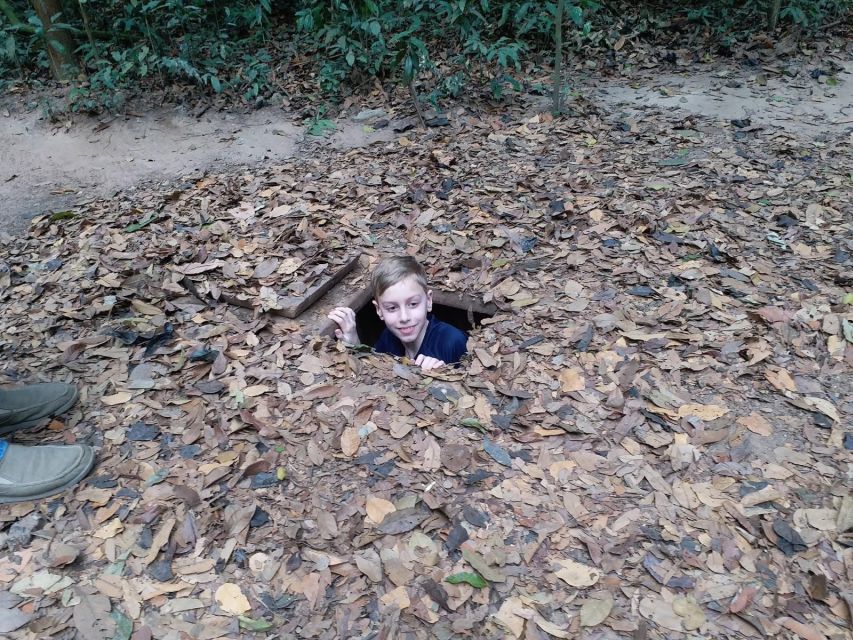
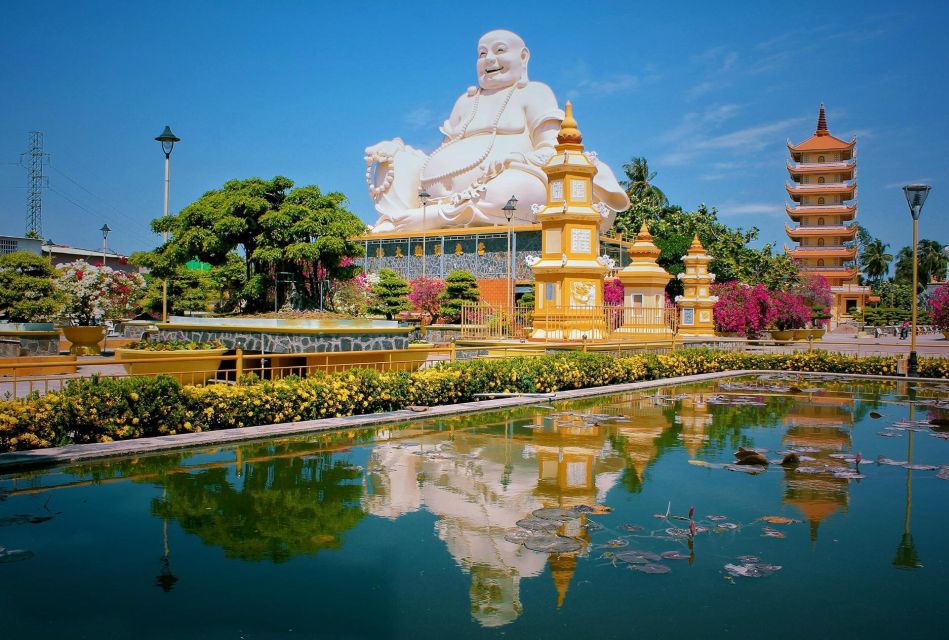
Before you chase floating-market photos, you get Vinh Trang Pagoda. It’s described as the largest Buddhist temple in Tien Giang province, and what makes it worth your time is its mixed architectural look—Asian and European elements combined. That “why does this look like that?” factor is exactly what helps you notice details beyond the basics.
This isn’t a quick, forgettable temple stop either. It sets the tone for the rest of the trip by grounding you in a place people visit for faith and daily life. You also get a nice mental reset before the more casual, food-and-river rhythm begins.
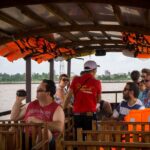
From there, you move toward the pier to board a cruise along the Tien River into Ben Tre. Even if you only catch a slice of the river scenery, the shift from city roads to river water makes the day feel like it’s really changing pace.
Ben Tre Coconut Candy: A Craft Stop That Feels Like More Than a Show
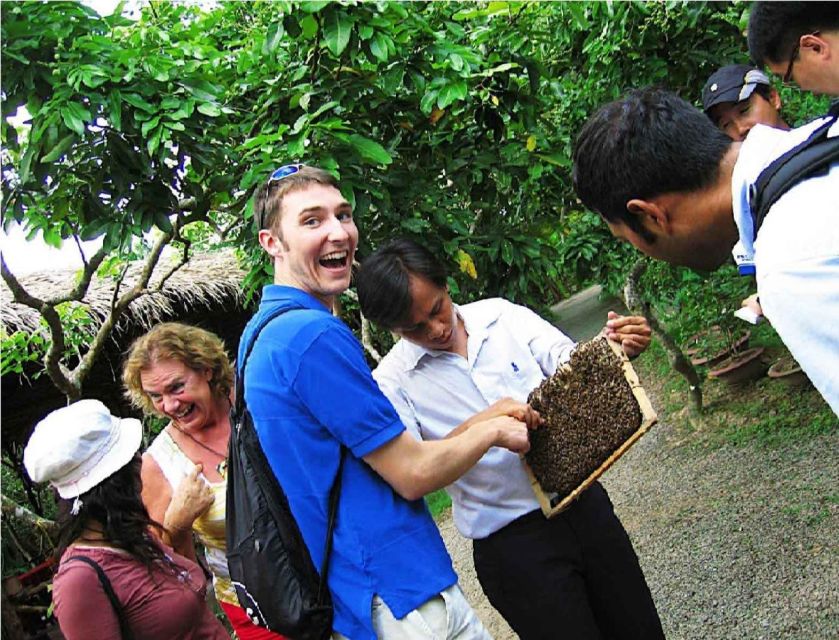
In Ben Tre, you visit a coconut candy production facility. The point here isn’t just tasting something sweet. Coconut candy is treated as both a culinary specialty and a traditional craft, so you’re seeing a food tradition that’s tied to local identity.
What you’ll like most is how tactile it is. You can see the process rather than only hearing about it, and it connects naturally to what comes next: fruit gardens, river boats, and the overall Mekong theme of agriculture and small-scale production.
Worth knowing: this stop is usually quick, and the hands-on feel depends on your guide’s pacing. If you want more explanation, ask simple follow-up questions like how coconut gets processed or how the candy lasts—guides can usually point you in a useful direction.
Rowing Boats Through Nipa Palms and Fruit Gardens
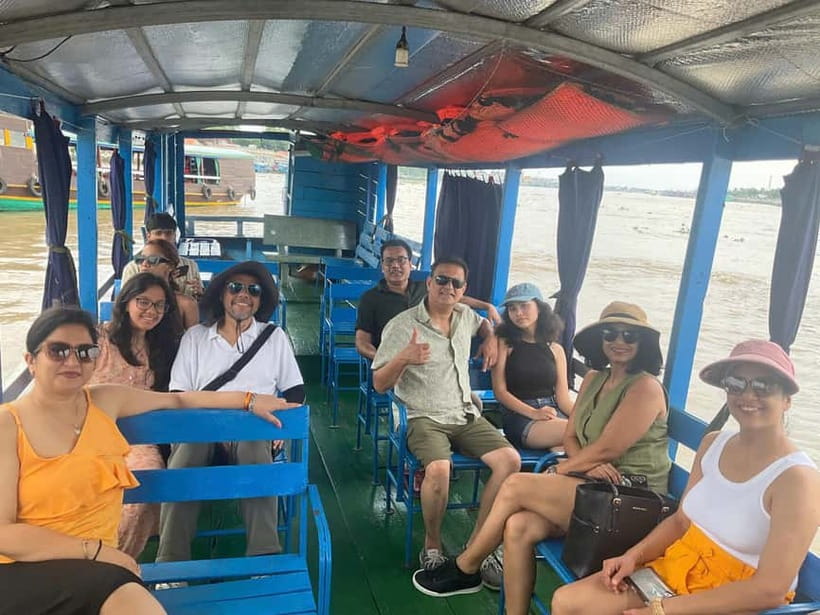
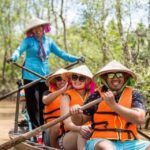
One of the strongest moments on day 1 is the rowing boat section through narrow canals. You follow smaller waterways and pass rows of nipa palms, which instantly changes the atmosphere. Instead of open river width, you get a shaded, slower-feeling view where palms and garden edges feel close.
The guide also mentions tree types along the route, including Ban trees and Acanthus trees, plus local terms you’ll hear about the surrounding vegetation. Even if you don’t remember every name, you’ll remember the visual: the canals look greener and more enclosed than you expect.
Then comes the fruit garden break, where you enjoy western fruits and exchange experiences with folk-style music. This is the kind of stop that’s easy to rush past if you’re impatient, but it’s also where the tour can feel genuinely different from a standard bus day. Take a moment, eat slowly, and let the soundscape and shade do their job.




Con Phung Lunch and Bicycle Time: Where the Day Gets a Bit More Local
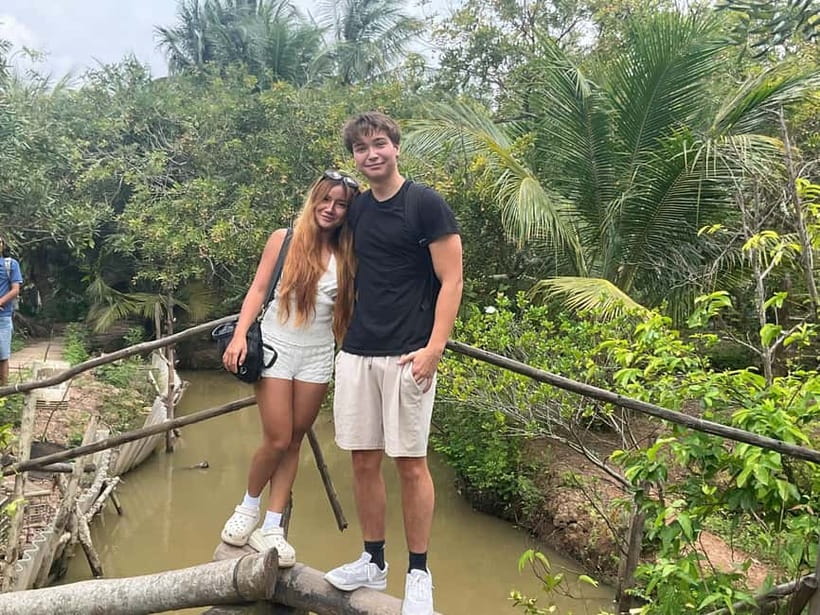
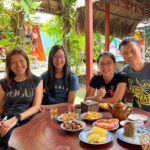
Lunch at the Con Phung tourist area is paired with options that can make the stop feel more active. You can ride a bicycle around the countryside on the island, passing fruit orchards like longan, mango, rambutan, and plum.
This is a big reason the itinerary is popular: you don’t just watch agriculture from a distance. You move through it, even if it’s within a managed area. It also gives you a break from continuous boat time. The bicycle portion can be an easy win if you want motion without the stress of city traffic.
If you’re traveling with kids, this is one of the segments that helps the day feel less like a lecture. Eugene, who traveled with two children, specifically noted comfort on the minivan and that the overall family needs were handled well—this kind of active stop is usually a big part of why.
Can Tho Overnight: A Night Off That Still Feels Useful
After day 1 activities, you transfer to Can Tho, check in to a standard hotel, and dinner is on your own. That “on your own” part is important. It’s not a deal-breaker, but it does mean you should plan to find your own meal after a long travel-and-boat day.
The good news is that Can Tho’s night hours give you freedom. If you feel like walking, you can. If you want quiet time, you can do that too. This is a smart design choice for a 2-day tour because it prevents you from filling both nights with scheduled activities.
If you prefer everything handled, you can still use the hotel area to pick a simple nearby meal. The itinerary gives you enough structure during the day that you don’t need more structure after hours.
Cai Rang Floating Market: The Morning Trip That Changes the Whole View
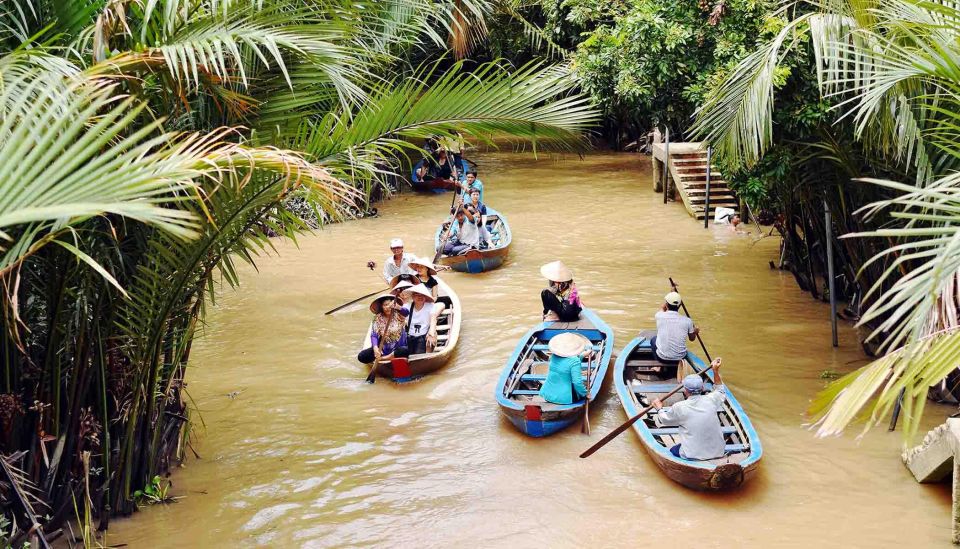
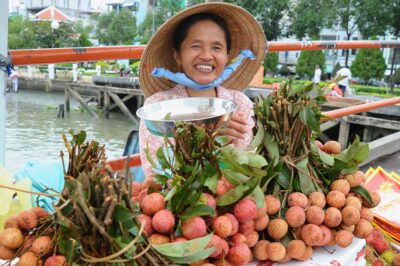
Day 2 starts with breakfast at the hotel and then moves to a pier for a boat to Cai Rang floating market. This is the headline stop for many people, and here’s why: floating markets are not just a tourist concept. They’re built around river trading culture—daily work happening on the water.
What I like about doing it by boat is that the market doesn’t feel like a static scene. You get a moving view of activity. You see the idea of commerce as the river’s operating system. It’s one of those moments where your camera is almost secondary.
After the market, the schedule shifts to a seasonal orchard visit with free time to enjoy the cool air of the orchards. That contrast—market bustle followed by calmer garden air—helps you digest what you saw. It also makes the second day feel less like repeat content.
Noodle Oven Stop and Noodle Pizza: Fun Food Theater With Real Taste
Next up is a noodle oven stop where you see steps of making noodles. You also get to enjoy noodle-based dishes, including the famous noodle pizza, with that specific item at your own expense.
This is a food moment you’ll either love or ignore, depending on your interest in cooking processes. For me, it’s valuable because you’re seeing how a staple gets made, then getting a chance to eat. Even if noodle pizza isn’t your thing, the act of watching noodle-making adds texture to the day.
Just budget a little extra here. The tour covers lunch, but the noodle pizza and any optional extras are paid directly on site.
The Food and Timing Mix: Two Lunches, One Breakfast, Dinner Day 1
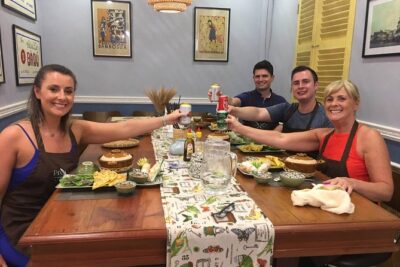
In terms of meals, you get two lunches and one breakfast included. Dinner on day 1 is on your own. That’s a fairly standard setup for a short tour, and it keeps the schedule flexible for the operator while giving you freedom at night.
The included meals are also part of the tour value, because you’re not left searching after a full day of boats and orchards. It’s especially helpful if you’re traveling with kids, where meal timing matters.
One quick strategy for your own budget: carry a little cash or a card you can use at market and craft stops, because the itinerary includes chances to buy or pay for food extras.
Price and Value: Does $98 Per Person Make Sense?
At about $98 per person, this isn’t a luxury river cruise. It’s a structured sightseeing package that aims to cover the heavy lifting: transport by air-conditioned car/minivan, an English-speaking guide, standard hotel for one night, sightseeing tickets, boat tickets (including for Cai Rang floating market), and meals (two lunches, one breakfast).
For most people, the value comes from what’s included versus what would cost more on your own:
- You’re paying for planning and routing across multiple provinces.
- You’re getting guided interpretation at several culture and craft stops.
- You’re covering key boat components without negotiating transport yourself.
What you should budget extra for:
- Noodle pizza and other items at the noodle oven stop.
- Dinner on day 1.
- Any personal hotel services and laundry.
- If you want a single room, there’s a single room surcharge listed as 600,000 VND per person.
Given the mix of activities and included meals, the price looks fair—especially if you care about boats and markets but don’t want to spend days assembling logistics.
Comfort and Guide Style: Phuoc and Leo’s Different Energy
A tour like this lives or dies by the guide’s pacing and explanations. On day 1, the guide named Phuoc was described as knowledgeable and able to explain things in detail, with a teaching style that felt strong enough to answer questions. That kind of guide is great if you want context on why pagodas, crafts, and orchards matter.
On day 2, the guide named Leo was described as energetic and helpful with hands-on needs—carrying a younger kid, for example. That’s real value for families. At the same time, the explanation style was more “show what’s happening” than “say what it means,” especially during coconut candy-making, where the pacing felt like it was moving through the steps.
So here’s the balanced takeaway for you: the itinerary covers the must-see sights. Your guide’s style will affect how much you learn while you’re there. If you want deeper storytelling at every stop, don’t hesitate to ask direct questions like what’s the significance of the craft, what locals use the fruit for, or why these market spots develop where they do.
Who This Mekong Delta Trip Suits Best
This experience fits best if you want:
- A time-efficient Mekong Delta introduction in just 2 days
- A mix of culture + food + water (pagoda, floating market, rowing canals, orchards)
- A comfort-first way to travel with a guide and transportation handled
It’s also a strong option for families thanks to the comfortable minivan and the way the tour structure breaks into manageable segments. If you have kids, the bicycle orchard segment and the on-water market view can help keep attention from wandering.
If you’re the kind of traveler who hates schedules and wants to linger for hours in one place, this may feel a bit rushed. But if you like a well-paced sampler that still includes meaningful activities, this route is a good match.
Should You Book This Mekong Delta 2 Days Tour?
I’d book it if you’re craving the classic Mekong Delta highlights—Vinh Trang Pagoda, Ben Tre canal rowing, a fruit-and-craft day, and the Cai Rang floating market by boat—without taking on the logistics yourself. The price also looks reasonable for the package: transport, guide, hotel, key tickets, and most meals are included.
Skip it or think twice if you’re very picky about guide narration or if you prefer slow travel with lots of free time in one location. The tour is designed to keep moving, and your enjoyment will track with how comfortable you are with a structured day.
If you want a Mekong Delta experience that feels like real southern Vietnam rather than a checklist, this one does the job. And the boat time is the kind you’ll remember long after the pictures.
FAQ
What is included in the Mekong Delta 2 Days tour price?
It includes Ho Chi Minh City pick-up and drop-off, air-conditioned transport, an English-speaking guide, a standard hotel for one night, sightseeing tickets, two lunches and one breakfast, boat ticket for Cai Rang floating market, two bottles of mineral water per day, and travel insurance.
Are meals included on both days?
Breakfast is included on day 2, and lunch is included on both day 1 and day 2. Dinner on day 1 is not included.
Is this tour offered as a group or private option?
Yes. You can choose a group tour or a private tour.
Which languages are available for this tour?
The tour lists English, Chinese, French, Japanese, and Spanish.
What are the main highlights during the two days?
Key stops include Vinh Trang Pagoda, coconut candy production in Ben Tre, rowing boat through small canals, fruit and folk music moments, Cai Rang floating market, an orchard visit, and a noodle oven stop.
Do I need to pay extra for anything?
Noodle pizza and any items outside the included meals are at your own expense. There’s also a single room surcharge listed as 600,000 VND per person if you want a single room.