REVIEW · HO CHI MINH CITY
Ho Chi Minh City: Street Food and Sightseeing by Motorbike
Book on GetYourGuide →Operated by CONNECT CULTURE CO.,LTD · Bookable on GetYourGuide
Saigon smells like street food and motorbike fuel. I love the chance to see how people live in an old District 3 apartment and I love the way the tour pairs that with real street eating guided by pros like Vincent and Seng. You get sights and flavors in one smooth circuit, instead of doing Saigon in a piecemeal way.
If you get queasy with traffic, this may be a stretch because you ride a motorbike for the whole loop. Motorbike tours aren’t for everyone—skip it if you’re pregnant, in a wheelchair, or over 70.
In This Review
- Key things I’d mark on your map
- How this motorbike food tour works in real life
- District 3 apartment visit: seeing Saigon like a neighbor
- Chinatown in District 5: markets that explain daily commerce
- Chinese temple stop: religion as something you can read on the street
- Flower market and neighborhood transitions: the quick visual payoff
- Floating market stop in old Saigon: a different pace
- Night food option: the Saigon Old Mafia Area route
- What you’ll eat: classic dishes plus the drinks that make it stick
- Riding in traffic: safety, comfort, and how to enjoy the ride
- Pickup, timing, and the small logistics that affect your day
- Price and value: what $16 buys you
- Who should book this, and who should skip it
- Should you book this Saigon street food motorbike tour?
- FAQ
- FAQ
- How long is the tour?
- How much does it cost?
- Is pickup included?
- Where is the meeting point if I’m not picked up?
- What transportation and gear are included?
- Are food and drinks included?
- What language are the guides?
- What should I bring?
- What is not allowed during the tour?
- Is the tour refundable if plans change?
Key things I’d mark on your map
- District 3 apartment visit shows daily life in Saigon’s oldest-feeling area, not just storefronts
- Small-alleys motorbike riding helps you cover ground fast and makes the city feel lived-in
- Chinatown (District 5) market stops include a motorbike market, lantern market, and Chinese medicine market
- A Chinese temple stop explains how different Chinese religious communities show up on the street
- Street food variety that’s hard to piece together alone (noodle soup, pancakes, coffee drinks, and more)
How this motorbike food tour works in real life
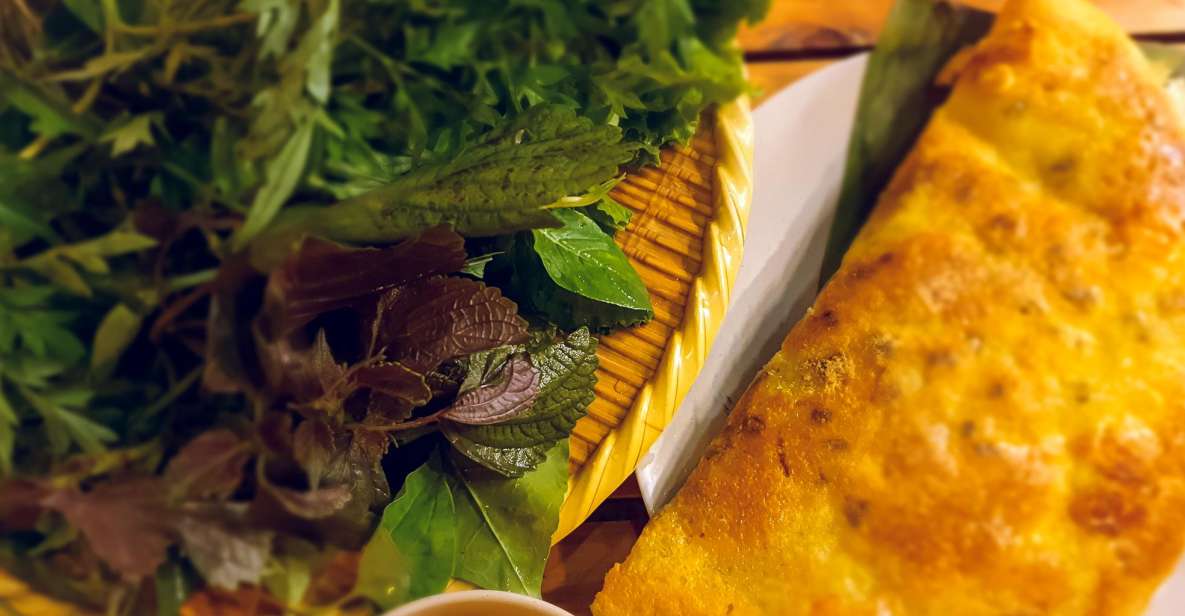
This is a guided motorbike street food and sightseeing loop in Ho Chi Minh City. You start with pickup at your hotel (free in Districts 1, 3, and 4) or meet at the agreed spot, then hop on with the gear: motorbike, helmet, and poncho if needed. The big idea is simple: you don’t just “eat around.” You move through neighborhoods, see how markets and temples function, then sample food along the way.
The guides are part of the value. English is supported, and the tone is practical and friendly. In past groups, guides like Vincent and Seng have been praised for being fun while also keeping things organized. You’ll also get photos included, so you’re not stuck juggling your phone while trying to look for the next stall.
The main trade-off is comfort. This is not a sit-and-watch tour. You’ll be on a motorbike with helmets and ponchos, wearing comfortable clothes and shoes, and you should expect some time in traffic and tight streets.
You can also read our reviews of more food & drink experiences in Ho Chi Minh City

District 3 apartment visit: seeing Saigon like a neighbor
One stop that makes this tour feel different is the apartment in an older district (District 3). Instead of only looking at sights from the sidewalk, you step into a place that shows how locals live day to day. It’s the kind of stop that changes your perspective fast: you see how people manage space, daily routine, and community in a part of the city that feels established rather than staged.
What I like about this stop is that it anchors the whole trip. Once you’ve seen the housing reality, the rest of the tour makes more sense: markets feel more essential, temples feel more integrated, and street food feels less like entertainment and more like routine.
A consideration: it may not be everyone’s ideal if you prefer only outdoor viewing. You’ll want to move respectfully, follow your guide’s cues, and keep your expectations realistic. This isn’t a museum with a script. It’s a glimpse into normal life.
Chinatown in District 5: markets that explain daily commerce
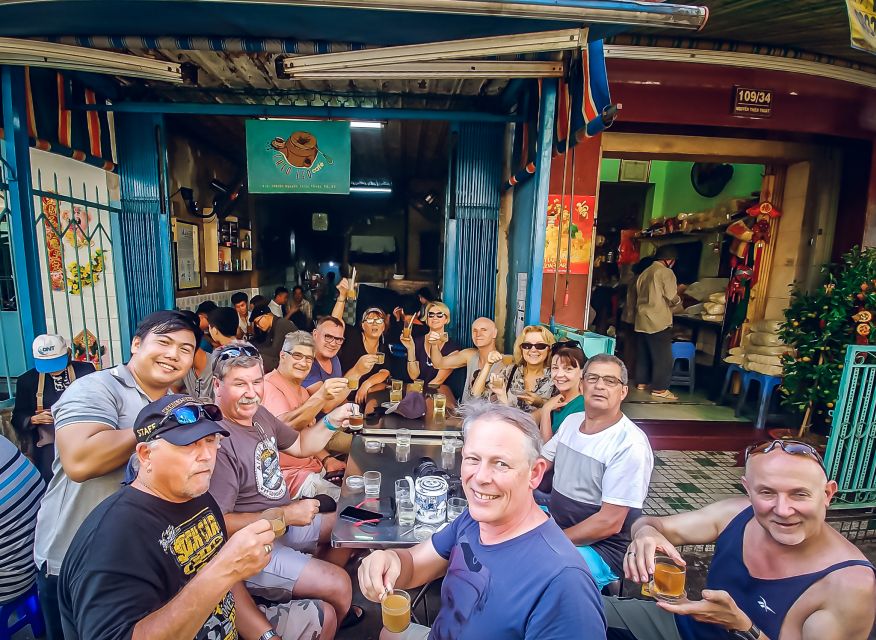
The heart of the sightseeing is Chinatown in District 5, especially on morning and afternoon options. This is where the tour earns its keep because it’s not just walking the main street with the same few photos. You get guided stops tied to what people actually buy and sell.
Expect market-style variety. The tour includes:
- a motorbike market
- a Chinese lantern market
- a Chinese medicine market
Those categories sound niche, but they’re a smart way to understand the area. You’re seeing how different supply chains work. Lanterns tell you about festival culture and decoration. Medicine stalls hint at traditional practices and the business behind them. And the motorbike market points to the engine of everyday transport that’s so visible in Saigon.
One small drawback: markets can be crowded and you’ll want to watch your footing. Wear comfortable shoes. If you hate close-quarters shopping energy, you may feel a bit boxed in during the busiest moments. Your guide will help with pacing, but you should still come with patience.
Chinese temple stop: religion as something you can read on the street
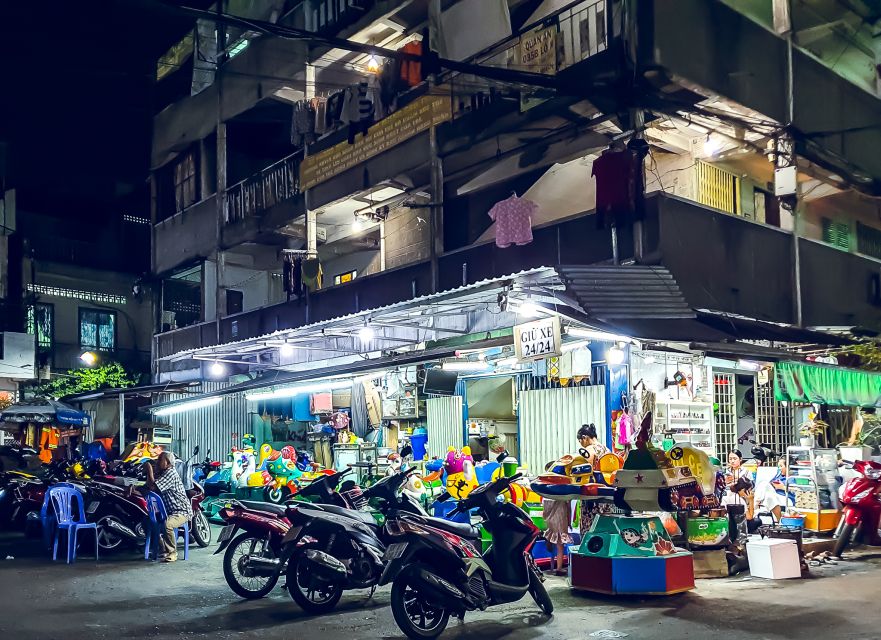
Another highlight is a stop at a typical Chinese temple where your guide explains the religious culture of Chinese communities locally. This matters because religion in Vietnam is not always separate from daily life. When you see a temple in context—around it, the food, the shops, the market rhythm—you start to understand why certain businesses exist and why people gather where they gather.
What makes this stop useful is the explanation, not just the photo angle. You learn how religion is represented in everyday ways, which helps you interpret the signs, offerings, and the flow of people you’ll see later.
Practical note: temples are places with expectations. Dress appropriately, keep your movement respectful, and follow your guide’s instructions.
Flower market and neighborhood transitions: the quick visual payoff
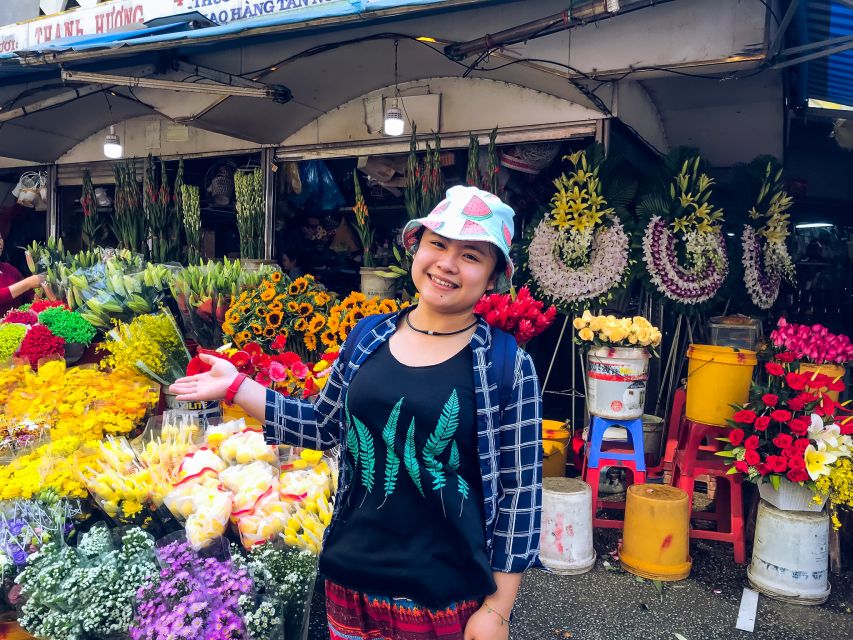
Between bigger cultural stops, you also get a large flower market visit. It’s colorful and fragrant, but the real payoff is watching what a flower shop means in a daily-city context. People buy flowers for rituals, celebrations, and small home moments. Even if you’re not carrying blooms home, the market gives you a strong sensory snapshot of local life.
Then comes the best part: transitions through smaller roads. The motorbike routing through alleyways in the city center helps you actually feel the scale and texture of Saigon rather than only encountering it at major junctions.
If you’re sensitive to motion or traffic noise, give yourself a little mental buffer. Helmet on, poncho ready, and eyes focused on your guide’s signals helps a lot. This tour is structured to move you safely and efficiently, and the transport quality has been highly rated.
You can also read our reviews of more tours and experiences in Ho Chi Minh City



Floating market stop in old Saigon: a different pace
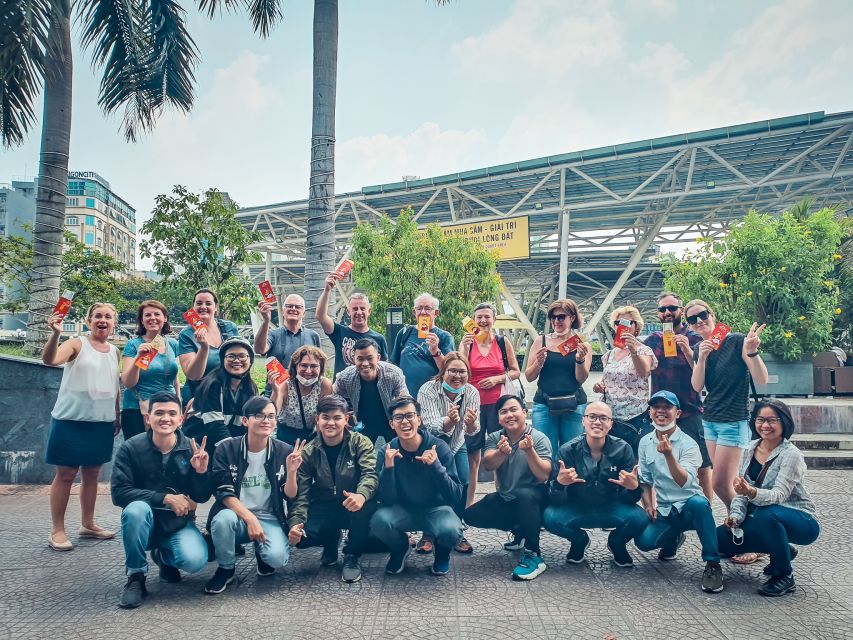
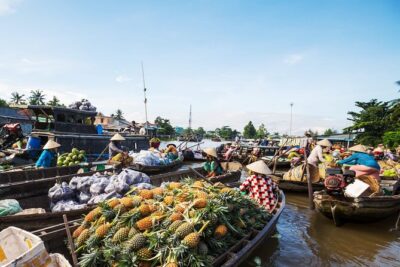
The itinerary includes a floating market stop in the heart of old Saigon. Even though you’re still in the city, this part shifts the rhythm. The view and the atmosphere feel different from street stalls and indoor markets, and you’ll get a change of scenery without losing the “local food and culture” thread.
The key value here is contrast. A floating market works like a live snapshot of how commerce can happen differently across waterways. Even if you’ve seen markets elsewhere, this stop helps you tie together what you learned earlier about everyday buying and selling in Chinatown and local neighborhoods.
A consideration: timing can matter for what’s most active in a market. You’ll rely on your guide’s judgment and the day’s flow. Come flexible. If you treat it like a fixed checklist item, you might miss the best moments.
Night food option: the Saigon Old Mafia Area route
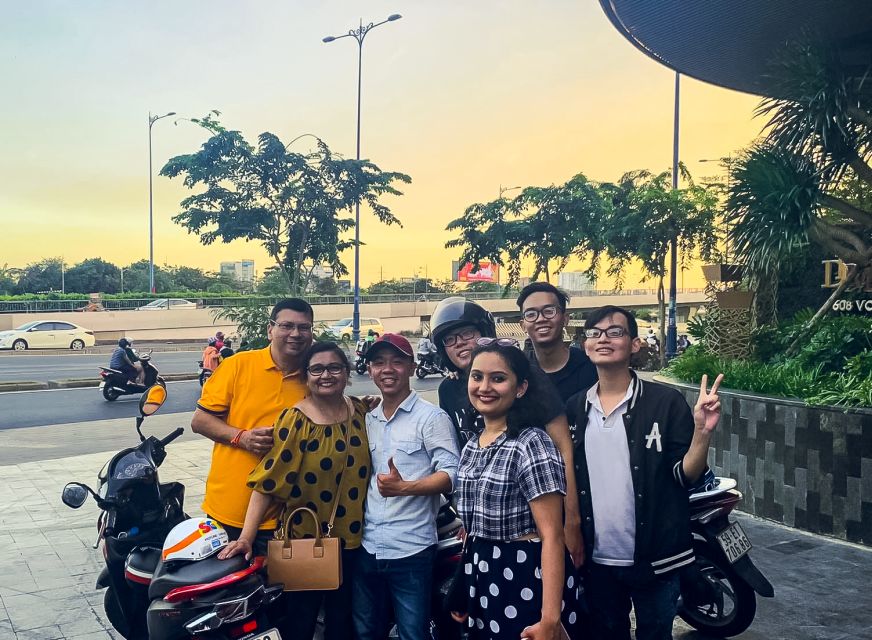
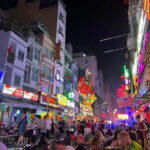
If you book the night version, you’ll likely experience a different tone. Your guide takes you to busy local restaurants rather than finishing up after the more obvious tourist hours. In the route, you also drive through the Saigon Old Mafia Area, which has become a food-focused zone in modern times.
This is a smart change for night tours. Food after dark in Saigon isn’t just about more stalls. It’s about who’s out, where the energy is, and what people choose when they’re not thinking about closing times for tourists.
If you’re expecting a quiet, sit-down dinner experience, you might be surprised. This is lively street-side dining with quick stops and constant movement. You’ll eat well, but you won’t have long pauses.
What you’ll eat: classic dishes plus the drinks that make it stick
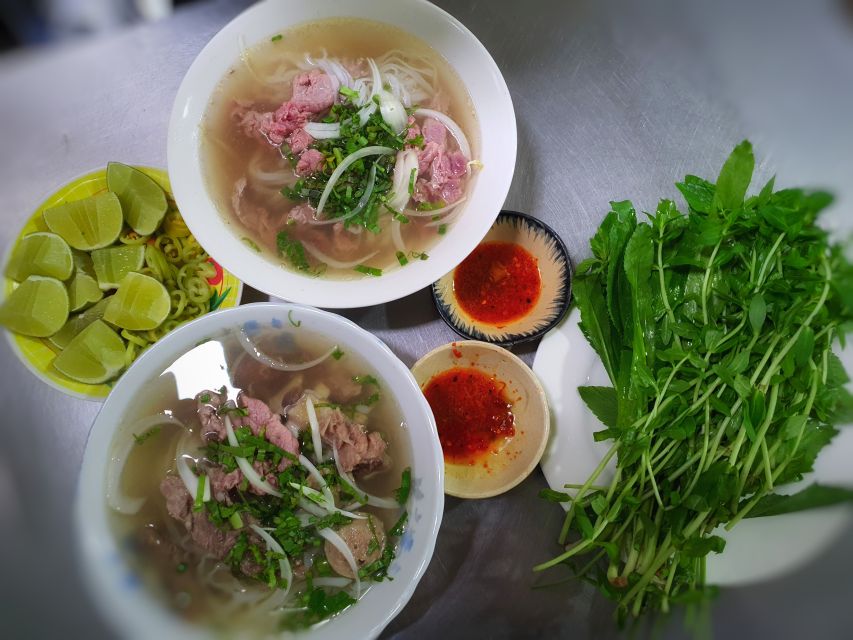
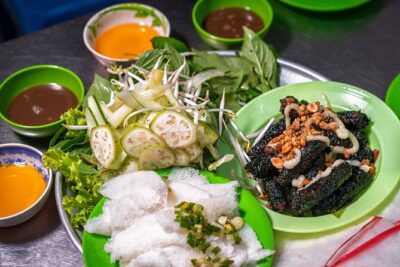
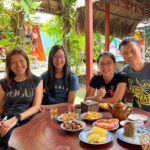
The food is where most people rate this tour so highly, and the variety is the point. You’ll sample multiple Vietnamese street food staples and drinks, with all food and drinks included.
From what you can expect to see on menus during the tour, look out for items like:
- beef noodle soup
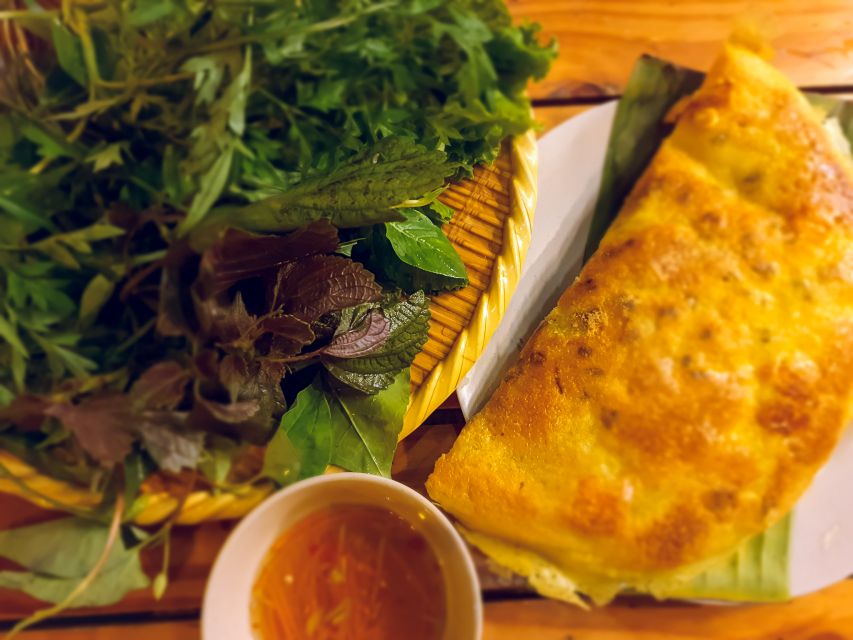
- Vietnamese pancakes
- pork sausage and clams (often noted as a favorite)
- traditional coffee and egg coffee
- other local snacks your guide thinks match the stops
Why this approach works: instead of one “big meal,” you get a sequence. That makes it easier to try different flavors and textures without feeling stuffed. It also helps you understand the city’s food logic. Noodles make sense near certain kinds of stalls. Pancakes and snacks often pair well with temple and market timing. Coffee fits the cultural rhythm of short breaks and social chatter.
One practical tip: bring cash just in case you want personal extras. While everything on the tour is included, street life can tempt you. Your guide can also help you choose what’s safe and likely to be delicious.
Riding in traffic: safety, comfort, and how to enjoy the ride
This tour rides through parts of the city where you probably wouldn’t go on your own. That’s the appeal, but it means comfort matters.
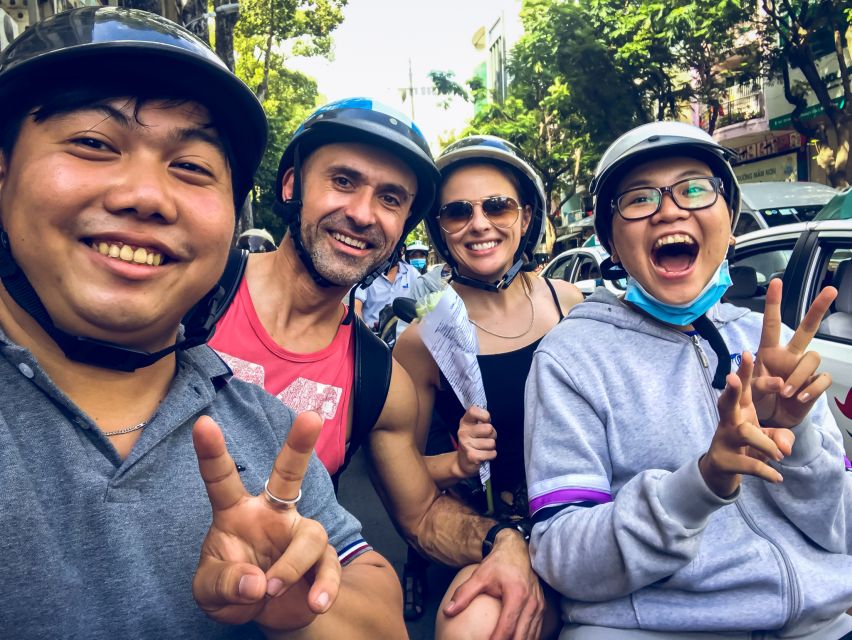
You get helmets and ponchos, and the transport is rated highly by past participants. Many people specifically highlight feeling safe with expert drivers and guides who know how to weave through traffic and side streets. The best way to make it enjoyable is to wear comfortable shoes, keep your hands steady on the provided grip points, and relax your shoulders.
If you’re prone to motion sickness, you’ll want to plan. This isn’t a slow countryside ride. It’s city movement. The helmets help, but your stomach still knows what your eyes are seeing.
Also, camera time is real. You’ll stop for photos and photo moments are included, but you’ll still get more if you dress for quick movement and keep your phone accessible.
Pickup, timing, and the small logistics that affect your day
Pickup and drop-off are included at hotels in Districts 1, 3, and 4. If your hotel is outside those areas, there’s a $5 USD per person surcharge charged by the operator on the day. If you’d rather meet at the agreed point, the meeting spot is listed near 212 Lê Lai in District 1, and the Opera House area is also referenced as a meeting point.
The tour lasts 2 hours to 210 minutes depending on the route and timing. That range matters because you’re moving between districts and doing multiple stops. Plan for comfortable pacing rather than expecting a strict minute-by-minute schedule.
You should be at the lobby about 5 minutes before departure. That sounds small, but it saves stress when you’re coordinating with helmets and gear.
If motorbike riding isn’t your style, there are upgrades. The operator notes you can upgrade to a female ao dai rider option for $10 USD per person, and you can book a car or van with a surcharge (details are provided in the operator notes). Those can be helpful if you want the same itinerary feel with less time on a bike.
Price and value: what $16 buys you
At $16 per person, the value is mostly in three places: transport, food, and access. You’re getting motorbike logistics handled for you, plus helmets and ponchos. You’re also getting all food and drinks on the tour, which is usually where street food tours rise or fall. Here, you’re not just “tasting one snack.” You’re trying multiple dishes and drinks across several stops.
Then there’s the access. The District 3 apartment visit and the Chinatown market route aren’t the kind of thing you’ll casually find and understand on your own without a guide explaining what you’re seeing. Even with free time, it’s hard to connect all those dots in one afternoon without wasting energy.
So, the real question isn’t just whether $16 is cheap. It’s whether you want a guided path that saves your decision-making time. If you’re the kind of person who enjoys trying things without having to plan every stop, the pricing makes sense.
Who should book this, and who should skip it
This is a great fit if you want:
- street food plus real neighborhoods, not just a single food alley
- a motorbike perspective that helps you see Saigon fast
- cultural context for Chinatown markets and temple stops
- a guided group that’s energetic and organized
You should think twice if:
- you’re sensitive to traffic motion or crowds
- you’re looking for a fully seated, slow pace
- you don’t want to ride a motorbike at all
And the clear no’s are in the operator notes: pregnant women, wheelchair users, and people over 70 are listed as not suitable. If any of those apply, you should choose a different format.
Should you book this Saigon street food motorbike tour?
If you want your first trip to Saigon to feel like you’re learning the city’s rhythm, this tour is a strong choice. The blend of District 3 apartment life, Chinatown market stops in District 5, and multiple tastings (noodle soup, pancakes, and coffee drinks) gives you more than a checklist of sights. You also get a night option that aims for busy local restaurants instead of early tourist exits.
My advice: book it if you’re curious and comfortable riding a motorbike in city traffic. Bring comfortable shoes, expect motion, and come ready to eat. If you’d rather keep it quiet, seated, or you’re worried about balance, consider the car/van option if it’s available for your dates.
FAQ
FAQ
How long is the tour?
The tour runs from 2 hours up to 210 minutes, depending on the starting time and route.
How much does it cost?
The price listed is $16 per person.
Is pickup included?
Yes. Pickup and drop-off are included for hotels in Districts 1, 3, and 4. Outside those areas, a $5 USD per person surcharge is applied by the operator on the day.
Where is the meeting point if I’m not picked up?
The provided meeting point details include 212 Lê Lai in Phường Phạm Ngũ Lão, Quận 1. The notes also reference the Saigon Opera House area as a meeting point.
What transportation and gear are included?
You get motorbikes, helmets, and ponchos.
Are food and drinks included?
Yes. All food and drinks on the tour are included.
What language are the guides?
The tour provides an English-speaking guide.
What should I bring?
Bring comfortable shoes, a camera, comfortable clothes, and cash.
What is not allowed during the tour?
Alcohol and drugs are not allowed.
Is the tour refundable if plans change?
Free cancellation is offered up to 24 hours in advance for a full refund.