REVIEW · HO CHI MINH CITY
Ho Chi Minh City: Top Sightseeing Saigon Trip & History Tour
Book on GetYourGuide →Operated by LavylaGroup Travel · Bookable on GetYourGuide
Saigon history hits hard, then shopping softens it. This tour pairs War Remnants Museum with a guided walk through Ben Thanh Market, mixing heavy 20th-century context with practical city browsing. Expect stops that span former French colonial sights, major South Vietnam-era landmarks, and Chinatown-style spiritual heritage.
The big catch is the day moves on a schedule. Pick-up is set between about 7:45 AM and 8:00 AM depending on traffic and weather, and the operator may adjust timing so you still cover everything—great for structure, but not for slowing down.
In This Review
- Key Things I’d Prioritize on This Saigon Trip
- How the 7-Hour Half-Day Flows (and Why Timing Matters)
- Reunification Palace: Where the Rooms Explain the Headlines
- Notre Dame Cathedral and the Old Central Post Office: French Saigon in Plain Sight
- War Remnants Museum: The Hard Lesson Part of the Route
- Cyclo Ride Toward Ben Thanh Market: A Saigon Reality Check
- Ben Thanh Market: Shopping With Craft and Culture in the Background
- Lunch at a Local Restaurant: A Good Reset Mid-Route
- Chinatown, Thien Hau, and Religious Architecture With a Script
- Cha Tam Church and Drug Street: The “Different Saigon” Stops
- Binh Tay Market: Final Browsing Before You Head Back
- Value and the Real Trade-Offs of a Private Group Tour
- Who Should Book This Tour (and Who Might Skip It)
- Should You Book This Saigon History and Market Tour?
- FAQ
- How long is the Ho Chi Minh City Top Sightseeing Saigon Trip & History Tour?
- What time do you get picked up?
- Where is pick-up and drop-off included?
- What’s included in the price?
- What markets and major landmarks does the tour visit?
- Is the tour private and in English?
Key Things I’d Prioritize on This Saigon Trip
- War Remnants Museum first, not last so you understand what you’re seeing in the city’s later political history
- Ben Thanh Market shopping with cultural context instead of just a walk-through
- Reunification Palace orientation so the rooms and layout make sense
- French colonial icons on the same route for easy comparison with the rest of Saigon
- Chinatown stops that go beyond photos including Thien Hau and a look at Drug Street traditions
How the 7-Hour Half-Day Flows (and Why Timing Matters)

This is a guided circuit that’s designed to feel like a full “Saigon highlights” day without requiring you to plan transfers. You start with hotel pick-up by a modern air-conditioned vehicle. If you’re staying in District 1, 3, or 4, pick-up and drop-off are included; if you’re outside those districts, there’s a $5 per-person surcharge collected by the guide.
On paper it’s listed as 7 hours, but the overall rhythm runs like a longer packed outing. You’ll likely return around 5:30 PM. Your exact departure time isn’t rigid: the operator confirms it when they receive your hotel address because traffic and weather can shift the pickup window.
For you, that means two things:
- You get fewer logistical headaches than doing this by motorbike taxi or self-guided rides.
- You may have less flexibility to linger when you find a place that really grips you.
If you like clear structure and an efficient sweep, that’s a plus. If you hate being “on the clock,” you might feel rushed.
You can also read our reviews of more city tours in Ho Chi Minh City


Reunification Palace: Where the Rooms Explain the Headlines
One of the most useful parts of this tour is the way it frames Reunification Palace. Even if you’ve seen the building in photos, the benefit is the guide’s explanation of its purpose and layout—this was the residence and workplace of the South Vietnamese president before the end of the war in 1975.
Why this stop is worth your time: buildings like this aren’t just architecture. They’re political tools—where leaders hosted meetings, managed decisions, and symbolized authority. When you understand that, the rooms feel less like museum space and more like the physical setting of major events.
Practical note: expect a strong emphasis on history and structure rather than a casual sightseeing wander. Wear comfortable shoes. You’ll be moving through rooms and viewing areas at a steady pace.
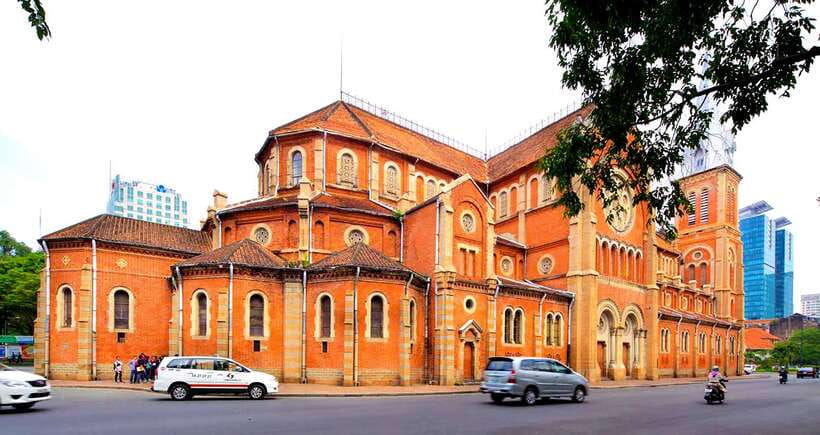
Notre Dame Cathedral and the Old Central Post Office: French Saigon in Plain Sight
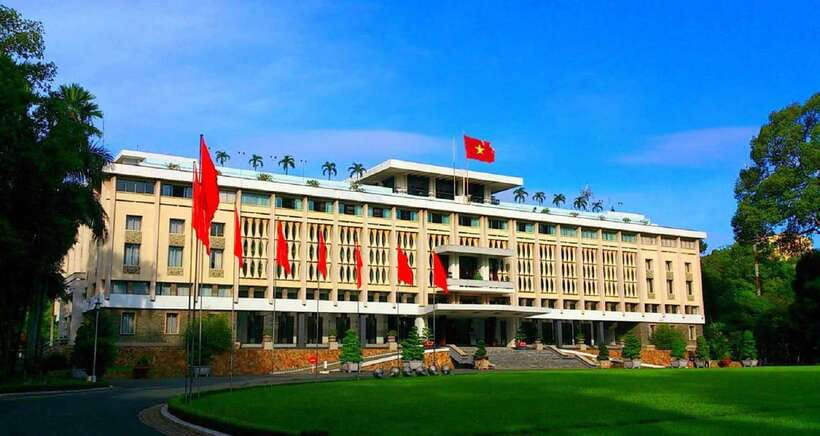
After Reunification Palace, the itinerary turns to French influence through colonial-era landmarks:
- Notre Dame Cathedral
- Old Central Post Office
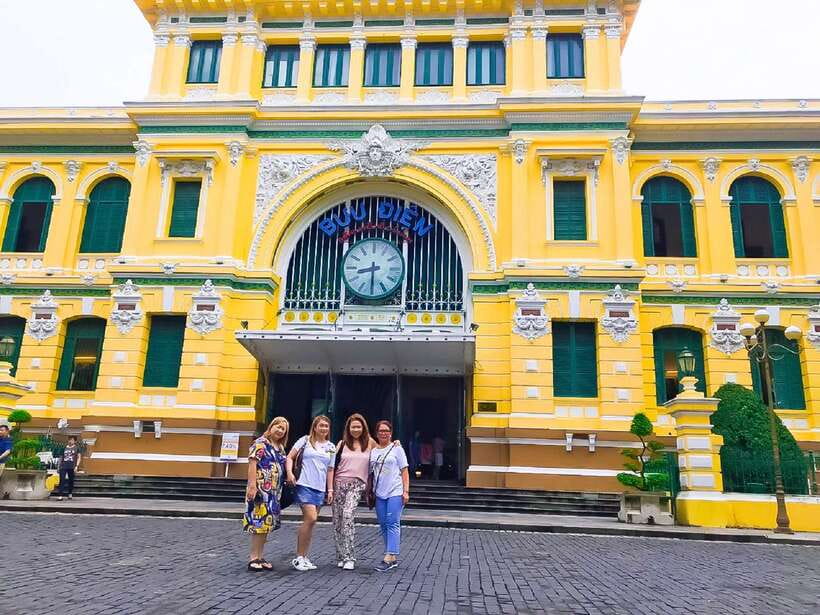
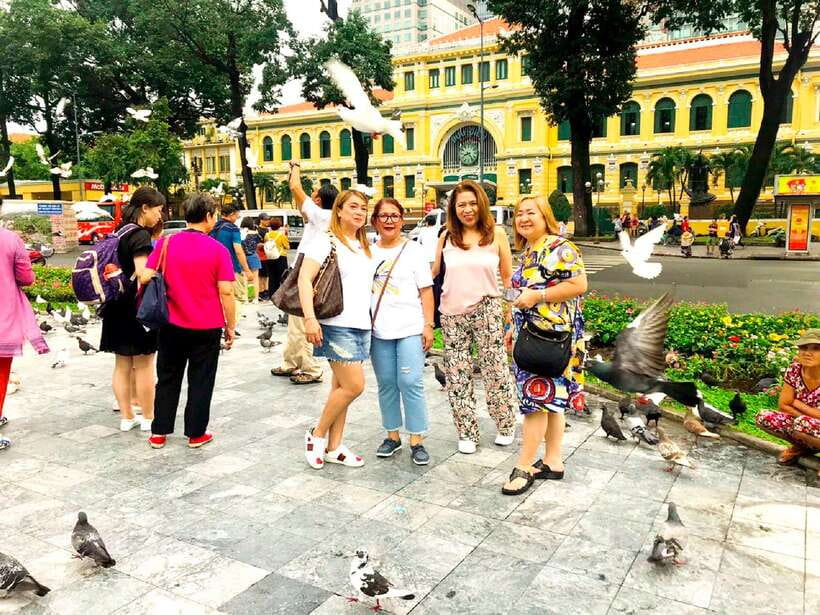
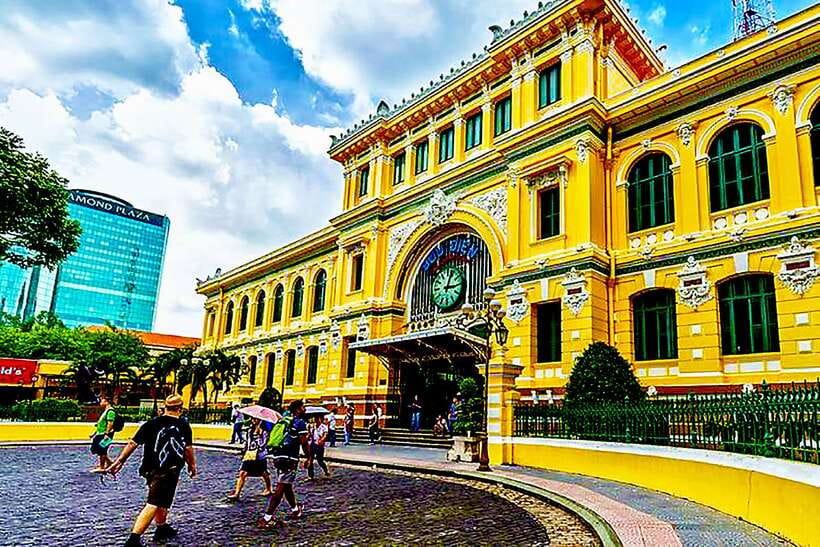
These are classic “Saigon postcard” stops, but the real value is seeing them back-to-back with an explanation of how colonial design shaped parts of the city. You’re not just snapping pictures—you’re learning what style choices signaled power and administration during that period.
A helpful way to look at this section: use it as a visual baseline. After the more conflict-focused stops later in the day, you’ll notice how the city’s architecture keeps telling different time periods at the same time.
If you’re the type who likes to compare eras quickly, this pairing works well.
War Remnants Museum: The Hard Lesson Part of the Route
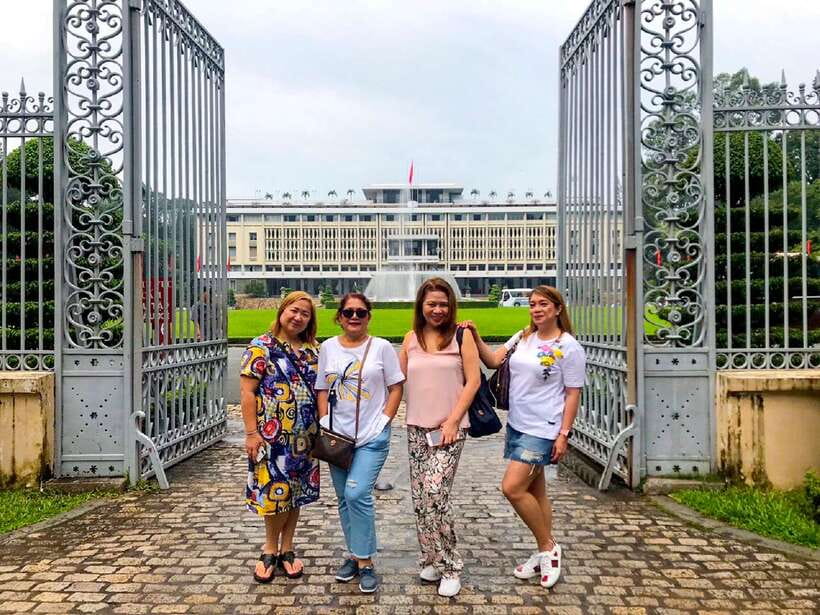
Then comes the emotional anchor: War Remnants Museum. This is where the tour’s tone gets heavier. The museum’s exhibits focus on the American–Vietnamese war period, including displays meant to show the costs and consequences—an important and painful chapter of Vietnam’s contemporary history.
For you, this is the stop that can change how the rest of the day feels. Markets, churches, and shopping streets look completely different after you’ve spent time seeing war’s real human impact.
Sensitive travelers should plan for it:
- Be ready for graphic or emotionally intense exhibits.
- Take breaks if you need them. If your guide keeps the pace brisk, you might want to signal you need a short pause.
That said, it’s not just “doom and gloom.” This museum is one of the best ways to understand why Saigon’s history is so layered. Without it, the political context of other landmarks can feel abstract.
Cyclo Ride Toward Ben Thanh Market: A Saigon Reality Check
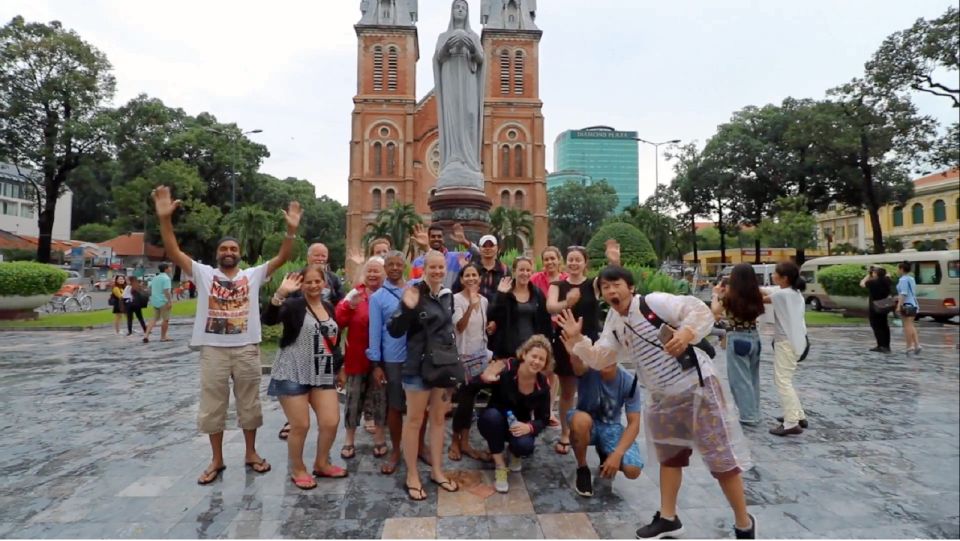
Next, you head to Ben Thanh area with a cycle ride. You’ll get close to the traffic flow and street energy in a way that feels more “Saigon” than sitting inside a car the whole time.
One review highlighted an hour-long cyclo bike ride through Chinatown and toward the Ho Thi Ky flower market. Not every departure may include the same street-by-street path, but the general idea stays the same: you’re moving through neighborhoods rather than only passing them.
Either way, here’s what makes the cyclo segment valuable:
- You see how drivers maneuver around chaos.
- You get a sense of how locals move through the city day to day.
- It turns the route into an experience, not just transportation.
Tip for your comfort: bring a small lens-cleaning cloth or wipe. It’s often dusty, and you’ll want clear photos.
You can also read our reviews of more historical tours in Ho Chi Minh City





Ben Thanh Market: Shopping With Craft and Culture in the Background
Ben Thanh Market is where the tour shifts into craft and commerce. The guide takes you through vendor-lined walkways inside one of the city’s oldest surviving market structures, so you’re not just shopping—you’re learning.
This stop is also where the tour connects to Vietnamese craft traditions, including embroidered crafts and textiles. You’ll have time to browse and buy souvenirs such as local crafts and textiles.
What I like about building the shopping into a guided visit:
- You can ask questions and get context for what you’re seeing.
- You’re more likely to spot the difference between souvenirs that are similar at first glance.
What to watch for: markets can encourage impulse buys. Set a small budget before you walk in, and don’t feel pressure to buy right away—take your time, compare, and only purchase what you truly want to carry home.
If you love markets but hate feeling lost, this is a solid blend.
Lunch at a Local Restaurant: A Good Reset Mid-Route

At midday, you stop for an authentic Vietnamese meal with your guide. This matters more than it sounds. After museum time and major landmark walking, you’ll need a break that’s built into the plan rather than left to chance.
Because the specific menu isn’t listed, I won’t guess. But expect a typical restaurant-style lunch experience where the guide can help you navigate ordering and timing.
Practical move: eat, hydrate, then check in with your guide about what’s coming next—especially if you want to buy gifts later at the markets.
Chinatown, Thien Hau, and Religious Architecture With a Script
Next the itinerary turns to Chinatown. You’ll visit Thien Hau, known for its intricate architecture, and you’ll learn about the spiritual significance tied to the site.
This part of the day can be fascinating because it’s not just sightseeing. You’re learning what the space means to the people who use it regularly. When you understand the purpose of a temple, you notice details you’d miss on your own, like patterns, symbols, and the way visitors move through the grounds.
If you’re curious about how communities express faith through architecture, this stop is a strong choice.
Cha Tam Church and Drug Street: The “Different Saigon” Stops
Two highlighted stops round out the day with a more unusual neighborhood feel:
- Cha Tam Church
- Drug Street, tied to traditions of how Chinese and Saigonese communities historically made traditional drugs
These are the stops that add variety to the bigger, more famous landmarks. Instead of only seeing the city through colonial buildings and war history, you see Saigon through everyday religious and traditional commerce.
How to get the most from this segment: treat it like cultural observation. Don’t expect everything to be explained visually for tourists. Ask your guide what to look for and how to read the signs and shop patterns.
Binh Tay Market: Final Browsing Before You Head Back
The day ends at Binh Tay Market, again a vendor-lined market experience. By this point, you’ll already understand the rhythm of Saigon browsing from Ben Thanh, so you can compare style, product focus, and crowd flow.
Binh Tay is also useful because it gives you a second chance to shop. If you didn’t find the right textile, gift, or souvenir earlier, this is where you can re-check with a calmer mind.
The tour then transports you back to your hotel around 5:30 PM, so you don’t have to plan how to get out of the market area on your own.
Value and the Real Trade-Offs of a Private Group Tour
At $75 per person, what you’re really paying for is the package: air-conditioned transportation, an English-speaking guide, entrance fees, and a guided flow that stitches together history, churches/temples, and markets in one day.
You also get extras that add up:
- cool towels
- mineral water (2 bottles per person)
- travel insurance
- the included meal at a local restaurant
That’s why this price can feel fair—especially if you’d otherwise pay for multiple taxis plus museum tickets plus a guide.
Still, keep one practical caution in mind: because it’s a private group, guide quality matters. A guide who explains details and answers questions can turn the day into a story you remember. A more basic guide can make it feel like you’re getting transported between sites without enough context.
If you’re the type who likes to ask “why” questions—why that building is shaped that way, why that temple matters, why war is taught in that particular museum format—this tour has the ingredients. Your guide will determine how satisfying the meal and market stops feel, too.
Who Should Book This Tour (and Who Might Skip It)
You’ll likely enjoy this tour if you:
- want a structured highlights route that covers major Saigon history and major markets
- appreciate museum context before you start shopping
- like a guided explanation at landmarks like Reunification Palace and Thien Hau
- prefer included transport and entrance fees over self-planning
You might want to skip or choose a different option if you:
- can’t handle intense war-related exhibits emotionally
- hate schedules that adjust due to traffic and weather
- want lots of free time at each site rather than a timed circuit
Should You Book This Saigon History and Market Tour?
If your goal is to understand Saigon’s past while still leaving time (and energy) for authentic market wandering and souvenir shopping, this tour is a strong value. The best reason to book is the way it connects big landmarks with the museum that explains the city’s modern history. The markets then feel less random and more like the everyday life that continues around those lessons.
Just go in knowing it’s a full, moving-day plan. If you’re flexible, comfortable with walking, and ready for emotional history at the War Remnants Museum, you’re set.
FAQ
How long is the Ho Chi Minh City Top Sightseeing Saigon Trip & History Tour?
It’s listed as 7 hours, though the overall tour described is an 8-hour guided experience. The exact timing depends on the start time you book.
What time do you get picked up?
Pick-up varies between about 7:45 AM and 8:00 AM, depending on traffic, weather, and the group schedule. The operator confirms the exact time when you provide your hotel address.
Where is pick-up and drop-off included?
Pick-up and drop-off are included for hotels in District 1, 3, and 4. Pick-up outside those districts has a $5 per person surcharge collected by the guide.
What’s included in the price?
Included are modern luxury air-conditioned transportation with hotel pick-up/drop-off (District 1, 3, 4), travel insurance, the meal(s) listed in the program, all entrance fees, an English-speaking guide, and cool towels plus mineral water (2 bottles per person).
What markets and major landmarks does the tour visit?
You’ll visit Ben Thanh Market and Binh Tay Market. Major landmarks include Reunification Palace, Notre Dame Cathedral, Old Central Post Office, and the War Remnants Museum. The itinerary also includes Chinatown and Thien Hau.
Is the tour private and in English?
Yes. It’s a private group tour with an English-speaking guide.