REVIEW · HO CHI MINH CITY
Ho Chi Minh Most Historical Spots & War Museum Tour (Private & All-Inclusive)
Book on Viator →Operated by ForeverVacation · Bookable on Viator
War feels close in Saigon. This private, all-inclusive-style day of history stitches together intense 20th-century lessons at the War Remnants Museum with quieter stops like the Thich Quang Duc memorial site, plus spiritual and cultural breaks around District 1. You also get a practical head start: hotel pickup and an English-speaking guide, including Ocean (named in feedback) who’s praised for being polite and great at explaining what you’re seeing.
What I like most is the balance. The War Remnants Museum is the centerpiece, with admission included, and it’s the kind of museum where an on-site audio setup lets you tap into details as you move from room to room. Then the Thich Quang Duc Monument and the Khmer pagoda (Chùa Chantarangsay) shift the mood toward reflection, so the day doesn’t turn into one long grim sprint.
The one real drawback to consider is emotional weight. Some museum rooms are confrontational, and that can be a lot in one sitting, even with breaks built into the schedule.
In This Review
- Key things that make this tour work
- Hotel Pickup at 9:00 and a Day That Flows in Real Time
- War Remnants Museum: Shocking Evidence, With an On-Site Audio Option
- Thich Quang Duc Monument: A Quiet Pause After the Shock
- Chùa Chantarangsay (Khmer Pagoda): Spiritual Life and Theravada Traditions
- FITO Medicine Museum: Architecture, Exhibits, and a Different Angle on “History”
- Lunch Time Around 11:30: Plan for Energy, Not Just Food
- What Other Sights Might Fit In: City Landmarks, Markets, and Culture Stops
- Price and Value: $133 for a Private, Ticketed History Day
- How to Prepare So You Get the Most Out of It
- Who This Tour Is Best For (and Who Might Want Something Else)
- Should You Book This Tour?
- FAQ
- How long is the Ho Chi Minh Historical Spots & War Museum Tour?
- What time does hotel pickup happen?
- Is the tour private?
- What are the main scheduled stops?
- Are tickets included?
- Do I need a paper ticket?
- How much does the tour cost?
- Can I cancel and get a full refund?
- Is the tour suitable for most people?
Key things that make this tour work
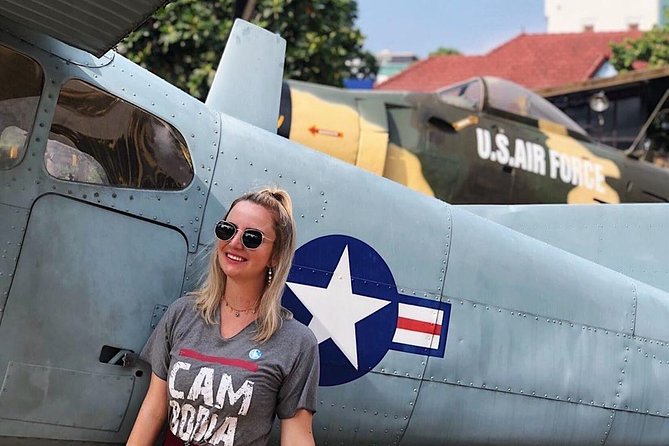
- Hotel pickup + private transport: You start and end without hassle, riding in an air-conditioned vehicle.
- A focused museum order: The day begins with the War Remnants Museum before moving into memorial and temple stops.
- Admission handled for the big hitters: War Remnants Museum and FITO Medicine Museum include tickets in the plan.
- Spiritual stops as a reset button: Thich Quang Duc and Chùa Chantarangsay give you a calmer, cultural counterweight.
- A guide who helps you read the room: Ocean is specifically praised for being easy to talk to and strong at connecting details.
- You’ll have time to breathe: The schedule includes a lunch break and a structured return to your hotel.
Hotel Pickup at 9:00 and a Day That Flows in Real Time
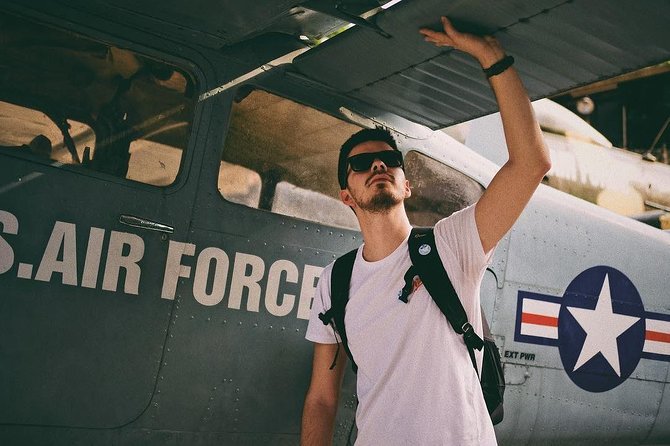
This tour is designed like a well-planned half day plus some wiggle room: it typically runs about 6 to 7 hours. The start is around 9:00 AM, with pickup directly from your hotel. Exact timing can shift a bit based on where you’re staying, but the rhythm stays the same.
From the moment you’re in the vehicle, the goal is simple: cut down on navigating transit and queues, so you can spend your attention where it matters—inside the museums and at the historical sites. It’s a private tour, so it’s just your group, not a mixed crowd you have to manage.
A practical point: since this is mostly a sightseeing day, build in your own comfort planning. Wear shoes you can walk in for temples and museum floors, and keep something small for water and snacks. Even if lunch is scheduled (it is at around 11:30 AM), you’ll still be glad you’ve got a little backup.
You can also read our reviews of more private tours in Ho Chi Minh City

War Remnants Museum: Shocking Evidence, With an On-Site Audio Option
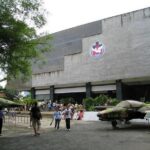
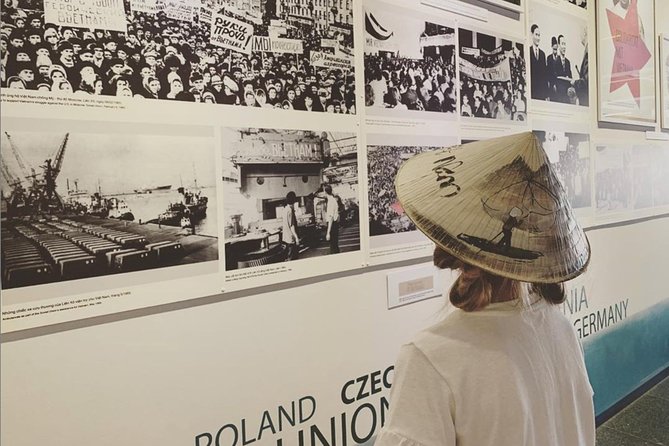
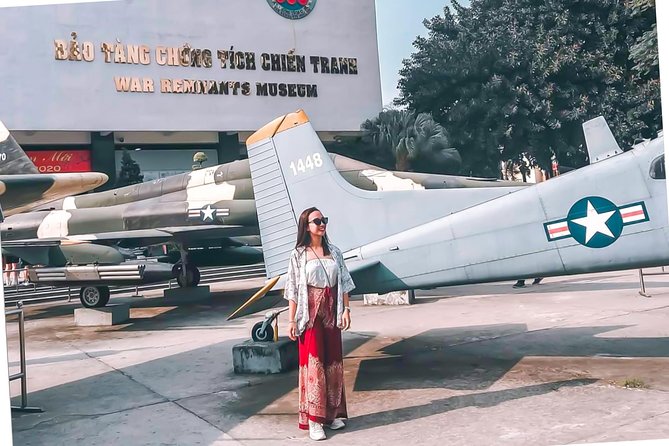
The War Remnants Museum is your first major stop, landing at about 9:20 AM. It opened to the public in 1975 and was once known as the Museum of American War Crimes. That alone signals the museum’s intent: it’s not trying to be neutral in tone. It’s trying to document.
Plan for this being the most intense part of the day. The museum is described as a reminder of the long and brutal Vietnam War, and the experience can be confronting—especially in rooms that cover war crimes and Agent Orange. If you’re the type who gets overwhelmed by graphic imagery, pace yourself. Take the audio where you need it, step out when you feel your emotional bandwidth is hitting zero, then return.
One thing that really helps here is the way the museum information works. In feedback, people mention getting earphones and using a number-based headset system to match the information to what you’re looking at. That turns the museum from passive looking into active learning. You can slow down for a particular photo, a particular weapon display, or a particular testimony.
If you care about understanding the Vietnam War beyond headlines, this is the kind of stop that gives you the raw material: documents, photographs, and testimony presented room by room. You won’t walk out with a neat, easy summary—and that’s often the point.
Thich Quang Duc Monument: A Quiet Pause After the Shock
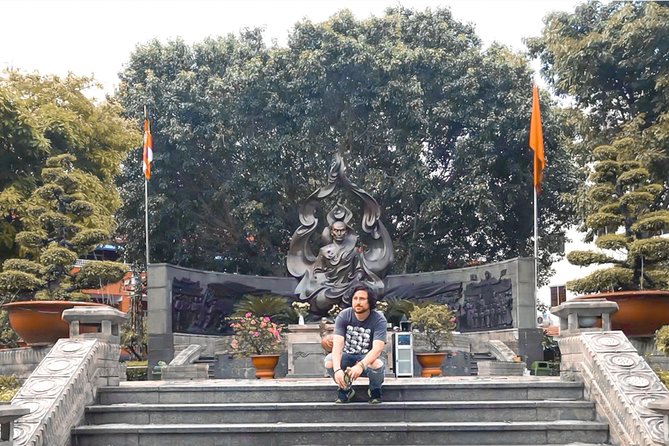
Next comes a sharp contrast. Around 1:00 PM, you visit the Venerable Thich Quang Duc Monument, a peaceful memorial park dedicated to the Buddhist monk who self-immolated at an intersection near what’s now the Reunification Palace in 1963.
What makes this stop valuable is the way it changes the tone without skipping the historical link. The War Remnants Museum shows the war’s documented brutality. This memorial points to the moral and political turbulence that was happening alongside it—through a specific person, a specific moment, and a specific place.
Give yourself a little time here instead of treating it like a quick photo stop. Memorial parks work best when you let your mind catch up. Even a short pause helps, because the next leg of the day still includes culture-focused walking and indoor time.
Chùa Chantarangsay (Khmer Pagoda): Spiritual Life and Theravada Traditions
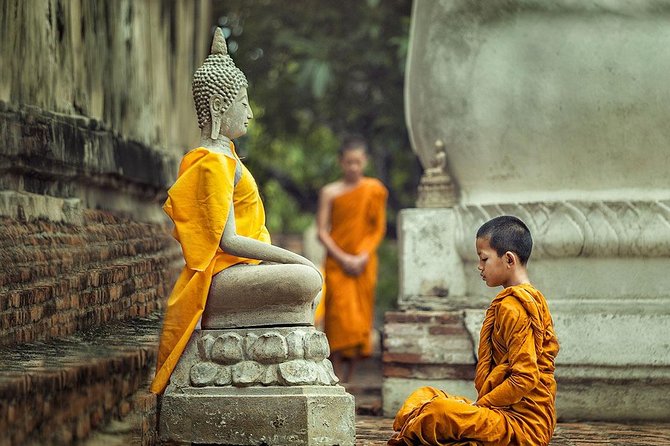
Around 1:30 PM, you head to Chùa Chantarangsay, a pagoda tied to the Khmer community in the south of Vietnam. This is a cultural and religious haven, and it also houses monks from the Theravada sect, described as the most ancient branch of Buddhism.
This is a free-entry stop in the plan, which makes it a strong value add. It also gives you something different from museums: a sense of living practice rather than just recorded history. If you’ve only ever seen Vietnam’s Buddhist sites through quick snapshots, this is a chance to experience a place where faith is part of the daily rhythm.
Etiquette matters in temples. Dress in a way that shows respect (covering shoulders and knees tends to be the safe bet), and keep your voice low. You don’t need to perform devotion—you just need to behave like you’re visiting a working religious space.
FITO Medicine Museum: Architecture, Exhibits, and a Different Angle on “History”
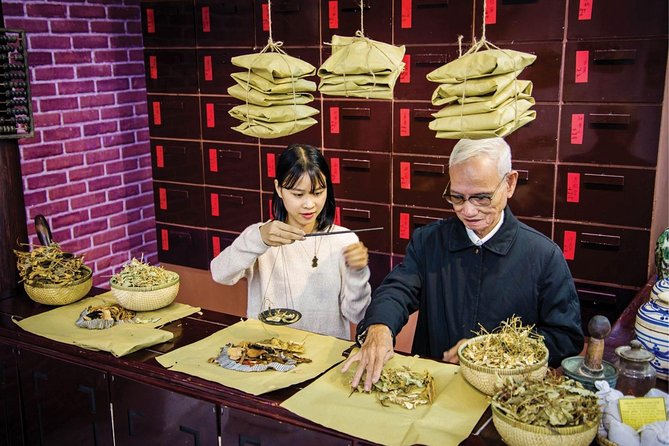
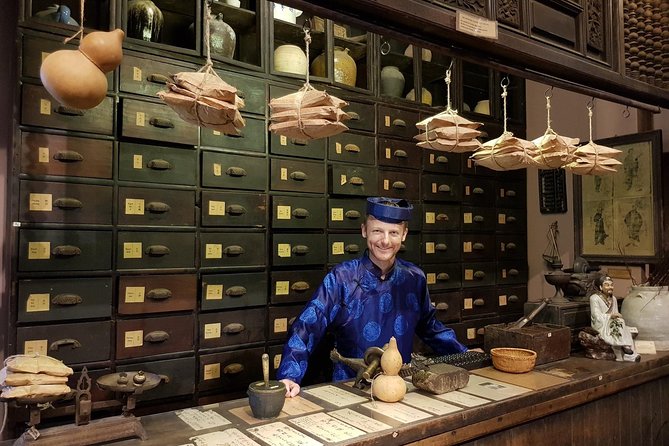
Around 2:30 PM, the tour turns to the FITO Medicine Museum. This is another ticketed stop, and it’s one of those places that helps you understand history beyond war.
The museum is described as a blend of traditional and modern architecture. It spans one ground floor and five upper floors, with 18 exhibition rooms. That’s a lot of rooms for a single afternoon, so the key is using the time well: don’t rush through everything just to check boxes. Pick a couple of exhibit themes that grab you—pharmacy, traditional medicine stories, how the building is laid out—and go deeper within that slice.
People also mention details like delicately carved wooden pictures. Those small design touches are exactly what make a museum worth slowing down for. If the War Remnants Museum left you feeling heavy, FITO offers a different kind of learning: how people treated illness, how knowledge was organized, and how a business or institution can turn into a cultural marker over time.
You can also read our reviews of more historical tours in Ho Chi Minh City



Lunch Time Around 11:30: Plan for Energy, Not Just Food
Your schedule includes lunch time at about 11:30 AM. The tour description doesn’t spell out what’s included as part of lunch, so I’d treat this as a break that matters for your energy rather than a sure thing meal guarantee.
Use lunch to do two things:
- Rehydrate and reset your mood before the temple and museum stops.
- Decide how you want the afternoon to feel. If you want a calmer day, you’ll probably enjoy taking your time at the memorial and pagoda sections. If you want maximum sights, you can keep moving.
What Other Sights Might Fit In: City Landmarks, Markets, and Culture Stops
The tour’s central, timed structure is clear for War Remnants Museum, Thich Quang Duc Monument, Chùa Chantarangsay, and FITO Medicine Museum. Beyond that, the broader set of “most historical spots” listed with this experience points to a wider mix of Saigon landmarks and cultural experiences that may take shape depending on routing and timing.
Here are the kinds of places that show up in the stop list, so you know what to expect as the afternoon stretches:
- Reunification Palace: historically tied to key figures and a tank incident in 1975; this fits the war-and-politics theme from another angle.
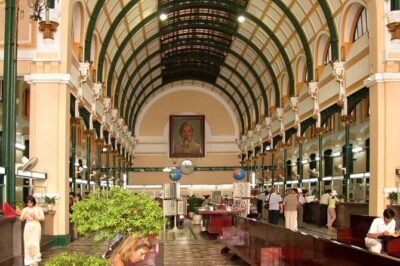
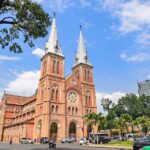
- Saigon Central Post Office (1886–1891): classic Gothic, Renaissance, and French colonial design; it also helps you see colonial-era architecture in use.
- Saigon Opera House: an elegant colonial building near major landmarks, a nice contrast to the heavier museum content.
- Dong Khoi Street: lined with French colonial-style buildings and linked to the old Rue Catinat name during the French period.
- Ben Thanh Market: a practical stop for local crafts, Vietnamese art, and quick bites inside the market.
- Notre-Dame Cathedral Basilica of Saigon and Ho Chi Minh City Hall: both French colonial era in style and useful for understanding the city’s layered identity.
- Tan Dinh Church: described as Romanian-style with Gothic and Renaissance elements, built in 1876.
- Bitexco Financial Tower & Sky Deck: a 262-meter viewpoint option if your route includes a high vantage break.
- Cultural-performance options like water puppetry (with roots traced back to the 11th century in the Red River Delta) and À Ố Show (a Vietnamese bamboo circus performance).
- Museum and culture stops like the Traditional medicine & pharmacy museum, Ho Chi Minh City Book Street, and a cultural museum honoring Vietnam’s women.
You’ll also see heavier war history listed in the broader set, such as the Củ Chi tunnels, described as an immense network of underground tunnels. That’s a big-time commitment in the real world, so if your day includes it, plan for a longer exertion level and expect the rest of the route to be tighter.
Price and Value: $133 for a Private, Ticketed History Day
At $133 per person, the question isn’t just cost. It’s what you get for that price: a private guide, hotel pickup, transport in an air-conditioned vehicle, and admission tickets included for major stops like the War Remnants Museum and the FITO Medicine Museum.
If you’re traveling in a small group, private guidance is often the difference between a museum you rush through and a museum you can actually process. The tour also builds a coherent day arc: hard evidence first, reflective memorial next, spiritual and cultural context after. That structure is part of the value.
The day is also long enough to matter. A 6–7 hour tour in a dense city like Ho Chi Minh City means you’ll see more than a quick hit-and-run itinerary—without spending your time coordinating transport between far-flung sights.
How to Prepare So You Get the Most Out of It
This tour works best when you come in with the right expectations. You’re not just collecting photos; you’re collecting context.
My practical advice:
- Bring patience for the museum pace. War history museums don’t move fast emotionally, even if you can move physically fast.
- If you’re sensitive to graphic content, plan breaks. Step outside for air and reset before continuing.
- Ask your guide questions. A good guide can help you connect details so you don’t feel lost in raw information.
- Keep your afternoon flexible. When the route includes multiple categories—war history, temples, medicine museum—your priorities can shift as the day unfolds.
Who This Tour Is Best For (and Who Might Want Something Else)
This is a great fit if:
- You want a private guide and hotel pickup.
- You care about Vietnam’s 20th-century story and want a major museum visit early in the day.
- You’d like the contrast of memorial and temple time after the harder material.
It may be less ideal if:
- You know you want only light, casual sightseeing.
- You dislike emotionally intense museums and would rather split the experience across separate days.
Should You Book This Tour?
I’d book it if your priority is a well-structured history day with practical pickup and admission included for the two main museum stops. The strongest reason is the mix: the War Remnants Museum gives you hard documentation, while the Thich Quang Duc memorial and Chùa Chantarangsay add a calmer, cultural thread so the day feels like more than just shock-and-photos.
Book it with eyes open if you’re cautious about heavy subject matter. But if you can handle confronting rooms and you want guidance that helps you understand what you’re looking at, this is a solid way to spend a day in Ho Chi Minh City.
FAQ
How long is the Ho Chi Minh Historical Spots & War Museum Tour?
The tour runs about 6 to 7 hours.
What time does hotel pickup happen?
Pickup starts around 9:00 AM, and the exact pickup time may vary depending on where your hotel is located.
Is the tour private?
Yes. This is a private tour/activity, and only your group participates.
What are the main scheduled stops?
The plan includes the War Remnants Museum, then the Thich Quang Duc Monument, Chùa Chantarangsay, and the FITO Medicine Museum, with a lunch break around 11:30 AM.
Are tickets included?
Admission tickets are included for the War Remnants Museum and the FITO Medicine Museum. The Thich Quang Duc Monument and Chùa Chantarangsay are free.
Do I need a paper ticket?
You’ll receive a mobile ticket.
How much does the tour cost?
The price is $133.00 per person.
Can I cancel and get a full refund?
Yes. You can cancel up to 24 hours before the experience start time for a full refund.
Is the tour suitable for most people?
The tour notes that most travelers can participate, and it is described as near public transportation.