REVIEW · HO CHI MINH CITY
Mekong Delta 2-Day Tour: Floating Markets & Cultural Exploration
Book on Viator →Operated by TNK Travel · Bookable on Viator
River mornings beat city sightseeing. In two days, you glide past orchard-lined banks, ride through narrow canals, and watch the Cai Rang floating market from the water, with plenty of hands-on cultural stops. It is the kind of trip that helps you understand how daily life stays tied to waterways, even when the old floating-market model has changed.
Two things I really like: the small group feel and the way your guide keeps explaining what you are seeing, not just moving you along. Guides I’ve heard about include Slim, praised for friendly, clear English and strong history knowledge, and Tom, who gets props for a well-paced plan and a great overall guide presence. The other big win is the food: you taste local produce and also do a cooking class where you learn practical skills like rice paper work and spring roll assembly.
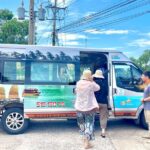
One drawback to consider is logistics around pickup. Pickup is offered, but if you are outside District 1 (or in streets where pickups are restricted), you may need extra effort or a surcharge to get to the meeting point—so check early and be ready with a Plan B.
In This Review
- Key highlights you’ll feel from day one
- Cai Be and the river reality: what you’re seeing and why it matters
- Nhà cổ Ông Kiệt: a flood-smart antique house you can actually picture
- Tan Phong: coconut sweets, rice popcorn, and canal time at human speed
- Cooking class lunch: spring rolls, rice paper, and herb skills you can repeat
- Bicycle ride and sunset boat back: a calmer look at villages
- Cai Rang floating market by boat: why the morning timing counts
- Noodle factory stop: how rice noodles become a daily staple
- Munir Ansay Khmer Buddhist temple: Khmer art and Mekong Delta cultural layers
- Cồn Sơn (Con Son): eco-conscious crafts, cake workshop, and orchard tasting
- Price and value: what $119 includes in a practical way
- Who this tour fits best (and who should skip it)
- Should you book this 2-day Mekong Delta tour?
- FAQ
- What time does the tour start, and where do we meet?
- Is hotel pickup included?
- What meals are included?
- Do you include an overnight stay?
- How big is the group?
- Is the tour suitable for people with disabilities or heart problems?
- Can I cancel for free?
Key highlights you’ll feel from day one
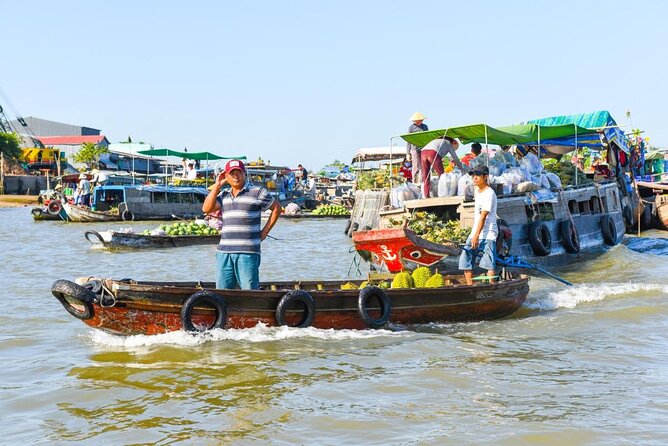
- Cai Be boat ride on the Tien River: you get orchard scenery and real river life context, not just a market photo stop
- Nhà cổ Ông Kiệt antique house visit: mixed Vietnamese, Chinese, and French colonial details, plus flood-smart design ideas
- Tan Phong family stops: coconut sweets, rice popcorn, and folk music while you watch the work firsthand
- Cooking class that teaches real steps: rice paper crafting plus herb-and-spice blending for fresh spring rolls
- Cai Rang floating market at the right time: vendors display goods from boats with distinctive sample poles while commerce is still active
- Cồn Sơn fruit orchard + cake workshop: seasonal fruit tasting and hands-on Mekong-style cake making with an eco-tourism angle
Cai Be and the river reality: what you’re seeing and why it matters
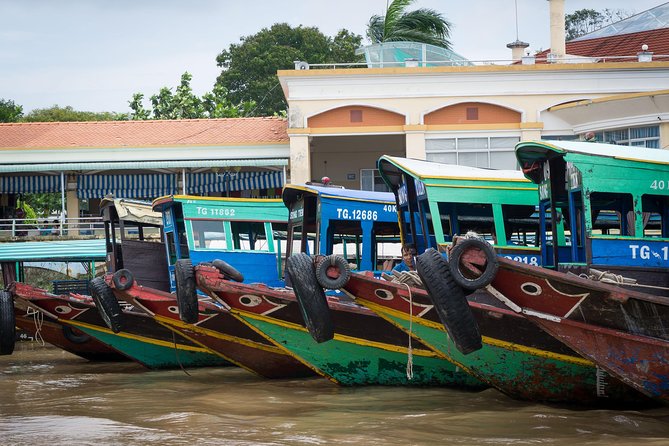
This tour starts with a morning pickup from your Ho Chi Minh City hotel area and a 7:30 am start. You’ll spend the first chunk of the day heading toward Cai Be, and right away you get an important context check: parts of the old floating-market lifestyle have faded with rapid urbanization. The point isn’t to sell a fantasy. It’s to show you what’s still going on and why the river still runs the economy and the rhythm of life.
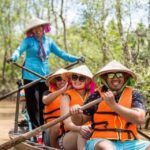
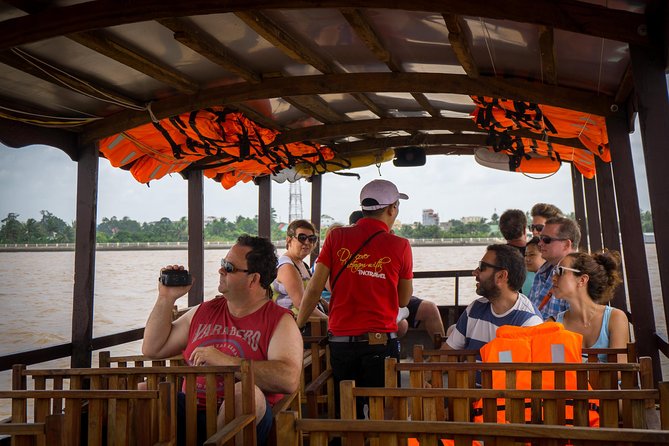
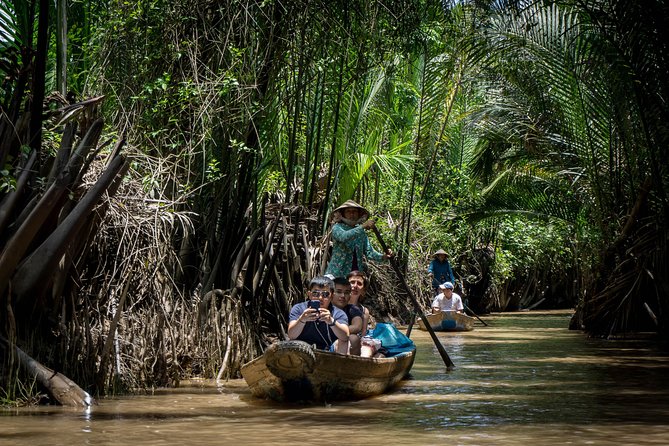
When you reach Cai Be, the day’s centerpiece is a boat ride along the Tien River. This is where the delta starts to make sense. You see how river traffic, shoreline orchards, and trading habits line up with the landscape people live on every day. The scenery is also a practical lesson: fruit trees don’t feel random here; they make sense when you understand the flooding cycle and the way land is used.
A good thing about this portion is pacing. After travel time, you get actual time on the water—about an hour in the program—so you are not just getting a quick look and sprinting to the next stop. You can watch how boats move, how people work around the river, and how everyday commerce still happens, even if it looks different than classic images.
You can also read our reviews of more tours and experiences in Ho Chi Minh City

Nhà cổ Ông Kiệt: a flood-smart antique house you can actually picture
One of the most memorable cultural stops is Nhà cổ Ông Kiệt. This isn’t a generic museum stop where you shuffle past labels. You get a guided look at a preserved antique home and how it was built for delta life.
Here’s what stands out in the description: the house blends Vietnamese, Chinese, and French colonial architectural influences. You also learn why these homes were designed the way they were in a tropical, flood-prone area. The rooms are arranged around a central courtyard, which helps with airflow—an idea that feels very practical once you think about heat and humidity.
Your guide also points out family shrines and old furnishings. That matters, because it connects the house to the people who lived well enough to keep heirlooms for generations. If you like details—wood types, courtyards, and how architecture supports daily survival—this is a strong stop.
If you’re short on patience for indoor sightseeing, though, keep your expectations realistic: this is still a cultural heritage visit, not a high-energy activity. It’s worth it, but it’s calmer than the river scenes.
Tan Phong: coconut sweets, rice popcorn, and canal time at human speed
Tan Phong is where the tour slows down in a good way. First, you visit a family-run confectionery that makes coconut sweets and rice popcorn. You get to watch hands-on processes that turn basic ingredients into regional treats, and you also taste things while they’re still warm.
One nice extra here is the soundtrack. Southern Vietnamese folk melodies fill the air during the work. It’s small, but it helps the visit feel like you’re sitting inside daily life rather than observing from the outside.
After that, you move into the quieter side of the delta: narrow canals with coconut palms and water lilies. The program describes this as a serene escape, and it comes at a useful point in the day. After time on bigger waterways and heritage buildings, the canals help you reset.
Then you reach Tan Phong Island, where fruit orchards and flower gardens are part of what you see. Again, this is not just scenery. It’s a window into how families earn money from what grows around them.
Cooking class lunch: spring rolls, rice paper, and herb skills you can repeat
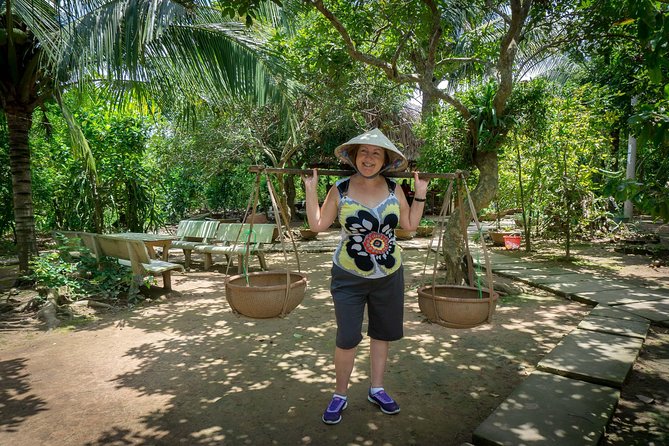
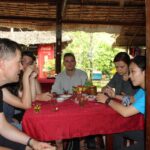
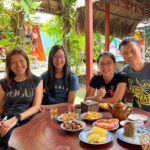
Midday is built around food in a serious, practical way. You have a garden setting with tropical fruits and fragrant herbs, then a cooking class before lunch. The goal here isn’t just to feed you. You learn techniques you can actually use later.
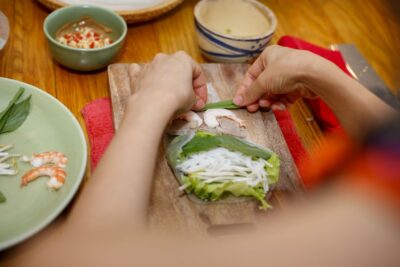
The program specifically calls out rice paper crafting and spring roll creation, with guidance on mixing distinct herbs and spices. Your guide shares family recipes passed down through generations. You end up understanding why certain flavors work together, not just tasting a dish and moving on.
If you’ve ever taken a cooking class where you only chop for five minutes and then leave, this one is different because it focuses on core steps—rice paper work and herb/spice balance—rather than only cooking in the abstract.
One practical tip from a common travel reality: wear something comfortable for hands-on food prep. Even if the class environment is shaded, you’ll be moving and tasting, and it’s easier when you’re dressed for it.
Bicycle ride and sunset boat back: a calmer look at villages
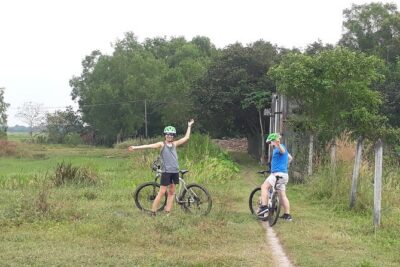
After lunch, you get a bicycle segment on dirt trails. This is one of the more atmospheric parts of the itinerary. You pass rice paddies, palm-lined areas, and fruit groves, and you have chances to see small villages and everyday tasks like farm work.
The tour’s description highlights unplanned encounters—farmers, children, and artisans at work—so the experience can feel more personal than a fixed checklist. This also explains why having a small group matters. With fewer people, you’re more likely to pause, ask questions, and actually talk.
As the day winds down, you take a boat ride back to Cai Be at sunset. Then a private car takes you onward toward Can Tho city. You check into your hotel, and you get evening flexibility—time to stroll along the river or eat on your own.
This overnight split is one of the best value moves in the whole plan. You’re not rushing through everything back-to-back in one long day. You get a real night in the delta, then you return the next day for the floating market moment.




Cai Rang floating market by boat: why the morning timing counts
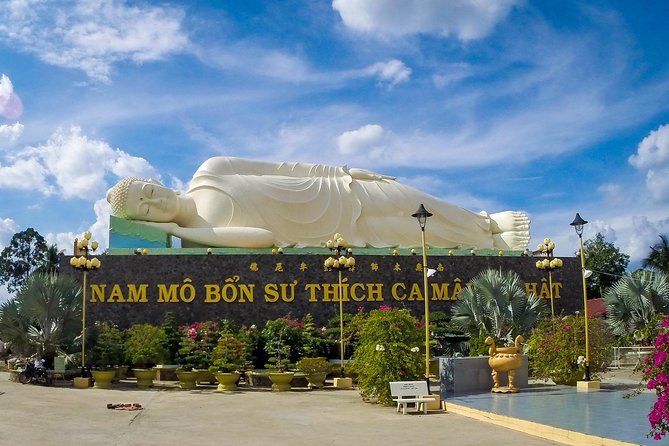
Day two starts with hotel breakfast and then a boat excursion along the Bassac River. This is the lead-in to the Cai Rang floating market, and it’s timed so you can see the market in action.
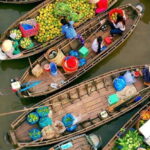
Watching from a boat changes everything. From the water, you see how vendors display goods on their boats, and you also notice the distinctive sample poles used to show items. The market feels like commerce happening at close range—produce, household goods, and everyday trading built into river life.
The program also keeps an eye on product variety. It’s not just fruit boats and photo ops. You see how the market serves daily needs, which is why it’s historically famous and still relevant.
A small caution: floating markets are busy by nature, but the real key is your attitude. You’ll get more out of this if you plan to look carefully at how people bargain, load and unload, and communicate across boats. Bring patience for crowds and boat movement.
Noodle factory stop: how rice noodles become a daily staple
Right after the floating market experience, you visit a traditional noodle factory. The time here is short—about 20 minutes—but focused.
You see rice noodle making from raw ingredients to finished product using older methods. If you love Vietnamese food, this stop gives you a useful mental map: the raw-to-finished steps are simple in concept, but they take practice and consistency. Even if you don’t remember every detail, you’ll understand why fresh noodles taste different.
It also adds a nice contrast: instead of only seeing distribution on the river, you see production behind it.
Munir Ansay Khmer Buddhist temple: Khmer art and Mekong Delta cultural layers
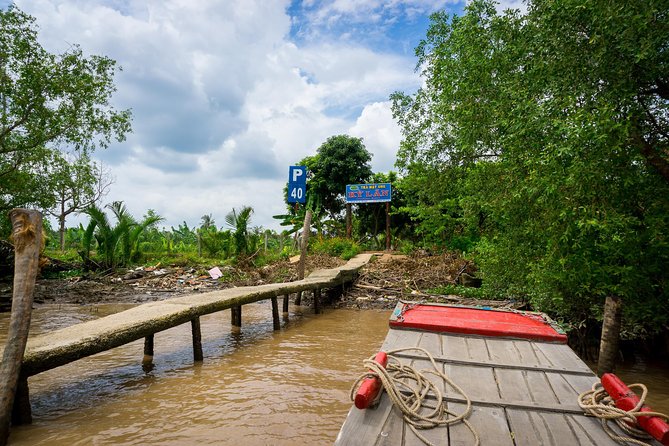
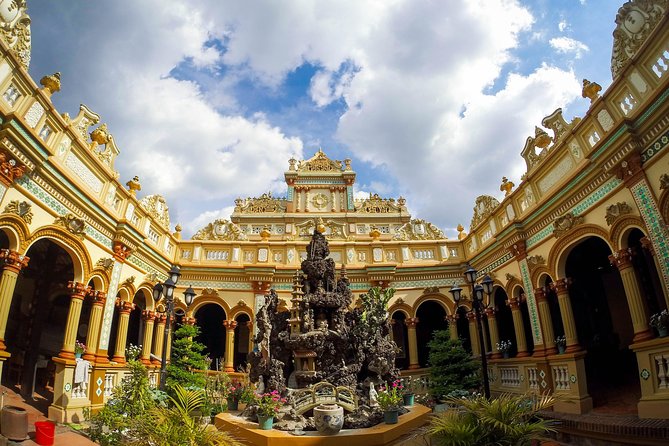
Next comes the Munir Ansay Khmer Buddhist Temple, described as a Khmer temple with a strong presence in the area’s heritage. This is where the Mekong Delta feels more complex than just boats and fruit.
Your guide points out Khmer artistry: vibrant murals that tell Buddhist stories, detailed carvings, and architectural elements like graceful columns. The stop is about community significance and what the sacred space means for local religious practice.
If you came to the delta mainly for the floating markets, this temple visit is a good reminder that the Mekong region is not one story. Different groups have lived here and shaped local culture.
The visit time is limited (about 30 minutes), so if you love temples and could spend hours reading every inscription, you might want to follow up later on your own when you have more time in town.
Cồn Sơn (Con Son): eco-conscious crafts, cake workshop, and orchard tasting
The final major day stop is Cồn Sơn, reached by boat. The program describes community-led, eco-conscious tourism, and you see that theme through crafts and orchards managed by local families.
You visit a workshop where you get hands-on instruction for Mekong Delta cake making. You’re guided by local artisans, and you learn how the craft stays practical and repeatable rather than theatrical.
Then you shift to fruit. A guided orchard exploration is included, and seasonal fruits may include durian, mangosteen, longan, and rambutan. You taste freshly harvested fruit while learning about orchard methods. The tour description specifically mentions avoiding harmful chemicals and conserving water resources.
This is the part of the itinerary where the delta’s food system feels most real: you see the fruit, you see the processing through crafts, and you connect both to family livelihoods.
One thing to watch: orchard fruit depends on season. If you want a specific fruit, you may or may not find it. The tour is still worthwhile because the orchard walk and fruit tasting are the focus, not one guaranteed flavor.
After the last activities, you head back to Ho Chi Minh City. The end point returns you to the meeting area, and the program notes that return time can shift due to traffic.
Price and value: what $119 includes in a practical way
At $119 per person, this 2-day trip is priced like a true delta package rather than a half-day excursion. You’re paying for transportation out of Ho Chi Minh City, an English-speaking guide, boat trips, an overnight stay (twin/double room share basic), and meals.
What you get that adds real value:
- Breakfast and two lunches are included
- Your hotel stay for the night is included
- Boat time is built into both days (not just one river ride)
- You get hands-on learning through a cooking class and cake-making workshop
- Mineral water and guided interpretation are included
Group size is kept small. The info lists a maximum of 25 travelers, and the highlights also mention a smaller capped group feel. Either way, you should expect more guide attention than on a massive bus tour.
Where you need to be careful with your money:
- Pickup and transfer are not guaranteed for hotels outside District 1, and pickup may be impossible in some restricted street areas
- Personal expenses, tips, and other meals are not included
- You may face a pickup surcharge on specific public holiday dates listed by the operator
If you want the delta experience with less hassle than DIY travel, this price starts to look reasonable. If you are already comfortable planning boats, timing, and overnight stays on your own, it might feel like a premium. But for most visitors, the included guide time and boat segments are exactly what make it worth it.
Who this tour fits best (and who should skip it)
This is a good match if you:
- Want both river sights and cultural stops in one tight schedule
- Like food experiences with real technique, not only tasting
- Prefer a small-group format and an English-speaking guide
You might think twice if you:
- Need reliable pickup from outside District 1 and you cannot easily reach the meeting point
- Want a super relaxed pace with no chance of feeling rushed at certain stops
- Have heart problems or need accessibility accommodations, since the tour is not available for handicapped visitors or anyone with heart problems
Also, bring a flexible mindset. Some parts of the day are more show-like than you might hope, depending on timing and how groups move. If you want zero tourist feel anywhere, no two-day delta circuit can promise that. But the guided context and the hands-on food work help it feel more grounded than a pure sightseeing route.
Should you book this 2-day Mekong Delta tour?
I’d book it if you want the Mekong Delta highlights without turning your trip into logistics homework. The combination of Cai Be river time, Cai Rang floating market, a Khmer temple, and real food learning gives you a balanced picture of how people live, trade, and cook.
I would also book it if you care about guidance. The strongest reviews you’ll hear about this tour type often praise guides like Slim and Tom for English and for keeping history and daily life connected to what you’re seeing.
Skip or reconsider only if pickup from your exact hotel is a dealbreaker and you are staying outside District 1. In that case, confirm pickup details early or plan to meet at the tour start point.
FAQ
What time does the tour start, and where do we meet?
The tour starts at 7:30 am. The meeting point is 112 Đ. Trần Hưng Đạo, Phường Phạm Ngũ Lão, Quận 1, Hồ Chí Minh, Vietnam.
Is hotel pickup included?
Pickup is offered, but the information says pickup and transfers are limited for hotels outside District 1 and for some restricted street areas. If your hotel is hard to access under local traffic rules, you may need to arrange support with the local supplier.
What meals are included?
Breakfast is included, and lunch is included twice. Mineral water is also provided.
Do you include an overnight stay?
Yes. Accommodation is included for the night, based on twin or double room share basic.
How big is the group?
The activity information lists a maximum of 25 travelers.
Is the tour suitable for people with disabilities or heart problems?
No. The tour is not available for handicapped visitors or anyone with heart problems.
Can I cancel for free?
Yes. You can cancel up to 24 hours in advance for a full refund. If you cancel less than 24 hours before the start time, the amount paid is not refunded.