REVIEW · HO CHI MINH CITY
1 Day Mekong Tour: Cai Rang Floating Market & MyTho-Ben Tre
Book on GetYourGuide →Operated by VIET FUN TRAVEL COMPANY LIMITED · Bookable on GetYourGuide
Early mornings in the delta feel like a secret.
On this Cai Rang Floating Market trip, you get up close to daily trade, then glide into the hand-rowed sampan vibe under nipa palms. It’s a packed day with real river life—wooden boats, fruit stalls, workshop stops, and a slow cruise that helps the whole area make sense.
What I like most is how the day connects the dots: market breakfast and boat views first, then food-making and coconut-focused workshops in Ben Tre. One thing to watch: a long schedule with multiple tasting and shop stops can start to feel repetitive, and you may see pressure to buy or tip at certain moments.
In This Review
- Key Highlights You’ll Actually Notice
- A 5:00 am Start That Makes the Delta Make Sense
- Entering Cai Rang Floating Market: Breakfast on the River
- What to look for while you’re on the water
- Rice Vermicelli, Pineapple, and Other Food Stops That Actually Teach Something
- The hidden risk: turning into a shop circuit
- Getting to My Tho and Ben Tre: The Change in Pace
- Coconut Candy, Honey Tea, and Folk Music in Ben Tre
- The UNESCO-linked music moment
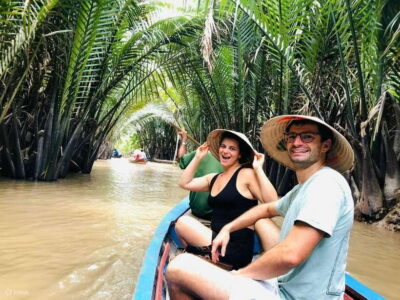
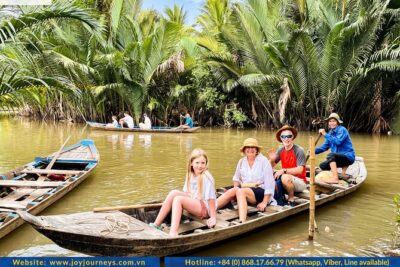
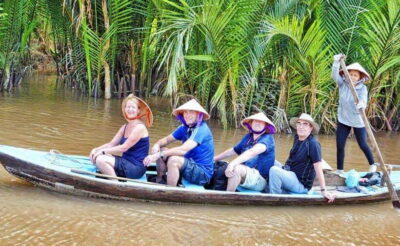
- The Hand-Rowed Boat Through Palm Lined Canals
- Price and Pacing: When More Stops Help or Hurt
- A practical note on tipping and sales pressure
- Logistics That Matter: Shoes, Heat, and Group Travel
- Who This Mekong Delta Tour Fits Best
- Should You Book This 1 Day Mekong Tour?
- FAQ
- What time does the tour depart from Ho Chi Minh City?
- How long is the Mekong tour?
- What boats are included during the day?
- What meals are included?
- What food and drinks should I expect?
- What languages is the guide available in?
- Is pickup included, and when should I be ready?
- What should I wear or avoid?
Key Highlights You’ll Actually Notice
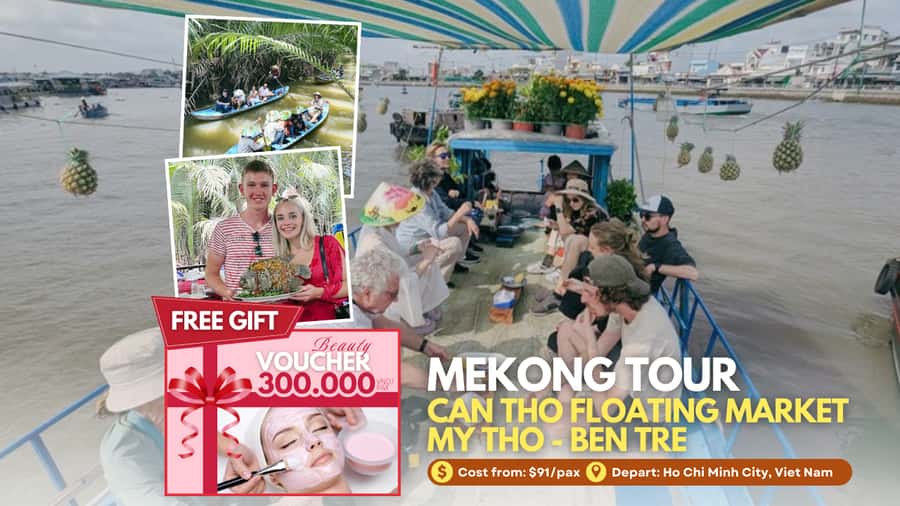
- Cai Rang at breakfast time: arrive early enough that the market still feels like work, not a show
- Hand-rowed sampan under nipa palms: a quieter, more human scale of boating than big tourist speed trips
- Hu Tieu rice vermicelli workshop: you see how a staple food goes from process to plate
- Pineapple peeling on the boat: an easy win for freshness and fun, with little waiting
- Ben Tre coconut candy and honey tea: sweet stops with practical demonstrations, not just random samples
- Traditional folk music slot: one cultural pause that’s tied to UNESCO intangible heritage
A 5:00 am Start That Makes the Delta Make Sense
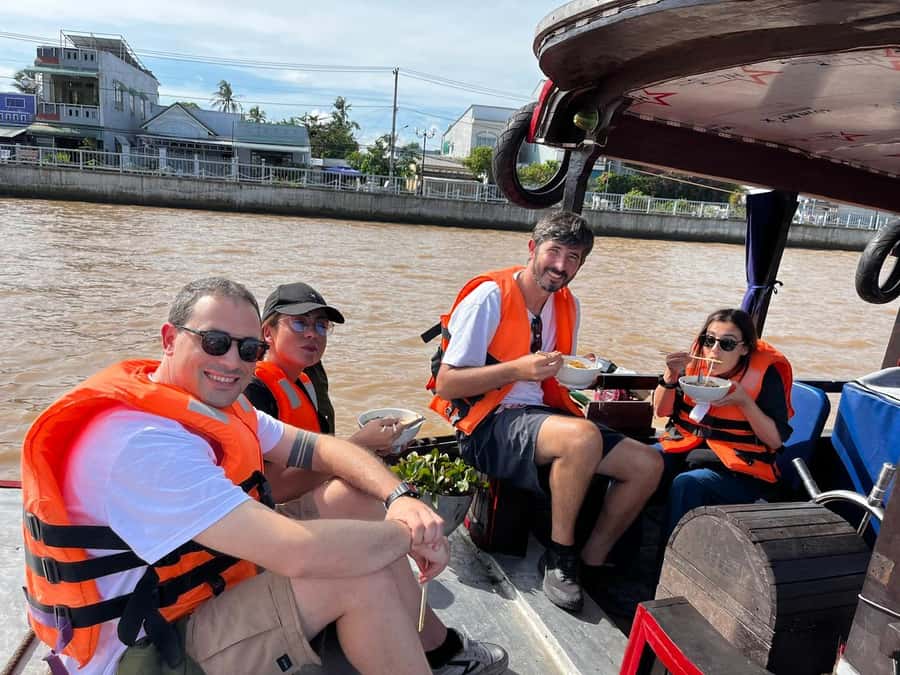
This tour starts at 5:00 am in Ho Chi Minh City. Then it’s about a 3-hour drive down to the Mekong Delta—enough time for the city noise to fade and for the scenery to shift into rice paddies and roadside orchards. If you’ve ever struggled to enjoy early starts, pack snacks for your mind as much as your stomach.
You should also plan your clothing around heat and humidity. The day includes moderate walking and several transitions between boats, workshops, and restaurants. Bring a hat and sunscreen, and skip anything with slippery soles or high heels—high heels are not allowed on this kind of outing.
You can also read our reviews of more shopping tours in Ho Chi Minh City

Entering Cai Rang Floating Market: Breakfast on the River
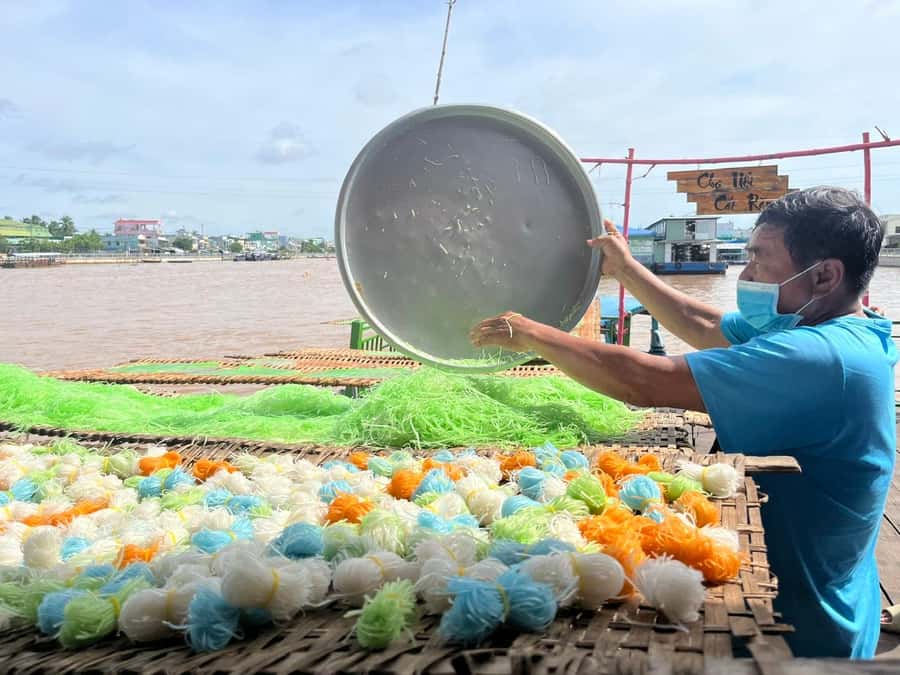
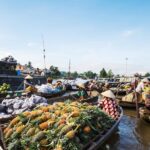
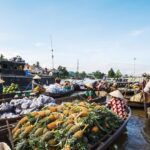
Cai Rang is the main event. You arrive in Can Tho, then head into the floating market experience. Crossing the Mekong River gives you that first big visual payoff: you can spot traditional-style riverside homes, see busier ship-building areas, and watch everyday activity along the banks. It’s the kind of place where the river feels like a road.
When you reach the market itself, the mood is active and practical. Boats move, traders gesture, and it’s easy to understand how commerce works without a single street sign. Your breakfast and coffee are part of this setting, so you’re eating while the market keeps going around you. Expect a little boat motion—small waves hitting the side are part of the experience, not a problem to solve.
What to look for while you’re on the water
The market is at its best when you treat it like a live system rather than a photo set. Try to notice:
- how goods are stored and passed between boats
- which stalls look like real daily trading versus staged selling
- how locals use the river space efficiently
That mindset helps you avoid feeling rushed, even when your guide keeps things moving.
Rice Vermicelli, Pineapple, and Other Food Stops That Actually Teach Something
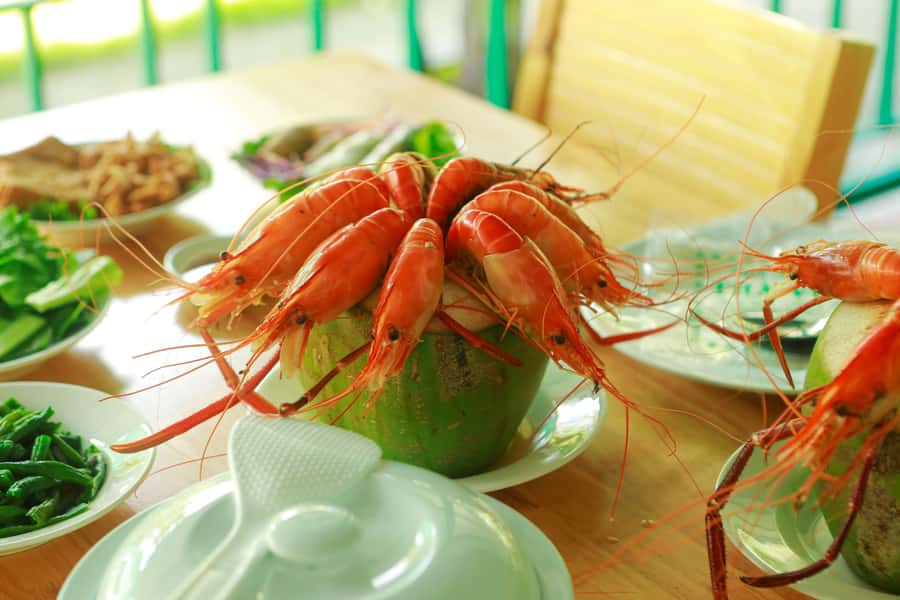
After checking out of the floating market, the day leans into food and production. One of the standout workshop experiences is learning how locals make Hu Tieu (rice vermicelli). Hu Tieu isn’t just a dish in a restaurant. It’s a process with texture and timing, and when you watch it get explained, you’ll understand why the noodles can feel soft, flat, and pleasantly chewy once cooked.
Then there’s pineapple. You’ll visit a spot where pineapple is peeled right away so you can enjoy it on the boat. In a day full of moving parts, this one is smart because it’s fresh and immediate. It also breaks up the sensory load of workshops with a simple, tasty moment.
The hidden risk: turning into a shop circuit
This tour-style format can be either charming or tiring depending on your expectations. Some stops may shift quickly from demonstration to tasting to sales. If you enjoy learning how foods are made, you’ll probably have a good time. If you hate being pulled into purchase pitches, go in ready to politely decline and keep your focus on the food and the river scenes.
A tip: don’t get caught on the word “sample.” In the Mekong Delta, tasting is often the first step of a longer sales conversation. If you’re the type who wants to buy something, great. If not, keep your wallet closed and your curiosity open.
You can also read our reviews of more tours and experiences in Ho Chi Minh City

Getting to My Tho and Ben Tre: The Change in Pace
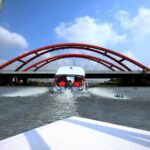
Once you leave Can Tho and shift toward My Tho and Ben Tre, the pace changes from busy floating commerce to calmer village rhythm. You’ll do a motorboat cruise on the Mekong River toward Ben Tre, the coconut heartland of the delta.
After that, lunch transport gets more old-school. You may ride a horse cart or a Lambro motor-tricycle for your special lunch. It’s a nostalgic detail tied to the region’s older transportation style, especially the iconic vehicles associated with South Vietnam in earlier decades.
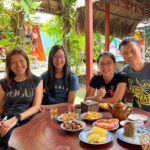
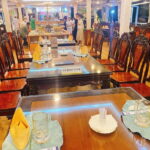
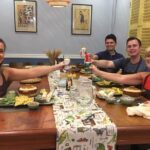
Lunch is included at a local restaurant with set menu specialties. Based on what’s listed, you might see things like deep fried elephant ear fish and sticky rice ball, and there can be hot pot options too. If you eat fish, you’ll likely be happy. The information also suggests a vegetarian option is possible, but don’t assume every dish will be plant-based—ask your guide if you have strict preferences.
After lunch, you can relax or take part in gentle village exploring. Options mentioned include hammocks and cycling around the village to observe daily life.
Coconut Candy, Honey Tea, and Folk Music in Ben Tre
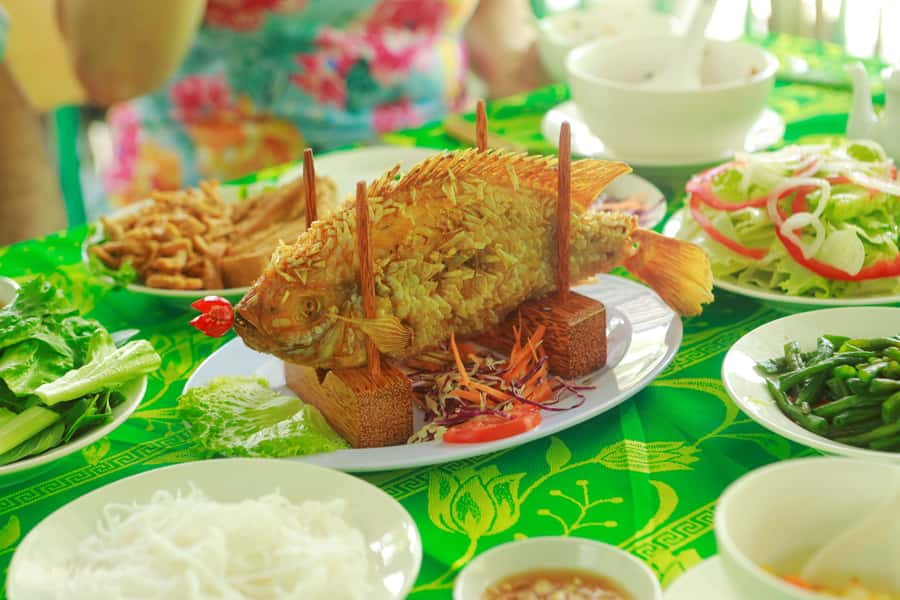
Ben Tre is where the “coconut everything” theme becomes real. The next stretch of the day includes a coconut candy workshop where you learn how candies are made and get to try the sweet results. This isn’t just a shop stop. It’s a demonstration tied to what the region is known for—coconut candy production is a practical local industry here, and it helps the earlier tastings make sense.
Then you head to a bee farm and sip honey tea with kumquat, with longan flowers mentioned as part of the bee foraging environment. It’s a nice change from the usual fruit-and-nut touring format, and it’s one of those stops where a drink feels like an actual break, not just another sample tray.
The UNESCO-linked music moment
Later, you’ll have a slot for traditional folk music. The tour notes it as officially recognized by UNESCO as intangible cultural heritage. Even if you don’t understand every lyric, it adds context. The Mekong Delta isn’t only boats and food; it’s also how people gather, celebrate, and mark their daily lives through music.
Then comes tropical fruit tasting. This is a good wrap to the afternoon food theme—light, refreshing, and not overly complicated.
The Hand-Rowed Boat Through Palm Lined Canals
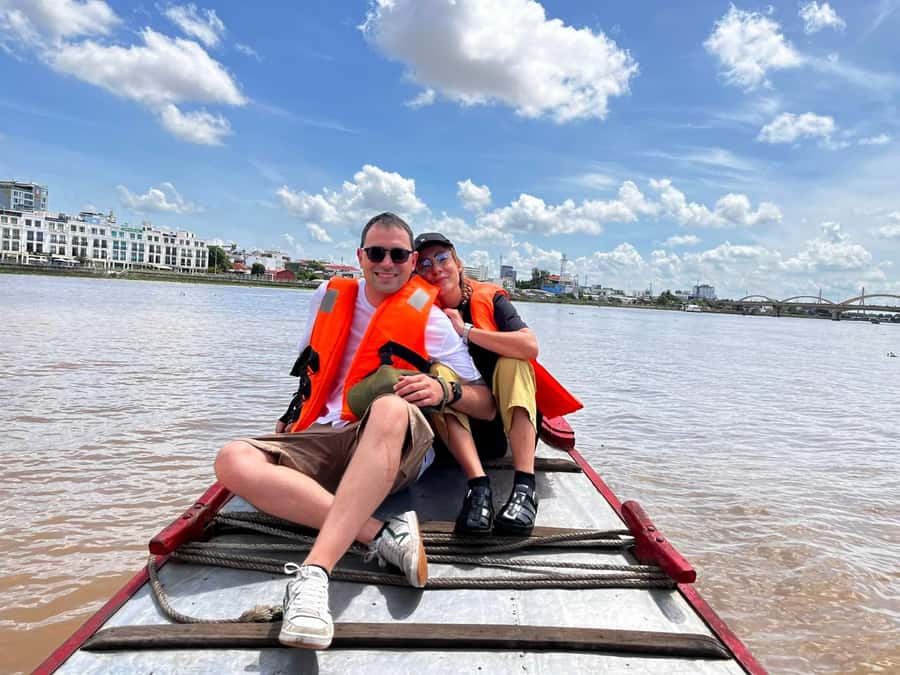
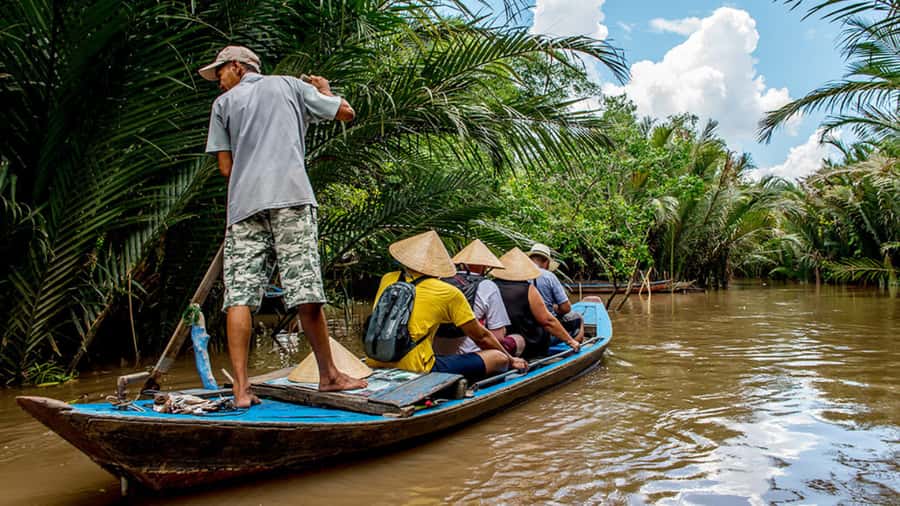
One of the main reasons people book this style of tour is the boat time that feels personal. The schedule includes both motor boat and a rowed boat experience, described as being hand-rowed in a sampan under shady water-coconut trees (and also via a hidden maze of small canals near water palm trees).
This is the part that usually “clicks” for first-timers because it slows everything down. Motor boats are fast and framed like transportation. Rowing is intimate. You feel the water level changes, you notice the canal edges, and you’re not just watching—you’re part of the movement.
You should also know what this kind of canal trip is (and isn’t). The time through small channels is usually short, and it’s often more about a scenic boat passage and nearby orchards than a full wilderness expedition. Still, it’s a great contrast to the earlier market bustle.
Price and Pacing: When More Stops Help or Hurt
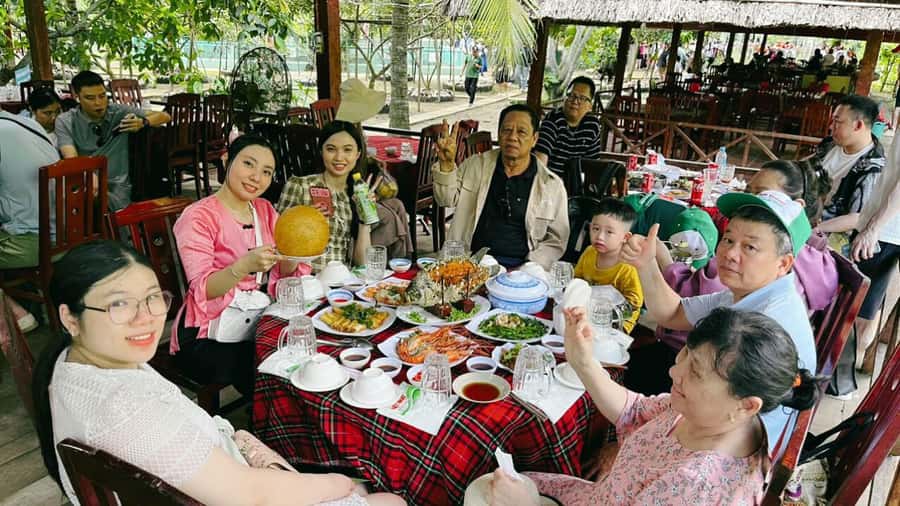
The listed price is $80 per person for about 12 hours, including AC transfer, a live guide, boat trips (motor and rowing), admission fees, breakfast and coffee, lunch, snacks like fruits and coconut juice, a bottle of water, and domestic travel insurance.
That’s not a bad value for a full-day tour that combines:
- a famous floating market morning
- multiple boat rides
- multiple included tastings
- lunch at a sit-down restaurant
But the pacing can be the make-or-break factor. This itinerary is built like a conveyor belt: market, then workshops, then boat cruising, then food industry stops, then music and fruit, then back to Ho Chi Minh City.
If you like structured days where every hour is filled, you’ll appreciate it. If you prefer a slower pace with fewer stops, you might start wishing for more time on the water and less time in tasting rooms.
A practical note on tipping and sales pressure
Two key things can affect your experience late in the day:
1) whether tastings turn into pushy selling, and
2) whether there’s a request for tips at moments of performance.
The tour description doesn’t promise anything about tips—what it does promise is that you get admissions, snacks, and the main transport. So if you’re trying to control your spending, decide ahead of time what you’re comfortable with, and stick to it. A good day is a day you can still enjoy while saying no.
Logistics That Matter: Shoes, Heat, and Group Travel
This is a shared group tour. The provider notes guaranteed departure with more passengers meaning less expense. That’s normal for this route, but it does mean you should expect a shared schedule and some waiting during transitions.
Your pickup is included, but it’s important: you should wait at the lobby about 10 minutes before the scheduled pickup time. If you’re late, you might miss the timing window.
Also remember the basic site rules mentioned in the info:
- no high-heeled shoes
- no weapons or sharp objects
- no explosive substances
Those rules are about safety and practical boat walking, not sightseeing vibes.
Who This Mekong Delta Tour Fits Best
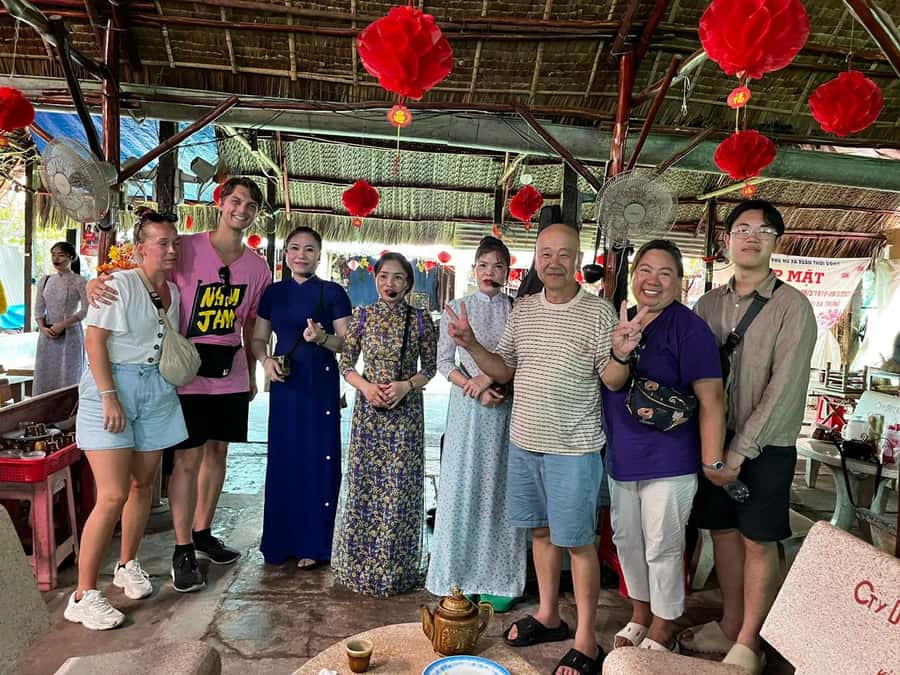
This tour is a good match if you want a first-time, highlight-heavy day. It’s also ideal if you like food culture as part of travel, because you’ll see vermicelli making, coconut candy production, and a honey tea experience tied to a bee farm.
You’ll especially enjoy it if you:
- like early mornings and want to see Cai Rang at its most active
- enjoy food tastings and learning how snacks are made
- want a mix of big sights (floating market) and slower scenes (hand-rowed sampan)
If you’re the type who wants only one or two stops and plenty of free time, this might feel like too many moving pieces. In that case, you’d probably prefer a slower Mekong day with less workshop and shop time.
Should You Book This 1 Day Mekong Tour?
I’d book it if your goal is a high-activity Mekong day that checks major boxes: Cai Rang Floating Market, boat rides on the Mekong and canals, and Ben Tre’s coconut-centered food culture. The included meals and boat time make the $80 price feel realistic for a full day.
I’d hesitate if you dislike being taken from tasting to tasting with possible sales pressure. Also, if you’re very sensitive to fish-heavy menus, confirm your vegetarian needs with the guide before you go.
If you book, go in with a simple mindset: your main wins are the market morning, the hand-rowed canal feeling, and the Ben Tre coconut workshops. Everything else is there to support those moments. Spend your energy on what you truly care about, and you’ll leave the delta with memories that last longer than your snack cups.
FAQ
What time does the tour depart from Ho Chi Minh City?
The tour departs at 5:00 am from Ho Chi Minh City.
How long is the Mekong tour?
It lasts about 12 hours, and starting times can vary based on availability.
What boats are included during the day?
The tour includes motorboat rides and a rowing boat experience (including a hand-rowed sampan).
What meals are included?
Breakfast and coffee are included at the floating market, and lunch is included later at a local restaurant with Vietnamese set menus.
What food and drinks should I expect?
Snacks are included such as fruits, candies, coconut juice, and pineapple. You also get breakfast and coffee, plus a honey tea with kumquat at the bee farm.
What languages is the guide available in?
The live tour guide is available in English and Vietnamese.
Is pickup included, and when should I be ready?
Pickup is included. You should wait at the lobby about 10 minutes before your scheduled pickup time.
What should I wear or avoid?
Wear comfortable walking shoes. High-heeled shoes are not allowed, and the tour also lists restrictions like no weapons or sharp objects.