REVIEW · HO CHI MINH CITY
Immersive Cooking Class & Market Tour By Local Chef+Cookbook
Book on GetYourGuide →Operated by Provincial Table Compay Limited · Bookable on GetYourGuide
Market-first cooking beats cooking shows. You start at Ben Thanh Market, then move straight into a chef-led kitchen where you build a full Vietnamese meal at your own station. It’s a smart way to connect ingredients you see on the walk with dishes you can recreate later.
I especially like two things: the wet market orientation that helps you understand how ingredients are sourced and chosen, and the private cook-station setup that lets you actually cook, not just watch. You get guided, step-by-step help from a local head chef and supporting team in an organized kitchen.
One thing to keep in mind: the market portion is time-focused (often around 45 minutes), and the ingredients are mainly handled for cooking during the class rather than a take-home shopping trip. If you’re hoping to buy every ingredient yourself, you might leave with a cookbook and knowledge, not a full grocery bag.
In This Review
- Key highlights to know before you go
- From Ben Thanh Market to Your Own Cook Station
- Cho Ben Thanh wet market walk: how you’ll learn to shop by instinct
- Chef-led Vietnamese cooking class: hands-on, station-by-station instruction
- The meal you eat: dinner that’s built, not bought
- The cookbook: the souvenir that actually helps
- Vegetarian options: how flexible is the menu?
- Price and value: is $33 actually fair?
- Who should book this class in Saigon
- Quick practical tips before you go
- Should you book this Vietnamese market-and-cooking class?
- FAQ
- Where do I meet for the tour?
- Is transportation provided to the cooking kitchen?
- Do I end back at the original meeting point?
- What exactly do I cook and eat?
- Are vegetarian options available?
- What languages are used during the experience?
- Is this class suitable for kids?
- Is the price $33 per person and what is included?
- How long should I plan for the market part?
Key highlights to know before you go
- Meet at Ben Thanh Market (Cua Tay / West Gate, Gate 5) so you can find the group quickly
- Cho Ben Thanh wet market walk to learn what people buy daily and how meat and produce are procured
- Private cook station + prepped ingredients that make the menu approachable for beginners
- Chef-led 3-course meal plus dessert with hands-on instruction for classic Vietnamese dishes
- Vietnamese cookbook with 25+ recipes (some editions listed around 37 dishes) for follow-up at home
- Vegetarian options on request, planned by the kitchen staff
From Ben Thanh Market to Your Own Cook Station
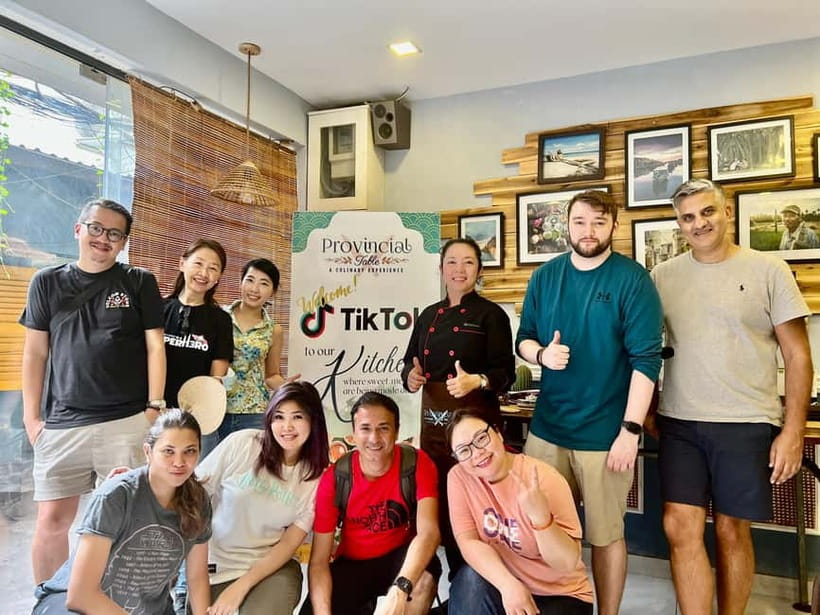
This is a Saigon (Ho Chi Minh City) experience built around one simple idea: see it, then cook it. You begin at Cua Tay (West Gate, Gate 5) of Ben Thanh Market, meet your guide, and get routed to the kitchen after the wet market walk.
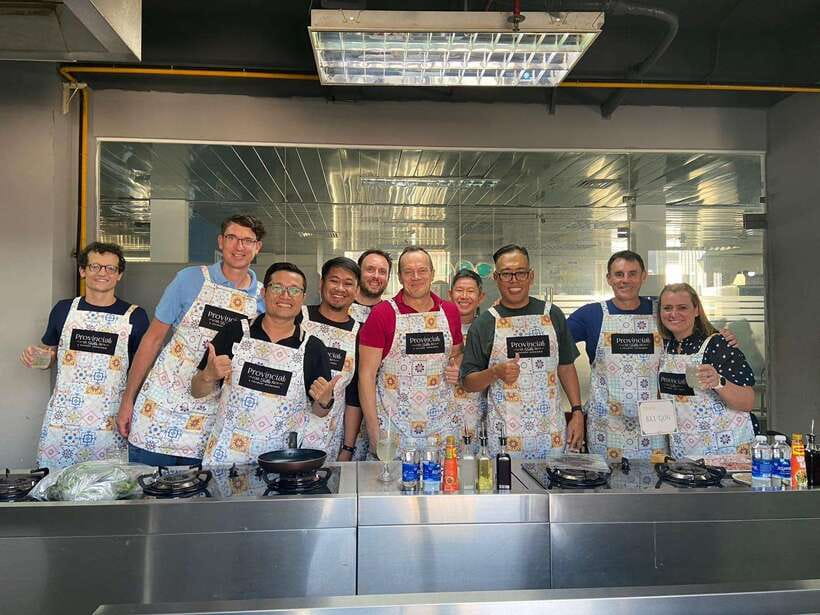
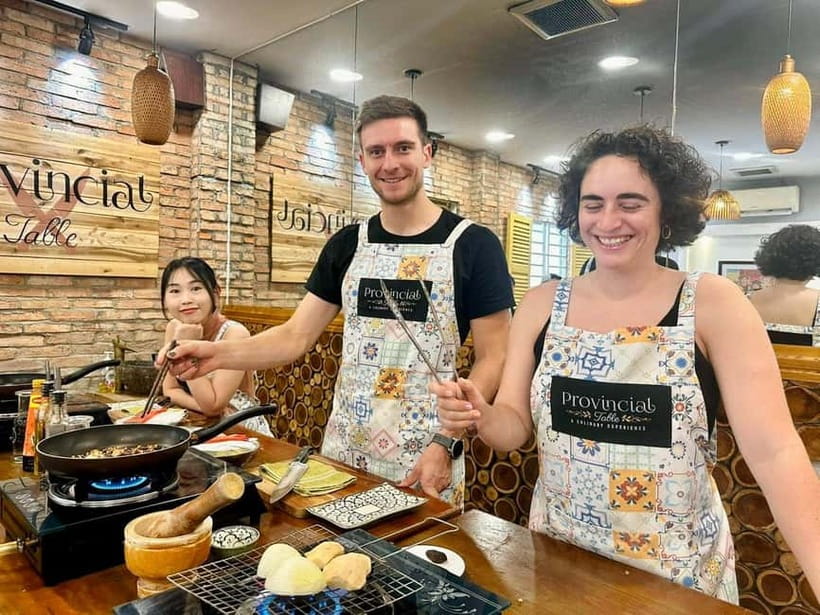
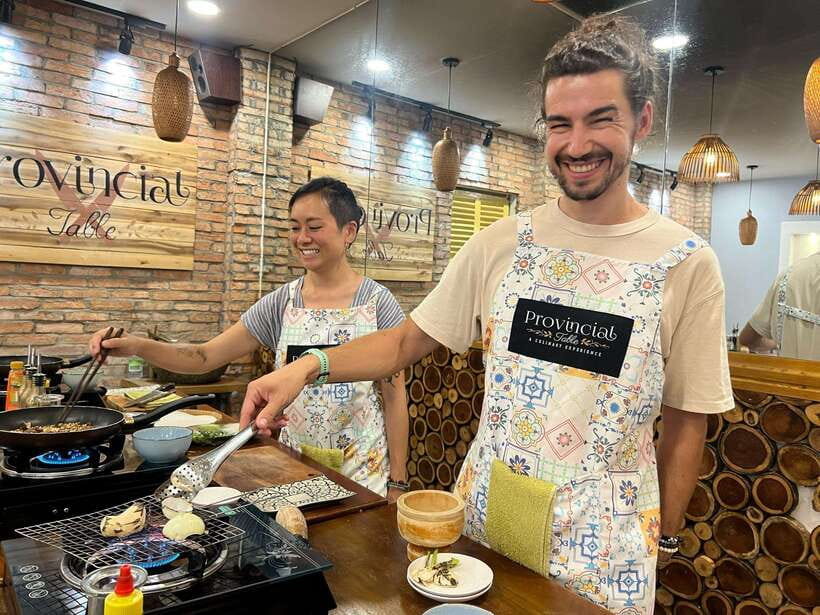
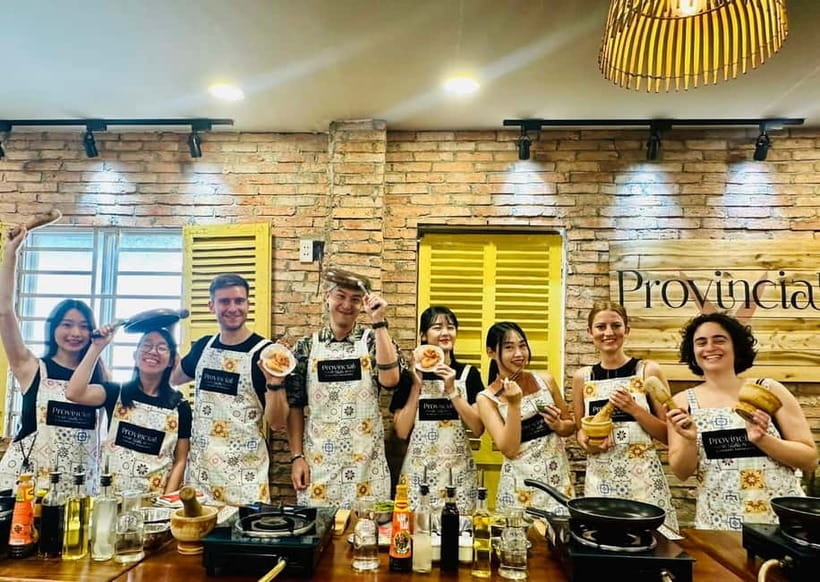
The cooking part is set up for participation. Each person gets a private cook station with the necessary ingredients in place, so you’re not waiting in line or hovering over someone else’s pan. The kitchen is described as clean and modern, and it’s also a nice break when the weather outside is hot.
Also note how the tour flows. You don’t return to a random starting spot later. The activity ends back at the meeting point area, so you can plan the rest of your day without a weird drop-off.
If you’re trying to fit Vietnam into a single afternoon, this is a good shape: market walk first, kitchen second, then you sit down and eat what you made.
You can also read our reviews of more shopping tours in Ho Chi Minh City


Cho Ben Thanh wet market walk: how you’ll learn to shop by instinct
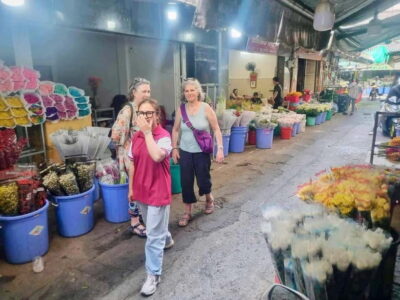
The market stop is where this class gains real value. The guide walks you through Cho Ben Thanh and explains how people buy meats and vegetables daily, not just how the market looks.
I like that this isn’t only sightseeing. You get practical context: what to look for, how ingredients are commonly sourced, and how different items fit into Vietnamese cooking. It helps you stop treating Vietnamese dishes as a mystery box and start thinking like a home cook.
You’ll also get a taste of the market culture itself. Some sessions include fruit samples as part of the walk, which is a quick way to understand why certain flavors matter in Vietnamese menus. On warm days, plan for real market time and real market heat, especially if you’re sensitive to humidity.
One practical consideration: your class ingredients are generally organized for cooking. A couple of people said they would have liked the chance to buy at least some ingredients during the walk for later, so if home shopping is your goal, come ready to supplement with a separate market trip after.
Chef-led Vietnamese cooking class: hands-on, station-by-station instruction
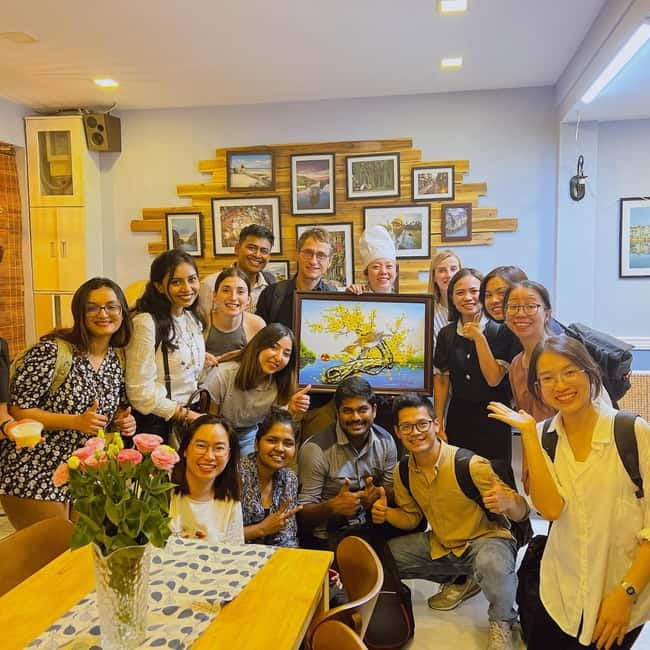
After the market orientation, the chef-led class takes over. You’ll cook a menu that’s described as 3 courses plus dessert, and the staff guides you through techniques behind classic Vietnamese dishes.
The best part here is the format. With your own station, you can actually do the work: chop, assemble, manage heat, and plate. This style works well even if you’re not a confident cook, because the instruction is tied to what’s in front of you.
Depending on the day, the menu can include dishes people specifically named from past classes, such as:
- Pho ga (chicken noodle soup)
- Bun cha
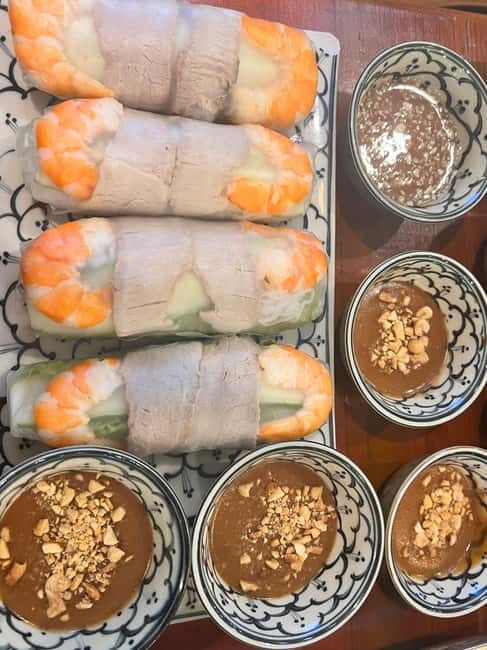
- Spring rolls
- Mango salad
- Banh xeo
- Beef dishes like “dancing with fire” style plates
Those examples matter because they show what kind of cooking you’re learning. Vietnamese cuisine isn’t just one technique. You’ll likely handle fresh herbs and crunch, soup-building, and some frying or quick sizzling steps.
Chefs and hosts in past sessions have been described as patient and funny, with detailed explanations and a clear teaching pace. Names that have shown up in real experiences include Chef Bi, Chef Khoa, Chef Titus, Chef Anh, Chef Dung, and hosts like Sarah and Ann (sometimes with assistants such as Alice). You can’t count on the same lineup, but the pattern is consistent: people feel guided, not rushed.
You can also expect a structured, organized kitchen environment. Multiple participants praised how ingredients were neatly prepared in advance and how instructions were precise, which is exactly what you want when you’re learning something new.
The meal you eat: dinner that’s built, not bought
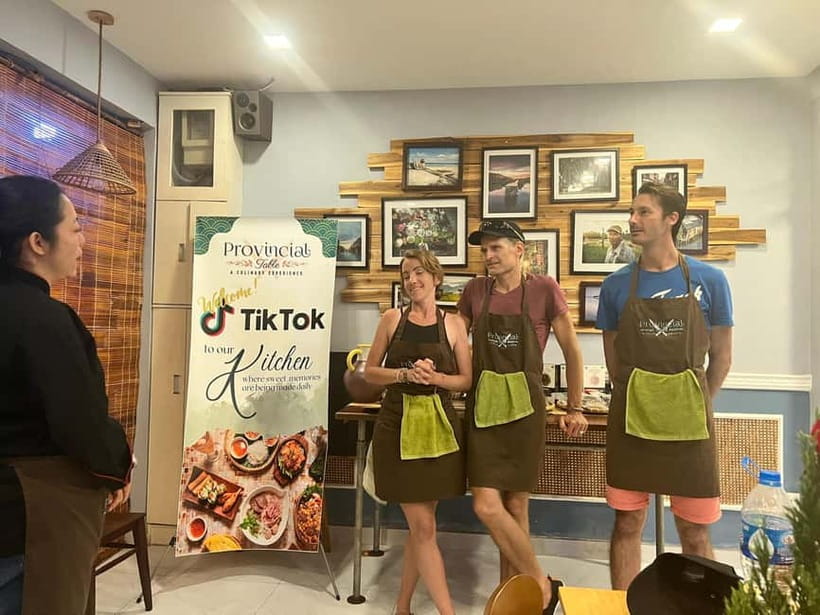
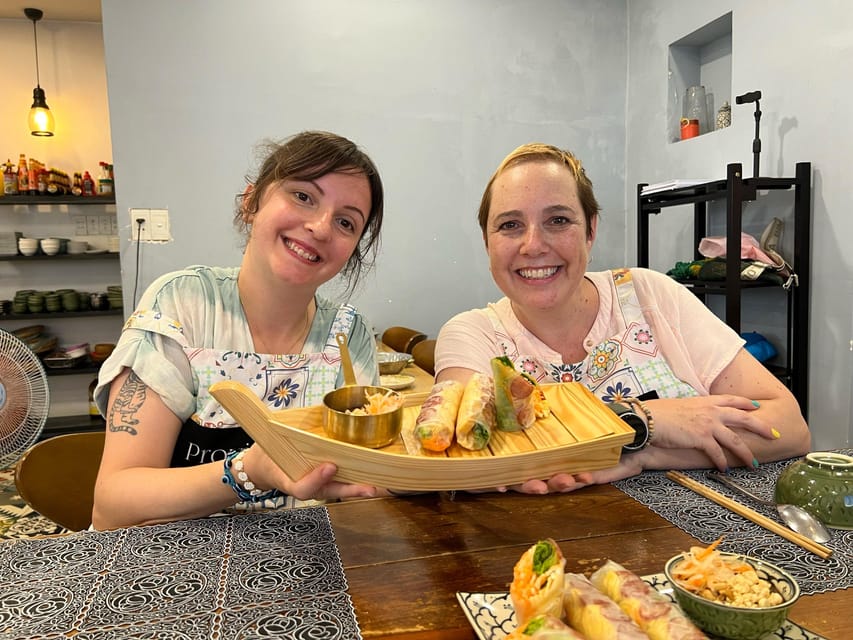
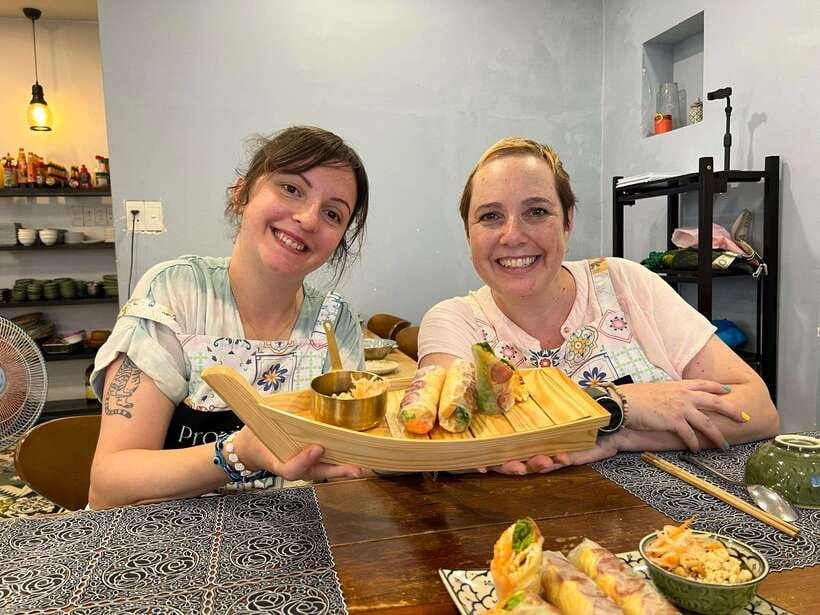
This tour is built around a convivial sit-down meal of what you make. You’re not just tasting a sample and leaving. You cook your dishes, then you share the meal together once the hard work is done.
Food amounts get called out as plentiful. A few people even mentioned taking food home in a container, which is a nice bonus when portions are generous. Just keep in mind you should come hungry, because you’ll start eating right after you finish cooking.
Beverages are also part of the included value. The experience includes alcoholic beverages and a complementary cocktail. Some people specifically noted a rice wine cocktail on arrival. Beer, soda like coke, and wine were listed as not included, so if you’re counting on a particular drink, plan to order separately if needed.
If you’re used to cooking classes that are more like demonstrations, this one feels closer to a real meal. You get the satisfaction of making something you actually recognize from Vietnamese menus you see in restaurants.
The cookbook: the souvenir that actually helps
You leave with an elegant Vietnamese cookbook with 25+ recipes. People highlighted it as a standout item to bring home, which tells you something important: this class is designed to be repeatable.
Some reports mention a thicker recipe book edition, including around 37 dishes. The key point for you is not the exact count. It’s that the recipes are described as detailed enough to recreate at home, with clear instructions and photo support.
There’s one small warning worth hearing: a person noted that the cookbook didn’t fully match every prepared dish from their specific class. That doesn’t mean the book is bad. It just means your final homework might include recipes from the broader Vietnamese catalog, even if your exact menu differs slightly.
Still, as a practical souvenir, this is what you want. A cookbook lets you turn one afternoon into a habit, and it helps you remember what you did when the spice mix smells faintly familiar a week later.
You can also read our reviews of more tours and experiences in Ho Chi Minh City




Vegetarian options: how flexible is the menu?
Vegetarian options are available if you request them. That’s a big deal in Vietnam, where fish sauce and some meat-based elements can show up in unexpected places.
From the experiences shared, the kitchen tries to adjust rather than forcing a one-size-fits-all substitution. One participant specifically said the team did their best to accommodate a vegetarian plan.
What you should do is simple: request vegetarian options in advance so the kitchen has time to plan the ingredient swaps. If you’re also avoiding eggs or dairy, that detail should ideally be communicated clearly when you book, since the tour data only states vegetarian options on request.
If you love cooking for friends, this is also a strong class. Learning Vietnamese techniques while staying vegetarian-friendly means you can reproduce the dishes for real dinners later, not only for yourself on vacation.
Price and value: is $33 actually fair?
At $33 per person, this is priced like a value-forward activity, and the inclusions explain why. You’re getting:
- a guided wet market walk
- transportation from the market portion to the kitchen
- a chef-led cooking class at a private station
- a full dinner using what you cook
- a complimentary cocktail plus alcoholic beverages
- gratuity included
- an elegant Vietnamese cookbook with 25+ recipes
Cooking classes can be expensive when they’re mostly lecture and tasting. This one is built around actual station work and a sit-down meal. That pushes the value higher for you because the cost isn’t just paying for instruction. You’re paying for ingredients, kitchen staffing, and meal service.
One more value check: the guide and assistants are repeatedly praised for being organized and friendly. When a kitchen is well run, beginners learn faster, and you spend less time stuck wondering what you’re supposed to do.
So is it a bargain? For many people, yes. It’s the kind of afternoon where you leave fed, informed, and with something usable to take home.
Who should book this class in Saigon
This is a great fit if you want Vietnamese food with context, not just flavors. The market walk helps you understand ingredients. The cooking class helps you understand technique. Then you eat your results.
It’s also a strong choice for:
- first-time visitors who want one high-impact culinary experience
- couples who like structured activities with good atmosphere
- solo travelers who don’t want to do a “tour only” activity with no hands-on component
- people who enjoy cooking but want a guided path through unfamiliar steps
It’s not suitable for children under 7, based on the tour info. If you’re traveling with kids older than that, it could still work well since the class is interactive and hands-on, but you’ll want to consider heat exposure during the market walk.
Quick practical tips before you go
A few small tweaks will make the day smoother.
- Go hungry. You’ll cook and then eat, and portions are commonly described as plentiful.
- Wear comfortable shoes. The market section involves walking and standing.
- Plan for heat during the market portion, especially if you’re there midday. One tip from real experiences: expect about 45 minutes at the market on some schedules.
- Keep your expectations on ingredient shopping realistic. The class is organized for cooking, so you may not be building a full shopping list for later meals.
- If you’re picky about drinks, remember that beer/coke/wine are listed as not included even though alcoholic beverages and a cocktail are included.
Should you book this Vietnamese market-and-cooking class?
If you want a practical Vietnam souvenir, book it. This is not only about eating. It’s about learning how ingredients connect to dishes and getting recipes you can use at home.
I’d book it if you match two goals: you want a guided market feel in Ben Thanh and you want real hands-on cooking at a private station. The value at $33 is strong, especially because dinner and the cookbook are part of the package.
I’d think twice if your main goal is ingredient shopping to cook on your own later. The market walk helps you understand and choose ingredients, but the class setup is aimed at cooking during the session, not stocking your suitcase like a grocery run.
If you want one afternoon that mixes culture, technique, and a meal you made yourself, this is a solid pick.
FAQ
Where do I meet for the tour?
You meet at Cua Tay (West Gate, Gate 5) of Ben Thanh Market. The wet market portion starts promptly from there.
Is transportation provided to the cooking kitchen?
Yes. Transportation is provided from the wet market tour to the cooking facilities.
Do I end back at the original meeting point?
Yes. The activity ends back at the meeting point area.
What exactly do I cook and eat?
You’ll take part in a chef-led class to prepare a Vietnamese menu described as 3 courses plus dessert, then enjoy a sit-down dinner of your creations.
Are vegetarian options available?
Yes. Vegetarian options are available upon request.
What languages are used during the experience?
The experience runs in Vietnamese and English.
Is this class suitable for kids?
It is not suitable for children under 7.
Is the price $33 per person and what is included?
The experience is listed at $33 per person and includes dinner, a complementary cocktail, alcoholic beverages, gratuity, transportation from the market to the kitchen, private cook stations, and an elegant Vietnamese cookbook with 25+ recipes. Beer, coke, and wine are listed as not included.
How long should I plan for the market part?
Plan on about 45 minutes at the market, especially on hotter days.