REVIEW · HO CHI MINH CITY
Australian Base, Long Tan & Nui Dat Tour with Vung Tau Beach
Book on Viator →Operated by Hana Tourist Vietnam · Bookable on Viator
Few places hit like Long Tan.
This day tour strings together Nui Dat Task Force Base and the Long Tan Cross Memorial, then adds the Long Phuoc Tunnels and a military museum—plus time near Vung Tau Beach. The whole thing runs in an air-conditioned vehicle with an English-speaking guide, so you’re not stuck trying to translate while history hangs in the air.
I also like how the tour builds in practical comfort: lunch and bottled water are included, and the schedule is paced enough that you’re not going from one intense site to the next without a breather. You’ll even have flowers and incense available at the memorial, which matters if you want a respectful moment instead of just snapping photos.
One thing to consider: this is a long day (about 9 to 10 hours) with a lot of driving, so if you prefer slow travel or lots of free time at each stop, you might feel the time pressure. Also, one key viewpoint—the Horseshoe Location—is only seen from a distance due to restricted access.
In This Review
- Key Things to Know Before You Go
- Long Tan and Nui Dat, with a calm beach finish
- Morning pickup and the drive to Ba Ria–Vung Tau Province
- Nui Dat Task Force Base and the Long Tan Cross Memorial moment
- Horseshoe access limits: what you’ll actually see
- Long Phuoc Tunnels: wartime strategy you can’t unsee
- Robert Taylor Museum of Worldwide Arms: the artifacts side
- Lunch in Vung Tau Beach area: a real reset
- Price and value: what $155 buys you
- The guide factor: Dingo Chien’s style
- What to expect from the pacing (and where it can feel tight)
- Who this tour is perfect for
- Should you book this Australian Base, Long Tan & Nui Dat Tour with Vung Tau Beach?
- FAQ
- How long is the Australian Base, Long Tan & Nui Dat Tour with Vung Tau Beach?
- What time does the tour start?
- How much does the tour cost?
- Is hotel pickup included?
- What’s included with the tour?
- Are entrance fees and travel permits included?
- What stops will I visit during the day?
- Is this a small-group tour?
- Can I cancel for a full refund?
Key Things to Know Before You Go
- Small group size (max 10) helps the guide keep control of the day and answer questions without chaos.
- English-speaking guidance connects the dots across Nui Dat, the memorial sites, and the museum.
- Memorial-ready inclusions like flowers and incense sticks give you an easy way to pay respects.
- Long Phuoc Tunnels plus Robert Taylor Museum covers both the battlefield context and the material side of the war.
- Lunch in Vung Tau Beach area gives you a chance to switch gears—just enough beach time to reset.
Long Tan and Nui Dat, with a calm beach finish
There’s a special kind of gravity to Australia’s Vietnam War story—especially when the route takes you to the places people still come to remember. This tour is built for that: you’re taken from the former Nui Dat Task Force Base area to the Long Tan Cross Memorial, then you move into the tunnel and museum stops that explain how the war played out on the ground.
What I like most is the way the day balances commemoration with context. You’re not only looking at monuments; you’re also seeing artifacts and learning about wartime strategies, so the memorial stops don’t feel disconnected from the broader story.
And yes, there’s a breather. After the morning’s heavy themes, you get lunch near Vung Tau Beach—a welcome shift in pace that makes the full day feel more manageable.
You can also read our reviews of more tours and experiences in Ho Chi Minh City.

Morning pickup and the drive to Ba Ria–Vung Tau Province
The tour starts with pickup around 8:00–8:30 AM from your hotel in Ho Chi Minh City, then heads out toward Ba Ria–Vung Tau Province. The departure time matters because the day includes both sensitive remembrance sites and active educational stops later on. Starting early keeps you from rushing through the most meaningful parts.
You’ll ride in an air-conditioned private car or mini van, which is a big deal for this kind of long day. Vietnam traffic can be unpredictable, and having AC plus a planned route helps you stay focused rather than worn out before you even arrive.
Your guide will be with you throughout, so you’re not bouncing between different groups or interpretation styles. That consistency helps you understand what you’re seeing: from the base area, to the memorial layout, to the way the day transitions into tunnels and the museum.
Nui Dat Task Force Base and the Long Tan Cross Memorial moment
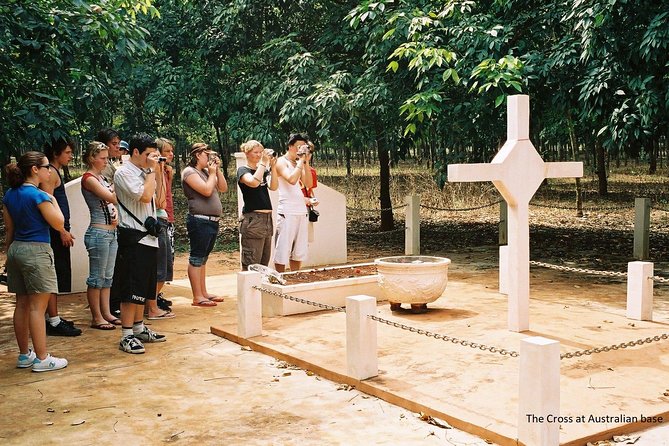
The morning stop begins at the former Nui Dat Task Force Base site area. This is where the tour sets the tone. You’ll learn about the Australian military presence in the region, and it helps to have an English-speaking guide because so much of what you’re looking at is tied to names, roles, and battlefield geography.
From there, you’ll stop by the Horseshoe Location. The catch: it’s viewed from a distance because access is restricted. That’s not ideal if you love close-up photos, but it’s also the kind of limitation you’d expect at a site where safety or protection rules apply. If you’re okay trading a tighter view for respectful, permitted access, this part still works.
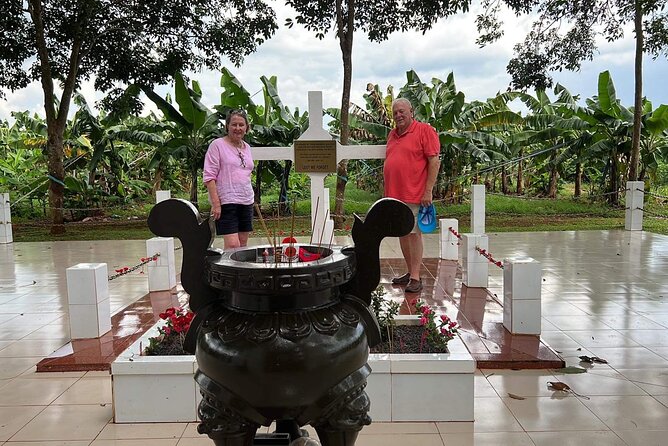
Next comes the Long Tan Cross Memorial—one of the most important stops on the route. Flowers and incense sticks are provided if you want to pay respects. I like that the tour gives you the option to do this in a low-friction way. You don’t need to bring offerings or figure out what the right ritual is; you can simply decide how you want to show up.
This is also where having a guide matters most. When your guide ties the memorial to what happened during the Battle of Long Tan, the cross stops being just a landmark. It becomes part of a story with clearer meaning.
Horseshoe access limits: what you’ll actually see
The Horseshoe Location is one of those spots where expectations can trip you up. Since you view it from a distance due to restricted access, you shouldn’t plan on walking around, zooming in from every angle, or lingering like a museum courtyard.
Instead, treat it as a viewpoint for orientation—an in-between step that helps you connect the base area to the memorial site and the battlefield context the guide is explaining. If your main goal is close-up photography, you might feel slightly short-changed. If your goal is understanding and respect, it fits the day well.
Pro tip: wear comfortable shoes anyway. Even if you’re not doing long walks, these sites can involve uneven ground and short transfers.
Long Phuoc Tunnels: wartime strategy you can’t unsee
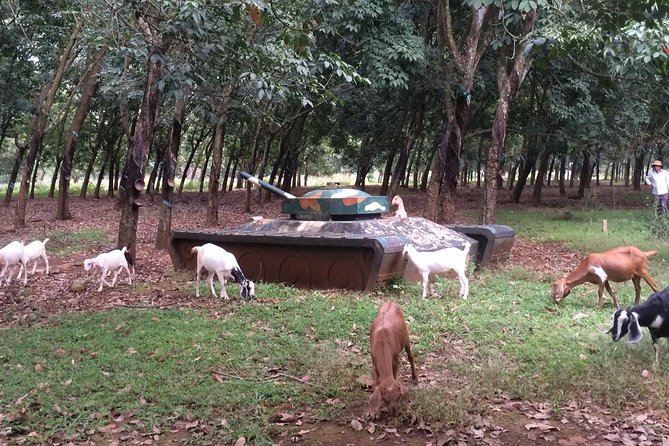
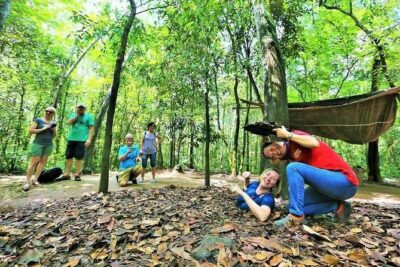
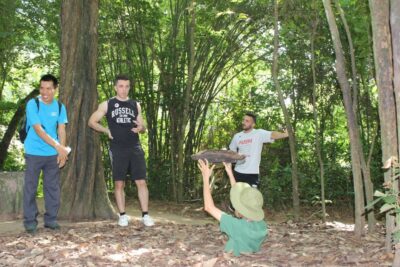
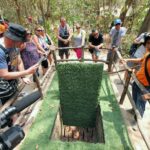
After lunch, the tour shifts to Long Phuoc Tunnels. This stop is designed to show how the Viet Cong used the terrain and movement tactics during the war. Instead of just hearing about the past, you’re seeing the kind of infrastructure that supported survival and strategy.
Tunnels are hard to explain in a way that stays real—because even small details can change how you understand risk and logistics. The guide’s job here is crucial: they help translate what you’re seeing into something meaningful, rather than just a static attraction.
If you’re sensitive to confined spaces or feel uneasy in dark enclosed areas, consider how you personally handle tunnels. The tour data doesn’t specify your level of exposure, so it’s smart to ask your guide how the tunnel visit is handled on the day you go. You’ll get a clearer sense fast.



Robert Taylor Museum of Worldwide Arms: the artifacts side
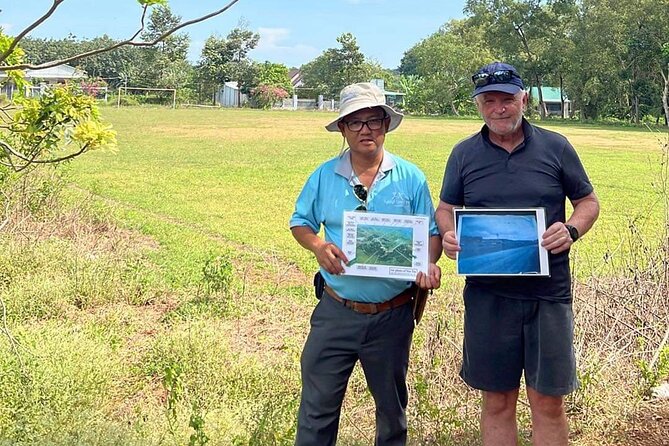
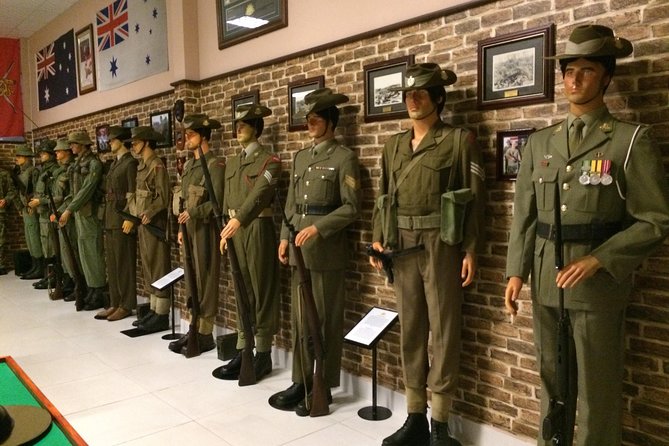
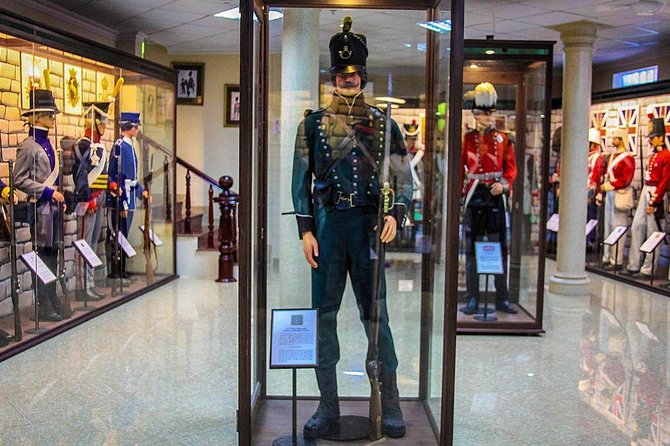
Next up is the Robert Taylor Museum of Worldwide Arms, which focuses on military uniforms and weapons. This is where the day becomes more tangible. Memorials tell you what people wanted to remember. Museums help you understand what was involved—equipment, gear, and the physical reality of the conflict.
I appreciate that this museum stop doesn’t try to replace the battlefield sites. It complements them. After seeing the memorial and learning about wartime conditions, you’re better prepared to make sense of the uniforms and weapons on display.
Because the collection is broad, you don’t need to read every label to benefit. Use the museum like a framework: follow what your guide points out, then spend a few minutes scanning related pieces to connect the dots.
Lunch in Vung Tau Beach area: a real reset
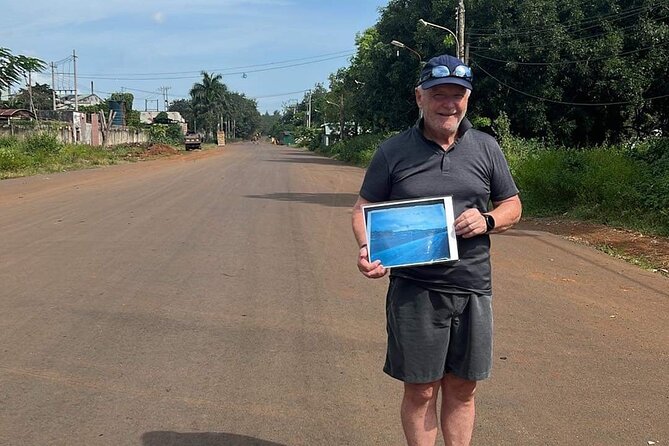
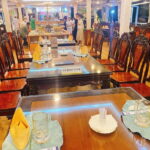
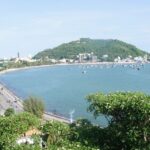
Sometime in the afternoon, you’ll have a Vietnamese lunch at a local restaurant near Vung Tau Beach, followed by time to relax. This break isn’t just about food. It helps your brain reset from remembrance and military sites, which is important on a full-day itinerary.
Lunch is included, along with bottled water (and tissue). That sounds basic, but in practice it saves you from paying extra during a day when you already have an organized schedule and admission fees handled.
If you get a small window near the beach, take it. Even a short walk and a little air can make the rest of the museum and return drive feel less draining.
Price and value: what $155 buys you
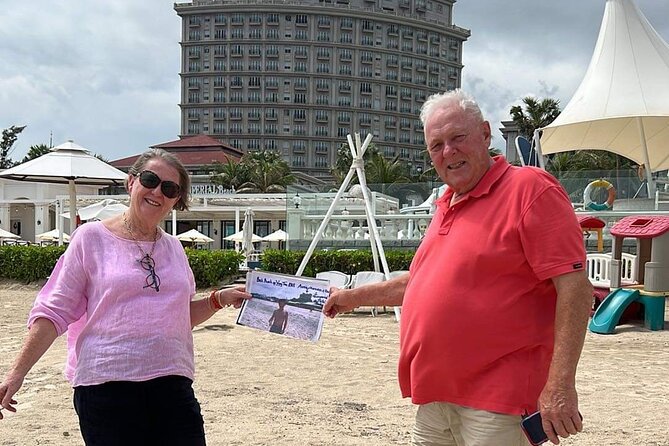
At $155 per person, this tour sits in the mid-range for a full day involving multiple admissions and cross-region driving. Here’s what you’re really paying for:
- Transport with air-conditioning in a private car or mini van
- English-speaking guide for the whole route
- Lunch plus bottled water
- Entry fees and travel permits included for the Long Tan area
- Memorial items like incense sticks and flowers provided
That last point matters more than it sounds. When tours include permits and entry fees up front, you’re not hit with surprise costs mid-day. And memorial items reduce friction if you want to participate respectfully.
Also, this tour caps at 10 travelers, which can keep the day from turning into a rushed assembly line. Fewer people often means better pacing and more room for questions—exactly what you want when the subject matter is sensitive.
One more value angle: the tour is designed with Australian veterans in mind, but it’s clearly open to all. That intent shows up in the way the day is structured—remembrance first, then context.
The guide factor: Dingo Chien’s style
One standout detail from the experience is the guide’s approach. In particular, Dingo Chien is noted for local knowledge and for sharing stories tied to Australia and New Zealand’s time spent in Vietnam. That storytelling style matters because it turns the route from a checklist into a connected narrative.
You’ll get more out of the day if you lean into the guide’s explanations, especially during the memorial and tunnel segments where geography and strategy are key.
What to expect from the pacing (and where it can feel tight)
This is a 9 to 10 hour day, with pickup in the morning and return to Ho Chi Minh City around 5:00 PM. The schedule is structured, not free-form.
That’s good if you want everything handled. It can feel tight if you like long stops, extra time to wander at your own pace, or extended photo sessions. You’ll do what the itinerary allows—especially at restricted access points like the Horseshoe Location.
If you’re planning your Ho Chi Minh City days around this, keep your arrival and departure plans simple. Don’t stack another big activity the night before, and consider a low-key dinner after you return.
Who this tour is perfect for
This tour fits you best if:
- You want a guided, structured day through key Vietnam War remembrance and education sites
- You prefer English interpretation rather than trying to piece together meaning on your own
- You’d like a small group experience rather than a large bus crowd
- You want the day to include both history and a bit of Vung Tau relaxation
It may not be the best match if you only want beach time, or if you get overwhelmed by long, emotionally serious site visits with limited independent wandering.
Should you book this Australian Base, Long Tan & Nui Dat Tour with Vung Tau Beach?
Yes—if you’re drawn to the Long Tan story and you want a day that stays organized, comfortable, and respectful. The combination of Nui Dat Task Force Base, Long Tan Cross Memorial, Long Phuoc Tunnels, and the Robert Taylor Museum gives you a full picture in one shot, and the included lunch plus bottled water helps you keep your energy.
Before you book, be honest with yourself about two things: the day is long, and you won’t have unlimited time at each stop. If you can handle that trade, you’ll likely feel like the itinerary is doing real work for you—turning a set of important sites into something you understand, not just something you pass through.
FAQ
How long is the Australian Base, Long Tan & Nui Dat Tour with Vung Tau Beach?
It runs about 9 to 10 hours.
What time does the tour start?
Pickup is typically between 8:00 and 8:30 AM, and the activity start time is listed as 8:30 AM.
How much does the tour cost?
The price is $155.00 per person.
Is hotel pickup included?
Yes, pickup is offered from your hotel in Ho Chi Minh City.
What’s included with the tour?
Included items are an air-conditioned private car or mini van, an English-speaking guide, lunch at a local Vietnamese restaurant, drinking water, tissue, entrance fees and permits in Long Tan, and memorial supplies like Rosie and incense sticks.
Are entrance fees and travel permits included?
Yes, entrance fees and travel permits in the Long Tan area are included.
What stops will I visit during the day?
You’ll visit the Nui Dat Task Force Base area, the Horseshoe Location (from a distance due to restricted access), the Long Tan Cross Memorial, the Long Phuoc Tunnels, the Robert Taylor Museum of Worldwide Arms, and you’ll have lunch near Vung Tau Beach.
Is this a small-group tour?
Yes. The maximum group size is 10 travelers.
Can I cancel for a full refund?
Free cancellation is available if you cancel at least 24 hours before the experience start time.