REVIEW · HO CHI MINH CITY
Ho Chi Minh City Private Tour: Half Day, Full Day, Cu Chi Tunnel
Book on Viator →Operated by Saigon Foody Tour · Bookable on Viator
Saigon history moves fast. This private half- or full-day tour strings together big-name landmarks and quieter cultural stops, guided in English with an air-conditioned ride between them. You’ll see French-colonial architecture, a major reunion-era site, wartime evidence in a museum, and faith-and-craft stops that feel far more lived-in than the usual city checklist.
Two things I really like are how the day balances heavy and light stops, and how the pacing lets you actually look instead of just posing. The War Remnants Museum and Jade Emperor Pagoda bring strong atmosphere, while the lacquerware factory gives you something practical to watch: how artisans make and assemble traditional goods. A possible drawback: the schedule is packed, and some sights are brief (like the Notre Dame and Central Post Office photo-and-walk moments), so it’s best if you’re okay with a high-coverage day.
If you want a slow, sit-down style of sightseeing only, this might feel rushed. Also, war-related content is part of the experience, so you’ll want to decide how much intensity you’re comfortable with for a 10-hour day.
In This Review
- Key highlights you’ll feel right away
- Why this Saigon day tour works: District 1 icons plus Cholon reality
- Independence Palace: the reunion-era site you’ll remember
- Saigon Central Post Office + Notre Dame Cathedral: quick photo moments, big atmosphere
- Jade Emperor Pagoda: seeing belief in everyday worship
- PHUONGNAM Lacquerware factory: craft you can actually picture
- War Remnants Museum: Vietnam’s official memory, established in 1975
- Ba Thien Hau Temple + Binh Tay Market in Cholon: a more local Saigon stop
- Secret Weapon Cellar of the Saigon Rangers: a short stop with a strong punch
- Tour pacing and comfort: how the 10 hours actually feel
- Price and value: getting $33.54 per person to work for you
- Who this tour fits best (and who should consider another option)
- Should you book this Ho Chi Minh City private tour?
- FAQ
- FAQ
- How long is the tour?
- Is pickup included?
- Are entrance fees included?
- What kind of guide will I have?
- Is this a private tour?
- Does the tour include transportation?
- Do I need to tip the guide or driver?
- What’s the cancellation policy?
- Is a mobile ticket included?
Key highlights you’ll feel right away
- Independence Palace (40 minutes): a major South Vietnam power hub tied to dramatic turning points
- Saigon Central Post Office + Notre Dame (brief but close): colonial-era icons with included entry
- Jade Emperor Pagoda (30 minutes): you’ll see how local worship shows up in daily belief
- War Remnants Museum (50 minutes): a focused look at the impact of war, established in 1975
- Cholon detour (Temple + market): Ba Thien Hau Temple and Binh Tay Market give a more local texture
- Secret Weapon Cellar (20 minutes): a short stop in District 3 with big Vietnam War context
Why this Saigon day tour works: District 1 icons plus Cholon reality
This isn’t just a “most famous spots” route. It’s a smart mix of the political and architectural center of Ho Chi Minh City plus Cholon, the city’s Chinese-influenced neighborhood, where daily life feels more raw and less staged. You also get a private setup, so the guide can steer the day around your interests and questions instead of keeping everyone in lockstep.
The route is designed to be readable in one go. You start with big landmarks that help you place Saigon historically, then you move into faith, craft, and wartime memory. If you like understanding how a city makes sense of its past while still moving forward, this format is a strong match.
You can also read our reviews of more city tours in Ho Chi Minh City


Independence Palace: the reunion-era site you’ll remember
Your day begins at Independence Palace, where, during the past war, it functioned as South Vietnamese President Nguyen Van Thieu’s residence and office. That detail matters, because it shifts the building from “old attraction” into something like a real command center.
You’ll get about 40 minutes here, plus an included admission ticket. For most people, the best use of that time is to walk slowly through the spaces and look for how the layout supported decision-making. If you’re the type who likes to connect architecture with power, you’ll likely find this stop one of the most meaningful anchors of the whole tour.
One consideration: this is one of the heavier historical settings on the list. If you prefer upbeat first impressions in Vietnam, plan to mentally ease in on the palace before you move to temples and markets.
Saigon Central Post Office + Notre Dame Cathedral: quick photo moments, big atmosphere
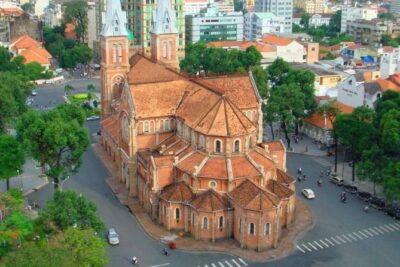
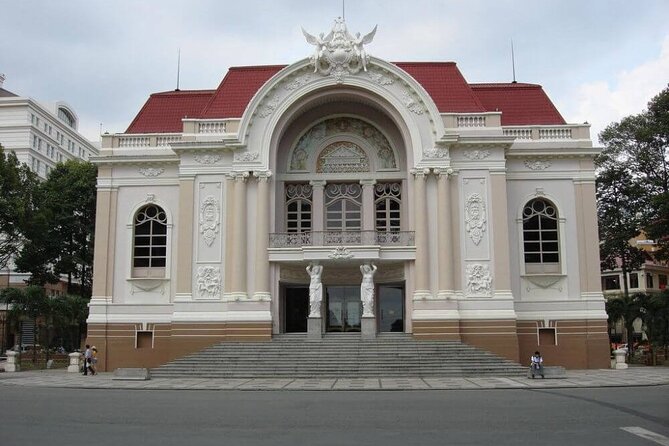
Next you’ll hit the Saigon Central Post Office, built during the French colonial period. The tour gives you roughly 15 minutes, enough for a good look and photos, without turning it into a long detour. There’s something satisfying about pairing this with the next stop: Notre Dame Cathedral of Saigon.
You’ll spend only about 5 minutes at Notre Dame as a photo stop, but it’s positioned right in the middle of the city action. The cathedral is often described as a standout, including the claim that it’s the only Southeast Asian representative on a list of the world’s most majestic cathedrals. Even if you don’t chase lists, the key is that you see the building in context: the city around it, not just the structure by itself.
Practical tip: with short stops like these, you’ll get more out of your photos if you’re ready to choose angles quickly. Don’t wait for the perfect moment; aim for clear framing and move on.
Jade Emperor Pagoda: seeing belief in everyday worship
Then you shift from colonial streets to a place of active devotion. Jade Emperor Pagoda (Chùa Ngọc Hoàng) was built from 1892 to 1900 by Lưu Minh, who came from China to live and do business in Vietnam. The guide’s explanation (in English) helps you understand why the temple’s atmosphere feels different from a museum stop.
You’ll have about 30 minutes here, with admission included. This time is usually what you make of it: watch how people worship, notice what locals focus on, and take in the blend of beliefs linked to Buddhism and Taoism mentioned in the tour background. If you’re used to temples that feel silent or purely ceremonial, you may be surprised by how grounded this one feels.
Possible drawback: temples can mean rules about behavior and respect. You’ll get more comfortable if you dress modestly and treat it like a living place, not a theme park.
PHUONGNAM Lacquerware factory: craft you can actually picture
After the more spiritual stops, you’ll go to the PHUONGNAM Lacquerware lacquer factory. This is about hands-on understanding, even if you’re not physically making anything. The tour framing is practical: lacquerware as decoration has roots traced to China during the first century CE, and the tour background notes that the lacquer itself is resin from a tree mixed with colored pigments.
You’ll get roughly 30 minutes. The value here isn’t just watching processes, but understanding why the craft looks the way it does. When you know the resin/pigment idea, you start noticing details you would otherwise overlook in a finished product, like color consistency and the visual depth lacquer can create.
If you’re not interested in buying souvenirs, you can still enjoy this as a cultural workshop stop. Just keep your spending plan in mind, since factory visits can naturally lead to browsing and sales conversations.
You can also read our reviews of more private tours in Ho Chi Minh City



War Remnants Museum: Vietnam’s official memory, established in 1975
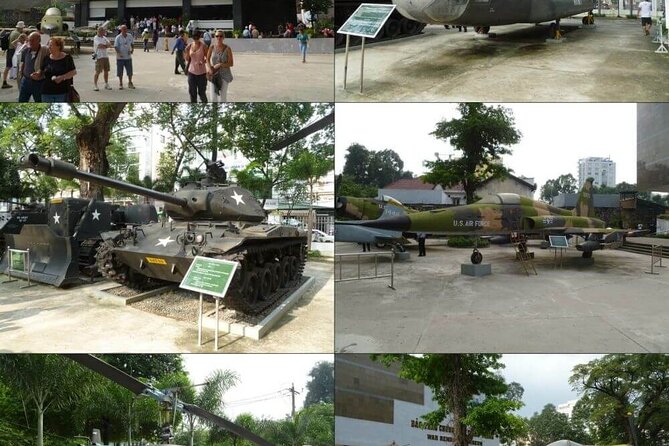
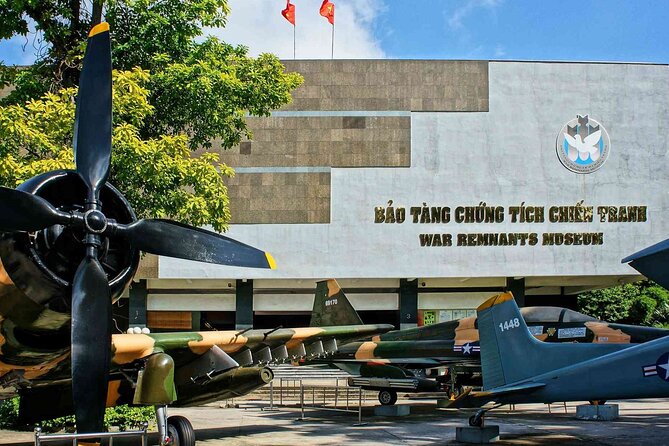
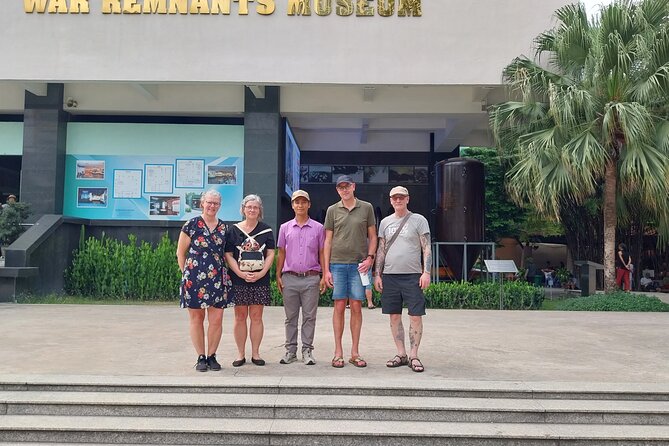
War Remnants Museum is the emotional heart of the day. It’s described as established in 1975, and the tour explains that it shows the impact of war through a range of materials. You’ll spend about 50 minutes here, which is long enough to absorb key themes without feeling trapped.
One detail that makes this museum visit especially informative is the mention of images and collections dedicated to deceased American and Vietnamese photographers and journalists from the French and American conflicts. That gives the museum a layered angle: it isn’t only about military history, it’s also about who documented it and at what human cost.
This is also where I’d set expectations for yourself. If you’re sensitive to graphic or heavy war content, give yourself permission to skim certain sections. The included time lets you choose pace without derailing the whole itinerary.
Ba Thien Hau Temple + Binh Tay Market in Cholon: a more local Saigon stop
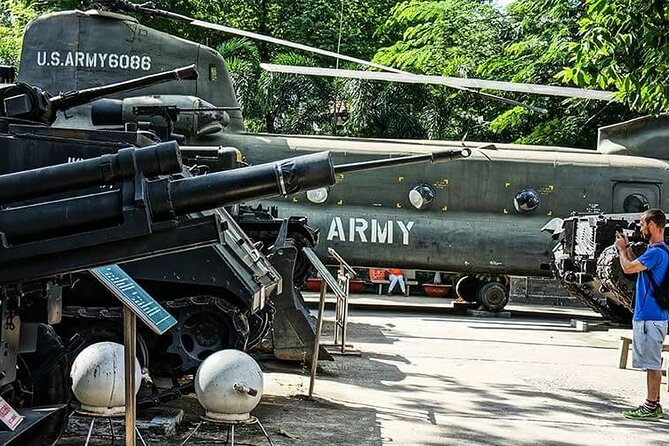
After the museum, the day changes tone. You’ll head into Cholon for Ba Thien Hau Temple (also spelled Thien Hau Pagoda). The tour background describes it as one of the oldest Chinese temples in Ho Chi Minh City, built around 1760 by the Cantonese congregation. That age is the point: you’re not only seeing a pretty building, you’re seeing a long-established religious center in a neighborhood that still carries those roots.
You’ll get around 30 minutes here. The best way to use the time is to treat it as a living place: watch worship activities, look at details, and let the temple be its own kind of history lesson, not just a photo backdrop.
Then comes Binh Tay Market, described as the largest wholesale trading center in Ho Chi Minh City. The big difference from the tourist-famous versions is the feel: more workaday, more trade-focused, and less polished for visitors. Your time here is about 30 minutes, which is ideal for wandering without burning your whole day.
One consideration: markets bring crowds, noise, and constant movement. If that’s not your thing, you might enjoy Binh Tay more if you focus on one “loop” route, then stop and regroup rather than trying to see everything.
Secret Weapon Cellar of the Saigon Rangers: a short stop with a strong punch
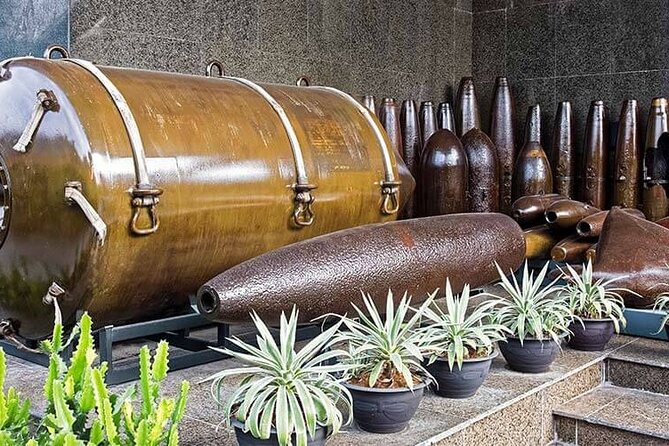
In District 3, you’ll visit the Hầm Vũ Khí Bí Mật Secret Weapon Cellar, described as tucked away in a narrow alley. From the outside, it’s said to look ordinary, but the stop aims to reveal a hidden layer of the Vietnam War.
You’ll have about 20 minutes here with admission included. Because the time is short, it works best if you keep your attention on what the site is trying to explain rather than expecting a full documentary experience. Think of it as a focused reminder that the war left traces in places ordinary enough to miss.
If you’re already feeling overloaded by wartime information, this is still manageable as a “quick meaning stop.” If you want more, you may want to follow up elsewhere later in the city.
Tour pacing and comfort: how the 10 hours actually feel
This tour is about 10 hours (approx.), but the feel depends on how quickly you move through each stop. The “private” part matters here because you can usually ask questions and adjust how long you look at details, especially at the sites with museums or worship spaces.
Transport is built in: you’ll ride in an air-conditioned vehicle between stops. Pickup and drop-off are included within District 1 (center of the city), which is helpful if you don’t want to manage taxis while you’re bouncing between several neighborhoods.
What helps most during a day like this:
- Wear comfortable shoes for short walking bursts between quick photo moments
- Bring water needs in mind, since bottled water is included
- If you’re sensitive to museum intensity, decide ahead of time what pace you want
Also, note what’s included versus not. Entrance fees and bottled water are included, but tipping/gratuities for the guide and driver are not. If you like having a smooth day, plan your tipping budget in advance.
Price and value: getting $33.54 per person to work for you
At $33.54 per person, the value here comes from bundling. You’re not just paying for a vehicle and a driver; you’re paying for an English-speaking guide plus admission tickets and a full circuit of culturally important stops spread across different parts of the city.
That matters because the costs of entry fees can add up fast when you’re trying to do these attractions on your own. You also avoid the time tax of coordinating transport between District 1 landmarks, Cholon, and that District 3 alley stop.
One more quiet value point: the tour is designed as a private activity, meaning it’s only your group. Even if you’re traveling as a small party, you’re not stuck competing for the guide’s attention.
The only reason this might not feel like a great deal is if you’re the kind of traveler who wants to choose just one or two major attractions and spend the rest of the day at your own rhythm. For maximum value from this route, it helps to be interested in multiple threads at once: architecture, temples, craft, markets, and wartime memory.
Who this tour fits best (and who should consider another option)
This tour is a strong match if you want a one-day framework for understanding Ho Chi Minh City. It gives you grounding stops that help you connect Saigon’s French-colonial look, its reunion-era story, its religious life, and how war is remembered through museums and preserved sites.
It’s also good for first-time visitors who prefer structure but still want authentic touches like Cholon’s Binh Tay Market and a traditional lacquerware workshop visit. If you like the idea of a guide who can explain in English and tailor your experience a bit, the private setup is a real advantage.
You might want to consider a different option if:
- You hate heavy themes and want to avoid war content
- You want lots of downtime or long, slow stays at fewer sites
- You’re hoping for a strictly off-the-beaten-path day with minimal famous landmarks
Should you book this Ho Chi Minh City private tour?
I’d book it if you want a single, well-connected day that gives you context instead of just highlights. The combination of Independence Palace, the Central Post Office and Notre Dame photo moments, Jade Emperor Pagoda, a lacquerware factory stop, and War Remnants Museum makes the city feel organized in your head by the end of the day. Adding Cholon through Ba Thien Hau Temple and Binh Tay Market keeps it from feeling like only government-and-museum Saigon.
If you’re unsure, here’s the one thing to check before you go: the tour name includes Cu Chi Tunnel, but the stops described focus on central city culture and history. Confirm which version you’re booking so your day matches what you’re expecting.
FAQ
FAQ
How long is the tour?
The tour duration is listed as about 10 hours.
Is pickup included?
Yes. Pickup and drop-off are offered within District 1 in the center of the city, as mentioned.
Are entrance fees included?
Yes. Entrance fees are included, along with bottled water.
What kind of guide will I have?
The tour includes an English-speaking tour guide.
Is this a private tour?
Yes. It’s a private activity, meaning only your group participates.
Does the tour include transportation?
Yes. You’ll travel by air-conditioned vehicle.
Do I need to tip the guide or driver?
Tipping/gratuities for the tour guide and driver are not included.
What’s the cancellation policy?
Free cancellation is available up to 24 hours in advance for a full refund.
Is a mobile ticket included?
Yes. The tour lists a mobile ticket as a feature.