REVIEW · HO CHI MINH CITY
Cooking Class: 3 Course Traditional Meal by local Chef HCM
Book on Viator →Operated by The Provincial Table Cooking Class · Bookable on Viator
Cooking Vietnamese classics, one station at a time. In Ho Chi Minh City, this 3-course cooking class uses a private cook station setup and a chef-led format that keeps you active from start to finish. You learn the flavors behind everyday favorites, not just how to assemble them.
I love how practical the teaching feels, especially when instructors like Alice bring a warm, funny energy while you work. I also like that the menu changes day to day but stays focused on classic dishes such as spring rolls, Vietnamese pancakes, and pho. One possible drawback: the cooking space can feel a bit tight in places, so if you need lots of personal room, plan to move carefully around your station.
For about $30 and roughly 3 hours 30 minutes, you get real technique, real food, and a meal you can repeat later. It’s a great value if you want Vietnamese cooking skills fast, without guessing on spice ratios at home.
In This Review
- Key Highlights at a Glance
- Why This 3-Course Class Works in Ho Chi Minh City
- Finding Your Way to 131/3 Nguyễn Thị Minh Khai (District 1)
- Private Stations and a Max-20 Group: What That Means for You
- The Daily Menu: Classic Vietnamese Dishes You Can Name and Repeat
- What You Actually Do in the Kitchen (Not Just Watch)
- Taste, Technique, and the Flavor Logic Behind Spring Rolls
- Vietnamese Pancakes: Learning Batter and Heat Control
- Pho in the Classroom: Comfort Meets Balance
- The Meal Part: Eating What You Just Cooked
- Price and Value: Is $30 a Good Deal?
- Beginner-Friendly, With a Realistic Pace
- Practical Tips That Make the Day Easier
- Should You Book This Ho Chi Minh City Cooking Class?
- FAQ
- How long is the cooking class?
- What is the location and meeting point?
- What meal will I cook and eat?
- Is this class hands-on or just a demonstration?
- How many people are in the group?
- Do I need to bring anything for the booking?
- Is there a refund if I cancel?
- Are service animals allowed?
Key Highlights at a Glance
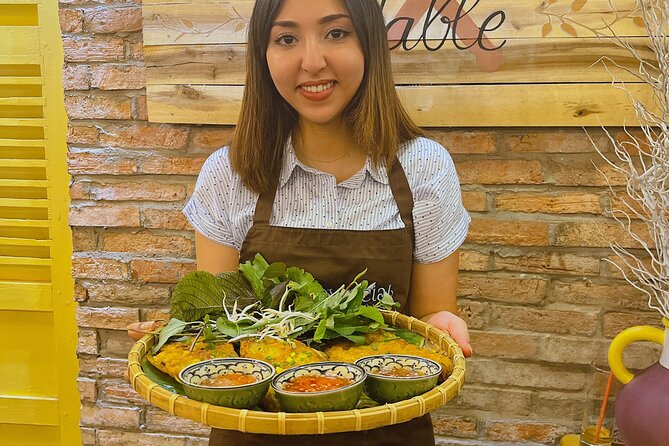
- Private cook station for every guest so you’re not just watching
- Chef-led, interactive 3-course meal built around classic Vietnamese dishes
- Small group size (max 20) helps keep attention on your questions
- Daily menu stays traditional with favorites often including spring rolls, Vietnamese pancakes, and pho
- Recipe cookbook at the end so you can cook again after you go
- Mobile ticket + central District 1 meeting point makes it easier to show up
Why This 3-Course Class Works in Ho Chi Minh City
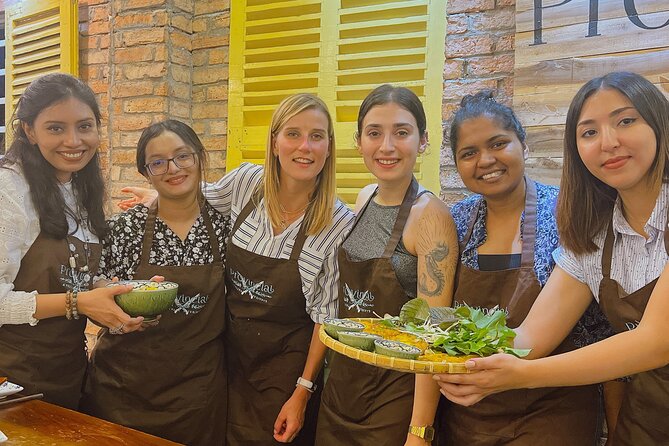
If you’ve ever tried to learn Vietnamese cooking from a recipe online, you know the problem: it’s easy to get the steps right and still miss the flavor. This class is built to fix that by focusing on technique, seasoning, and timing, with you cooking right at your own station.
It’s also a smart way to learn what Vietnamese cuisine actually tastes like in real daily life. You’re not chasing fancy street-food myths; you’re making classic dishes with guidance, so the results are delicious and repeatable.
And the best part is the structure. In about half a long afternoon, you go from prep to cooking to eating a full traditional meal, so it doesn’t feel like a demo that ends with a few bites.
You can also read our reviews of more cooking classes in Ho Chi Minh City


Finding Your Way to 131/3 Nguyễn Thị Minh Khai (District 1)
The class meets at 131/3 Nguyễn Thị Minh Khai, Phường Phạm Ngũ Lão, Quận 1, Hồ Chí Minh 711106, Vietnam. It’s in a part of Ho Chi Minh City that’s easy to reach compared with far-out neighborhoods, and the location is noted as near public transportation.
This matters more than it sounds. When a cooking class ends back at the meeting point, you don’t want to spend your best energy fighting traffic or figuring out last-mile rides. You want to arrive with time to settle in, wash hands, and start cooking without stress.
Bring your phone for the mobile ticket, and get there a bit early if you can. That buffer helps you get comfortable in the working space before the chef starts setting up the day’s flow.
Private Stations and a Max-20 Group: What That Means for You
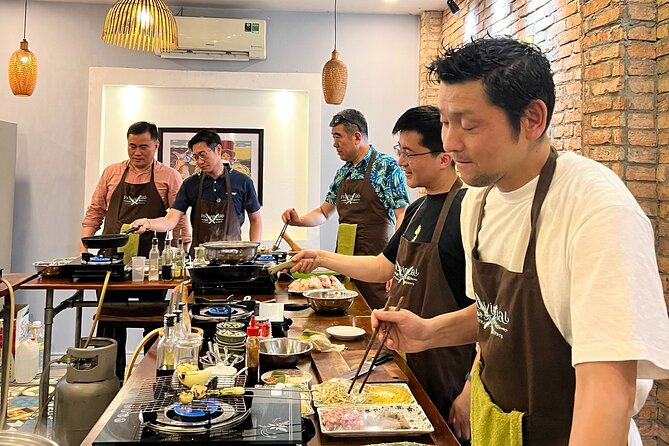
This experience caps at 20 travelers, and each guest gets a private cook station. That’s a big deal for a hands-on class. With smaller groups, you’re more likely to get quick help when your pan is too hot or your mixture is too thick.
A private station also changes the learning curve. Instead of guessing how long something should simmer, you can watch what’s happening at your own setup and correct while you cook. It’s one of the fastest ways to build confidence.
One practical note from how these sessions tend to run: since everyone is cooking at the same time, the room can feel tight at moments. If you’re tall, carrying a backpack, or easily bumping into chairs, keep your space tidy and move slowly when you need to reach ingredients.
The Daily Menu: Classic Vietnamese Dishes You Can Name and Repeat
The class is centered on a chef-curated daily menu of classic Vietnamese dishes that reflects Vietnam’s broad culinary heritage. You’re not stuck making one dish over and over. You’re learning how different flavors and textures work together across a meal.
From what people often end up making, three big hits come up frequently:
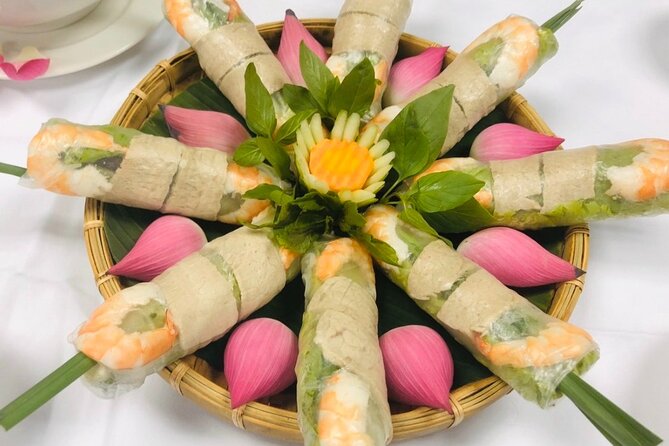
- Spring rolls, where you learn how to handle wrappers and get the filling right
- Vietnamese pancakes, which teach you about batter texture and cooking control
- Pho, where you focus on the foundations of a comforting bowl—aroma, balance, and timing
Your exact dishes can vary by day, but the emphasis stays consistent: you’ll come away with a small set of Vietnamese recipes you can confidently cook again.
Why this matters: many cooking classes teach one technique and call it Vietnamese. This one frames the cuisine as a system—wrappers and fillings, batter and heat, then broth and balance—so your future cooking makes more sense.
What You Actually Do in the Kitchen (Not Just Watch)
You’ll be hands-on the whole way. The format is designed so you get all the necessary ingredients at your station, and you assemble a meticulously put-together menu. That phrasing may sound formal, but what it means in practice is simple: you’re cooking with guidance at every stage.
A useful thing to know if you’re new to Vietnamese cooking: parts of the ingredient prep may already be done, which keeps the class inside the 3.5-hour time window. That doesn’t mean you learn nothing. It means the chef can focus on the skills that matter most—heat control, texture, seasoning, and assembly.
And if you like learning by doing, you’ll probably enjoy the pace. The dishes are “classic” but not overly complicated for the time limit, so you can go from first step to finished plates without feeling like you need a week of practice.
You can also read our reviews of more tours and experiences in Ho Chi Minh City

Taste, Technique, and the Flavor Logic Behind Spring Rolls
Spring rolls are a great starter dish because they teach fundamentals quickly: texture and balance.
In class, you learn how to handle the spring roll process as a whole:
- getting the filling to the right consistency
- assembling neatly so it cooks well
- and keeping the final bite crisp or fresh depending on the dish style you’re making
What you’re really learning here is how Vietnamese cooks think. They build flavor in layers—seasoning inside the filling, then matching it with whatever comes next (wrapper, crunch, herbs, and sauce balance). The chef-led guidance helps you understand why something tastes right, not just how to follow steps.
For a beginner, this is exactly where you want to start. For a more experienced cook, it’s still useful because it teaches the Vietnamese ratio logic that makes the finished rolls taste different from “generic” roll recipes.
Vietnamese Pancakes: Learning Batter and Heat Control
Vietnamese pancakes can look simple, but they’re all about control. If your batter is off, it won’t cook evenly. If your pan heat is wrong, you’ll lose the right texture.
In the class, the pancake component is typically one of the more fun parts because you can see results quickly. You pour, cook, flip or manage the cooking stage (depending on the daily menu), and adjust your method based on what’s happening.
This is also where you build confidence. Once you’ve cooked something with a batter, you understand why Vietnamese recipes often stress consistency and heat. After class, you’ll be better at spotting too-thick batter, too-hot pans, and uneven cooking—things that make homemade pancakes go wrong.
Pho in the Classroom: Comfort Meets Balance
Pho is the dish most people associate with Vietnamese cuisine, but it can be intimidating if you’re trying to replicate it at home without guidance. In a class like this, pho usually becomes more approachable because you’re not starting from scratch in the way a restaurant does.
You focus on the bowl’s foundations: aroma and balance, plus the steps that affect the final taste. Even if your class pho isn’t the full, all-day version, it helps you learn what makes pho feel like pho—especially the way flavors come together and how timing impacts the end result.
If you’ve ever had pho and thought, I want to cook that, this is the best place to start. You’ll see the structure behind it, and you’ll leave with a clearer sense of what to prioritize when you try again later.
The Meal Part: Eating What You Just Cooked
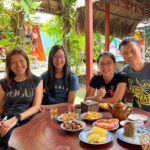
A good cooking class ends with something more than token bites. Here, you sit down to enjoy the 3-course traditional meal you helped create.
That matters because it closes the learning loop. You cook with guidance, then you taste the result with the chef’s logic still fresh in your mind. Suddenly, the “why” becomes obvious—saltiness, herb brightness, sauce balance, texture contrast.
And since your station is private and the class is small, you’re less likely to feel rushed or shuffled along. You get time to focus, then time to eat.
Price and Value: Is $30 a Good Deal?
At $30 per person for about 3 hours 30 minutes, this is a fairly strong value, mainly because it’s chef-led and hands-on. You’re paying for guided cooking time, ingredients, and the final meal.
You’re also paying for something less measurable but very real: momentum. Instead of gathering supplies, researching techniques, and failing through an experiment at home, you get instruction, immediate feedback, and a finished plate.
If you’re the type who likes learning skills you’ll use again, that recipe book at the end is a bonus. One review specifically mentions receiving a cookbook, which is exactly what you want if you’re planning to cook after your trip.
The value is best if you’re hungry for technique, not just entertainment. If you mainly want a quick snack experience, you might find this long. But if you want a real workshop, it’s priced like a workshop.
Beginner-Friendly, With a Realistic Pace
One theme that comes through is that this class is set up for beginners. The dishes are “classic,” but the format keeps skills within reach in a 3.5-hour window.
You might find that some ingredient work is already done, which shifts the focus to skills you can complete in class: cooking components, assembling properly, and balancing flavors.
A beginner-friendly class is also a confidence-builder. You’ll likely learn how to follow Vietnamese cooking logic without feeling like you need advanced knife skills or hours of prep. And even if you cook at home, you can still benefit from learning Vietnamese-specific texture targets and seasoning habits.
The one caution: because the class is hands-on for multiple stations at once, you’ll need to stay attentive. If you drift into a tourist mode of watching instead of cooking, you’ll feel the time go quickly.
Practical Tips That Make the Day Easier
A few small choices can make your class smoother:
- Wear comfortable clothes and shoes you can stand in. Cooking means standing.
- Keep your phone handy for the mobile ticket, but don’t treat it like a distraction tool.
- If the room feels tight, move slowly when you reach across your station. Small adjustments prevent accidental spills.
- Come ready to taste. You’ll likely sample as you go, and that’s part of learning.
- Plan your other plans with breathing room afterward. This is a meal experience, not a quick activity.
Also, it’s worth noting the free cancellation option up to 24 hours in advance for a full refund. That gives you flexibility if your Ho Chi Minh City schedule changes.
Should You Book This Ho Chi Minh City Cooking Class?
Book it if you want a guided, chef-led way to learn Vietnamese cooking with a 3-course structure, private stations, and a clear takeaway you can use later. At a max group size of 20, it’s also a nice middle ground between personal attention and social fun.
You might skip it if you’re looking for deep, advanced culinary theory or a super spacious studio experience. The class format is practical, and that working space can feel snug at times.
My take: if you’re in Ho Chi Minh City and you want a high-value activity that teaches you skills you’ll actually repeat, this is a very sensible pick—especially if dishes like spring rolls, Vietnamese pancakes, and pho are on your list.
FAQ
How long is the cooking class?
The class runs for about 3 hours 30 minutes.
What is the location and meeting point?
The meeting point is 131/3 Nguyễn Thị Minh Khai, Phường Phạm Ngũ Lão, Quận 1, Hồ Chí Minh 711106, Vietnam.
What meal will I cook and eat?
You’ll take part in a hands-on 3-course traditional Vietnamese meal. The daily menu features classic Vietnamese dishes.
Is this class hands-on or just a demonstration?
It’s hands-on. Each guest is provided a private cook station and the necessary ingredients.
How many people are in the group?
This activity has a maximum of 20 travelers.
Do I need to bring anything for the booking?
You’ll use a mobile ticket, and you should receive confirmation at the time of booking.
Is there a refund if I cancel?
Yes. You can cancel for a full refund if you cancel at least 24 hours before the experience starts.
Are service animals allowed?
Service animals are allowed.