REVIEW · HO CHI MINH CITY
Private Half-Day Trip: Cu Chi Tunnels War History Tour
Book on GetYourGuide →Operated by MILLENIUM TRAVEL CO.,LTD · Bookable on GetYourGuide
Underground war stories start in the daylight. This private Cu Chi Tunnels trip brings you from Ho Chi Minh City into a vast underground network where Vietnamese guerrillas lived, fought, and survived. You get an English-speaking guide, a documentary intro, and then real time underground—weapon areas, hospitals, kitchens, and trap explanations.
I like the private transport and hotel pickup in District 1 because it keeps things smooth and avoids the slow, wait-for-everyone rhythm. I also love the guide-led tunnel walk and crawl, especially when guides like Tom, Nikki, and Yen bring the details into focus. One caution: the experience is physical and confined, and it’s not suitable for people with heart problems, pregnant women, or anyone with mobility impairments.
In This Review
- Key Things You’ll Remember From Cu Chi
- Private Transport from District 1: How the Half-Day Plan Works
- The Documentary and Guide Intro: Get Your Bearings First
- Underground Life: Weapon Factories, Hospitals, and Kitchens
- Crawling Through Historic Tunnels: Narrow Space, Real Effort
- Manioc Tastings: The Wartime Food Lesson
- Optional AK47 and Machine-Gun Shooting Range
- Price and Value at $67: What You’re Actually Buying
- Who Should Book This Cu Chi Tunnels Tour
- Practical Tips: What to Bring and What to Leave Behind
- Should You Book This Cu Chi Tunnels War History Tour?
- FAQ
- How far is Cu Chi from Ho Chi Minh City?
- Is hotel pickup included?
- What’s included in the $67 price?
- Can I shoot an AK47 or machine gun on this tour?
- What should I bring for the tunnel visit?
- Who is this private tour not suitable for?
Key Things You’ll Remember From Cu Chi
- Private hotel pickup in District 1 in an air-conditioned car, with an English-speaking guide
- Documentary + briefing before you go underground, so the tunnel layout makes sense
- Weapon factory, hospitals, and kitchens built into the tunnel system
- Crawl time and trap-door explanations, including how traps were set up
- Manioc tastings, the wartime staple fighters relied on
- Optional AK47/MK16 and machine-gun shooting at an outside range for extra cost
Private Transport from District 1: How the Half-Day Plan Works
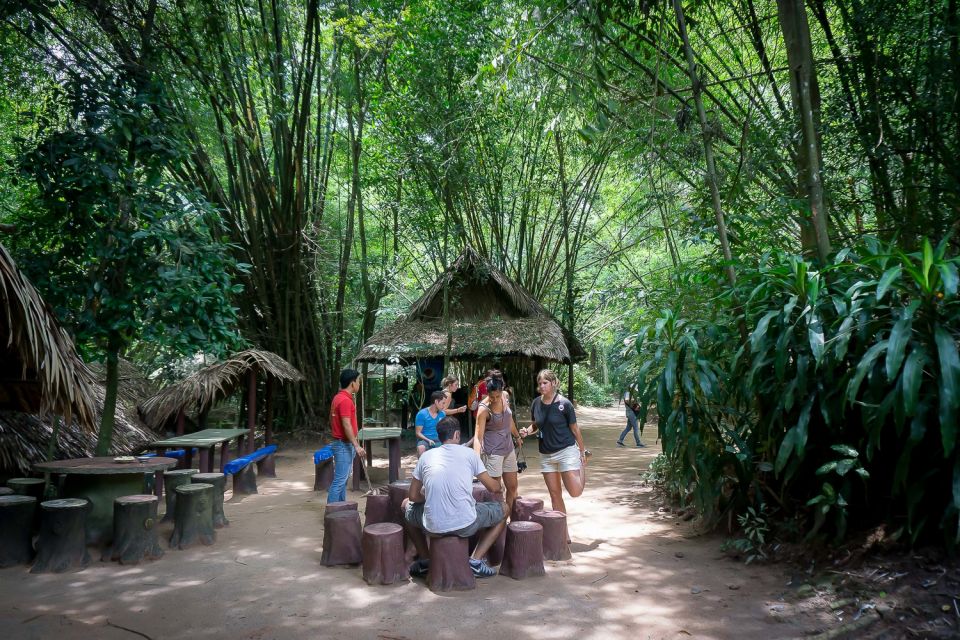
Cu Chi is about 1.5 hours from Ho Chi Minh City by car, so the timing works best if you’re starting from the city center. This tour picks you up from centrally located hotels in District 1, then drives you out to the tunnels with a small private group setup and an air-conditioned vehicle.
Even though it’s marketed as a half-day, I’d plan for a longer block in your schedule. One traveler noted they were back around five hours later, which makes sense when you add the drive time, the documentary, the underground walk, and the manioc + optional range stop. If you’re trying to catch an evening flight, this format can still work well because you’re not committing to a full day.
What you’re really paying for here is the lack of friction: no long shuffling with strangers, no waiting in line with everyone else, and fewer chances for your day to get chopped up.
You can also read our reviews of more private tours in Ho Chi Minh City


The Documentary and Guide Intro: Get Your Bearings First
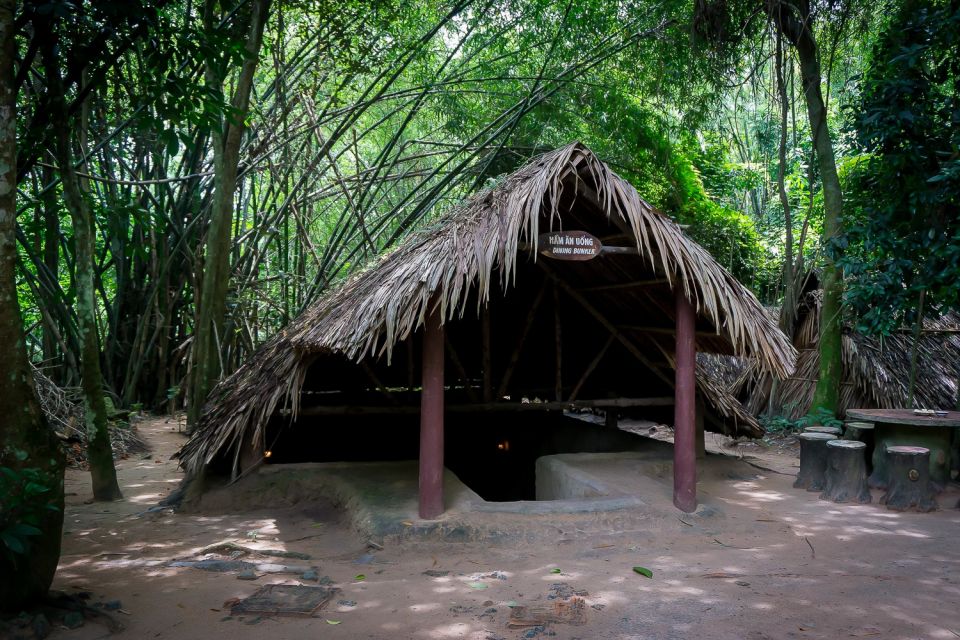
Once you’re at Cu Chi, you start with a guide-led overview. This is where the tour earns its value. You’re not just shown holes in the ground; you’re coached on why the tunnels existed, how the fighters used them, and what daily survival looked like in that environment.
Then you watch a documentary film that explains the tunnels’ history and the intensity of fighting in the area. This matters because the tunnel system can look confusing if you wander on your own. With the film and briefing first, the later stops—factories, hospitals, and kitchens—feel like parts of a functioning underground world instead of random rooms.
If you get a guide like Tom or Yen, the history connection tends to land clearly. The common thread is that the guide’s English stays strong, so you’re not translating every detail in your head.
Underground Life: Weapon Factories, Hospitals, and Kitchens
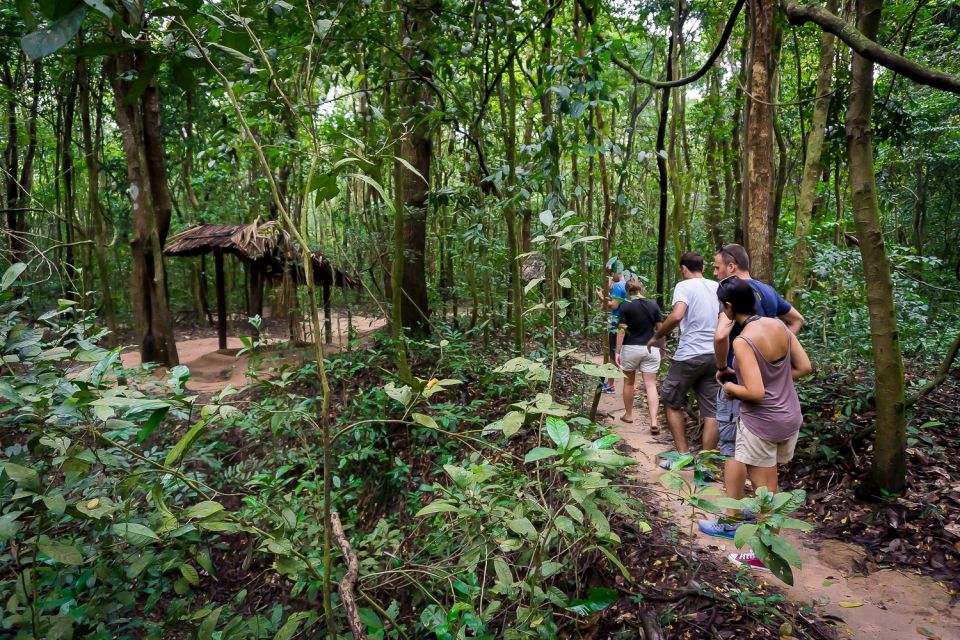
The core of the tour is the guided walk through the tunnel system. You’ll move through sections that are presented as key parts of guerrilla life, including weapon areas, hospitals, and kitchens. In plain terms, this is where you see how the tunnels supported both combat and survival.
A practical way to think about these stops:
- The weapon factory areas show how people could repair or produce what they needed close to where the fighting happened.
- The hospital spaces help explain how medical care could happen underground, even when conditions were brutal.
- The kitchens connect the whole system to daily life, including food preparation and storage.
One detail I appreciate is that you’re not just told about hardship; you’re shown the physical solutions built into the tunnel world. That’s the difference between a history lecture and something that actually sticks.
Crawling Through Historic Tunnels: Narrow Space, Real Effort
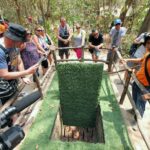
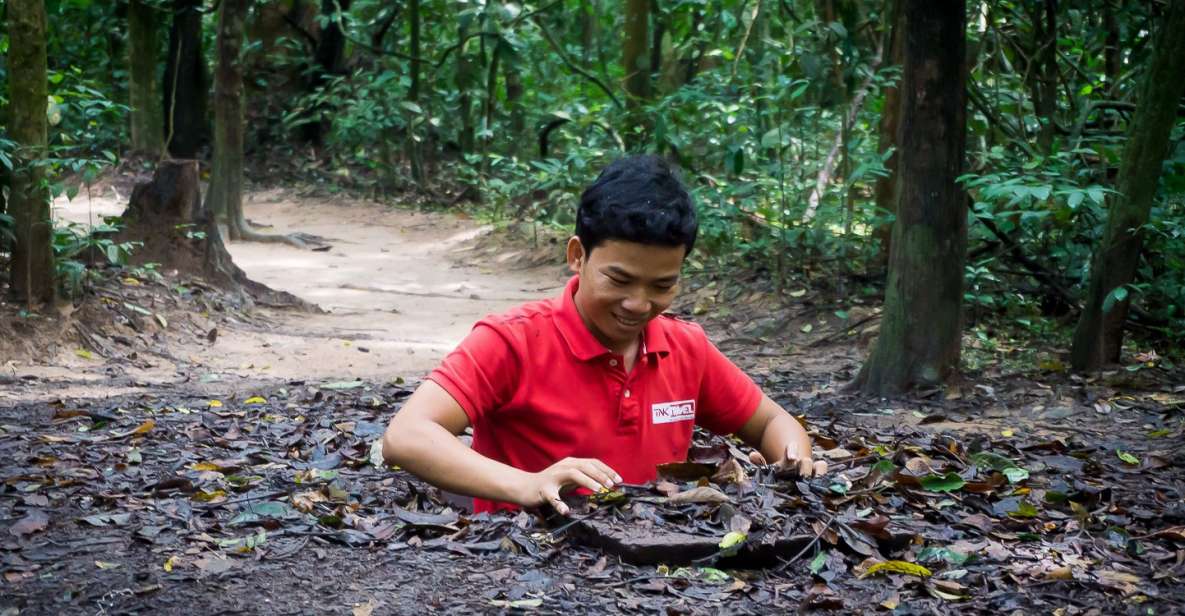
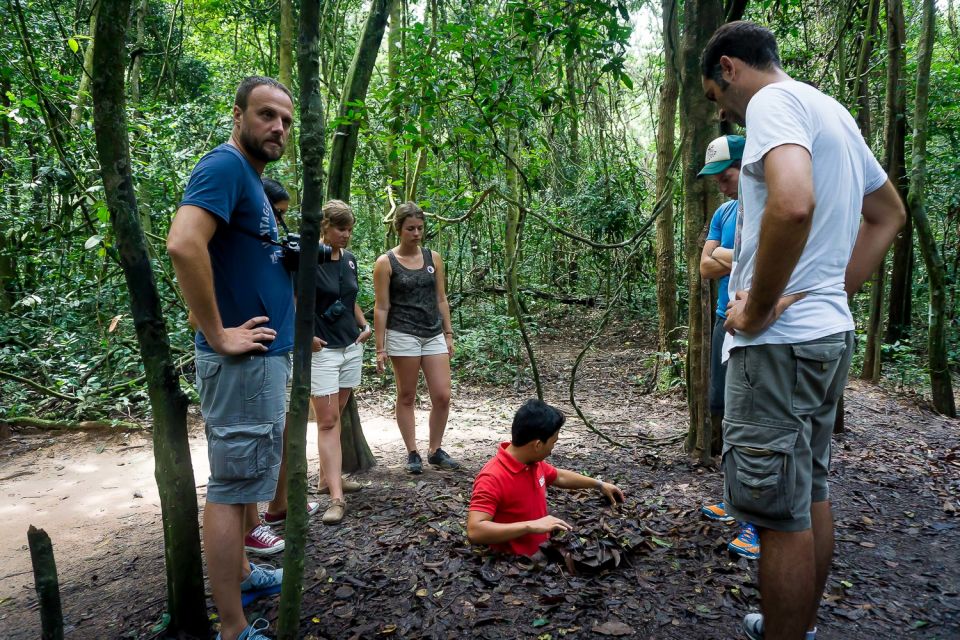
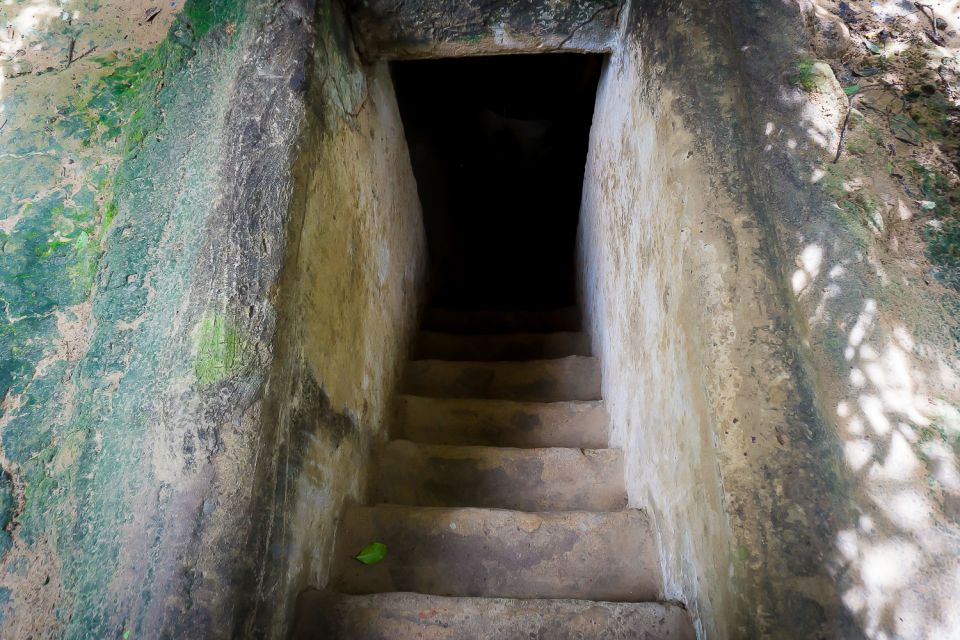
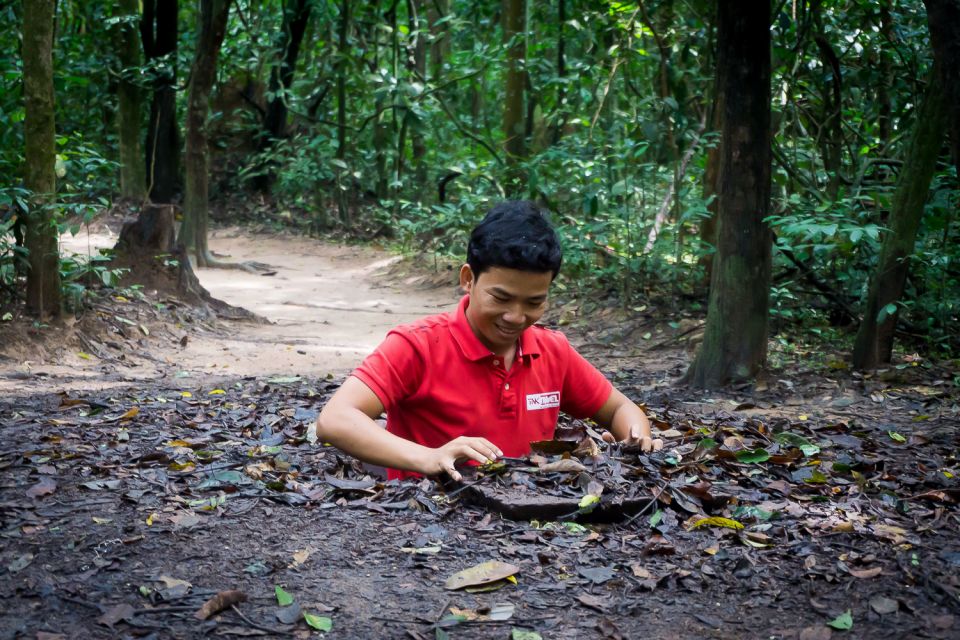
This tour includes an opportunity to crawl under the tunnels and experience the physical side of Cu Chi. The tunnel entrances can be extremely narrow, and the crawling sections can feel tight and claustrophobic—even if you know what to expect.
In one account, the highlight was squeezing through a very narrow entrance and crawling through the tunnels together with a local guide. Another traveler noted that choosing the longer crawl route leads to sore thighs, even for fit people. That lines up with what you should prepare for: this isn’t a stroller-friendly attraction.
So here’s the practical takeaway: wear shoes you can trust on uneven, dusty ground, and expect that your body will work. You’ll likely use your arms and legs in a way you don’t in normal sightseeing. And because it’s enclosed, take your time and follow instructions closely.
Also, this is where the tour includes its most teachable survival detail: traps. You’ll learn about traps and how trap doors worked—an explanation that helps you understand why the tunnel layout wasn’t just about hiding. It was also about control and defense.
Manioc Tastings: The Wartime Food Lesson
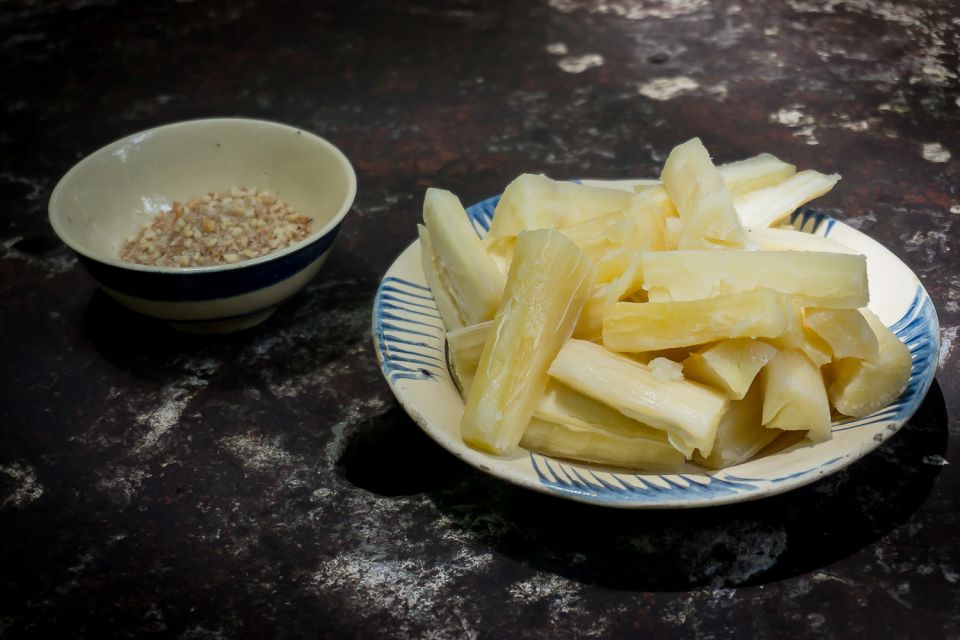
After the underground section, you get a chance to try manioc, a traditional food that war-time fighters ate in Cu Chi. This part sounds simple, but it’s one of the best “human” connections on the tour because it’s about what people actually put in their mouths while the conflict raged.
Manioc shows up in this story for a reason: it’s dependable and able to play a role in food security when supply lines are unstable. When you taste it during the tour, you’re not only learning history; you’re tasting one piece of daily routine that helped people endure.
If you like to travel by senses—taste as well as sight—this stop is more than a snack. It gives you a fuller picture of life underground.
You can also read our reviews of more historical tours in Ho Chi Minh City






Optional AK47 and Machine-Gun Shooting Range
There’s an optional shooting experience at a nearby range where you can try firing an AK47 or MK16 and also machine guns. The important part is that this is extra cost, so you’ll want to decide in advance whether it fits your comfort level and budget.
I treat the shooting option as two different experiences in one:
- A gear-and-procedure moment that’s short and structured.
- A perspective shift, because it puts weapon talk into a practical setting rather than staying theoretical.
If you’re sensitive to firearms or you’d rather keep the day focused on the cultural and historical side, you can likely skip it and stick to the tunnels + manioc. But if you want the experience to include a direct encounter with the tools associated with the war, this is the add-on that makes that happen.
Price and Value at $67: What You’re Actually Buying
At $67 per person, this private half-day tour is priced for convenience and guided access rather than pure budget sightseeing. The value comes from three main points:
- Private setup with expert guide: You get your own guide attention and a structured route through key tunnel areas.
- Hotel pickup and drop-off in District 1: Transport is handled, so your day doesn’t require planning logistics in a new city.
- Hands-on tunnel experience plus entrance fees included: You’re not just driving by; you’re doing the crawling and learning route.
In other words, you’re paying for time saved and context added. If you’re traveling with a small group or you care about understanding what you’re seeing, private format usually wins. If you’re mainly after a quick visit with minimal explanation, you might consider other options—but with Cu Chi, the guide context is where the experience becomes meaningful.
Who Should Book This Cu Chi Tunnels Tour
This is a strong fit if you want:
- A war history experience that’s structured and explained in English
- A private, no-friction day plan starting from District 1
- The full tunnel experience, including crawling and trap explanations
- Optional add-ons like manioc tastings and the shooting range
It’s also worth saying plainly who should skip it. This private tour is not available for people with mobility impairments, and it’s not suitable for wheelchair users, pregnant women, or anyone with heart problems. If any of those apply, it’s better to choose a different format that matches your needs.
And if you get uneasy in tight spaces, know that the crawl portion is a real part of the experience, not an optional photo moment.
Practical Tips: What to Bring and What to Leave Behind
For a smoother visit, pack light and focused:
- Bring passport or an ID card
- Wear comfortable shoes
- Bring sunglasses and a sun hat
- Have a camera ready
On the rules side, keep it simple:
- No pets
- No smoking
- No luggage or large bags
One more practical note: the tour includes mineral water and wet tissue, but if you’re the type who drinks extra during humid days, it can still help to have a refill habit—just don’t expect huge breaks.
Also remember: pickup is for hotels centrally located in District 1. If your hotel is outside that area, you may need a different arrangement, since pickup outside District 1 isn’t included.
Should You Book This Cu Chi Tunnels War History Tour?
If you want a private Cu Chi day that feels guided, not rushed, and you’re comfortable with tight spaces and some physical crawling, I think this is a smart booking. The combination of documentary + expert guide + crawl-through tunnel sections + manioc tasting creates a story you can actually follow.
I’d skip it only if the physical confinement doesn’t match your comfort level, or if you fall into categories the tour lists as not suitable, like heart problems, pregnancy, or mobility limits. If those apply, don’t force it.
Final thought: Cu Chi can be both educational and intense. This version makes it easier to understand what you’re seeing while keeping your day organized with hotel pickup and drop-off.
FAQ
How far is Cu Chi from Ho Chi Minh City?
The drive from Ho Chi Minh City to the Cu Chi Tunnels is about 1.5 hours each way, depending on traffic.
Is hotel pickup included?
Yes, pickup and drop-off are included for hotels in centrally located District 1. Pickup outside District 1 is not included.
What’s included in the $67 price?
The tour includes an air-conditioned private car, centrally located District 1 hotel pickup and drop-off, mineral water and wet tissue, an English-speaking guide, and entrance fees.
Can I shoot an AK47 or machine gun on this tour?
There is an opportunity to shoot an AK47, MK16, or machine guns, but it’s not included in the base price and comes with extra cost.
What should I bring for the tunnel visit?
Bring your passport or ID card, comfortable shoes, sunglasses, a sun hat, and a camera.
Who is this private tour not suitable for?
It is not suitable for pregnant women, people with mobility impairments or wheelchair users, and anyone with heart problems. It’s also noted as not available for disabled people.