REVIEW · HO CHI MINH CITY
Farm-To-Table Healthy Cooking Class: Half-Day Tour
Book on GetYourGuide →Operated by Westen Asian Travel Service Company · Bookable on GetYourGuide
That is not your typical cooking class. You start on an organic farm, then turn herbs and vegetables into a proper meal with expert help. I especially like the way the program links plants to Vietnamese “medicine” uses and turns that into hands-on cooking, not just talk. You also get real farm time: picking ingredients yourself before you cook, so your lunch feels earned and personal. One thing to consider is the drive out of the city can take time, so plan for a long day.
What makes it work is the combo of farm education and practical cooking guidance. The class includes a visit to the medicine garden and a mushroom house, plus lessons around rice cultivation and how different plants are used in cooking and health. The food portion is structured around making several traditional dishes with step-by-step coaching, and you finish by eating your work together with the group. One possible drawback: you’ll want to notify the team about any allergies or special dietary needs ahead of time, since the whole experience is built around what’s growing in the garden that day.
In This Review
- Key Points That Make This Class Worth Your Time
- Farm-to-Table Healthy Cooking: What You Actually Do in 6 Hours
- The Medicine Garden: Herbs, Spices, and Plant Benefits (Plus the Tradeoffs)
- Mushroom House and Rice Lessons: Food Science for the Curious
- The Harvest: Picking Vegetables Like a Real Farmer
- Cooking Class in Action: How Chef Guidance Turns Garden Picks into Meals
- What You’ll Eat: Lunch That Tastes Like the Farm
- Price and Value: Is $70 a Good Deal?
- Timing and Getting There: Plan for the Countryside Drive
- What to Bring (and What to Leave Behind)
- Who This Cooking Class Fits Best
- Should You Book It?
- FAQ
- How long is the Farm-To-Table Healthy Cooking Class in Ho Chi Minh City?
- What’s included in the price?
- Do I get pickup from my hotel?
- Is the class offered in the morning and afternoon?
- What should I bring, and what shouldn’t I bring?
- Is the class suitable if I have allergies or special dietary requirements?
Key Points That Make This Class Worth Your Time
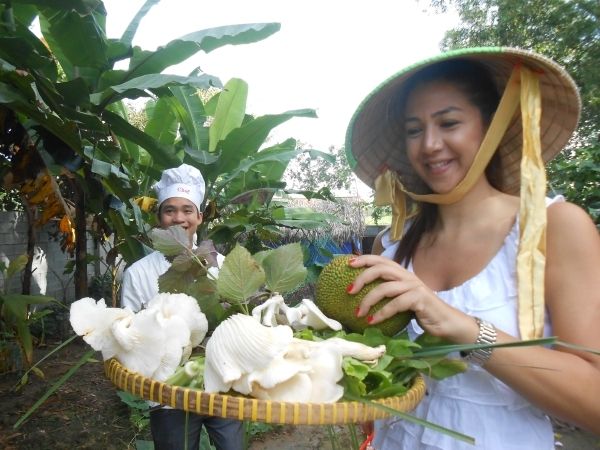
- Medicine garden lessons that connect food and health
- Harvest your own ingredients before you cook
- Mushroom house variety with practical cultivation knowledge
- Traditional Vietnamese dishes made from unusual ingredients
- Small-group feel with extra staff support
Farm-to-Table Healthy Cooking: What You Actually Do in 6 Hours
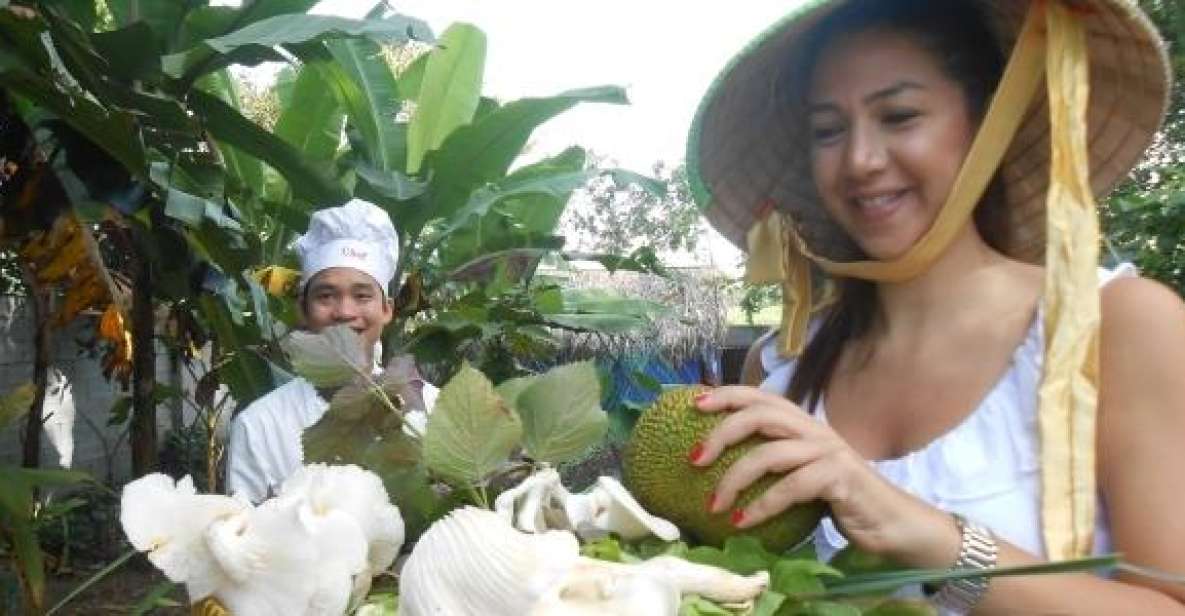
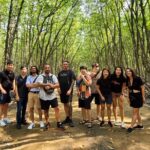
This is a half-day, about 6 hours, Ho Chi Minh City cooking class built around an organic farm setup. The day is basically: learn where ingredients come from, meet the plants (and how they’re used), pick what you’ll cook, then cook and eat a healthy Vietnamese meal.
The schedule is flexible between morning and afternoon, but the flow stays the same: you’ll be working outdoors at the farm, then cooking indoors with chef instruction. Transportation is handled, with pickup from hotels in Ho Chi Minh City (and airport pickup too), and you’ll ride out by fancy car or bus. That matters because the experience is farther than most city cooking classes, and you don’t want to add extra stress by figuring out the logistics yourself.
One of the smartest parts is that this isn’t just a lecture on healthy eating. You’re actively learning the role of herbs, mushrooms, and vegetables—then applying it immediately in the kitchen. That hands-on structure is why the class tends to be popular with both beginners and people who already cook.
You can also read our reviews of more cooking classes in Ho Chi Minh City

The Medicine Garden: Herbs, Spices, and Plant Benefits (Plus the Tradeoffs)
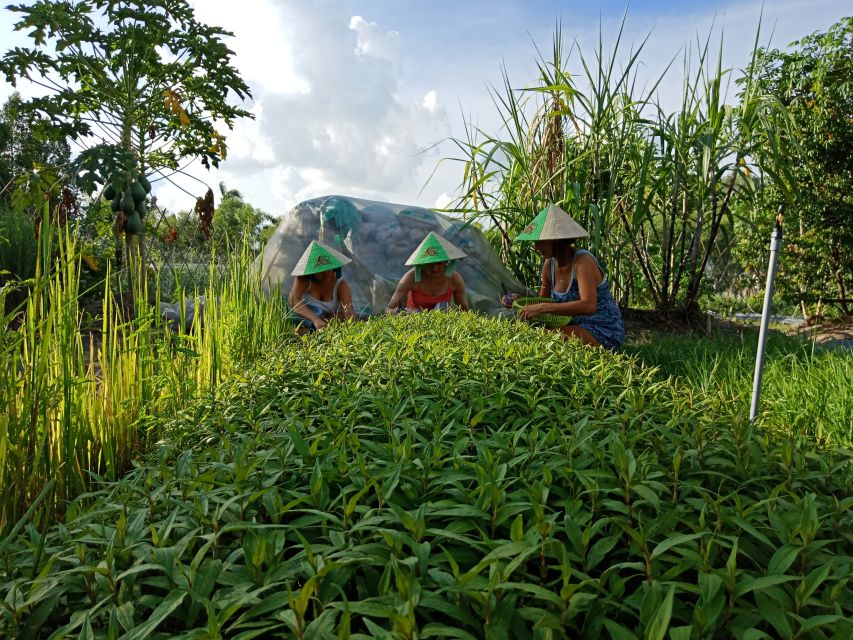
The heart of the experience is the farm’s medicine garden. This is where you’ll hear how Vietnamese herbs and plants are used in both cooking and traditional medicine thinking. The program is led by a pharmacist and a chef, which is a clue that the instruction isn’t only culinary. You’ll learn about the benefits of plants, but also what to watch out for—medicine-style tradeoffs, not just “all green things are good.”
Why this is valuable: Vietnamese cooking often relies on herbs and aromatics in a way that changes both flavor and how you feel after eating. Instead of memorizing a recipe and calling it done, you learn the ingredient logic: what the plant is used for, how it’s typically handled, and when you might want to be careful.
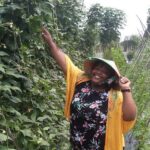
You’ll also get hands-on ingredient awareness. In the garden, you can learn plant names and identify what you should use. Then you bring those picks to the kitchen. That’s a big difference from classes where everything is pre-portioned and you never really connect the food on your plate to the plant in the ground.
Mushroom House and Rice Lessons: Food Science for the Curious
A lot of Vietnamese cooking classes focus on familiar herbs and standard vegetables. This one adds two big “wow” topics: mushrooms and rice.
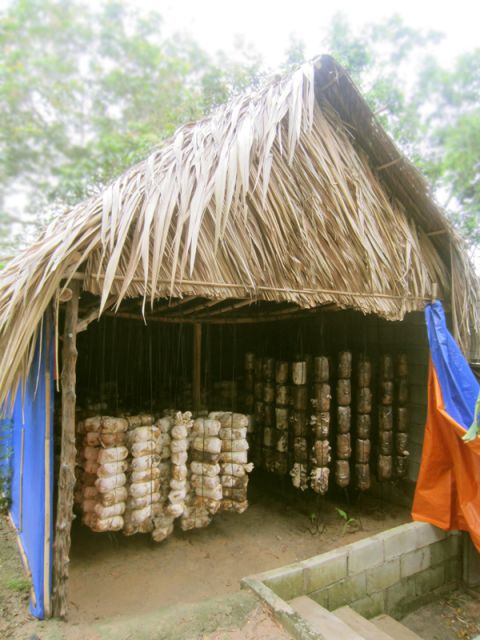
In the mushroom house, you learn about different mushroom varieties and what it takes to cultivate them. It’s not presented as magic—more like practical agriculture knowledge, the kind you can carry home. If you like food that has real texture (and you want more than just leafy greens), mushroom cultivation knowledge helps you understand why different mushrooms behave differently in cooking.
Rice cultivation also shows up in the day’s learning. Even if you’ve eaten rice your whole life, hearing how it’s grown and thinking about the plant as a crop—not just a side dish—makes Vietnamese meals feel more grounded. You start to see the farm system behind the plate.
The day also includes unusual ingredients you may not cook at home often, such as morning glory, jackfruit, and banana flowers. That matters for value: if you leave only with “common veggie stir-fry” knowledge, it’s easy to forget. But if you learn how to work with ingredients that are less common, you’ll cook more in your own kitchen.
The Harvest: Picking Vegetables Like a Real Farmer
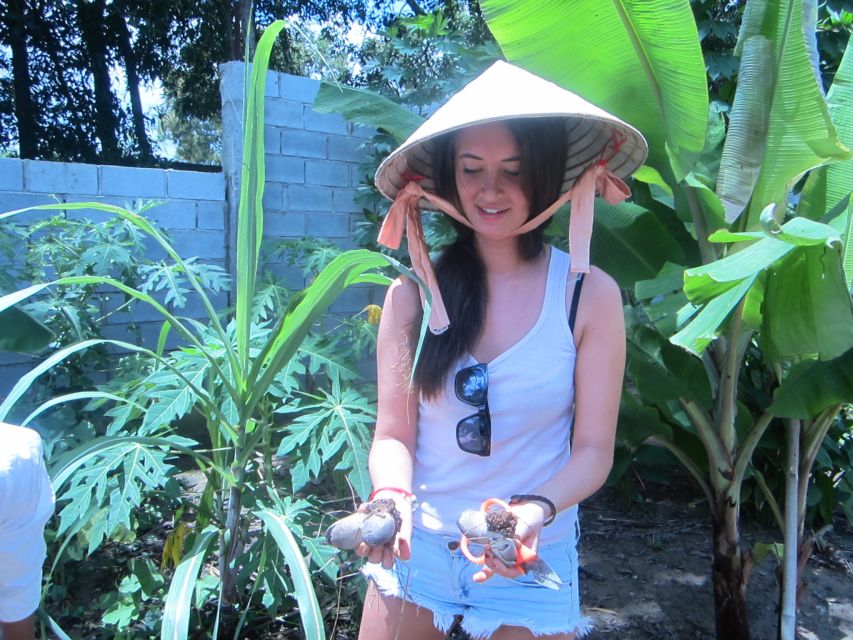
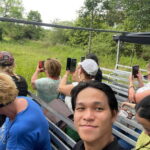
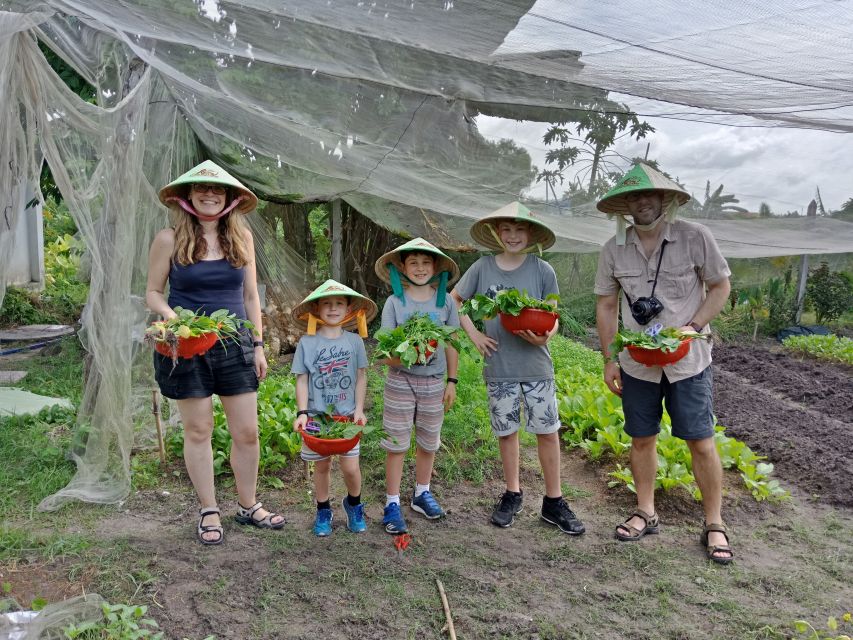
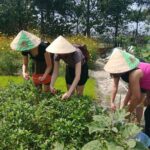
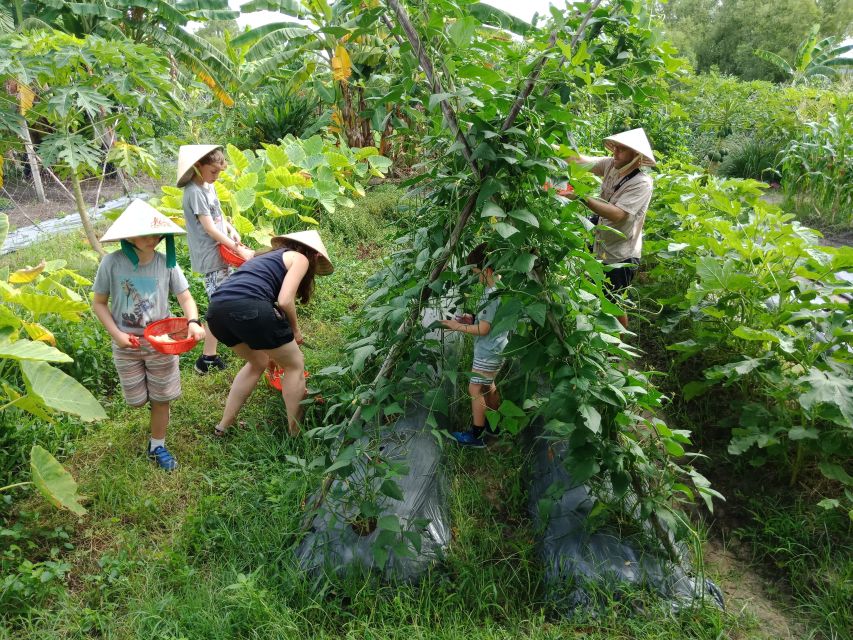
One of the most satisfying parts is becoming a Vietnamese farmer for a bit—meaning you actively select vegetables you’ll cook. You walk through the garden and learn to identify ingredients, then choose what fits the dishes you’ll make.
This is where the class earns its farm-to-table name. You’re not just tasting. You’re choosing. And because the class is built around the garden, the ingredients you pick are part of the meal design. That also affects pacing: you’ll spend time outdoors, learning, then switching gears to kitchen work.
Expect to see and work with herbs and vegetables connected to the medicine garden concept. You’ll likely hear how those plants are used in cooking, and how they might be handled so you get flavor without bitterness or the wrong balance.
If you’re the kind of traveler who likes taking cooking home beyond photos, this harvest step is a win. It builds a mental map: this herb comes from here, this one behaves like this, and this ingredient changes the whole dish.
Cooking Class in Action: How Chef Guidance Turns Garden Picks into Meals
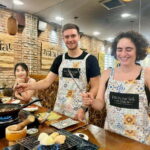
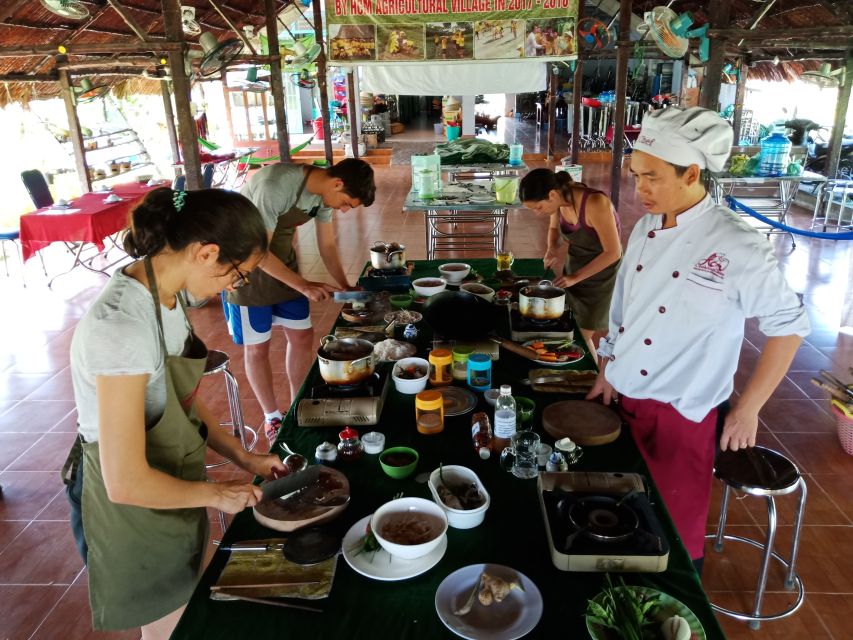
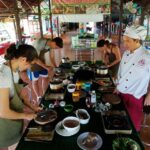
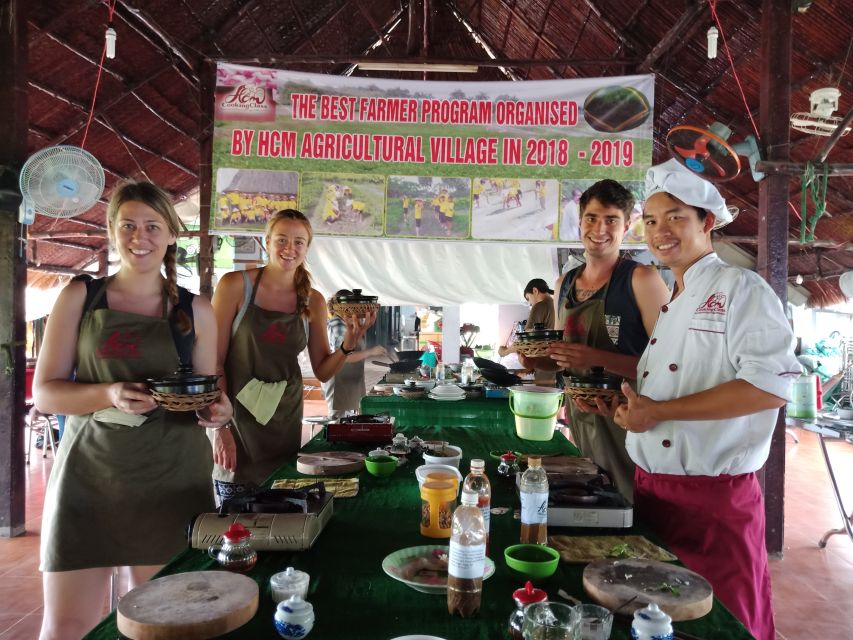
Once you’ve harvested, the chefs take over with hands-on instruction. The goal is straightforward: you learn how to prepare and cook traditional Vietnamese healthy dishes using the vegetables and herbs you picked.
What you get in the kitchen is practical cooking teaching. The format isn’t just watching a chef cook. You’re in the process, making decisions and learning technique while you’re actually cooking. The instruction is friendly and paced for real people, not kitchen experts. If you’re nervous, that’s normal—just know the class is designed to teach you how to think about cooking with what you have.
Also, the class style tends to be group-based but supported. There’s extra staff available to help if needed, and the group size is kept small. That usually means you get more attention than you would in a big group demo, and you’re less likely to feel lost when you hit a cutting or seasoning step.
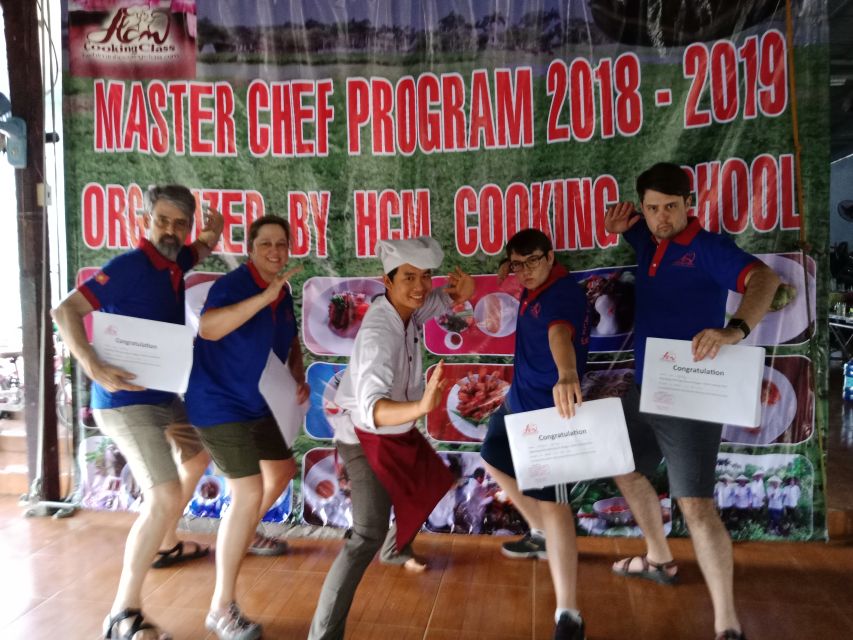
Because you cook several dishes during the session, you’ll leave with a sense of variety—not just one plate. You’ll also get a certificate, recipes, and souvenirs at the end, which is nice if you want something tangible to remember the day (and a recipe list you can actually read later).
You can also read our reviews of more tours and experiences in Ho Chi Minh City

What You’ll Eat: Lunch That Tastes Like the Farm
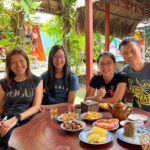
Lunch is included, plus iced tea. You’ll sit down and eat what you cooked among your group. That simple detail matters because it turns the day from a workshop into a shared meal. Food tastes better when you understand the ingredient choices behind it, and that’s exactly what this class sets up.
Because the meals are built around herbs, mushrooms, and farm vegetables—plus Vietnamese ingredient styles you might not use daily at home—the flavors tend to feel lighter and more herb-forward than many Western “healthy meals.” The medicine garden approach also means you’ll learn why certain combinations make sense.
One more practical point: wear comfortable shoes. You’ll likely do real walking in the garden before you cook, and you’ll want your feet to feel good when you transition into the kitchen.
Price and Value: Is $70 a Good Deal?
At $70 per person for about 6 hours, you’re paying for more than recipes. Here’s what you’re getting that keeps the value reasonable:
- Lunch and iced tea included
- Local guide with Vietnamese and English support
- Transportation with pickup from Ho Chi Minh City hotels or the airport
- Access to the farm learning spaces, including the medicine garden and mushroom house
- Hands-on cooking instruction, not a passive class
- Certificate, recipes, and souvenirs
Also, you’re paying for the ingredient experience. Fresh herbs and vegetables are doing double duty here: they’re both the subject of the learning and the raw material for your meal. That farm component usually costs extra on top of a standard city cooking class.
If you’re comparing this to a city-only cooking tour, this one costs more than the cheapest options. But when you factor in transportation, pickup, farm access, cooking guidance, and lunch, it starts to feel fair for a half-day activity.
Timing and Getting There: Plan for the Countryside Drive
This isn’t a “stroll two blocks and cook” experience. The farm is about 1 to 1.5 hours from Ho Chi Minh City depending on traffic. That means you should treat it like a real half-day outing, not a quick add-on.
What you can do to make it easier:
- Keep your morning or afternoon flexible, especially if you’re staying in a busier area
- Bring sunglasses and expect bright outdoor time
- Wear breathable layers if the weather turns hot or humid
If you hate long transfers, this may feel like a lot. But if you like countryside activities and want your meal to come from the actual farm, the distance is part of the point.
What to Bring (and What to Leave Behind)
Bring:
- Comfortable shoes (this matters more than you think)
- Sunglasses
- Camera if you want plant and farm photos
Not allowed:
- Pets
And do let the host know about dietary requirements or allergies before you go. The class is designed around the ingredients in the garden and the planned dishes, so planning ahead keeps the day comfortable.
Who This Cooking Class Fits Best
This class works well if you:
- Want a Vietnamese cooking experience that feels more rooted in the farm than in a city kitchen
- Like learning the ingredient logic behind herb and vegetable use
- Enjoy mushrooms and want to understand them beyond store-bought basics
- Prefer a small-group atmosphere where staff can help you cook
It’s also a good match if you travel solo and still want social time. You’ll be eating together at the end, and the environment is friendly and instructional.
Less ideal if you:
- Want a short, purely urban cooking session
- Have very complex dietary needs and haven’t arranged accommodations in advance
- Don’t want outdoor walking time before cooking
Should You Book It?
If you’re in Ho Chi Minh City and you want a cooking class that gives you something you can actually use later—plus a farm education that isn’t fluff—this is an excellent choice. The medicine garden focus, the mushroom house learning, and the fact that you pick ingredients yourself make the experience feel practical, not just scenic.
Book it if you’re open to unusual ingredients like jackfruit and banana flowers and you’re interested in the plant-health side of Vietnamese cooking. Skip it if you only want simple recipes with ingredients you already always buy, or if long transfers feel like a deal-breaker.
In short: for a $70 half-day, you’re getting a full farm-to-plate lesson with a meal at the end. That combination is hard to beat.
FAQ
How long is the Farm-To-Table Healthy Cooking Class in Ho Chi Minh City?
The duration is 6 hours.
What’s included in the price?
Lunch, iced tea, a local guide, napkin, and transportation are included, along with pickup by fancy car or bus.
Do I get pickup from my hotel?
Yes. Pickup is included from hotels in Ho Chi Minh City or from the airport.
Is the class offered in the morning and afternoon?
Yes. The class runs as a morning or afternoon cookery class, with starting times depending on availability.
What should I bring, and what shouldn’t I bring?
Bring comfortable shoes, sunglasses, and a camera. Pets are not allowed.
Is the class suitable if I have allergies or special dietary requirements?
You should advise the provider of any special dietary requirements or allergies before you go.