REVIEW · HO CHI MINH CITY
Hands-on making 3 Iconic Coffees of South Central North Vietnam
Book on Viator →Operated by Quynh - Vietnam Coffee Journey · Bookable on Viator
A great coffee class is usually just a drink lesson. This one is a three-region Vietnam storytelling workshop with real hands-on coffee-making. You’ll learn how to brew and adjust the classics, not just watch someone else do it.
What I really liked is the way the host, Quynh, uses a built-in comparison during phin coffee practice so you can taste the difference immediately. I also love the structure: each cup comes with the why—history, ingredients, and how different parts of Vietnam shaped the way people drink coffee.
One thing to consider: it’s in a smaller attic-style workshop, and the group caps at 6. If you hate tight spaces or prefer big, sightseeing-heavy tours, plan accordingly.
In This Review
- Key highlights you’ll care about
- Three Iconic Coffees of North, Central, and South Vietnam—what you’re really getting
- Find Quynh in District 1 for a workshop that feels local
- The first lesson: phin coffee technique and a taste comparison
- Make Saigon iced coffee with condensed milk—and learn why it fits the South
- Central Vietnam’s salted cream coffee: the modern twist, explained
- Hanoi egg coffee: tasting the capital in a cup
- Tea, snacks, and why the breaks help
- How much is $21.69 really worth?
- Who should book this, and who should think twice
- Quick tips so you get more out of the workshop
- Should you book Vietnam Coffee Journey?
- FAQ
- How long is the workshop?
- How many drinks will I make?
- What specific coffees are covered?
- Where does the workshop start and end?
- What’s the group size?
- Is it a mobile-ticket experience?
- Is free cancellation available?
Key highlights you’ll care about
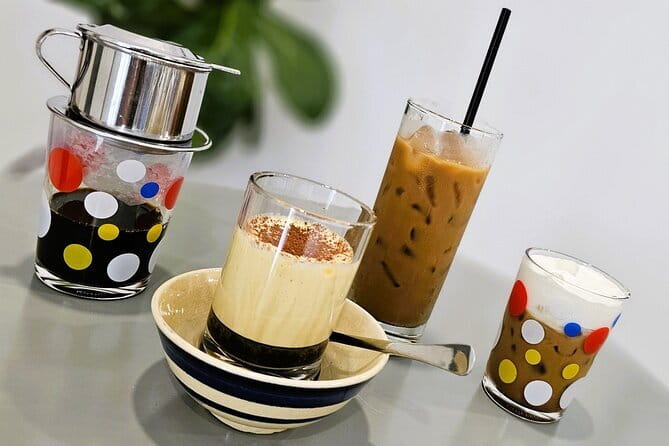
- Three famous coffees, one lesson plan: you’ll make drinks representing South, Central, and North Vietnam
- Phin practice with a wrong-sample comparison: you’ll taste what changes when technique changes
- Condensed milk Saigon-style iced coffee: including the ingredients and stories tied to the South
- Central Vietnam salted cream coffee: with explained “tricks” and ingredient guidance
- Hanoi egg coffee: and the capital’s character shown through how the drink is built
- Small group workshop: max 6 people, so instructions stay personal
Three Iconic Coffees of North, Central, and South Vietnam—what you’re really getting
This is a 90-minute, hands-on coffee workshop in Ho Chi Minh City that treats coffee like a shortcut to understanding Vietnam. Not in a textbook way. In a practical way: you learn a method, you make a cup, you taste, and you get the story behind why that coffee exists.
The core idea is simple. Vietnam’s coffee culture shifts across the country, and the tour uses three iconic drinks to show that. You start with basic phin coffee technique, then move into the classics people associate with Saigon/South, Central Vietnam’s modern twist, and Hanoi’s egg coffee.
You’re not just paying for four drinks. You’re paying for the explanation of ingredients and the method, plus the chance to adjust the coffees to match your tastes and moods. That “adjustment” part matters more than it sounds, because coffee here isn’t one-size-fits-all.
You can also read our reviews of more tours and experiences in Ho Chi Minh City

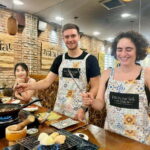
Find Quynh in District 1 for a workshop that feels local
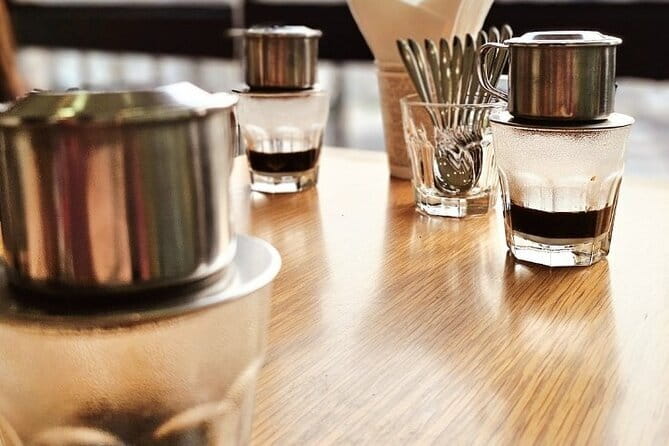
The meeting point is at 27 Ngô Đức Kế, Bến Nghé, Quận 1, Ho Chi Minh City. The activity ends back at the same spot, so you don’t need to plan extra transfers.
The setting is described as an attic-style workshop, which means you’ll likely be close to the workstations and tools. For most people, that’s a plus: it keeps you right in the action and makes it easier to ask questions. The group size is also capped at 6 travelers, so you won’t be lost in a crowd.
Quynh runs the experience through Vietnam Coffee Journey. If you want a direct line for questions, he’s listed with a WhatsApp contact (+84 37 913 2333). That’s handy if you’re arriving with questions about the easiest way to get there.
The first lesson: phin coffee technique and a taste comparison
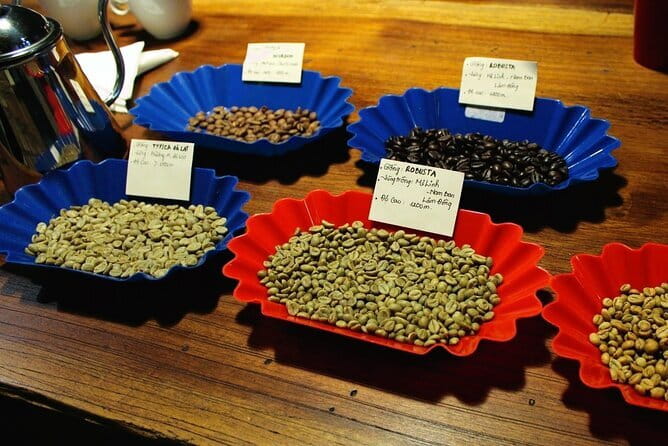
Before you build the trendy drinks, you get the foundation: how to make pure phin coffee correctly. The host doesn’t just explain the right method. You also make a wrong sample at the same time so you can compare the results by taste.
That comparison is the real “teacher” here. Instead of memorizing steps, you taste the outcome of technique choices. It’s a quick way to understand what works and what doesn’t—then you can apply that thinking as the drinks get more complex.
You’ll also be shown how to adjust the coffee to your preferences. The tour is designed for eager-to-explore travelers who want more than a standard recipe. If you like stronger, smoother, or less intense coffee, this is where you start figuring out how to steer it.
Make Saigon iced coffee with condensed milk—and learn why it fits the South
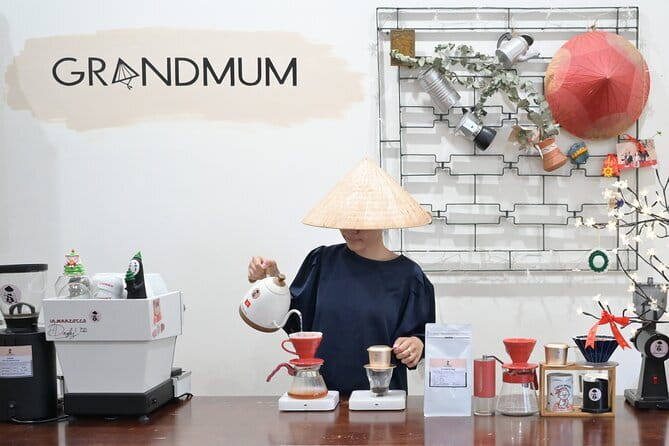
Next up is the Vietnamese coffee with condensed milk, the one most people picture when they think of classic coffee culture in Saigon/South Vietnam.
You’ll make it hands-on, while the host explains the stories and ingredient combinations behind it. The tour frames this as more than flavor—it reflects regional history and everyday preferences. In other words: the drink isn’t random. It’s tied to how people want coffee to feel in their day.
This is also a good stage of the class to slow down and taste what changes when components change. Condensed milk brings sweetness and body, and it can make the coffee feel more rounded, even when the coffee itself is bold. The tour approach helps you understand that balance rather than guessing.
If you’re someone who usually orders Vietnamese iced coffee without thinking about how it’s built, this is where you’ll learn the logic. After this, you can re-order with real confidence.
Central Vietnam’s salted cream coffee: the modern twist, explained
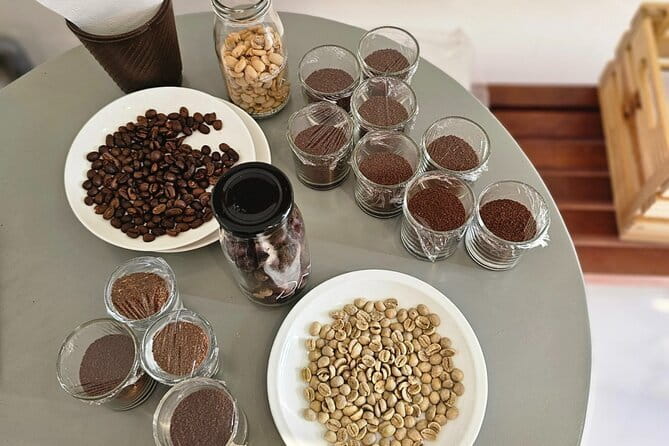
Central Vietnam’s contribution is the modern trendy salted cream coffee. You’ll make this one too, with tricks and ingredients explained as you go.
This drink is a different vibe from the condensed-milk classic. It’s built around contrast: creamy texture, a savory-sweet salt element, and coffee underneath that keeps the whole thing from becoming dessert-only.
What I like about including this step in the workshop is that it shows coffee culture isn’t frozen in the past. Vietnam’s coffee scene keeps evolving, and the class treats that evolution as part of the story—not as a gimmick.
You’ll finish this portion knowing what to look for in the balance. If you’re curious about why salted cream works, you’ll get a practical explanation tied to the drink itself, not just a vague “it’s delicious” shrug.




Hanoi egg coffee: tasting the capital in a cup
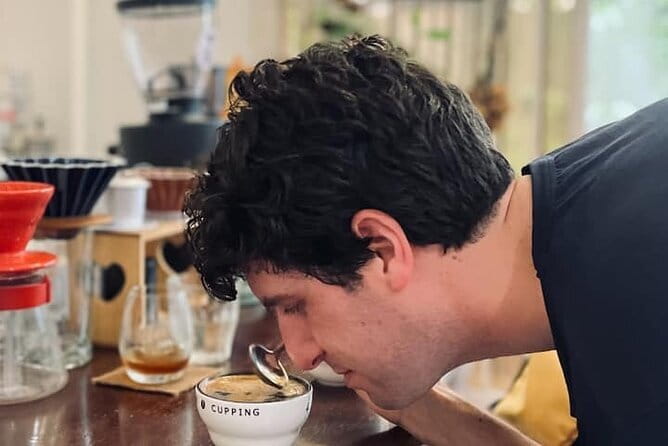
Then you move to the highlight for many coffee fans: egg coffee (Hanoi style).
You’ll make the drink and hear how it reflects the characteristics of the capital. The tour emphasizes the ingredient approach and how the coffee is shaped through that technique and those components.
Egg coffee can sound strange if you’ve only experienced milk-based or cream-based coffees. This class helps bridge that gap by putting the method and reasoning into the same conversation. Instead of treating it as a novelty, it becomes a coffee with an identity—one tied to Hanoi.
If you like experimental flavors or you’ve always been curious about egg coffee but didn’t want to guess, this is the moment to do it with guidance.
Tea, snacks, and why the breaks help
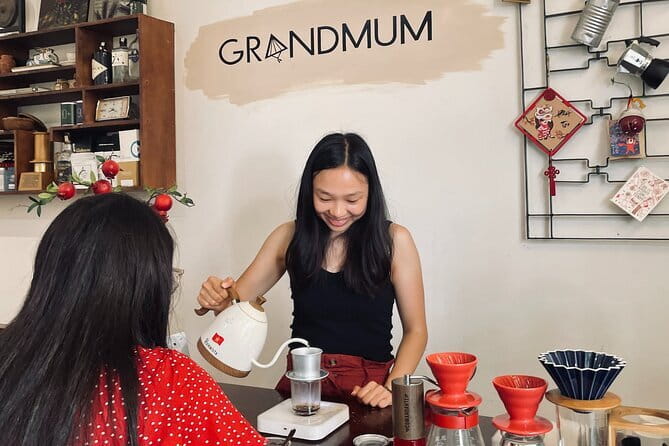
Coffee workshops can feel like a blur. This one gives you downtime in the flow: coffee and/or tea are included, and you’ll also get cashew nuts.
Those cashews matter more than they sound. They help you reset your palate between tasting different styles of drinks. And if you’re sensitive to too much sweetness, snacking can make the later cups more enjoyable.
Also, because you’re making four drinks (not just sipping), you want your brain to stay sharp. Small snack breaks keep the workshop from becoming a sugar sprint.
How much is $21.69 really worth?
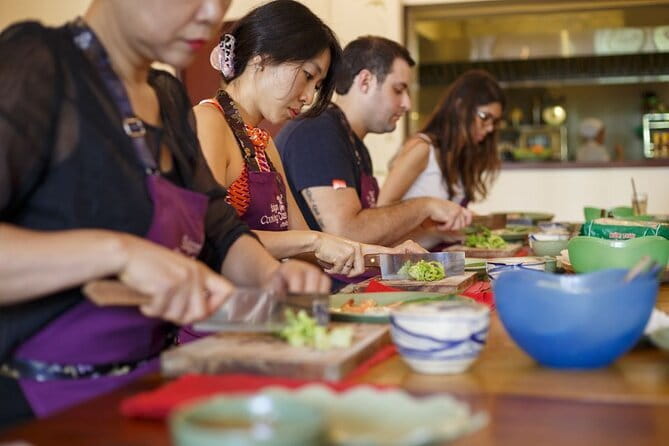
At $21.69 per person for about 1 hour 30 minutes, you’re paying for several things together:
- four drinks you actively make
- ingredients and equipment already ready
- instruction that covers method plus “why” for each coffee
- a small group experience capped at 6
In practical terms, this is usually better value than paying for a stack of coffee stops where you don’t learn technique. You’re getting take-home understanding—especially from the phin comparison step—plus the cultural framing behind each region’s coffee style.
If you’re a coffee drinker who enjoys learning how drinks are built, the price makes sense. If you’re only in the mood for sightseeing and don’t care about making coffee, you might find yourself wishing for more of a street-food or museum style itinerary. But for a focused coffee workshop, it lands in a very reasonable zone.
Who should book this, and who should think twice
You’ll probably love this if you:
- like coffee and want to learn how to brew, not just order
- enjoy cultural context tied to everyday life
- want a small-group class with hands-on work
- enjoy tasting variations side-by-side (the phin comparison is a great example)
You might want to think twice if:
- you dislike smaller indoor workshop spaces (it’s described as attic-style)
- you want a long, multi-stop tour with lots of walking and outdoor sights
- you’re short on time and only want one drink (this is designed around four)
If you want something even bigger after this, there’s mention of a separate 4-hour city tour via electric tuktuk built around coffee drinks. So you can pair a workshop with a wider “see the city” afternoon.
Quick tips so you get more out of the workshop
Show up ready to taste and adjust. This class is built around learning by doing, and you’ll get more from it if you stay open to changing your “usual” preferences.
Also, keep an eye on the order: technique first (phin), then classic condensed-milk iced coffee, then modern salted cream, then egg coffee. That pacing helps your brain connect method to flavor.
Finally, since it’s a mobile ticket and a central meeting point in District 1, plan to arrive a little early so you can settle in without stress. The experience moves at workshop speed.
Should you book Vietnam Coffee Journey?
If you want a coffee experience that actually teaches you something—plus gives you a clear sense of how Vietnam’s coffee culture shifts from South to Central to North—this is an excellent choice.
I’d especially recommend it if you’re the kind of traveler who likes understanding the “why” behind what you’re drinking. The combination of hands-on making, ingredient explanations, and the phin taste comparison makes it feel smarter than a standard tasting.
Book it if you’re in Ho Chi Minh City for a few days and want one memorable, practical activity that feels local. Skip it only if coffee-making isn’t your thing or if you prefer big outdoor tours.
FAQ
How long is the workshop?
It lasts about 1 hour 30 minutes.
How many drinks will I make?
You’ll make 4 coffee drinks (with all ingredients and equipment ready), and coffee and/or tea are included.
What specific coffees are covered?
You’ll practice phin coffee, make Vietnamese coffee with condensed milk, make salted cream coffee (Central Vietnam), and make egg coffee (Hanoi).
Where does the workshop start and end?
It starts at 27 Ngô Đức Kế, Bến Nghé, Quận 1, Ho Chi Minh City and ends back at the same meeting point.
What’s the group size?
The tour has a maximum of 6 travelers.
Is it a mobile-ticket experience?
Yes, it uses a mobile ticket.
Is free cancellation available?
Yes. You can cancel up to 24 hours in advance for a full refund.