REVIEW · HO CHI MINH CITY
Ho Chi Minh 1 Day Private Tour from Phu My Seaport
Book on GetYourGuide →Operated by OUROS Travel · Bookable on GetYourGuide
Saigon can feel loud and overwhelming at first. This private day tour from Phu My Port gives you a clean route through the city’s big landmarks, with an English-speaking guide to translate it all. I especially like how it pairs the War Remnants Museum with real religious and street-life stops, so you get context beyond the headlines.
Two things I really liked: the guide experience can be genuinely personal, and the pacing keeps you moving without turning the day into a nonstop sprint. In at least one case, the guide was attentive and adjusting the visit because of knee recovery, and the driver handled chaotic traffic calmly. One thing to factor in is the long drive to and from the port—plan on feeling that time in your legs.
If you’re the kind of person who wants clear explanations, comfortable logistics, and a one-day hit list that still feels human, this tour fits well. Just remember you’re going to do temples too—dress modestly so you don’t get turned away.
In This Review
- Key highlights worth marking on your map
- From Phu My Port to Ho Chi Minh City: the day starts with a drive
- War Remnants Museum: the hardest stop, and the one that gives the day meaning
- Temples and sea goddess energy at Thien Hau Temple
- Chinatown in motion: Binh Tay Market area and the daily grind
- Independence Palace: where the war-ending moment becomes physical
- Lunch at a local spot: simple, included, and timed into the day
- Central Post Office and the cathedral area: French-era architecture you can read
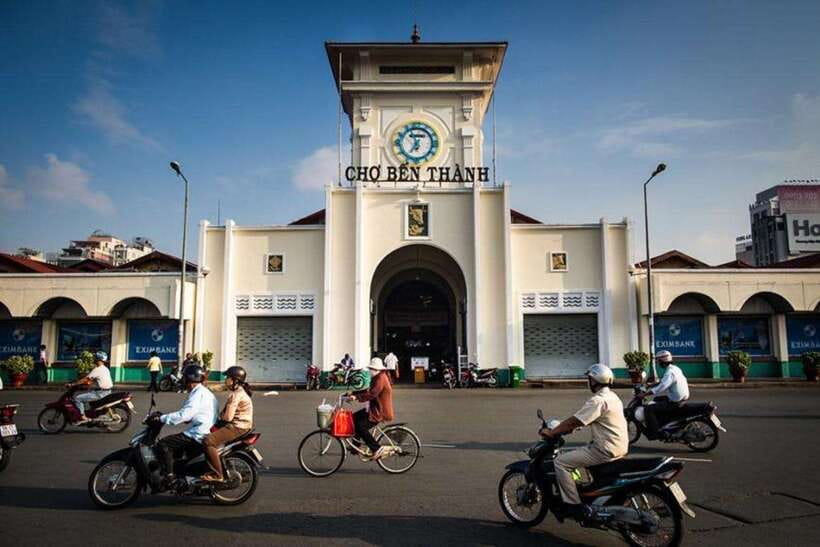
- Shopping stop at your pace: Ben Thanh Market or Saigon Square
- Getting back to Phu My Port on time: driver handles the long haul
- Price and value: what $114 buys you (and what it doesn’t)
- Who should book this Ho Chi Minh City private day?
- Should you book this tour or skip it?
- FAQ
- How long is the Ho Chi Minh City day tour from Phu My Port?
- What stops are included during the day?
- Is lunch included, and when is it served?
- Do I need modest clothing for the temple?
- What’s the pickup and meeting process at Phu My Seaport?
- What vehicle will be used for transport?
- Is this tour suitable for wheelchair users?
Key highlights worth marking on your map
- War Remnants Museum gives you a sobering, graphic look at the Vietnam War, with enough structure to make sense of what you’re seeing
- Thien Hau Temple offers a calm break—sea-and-sailor devotion, ornate details, and a different side of Saigon
- Chinatown + Binh Tay Market area shows daily commerce, not just photos from a postcard viewpoint
- Independence Palace helps you understand the moment the war ended, right down to how the building is arranged
- Central Post Office is a standout French-colonial landmark you can combine easily with the nearby cathedral area
- Private, air-conditioned transport keeps the day comfortable, even with traffic
From Phu My Port to Ho Chi Minh City: the day starts with a drive
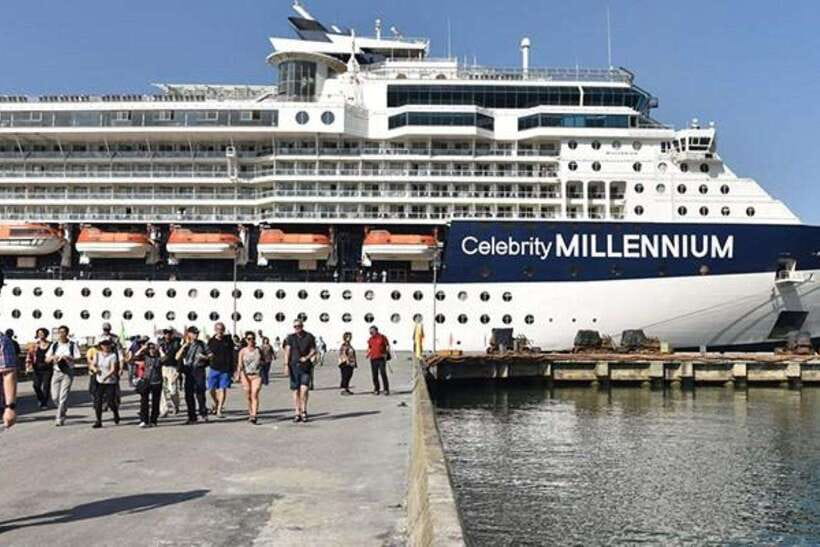
Pickup happens at Phú Mỹ (Phu My Port area) after you clear customs. You’ll head to the main exit gate, then walk or use a free shuttle bus to the meeting point, usually about 500–900 meters away. An assigned driver will wait outside with a name sign, and your English-speaking guide rides with you.
The transfer distance is about 75 km, so even with efficient planning, you should expect a long chunk of travel time. One review flagged that the trip each way can feel like about two hours, which can make the day feel tiring if you’re sensitive to car time. Pack water (it’s included), and wear shoes you can stand in later.
Once you’re in Ho Chi Minh City, the vibe shifts fast: French colonial lines, Chinese cultural influence, modern business energy, and temples side by side. This tour is designed to help you read that mix instead of just staring at it.
You can also read our reviews of more private tours in Ho Chi Minh City

War Remnants Museum: the hardest stop, and the one that gives the day meaning
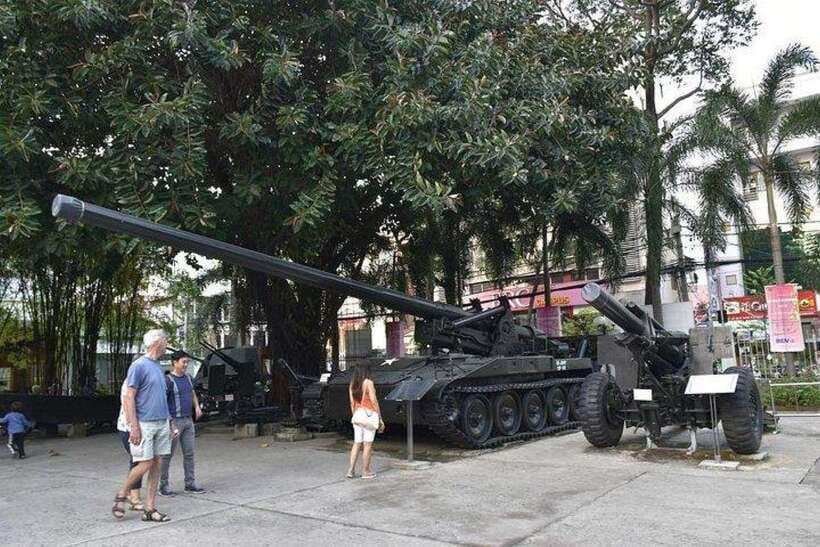
Your first major “big picture” stop is the War Remnants Museum. It opened to the public in 1975, and it’s known for confronting the Vietnam War with a direct approach. The collection includes graphic photographs and American military equipment, and the museum time you’ll have is about 30 minutes.
This isn’t a light stop, so I suggest treating it like a study session, not a quick look. If you’re the type who likes a guide to point out what matters, this is where they earn their keep. A strong guide can also connect the war era to what you’ll see later in the city—buildings, politics, and public memory.
Because the museum content is intense, it’s worth bringing emotional stamina. If you want to pause, you can take it slowly inside the galleries. You don’t have to “win” the visit by seeing everything.
Temples and sea goddess energy at Thien Hau Temple
After the museum’s weight, the tour moves into a calmer, more visual stop: Thien Hau Temple. This is one of the city’s most important pagodas, dedicated to Thien Hau, the Goddess of the Sea and patron of sailors.
You’ll spend about 30 minutes here. It’s a good chance to slow down, notice the ornate details, and watch how the space is used. I like this contrast because it changes the conversation from war to daily belief and tradition.
Dress matters. You’ll want modest clothing for temple visits—non-sleeve shirts and short trousers aren’t allowed. Comfortable shoes are also a must since you’ll be on your feet.
Chinatown in motion: Binh Tay Market area and the daily grind
Next is Chinatown, with about 60 minutes in the area. This neighborhood traces back to the late 18th century and it’s busy in a very practical way—restaurants, temples, and shops you can actually browse.
The highlight to look for here is the Binh Tay market area. It’s described as the main marketplace in Chinatown where a lot of wholesale trading happens. Even if you don’t buy anything, walking through gives you a feel for how commerce and community share the same streets.
In a city like Saigon, this kind of stop helps your brain calibrate. It turns the day from monuments-only into everyday life. If you’re worried about being rushed, Chinatown is one of the better balanced segments of the route.
Independence Palace: where the war-ending moment becomes physical

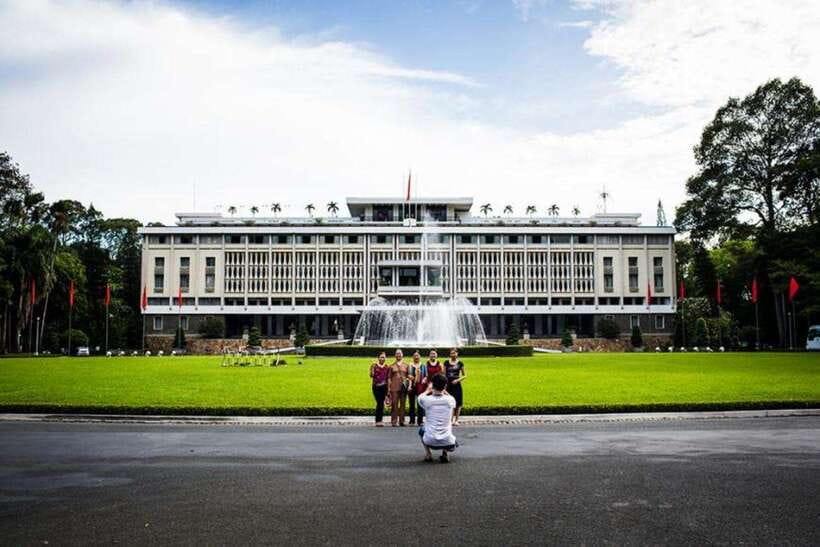
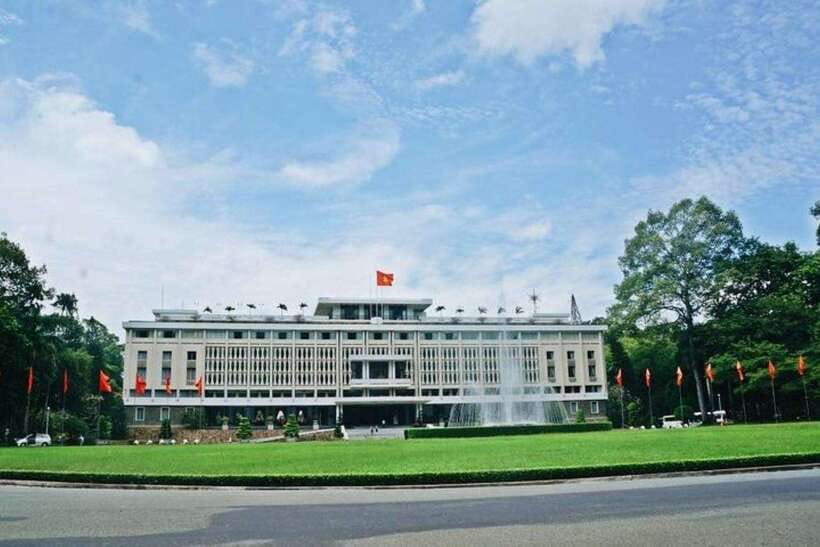
Independence Palace (also called the Reunification Palace) is a major anchor of the day, with about 45 minutes. You’ll visit a former residence of Vietnam’s president, and the building is tied to the moment the Vietnam War effectively ended—North Vietnam forces entering the palace on April 30, 1975.
This is one of those places where the layout tells a story. The rooms, hallways, and the overall structure help you picture how power worked and how events unfolded. It’s also a strong stop for photos—without turning into a theme-park moment.
If your guide is talkative (in a good way), this is where you’ll likely get the clearest explanations of how the building relates to the broader political shift.
You can also read our reviews of more tours and experiences in Ho Chi Minh City




Lunch at a local spot: simple, included, and timed into the day
Lunch runs from about 12:30 to 13:30 at a local restaurant. It’s included, and bottled water is also part of the package. I like that the tour doesn’t make you chase food between stops, especially on a day with a long travel leg.
The only real planning tip: eat like you want energy for walking. This is not the time for a tiny snack and a photo—save that for later. You’ll likely have enough walking after lunch with Chinatown and the afternoon landmarks.
If you’re picky about spice or have dietary needs, you might want to mention it to the guide ahead of time. The details of what’s served aren’t specified in the tour notes.
Central Post Office and the cathedral area: French-era architecture you can read
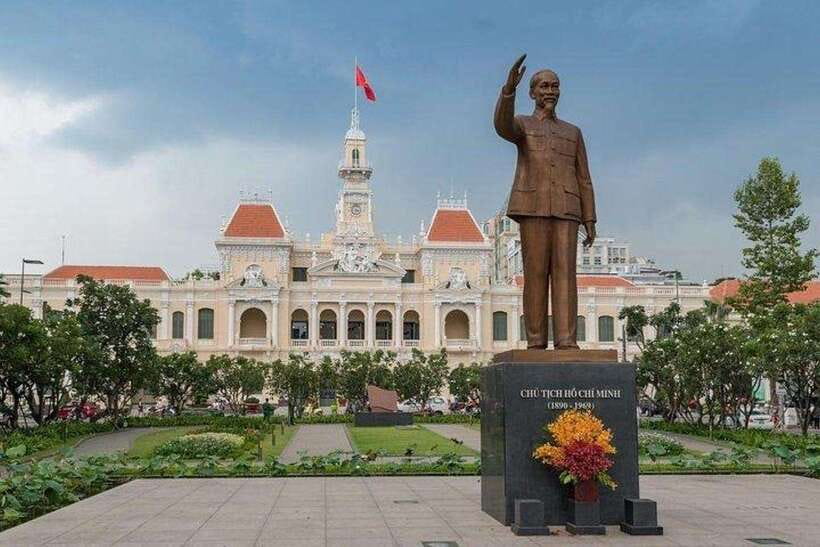
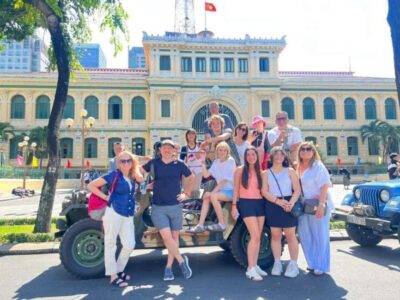
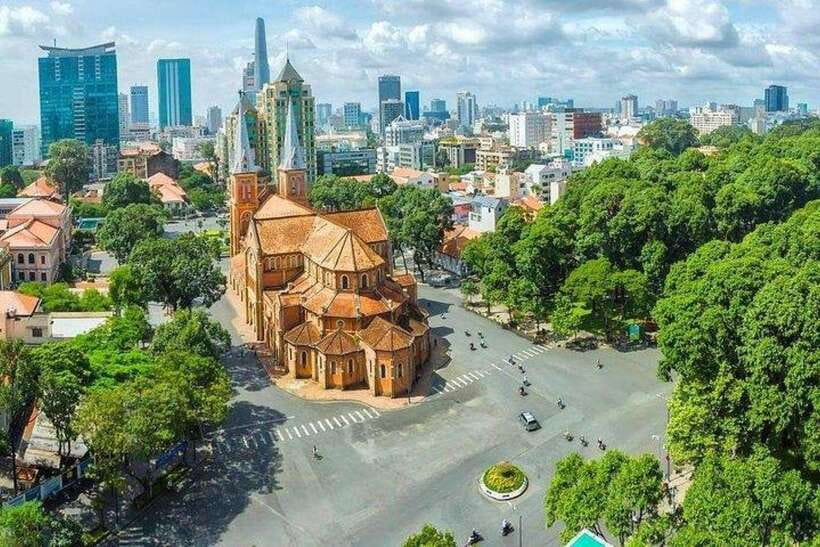
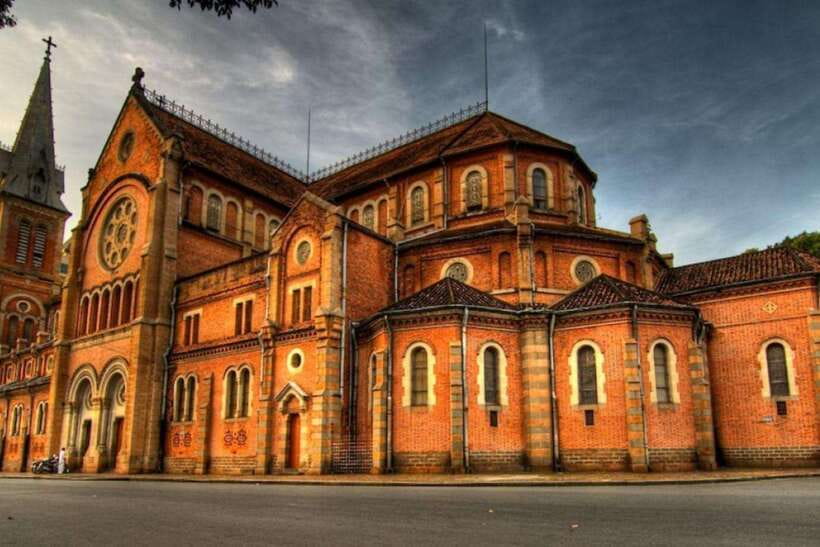
In the afternoon, you’ll head to the Central Post Office area, which is about 20 minutes. This building is described as a beautifully preserved French colonial remnant and often considered one of the grandest post offices in Southeast Asia.
It sits next door to the Notre Dame Cathedral area, so the two are easy to pair during your stop. Even if you’re not a history buff, you can still appreciate the design and the way it fits into modern street life.
This is one of those stops where I find a guide explanation really helpful. It makes it easier to understand why this building is still used as a landmark—not just because it looks good.
Shopping stop at your pace: Ben Thanh Market or Saigon Square
Around 14:30 to 15:00, you’ll get a shopping window based on your request. Two options are listed: Ben Thanh Market or Saigon Square. This is your best moment in the day to pick up small gifts, snacks, or simple souvenirs.
Keep expectations realistic. This isn’t a full market tour—it’s a short, flexible pause. If you want to focus on walking and browsing without stress, this timing works well.
If you care about getting back to the ship on time, pay attention to how long you stay. The driver will be responsible for returning you to the port after the guide finishes.
Getting back to Phu My Port on time: driver handles the long haul
At 15:00, you’ll say farewell to your guide. The driver then transfers passengers back to the port without a guide. You’ll arrive back at Phu My Port around 16:30.
This matters because cruise-day timing can be unforgiving. One review specifically praised the driver for handling chaotic traffic so the group returned on schedule. That’s the kind of detail that can make or break a shore excursion.
Wear sun protection too. The tour notes suggest bringing a hat and sunscreen, which is smart for both walking time and waiting time near city streets.
Price and value: what $114 buys you (and what it doesn’t)
At $114 per person for an 8-hour private tour, you’re paying for more than just site entry. Your price includes an English-speaking guide, all entrance and sightseeing fees, a private air-conditioned vehicle with a driver, lunch, bottled water, and pickup/drop-off at Phu My Seaport.
That’s meaningful value if you’re trying to avoid piecing together transport on your own while also wanting someone to explain what you’re seeing. The museum and palace stops alone can eat up time and planning. Add the city traffic and the port logistics, and a guided route starts to look like a smart shortcut.
What’s not included: drinks and any meals outside the lunch, plus personal expenses. Travel insurance is also not included. So if you like having more control over beverages, plan a little extra budget.
Also note: this tour is private, not a large group. That generally improves comfort and flexibility, especially for a schedule that starts early and includes a long drive.
Who should book this Ho Chi Minh City private day?
This tour is a good fit if:
- You want a one-day plan that covers major landmarks without you doing the research
- You like having an English-speaking guide interpret history and present-day context
- You prefer comfortable transport in air-conditioning during a traffic-heavy day
- You’re visiting on a cruise and want a structured way to get back on time
It may feel less ideal if:
- You hate long car rides and already feel drained by travel time
- You’re traveling with someone who needs wheelchair access (the tour notes say it’s not suitable)
- You don’t want temple dress rules to be part of your day
Should you book this tour or skip it?
I’d book this if your priority is clear guidance for big historical stops plus a realistic slice of city life in Chinatown. The museum-to-temple-to-palace flow makes sense for first-timers who want context, not just photos. The guide quality seems to be the standout factor, including examples of being attentive and adapting explanations for a guest’s mobility needs.
I’d skip it if you know you’ll feel miserable after long transfers from the port. In that case, you could look for a shorter or more port-close option—because the drive is a real part of the experience here.
FAQ
How long is the Ho Chi Minh City day tour from Phu My Port?
The tour runs about 8 hours total, with pickup beginning around 8:00–8:30 and return to Phu My Port around 16:30.
What stops are included during the day?
You’ll visit the War Remnants Museum, Thien Hau Temple, Chinatown (with time near Binh Tay Market), Independence Palace, and the Central Post Office area. There’s also an optional shopping stop and a included lunch.
Is lunch included, and when is it served?
Yes. Lunch is included and runs from about 12:30 to 13:30.
Do I need modest clothing for the temple?
Yes. For temple visits, non-sleeve shirts and short trousers are not allowed, so dress modestly.
What’s the pickup and meeting process at Phu My Seaport?
After passing customs and going through the main exit gate, you’ll walk or take a free shuttle bus to the meeting point (about 500–900 meters away). A driver with a name sign waits outside; you can ask at an assistance booth if needed.
What vehicle will be used for transport?
It depends on group size: a sedan car for 1–2 people, an SUV for 3–4 people, and a van for 5–10 people.
Is this tour suitable for wheelchair users?
No. The tour notes say it’s not suitable for wheelchair users.
If you tell me your cruise departure time (or ship name) and how mobile your group is, I can help you judge whether the day’s structure and long drive will feel comfortable.