REVIEW · HO CHI MINH CITY
1-Day Ho Chi Minh City & Cu Chi Tunnels-Deluxe Group Of 10 Max
Book on Viator →Operated by Hana Tourist Vietnam · Bookable on Viator
The best thing about this day is the contrast. You start in Ho Chi Minh City with major landmarks, then end up in the Cu Chi Tunnels learning how the war was lived underground. Two things I really like: the small group size (max 10) keeps the day feeling human, and the guide time is strong—people name guides like Tri and Ken for clear, funny explanations. One thing to keep in mind is pacing: the city portion is fairly efficient, so some stops are quick photo moments rather than long hangs.
This tour also earns its value by bundling what usually adds up—transport, entrance fees, and lunch—into one price. You get an English-speaking guide, bottled water, and tissues, which sounds small until you’re sweating in midday traffic. The Cu Chi part is hands-on too: a short video, a crawl through tunnels, and a peek into bunkers and daily life spaces.
If you hate early starts or tight timelines, this won’t be your favorite style. If you’re okay with a long day (about 10 to 11 hours) and want a structured overview of the south’s modern history, it’s a solid fit.
In This Review
- Key takeaways
- The “Deluxe” Feel Comes From Small-Group Pace
- Saigon Morning: Notre Dame, Post Office, and the War Remnants Museum
- Reunification Palace and Jade Emperor Pagoda: Two Different Stories in One Route
- Ben Duoc Cu Chi Tunnels: Documentary, Underground Crawl, and Real-World Survivorship
- Lunch and the Tapioca + Pandan Tea Stop That Keeps the Day Moving
- Transport, Timing, and What “Included” Really Means
- Guides Make or Break It: Tri and Ken’s Style
- Price and Value: What $55 Gets You (and Why It’s Not Just a Deal)
- Who This Tour Fits Best (and Who Might Want a Different Plan)
- Should You Book This Ho Chi Minh City + Cu Chi Tunnels Day Trip?
- FAQ
- FAQ
- How long is the Ho Chi Minh City and Cu Chi Tunnels tour?
- What time does the tour pick me up in Ho Chi Minh City?
- Is hotel pick-up included?
- Which sights are visited in Ho Chi Minh City?
- Which Cu Chi Tunnels area do you visit?
- Is lunch included?
- Are entrance fees included?
- How big is the group?
- Is the shooting range included?
- Can I cancel and get a refund?
Key takeaways
- Max 10 people keeps the day from turning into a cattle line.
- Tri or Ken-style guiding brings history to life with humor and lots of answers.
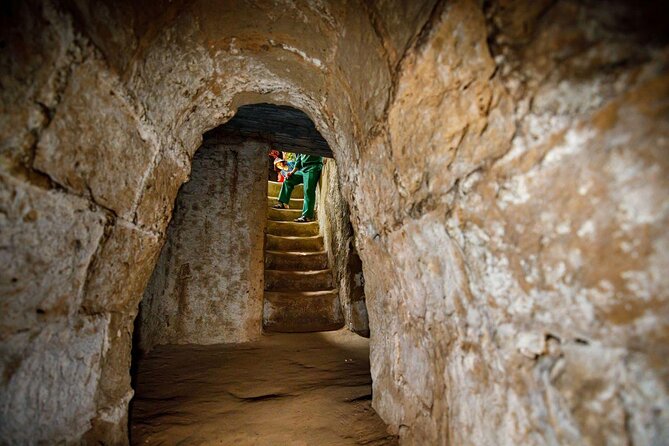
- Ben Duoc Cu Chi Tunnels includes the documentary, underground crawl, and bunker explorations.
- Lunch + entry fees + transport are packaged into the price, which is rare at this level.
- Tapioca dessert and pandan tea are part of the Cu Chi experience, not an afterthought.
- Shooting range is optional, and availability can depend on local circumstances.
The “Deluxe” Feel Comes From Small-Group Pace
This is sold as a Deluxe group tour with a maximum of 10 people, and you feel that difference in how the day flows. You’re not stuck waiting behind bigger groups for every crosswalk. The vehicle is air-conditioned for the long drive time out to the tunnels, which matters because the day starts early and you’ll still be moving when the heat ramps up.
You also get built-in comfort basics: mineral water, cool tissues, and an English-speaking guide. That combo sounds basic, but it helps you stay focused on what you came for: the landmarks in Saigon and the tunnel system at Ben Duoc.
If you’re the type who likes asking questions, this group size helps. With room to breathe, guides can actually answer follow-ups instead of rushing you through the next stop.
You can also read our reviews of more city tours in Ho Chi Minh City


Saigon Morning: Notre Dame, Post Office, and the War Remnants Museum

Pickup typically happens at your hotel around 7:30 to 8:00 AM, and that early start is what makes it possible to see a lot of ground without feeling panicked. Once you’re rolling, the tour concentrates on classic “get your bearings fast” sights—then it adds weight with the museum visit.
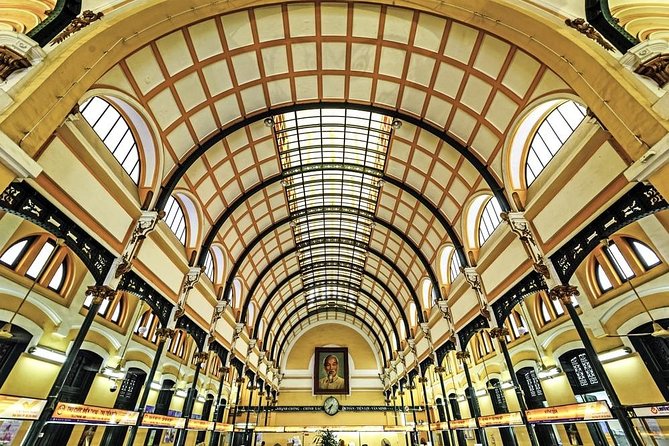
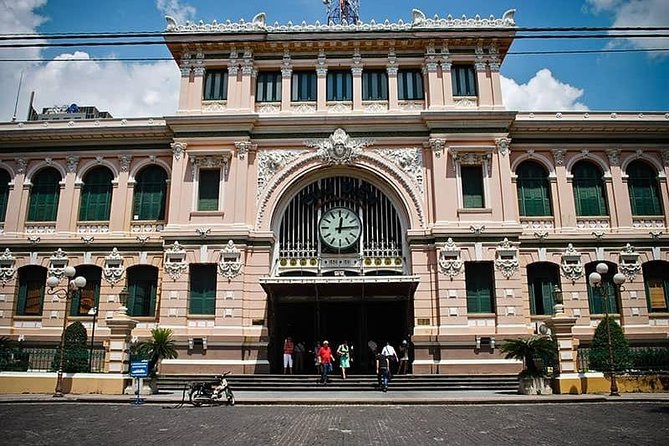
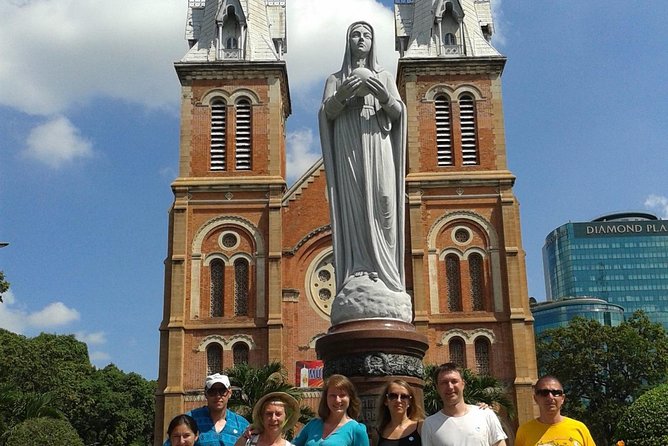
In central Ho Chi Minh City, you’ll see Notre Dame Cathedral of Saigon and the Central Post Office. These are the kind of landmarks that help you understand why French colonial architecture still shapes the city’s look today. Even if you’ve seen similar buildings elsewhere, the setting here gives it a distinctly Saigon mood—busy streets, big history, and people moving around all the time.
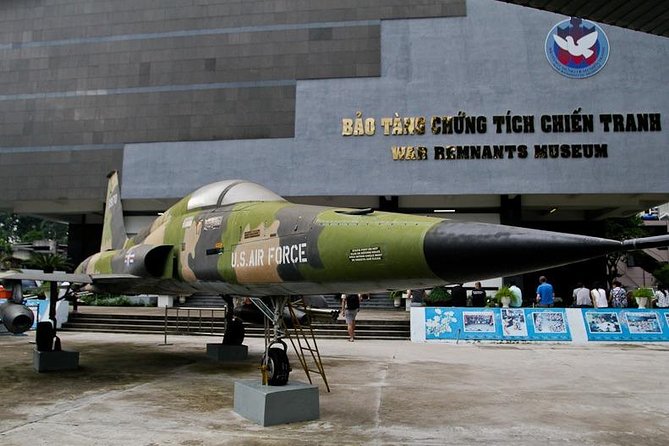
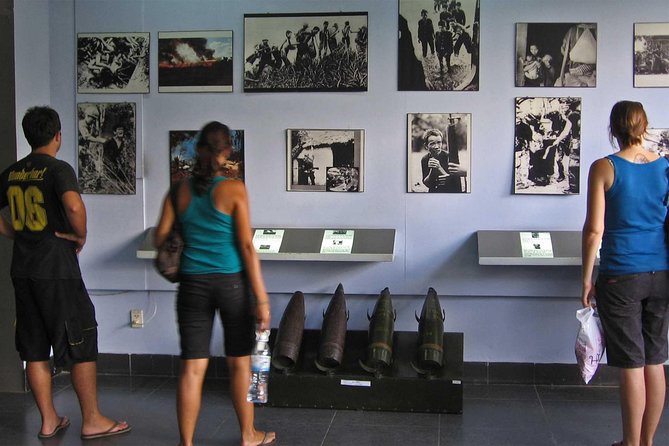
Next up is the War Remnants Museum. This is the emotional center of the city half. The focus is Vietnam’s turbulent war history and its impacts in the south, and your guide’s job is to connect the dots so you don’t just read captions—you understand why specific displays matter. The museum can be intense, so having an English-speaking guide is a big deal for context.
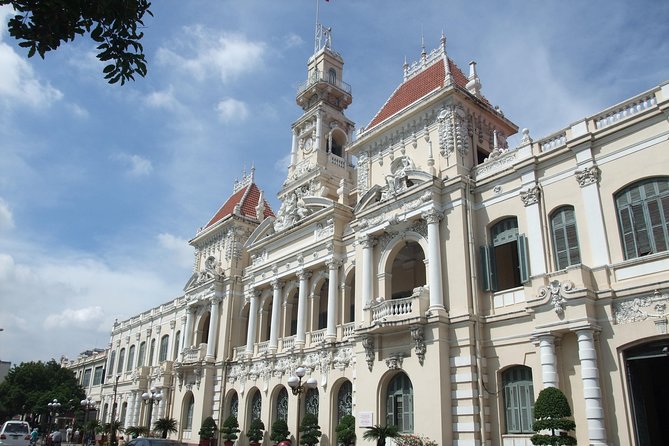
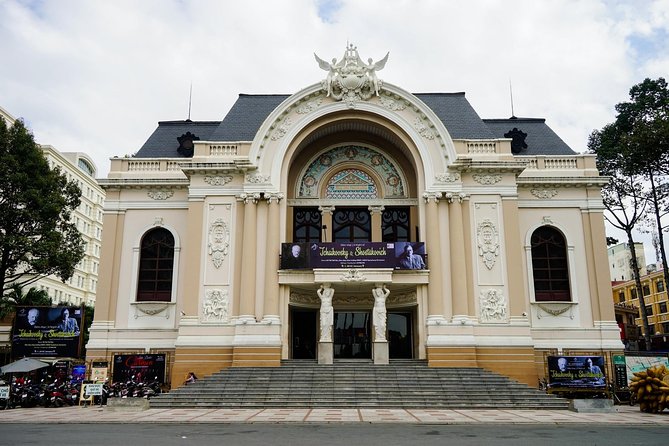
You’ll also pass by the Opera House, walk or stop near Nguyen Hue pedestrian area, and visit the Jade Emperor Pagoda. Reunification Palace is included as a photo stop, which is practical: you get to mark it, see it from the outside, and keep your energy for the heavier part later.
What to watch for: with so many stops packed in, the city portion can feel brisk. If you want long, slow time inside every site, you may wish you had a separate museum day. If you want a strong overview with guidance, this pacing works well.
Reunification Palace and Jade Emperor Pagoda: Two Different Stories in One Route
The route doesn’t treat the city as one mood. It shifts gears.
Reunification Palace is handled as a stop for photos. That means you get the visual anchor and can come back later on your own if you want deeper time in the rooms and exhibits. For most first-timers, that’s a smart tradeoff: you still get the highlight without sacrificing the rest of the day.
Then there’s the Jade Emperor Pagoda, which changes the atmosphere in a good way. Instead of war-focused learning, you get a living religious site. It’s a reminder that history in Vietnam isn’t only built from conflict—it’s also built from everyday spiritual practice.
The lesson here is practical: the city half teaches you where the war-era story sits inside a still-functioning city. You don’t leave with history floating in the abstract.
Ben Duoc Cu Chi Tunnels: Documentary, Underground Crawl, and Real-World Survivorship
The afternoon shifts to Cu Chi Tunnels (Ben Duoc), where the goal is understanding through experience, not just viewing. After lunch, you spend about an hour heading out to the site. That transit time matters: it sets up the day physically, so when you arrive you’re ready for the video, the walk-throughs, and the crawl.
At Ben Duoc, you’ll start with a short documentary video. This is useful because it gives you the big picture before you go underground. Without that, the tunnel structures can look like a pile of confusing holes. With context, you start noticing patterns: why certain areas exist, and how space was organized for survival.
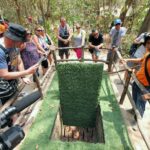
Then comes the part many people remember most: crawling underground through the tunnels. It’s not framed as a thrill ride, but it does feel like an eye-opener. You’re dealing with narrow space and the physical reality of moving while hiding. That’s the point. You learn the tunnels weren’t built for visitors—they were built for people who needed to stay hidden.
As you explore, you’ll encounter fighting bunkers and meeting bunkers, plus features such as a water well and a kitchen area known as Hoang Cam. The tour also includes time for challenge activities—trying to spot a secret entrance, a wooden door, and traps. That interactive style turns the space into a puzzle, and it makes the history stick.
Your guide is key here. People specifically mention guides like Tri sharing extra details and answering questions patiently, even if you already knew some history. That matters because tunnel sites are full of little “why is this here?” moments.
Possible drawback: the crawl is physically demanding and not everyone will love that. If you’re dealing with mobility issues, claustrophobia, or limited stamina, you’ll want to think hard about whether the underground portion is for you.
Lunch and the Tapioca + Pandan Tea Stop That Keeps the Day Moving
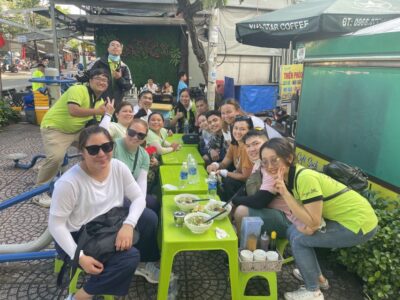
Lunch is included and served with Vietnamese food, plus Asian food options. It’s not just a filler meal—it’s strategically timed, because you’ll need energy for the afternoon drive and the tunnel experience.
One detail I genuinely appreciate is the tunnel-area dessert. You get tapioca with salted sesame and sugar, plus hot pandan leaf tea water. It’s a small cultural touch that turns the site from strictly educational into something more human—people ate, rested, and kept routines even in extreme conditions.
If you’re the kind of traveler who hates forgetting to eat, having lunch and hydration handled for you helps. You’re less likely to spend the day searching for a snack while you’re already committed to a tight schedule.
You can also read our reviews of more tours and experiences in Ho Chi Minh City






Transport, Timing, and What “Included” Really Means
From start to finish, the tour is designed to remove friction. You get air-conditioned transport for both sightseeing and the tunnel transfer, plus pick-up and drop-off at your hotel, and entrance fees for the city sites and Cu Chi.
You also get bottled water and tissues, which is the kind of comfort you rarely notice until you’re in it. It keeps the experience smooth, especially after the museum visit and before the long tunnel crawl portion.
Timing is the tradeoff. The total day runs about 10 to 11 hours, so you’ll spend a lot of it in motion. The city segment is about 4 hours, meaning you see many places but not in slow-motion detail.
If you like a day plan that’s structured and guided, you’ll probably find that comforting. If you prefer free time to wander, plan a bit of flexibility afterward so you can re-visit what caught your eye.
Guides Make or Break It: Tri and Ken’s Style
The strongest praise in this kind of tour is almost always about the guide. In this case, people call out Tri and Ken by name, describing them as funny, engaging, and strong at explaining war history and the tunnel system.
That matters because Cu Chi is not just physical. It’s interpretive. A good guide helps you connect details like bunkers, water sources, and hidden features to the larger story of how people adapted to the war environment.
You’ll also appreciate the way guides handle questions. One of the best-feeling parts of a small-group tour is when you can ask, then get a real answer—not a hurried “next stop” line.
Also worth noting: the tour style is described as having no pressure to buy things. That’s a quality-of-life detail, especially on days where you’ll feel rushed anyway.
Price and Value: What $55 Gets You (and Why It’s Not Just a Deal)
At $55 per person, this is priced for travelers who want structure without paying a premium for private guiding. For a long day covering major city landmarks, War Remnants Museum, and Cu Chi Tunnels, the value comes from bundling.
You’re getting:
- hotel pick-up and drop-off
- air-conditioned transport
- lunch
- entrance fees for city and tunnels
- an English-speaking guide
- mineral water and tissues
In practice, that means fewer line-items to manage mid-trip. Even if you’d do some of this on your own, you’d likely spend time coordinating transport and separate admissions—and that’s the exact hassle this tour removes.
The main “cost” isn’t money. It’s time and pacing. You’re committing to a full day with a set route, and the city portion is efficient by design. If you want to linger, you may feel slightly capped.
Who This Tour Fits Best (and Who Might Want a Different Plan)
This tour is a great match if:
- you want a first-timer overview of Ho Chi Minh City plus a focused Cu Chi experience
- you like learning with an English-speaking guide
- you want a manageable group size (max 10)
- you’re okay with a long day and some quick photo stops
It may be less ideal if:
- you can’t handle cramped spaces or the underground crawl
- you prefer deep, independent museum time instead of guided highlights
- you hate early starts and tight schedules
If you’re traveling with family, the small-group limit can make it easier to keep everyone together. Still, the underground portion is the big physical variable.
Should You Book This Ho Chi Minh City + Cu Chi Tunnels Day Trip?
I’d book it if you want your time in southern Vietnam to feel organized and meaningful. The combination is strong: French-era landmarks and city context in the morning, then war history that becomes physical at Ben Duoc Cu Chi Tunnels. Add in included lunch and admissions, plus guides like Tri or Ken who keep it informative and not joyless, and you get a day that feels worth the time.
I’d skip it (or at least seriously compare alternatives) if you’re not up for a physically demanding crawl underground or if you want a very slow, self-guided pace in Saigon.
FAQ
FAQ
How long is the Ho Chi Minh City and Cu Chi Tunnels tour?
It runs about 10 to 11 hours in total.
What time does the tour pick me up in Ho Chi Minh City?
Pickup is typically between 7:30 AM and 8:00 AM.
Is hotel pick-up included?
Yes. The tour offers pick-up and drop-off at your hotel using air-conditioned transportation.
Which sights are visited in Ho Chi Minh City?
You’ll see Notre Dame Cathedral of Saigon, the Central Post Office, War Remnants Museum, the Opera House, the Nguyen Hue pedestrian area, Jade Emperor Pagoda, and you’ll stop at Reunification Palace for a photo.
Which Cu Chi Tunnels area do you visit?
You go to Cu Chi Tunnels at Ben Duoc.
Is lunch included?
Yes. Lunch with Vietnamese food and Asian food is included.
Are entrance fees included?
Yes. Entrance fees for the city stops and the Cu Chi Tunnels are included.
How big is the group?
The group size is limited to a maximum of 10 travelers.
Is the shooting range included?
There is an opportunity at the shooting range at the end of the Cu Chi experience, and it’s described as optional.
Can I cancel and get a refund?
Yes. You can cancel for a full refund up to 24 hours before the experience starts.