REVIEW · HO CHI MINH CITY
Ho Chi Minh: Full-Day Private City Tour
Book on GetYourGuide →Operated by Maika Tours · Bookable on GetYourGuide
Saigon hits hard and fast. I love Ho Thi Ky Flower Market for its colors and daily rhythm, and I love the hour of bike riding through the neighborhood markets. One heads-up: the War Remnants Museum can be graphic, so go in with emotional stamina.
This is a full-day, private tour built to cover a lot of ground without you doing the hard planning. You get an English-speaking guide, an air-conditioned vehicle to cool off, and set-menu comfort food like famous phở when you need a reset. If you’re hoping for a tight route plus real local scenes, this one fits well.
In This Review
- Key points at a glance
- Ho Thi Ky Flower Market to the bicycle start (and why it works)
- Chinatown’s Thien Hau Temple and the canal contrast
- War Remnants Museum: what to expect before the emotional hit
- Pho lunch and a guide who keeps the day moving
- Reunification Palace to Notre Dame and the Central Post Office
- The CIA building stop, Frequent Wind, and the mini walking highlights
- Ben Thanh Market, bargain practice, and Vietnamese coffee to end the day
- Price, included value, and what you’re really paying for
- Who this suits best (and who should think twice)
- Should you book this Ho Chi Minh City full-day private tour?
- FAQ
- How long is the tour, and when should I plan to start?
- What’s included in the price?
- Is hotel pickup included?
- What food do you get on the tour?
- Is the tour private or shared with other people?
- Is it wheelchair accessible?
- What should I bring and wear?
- Is free cancellation available?
Key points at a glance
- Ho Thi Ky Flower Market kicks off your day with a front-row look at daily life
- One-hour bicycle loop gives you a slower way to see food, fruit, and specialist stalls
- Thien Hau Temple in Chinatown delivers one of the city’s most beautiful spiritual sights
- War Remnants Museum is powerful, graphic, and worth taking seriously
- Ben Thanh Market plus coffee helps you end with a practical look at shopping culture
Ho Thi Ky Flower Market to the bicycle start (and why it works)
You begin with a stroll through Ho Thi Ky Flower Market, which is described as the biggest flower market in Ho Chi Minh City. The point isn’t just pretty pictures. It’s watching how the city feeds itself visually: traders moving, arranging, and sorting while you pass through narrow lanes that feel like a working scene, not a staged attraction.
After that, you head to the pet market area where you pick up your bicycle for about an hour. It’s a smart move. Instead of only sitting in a car, you get a chance to slow down and notice details—faces, stalls, smells, and the everyday flow of traffic and footpaths. It also changes the vibe of the day. Heat can drain you. A bike hour breaks up the long sightseeing rhythm.
On the ride, you pass the local food and fruit market. You’ll get an insight into Vietnamese cuisine and everyday life, which matters because later stops—like museums and historic buildings—feel more understandable when you’ve already tasted the city’s normal pace.
You’ll also see specialist areas along the way: leather, fabric, second-hand items, and Chinese medicine stalls. The tour doesn’t treat these as separate attractions. It treats them as parts of how a modern Saigon functions. That’s the value of a local guide here. They help you connect what you’re seeing to what it means for the people who use these places every day.
One practical thing: bring sunscreen and insect repellent if you’re sensitive. The tour suggests a sun hat and sunscreen for a reason. Ho Chi Minh City can feel like it’s running on humidity and sun.
You can also read our reviews of more city tours in Ho Chi Minh City


Chinatown’s Thien Hau Temple and the canal contrast
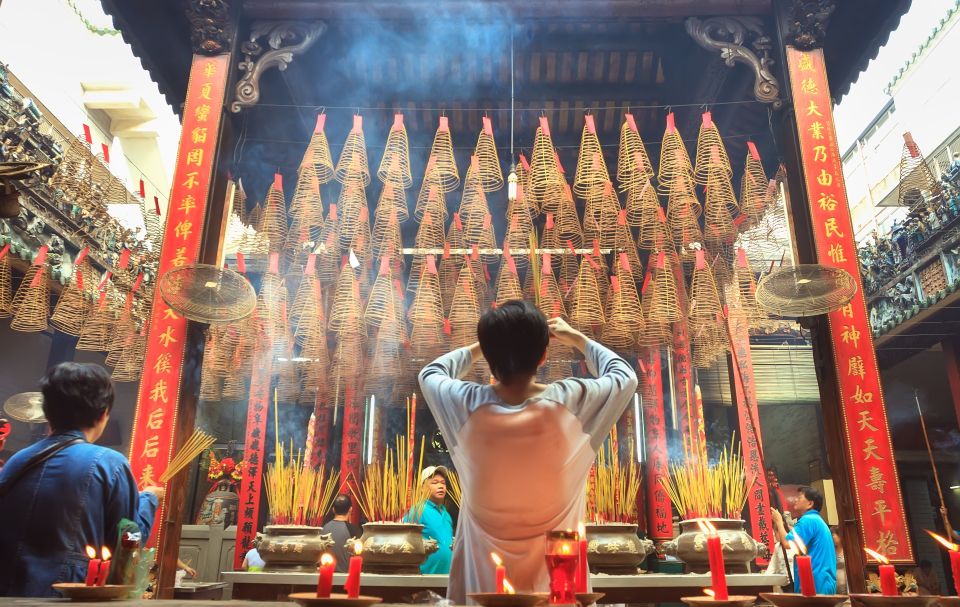
Once the biking leg ends, you arrive at Thien Hau Temple in Chinatown. This temple is widely considered one of the most beautiful in the city, and you’ll see why when you’re standing there in the middle of that neighborhood energy. Temples like this are more than architecture; they’re a living part of how people mark faith, community, and daily hope.
The tour then shifts to a drive along a canal. This section hits different. You get a visible contrast between poorer stilt houses and taller, wealthier high-rises nearby. It’s not a lecture—it’s a view from the road, fast enough to keep moving but sharp enough to make the point. You leave with a better sense of the city’s inequality and how close it can sit to opportunity.
After the canal, you move toward the War Remnants Museum. At this point, you’ve seen a slice of everyday Saigon and a spiritual landmark. That makes the museum stop land harder, because you already know what’s at stake in the real lives behind the history.
War Remnants Museum: what to expect before the emotional hit
The War Remnants Museum is a highlight, but it’s also the part of the day that demands caution. The tour description is direct: it has graphic content, and it can be emotionally hard-hitting. If you’re the type who gets rattled by photos or written material, plan for shorter viewing bursts and take breaks.
I like this stop because it doesn’t feel like a quick history check-box. It’s an attempt to show different perspectives on the Vietnam War and its continuing effects today. Whether you agree with every interpretation or not, you’ll come away understanding that history is not only about what happened—it’s also about how it’s shown, remembered, and argued over.
If you want to be practical about it, wear comfortable clothes and keep water in mind. The tour includes two bottles of water, but you may still want extra if you’re out in the sun a lot.
Pho lunch and a guide who keeps the day moving
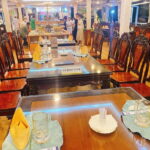
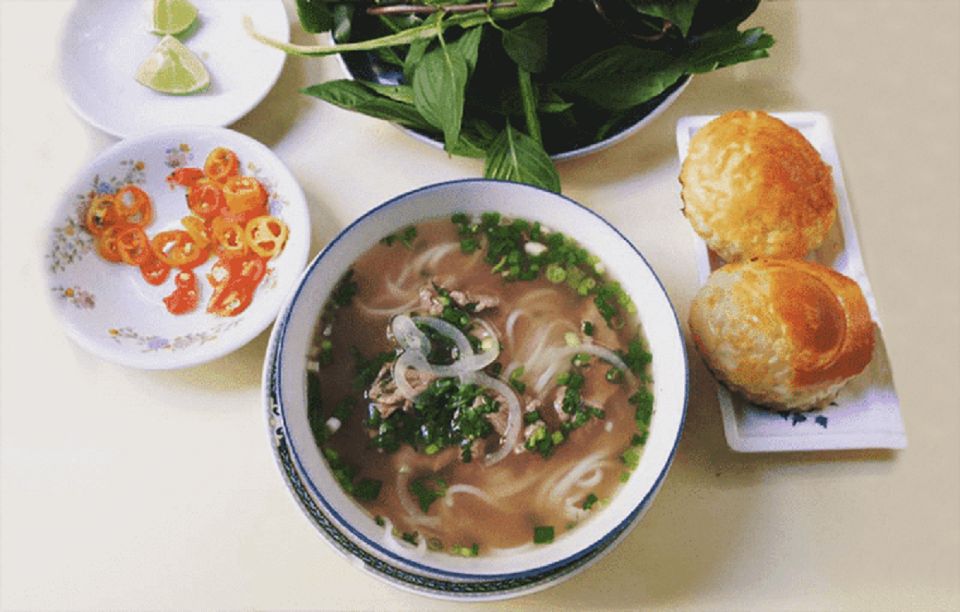
After the museum, you go for lunch—Vietnamese set-menu style, with the famous phở called out as the lunch highlight. Lunch here matters because the museum can take a lot out of you. A hot bowl of noodles is simple, filling, and normal in a way that helps your brain settle back into the present.
This is also where a good guide earns trust. One guide named Tien gets special praise for arranging a lunch that’s delicious and authentic. Even if your guide is different, the value stays the same: you’re not left hunting for food on your own, and you’re eating something that fits the tour’s theme of real Saigon life.
Then it’s back into history with the Reunification Palace, also known as the Independence Palace.
Reunification Palace to Notre Dame and the Central Post Office
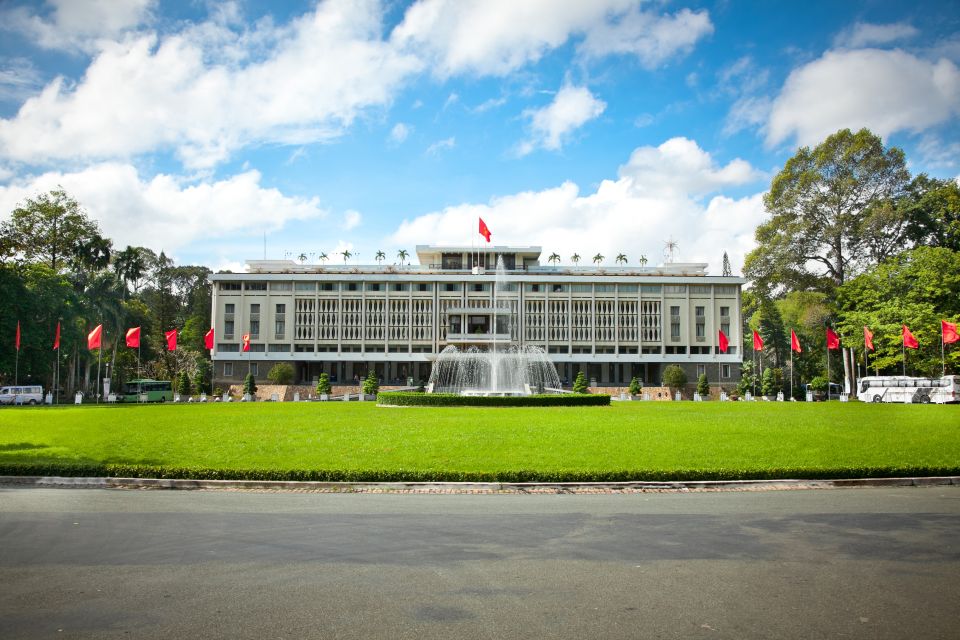
The Reunification Palace is a major turning point in the tour route. You walk through it with your guide and learn its important place in Vietnamese history. What makes this stop feel worth your time is that it’s not only exterior views. It’s a place where decisions happened, rooms where the story unfolded, and spaces that help you picture the timeline instead of just memorizing dates.
From there, you head to Notre Dame Cathedral and the Central Post Office. These buildings are famous for their architecture and also for what they represent in the city’s French colonial-era footprint. Your guide explains the history behind the two buildings, and that context helps you see them as more than photo backdrops.
A quick practical note: this part of the day often comes with more walking and standing. The tour recommends that you dress respectfully—knees and shoulders covered. If you want to stay comfortable, choose breathable fabric that still meets that rule.
Also, be ready for the fact that this city is photogenic in every direction, which can tempt you to linger. Your guide’s job is to keep you moving so you don’t lose half your afternoon to one perfect shot.
You can also read our reviews of more private tours in Ho Chi Minh City


The CIA building stop, Frequent Wind, and the mini walking highlights
Next comes a stop at the historic CIA building area, where the last U.S. helicopter flew out of Saigon in 1975. The tour connects that moment to the story of Operation Frequent Wind. This is one of those “history with a timeline” stops. It gives you a specific event to anchor the bigger story of the war’s final chapter.
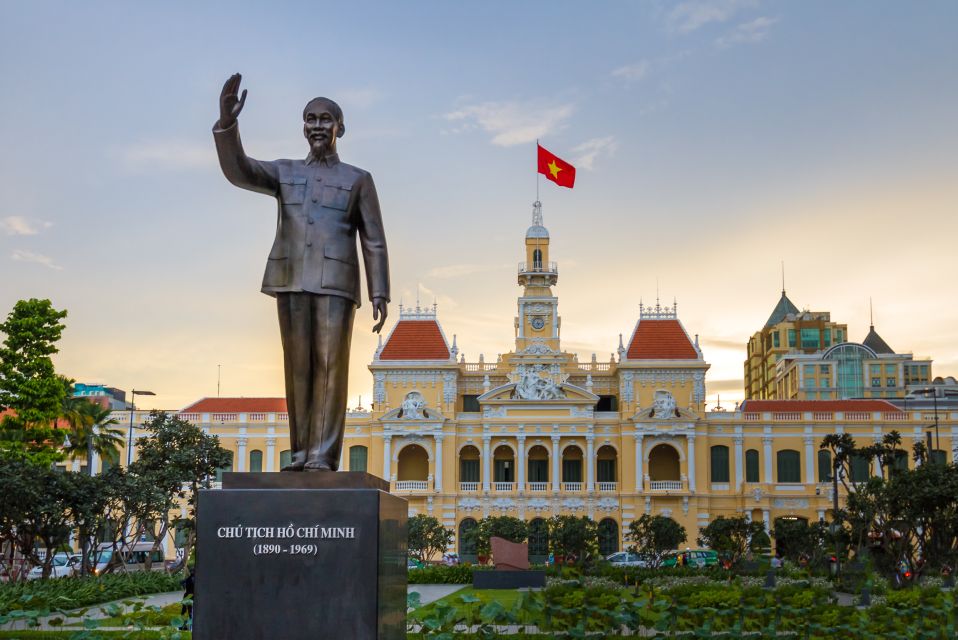
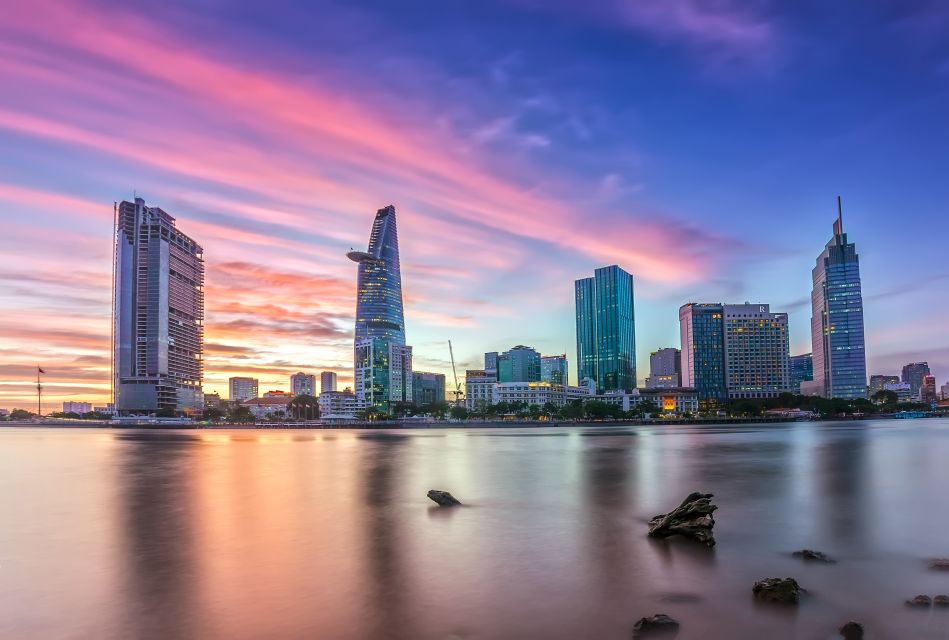
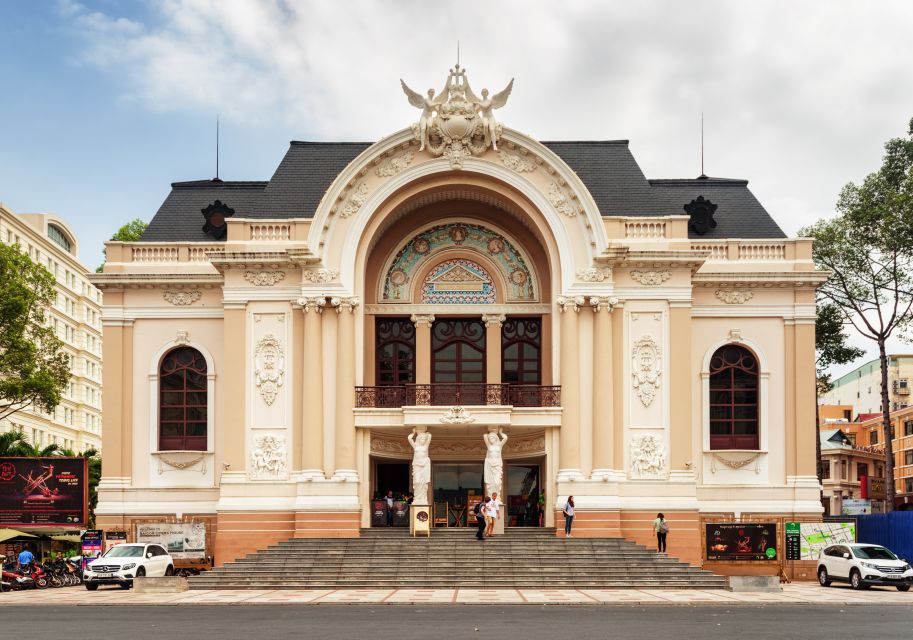
From there, you take a mini walking tour around key city sights. You’ll see the Opera House, Hotel Continental, and Nguyen Hue Square, where you can spot landmarks like City Hall, Rex Hotel, and the Bitexco building. This is a nice way to finish the day because you’re mixing official history with modern city identity.
I like these walking moments because they let you shift from museum intensity to street-level observation. You get to look up, notice architectural styles, and understand why certain places became icons. You also get a sense of scale—how big the city feels and how far things have changed since 1975.
One more practical reminder: this day is long. Even with air-conditioned breaks in the vehicle, plan on taking your time with photos so your feet don’t revolt by late afternoon. The tour runs around 5pm if you start near 8am.
Ben Thanh Market, bargain practice, and Vietnamese coffee to end the day
The final big experience is Ben Thanh market, a must-see spot for understanding local market culture. This is where your tour stops being theory and turns into real shopping behavior.
You can browse and window shop, or you can practice bargaining skills. The tour doesn’t push you into buying. It gives you a chance to see how trading works and what kind of rhythm you’ll encounter if you choose to shop.
Finally, you’ll enjoy a famed Vietnamese coffee before being brought back to your accommodation. Coffee at the end is a smart way to close the day. It’s warm, caffeinated, and grounding—especially after a long sequence of heavy history and sensory market stops.
Price, included value, and what you’re really paying for
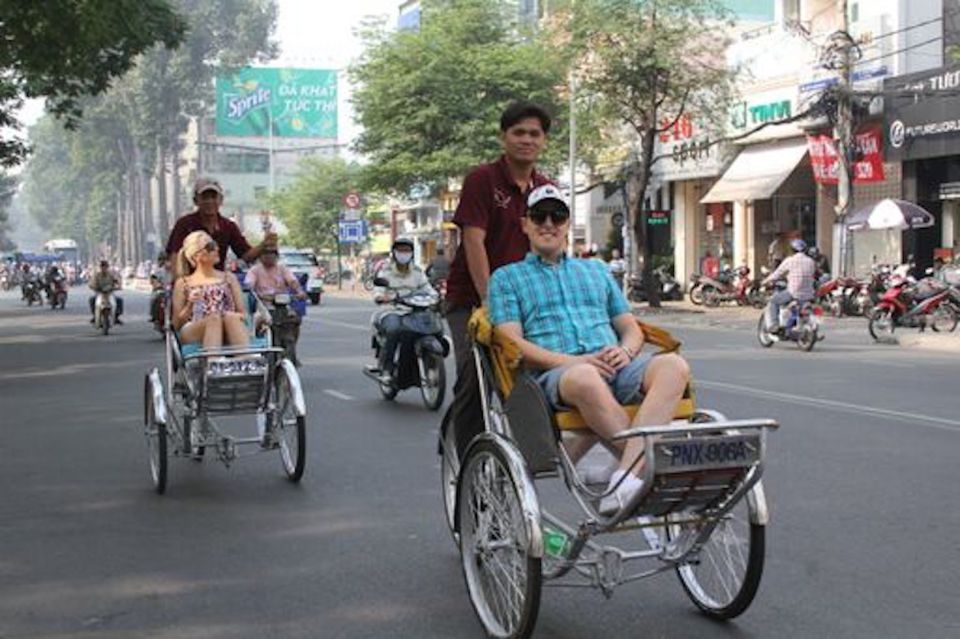
The tour price is $95 per person for an 8-hour private experience. That sounds simple, but here’s the real value breakdown:
- Private format means you’re not stuck with a big group pace. Your guide can tailor explanations to what you actually care about.
- Air-conditioned vehicle matters in Ho Chi Minh City. You’re in AC between stops, not just touring in the heat.
- Entrance fees are included, so you’re not nickel-and-diming yourself at each ticket window.
- Lunch is included as a Vietnamese set menu with phở highlighted, which saves time and stress.
- Two bottles of water are included, a small thing that still helps on a long day.
If you were to plan these stops on your own, you’d spend time coordinating transport, buying tickets, and figuring out food. This tour compresses that into one organized day, with an English-speaking guide. You’re paying for convenience, context, and a smoother flow.
If you want a day that hits the city’s big markers—markets, major landmarks, and the most important war-related sites—this is priced in a way that makes practical sense.
Who this suits best (and who should think twice)
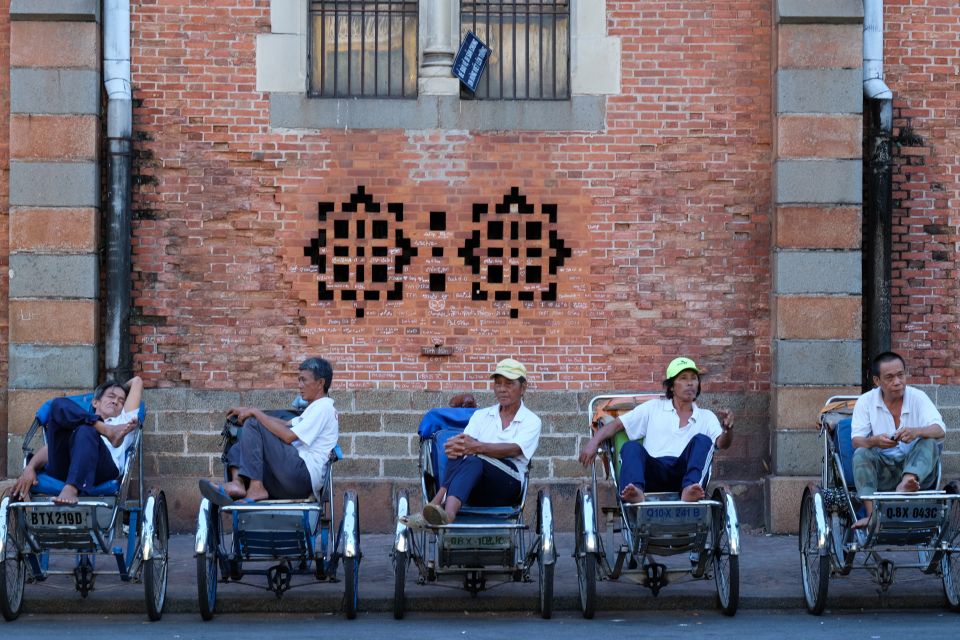
This tour is ideal if you want a structured full-day overview without sacrificing local detail. It’s a strong match for first-timers who want iconic sights plus real neighborhood scenes: the flower market, the Chinatown temple, and the market culture at Ben Thanh.
It also fits travelers who like variety: walking, a bicycle hour, museum time, and then more city sights at the end. You’re not doing the same type of activity for eight hours.
Think twice if the War Remnants Museum is likely to upset you. The tour is upfront that the content is graphic. Also consider whether a bicycle ride through city lanes is comfortable for you. The tour includes the bike and the time is set, but you’re still the one pedaling.
Should you book this Ho Chi Minh City full-day private tour?
If you want one day in Ho Chi Minh City that gives you both contrasts—everyday markets and major historic weight—this is a solid booking. The itinerary is tight, but it’s also paced with a mix of vehicle time, walking, and that bicycle hour. The included lunch and included entrance fees remove a lot of friction.
Book it if you value a clear route and a guide who helps you connect the dots between what you see on the street and what you learn in the museums. Skip it or plan differently if you know you’re sensitive to graphic museum material or if you want a slower, less structured day with fewer stops.
FAQ
How long is the tour, and when should I plan to start?
The tour duration is 8 hours. A recommended start time is around 8:00AM, finishing around 5:00PM, though starting times can vary based on availability.
What’s included in the price?
All entrance fees, all taxes, a fully air-conditioned vehicle, two bottles of water, an English-speaking guide, and a Vietnamese set menu lunch are included.
Is hotel pickup included?
Yes. Pickup is included from any hotel within Ho Chi Minh City. You should wait in the hotel lobby about 10 minutes before the scheduled pickup time, and your guide will be holding a sign with your last name.
What food do you get on the tour?
Lunch is a Vietnamese set menu, and phở is specifically noted as the lunch you’ll have after the War Remnants Museum. A Vietnamese coffee break is also included near the end of the day.
Is the tour private or shared with other people?
This is a private group tour.
Is it wheelchair accessible?
Yes, the tour is listed as wheelchair accessible.
What should I bring and wear?
Bring a sun hat, sunscreen, a jacket, and insect repellent. Dress respectfully with knees and shoulders covered.
Is free cancellation available?
Yes. You can cancel up to 24 hours in advance for a full refund.
If you tell me your travel dates and how you feel about museums, I can help you decide whether this itinerary’s stop sequence is a good match for your pace.