REVIEW · HO CHI MINH CITY
Ho Chi Minh: Local Cooking Class At Auntie’s Home
Book on GetYourGuide →Operated by LV Tours · Bookable on GetYourGuide
Streets first. Then your apron. This Ho Chi Minh cooking class sends you away from the busy center into District 6 for a walk through tight back alleys, a visit to a major wet market, and hands-on lessons in Auntie Tu’s home kitchen. I really like the way the day mixes real local daily life with practical cooking skills you can repeat later, and I love the specific meal structure—5 dishes plus a sour soup—so you leave with a clear plan, not vague tips. One consideration: it’s lots of walking in sun and heat, and the kitchen experience isn’t set up for wheelchair users.
You’ll also have the added bonus of learning how locals shop, not just what to cook. An English-speaking guide helps translate what’s going on in the market, and you’ll use that to buy ingredients before cooking starts.
At $56 per person for about 4 hours, it’s not a budget snack class. But given that you get market time, transportation, a cooking host, step-by-step instruction, and multiple dishes to eat, it can be good value if you want something more personal than a central-district demo.
In This Review
- Key points I’d plan around
- Bargain-size Time, Big-Meal Learning: What 4 Hours Really Means
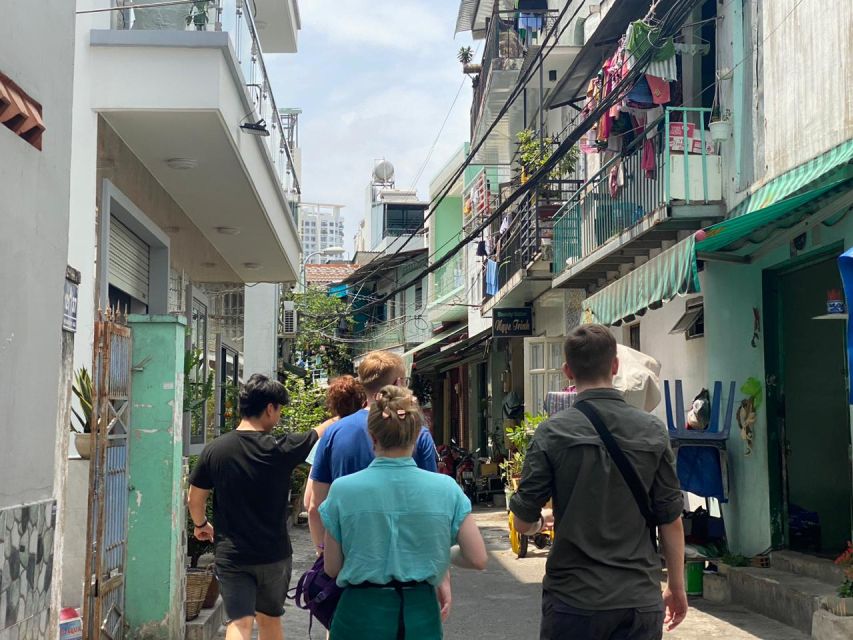
- District 6 Back Alleys to Bình Tây Market: The Day’s Real Atmosphere
- Shopping With Language, Not Just a Shopping List
- Auntie Tu’s Kitchen: 5 Dishes, Clear Techniques, Real Home-Style Instruction
- The standard menu (5 dishes)
- The vegetarian menu (5 dishes)
- What instruction feels like
- How Transport and Photo Moments Keep the Day Moving
- What You Eat, and Why the Meal Matters Here
- Price and Value at $56: Is It Worth It?
- Who This Works Best For (and Who Should Rethink)
- Practical Prep Checklist for a Smoother Day
- Should You Book Auntie Tu’s Home Cooking Class?
- FAQ
- What is the duration of the cooking class?
- Where does the tour operate?
- How much does it cost?
- What is included in the price?
- What dishes are included?
- What should I bring?
- Are there any rules about food or drinks?
- Is it okay for vegetarians?
- Who is the tour suitable for?
- FAQ
- Can I cancel and get a full refund?
- Where are pickup and drop-off locations?
- Do I get any materials after the class?
Key points I’d plan around
- District 6 street time: back alleys first, then Bình Tây Market, so you see daily life instead of just restaurant food.
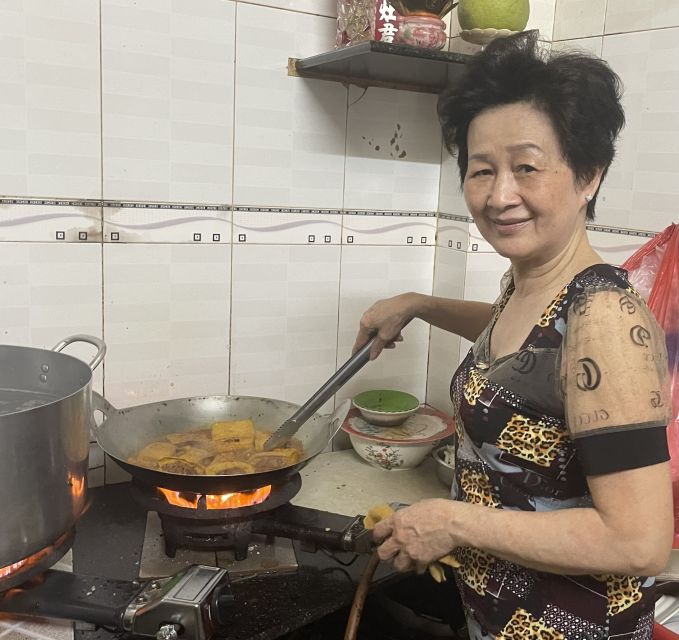
- A real home kitchen with Auntie Tu: you learn the method from a local cooking host, not from a stage.
- A 5-dish menu with two options: meat/seafood style and a vegetarian set that still includes a sour soup.
- Market shopping made understandable: the guide helps you connect Vietnamese words to how people buy groceries each day.
- Photo coverage and a conical hat: small extras that make the day feel complete.
- Comfort prep matters: bring sunglasses, sunscreen, and wear covered shoes for walking and hot surfaces.
Bargain-size Time, Big-Meal Learning: What 4 Hours Really Means
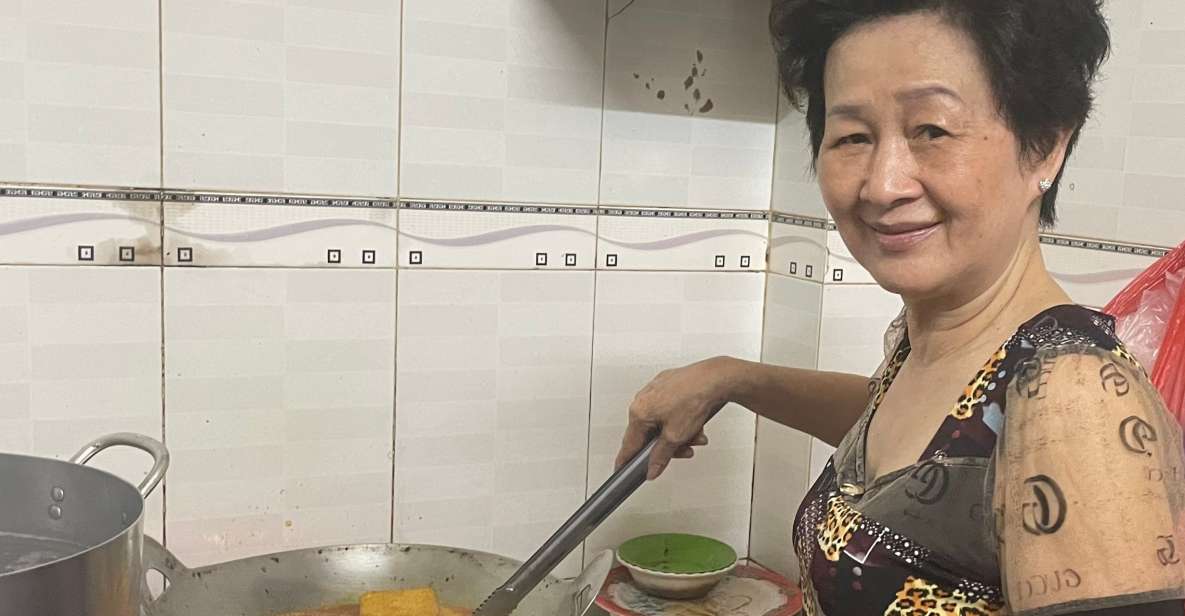
Four hours sounds short, but this is a tightly packed, full-food program. Expect a flow of walking, market shopping, cooking, and eating—so you’re not just watching. You’ll be moving between neighborhoods and activity zones, then spending time in a small home kitchen where you’ll follow Auntie Tu’s approach step by step.
This timing works especially well if you want an activity that feels like a local day without stealing half your trip. It also helps you avoid the common travel problem of doing one “cultural” thing that’s dry and informational. Here, your hands are involved, and your meal is the payoff.
If you’re the type who hates rushing, plan to go in with the mindset that the market portion sets the stage and the cooking portion is where your pace slows down.
You can also read our reviews of more cooking classes in Ho Chi Minh City
District 6 Back Alleys to Bình Tây Market: The Day’s Real Atmosphere
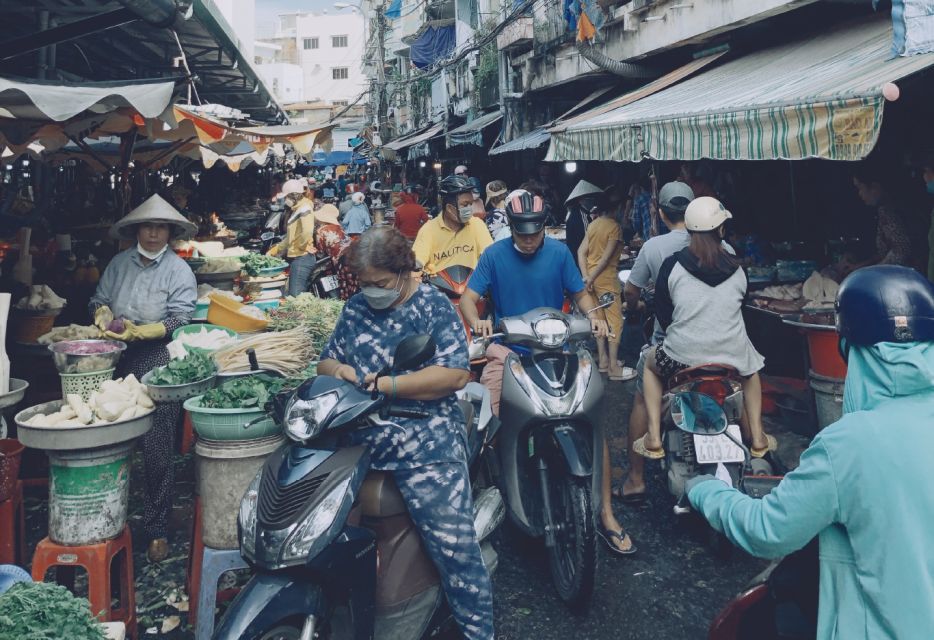
The first phase is all about how Ho Chi Minh life feels when you’re not in the main tourist corridors. You’ll head toward District 6, where you’ll walk through tiny back alleys and see locals going about their everyday business. This is where the experience earns its name: the city isn’t presented as a backdrop. It’s the setting.
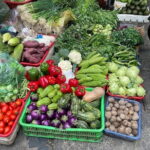
Then comes the market. You’ll visit Bình Tây Market, and the goal isn’t just sightseeing. The market visit is where you absorb the practical side of cooking: what ingredients look like in real life, how vendors present items, and how you choose what to buy for your later dishes. The market is also where the day becomes social—people are exchanging, deciding, calling out, moving around.
One practical note: markets come with strong sun and lots of foot traffic. You’ll be outdoors during the walk, so sunscreen and sunglasses aren’t optional.
Shopping With Language, Not Just a Shopping List
A huge value-add here is that the guide doesn’t just translate orders. You’ll use Vietnamese language learning to understand what people are actually buying and how they describe it while shopping. That makes the experience feel useful beyond the tour.
Think about it this way: recipes are great, but cooking also depends on understanding ingredient names and everyday terms. If you want to recreate dishes at home, knowing what to look for in a market (and how ingredients are commonly described) can make your next attempt smoother.
In other words, you’re getting a mini crash course in how Vietnamese grocery shopping works, not just a ticket to a food stall.
Auntie Tu’s Kitchen: 5 Dishes, Clear Techniques, Real Home-Style Instruction
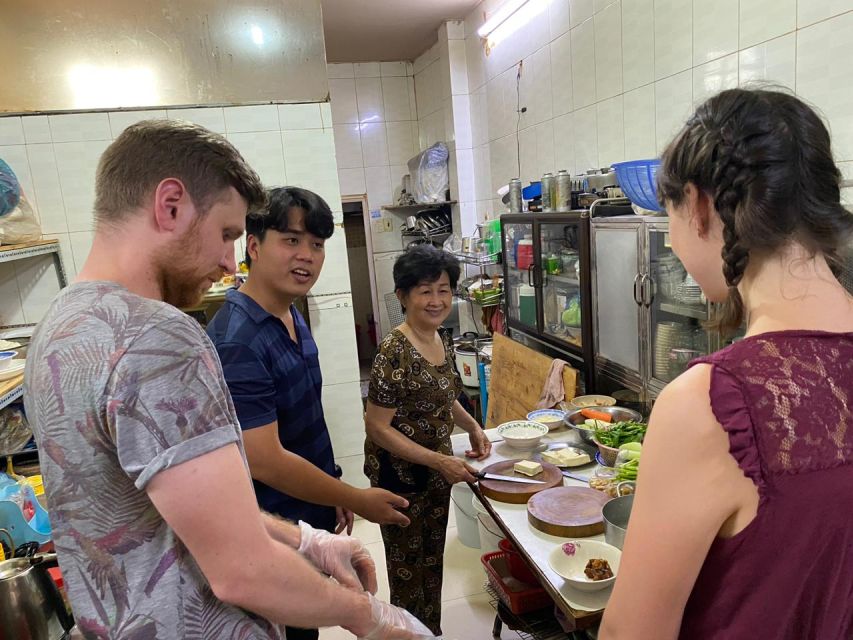
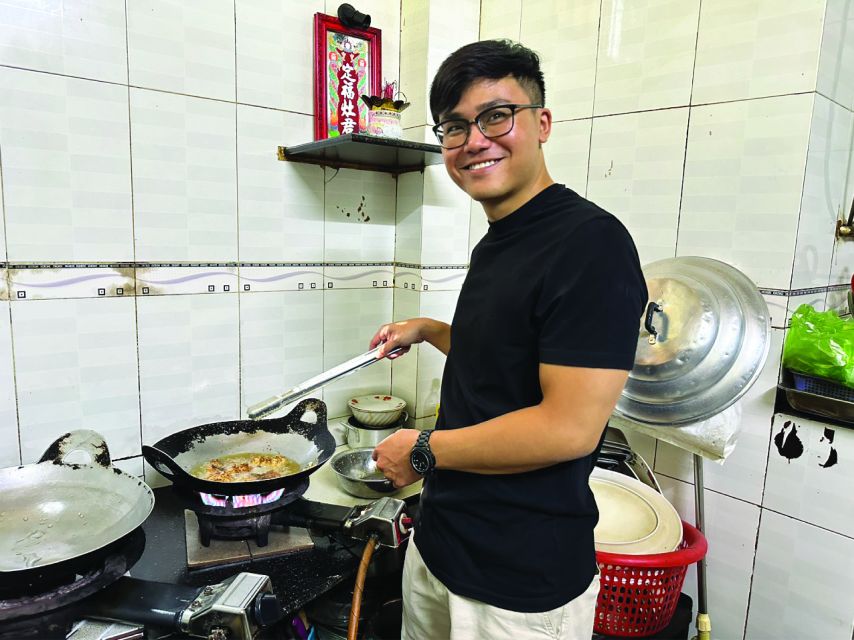
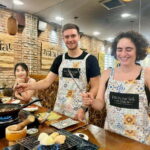
The highlight for me is that you cook in Auntie Tu’s authentic home kitchen. This matters because techniques feel different when they’re taught in a working space that’s part of daily life. You’re not stuck watching from a distance; you’re learning the steps and participating in the process.
The standard menu (5 dishes)
- Poached meat with pepper
- Fried egg with minced meat
- Fried red tilapia
- Sauteed garlic spinach
- Sour Soup
You can also read our reviews of more tours and experiences in Ho Chi Minh City

The vegetarian menu (5 dishes)
- Stewed vegetables
- Fried salted tofu with lemongrass
- Fried egg with onion
- Sauteed garlic spinach
- Vegetarian sour soup
This set-up is smart for two reasons. First, it ensures you’re not only practicing one cooking style. You’ll see poaching, frying, sautéing, and soup-making. Second, the sour soup shows up in both menus, so the “core Vietnamese flavor direction” stays consistent even if you’re vegetarian.
What instruction feels like
You’ll be taught step by step through Vietnamese cooking methodology. Several cooking techniques are included, and you’ll be doing plenty of hands-on work rather than only tasting.
Also, because one cooking host doesn’t always speak English (the translation support may come from the English guide), the experience stays clear. Guides like Bao and Kevin have been specifically mentioned for their friendly explanations and strong English, and they help connect what’s happening in the kitchen to what you should be doing next.
How Transport and Photo Moments Keep the Day Moving
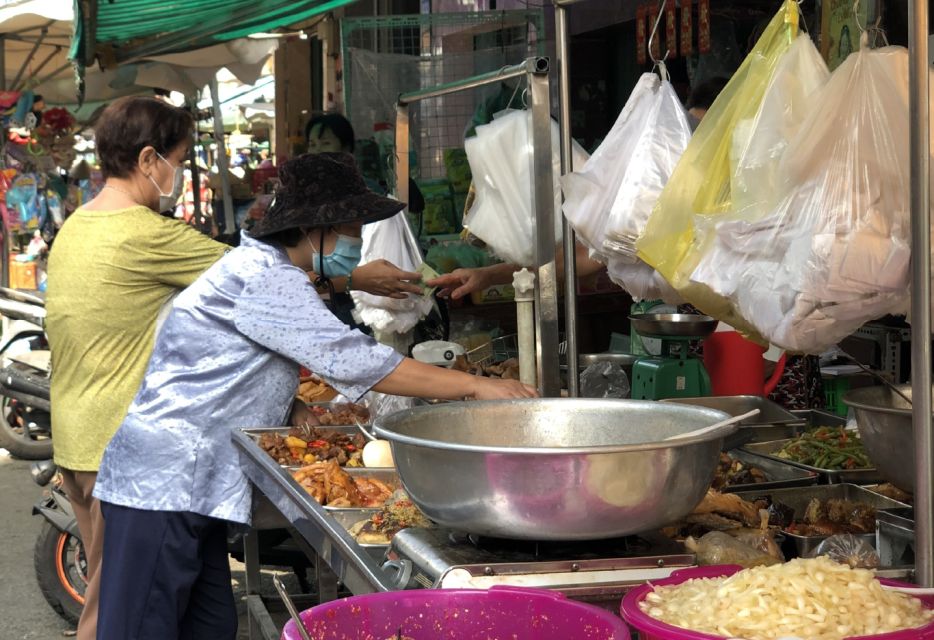
Getting between pickup points, the market, and the cooking home is handled with private transportation included. Pickup options are offered in District 5, District 4, District 1, and District 3, and you’ll be dropped off in the same set of districts afterward.
Depending on how the group is organized and your party size, you may ride on the back of a motorcycle with the guide. If you do, treat it like part of the cultural experience: traffic can be intense, and it’s thrilling in a way that’s very different from typical city tours. If you’re nervous about scooters, ask ahead what the transport plan looks like for your group.
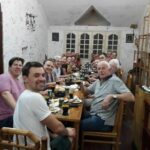
Along the way, you’ll also get beautiful photos included. That’s not just for memories—it’s useful because it gives you a visual reference for how the dishes and techniques were presented.
What You Eat, and Why the Meal Matters Here
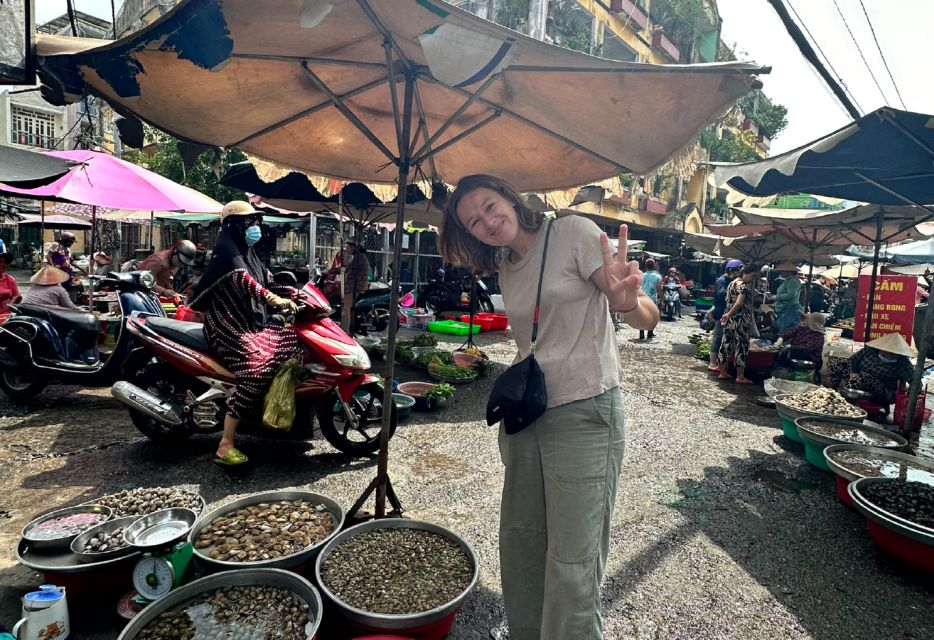
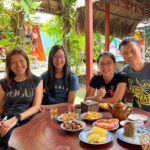
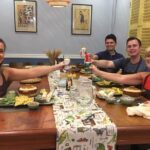
This class doesn’t end with a small bite. You’ll enjoy the dishes you help make as part of the overall experience. The included food and drinks cover meal time and help keep the day comfortable while you’re walking and cooking.
Ending with lunch (or the meal served at the end) is a big part of why this tour works. You don’t just learn in theory—you taste the results while the method is still fresh in your head. That’s when recipes start to make sense: you remember textures, flavors, and timing, not only ingredient lists.
The fact that you have both non-vegetarian and vegetarian menus also helps. You can choose based on dietary needs, and the dishes still follow a Vietnamese flavor logic rather than becoming an afterthought.
Price and Value at $56: Is It Worth It?
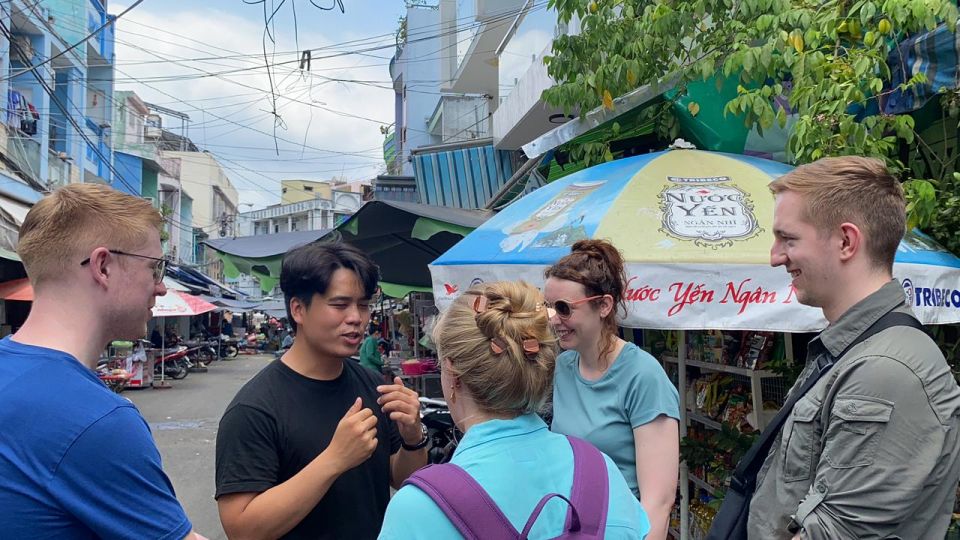
Let’s talk value in a real way. At $56 per person for 4 hours, you’re paying for more than a cooking lesson.
You’re also getting:
- private transportation
- an English-speaking local guide
- Auntie Tu as the cooking host
- market ingredient shopping experience
- food and drinks during the day
- a conical hat for walking under the sun
- photos
- multiple cooking techniques and a full dish set
When you compare that to shorter, demo-style classes that mainly show and don’t teach, the value improves. You’ll practice the steps and eat what you make, and you’ll leave with recipes later (the experience notes that recipes and photos are provided after). That combination is where the cost starts to feel justified.
If you want a pure cooking class with minimal walking, you might find it pricey. But if you want both street-to-stove context and hands-on learning, it’s a solid deal for a half-day.
Who This Works Best For (and Who Should Rethink)
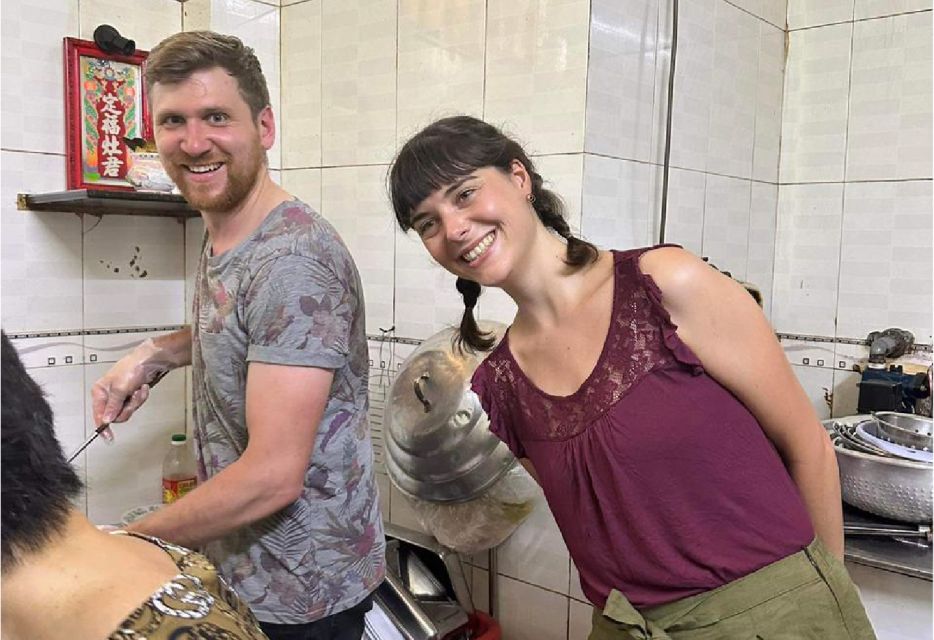
This tour is a great match for you if:
- you like local life and don’t mind walking through busy areas
- you want step-by-step cooking instruction you can repeat
- you care about understanding ingredients, not just following a recipe
- you prefer a smaller, more personal group setup
You might reconsider if:
- you can’t handle lots of walking or uneven ground (it’s not suitable for wheelchair users)
- you strongly dislike heat and sun—come prepared with sunscreen and sunglasses
- you’re not comfortable riding on a motorcycle if transport is offered that way
Also note the basic rules: no alcohol and no drugs. This is a practical, respectful policy for a home-kitchen setting.
Practical Prep Checklist for a Smoother Day
Small details matter on a tour like this.
Bring:
- Sunglasses
- Sunscreen
- Covered shoes (this shows up as a common tip because you’ll walk a lot)
Wear:
- light, breathable clothes you don’t mind getting a little warm
- something easy to move in for alley walking and market time
Skip:
- alcohol (it’s not allowed)
If you’re sensitive to strong smells common in wet markets, be aware that the market is part of the teaching environment.
Should You Book Auntie Tu’s Home Cooking Class?
If your goal is a Ho Chi Minh meal you can actually cook again, this is a strong yes. The combination of back alleys + Bình Tây Market + Auntie Tu’s home kitchen creates context you don’t get from a centralized restaurant class. You’ll learn technique, shop like locals, and eat what you make in a short, focused block of time.
Book it especially if you’re the kind of traveler who wants real daily life, not just a photo stop, and if you’re comfortable doing some walking in the sun. If you’d rather sit in one place, skip this and choose something more static.
FAQ
What is the duration of the cooking class?
The experience runs for about 4 hours.
Where does the tour operate?
It takes place around District 6, with a market stop at Bình Tây Market.
How much does it cost?
The price is $56 per person.
What is included in the price?
You get private transportation, food and drinks, an English-speaking local guide, a local cooking host (Auntie Tu), a conical hat for market walking, beautiful photos, cooking techniques, and the secret Vietnamese food recipe.
What dishes are included?
The standard menu includes poached meat with pepper, fried egg with minced meat, fried red tilapia, sauteed garlic spinach, and sour soup. A vegetarian menu is also available with stewed vegetables, fried salted tofu with lemongrass, fried egg with onion, sauteed garlic spinach, and vegetarian sour soup.
What should I bring?
Bring sunglasses and sunscreen.
Are there any rules about food or drinks?
Alcohol and drugs are not allowed.
Is it okay for vegetarians?
Yes. The experience offers a vegetarian menu with five dishes.
Who is the tour suitable for?
It’s not suitable for wheelchair users, and the tour is conducted in English with a private or small-group format.
FAQ
Can I cancel and get a full refund?
Yes. You can cancel up to 24 hours in advance for a full refund.
Where are pickup and drop-off locations?
Pickup options include District 5, District 4, District 1, and District 3. Drop-off locations are in District 4, District 5, District 3, and District 1.
Do I get any materials after the class?
Yes. Recipes and photos are provided after the experience.