REVIEW · HO CHI MINH CITY
Mekong Delta Trip To Cai Be – Tan Phong Island With Lunch
Book on Viator →Operated by Grayline Vietnam Threeland Travel · Bookable on Viator
Mekong Delta looks different than the photos. This day trip strings together Cai Be Floating Market cruising, coconut candy and fruit stops, and a Tan Phong Island cooking class plus bike time in rural villages. It’s a long day, but the variety keeps you moving through the real rhythm of the waterways.
I love the mix of boat rides and on-the-ground stops that explain how people earn a living along the Mekong. I also like that your lunch is part of the food experience, not an afterthought.
One possible drawback: the floating market can be quieter than you expect, with fewer boats than the classic big-photo version.
In This Review
- Key things to know before you go
- The Cai Be floating market reality check
- Coconut candy, fruit orchards, and the sweet stops that teach
- Don ca tai tu and rural village time: culture you can watch, not just read
- Biking through Cai Be villages: short ride, real road sense
- Boat ride to Tan Phong Island: the calm stretch before cooking
- The cooking class: what you’ll make and what to expect
- Lunch and the food you should actively look for
- How the day runs from Ho Chi Minh City (and where time can trip you up)
- Group size and the value of a $45 Mekong day
- Guides matter: Dana, Frank, Jay Jay, Jack, Denny, and Linh
- Should you book this Cai Be and Tan Phong Island trip?
- FAQ
- How long is the Mekong Delta trip to Cai Be and Tan Phong Island?
- What’s the meeting point and start time?
- Is hotel pickup included?
- What’s included in the price?
- What about food and dietary needs?
- What’s the cancellation policy?
Key things to know before you go
- Start time is early: expect a 7:30am departure from the HCMC area.
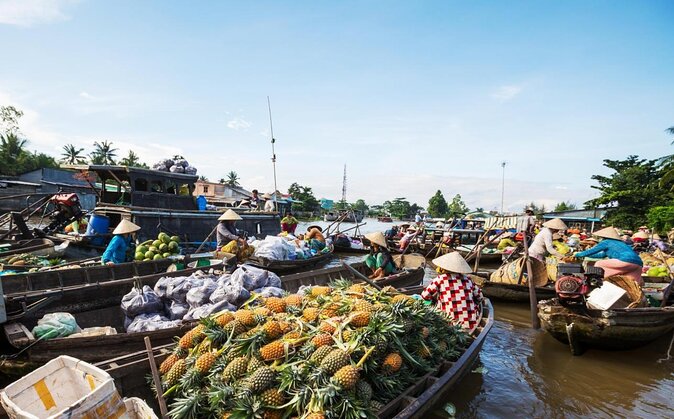
- Floating market pace varies: Cai Be can feel smaller and less lively depending on timing.
- Cooking class quality can vary: you may do hands-on prep, but some parts can be more demo-style.
- You’ll bike in village lanes: the ride is short but shared with pedestrians and bikes.
- Guides make a big difference: Dana, Frank, Jay Jay, Jack, Denny, and Linh are named in feedback.
- Transport comfort isn’t guaranteed: long drives can feel bumpy, so plan for it.
The Cai Be floating market reality check
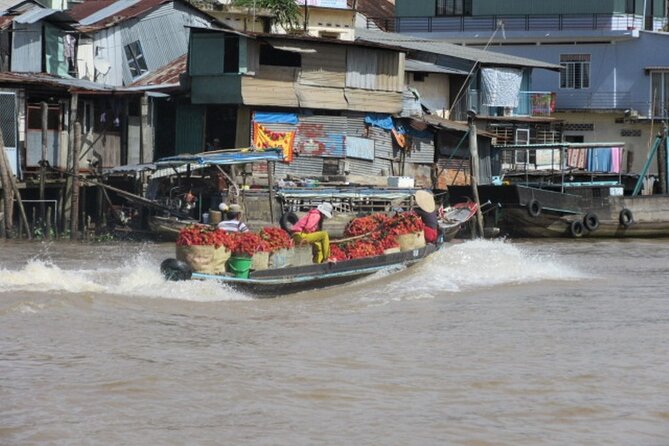
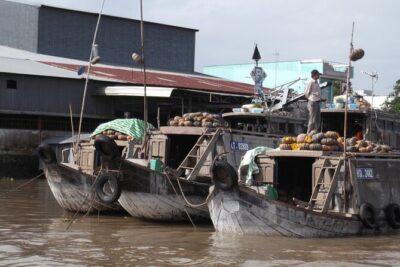
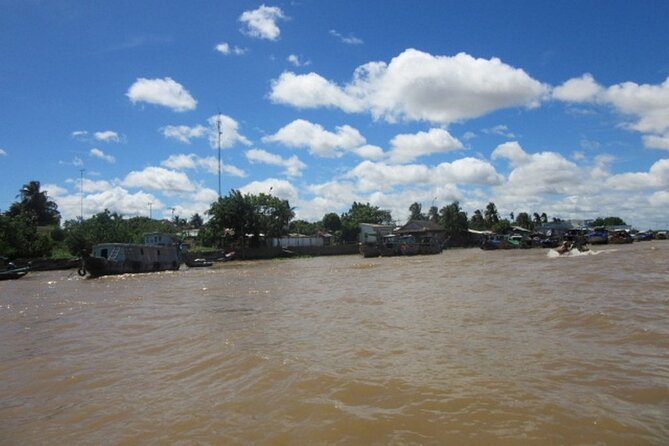
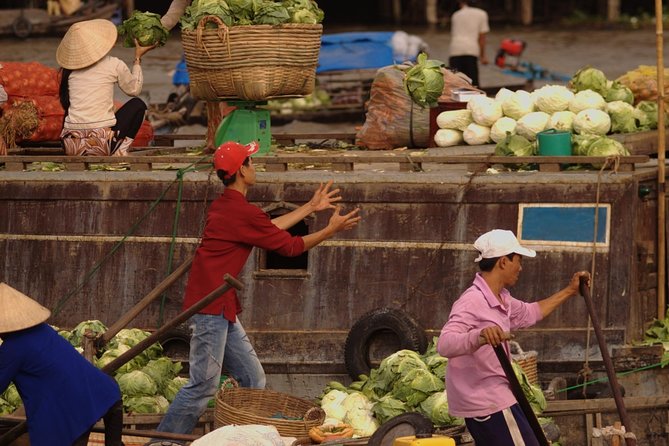
Cai Be Floating Market is the headliner, and it’s still worth it. Even when it’s not packed with boats, you’ll get the core experience: gliding along the river edge, seeing produce carried and displayed, and watching how daily trade works in a place built around waterways.
That said, plan your expectations carefully. Some people find Cai Be less dramatic than the famous floating market images—more like a modest cluster of boats than a nonstop river spectacle. If you go in knowing it can be low-key, you’ll enjoy it more, and the rest of the day won’t feel like it’s carrying everything.
The most useful way to think about this stop: treat it as a window into river life. You’re not only shopping for photos—you’re learning how the market supports fruit-growing and small local business.
You can also read our reviews of more tours and experiences in Ho Chi Minh City

Coconut candy, fruit orchards, and the sweet stops that teach
After the market, the tour shifts into land-based food culture. You’ll head to a coconut candy workshop where you can see how the sweet treats are made and then sample what you like. This is one of those stops where you get real context fast: the ingredients, the process, and why certain sweets show up across Vietnam.
From there, you’ll spend time around fruit plantations and orchards. You’ll get the sights and smells of Mekong-grown produce—exactly the kind of sensory detail that makes this region different from Ho Chi Minh City. It’s also where your guide’s stories matter most, because you start connecting what you saw on the water to what’s being grown inland.
A small tip from the experiences shared: if you see additional tastings at the candy stop, take them. People highlight free samples there, and that turns a quick factory visit into a more fun, low-pressure snack break.
Don ca tai tu and rural village time: culture you can watch, not just read
A big part of the tour’s “culture” is built around performance and place. You’ll hear traditional folk music called don ca tai tu during the village portion, and the idea is that you’ll experience it in context rather than as a museum show.
In practice, this segment can feel either natural or staged depending on timing and the exact setup that day. Some feedback notes that an on-site singing/dancing moment felt a bit awkward. That doesn’t mean it’s bad—just means you should treat it like a short cultural interlude, not the entire point of the tour.
Then comes the village wandering, with your guide guiding you through the local rhythm. This part matters because it’s not just “look at boats.” You’re seeing daily routines and how the river economy shows up in ordinary village life.
Biking through Cai Be villages: short ride, real road sense
The bicycle segment is one of the most loved parts of the day. You’ll pedal around the area with a guide, often framed as a look at orchards, village lanes, and everyday life beyond the market zone.
Expect it to be short, but not sterile. One practical caution from feedback: bike paths can be skinny, and you’ll share space with pedestrians and two-way traffic. Vietnamese driving can be aggressive, so keep your eyes up and follow your guide’s pace. If you’re new to bikes or nervous around traffic, this may still feel manageable because the ride is brief—but you’ll want calm focus.
I also like how biking fits the schedule. You go from boat motion to walking and tasting, and then you get this slow-moving “in-between” view. It helps you understand how people move goods and people locally—especially when the waterways are the main highway.
Boat ride to Tan Phong Island: the calm stretch before cooking
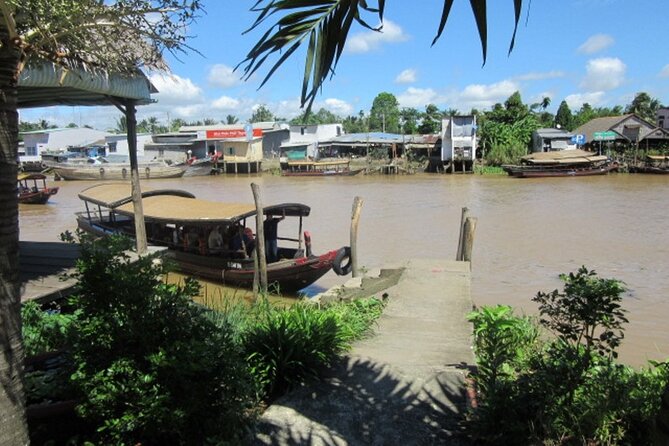
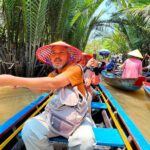
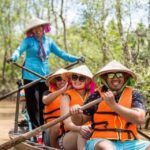
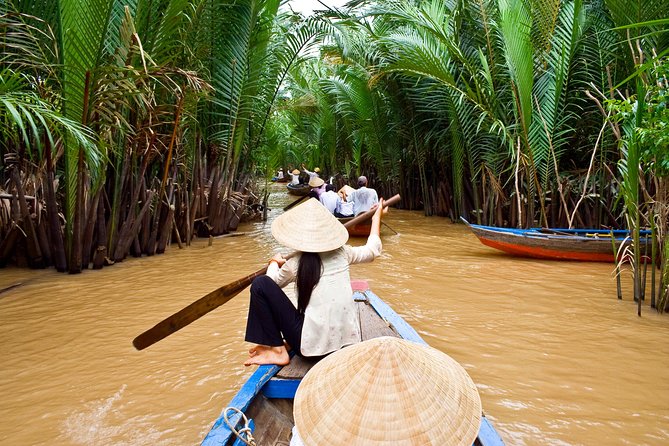
Once you’re back on the water, you’ll sail to Tan Phong Island. This boat transfer is more than transportation. It’s a chance to reset, take in river scenery, and feel the pace difference between the market area and the island-side villages.
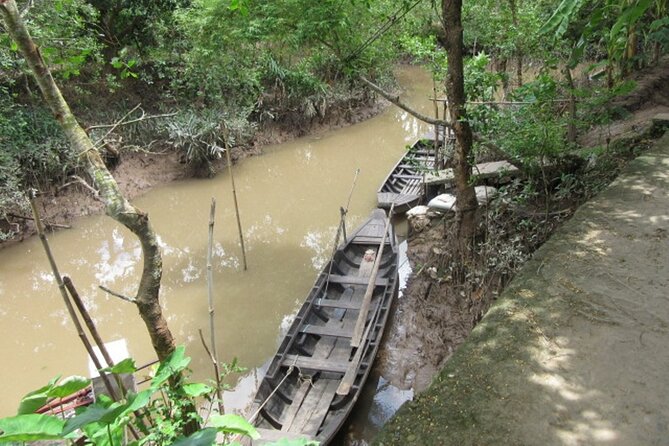
You’ll typically do a boat trip on smaller vessels rather than a huge cruise ship setup. That usually makes the experience feel closer to the local scale. It’s also where the day shifts from “watch and snack” into “learn and eat.”
If you get motion sick easily, it’s smart to take precautions before you board. The overall day includes a long drive out of Ho Chi Minh City plus multiple water segments.




The cooking class: what you’ll make and what to expect
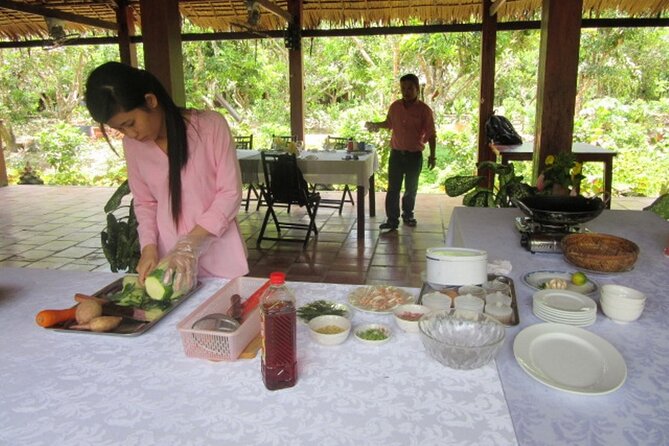
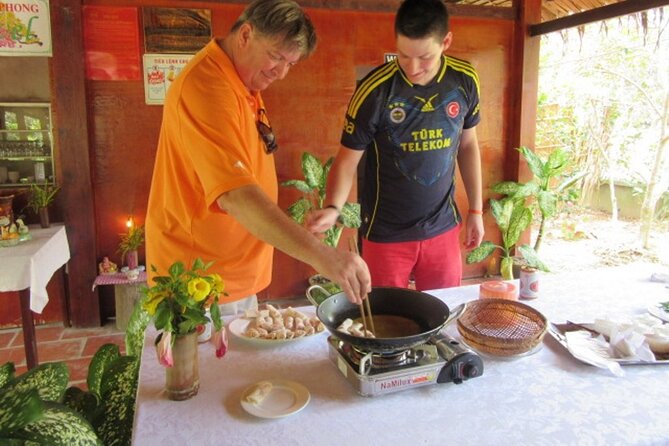
The cooking part is sold as a chance to learn Vietnamese dishes and cooking secrets, and you’ll see it framed as hands-on. Based on what’s described, you can run into recipes like braised fish, grilled steak, or fried elephant-ear fish.
But here’s the honest planning point: the cooking class style can vary. Some people describe it as actively cooking—then enjoying the meal right after. Others found it lighter, like assembling spring rolls or making a savory pancake from prepared batter, with more chopping that’s already partially managed.
So how should you approach it? Come with a mindset of learning technique more than mastering a full kitchen workflow. If you’re hoping to do every step from scratch like a cooking school in a Western classroom, you might feel slightly shorted. If you’re okay with a guided food demo where you participate where you can, you’re likely to enjoy it.
One more practical note: this is a sweaty, hands-on food moment on a warm day. If you’re concerned about cleanliness or feeling comfortable while cooking, bring a small towel if you have one. People have commented on feeling messy from the cooking segment, so plan to cool down after lunch.
Lunch and the food you should actively look for
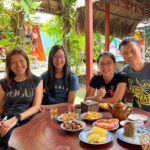
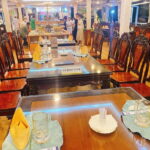
Lunch is included, and it ties directly to the food experience. That matters because you’re eating what you just saw made or what your group’s session focused on. In a good setup, this makes lunch feel like a reward instead of a stop to “get through.”
You may also encounter extra local drinks and snacks depending on the group’s flow. One standout tip: some people recommend trying snake wine, describing it as delicious. If you like adventurous tastings, this is the kind of moment you remember later.
Also pay attention to fruit along the way. Fruit shows up throughout the day, sometimes as prepared servings and sometimes as part of the broader orchard-and-market theme. It’s a good way to keep energy up during a long 10-hour schedule.
How the day runs from Ho Chi Minh City (and where time can trip you up)
This is an early start, and the day is long—about 10 hours. You’ll leave Ho Chi Minh City around 7:30am, drive out to Cai Be, ride boats, visit factories, bike through villages, and then head back.
The long drive is a real factor. Some feedback describes the ride as bumpy and uncomfortable, and a few note stress around transport style or speed. If you’re sensitive to road motion, it helps to pack water, keep hydrated, and plan for less-than-perfect comfort.
There’s also a timing reality with pickup and drop-off. Hotel pickup is included for Central District 1 hotels only, and the tour may use a meeting point if you’re outside that zone. One common friction point in feedback: late pickup or unclear pickup/drop-off details, sometimes requiring taxis to reach a pickup point.
My practical advice: confirm your exact pickup location before the morning of the trip, not just the day before. If you can, have your hotel staff double-check where the guide needs to meet you. This one small step can save you stress.
Group size and the value of a $45 Mekong day
The tour is described as small-group, limited to 12, and also listed with a maximum of 25 travelers. That means you should expect a smaller feel, but not necessarily a super-tiny group every time. When the group is tight, it’s easier for your guide to give personalized attention—especially during biking and cooking.
Price is listed at $45 per person, but actual cost can vary depending on where you book and promotions. In feedback, people noted paying different prices for what sounded like the same tour. So treat the posted price as a baseline, then check your booking page carefully.
Is it worth it? For $45, the value comes from stacking experiences in one day: a long Mekong river day, boat time, a workshop/factory visit, a village bike ride, a cooking session, and lunch. If you only wanted one of these things, you might feel like you’re paying for the bundle. But if you want a full “see the Delta, taste the Delta, ride the Delta” day, the package format makes sense.
Where it can feel less like value: if you’re expecting a huge, energetic floating market show. If Cai Be feels quiet on your day, the trip’s strengths are supposed to switch to the island cooking, village biking, and food stops.
Guides matter: Dana, Frank, Jay Jay, Jack, Denny, and Linh
A theme in feedback is that the guide can change the whole day. Names like Dana, Frank, Jay Jay, Jack, Denny, and Linh show up with praise for humor and clear explanations.
Why that matters for you: Mekong Delta tours can become a list of stops if the guide doesn’t connect the dots. A good guide turns each stop into a story about trade, fruit growing, river routines, and why certain foods exist where they do.
If you get a guide who talks through what you’re seeing, you’ll walk away feeling like you learned something real instead of just moving from one photo spot to another.
Should you book this Cai Be and Tan Phong Island trip?
Book it if you want a packed, food-focused Mekong day without planning three separate activities. This is especially good if you like hands-on moments like biking and participating in the cooking segment, and if you enjoy tasting your way through Vietnam rather than only watching.
Skip or choose another option if your main goal is a loud, crowded floating market spectacle. Cai Be may be quieter than expected on some days, so it’s better to commit when you’re open to enjoying the broader river-life experience.
If you do book, I’d go in with two strategies: confirm pickup details in advance, and bring flexible expectations for the floating market. Do that, and you’ll likely come away with a memorable Delta day—especially from the food and village rhythm, not just the riverfront photos.
FAQ
How long is the Mekong Delta trip to Cai Be and Tan Phong Island?
It runs for about 10 hours.
What’s the meeting point and start time?
The tour starts at 7:30am at 112 Đ. Trần Hưng Đạo, Phường Phạm Ngũ Lão, Quận 1, Hồ Chí Minh, Vietnam.
Is hotel pickup included?
Hotel pickup and drop-off are included for Central District 1 hotels. If you’re not in that area, you may be directed to a meeting point.
What’s included in the price?
Included items are hotel pickup/drop-off (Central District 1), bicycle rental, bottled water, the cooking demonstration, a Mekong Delta boat ride, lunch, and a local guide.
What about food and dietary needs?
Lunch is included. You should specify any dietary requirements at the time of booking.
What’s the cancellation policy?
You can cancel for a full refund up to 24 hours before the experience’s start time. If poor weather causes cancellation, you’ll be offered a different date or a full refund.