REVIEW · HO CHI MINH CITY
3-Day Mekong Delta Tour including: Cai Rang floating market
Book on Viator →Operated by Viet Nam Adventure Tours JSC · Bookable on Viator
The Mekong Delta runs on boats, not schedules. This 3-day small-group trip is a smart way to learn how everyday life works downriver, with an English-speaking guide, two nights’ lodging, and enough time in real villages to see the effort behind the food and crafts. I especially like how the day starts early for the best river moments, and how you get hands-on, human-scale experiences instead of only passing viewpoints. One thing to consider: the itinerary is full and involves long travel blocks, including an early 6:00AM start on day 2.
Cai Rang’s floating market is the headline, but it’s the way the guide ties it together—boats, produce, and livelihoods—that makes it feel more like a lesson than a photo stop. I also like the variety: river cruising in the My Tho area, a village day with food-and-craft moments, and then day 3’s fish-farm focus. If you get easily tired of early mornings and boat rides, plan your energy and pack light.
The tour is run by Viet Nam Adventure Tours JSC, with pickups in Ho Chi Minh City (District 1) and a group size capped at 15. With a rating of 4.9 and 98% recommendation, it’s clearly a popular way to do the Delta without feeling rushed or stuck in a big bus crowd.
In This Review
- Key highlights I’d plan around
- From Ho Chi Minh City to My Tho: the drive that sets the mood
- Mekong River time in the My Tho area: your first real taste of river life
- Cai Rang Floating Market at 6:00AM: the experience that sells the whole trip
- More than markets: local home time, noodle making, and towel weaving
- Birdwatching in an avian sanctuary: a quieter break you’ll appreciate
- Day 3: fish farms on floating houses and a look at Champa life
- How day 3 compares to the earlier days
- Price and what you actually get for $495 per person
- Practical travel tips for a smoother Mekong Delta trip
- Who should book this tour
- Should you book this Mekong Delta 3-day tour?
- FAQ
- What time does the tour start on the first day?
- Where is the meeting point in Ho Chi Minh City?
- How long is the tour?
- Is accommodation included?
- What meals are included?
- What kind of group size should I expect?
- Is tipping included in the price?
Key highlights I’d plan around
- Cai Rang Floating Market at 6:00AM for the best mix of activity and clear views
- Small group size (max 15) so your English-speaking guide can actually answer questions
- Two nights in a 3-star or higher hotel so you’re not sleeping on the move
- Birdwatching in an avian sanctuary for a calmer break between river days
- Fish farms on floating houses for a close look at how people raise seafood in the Delta
From Ho Chi Minh City to My Tho: the drive that sets the mood
Your tour kicks off at 8:00AM with pickup from District 1 in Ho Chi Minh City. The meeting point is at 123 Lý Tự Trọng (Phường Bến Thành, Quận 1), and you’ll be transferred by air-con van/bus toward the Mekong Delta.
What I like about starting from District 1 is that you’re not immediately dealing with long taxi rides across town. The ride itself matters, too. As you head downriver, you go past green rice fields and get your first real sense of how flat and water-connected the region is. It’s not just scenery—it’s context for everything you’ll see later on boats and floating houses.
One practical note: it’s a tour day, not a slow morning. Even before you hit the river, you’ll want to be ready to move. If you’re traveling light and not trying to cram in extra city plans the night before, the start feels smooth.
You can also read our reviews of more shopping tours in Ho Chi Minh City

Mekong River time in the My Tho area: your first real taste of river life
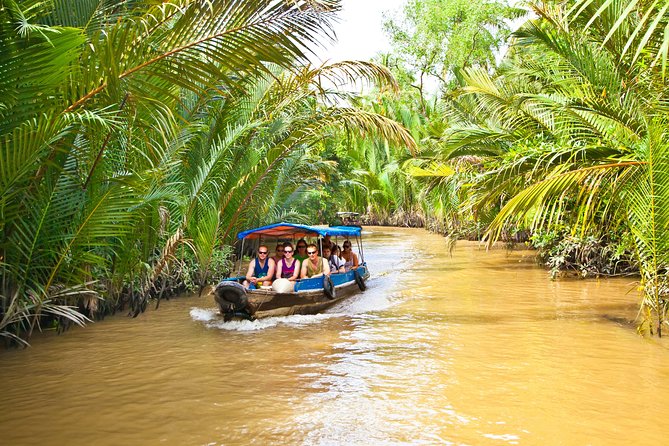
Day 1 includes a Mekong River segment (with an admission ticket included) and takes about 6 hours. You’ll arrive in My Tho and settle into a river rhythm that’s very different from Ho Chi Minh City.
This part is valuable because it helps you understand the layout of the Delta—how communities connect by waterways, and how transport, food, and work all follow the water. If you’ve only read about the Mekong, you’ll feel it here. The river doesn’t behave like a scenic backdrop. It’s the main road.
Also, day 1 is a good place to orient yourself for what’s coming next. Cai Rang on day 2 is intense and colorful, but you’ll enjoy it more if you’ve already spent time learning how boats move and how locals use the river.
If you’re the kind of traveler who likes to avoid sensory overload, pace yourself on day 1. There’s a lot packed in across three days, and day 1 is the setup that makes day 2 easier to enjoy.
Cai Rang Floating Market at 6:00AM: the experience that sells the whole trip
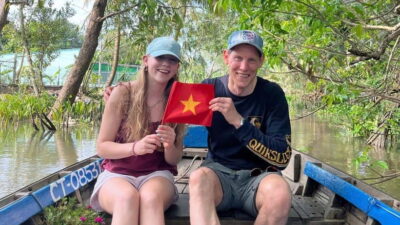
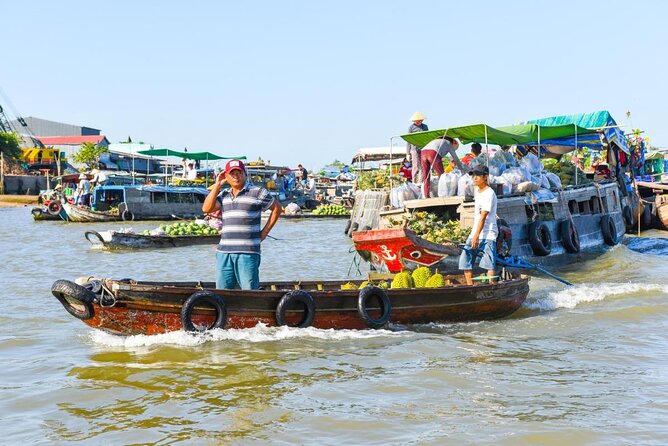
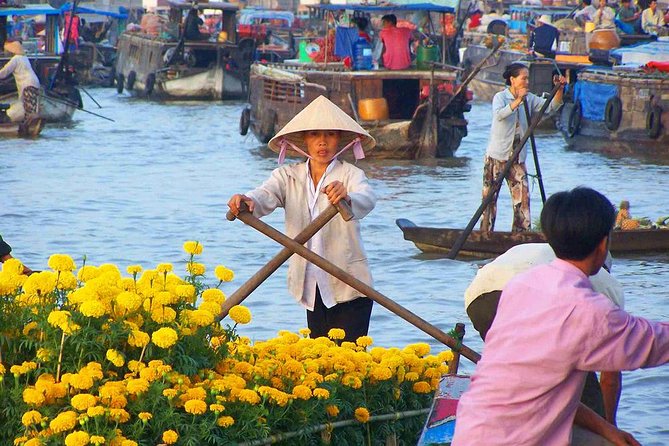
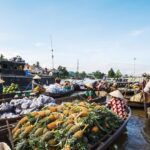
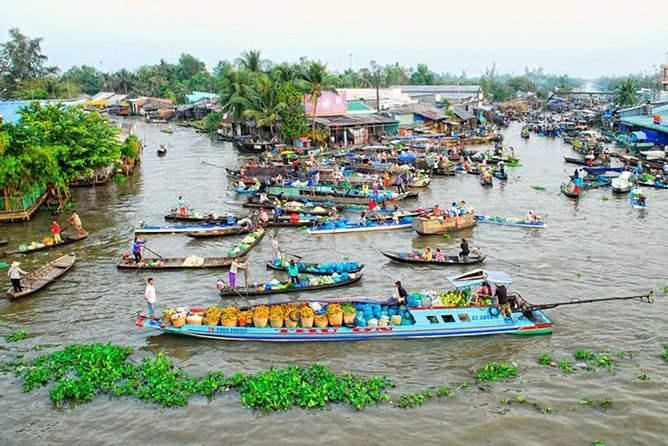
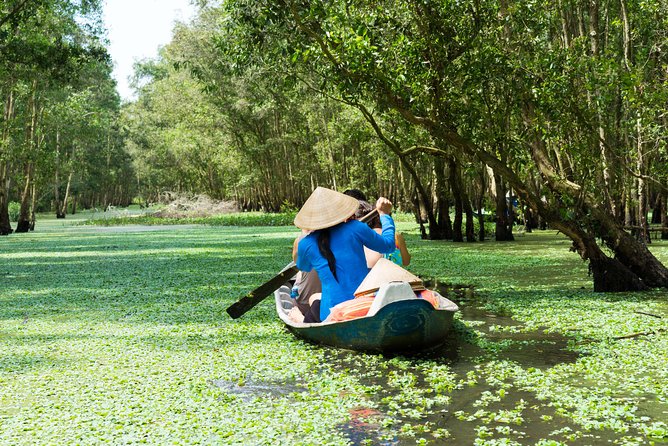
Day 2 starts early—check out and head out at 6:00AM. Then you take a leisurely boat trip through the tributaries of the Lower Mekong River before reaching Cai Rang Floating Market, the biggest floating market in the region.
This is the part most people dream about, but here’s the thing: the timing is what makes it work. Going early means you get morning activity before the day gets hotter and before the market becomes harder to navigate. You also get a steadier rhythm of boats coming and going, which makes it easier to watch without feeling like you’re constantly dodging a crowd.
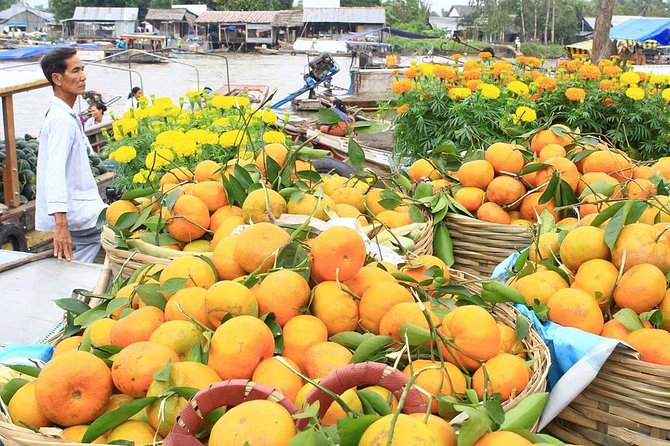
What I’d pay attention to is not just the boats and the produce, but the system. You’ll see why floating markets are efficient: food can be carried straight by water, and buyers and sellers can meet without needing to transfer everything to land first. Your English-speaking guide helps connect those dots, so it feels meaningful rather than just scenic.
Possible drawback: day 2 is a long day after an early start. If you’re not a morning person, this will test you. The upside is that the market experience is the highest-impact stop, so you’re earning that early wake-up with a top-tier river moment.
More than markets: local home time, noodle making, and towel weaving
One reason this tour feels more authentic than a basic sightseeing circuit is that it includes village-based experiences beyond just getting on and off boats. Across the three days, you’ll spend time in small villages, including time in a local home. You’ll also watch a rice noodle-making demonstration and get time to visit a towel weaving village.
These are the kinds of stops that are easy to skip on a rushed trip. Don’t. Here’s why they matter: markets show what people buy. Village demonstrations show how it’s made—who makes it, how long it takes, and why the process is worth the effort. When you watch noodles being prepared, you start to understand why rice is so central to life here.
The towel weaving stop adds a different angle. Even if you don’t buy anything, watching the craft gives you a feel for Delta work that isn’t just farming or fishing. It’s another reminder that the Delta economy is mixed—water and land, field and workshop.
If you’re the type who likes to ask questions, bring them. Your English-speaking guide is there for this. Ask how the work ties to river cycles, or how families organize labor. You’ll learn more from curiosity than from just watching.
Birdwatching in an avian sanctuary: a quieter break you’ll appreciate

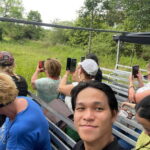
Not every Delta tour gives you a calm moment. This one includes birdwatching in an avian sanctuary. That matters because the Mekong days can feel nonstop: drive, boat, market, then more movement. The sanctuary is your reset button.
Birdwatching also gives you a different way to see the Delta. Instead of focusing on human activity only, you’re paying attention to wildlife and the environment that supports it. You’ll get a break from the motion and the crowds, with a slower pace that can help the rest of the trip stick in your memory.
Practical tip: bring what you’d use for outdoor time—something light for sun protection and comfortable shoes. You don’t need to be a hardcore birder to enjoy this part. The point is the change of tempo.
You can also read our reviews of more tours and experiences in Ho Chi Minh City


Day 3: fish farms on floating houses and a look at Champa life
After breakfast on day 3, you head out on a motorized boat trip through a floating village. This is the day’s centerpiece: you visit a fish farm and see how people raise fish from floating houses.
This stop is more than just a photo moment. Fish farming on floating structures shows how locals adapt to the Delta’s water patterns. When the water level changes, the whole system has to flex. Watching the farm setup helps you understand why life here is tied to the river’s rhythm instead of fighting it.
Then you’ll visit the Champa minorities, including a cultural stop connected to their tra tradition (the schedule notes this as tra-related). This part is important because it adds people and culture beyond the most common Delta stories. You get a sense of diversity within the region, not just the river-and-rice stereotype.
How day 3 compares to the earlier days
I like that day 3 is more focused. Days 1 and 2 give you the big, eye-opening highlights (river views and Cai Rang). Day 3 narrows into livelihoods—fish farming and community culture—so it feels purposeful.
If you’re deciding between 2 and 3 days, the structure suggests the biggest headline stop is day 2. But if you have the time, day 3 rounds out the picture by showing how the Delta feeds itself and how multiple communities live with the water.
Price and what you actually get for $495 per person

At $495.00 per person, this isn’t a budget day-trip. The value comes from stacking real essentials together:
- pickup and transfers from Ho Chi Minh City (District 1), including air-con transport
- an English-speaking guide
- 2 nights of accommodation (3-star or 4+5 star depending on what’s assigned)
- 2 breakfasts and 2 lunches
- boat time for the river and market experience
- admission tickets included for the key segments you do
When you price those items separately, the package starts to make sense. You’re paying for time and logistics: hotel stays, guide expertise, and coordinated boat schedules. In a region like the Mekong Delta, coordination is everything. Trying to do it alone often turns into extra transportation costs and uneven pacing.
Also, the small-group size (max 15) matters for value. It usually means less waiting around, and it gives your guide more chances to actually speak with you, not just herd you.
Consideration: you may feel the intensity more than the price. This is a “see the Delta” tour, not a relaxed weekend stroll.
Practical travel tips for a smoother Mekong Delta trip
A few things I’d do before you go:
- Pack for early starts. Day 2 is at 6:00AM, so bring a light layer and something for sun.
- Expect long travel blocks. You’ll spend much of the day moving between experiences. Comfortable shoes help more than you’d think.
- Keep a small day bag. You’ll likely want water, a hat, and your phone/camera ready for river moments.
- Ask your guide what to notice. The guide is English-speaking and built into the value; use that instead of treating stops like a checklist.
One more note: tips aren’t included. It’s optional, but if the service is good, you may want to budget a little for it.
Who should book this tour
This trip is a great fit if you want:
- a guided, structured way to see the Delta highlights in three days
- hands-on cultural moments (local home time, noodle making, weaving village)
- a river-forward itinerary with enough time to actually watch how things work
- a small group rather than a large bus crowd
You might choose something else if you prefer total independence, or if you strongly dislike early mornings and long days. This itinerary is designed to cover major areas efficiently.
Should you book this Mekong Delta 3-day tour?
I think you should book it if you want the best mix of market energy, village reality, and livelihood-focused stops—without having to manage transport, timing, and multi-day coordination yourself.
Book with confidence if small-group travel and an English-speaking guide matter to you. The big promise here is that you’ll leave with more understanding than just photos: why people sell from boats, how fish farming works on floating structures, and what daily craft and food production look like behind the scenes.
If you’re sensitive to early starts or prefer unhurried pacing, consider whether 3 days is too much in one stretch. But if you can handle full days, this is one of the more efficient ways to do the Mekong Delta well.
FAQ
What time does the tour start on the first day?
The first day pickup is scheduled for 8:00AM from your hotel in District 1.
Where is the meeting point in Ho Chi Minh City?
The meeting point is 123 Lý Tự Trọng, Phường Bến Thành, Quận 1, Hồ Chí Minh City, Vietnam.
How long is the tour?
The tour is listed as 3 days (approx.).
Is accommodation included?
Yes. Two nights of accommodation are included, in a 3-star hotel or a 4+5 star hotel (depending on what’s assigned).
What meals are included?
The tour includes 2 breakfasts and 2 lunches.
What kind of group size should I expect?
The maximum group size is 15 travelers.
Is tipping included in the price?
No. Tips are optional and not included in the listed price.